Archive | fleece blankets bulk RSS feed for this section

What to Do with Fleece Fabric?

10 Dec

Fleece is a fabric that screams cosiness, fun craft possibilities, and warmth, and it is one of the most adorable fabrics in existence. Fleece never frays (so it is fine for any beginner), and it is soft and fun to blend with various beautiful proposals. This guide is for those who have been taking DIY classes for a long time or just recently bought their first yard of fleece round wondering what to do with Fleece Fabric. The fleece makes for a very versatile, charming, and much-loved cuddly fabric, crafting for all the very right reasons-and so many of them.

Snuggly Creations: The Cosiest Projects You Can Make

Let’s start with the classics: blankets.

Fleece blankets are not merely easy— they are addictive. You can make a no-sew fringe blanket in under an hour, stitch a colourful patchwork throw, or even create a hooded blanket for kids. If you stitch a simple scarf with one seam, it will surely look like it came from a boutique store—on the condition that you don’t tell everyone unless you’re ready for some custom requests.

If you love comfy clothing, fleece is also perfect for loungewear. Pyjama pants, ponchos, slipper socks, and cosy vests are popular choices. One mom once shared that she made fleece pyjama pants for her son “just for fun,” and he liked them so much he refused to wear anything else for the next month. Fleece has that magic.

Crafting Joy for Kids

Children love fleece, not only to wear but also to use in crafting. Fleece is perfect to make projects free of needles, namely things kids love, such as sewless toys and little plushies. Here, they may design and create a cute fleece octopus, an oversized unicorn pillow, or even a character [mask] for dress-up.

Doll clothes, mini blankets, and small mittens shaped like dinosaurs make any child feel like a mini designer. The best part? These projects are quick, safe, and super forgiving. If a line isn’t perfectly straight, nobody will know except the sewing machine.

Fleece is also a great teaching fabric for beginners learning their first stitches. It doesn’t slip, stretch too much, or cause frustration, which is a victory for both the kids and the grown-ups helping them.

Fun & Practical Fleece Projects for Pets

If you have a pet at home, fleece is about to become their new favourite fabric too.

Really easy to make a pet bed from fleece straps tied together-layered fleece provides a soft, durable, washable spot for resting. The dogs really love the thick, squashy feel, while the cats… well, cats love anything they can claim as their own.

Fleece also makes braided dog toys, which are surprisingly strong and gentle on teeth. A pet owner once joked that her dog destroyed every toy except the fleece braid—so she made ten more “just in case.”

Decor & Everyday Home Comfort

Fleece is not just for clothing and toys—it works beautifully in the home.

Focus on fleece pillows with fringe detailing, reversible blanket accessories, or funky throws for brightening up living room seating. The variety in fleece fabrics provides the flexibility to match diverse decorating styles, wherever it may be perky kids’ rooms or snug hideaway reading nooks.

Very effective for cleaning, wool is interestingly similar to a magnet in the manner in which it pulls all dust and debris towards it. Make a duster or wash pad by hand. Cleaning applications are countless and fantastic, and they also go with the washing to boot.

Need a special gift wrap? Sew or tie a fleece gift bag—it’s soft, reusable, and turns even a small gift into something thoughtful and personal.

Turn Leftovers into Something Cute & Useful

One of the most delightful things about fleece is how every little scrap can become something new.

Instead of throwing pieces away, turn them into:

  • Freeze-pop holders
  • Coasters or cup sleeves
  • Bookmarks
  • Keychain plushies
  • Small ornaments
  • Tiny hand warmers
  • Braided bracelets

Fleece pieces never really go to waste. Even the tiniest strips can be braided into pet toys or used as stuffing for small pillows.

Tips for Working with Fleece (Beginner Friendly!)

If you’re just starting, don’t worry—fleece is one of the easiest fabrics to learn on.

  • Use sharp scissors or a rotary cutter for clean edges.
  • Pre-wash the fleece to remove excess lint.
  • Mark with fabric markers since chalk doesn’t show well.
  • Use longer stitches or slight zigzag seams when sewing.
  • Don’t stress about raw edges—they won’t fray!

Whether you’re sewing, glueing, tying, or simply folding, fleece plays along beautifully.

Choosing the Right Fleece for Your Project

A fleece may vary in thickness and texture based on the individual’s purpose. Thinner fleece is good for a scarf or craft, while thicker fleece is best for a blanket or a pet bed. It would thus be advantageous to choose fleece capable of resisting pilling, thus providing an extended period of smooth feel with frequent wearing, suitable for clothing and something requiring daily maintenance.

No matter what you choose, fleece gives you creative flexibility—and a lot of cosy final results.

When it comes to what to do with Fleece Fabric, the answer is endless! From cosy blankets to toys, from clothing to home decor, it offers hundreds of creation avenues. A fabric that is well-suited for beginners, yet excites the experienced, because it transforms effortlessly into wonderfully soft, warm creations.

About Us – PeachFur Fleece

If this blog has inspired your next project and you’re looking for premium materials, we offer wholesale fleece blankets in bulk, crafted from first-quality fleece. At PeachFur Fleece, we specialise in soft, durable blankets and apparel that elevate every crafting and gifting experience with warmth and colour.

What Is Anti-Pill Fleece?

10 Dec

If you have had similar feelings towards the fleece that cuddles you, feelings about watching a fleece throw or fleece jacket descend into a mélange few days post-first washing, your fuzzy dreams are made true with its arrival-crushed like no expression on its pile. A step further in such a state would prompt the fleece followers to pull it from the dryer and give the honest thought, “Oh, it went hiking without me?”

This is exactly where people start searching for what is anti-pill fleece, and why it has become a must-have fabric in apparel and home textiles.

Fleece anti-pill may give us the feeling that it is a beautiful marketing stunt, while it fluffs around with a fabric mixture that tries to get rid of one of the main flaws of most fleeces: pilling. But what exactly are the fibres?

Why Does Regular Fleece Pill? (A Quick Reality Check)

Pilling is the process of tiny fibres coming off from the fleece surface, either during washing, due to friction, because of wearing, or it just helicopters into the euchre table when someone gives too strong hugs to a dog. These little bits of fibre play Legos in the air and bond together in lumps of cloth.

As opposed to being attributed to smooth and heavy fleece, fleece becomes an assortment of bumpy textures that could not have served the purpose of having been its prime intention, spurred and introduced on the scene by others.

So, What Is Anti-Pill Fleece?

Anti-pill fleece is a specially designed fleece fabric that resists the formation of pills on the surface. In simpler terms, it’s fleece that keeps looking newer, longer.

It’s traditionally made from high-quality polyester fibres that are engineered, treated, and finished in a way that prevents fibre breakage and surface tangles.

If regular fleece ages like a banana, anti-pill fleece ages more like a fine cheese—soft, consistent, and loved for a long time.

How Anti-Pill Fleece Is Made (Without Getting Too Technical)

Anti-pill fleece gets its superpowers from three core elements:

Better fibres, smarter construction, and advanced finishing techniques.

1. High-Quality Fibres

Manufacturers use stronger, longer, and smoother synthetic fibres for better structural stability. This means fewer loose ends popping out and forming pills.

2. Tighter Knit Construction

The fibres are knitted in a controlled structure that helps prevent surface shedding. Think of it like hair tied in a ponytail—less chance of flyaways.

3. Special Anti-Pill Finishes

Processes such as singeing, shearing, brushing, and chemical treatments are used to smooth out the surface and reduce friction.

A fabric technician once described it as “giving fleece a spa day, so it behaves better.” That’s not far from the truth.

How Anti-Pill Fleece Prevents Pilling

The science is simple: When fibres can’t tangle, they can’t pill.

By reducing friction, minimising exposed loose fibres, and keeping the pile uniform, anti-pill fleece maintains that smooth “just bought it” look—even after repeated washing and daily wear.

A customer once shared that their child wore the same anti-pill fleece hoodie for three school years. With kids, that’s practically a miracle.

Why People Prefer Anti-Pill Fleece (And You Will Too)

People prefer anti-pill fleece for one simple reason—it continues to look and feel great long after regular fleece has given up. Instead of watching your blanket or hoodie turn into something destined for “garage duty,” anti-pill fleece maintains a fresh, smooth appearance through repeated wear and washing.

It is also consistent in being soft, avoiding the slow change towards a coarser texture that nobody likes. Though the initial cost may be a bit higher, the benefit is that there is no need to replace it every winter. As far as the opportunity to allow logos or custom embroidery is concerned, the smooth, pristine surface lends itself well to a longstanding professional look.

Regular Fleece vs. Anti-Pill Fleece: The Real Difference

FeatureRegular FleeceAnti-Pill Fleece
Surface SmoothnessDegrades quicklyStays smooth
DurabilityModerateHigh
PillingHigh chanceVery low
Ideal ForOccasional wearHeavy use, kids, outdoors
Lifespan1–2 years3–5 years or more

Are you trying to figure out what “anti-pill fleece” is? The simplest explanation is that anti-pill fleece is an intelligent, strong, and upgraded version of regular fleece meant to remain soft, smooth, and useful for years.

Whatever it is–apparel, blankets, or sweatshirts embossed with signatures and dates from campaigns of bitter truth–anti-pill fleece is a wise investment in peace and longevity.

About PeachFur Fleece

At PeachFur Fleece, we’ve been delivering first-quality, non-pilling fleece blankets and apparel for over 21 years. From wholesale fleece blankets to custom embroidered jackets, baby blankets, picnic throws, and our innovative Travel Billow, we specialise in durable, ultra-soft fleece that truly lasts. If you’re searching for premium, affordable wholesale fleece blankets in bulk with exceptional service, you’re in the right place.

How to Wash Sherpa Fabric

9 Dec

Sherpa is definitely one of the fabrics that captures your heart right away. It is warm, very soft like a cloud, and comforting like no other material. But this can also be the case for those who own Sherpa. One wrong wash cycle, and the beautiful fluff can easily turn hard, matted, or clumpy. If you have ever taken a sherpa blanket out of the dryer and asked yourself, “What happened to you?”, you are not the only one.

That is why knowing how to wash sherpa fabric can be a game-changer in keeping it nice and warm for a long time. This manual simplifies every aspect, incorporating practical instances that demonstrate the ease with which one can unwittingly harm sherpa and the equally simple ways of preventing it.

Why Sherpa Needs Special Care

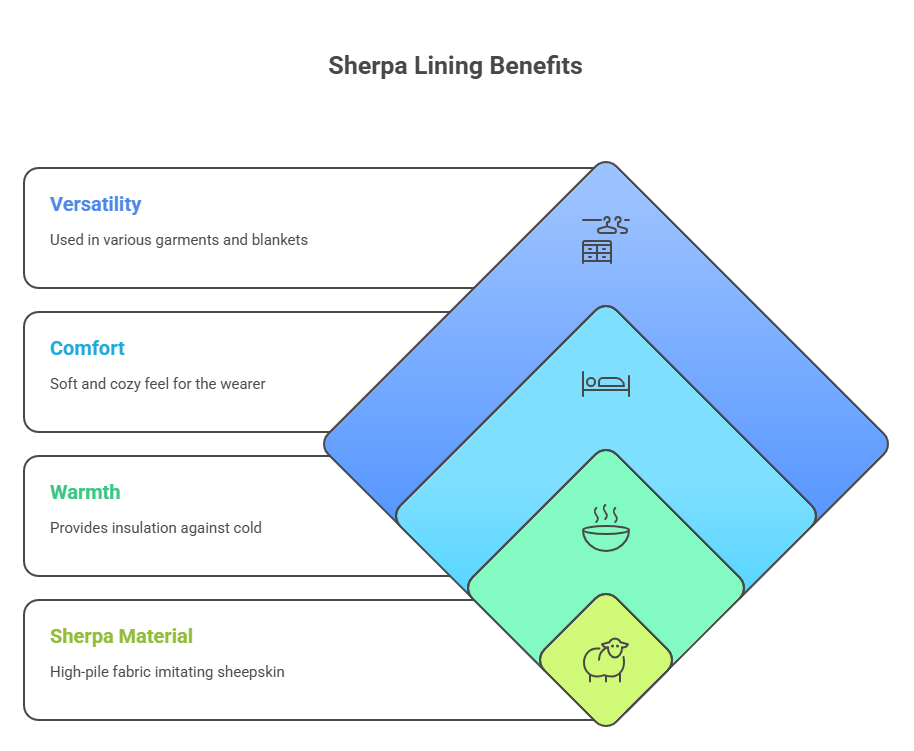
Sherpa material looks like sheepskin and is often made out of polyester and acrylic. It features a soft, lofty surface that feels wonderful, but at the same time, being delicate is the downside of its appearance.

A couple of years back, a friend of mine did a wash of her newly purchased sherpa hoodie together with her normal towels on a hot wash. The moment she pulled it out, the hoodie had the appearance of being 10 years older in just 45 minutes. The fibres had compressed, the plushness was lost, and even brushing could not help it. It is a case in point confirming that a sherpa requires super delicate treatment: heat and rubbing are the greatest foes of it.

Before You Wash: Prepare Your Sherpa the Right Way

Before learning exactly how to wash sherpa fabric, the preparation stage matters more than most people realise.

1. Check the Care Label

This seems simple, but many people skip it. Different sherpa blankets or jackets may have slight variations in care instructions. Following the label avoids accidental damage.

2. Pre-Treat Light Stains Gently

A wet cloth is to be used for cleaning off the dirt on the surface. A tiny dot of mild detergent can be placed on the stain, if any. Be gentle when working on the area—sherpa fibres can easily get matted.

3. Protect Your Sherpa in a Mesh Bag

Take your sherpa piece and turn it inside out. After that, put it into a mesh laundry bag. This not only diminishes the rubbing but also stops the transfer of lint. Just imagine it like a seatbelt for your sherpa.

Machine Washing Sherpa (The Safe Way)

You can machine-wash sherpa safely—if you do it correctly:

Cold Water Only

Hot water can shrink or melt synthetic fibres. Cold water keeps the texture intact.

Use the Gentle or Delicate Cycle

Sherpa doesn’t like aggressive agitation. A gentle wash reduces pilling and matting.

Choose Mild Detergent

Use a small amount of fragrance-free, dye-free detergent.

Avoid fabric softeners completely—they coat the fibres and make the sherpa stiff.

Run an Extra Rinse Cycle

Leftover detergent can weigh down the fluff, so an extra rinse helps keep it light and soft.

Wash Alone or With Soft Items Only

Harder fabrics like denim can rub against the sherpa and damage its pile.

One customer once told me that after washing her sherpa throw with jeans, her throw ended up with small “flat islands” where the texture was completely gone. Washing sherpa alone—or with similar soft fabrics—prevents this from happening.

Hand Washing Sherpa (The Safest Option)

If your sherpa item is very delicate or very special, hand washing is the gentlest method.

  1. Fill a basin with cool water.
  2. Add a small amount of mild detergent.
  3. Move the sherpa slowly through the water—no twisting or wringing.
  4. Let it soak for 10–15 minutes if needed.
  5. Rinse until the water runs clear.

Hand washing takes more time, but it gives a person a long, healthy life.

Drying Sherpa: Where Most People Make Mistakes

The crucial point in the process of learning how to wash sherpa fabric is drying. Sherpa fibres can get damaged permanently, either by melting or flattening due to heat.

Air Drying Is Best

Lay the sherpa item flat on a clean towel or hang it in a well-ventilated area.

Sherpa dries surprisingly fast.

If Using a Dryer, Use Only Low Heat or No Heat

Short, low-heat cycles are acceptable, but remove the sherpa while it’s still slightly damp, then let it finish air drying.

A reader once shared how she accidentally put her sherpa blanket through a full high-heat cycle. The result? A blanket that went from “soft and snuggly” to “rough and crispy” in under an hour. High heat is simply a no-go.

How to Restore Sherpa After Washing

There are occasions when, despite being washed, the sherpa appears to be somewhat tired and will need a bit of care to regain its fluffiness and freshness. Once the fabric is dry, with your fingers, rub it with light pressure to loosen the fibres that had stuck together and then, using a soft-bristle brush, like one made from boar bristles or a gentle pet brush, lightly brush the pile in the same direction.

Tips to Keep Sherpa Soft for Years

To keep the sherpa’s softness for years, the easiest method is to wash it infrequently, always use cold water, don’t use fabric softeners and avoid friction or high heat that may flatten or ruin the fibres. Keep the sherpa in a dry, cool place, and once it is dry, very lightly brush it to preserve the natural fluff. A tad of care and the sherpa remains soft, warm and with the look of new for way longer than one expects.

The washing of sherpa fabric looks to be a tedious process at first glance, but actually, it is very simple: gentle washing, low temperature, mild detergent, and shag brushing in some cases. Treat the sherpa well, and you will get the comfort and warmth that will last for years as your reward.

Sherpa Fleece Blankets in Bulk

PeachFur Fleece provides the best quality sherpa fleece blankets in bulk made of non-pilling materials, which are soft and warm, and most importantly, comfortable. In case you need a wholesale deal on durable sherpa products, we are ready to assist you. Contact us anytime for the most available sherpa fabric fleece blankets in bulk with quick delivery and amazing value.

What Is Berber Material?

9 Dec

If the term Berber has ever crossed your mind in reference to carpets, blankets, jackets, or items of home decoration, you might have found your curious self-searching for “what is Berber material and why does it seem to be everywhere?” And the answer might have been fascinating.

Berber material is not just one material name formed via tradition, culture, and contemporary industrial modes. The word “Berber material” refers to Berber carpet or Berber fleece wool, two types of materials in existence for quite different purposes, inspired by the art of the Berber people of North Africa.

Let’s look into what makes Berber a favourite material for anything-from warm and cosy winter-wear to tough floorings that face heavy foot traffic.

The Cultural Roots of Berber Material

If you want to actually know about the Berber fabrics, then you must start with their creation. Berber people from Morocco, Algeria, Tunisia, Libya, and other lands “… had been weaving for centuries. Their handwoven textiles contained an array of geometric patterns and symbols indicating their culture and use of wool and cotton fibres that nature makes available. Contrast the very hardy fabrics against the arid climatic conditions of the desert.

The modern textile industry aspired for these features to borrow from the culture when it named Berber materials that approximate the texture, warmth, or the technique of these ancient weavings. Having such a background is perhaps why Berber materials are known to exude both familiarity and timelessness.

Berber Carpet: Tough, Textured, and Built to Last

Berber material directly correlates with Berber carpets made to decorate homes, offices, and large traffic zones.

Berber carpet is famous for its looped construction, where uncut yarn loops create a textured, durable surface. These loops can be all the same height for a uniform look, or different heights for added dimension. The looped design helps the carpet hold its shape, resist flattening, and hide footprints or vacuum marks (a huge win if your home sees more foot traffic than a shopping mall on sale day).

Materials Used in Berber Carpet

While traditional Berber rugs were made of wool, modern versions use:

  • Nylon for strength and resilience
  • Olefin (polypropylene) for stain resistance and affordability
  • Polyester for softness and vibrant colour options

These synthetic fibres make Berber carpet budget-friendly, easy to maintain, and highly practical for busy households.

Where Berber Carpet Works Best

Because of its durability, Berber carpet is ideal for:

  • Living rooms
  • Hallways
  • Basements
  • Offices and commercial spaces
  • Rental properties

It’s a flooring option designed to handle life’s daily chaos—without complaining.

Berber Fleece: Soft, Fluffy, and Winter’s Best Friend

The other window is more in the lower extremity of the comfort range: the next kind of Berber stuff is the Berber fleece, and is far more comfortable. This material refers to a synthetic fabric that seems plush and curly, which is usually specifically used in jacketing blankets, hoodies, and other home artefacts. Sometimes referred to as sherpa or faux shearling, Berber fleece is man-made, yet allows people to enjoy the feel of natural sheepskin even better and cruelty-free, for that matter; it’s lightweight and much easier to maintain.

Where You’ll Find Berber Fleece

It’s commonly used in:

  • Winter jackets and hoodies
  • Cosy blankets and throws
  • Pet beds
  • Linings for boots and gloves
  • Home décor accents
  • Lounge and sleepwear

Its combination of softness, durability, and warmth explains why Berber fleece remains one of the most popular fabrics for winter textiles.

Traditional Berber Textiles: The Inspiration Behind It All

Moving away from the contemporary renditions, the original Berber textiles still prove to be a staple fixture in contemporary design. The product of hand-looming is a mirror of the culture’s patterns, symbolic motifs, and natural fibres. These woven beauties are what inspire contemporary area rugs, upholstery, throw pillows, and wall coverings. Such is the beauty of the arts that have existed for countless ages, influencing the modern style greatly.

The Berber care is one of the utmost gentle touches. Regular vacuuming should be done of the woollen Berber carpets, which should be dealt with as soon as anything is spilt onto them. Another precaution, of course, is to take care of looped carpets to keep the loops from snagging. Berber fabric should be cleaned with cold water and a gentle detergent with no fabric softeners, and then air or low heat dry until only slightly warm to the touch, so that it fluffs up. This way, both fabrics will stay pristine, very comfortable, and long-lasting.

Why Berber Material Remains a Favourite

So, what is Berber material? It is an engrossing harmony of tradition and innovation—born of North African craftsmanship and turned into two equally renowned textiles with modern-day grace, covering comfort and durability. As the indestructible sturdiness of Berber carpet collides with the delicious softness of Berber fleece, Berber materials assert themselves with their practicality, special textures, and timelessness.

From your floors to your winter wardrobe, Berber offers something warm, stylish, and dependable—just the way good textiles should.

Premium Wholesale Fleece Blankets in Bulk

We pride ourselves in offering bulk fleece blankets made of the finest quality in 330gsm non-pilling, luxurious, warm and soft fabric. These blankets are great for all organisations, charities, gifting, and corporate houses that want to give away something special, with the option to include individual custom logo embroidery. We never compromise quality. Peach Fur Fleece is there to provide you with the finest quality, top-of-the-line plush wholesale fleece blankets in bulk. Fast turnaround time and unbeatable price!

How Many Yards of Fabric Do I Need for a Tie Blanket?

9 Dec

So, if you are looking to make your first no-sew tie blanket, a common question that gets asked is, ‘How Many Yards of Fabric Do I Need for a Tie Blanket’ It might appear straightforward, but the issue of fabric yardage can prove to be somewhat gnarled—made more complicated yet by fringe cuts, fabric width, and the size of the blanket. The good thing is that once a few essentials are understood, selecting the right fleece is an easy task. (Just count yourself lucky for not having to remember any high school geometry:)

Let’s break it down clearly and professionally so you can start your project with confidence.

How Many Yards of Fabric Do I Need for a Tie Blanket

Here’s the basic rule:

Tie blankets require two equal-sized pieces of fleece layered together.

Your yardage depends on the size you’re making:

  • Baby blanket: 1 yard per side (2 yards total)
  • Child blanket: 1.5 yards per side (3 yards total)
  • Teen/Adult throw: 2 yards per side (4 yards total) — most common
  • Oversized adult: 2.5–3 yards per side (5–6 yards total)

It is time to lay stress on particulars so that a blanket can come out perfect for anybody–from a newborn to an extremely tall adult who, insistently, seems all right to say that “No blanket can ever be long enough.”

Why Yardage Matters Before You Start Cutting

Tie blankets may appear plain, but they are not as simple to complete as they appear. Due to being comprised of two fabric layers tied together, the blanket requires the fabric pieces to be of an equal size. Buying insufficient fabric results in uneven edges, a lack of fringe, which is not good.

Just consider yardage as your project’s groundwork. Once that’s right, the rest goes fine; cutting outdoor ground, tying vapour barriers, trimming shingles. Get it wrong, and you will always be found standing in the fabric aisle muttering, “I should’ve measured!” like every crafter who has gone before you.

Understanding Tie Blankets: Two Layers, One Cosy Finish

The fleece tie blanket involves layering and attaching two pieces of fabric on top of each other and cutting fringes on the edges by hand, and tying them together. In fact, this custom blanket does not involve any seam sewing requirement, and hence, you need to pick two well-coordinated prints for a smooth, even look. Fleece is usually sold in 56-60-inch-wide bolts, which are way big enough for a tie blanket. Addition of seams or extra panels will not be required.

How Many Yards of Fabric Do You Need (By Size)

1. Baby / Crib Size

1 yard of each fabric (2 yards total)

A baby blanket should be snug, lightweight, and easy to carry. One yard gives you a perfectly sized tie blanket for cribs, strollers, or tummy time. After cutting the fringe, the final size remains comfortable and very portable.

2. Child Size

1.5 yards of each fabric (3 yards total)

This is ideal for kids ages 3–10. It provides enough coverage without being too large for small hands to carry around. It’s also a favourite for sleepovers and car rides.

3. Teen / Adult Standard Throw

2 yards of each fabric (4 yards total)

This is the most popular tie blanket size. It creates a blanket large enough for:

  • Couch lounging
  • Dorm beds
  • Camping
  • Movie nights

It’s the perfect “one size fits most” blanket, even for teenagers who seem to grow another inch every winter.

4. Large Adult / Oversized Blanket

2.5–3 yards of each fabric (5–6 yards total)

Choose this size if:

  • The blanket is for a tall adult
  • You want full coverage from shoulder to toe
  • You want something extra cosy for winter

Oversized blankets also work well as bed toppers or cuddle blankets for couples.

Why Your Blanket Shrinks: The Fringe Zone

Every tie blanket loses about 4–5 inches on each side because of the fringe cuts. This means:

  • A 2-yard piece of fabric does not result in a full 72-inch finished blanket
  • Your final measurement will be smaller depending on how deep your fringe is

A simple formula:

Final blanket size = Fabric size – (fringe depth × 2)

So, if you cut 5-inch fringe, expect 10 inches of total reduction in both length and width.

This is why many people prefer to size up. Better to have extra than to end up with a blanket that mysteriously shrinks into “lap blanket” territory.

How to Choose the Right Fleece Fabric

Anti-pill fleece has a brilliant texture for tied blankets. It’s incredibly durable—anti-pill fleece stays soft, wears well, and does not fray. This gives added durability and comfort. Select a pair of coats with complementary designs, one pattern with a solid-colored fleece, or two pieces of the same fabric. It’s for this reason that an anti-pill fleece doesn’t matter, as this is reversible, might as well look good all the way!

Planning Leads to the Perfect Tie Blanket

Having estimated the amount of fleece required to create a no-sew tie blanket, the task to this end is much easier. So, armed only with the measurements and quality fleece, you will soon have a soft, cosy double-layered no-sew blanket – a piece made with skill, a sense of sturdy longevity, and the sharing and camaraderie of communal support in its simplest form.

Tie blankets are beginner-friendly, family-friendly, and perfect for gifting or donating. And the best part? Every blanket you make carries a piece of your creativity.

PeachFur Fleece Wholesale Support

PeachFur Fleece is dedicated to supporting crafters, creators, and charitable groups throughout the country. If you’re interested in making tie blankets or donating them in large quantities, our high-quality fleece blankets are available at wholesale prices and are ideal for such enormous projects.

For the best wholesale fleece blankets in bulk, feel free to reach out—we’re always here to help you spread warmth.