Archive | fleece blankets bulk RSS feed for this section

How Do You Tell the Right Side of Fleece Fabric?

22 Nov

If you’ve ever been struck staring at a piece of fleece, flipping it over and over in your hands the way you would examine an alien artefact, know that you are not alone. Fleece is one of those materials that feels great yet does not offer much of a clue about which side is right. For beginners, this can be very confusing; for more experienced sewists, this can still be very confusing on some days. Many people are trying to figure out how to tell the right side of fleece fabric, and with good cause, since the two sides often feel the same, and fleece does not have a very obvious “front” like printed cotton.

Years ago, when I made my very first fleece pillow, I confidently stitched the pieces together only to realise later that the “wrong” side was proudly facing out. My family was too polite to mention it, but the pillow definitely looked like it had forgotten to comb its hair. Ever since then, I promised myself I would learn every method possible to identify the right side of fleece—and today, I’m passing those methods on to you.

Why It Even Matters

You might wonder: “Does it really matter which side I use?”

Most of the time, yes.

The right side of fleece is richer, with a softer feel and better textural depth, topped with a smoother finish. Used in this way, it is meant to be seen. Wrong sides may not be incorrect for your project, but it will certainly show after making the garment. Also, if your design includes pieces that need to be stitched together, like a hoodie, a softie, or the other, matching the right sides will make a substantial improvement in quality of vision.

Start with Texture: Soft Isn’t Always Right

The most common method is feeling both sides of the fleece. While both sides are soft, the right side usually has a slightly more plush or “nubbly” surface. The wrong side tends to feel flatter and smoother. This difference is subtle, especially in solid colours, but once you compare the two sides with your fingertips, you’ll start noticing it.

Think of it like petting a long-haired cat: one direction feels smooth, and the other direction feels fluffy. The fleece right side has that extra little fluff factor.

If your fleece has patterns—like animal skins, florals, kids’ prints, or geometric designs—this is the easiest method of all.

  • On the right side, the pattern looks bold, sharp, and bright.
  • On the wrong side, it looks faded, slightly blurred, or dull.

Even beginners spot the difference instantly. The right side is your high-definition version, and the wrong side is the behind-the-scenes footage.

Look for Shine and Nap

The right side of fleece often has a subtle sheen when brought close to a light source, which is easily detected. In the main, the right side reflects more evenly and is smoother in appearance. When you rub your hands across the surface, the nap (the direction-wise lying fibres) feels smooth to the touch, and the fibre looks regular.

On the wrong side, the light disperses unevenly, giving a slightly duller appearance.

This trick feels especially satisfying—like discovering a hidden feature in a gadget you’ve owned for years.

Check Fibre Length and “Folded Over” Texture

Another reliable method involves comparing fibre length. The right side often has slightly longer fibres that seem to fold over themselves, creating a soft, cushioned texture. The wrong side looks a bit tighter and flatter.

This difference isn’t dramatic, but once you know what to look for, you’ll spot it quickly—even in solid fleece where colour cues aren’t available.

The Curl Test: The Most Foolproof Technique

If you forget every method above, remember this one. It works on almost every fleece type.

  1. Cut a small strip of fleece.
  2. Hold it by the width (cross-grain).
  3. Gently stretch it.
  4. Watch how the edge curls.

The fleece will curl toward the wrong side. So, the outside of that curl is your right side.

This test is simple, scientific, and, in my opinion, magical. The first time I learned it, I tested it on every fleece scrap I could find—though I did get odd looks for stretching fabric like I was checking for supernatural powers.

Check the Selvage and Rolled Edge

When you unroll it from the bolt, just notice how fleece acts, having been rolled with the correct surface out, most probably facing outwards. In all fairness, the fold that falls on the end naturally would almost certainly have the correct side of the fabric showing. It’s not a definitive rule, but coupled with the curl test, it’s a good clue.

When Both Sides Look Identical

Some fleeces, like blizzard fleece, double-sided fleece, or high-quality anti-pill fleece, really do look the same on both sides. In such cases:

  • Use the curl test to choose a “right side.”
  • Mark the wrong side with a piece of masking tape, a clip, or a small safety pin.
  • Keep all pieces aligned consistently while cutting and sewing.

Even if both sides are usable, consistency is key to avoiding shading differences once your project is assembled.

Many beginners assume the softer side must be the right one. Not always true. Another common mistake is cutting all pieces first and figuring out the right side later, which usually leads to confusion or mismatched pieces. The safest approach? Identify the right side early and mark it.

Final Thoughts + About Us

Now, by learning the way to differentiate the proper side from the wrong one on a fleece fabric, all your projects are going to look cleaner, smoother, and much more professional. And when you are ready to start using an outfit made from high-quality material, then go ahead with the PeachFur fleece collection.

We deliver American-made fleece fabrics and fleece blankets on a wholesale basis. They are created for lastingness, softness, warmth, and beauty. We are very proud to help crafters and businesses have only the best in materials to enhance the creations of warm and stylish high-end selections.

What Is Minky Fleece Fabric?

21 Nov

If you have ever touched a fabric that was so soft that you could not help but say, “Oh wow,” it is most likely that the fabric was Minky fleece. It has swiftly gained the status of the second most popular plush fabric among modern textiles. The fabric is adored by not only sewists, crafters, parents, and designers but also by everyone who enjoys being in a cocoon of comfort.

However, apart from the smoothness, a great number of people are still uncertain about Minky fleece, its characteristics, the production process, and the distinctions between it and conventional fleece. Today, we are going to gently and lucidly unfold the entire matter for you.

Why Minky Has Become the Gold Standard of Softness

Minky fabric has transformed over the last ten years, changing from a specialised material to a prominent and recognised one in the field of textiles. The reason for its presence in blankets, stuffed toys, loungewear, and home accessories is not trends, but rather its comfort. Besides, it is the cosiest of all the fabrics that consumers love as well. Manufacturers appreciate its long-lasting quality, crafters enjoy its wide applications, and consumers love it because it feels like a warm hug!

What Is Minky Fleece Fabric?

Minky is the softest and most comfortable plush synthetic fabric that is composed mainly of microfiber polyester. It is recognized due to its soft, smooth, luxurious at the same time and also a thick and velvety surface. Just think about Minky being the softer and more elegant version of the classic fleece—it is nice and its warmth is really pleasant, and it is really luxurious.

Minky of the highest quality is manufactured in such a manner that the fibres can stand tall, thereby forming a dense and velvety-soft pile. The feel of the fabric is such that your hand can barely touch it—it is almost like coming in contact with the surface of a tranquil lake… but then, that lake is all about comfort.

A Brief Look at Its Origins

Minky was originally developed as a cruelty-free replacement for mink fur in the early 20th century. While the name hints at luxury, modern Minky isn’t related to animal fur at all—it’s fully synthetic and much more affordable. Its real boom happened in the early 2000s when the baby product industry embraced it for its softness and gentleness on skin. After that, everyone wanted it. (Babies tend to set strong trends, after all.)

Minky is far softer and uniform now than it was then, when earlier versions were in use, all this in action owing to advancements in knitting machines and fibre technology.

The Structure Behind the Softness

What makes Minky special is how it is made. Its fibres are super thin—considerably thinner than human hair—which is the reason why it is so soft to touch. The microfibers are interwoven with a soft backing, and then the fibres are brushed to stand up, resulting in the soft pile.

A few things that influence Minky’s feelings:

  • Fiber fineness: thinner fibers = smoother texture
  • Pile height: longer pile = fluffier fabric
  • Brushing techniques: more brushing = softer finish
  • Stretch: some Minky fabrics include spandex for extra flexibility

Variations such as smooth Minky, dotted/embossed Minky, long-pile Minky, and printed designs add even more texture and style. In short, there’s a version of Minky for nearly every comfort preference—because apparently, humans take softness very seriously.

Why Minky Feels Different from Regular Fleece

Minky fleece does not simply feel soft, but premium. It is not like a regular fleece that has a duller surface, a less dense and less plush pile, a less rich colour, and no drape at all. It is more like comparing a normal cup of coffee to a latte made by a professional barista with perfectly whipped foam—both will satisfy caffeine craving, but one will be smoother and very indulgent.

Comfort, Durability & Breathability

Minky, with its soft touch, is surprisingly long-lasting. If created properly, the fabric will not pill, distort and remain soft even after many washes. The microfiber-like structure of the fabric also does an excellent job of retaining warmth without making the person wearing it feel heavy or suffocated.

Another advantage is breathability. The knit base allows air to circulate, making Minky comfortable across seasons—not just winter. When blended with a small amount of spandex, it also has a gentle stretch, adding comfort to garments and blankets.

Challenges & Limitations to Be Aware Of

No fabric is perfect—not even one as charming as Minky. A few things to note:

  • It’s slippery to sew. Minky tends to shift unless pinned, clipped, or guided with a walking foot.
  • Heat-sensitive. High dryer heat or ironing can damage the pile or make it clump.
  • May pill over time if overwashed or exposed to friction.
  • Environmental impact. As a polyester-based fabric, sustainable versions made from recycled fibres are becoming increasingly important.

Still, with proper care (and patience at the sewing machine), Minky can last beautifully for years.

How Minky Fabric Is Made & Tips for Working with It

Minky fabric goes through an organised production process where extremely thin polyester microfibers are made, they are then knitted into a soft backing, and finally, the pile is raised and the distinctive velvety softness is obtained by brushing.

Minky is a very soft fabric, but it can also be difficult to work with—its smooth surface necessitates a sharper cutting, more clips, and the use of supportive sewing techniques like a walking foot and longer stitches. If you are careful while working with Minky, it will give your projects a splendid look and feel that is luxurious and far above its simplicity.

Conclusion

Once you get to know minky fleece fabric, it is very easy to notice that it has become one of the most popular modern fabrics. Minky, with its lovely texture, durability, and bright appearance, is an ideal combination of comfort and practicality that very few fabrics can equal. It will be for the warmth and softness that people will definitely feel—the very reason that sometimes the right fabric is the only one that makes life more pleasant.

About Us – PeachFur Fleece

PeachFur Fleece is a manufacturer of high-end fleece articles that combine extreme softness and comfort, which are the main qualities liked by Minky lovers. Our fleece blankets in wholesale and custom fleece in any size, colour, and prints are made of top-notch non-pilling quality, which makes them suitable for mass use in hospitals, clinics, and schools as warm, durable and hypoallergenic fleece. If you want to offer your clients or projects the comfort of luxury, we are the right partner for you, as we provide great quality and wholesale prices.

What Is Berber Fabric?

21 Nov

In case you have always been the one to wrap yourself in a sherpa-style hoodie, appreciate the beauty of a textured tribal-patterned rug, or lie down under a soft fleece blanket and think, “What is this lovely warm material?”—you are not the only one. A lot of people meet the Berber fabric every day without noticing it. Thus, we are going to explain everything, beginning with the main question: what is Berber fabric?

Definitely, the response is really captivating since the term “Berber fabric” is used for two completely dissimilar textiles. One is the jacquard-patterned upholstery fabric that is woven, and the other is the curly fleece, mainly for winter clothes and blankets. But still, they have their roots in the same ancient Berber textiles of North Africa, and each has transformed to get its own character. Therefore, let’s start with the two styles, their uses, and the reasons for the uninterrupted popularity of this fabric in modern-day homes, closets, and decor.

What Is Berber Fabric? The Two Main Types Explained

When people ask what Berber fabric is, they’re usually thinking about one of two things:

  1. Jacquard Berber Fabric – a decorative textile woven with geometric and ethnic-inspired patterns.
  2. Berber Fleece Fabric – the soft, plush, sheepskin-like fleece commonly known as sherpa or faux shearling.

Although these two materials are called the same, the reason for this is their historical background. Nevertheless, the eventual result is different. One is associated with luxury furniture, while the other is recommended for you during a Netflix marathon.

Jacquard Berber Fabric: The Decorative Classic

Jacquard Berber is the most conventional type of Berber textile, drawing on the complex weaving methods of the North African Berber tribes. It is very much characterised by its unique geometric shapes and its earthy, soft-surfaced texture produced by twisted, looped yarns, commonly made from cotton, wool, or jute. It is the kind of fabric that you pick when you want your lounge to scream with confidence, “Yes, I have sophisticated taste, and by the way, no, this pattern is not from a clearance bin by chance.”

Berber Fleece Fabric: The Soft, Cosy Favourite

Conversely, Berber fleece—the one that comes first to mind for most people—became a hit during the 1970s owing to its soft touch, warmth, and low price compared to natural sheepskin. It is sometimes sold under the guise of sherpa or faux shearling, and it is still the reason why you occasionally end up purchasing a blanket that you are sure you will not use… but then use it every day.

A Brief History of Berber Fabric

Berber fabric is linked to the Berber tribes that inhabited the Atlas Mountains. These tribes’ conventional fabrics had the characteristic loops and patterns, and at the same time, they were providing their purpose of warmth in the very cold areas.

Modern Berber fleece took inspiration from those textures but adopted polyester and knitting technology. Instead of wool and handlooms, manufacturers now use synthetic fibres and advanced machines to create a fabric that’s just as warm—but far softer, uniform, and affordable.

Key Characteristics of Berber Fabric

1. Texture & Appearance

Jacquard Berber is rustic and patterned, while Berber fleece has a plush, curly pile similar to sheepskin.

2. Warmth & Insulation

Berber fleece is widely acknowledged and sought-after for its thermal-insulation capacity because of its looped structure, making it a preferred choice for winter.

3. Durability

Both types are known for resilience—jacquard in upholstery, fleece in clothing and blankets.

4. Breathability & Moisture Control

Even though wool often struggles to find a solution, Berber fleece has this dual capacity of maintaining inner warmth and keeping the wearer dry.

5. Hypoallergenic Qualities

The synthetic fibres used in Berber fleece are ideal for sensitive skin.

How Berber Fabric Compares to Other Materials

Berber fleece is more lightweight, softer, and less demanding regarding care than wool. On the other hand, polar fleece is softer and warmer. Moreover, it is superior to cotton and microfiber regarding warmth, comfort, and in terms of durability.

If polar fleece is a warm sweatshirt, Berber fleece is the luxurious winter coat you look forward to wearing.

Caring for Berber Fabric

The care of Berber fabric is very simple once you understand the fundamentals. Use only cold water for washing, whether it is a machine cycle or hand washing, and do not use bleach or softeners because they can ruin the fibres. The safest option is to dry it in the air; however, if you have to dry it, do it at the lowest temperature possible.

For the regular care of the fabric, softly brush the fleece to refresh the loops and at the same time, take away the lint. Berber should be kept in a place that is cool and dry, and its compression should not be for a long time so that the loft is maintained.

Conclusion

Berber fabric, jacquard or fleece is a fabric that has a long story behind it, and it is warm, durable, and comfortable. Berber is a never-fading fabric for home decorating because of its texture, softness, and, therefore, usability in every season. Now that you are familiar with the characteristics of the Berber fabric, the process of selecting the right one for your home, wardrobe, or even creative project, whether it is decorative or something luxuriously soft, has become a lot easier for you.

About Us – PeachFur Fleece

PeachFur Fleece is the place where mass production of good-quality fleece products takes place. Our blankets, throws, and other fleece items that can be personalised are all made with top-notch non-pilling materials for a super-soft feel that lasts. We offer not only reasonable prices but also guaranteed quality and fleece blankets in bulk that suit your needs, so it feels safe for organisations and businesses to create warm and comfy fleece items.

Where Can I Get a Personalised Blanket Made?

21 Nov

Personalised blankets emerged as one of the most significant, cosy, and useful gifts that one can give or get. A custom-made baby blanket with the newborn’s name on it, a family photo print throw, or a fleece blanket with a company logo are all examples of personalised blankets, which all have a tender, personal touch, and that is what makes them special.

If you ask yourself, where can I have a custom blanket made, you are not the only one. An increasing number of people want to produce something different, that they will not forget, and that is—let’s face it—pleasantly warm.

In this article, we are going to investigate the concept of personalised blankets, the reasons behind their popularity, and the vast selection of ways to obtain or make one, while avoiding any particular brand or manufacturer at the same time.

What Exactly Is a Personalised Blanket?

A blanket of personalisation is a different kind of blanket that has been made very specially by using a name, logo, image, date, message, or any other design element that a person wants to consider as special. Such a blanket can be made of fleece, Sherpa, woven cotton, coral fleece, or plush, etc. The common thing among these blankets is their personalisation, which can be large, like a full collage of family photos printed over the blanket, or small, like initials embroidered in the corner.

A personalised blanket is where softness meets sentiment. It’s a functional item that doubles as a keepsake—like giving someone warmth wrapped in a memory. (Scientifically speaking, it’s also one of the few gifts that never gets re-gifted.)

Why Do People Love Personalised Blankets?

Personalised blankets are incredibly popular for good reason. They’re:

  • Thoughtful gifts for birthdays, anniversaries, weddings, baby showers, holidays, or just-because moments.
  • Comforting keepsakes that hold emotional value—perfect for newborns, memorial gifts, and family milestones.
  • Practical items that people actually use daily, unlike gifts that end up sitting in a drawer.
  • Branding-friendly, making them ideal for corporate events, giveaways, team merchandise, and fundraisers.
  • Stylish home décor pieces that add warmth and personality to any space.

A personalised blanket is that one gift that would not only be perfect for the occasion but would also outperform the traditional mug or T-shirt gift by a huge margin. It could be used to remember a special moment, to advertise a business, or just to express one’s personality with a blanket that says “this is totally me” and more.

Common Reasons People Order Personalised Blankets

People order custom blankets for a wide range of meaningful and practical purposes. Parents order baby blankets with names and birthdates. Couples create engagement or anniversary throws. Schools design blankets with mascots. Brands use embroidered blankets as premium promotional gifts. Families print photo collages for reunions, holidays, or as sentimental keepsakes.

It does not really matter what the reason is for, personalised blankets have together the three factors that never get out of style, i.e., comfort, utility, and emotional significance.

Where Can I Get a Personalised Blanket Made? Your Options Explained

If you’re looking for where I get a personalised blanket made, the good news is that you have plenty of options—and they all allow you to create something uniquely yours.

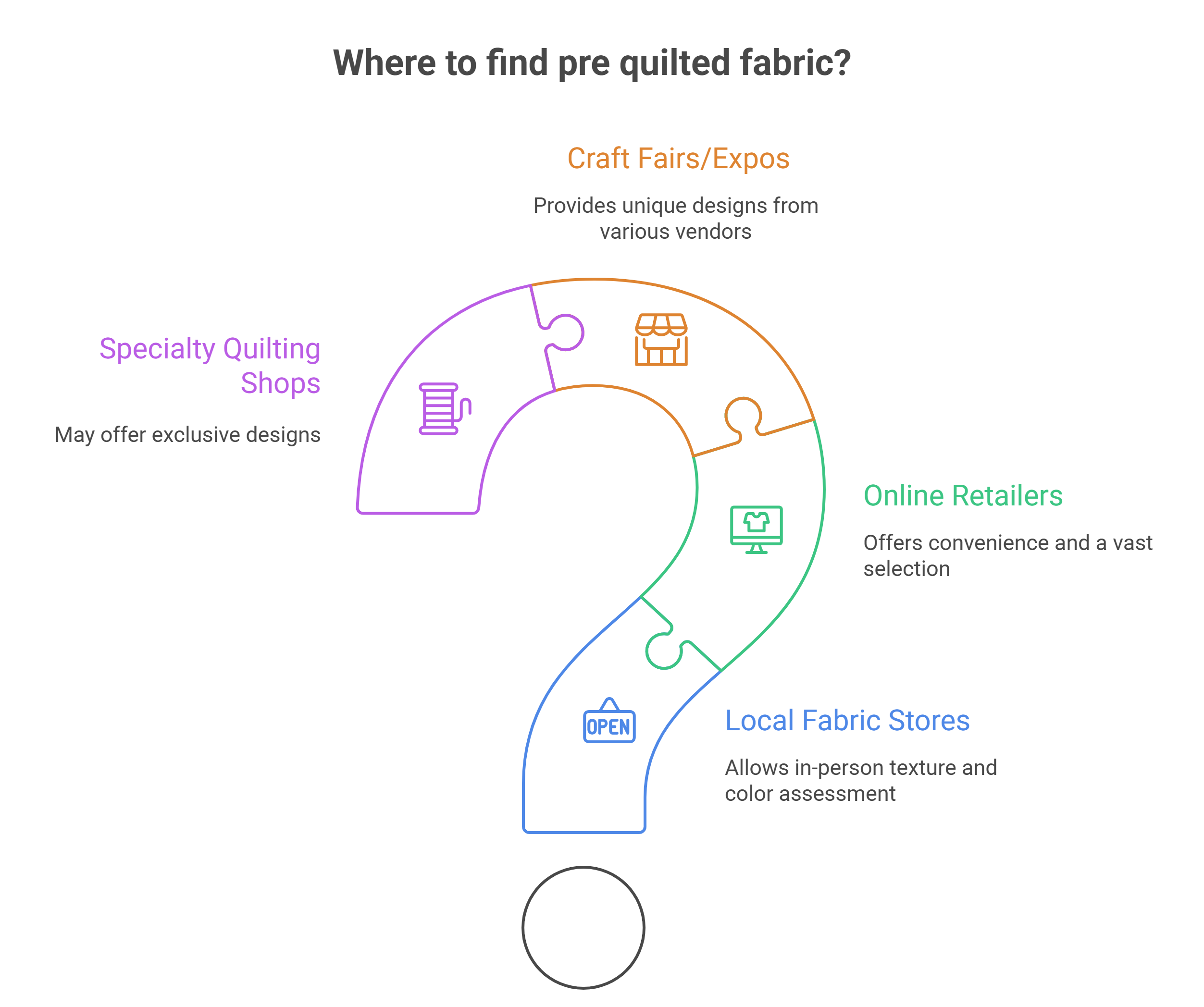
Online Custom Blanket Designers

These platforms let you upload photos, text, or artwork and preview your design instantly.

Perfect for:

  • Photo blankets
  • Full-print graphics
  • Quick order processing
  • A wide variety of blanket materials

This is the most convenient option, especially if you enjoy seeing your design come to life digitally before buying.

Local Print Shops or Embroidery Shops

If you prefer something more hands-on, local shops offer:

  • Embroidery for names, initials, and logos
  • Heat-transfer designs
  • Vinyl lettering
  • Laser engraving (for select fabrics)

It’s a great option if you want to feel the fabric first or need something quickly without shipping delays.

Handmade and Craft Market Sellers

For those who want something artisanal or truly one-of-a-kind, crafters can create:

  • Quilted blankets
  • Knitted or crocheted throws
  • Patchwork memory blankets

These are especially popular for baby gifts and heirloom-quality pieces.

Custom Embroidery Services

If all you want is clean, elegant personalisation, embroidery specialists can stitch names, dates, or logos on fleece, Sherpa, and other fabrics.

It’s long-lasting, professional, and perfect for corporate or event gifting.

DIY Personalisation

If you love crafting or enjoy adding your personal touch:

  • Iron-on vinyl
  • Heat-press transfers
  • Fabric paints
  • Sew-on patches
  • Hand embroidery

This option is budget-friendly and carries the charm of being handmade—even if the stitching isn’t perfect (it’s called character).

Ordering Personalised Blankets in Bulk

For businesses, charities, schools, events, or promotions, bulk ordering offers:

  • Lower pricing per blanket
  • Consistent designs
  • Professional embroidery or printing
  • Faster production for large quantities

This option is ideal for branding, giveaways, team spirit blankets, fundraisers, and holiday gifting programs.

What to Consider Before Ordering a Personalised Blanket

Choosing the right features from the very beginning will make the custom blanket completely to your liking. First of all, choose the fabric you prefer: fleece, sherpa, coral fleece, plush, or woven cotton. Each of these materials has its own unique qualities in terms of warmth and softness. After that, think about the size of the blanket, your choice of personalisation (embroidery, printing, or woven designs), and the longevity of the print, particularly if you opt for photo prints or vinyl.

Additionally, it is smart to confirm the turnaround time for an event or holiday, if the blanket is meant for that, and also to take into account the difference in pricing for single orders and bulk orders. A little bit of preparation will give you a blanket that is beautiful, warm, and a favourite possession.

Conclusion

A personalised blanket is an amazing mixture of cosiness and symbolism, thus being the most suitable gift, memento, décor item, or promotional product. Moreover, the myriad of customisation options available—from digital decorators to nearby stores and bulk orders—makes it even simpler to create something personal, special, and just for you. Therefore, when next you ask yourself where you can make a personalised blanket, you will have a clear starting point.

About Us – PeachFur Fleece

PeachFur Fleece has taken a step forward in the textile industry and is now offering wholesale personalised blankets in bulk at very affordable prices. We have a great variety of fleece items such as baby blankets, throw blankets, promo blankets, and cosy fleece made from good quality non-pilling materials, our speciality. In case you require a huge quantity of beautifully personalised blankets, we are content to provide you with comfort, quality, and exceptional value.

How to Care for Sherpa Fleece

21 Nov

Sherpa fleece is always referred to as the cosiest, softest, and most luxurious fabric. Such a fab fabric can be used in products like plush jackets, cloud-soft blankets, and Sherpa, in general, will always be the one to treat winter a bit nicer. But, of course, those who possess it are fully aware of its stunning but, at the same time, very small drawback—Sherpa needs slightly more care and pampering than everyday fleece.

If you want your Sherpa fleece to be fluffy, clean, and unbelievably soft for years, then you need to know how to take care of it. (Picture Sherpa as the “VIP guest” in your laundry routine: nice but certainly a little demanding.)

Why Sherpa Needs Extra Care

Sherpa fleece is made up of thick and fluffy twisted fibres that are, both in look and feel, very similar to genuine wool. The fibres give the fabrics an excellent softness and luxury feeling, but since they are more susceptible to matting, flattening, and lint trapping, these fabrics need higher maintenance than others. Without a doubt, the fabric will require skilled care, mainly because it is typically more expensive.

A little attention now prevents a lot of heartbreak later—especially when that beloved Sherpa hoodie suddenly loses its fluff after meeting a high-heat dryer. (RIP to all the Sherpa blankets that didn’t make it.)

Washing Sherpa Fleece Correctly

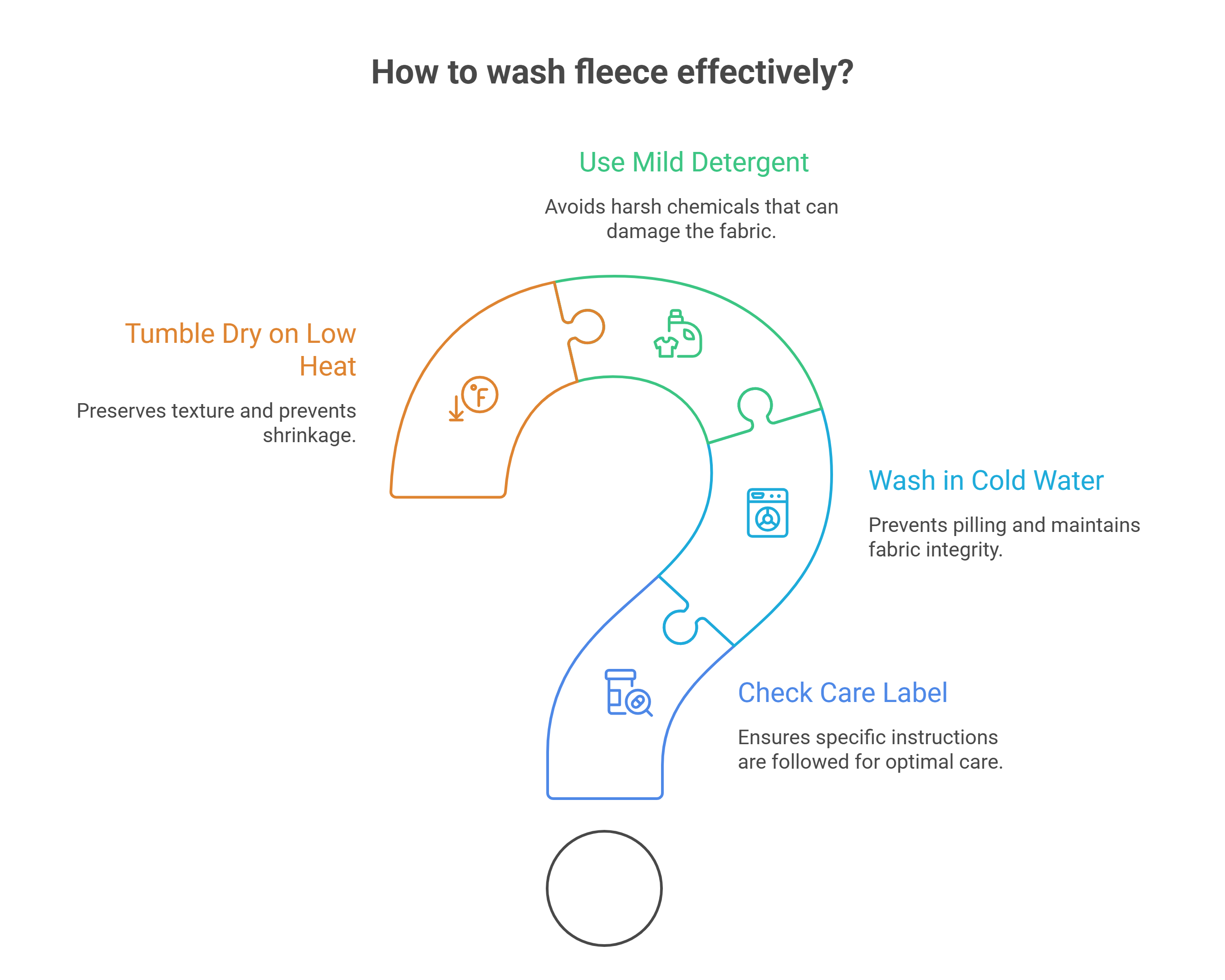
The first rule of caring for Sherpa fleece? Cold water is your best friend. Heat is what tough love is to relationships—it usually does more damage than good.

Machine Washing

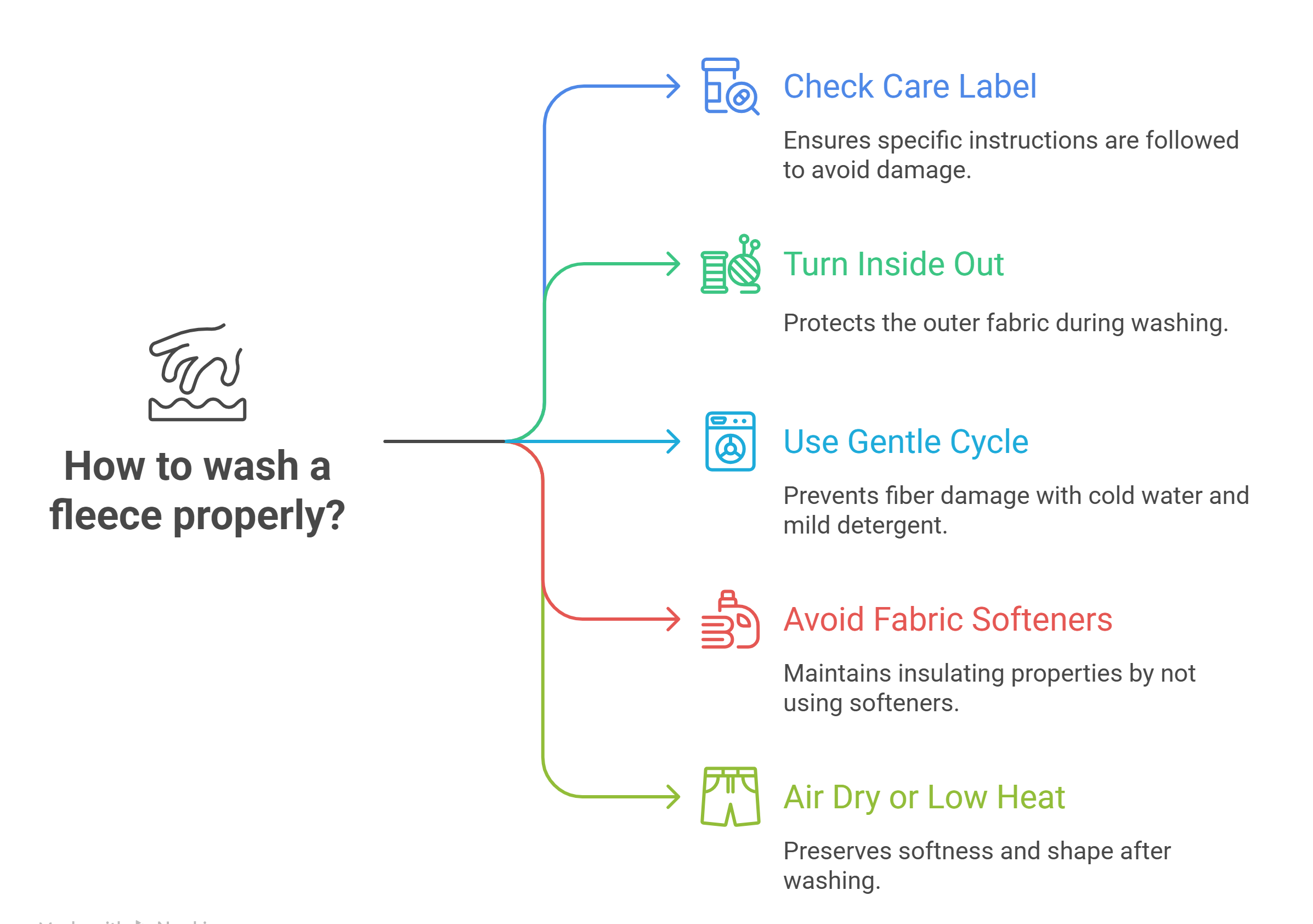
If a washing machine is your preferred method for doing the laundry, then it is advisable to use a cold, delicate cycle. It is important to always turn the item inside out so that the soft pile is not damaged, and then put it in a mesh washing bag so that there is less friction and no snagging. A tiny amount of mild, gentle detergent should be used—Sherpa does not require a chemical bath for cleaning. No bleach, no fabric softeners, and no products claiming “extra strength” should be used. Sherpa only wants gentle energy.

Hand Washing

Hand washing remains the most secure technique for very sensitive or high-end Sherpa products. Put the item into cold water, add a small quantity of mild detergent, and gently press the fabric. No scrubbing, twisting, or squeezing—your Sherpa should not be treated as if it were in pain.

What to Avoid

  • Fabric softeners: They coat the fibres and make the Sherpa feel stiff instead of soft.
  • Bleach: Damages fibres and ruins colour.
  • Hot water: Flattens and melts the texture.

If Sherpa fleece could speak, it would say: “Please don’t wash me like jeans.”

Drying Sherpa Fleece Without Damage

Drying is where many Sherpa disasters happen. High heat can permanently flatten the pile, leaving it looking more like a sad terry cloth towel than the fluffy miracle it once was.

Best Method: Air Drying

Hang your sherpa fleece to dry on a rack or line. Letting it air-dry naturally is the gentlest and safest approach.

Tumble Drying (If You Must)

If you must use a dryer, keep it strictly on low heat or no heat. A short tumble just to remove moisture is fine, but avoid high heat completely. Never iron Sherpa—if you absolutely need to, only iron on a very low setting and on the non-fluffy side. (If you’re tempted to iron the fluffy side—don’t. Your Sherpa will not forgive you.)

Restoring Softness and Fluff After Washing

On occasions, even though proper washing has been done, Sherpa might seem a little tired, but it is very simple and very rewarding to bring back its fluff. When it is dried, gentle finger separation of the fibres will bring back a great deal of the softness; meanwhile, the tangled areas can be very lightly brushed with a soft bristle brush or Sherpa comb to revive the nap and prevent it from getting hurt.

With a couple of gentle motions, your Sherpa is once again in its beautiful, warm texture before you know it.

Long-Term Tips to Keep Sherpa Looking New

Caring for Sherpa fleece is such an easy task if you practice a couple of small habits. Properly store it always, either by neat folding or loose rolling, so that the fibres do not get crushed. The best choice is washing it only when needed, as frequent washing might wear the fleece out and take away its nap. Sherpa care is no trouble at all—it just calls for a routine. A very gentle treatment will make it stay soft, warm, and marvellously fuzzy for a long time.

Conclusion

Sherpa fleece is a high-end, soothing fabric, and proper care keeps it that way. Sherpa blankets and clothes will get soft, warm, and plush for at least some years if you use the correct washing methods, drying with care and fluffing from time to time. When you realise the right way of taking care of Sherpa fleece, you not only save your investment but also the warm comfort that is, in fact, so desirable about Sherpa.

About Us – PeachFur Fleece

PeachFur Fleece takes pride in being a supplier of premium fleece blankets wholesale that are long-lasting, non-pilling fleece products made for comfort, durability, and value. We have been in the fleece blanket and apparel business for years and are willing to support businesses, charities, and organisations with finding the most reliable and cost-effective fleece in bulk. When it comes to quality, PeachFur Fleece provides you with warmth that can be trusted.