Archive | fleece blankets bulk RSS feed for this section

What Is Sherpa Fleece Made Of?

13 Nov

Sherpa fleece is one of those fabrics that people instantly fall in love with. You touch it once, and suddenly you’re talking about new blankets, jackets, pet beds, and maybe even redoing your entire living room. But behind this fruity softness, there is a neat story of construction, and surprisingly, no sheep were hurt in the making of your favourite sherpa hoodie.

If you’re searching for what is sherpa fleece made of, or simply want to understand why this material has become the star of winter, this guide takes you through every detail.

A Fabric Inspired by the Mountains, Not Made in Them

The name Sherpa comes from the Sherpa tribe of Nepal, notable for making woollens and for their cold-endurance capacity in cold weather.

Modern sherpa fleece, however, is not wool at all — it was engineered to mimic the warmth and texture of sheepskin, but with lighter weight, easier care, and zero animal fibres.

So yes, it looks like wool, it feels like wool, but it won’t shrink like wool did that one time you accidentally washed your sweater in hot water (we’ve all been there).

What Is Sherpa Fleece Made Of?

Here’s the truth behind the fluff:

A. Synthetic Sherpa — The Most Common Version

Most sherpa fleece is made from:

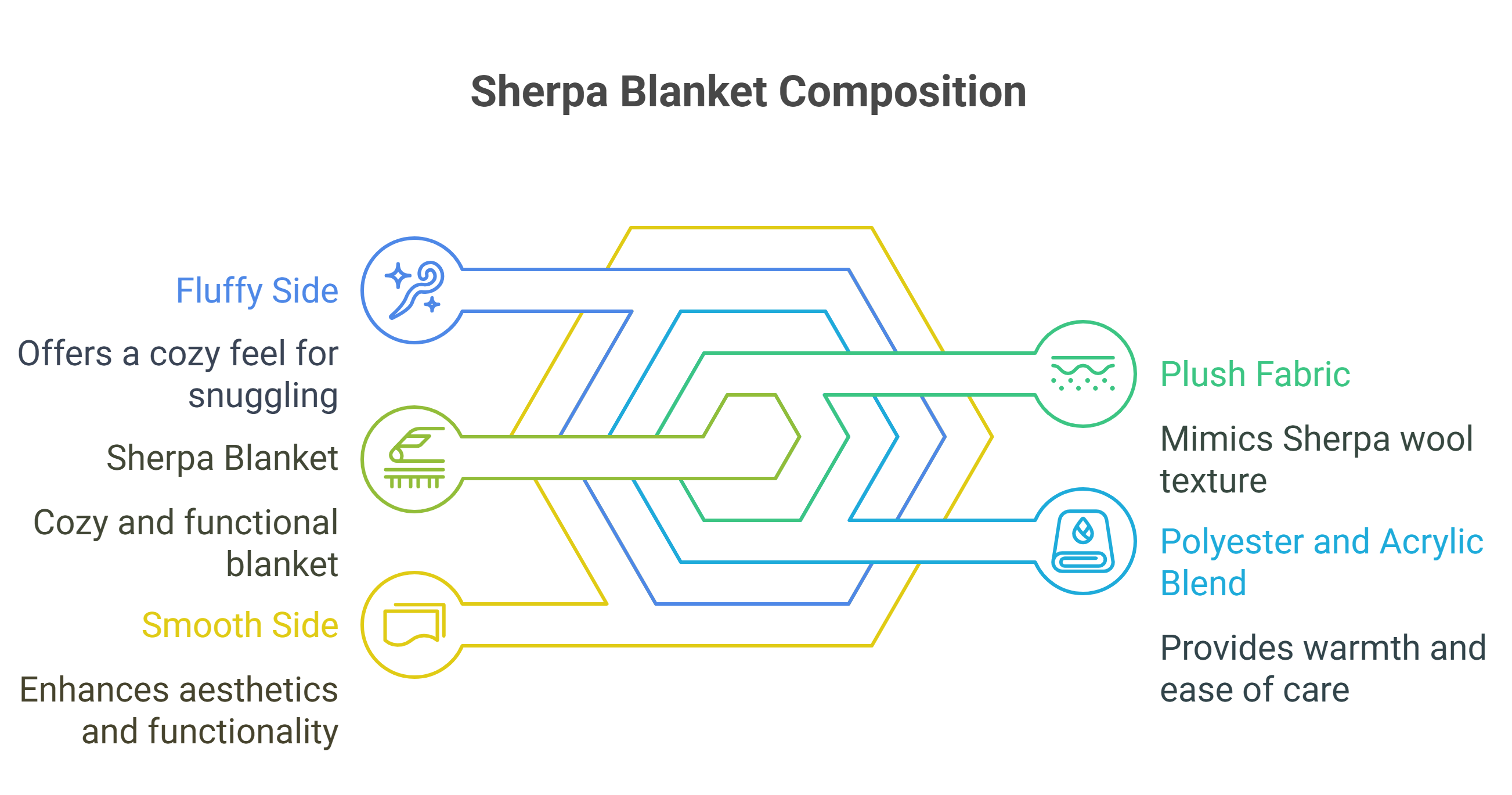
  • 100% polyester, or
  • A blend of polyester and acrylic

These synthetic fibres are spun into yarn, knitted into fabric, and then texturised to create that fluffy “sheepskin look.”

This type is warm, durable, and wonderfully soft — and this is the version found in most jackets, blankets, and winter accessories.

B. Blended Sherpa — A Soft, Breathable Option

Some sherpa includes cotton blended with polyester, giving:

  • A softer feel
  • Slightly more breathability
  • A more natural touch

These blends are great for baby clothes, everyday wear, and lightweight cold-weather items.

C. Natural Sherpa — Eco-Friendly Alternatives

A small but growing category of sherpa fleece is made from:

  • 100% organic cotton

This is used in:

  • Diapers
  • Baby wraps
  • Sensitive-skin items
  • Eco-focused projects

It’s less fluffy than synthetic sherpa but far more natural.

How Sherpa Is Constructed: The Dual-Surface Design

This fleece is truly unique because of its ingeniously developed two sides. Shear fleece is described as a wool pile with the first side, with the pile resembling the natural sheepskin and trapping the warm air for insulation. The other side has a smooth, stretch-knit backing for durability and to keep the fabric feeling good against the skin.

Together, these layers make a material that retains heat exceptionally well without compromising the featherlight properties of warmth. It’s a big plus for the one seeking a touch of winter warmth without the sensation of being wrapped in a 10-pound blanket.

Why Sherpa Fleece Stands Out: Benefits You Can Feel

Trying to put it all in one breath, it would have to come down to that ultimate synergy of warmth, comfort, and practicality being the factor that emerged as the main draw for Sherpa fleece. Its deep-pile structure gives it one of the highest heat retention levels in fleece fabrics. Yet, with all its fluffy appearance, Sherpa remains surprisingly lightweight and, therefore, excellent for cosy clothing and winter accessories.

The fabric is soft and pleasant, with no itchiness, and kind to bare human skin, making it an excellent alternative indeed for babies, adults, pets, or anyone else who just loves being in touch with comfort. Apart from the nit-picking, Sherpa remains low maintenance with the polyester version being machine washable, quick drying, non-shrinking, and easy to care for, so it’s basically luxurious and useful to have around every day.

What Can You Actually Make with Sherpa Fleece?

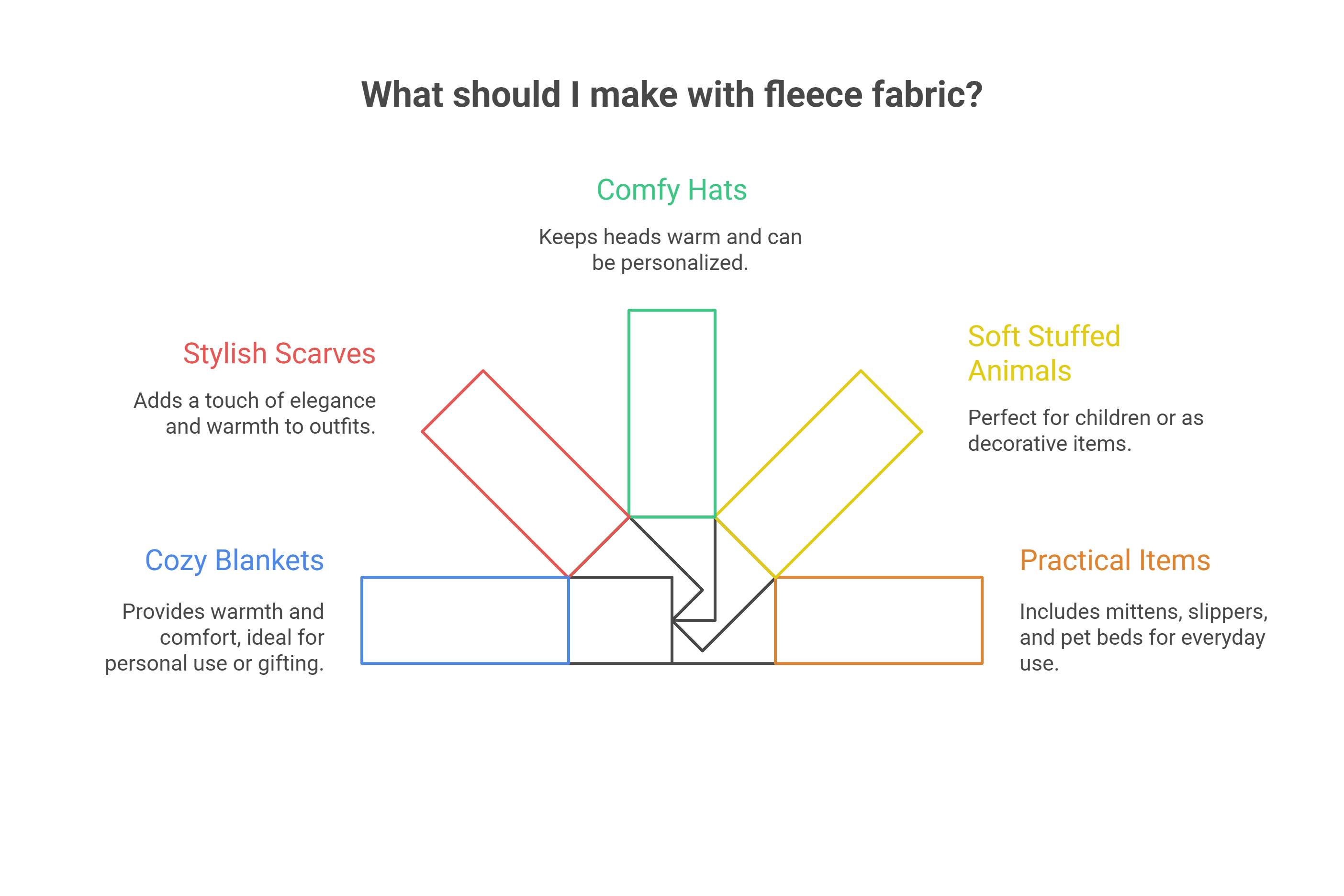
Sherpa fleece can really do a lot, such as giving comfort, staying reliable, and chilling in cold weather conditions. It is considered the best in cold-weather apparel: jackets, hoodies, and pullovers. Hand-knit mittens and scarves, along with a good attitude and warm sherpa-lined boots, would give one’s gloved hands the very essence of a bear walking on its hind legs. The fleece offers great insulation for camping and travel gear: sleeping bags, travel pillows, or car blankets.

For children, it’s just right—warm enough for jackets, winter wraps, soft-lined hoodies, and snug crib blankets with a tiny bit of pinch. Natural animals, however, seem to discover maximum comfort even quicker than we do. Therefore, Sherpa is loved by pets, whether for beds, carriers, doggie jackets, or play mats.

Sherpa vs. Regular Fleece: The Key Differences

FeatureRegular FleeceSherpa Fleece
TextureSmoothWool-like, fluffy
WarmthModerateHigher insulation
WeightVery lightSlightly heavier, still light
Best UseActivewear, layersBlankets, winter wear, décor

Sherpa is essentially the cosier, warmer cousin in the fleece family.

Caring for Sherpa Fleece (So It Stays Fluffy for Years)

Sherpa is a rugged fabric, but care will retain its softness and fluffy texture. Wash the sherpa fleece in cold to lukewarm water with a mild detergent, while ensuring to steer clear of bleaching agents or fabric softeners, as these will ruin the pile. Should an area become matted, brushing it with a soft-bristle brush will often do the trick to lift the fibres. When storing sherpa, don’t put too tight a pack, since it requires some space to stay plush and fluffy (much like all of us post-holiday dinners).

Why Sherpa Fleece Is Loved Everywhere

Sherpa fleece is the perfect combination of warmth, softness, lightness, and the practicalities of life. Now that you have studied fabric anatomy and engineering behind the cuddly feel of Sherpa fleece-and really what makes it much desired in winter wear or apparel-making Sherpa for clothes, blankets, household items, baby products, and so much more.

Premium Fleece Materials at Wholesale Value

The best fleece options that are long-lasting, warm, and comfortable are available here for those interested in making their own sherpa blankets, winter wear, or cosy home items. Using our fleece blankets wholesale store, you can order in bulk, customise your selections, and get the finest materials at the best possible price. Creating for profit or in the hobby field, we support your creative interests with quality fleece that you will enjoy working with.

What Is Minky Fleece?

13 Nov

If you ever felt a baby blanket so soft that you would have wondered why an adult would go without one made that way, then you have had the experience of the magic of minky fleece. Many ask what is Minky fleece so that they can understand why this fabric feels like a hug, a cloud, and warm cocoa all rolled into one. While it is of the fleece family, the Minky possesses another identity–rich, smooth, and often highly luxurious. I am going to tell you what makes Minky fleece so fantastic, what we can make with it, and know why every sewist, parent, or crafter truly adores it.

What Exactly Is Minky Fleece?

Minky fleece is the softest, most gracious knit textile made from superior quality polyester microfibers. It sometimes goes by plush fleece, cuddle fleece, or microfiber plush, but regardless of the name, the signature feature remains: an irresistibly velvety surface.

Unlike regular fleece, which feels warm and cosy yet is a little textured, the Minky plush has a smooth and velvety pile, and looks and feels very luxurious. What is Minky fleece generally plush on one side while smooth on the back, and has a softness that greatly stands out. Suppose fleece is the more common relative; this one is the snobby counterpart: a bit extra, but in the best possible way.

I remember my first time sewing with Minky fleece years ago. I thought, “How difficult could this be?” Let’s just say Minky slid around my sewing table like it had somewhere very important to go. But the moment I finished the project and felt the final product — so soft it could melt stress — I knew why people adore it.

The Features That Make Minky Fleece Stand Out

1. A Velvety Texture You Can’t Resist

The number one reason Minky wins hearts is its texture. It feels like velvet but softer. Like fur but gentler. Like a hug you didn’t know you needed. Babies grab onto it instinctively, and adults… well, we pretend we don’t enjoy it as much, but we do.

2. Warmth Without Bulk

Although plush, Minky fleece is surprisingly lightweight. The dense microfibers trap warmth efficiently, making it ideal for blankets, robes, and anything designed for comfort.

3. Strong, Durable, and Long-Lasting

Being a polyester fibre, the Minky fleece is subjected to resistance against wear, pilling, colour fading, or stretching. If cared for properly, the fleece remains soft for years. Hence, it is so popularly chosen for keepsake blankets or infant gifts.

What Can You Make with Minky Fleece?

If you’re inquiring about exploring new fabrics and are pondering, minky fleece is used for almost anything comfortable owing to its ultra-soft characteristic. The light hand made it my favourite option for baby essentials such as blankets, inserts, swaddling, bibs, burp cloths, animals, crib liners, and sensory items for calming tender skin. But Minky is just not for children; adults vanish for it in robes, loungewear, jackets, hats, scarves, and winter accoutrements with not said for comfort.

The uses of Minky textile are many, by way of home décor, be it for quilts, sumptuous throws, cushion covers, pillow shams, pet beds, or sofa blankets. The dye is special indeed for those crafters who transform everyday projects into real treasures like plush toys, fabric books, sensory mats, and custom warm gifts.

Why Minky Is Different from Fleece, Sherpa, and Other Fabrics

Minky vs. Regular Fleece

  • Minky is smoother, silkier, and more luxurious.
  • Regular fleece is breathable and great for outdoor wear.
  • Minky is better for comfort-based items like blankets and plush toys.

Minky vs. Sherpa

  • Minky is velvety; Sherpa is wool-like.
  • Sherpa is great for insulation; Minky is great for softness.
  • Minky is more refined, while Sherpa has a rugged, fluffy look.

Minky vs. Cotton or Flannel

  • Minky does not shrink or wrinkle.
  • Cotton is breathable but not as soft.
  • Flannel offers warmth but lacks Minky’s long-term durability.

This is why creators often search specifically for what is Minky fleece before starting premium craft or sewing projects.

Tips for Sewing with Minky (So You Don’t Lose Your Mind)

Since Minky is always a cute knit, it naturally comes to stretching and a bit of personality, meaning sewing with Minky is a learning curve. Use tons and tons of pins or fabric clips, even more than you think is necessary; sew slowly and steadily so the fabric and lining don’t easily shift, and place a walking foot on the machine to help with such handicraft if possible. Set it on a high heat while using the iron, and do collect lint every time, especially when the long one is involved. Once you get your handles onto it, the very thought of sewing Minky becomes exhilarating, and the soft and sumptuous winning looks are just jaw-dropping.

Caring for Minky the Right Way

To maintain that Minky fleece soft and pleasant, just as the day it was bought, use a gentle cycle with cold water and no bleach or fabric softener. Using low heat to dry or hanging it to dry is recommended. Avoid over-drying it because increased heat can affect the pile and texture in general. Given proper care, Minky stays sumptuous for years and retains its colour, being one of the most durable and comforting fabrics that you can design with.

Why Minky Fleece Is Loved Everywhere

Minky fleece boasts a unique blend of softness, warmth, strength, and beauty. Be it for baby items, elegant home décor, clothing, or any heartfelt homemade gift, Minky is as comfortable and as high in quality as a few select fabrics. A curious soul involved in crafting and sewing would quickly find out why Minky fleece is amongst the most popular plush fabrics.

Your Trusted Source for Premium Fleece Materials

If you want to work on something warm, soft, and enduring, we are here to assist you. We present high-quality fleece materials and premium plush fabrics that perfectly suit blankets, apparel, baby items, and living décor. Our fleece blankets wholesale collection allows you to buy in bulk, customize your selection, and enjoy high quality at competitive pricing.

We stand with you through every stage of your project and provide top-grade fleece options with trusted service, be it for making for yourself or for developing for the marketplace.

Where to Buy Fleece Fabric

13 Nov

It is one of the first questions that crosses one’s mind when planning a sewing, crafting, or blanket-making project: “Where do we buy fleece fabric?” And I suppose if you’re anything like me, then you have also had the experience of standing in the store, grasping two fleece rolls with the puzzled expression of a scientist, all the while wondering if you were scoring a good deal.

It might become the most versatile fabric available, but knowing where to buy it and what to look for can make all the difference when it comes to price, quality, and results of your project. So, let’s cover all that you might need to know before going out to purchase fleece fabric.

Understanding the Different Places You Can Buy Fleece Fabric

Today’s buyers have more options than ever before, each with its own advantages. If you are into winter clothing, charitable blankets, baby blankets, or a giant 5×5 pet bed so huge even your dog will use it twice as a pile of wool, knowing your options will ensure you are making a wise purchase decision.

1. Local Fabric Stores

Local fabric shops are still one of the most reliable places to start. They allow you to feel the fleece before you purchase — something online shopping can’t compete with (yet). These stores often carry the most common fleece types: polar, anti-pill, and basic printed fleece.

Benefits:

  • You can test softness and thickness
  • Instant buying (no shipping delays)
  • Staff can answer questions

Limitations:

  • Smaller stores often have limited colour or pattern selection
  • Prices can be higher without seasonal discounts

2. Craft Supply Chains

Large craft stores usually have dedicated fleece aisles with everything from classic solids to playful prints. This is a great option if you want project inspiration and variety in one trip.

Pros: broader selection, seasonal fleece collections.

Cons: pricing fluctuates — catching sales becomes a sport.

I once visited during a “50 per cent off” weekend sale, only to find every other shopper guarding fleece rolls like precious treasure. It felt like the Olympics of fabric shopping.

3. Wholesale Warehouses or Bulk Suppliers

If you need large quantities, this is where things get exciting. Wholesale suppliers often sell fleece by the roll, making them ideal for schools, businesses, charity groups, and large craft projects.

Why consider bulk sources?

  • Lower price per yard
  • Larger and consistent dye lots
  • Availability of extra-wide fleece for oversized projects

This is especially useful when you don’t want different shades of “navy blue” showing up in the same product — a common nightmare for crafters.

4. Online Fabric Retailers and Marketplaces

In case you prefer doing your shopping in pyjamas (I won’t judge), then any online marketplace guarantees your choice. From microfleece to sherpa and plush fleece, these sites have every variety of fleece imaginable

Always check the product description carefully. Width, weight, thickness, and anti-pill quality vary significantly. Buying fleece online is wonderful if you read the details like a detective.

This is also a great moment to remind readers again about where to buy fleece fabric — online or offline, the key is choosing a source that offers clear specifications.

5. Direct-from-Manufacturer or Speciality Fleece Providers

Some manufacturers produce fleece exclusively, which means they offer consistent quality and often customisation services. These are excellent options for:

  • Embroidered blankets
  • Branded apparel
  • Bulk fleece items
  • Event or promotional fleece products

These suppliers focus on fleece only, so buyers often get better quality control and fabric consistency.

6. Local Markets and Seasonal Fabric Fairs

Seasonal markets sometimes carry fleece at lower prices, especially excess stock or discontinued colours. The catch? You must inspect the material properly, as quality may vary. But for bargain seekers, this is a fun and rewarding adventure — sort of like treasure hunting, but with fabric.

Key Things to Know Before Buying Fleece Fabric

Choosing quality fleece material and having a good price depends on some facts. For selections of fleece, fleece-a-pil for blankets, microfleece for clothes, should be warm from sherpa, or plush for that extra soft feel. Check that the thickness/GSM fits the warmth that you require and confirm the fleece width, which varies somewhere between 48 inches and 90 inches.

Look for indicators of quality in the fabric, such as softness, anti-pilling texture, and colourfastness. On top of that, examine the return policy, especially when purchasing online; at least, you will have your back if the fabric does not come up to expectations.

Final Thoughts: Choosing the Best Buying Option

Whether you prefer shopping in person, from bulk suppliers, or online, knowing where to buy fleece saves you money, buys you better quality materials, and gets you better results. Every source has its disadvantages and advantages, depending on what we shall be looking for in the cloth: thickness, width, anti-pill ratings, and others, so that the project comes out just as we imagined it.

Your Trusted Source for Premium Fleece Products

If you’re searching for soft, durable, non-pilling fleece materials, we’ve got you covered. We offer a wide range of fleece blankets, jackets, baby blankets, picnic throws, embroidered fleece items, and more — all crafted with exceptional care and attention to detail.

Whether you’re ordering small quantities or preparing for large events, our fleece blankets wholesale selection ensures consistent quality, great pricing, and easy customisation. And now that you know exactly where to buy fleece fabric, we’re here to help you choose the right fleece materials for every project with confidence.

What Is a Fleece Sweatshirt?

7 Nov

Quick Answer: What Is a Fleece Sweatshirt?

A fleece sweatshirt is a soft, warm, and lightweight pullover or zip-up garment made from synthetic fleece — a fabric known for its insulating and breathable properties. It’s designed to trap body heat while keeping moisture away, making it perfect for chilly days or outdoor activities.

Interestingly, fleece sweatshirts share the same cozy material used in fleece blankets wholesale and fleece blankets bulk production, offering unmatched warmth and comfort at an affordable price. They’re versatile, durable, and an eco-friendly alternative to wool.

Now let’s dive deeper.

1. The Origin of Fleece: From Wool Substitute to Everyday Essential

Fleece as a fabric was developed in the late 1970s by Malden Mills (now known as Polartec). The goal was to create a lightweight, warm, and washable alternative to wool — something that could insulate without the itchiness or heaviness. The result was polar fleece, a soft synthetic fabric made primarily from polyester fibers.

It quickly became a hit in outdoor apparel, especially for hikers, campers, and athletes. Soon, fleece expanded beyond jackets and outdoor wear into household textiles, including fleece blankets wholesale and fleece blankets bulk products that today dominate the comfort market.

2. What Makes a Fleece Sweatshirt Unique?

A fleece sweatshirt is not just any pullover — it’s a combination of advanced fabric engineering and comfort-driven design. Here’s what makes it stand out:

  • Lightweight Warmth: Despite its minimal weight, fleece traps body heat efficiently due to its soft pile structure.
  • Breathability: The synthetic fibers allow moisture to escape, preventing overheating during activity.
  • Soft Texture: The plush surface of fleece gives that signature “cozy” feeling.
  • Quick-Drying: Unlike cotton, fleece dries rapidly, making it ideal for travel and outdoor use.
  • Easy Maintenance: Machine washable and durable, fleece sweatshirts maintain their shape and softness for years.

In short, it’s a modern comfort essential designed for both function and fashion.

3. The Connection Between Fleece Sweatshirts and Fleece Blankets

Fleece sweatshirts and fleece blankets wholesale products share the same foundational material — polyester fleece. The only difference lies in thickness, finish, and intended use.

  • Fleece Sweatshirts: Usually made from medium-weight fleece, often with brushed interiors for extra softness.
  • Fleece Blankets: Typically use heavier, double-sided fleece for maximum warmth and coverage.

This overlap makes fleece a remarkably versatile textile. Many manufacturers that produce fleece blankets bulk also supply fabric for clothing brands, keeping production efficient and sustainable.

Moreover, the same warmth you feel wrapped in a fleece blanket is what you experience when wearing a high-quality fleece sweatshirt — cozy, insulating, and gentle on the skin.

4. Types of Fleece Used in Sweatshirts

Fleece comes in several variations, each suited for different needs. Here are the most common types:

a. Microfleece

  • Thin, soft, and lightweight
  • Great for layering or activewear
  • Highly breathable and quick-drying

b. Midweight Fleece

  • The standard for most sweatshirts
  • Balances warmth and flexibility
  • Suitable for everyday use and mild winters

c. Heavyweight Fleece

  • Thicker and denser for extreme cold
  • Used in premium sweatshirts and outerwear
  • Offers maximum insulation

The same categorization applies to fleece blankets bulk materials, where thickness determines warmth level and price point.

5. Why Choose Fleece Over Cotton or Wool?

While cotton sweatshirts are soft and breathable, they tend to absorb moisture, becoming heavy and cold when wet. Wool, on the other hand, provides great insulation but can be itchy and requires careful maintenance.

Fleece bridges the gap perfectly — it’s lightweight, smooth, and moisture-resistant. In addition, fleece is often made from recycled plastic bottles, making it a sustainable choice when produced responsibly. Many fleece blankets wholesale manufacturers now focus on eco-friendly production, turning waste materials into comfort products.

This combination of comfort, performance, and sustainability explains why fleece remains a preferred fabric for both clothing and blankets.

6. Styling the Fleece Sweatshirt: Comfort Meets Versatility

Fleece sweatshirts have evolved beyond their outdoor roots to become a mainstream fashion staple. Whether for casual wear, athleisure, or layering in cold weather, they offer endless styling possibilities:

  • Athletic Look: Pair with joggers and sneakers for an effortless sporty vibe.
  • Layered Look: Combine with a denim or leather jacket for extra style points.
  • Home Comfort: Perfect for lounging, reading, or working from home.
  • Outdoor Adventure: Ideal for hiking or camping, thanks to their warmth-to-weight ratio.

The adaptability of fleece makes it a year-round favorite — cozy enough for winter yet breathable enough for cool evenings in spring or autumn.

7. The Environmental Angle: Sustainable Fleece Matters

Traditional fleece production relies heavily on petroleum-based polyester, which has raised environmental concerns. However, advancements in textile technology are changing that.

Many modern fleece sweatshirts and fleece blankets bulk suppliers now use recycled PET polyester sourced from discarded plastic bottles. This reduces landfill waste and minimizes the demand for virgin materials.

Some brands even combine natural fibers like bamboo or organic cotton with synthetic fleece to create hybrid eco-friendly fabrics.

If you’re shopping wholesale, look for certifications like Global Recycled Standard (GRS) or OEKO-TEX to ensure the fleece material meets environmental and safety standards.

8. How to Care for a Fleece Sweatshirt?

To preserve the softness and durability of your fleece sweatshirt, proper care is essential. Here’s how to keep it in top shape:

  1. Wash Cold: Use cold or lukewarm water with mild detergent.
  2. Avoid Fabric Softeners: They can clog the fleece fibers and reduce breathability.
  3. Air Dry When Possible: High heat can damage the texture; tumble dry on low if necessary.
  4. Avoid Ironing: The synthetic fibers may melt under high heat.
  5. No Bleach: It can weaken fibers and discolor the material.

The same care tips apply to fleece blankets wholesale products, ensuring they stay fluffy and long-lasting.

9. Fleece in the Modern Market: Beyond Clothing

Fleece has gone far beyond the fashion industry. Today, you’ll find it in home décor, pet accessories, baby products, and even automotive linings. The fleece blankets bulk market, in particular, continues to grow rapidly due to high demand from hospitality, gifting, and promotional sectors.

For brands and retailers, this crossover between fashion and home textiles opens up new opportunities. By sourcing fleece responsibly and marketing its comfort-driven value, businesses can tap into a sustainable, year-round market.

Final Thoughts

A fleece sweatshirt is more than just a warm pullover — it’s a blend of science, style, and sustainability. Its unique composition, derived from the same fabric used in fleece blankets wholesale manufacturing, offers unmatched comfort and versatility.

Whether you’re curling up on the couch, heading outdoors, or layering for work, the fleece sweatshirt remains a timeless favorite. And as innovations in fleece blankets bulk and apparel production continue to prioritize eco-friendly practices, fleece will likely remain at the forefront of modern comfort wear.

How Wide Is Extra Wide Fabric?

7 Nov

Quick Answer: How Wide Is Extra Wide Fabric?

When it comes to textiles, extra wide fabric typically refers to any material that measures more than 54 inches in width, with common options extending from 58 to 120 inches depending on its intended use. In the world of fleece blankets wholesale and fleece blankets bulk manufacturing, extra wide fabric plays a vital role — allowing large, seamless cuts for blanket production, bedding, upholstery, and crafts.

Wider fabric reduces seams, saves time in production, and provides better aesthetic appeal. So, when choosing extra wide fabric, the key is to balance practicality, softness, and quality for your project’s specific needs.

Now let’s dive deeper.

1. Understanding Fabric Width: The Basics

Fabric width refers to the measurement of material from one selvage (finished edge) to the other. Standard fabrics are typically available in widths between 44 and 60 inches, depending on the type. However, when you cross the 60-inch mark, you’re entering the extra wide fabric category.

Here’s a quick breakdown:

  • Standard width: 44–45 inches (common for cottons and quilting fabric)
  • Medium width: 54–58 inches (often used for upholstery and apparel)
  • Extra wide: 60 inches and above — with certain specialty fabrics going up to 120 inches

For manufacturers producing fleece blankets bulk, extra wide fabric is an advantage because it allows the creation of large, seamless blankets or bedding pieces without joining multiple panels.

2. Why Fabric Width Matters in Production?

The width of a fabric affects multiple aspects of production — from cutting layouts and material usage to the overall visual appeal of your final product. In industries like home textiles, the right width can mean the difference between an efficient production run and costly fabric waste.

Here’s why width plays a critical role:

  • Efficiency: Wider fabrics reduce the number of seams, saving both labor and materials.
  • Aesthetic Quality: Fewer seams make the product look cleaner and more professional.
  • Cost Savings: Less joining and cutting mean faster turnaround and lower production costs.
  • Design Flexibility: Extra wide fabric accommodates large-scale prints or continuous patterns without interruption.

For fleece blankets wholesale, extra wide fleece ensures consistent texture and warmth across each piece, making it ideal for large throws, queen or king-sized blankets, or promotional giveaway items.

3. What Qualifies as Extra Wide Fabric?

While the exact measurement of “extra wide” may vary slightly by industry, fabrics are typically considered extra wide when they measure above 60 inches. For home décor and bedding applications, you’ll often find widths such as:

  • 90 inches
  • 108 inches
  • 120 inches

These wider widths are especially common for:

  • Bedding and blankets (perfect for fleece blankets bulk production)
  • Curtains and drapery
  • Upholstery and event backdrops
  • Theatrical or decorative fabric needs

When shopping for fleece blankets wholesale, suppliers often list the fabric width in their product specifications, so always check whether it meets your design or production requirements.

4. The Role of Fabric Width in Fleece Blanket Production

Fleece is one of the most versatile and popular fabrics on the market. Known for its softness, warmth, and durability, it’s widely used in crafting, apparel, and home décor. But one of the biggest benefits of fleece is its availability in extra wide widths, which makes it perfect for blanket manufacturing.

Let’s explore why:

A. Seamless Production

When using standard-width fabric, large blankets often require stitching two or more pieces together. With extra wide fleece, manufacturers can cut a full-size blanket from a single panel — creating a cleaner look and a softer finish.

B. Cost-Effective for Bulk Orders

For businesses that purchase fleece blankets bulk, extra wide fabric minimizes material waste and reduces sewing time. Wholesale suppliers often offer discounts on rolls of 90 to 120-inch fleece, which translates to more efficient production runs.

C. Versatility

Extra wide fleece fabric isn’t limited to blankets. It’s also perfect for ponchos, bedding, wall panels, and pet products. The same qualities that make it ideal for warmth and comfort also make it flexible for creative projects.

5. Common Widths for Fleece Fabric

When buying fleece, you’ll encounter several standard width options depending on the manufacturer. Some common ones include:

  • 58–60 inches: Common for apparel fleece and small throws.
  • 72 inches: A versatile option for mid-size blankets or upholstery.
  • 90 inches and above: Considered extra wide — ideal for fleece blankets wholesale production, bedding, and promotional items.

High-quality fleece blankets bulk manufacturers prefer 90- to 120-inch rolls because they offer flexibility in cutting multiple sizes without rejoining fabric.

6. Advantages of Using Extra Wide Fabric

The benefits of using extra wide fabric go beyond aesthetics. It directly impacts your workflow, costs, and end-user satisfaction.

A. Reduced Labor and Seams

Larger cuts mean fewer seams, resulting in faster sewing and cleaner designs. This saves hours in industrial-scale production and ensures stronger, more durable products.

B. Uniform Texture

When you don’t need to stitch pieces together, the fabric maintains a smooth and consistent surface — especially important for soft materials like fleece, where seams can cause uneven texture.

C. Better for Custom Printing

Extra wide fabric allows for full-surface printing and larger patterns without visible breaks, which is ideal for branded fleece blankets wholesale.

D. Eco-Efficiency

Minimizing fabric waste during cutting not only saves money but also supports sustainability. Manufacturers producing fleece blankets bulk can lower their carbon footprint by optimizing fabric usage.

7. Choosing the Right Extra Wide Fabric

When shopping for extra wide fabric — especially fleece — consider these factors:

  1. Fabric Type: Not all fabrics come in wide rolls. Fleece, cotton, and muslin are more likely to have extra wide options.
  2. GSM (Grams per Square Meter): This indicates fabric density and thickness. For blankets, 250–300 GSM is ideal for warmth and comfort.
  3. Stretch: Fleece fabrics may have different stretch levels (two-way or four-way), which affect cutting and fitting.
  4. Color and Finish: Brushed or anti-pill finishes help maintain texture after washing.
  5. Supplier Reliability: Always check reviews and sample swatches when buying fleece blankets wholesale or bulk fabric to ensure consistency in color and quality.

8. Where to Buy Extra Wide Fabric for Fleece Blankets?

Many textile distributors and online suppliers offer extra wide fleece fabric by the yard or roll. If you’re sourcing fleece blankets bulk, consider buying directly from wholesale platforms or manufacturers who specialize in large-scale orders. This often comes with:

  • Bulk pricing discounts
  • Custom dyeing options
  • Branded packaging for resellers
  • Freight or shipping deals for pallet-sized orders

Some well-known marketplaces and distributors also carry organic or recycled fleece fabrics — perfect for brands focusing on sustainability.

9. How to Work with Extra Wide Fabric?

Working with extra wide fabric requires a bit of adjustment, especially if you’re used to standard widths. Here are a few practical tips:

  • Prepare large cutting surfaces: Wide fabric needs more space to lay flat without wrinkles.
  • Use rotary cutters for precision: Wider cuts can stretch easily, so sharp tools maintain clean edges.
  • Mind the grainline: Even in extra wide fabric, staying aligned with the grain ensures the final product doesn’t twist or warp.
  • Pre-wash when necessary: Especially for fleece, pre-washing can prevent post-production shrinkage.

For those producing fleece blankets wholesale, these practices maintain consistent sizing and quality across hundreds of units.

Final Thoughts

So, how wide is extra wide fabric? The answer varies depending on the purpose — but in general, anything over 60 inches is considered extra wide, with many options reaching up to 120 inches for industrial use. For manufacturers and retailers in the fleece blankets wholesale or fleece blankets bulk market, this width means maximum efficiency, better quality, and reduced production waste.

Whether you’re crafting a single cozy throw or managing large-scale blanket production, understanding fabric width is key to making smart purchasing decisions. Extra wide fabric doesn’t just save time — it ensures every inch counts, transforming simple materials into high-quality products that customers love.