Archive | fleece blankets bulk RSS feed for this section

How to Embroider on Fleece?

28 Oct

Quick Answer: How to Embroider on Fleece?

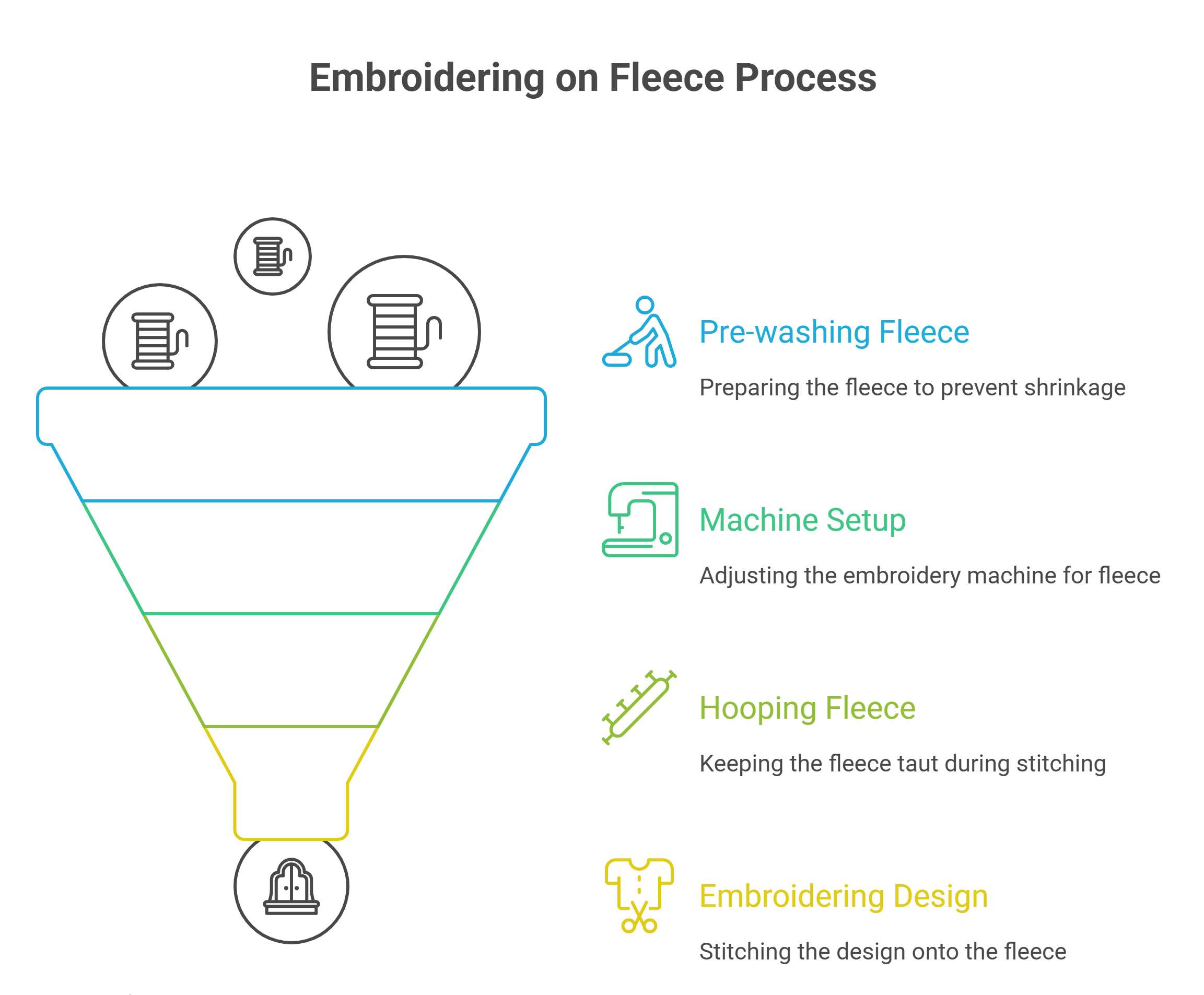
Learning how to embroider on fleece will take patience, the right tools, and technique. Since fleece is soft and stretchy while shifting easily, it needs stabilization. Use a cutaway stabilizer only, sharp embroidery needles, and avoid designs that are too dense to the extent of distorting the fabric.

Hoop the fleece gently, applying no stretch to it, and set your machine tension accordingly for an even stitch. Whether personalizing cozy garments or custom gifts made from fleece blankets wholesale, knowing how to embroider on fleece will ensure durability and professional finishes every time.

Now let’s dive deeper.
The Art of Embroidering on Fleece

One of the coziest and most versatile fabrics of today is fleece—great for making warm hoodies and jackets, as well as for home décor and blankets. But embroidery and fleece, they don’t really go hand in hand most of the time. Its plush surface and slight stretch cause puckering and misalignment if unprofessionally dealt with.

Anytime you are personalizing, Embroidering on fleece entails sitting with either a script monogram, a logo, or some fancy stitching to create beautiful, imperishable designs without causing any damage to the fabric. Below is a complete guide from stabilizer and needle choice to machine adjustment and project finishing for the pros to follow.

1. Knowing What Fleece Really is

Before jumping into the embroidering process, understanding the fabric you are working with is of utmost importance. Fiber Characteristics:

  • Stretches and soft: It stretches a little, especially cross sectional, making fleece quite comfortable and delicate to needle.
  • Lofty Texture: Due to its nap-the raised fibers-fleece stays warm and feels soft, but threads do tend to sink in.
  • Synthetic Fiber Base: It is usually made of polyester; this, of course, reacts differently with heat and tension as opposed to cotton or linen.

Due to these characteristics, fleece embroidery requires a much gentler and well-stabilized approach that can prevent distortion and damage.

2. Tools and Materials You’ll Need

You have the materials, and half the job is done. For a professional finish, source the following:

a. Stabilizer

For fleece, a cutaway stabilizer is ideal since it supports the fabric through stitching and washing. Steer clear from tear-away kinds as they tend to shift during stitching or distort the fabric when taken away.

For an added layer of surface protection, use a water-soluble topping. This prevents stitches from sinking into the fleece pile and keeps your embroidery crisp.

b. Needles

You want to use a ballpoint or a universal embroidery needle in sizes 75/11 or 80/12. A ballpoint needle glides between fibers instead of piercing them, reducing the incidence of snags and holes.

c. Thread

This thread has to be of great quality, polyester preferably, for strength, colorfastness, and flexibility so that it moves with the fabric. Rayon threads, too, can work for lighter designs.

d. Hooping and Machine Settings

Choose an embroidery hoop large enough to keep the design nice and flat but not so tight that it stretches the fleece. Set your machine’s tension and speed to medium tension and slow stitching for better control and clean lines.

3. Preparing Your Fleece for Embroidery

Doing it right will avoid most embroidery disasters.

Step 1: Pre-Wash the Fabric

Fleece may or may not shrink as cotton does; a wash will remove surface lint and factory residues. This will facilitate the better bonding of the stabilizer to the fabric and then cleaner stitches.

Step 2: Cut the Stabilizer

Cut a piece of stabilizer just a bit larger than your hoop. If you work on thicker fleece or rather large designs, double up the stabilizer for extra support.

Step 3: Mark Your Design Area

Make sure to outline the embroidery area with a fabric-safe marking pen or chalk. Avoid using any ink that can bleed or mark polyester forever.

Step 4: Hoop the Fabric

With the stabilizer underneath, align it carefully before hooping. The fleece should be taut but never stretched for puckering will appear when the fabric relaxes later.

4. Stitching Tips for Perfect Results

1. Use a Topping Layer

For best results, a water-soluble stabilizer is applied on top of the fleece before stitching. This layer prevents the threads from sinking into the nap and creates crisp, raised designs.

2. Select the Right Design

Avoid very dense fills or tiny details that press down fleece fibers or distort the design. Open, satin, or light fill stitches are the best.

3. Adjust Stitch Density

Slightly reduce stitch density versus embroidery on regular fabrics. By doing so, the design sits on fleece in a natural manner, without making the texture hard and bulky.

4. Slow Your Machine Down

Set your embroidery machine to a slower speed, something between 600 and 700 stitches per minute. It will make the embroidery more accurate, while also reducing thread breakages.

5. Keep Checking Your Fabric

Pause now and then to check the tension, stitch balance, and alignment. If small problems are spotted early enough, starting all over again can be avoided.

5. Removing the Stabilizers

The last step after the stitching process is stabilizer removal.

  • Cutaway stabilizer (back): Trim as much excess as possible close to the design, leaving about ¼ inch around the stitches for long-term stability.
  • Water-soluble topping (front): Tear the excess off gently, then blot with a damp cloth to remove any residues.

Do not iron fleece directly; heat will melt the fibers. If needed, press from the wrong side with a pressing cloth and low heat.

6. Personalizing Fleece Blankets

Embroidery on fleece is not just for clothes but also for personalizing gifts, building a brand name, or enhancing items for sale, such as custom blankets.

For businesses buying fleece blankets wholesale, embroidery gives added value and brand identity. Company logos or initials may be stitched on with a custom message to make promotional pieces or retail-ready pieces.

Buying in fleece blankets bulk is ideal for customization because it is economical, of consistent quality, and available in many colors and sizes. Adding embroidery will transform these into classy keepsakes for corporate occasions, schools, sports teams, or even gifts for the holidays.

7. Concepts for Embroidered Fleece Projects

Let me turn the billion dollar ideas into action for your embroidery skills on fleece:

  • Personalized Baby Blankets: Add the names, birthdates, or even cute motifs.
  • Corporate Gifts: Log in embroidery on fleece throws for employee appreciation events.
  • Pet Accessories: Make cozy embroidered mats or blankets for pets.
  • Holiday Decorations: Stitch seasonal designs on throws and stockings.
  • Team Apparel: Embroider team names or logos on hoodies and jackets.

The soft texture and low price of fleece make it ideal for either personal or commercial projects.

8. Troubleshooting Common Embroidery Problems

Sometimes problems happen, despite the best preparation on fleece. Here are some solutions:

Problem 1: Fabric Puckering

  • Causal Factor: The fabric was stretched too tightly inside the hoop.
  • Solution: Re-hoop gently, and use a firmer stabilizer.

Problem 2: Stitches Sinking Into Fabric

  • Causal Factor: No topping or wrong tension.
  • Fix: Use a water-soluble finishing and reduce stitch density a little.

Problem 3: Broken Thread

  • Cause: Dull needle or incorrect speed.
  • Fix: Change the needle and slow down the machine.

Problem 4: Distorted Design

  • Cause: Unbalanced tension or a flimsy stabilizer.
  • Fix: Tighten bobbin tension or use a heavier cutaway stabilizer.

9. Why Fleece Embroidery Must Be Learned?

Fleece embroidery offers both artistic and business perspectives. It merges warmth and style with personal expression or branding. Fleece items still stand the test of time from personalized gifts to retail collections.

In turn, customized fleece items, mainly blankets, offer a thriving opening for small-scale businesses and embroidery studios. Purchasing fleece blankets wholesale or in fleece blankets bulk in themselves provide a consistent base for custom-made work that allows you to tailor to demand without sacrificing quality or profit.

Final Thoughts

Knowing your way around how to embroider on fleece would open up a fairly good number of creative avenues-from unique gifts to profit-oriented custom products. Right from stabilizers and needles to machine settings, everything will be adjusted in such a way that the embroidery does not just turn out looking crisp and professional, it does so without compromising on the softness of the fleece.

If you work for yourself or buy commercially, fleece ranks very high as a fabric to work with and have fun. Wholesale fleece blanket suppliers manufacture into great uses for increasing niche offerings if anything is custom products at scale. Proper methods and materials go into making a great fleece creation that will look exquisite with embroidery, feel amazingly soft, and stay for years.
Where to Get Custom Blankets Made?

24 Oct

Quick Answer: Where to Get Custom Blankets Made?

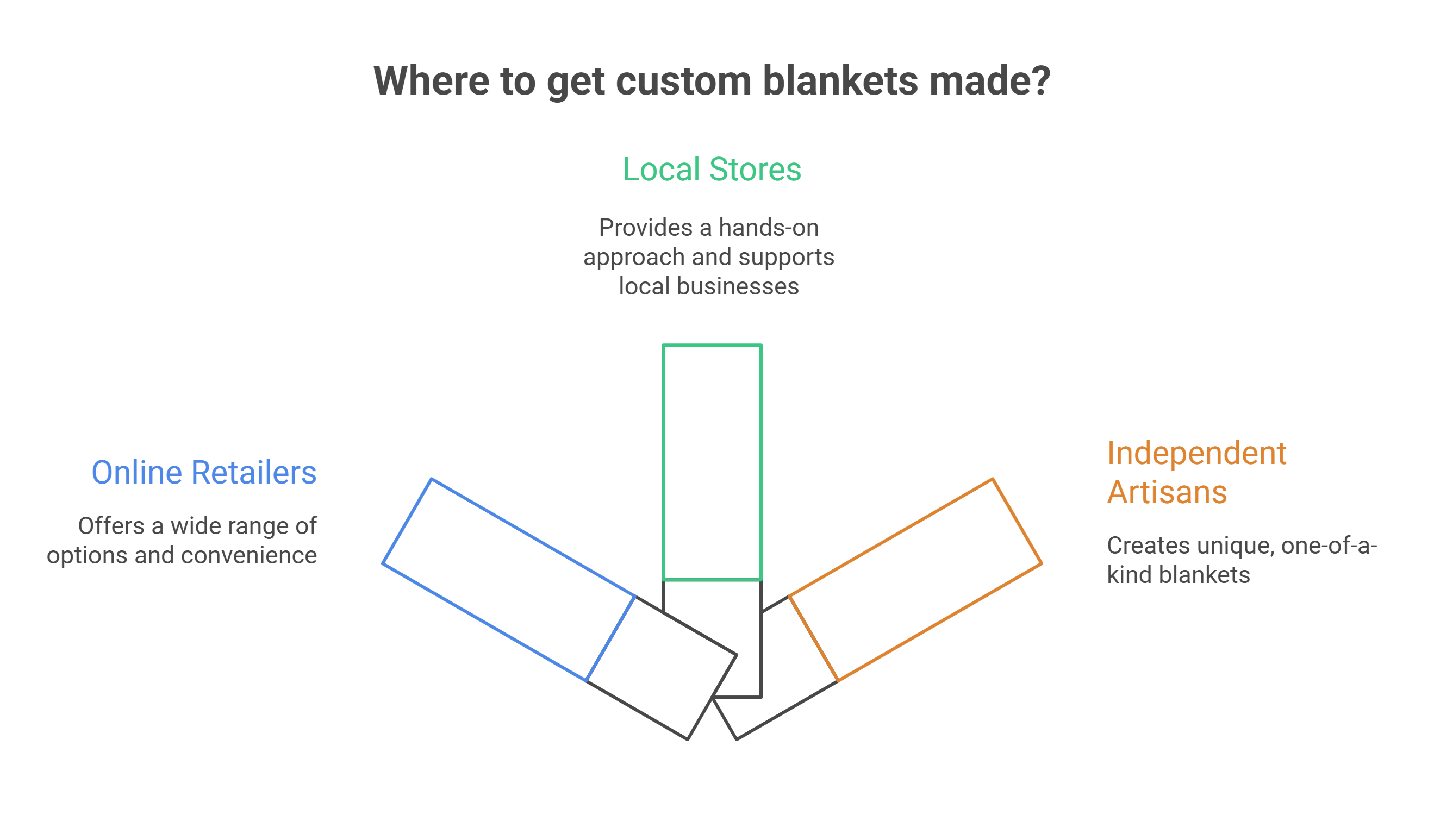
If you’re wondering where to get custom blankets made, the best places are specialized textile manufacturers, promotional product suppliers, and online custom print stores that offer a variety of materials, from plush fleece to woven cotton.

Many of these suppliers cater to both individual and bulk orders, providing customization options like embroidery, sublimation, and digital printing. Whether you’re sourcing fleece blankets wholesale for corporate gifting or fleece blankets bulk for retail resale, it’s vital to choose a manufacturer that guarantees softness, durability, and vibrant print quality to ensure your blankets stand out and last.

Now let’s dive deeper.

Why Custom Blankets Are the Perfect Blend of Comfort and Branding?

Custom blankets have evolved from simple home accessories into powerful tools for gifting, branding, and marketing. They’re cozy, practical, and endlessly customizable. Businesses now use them for corporate giveaways, hotels personalize them for guest experiences, and families design them as heartfelt gifts.

However, knowing where to get custom blankets made can be confusing. With so many suppliers, online stores, and manufacturers offering varying levels of quality and pricing, it’s important to understand which options deliver both value and craftsmanship.

1. Understanding the Types of Custom Blankets Available

Before you decide where to buy, you should know what kinds of blankets are commonly offered for customization. Each type serves a unique purpose:

  • Fleece Blankets: Lightweight, warm, and affordable — ideal for both personal and promotional use.
  • Sherpa Blankets: A premium choice with a soft, fluffy lining that adds warmth and luxury.
  • Woven or Knit Blankets: Made using cotton or acrylic yarns, these are perfect for high-end gifts or home décor.
  • Photo Blankets: Use digital printing or sublimation to display images, logos, or designs directly on the fabric.
  • Weighted Blankets: Often custom-made for therapeutic use or luxury gifting.

Among these, fleece blankets remain the most popular because they are affordable, soft, and easy to produce in bulk.

2. Where to Get Custom Blankets Made – Top Sources Explained

a. Online Custom Printing Platforms

Websites like Vistaprint, Zazzle, Printify, and Custom Ink allow you to upload your own designs, logos, or photos and preview how the final product will look.
These platforms are ideal if you:

  • Want a small batch or one-off personalized blanket.
  • Prefer instant online design tools.
  • Need quick shipping and easy order tracking.

However, their unit prices can be higher for large orders, and customization options may be limited compared to direct manufacturers.

b. Wholesale Manufacturers and Textile Factories

If your goal is to produce blankets for resale, gifting campaigns, or branded merchandise, partnering directly with a textile manufacturer is the best route.
They provide:

  • Bulk order discounts.
  • Custom material, color, and size options.
  • Embroidery, woven labels, and dye-sublimation printing.

This is the preferred option for businesses ordering fleece blankets wholesale since you can control every aspect of quality, design, and packaging.

c. Promotional Product Suppliers

These companies specialize in branding items for businesses, sports teams, and organizations. They handle bulk customization and often include add-on services like logo placement, custom wrapping, and fulfillment.

They are a smart choice if you’re using blankets as:

  • Corporate gifts.
  • Event giveaways.
  • Merchandise for schools, hospitals, or charities.

They usually have pre-established relationships with fleece blankets bulk suppliers, which ensures cost efficiency and fast turnaround.

d. Local Print Shops and Embroidery Services

If you want to support small businesses or need more personalized service, check your local area for embroidery and printing shops.
Benefits include:

  • In-person consultation.
  • Sample inspection before production.
  • Local delivery and reduced shipping costs.

The downside is that smaller shops may not handle very large quantities, making them better suited for smaller projects or custom gifts.

3. How to Choose the Right Supplier for Custom Blankets?

Step 1: Define Your Purpose

Ask yourself — are you ordering for business use, resale, or personal gifting?

  • Business use: Prioritize professional printing, bulk pricing, and brand consistency.
  • Retail resale: Focus on quality, packaging, and supplier reliability.
  • Personal gifting: Choose convenience, print quality, and design options.

Step 2: Compare Material and Print Quality

Always check:

  • Fabric GSM (grams per square meter) for thickness.
  • Stitching strength for durability.
  • Printing method — dye sublimation provides vibrant, fade-resistant results.

If possible, request sample swatches to evaluate texture and color accuracy before committing to a bulk order.

Step 3: Check Customization Options

Top suppliers offer multiple branding techniques:

  • Embroidery: Best for luxury and long-lasting branding.
  • Sublimation Printing: Great for photo blankets and vibrant logos.
  • Heat Transfer: Affordable for short runs.
  • Woven Design: Perfect for a premium, textured look.

Choose the one that fits your style and budget.

Step 4: Evaluate Turnaround Time and Minimum Order Quantity (MOQ)

For event-driven or seasonal promotions, timing is critical.

  • Online stores: Ship within a week.
  • Manufacturers: Usually take 2–4 weeks, depending on volume.
  • Wholesalers: Offer flexible schedules for repeat orders.

MOQs vary — some factories require 50+ units, while others allow low-volume orders for startups.

4. Best Practices for Ordering Custom Blankets in Bulk

Ordering in bulk offers great cost savings, but it also requires planning. Here’s how to do it right:

  1. Get Multiple Quotes: Compare prices from at least three suppliers to ensure competitive rates.
  2. Ask for Proofs: Request digital mockups or sample prints to confirm design placement.
  3. Inspect Certifications: Check that materials meet safety standards (especially if selling retail).
  4. Confirm Shipping Details: Bulk blankets can be heavy, so freight and customs can add up — clarify all costs upfront.
  5. Negotiate Packaging: Many suppliers offer branded wrapping or labels for a small additional fee.

If you’re ordering fleece blankets wholesale, discuss return policies and defect replacement terms to protect your investment.

5. Benefits of Buying Custom Blankets in Bulk

  • Cost Efficiency: The larger your order, the lower your per-unit cost.
  • Brand Consistency: Ideal for marketing campaigns or product lines.
  • Customization Freedom: You can request unique designs or color palettes.
  • Resale Opportunities: Excellent for eCommerce and boutique stores targeting home and lifestyle niches.

Many B2B buyers use fleece blankets bulk purchases to serve dual purposes — part of their inventory for resale and part for promotional gifting.

6. Trends in Custom Blanket Manufacturing

The custom blanket market has evolved significantly in recent years. Here are the top trends to consider:

  • Eco-Friendly Fabrics: More brands are opting for organic cotton, recycled fleece, or bamboo fiber blankets.
  • Smart Printing Technology: Sublimation and UV printing allow for sharper, full-color designs that last.
  • Personalization at Scale: AI-powered design platforms make it possible for customers to personalize every item before checkout.
  • Private Label Manufacturing: Many businesses now request white-label blanket production to resell under their own brand names.

By choosing a manufacturer aligned with these innovations, you’ll ensure modern design, sustainability, and long-term product relevance.

7. How to Maintain and Market Custom Blankets?

If you’re reselling or using blankets for brand marketing, presentation matters as much as quality.

  • Care Instructions: Include washing and maintenance guidelines for customers.
  • Brand Tags: A subtle woven label with your logo boosts brand recognition.
  • Packaging: Vacuum-sealed or ribbon-wrapped blankets add a professional touch.
  • Marketing Angle: Position your blankets as premium, cozy, and eco-conscious.

For digital marketing, showcase your blankets through lifestyle photography, highlighting textures and warmth. This visual appeal helps your brand stand out, especially on platforms like Etsy or Shopify.

Final Thoughts

Finding where to get custom blankets made depends on your goals — small personalized gifts, large corporate orders, or retail resale. If you need just a few personalized designs, online platforms are your best bet. For larger campaigns or branded merchandise, partner directly with experienced textile manufacturers or wholesalers for the best quality and pricing.

Whether you choose a local print shop or an international supplier, remember that material selection, customization quality, and supplier reliability determine how successful your blanket project will be.

When done right, your custom blankets won’t just keep people warm — they’ll wrap your brand or message in comfort and long-lasting value.

Where Can I Get a Blanket Embroidered?

24 Oct

Quick Answer: Where Can I Get a Blanket Embroidered?

If you’re wondering, “Where can I get a blanket embroidered?” the good news is that there are several excellent options—both online and local. Many printing and embroidery shops, promotional product suppliers, and wholesale blanket vendors now offer full customization services.

Whether you want personalized gifts, branded items for events, or bulk embroidered fleece throws for your business, you can easily order them online through vendors specializing in fleece blankets wholesale and fleece blankets bulk. These suppliers often provide in-house embroidery, ensuring your design, logo, or text is stitched beautifully and professionally every time.

Now let’s dive deeper.

The Rise of Personalized Blankets

Personalized products have become a major trend in recent years. From monogrammed towels to embroidered jackets, consumers and businesses alike are embracing customization as a way to stand out. Among these products, embroidered blankets have gained immense popularity. They’re cozy, practical, and sentimental—making them ideal for personal use, corporate gifts, or special occasions.

But if you’ve ever searched “Where can I get a blanket embroidered?” you’ll quickly realize there’s no one-size-fits-all answer. The right choice depends on what you need—quantity, material, embroidery type, or even turnaround time.

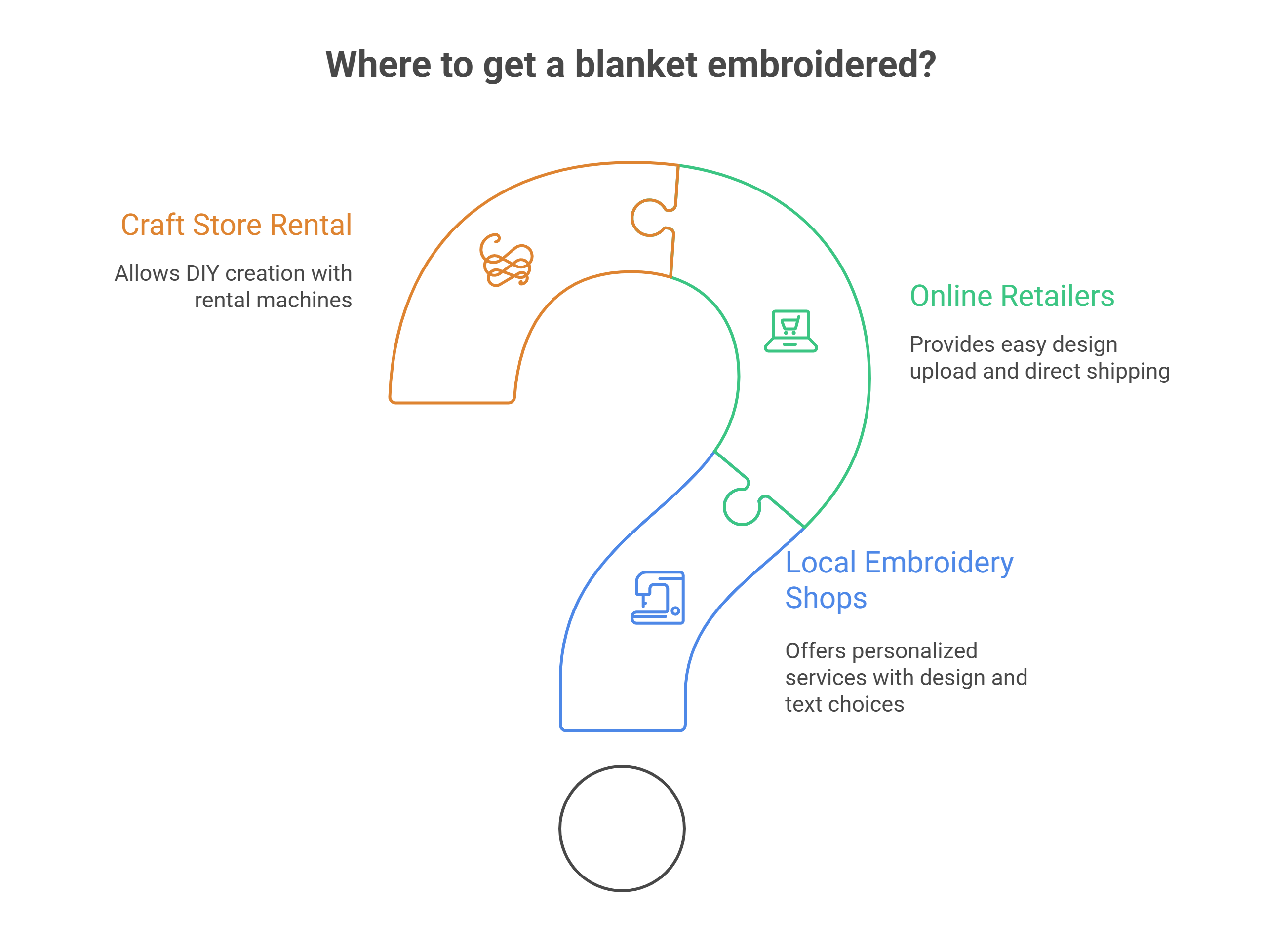
1. Local Embroidery Shops: A Personal Touch

One of the most direct ways to get a blanket embroidered is through a local embroidery or print shop. These businesses often cater to schools, sports teams, small companies, and individuals looking for personalized gifts.

Advantages:

  • Face-to-Face Consultation: You can bring your blanket, discuss thread colors, and even feel embroidery samples.
  • Faster Proofing: Local shops typically provide physical samples or swatches for review.
  • Community Support: You’re helping local artisans and small businesses thrive.

Disadvantages:

  • Limited Bulk Discounts: If you’re looking to order in large quantities, prices per unit can be higher.
  • Fewer Material Options: Not all local shops stock fleece, sherpa, or premium fabrics.

Local embroidery shops are ideal for personalized gifts—think weddings, graduations, or baby showers. But for larger needs, you might want to explore suppliers that specialize in fleece blankets bulk orders.

2. Online Customization Stores: Convenience and Variety

E-commerce has made custom embroidery more accessible than ever. Websites like Vistaprint, Custom Ink, Zazzle, and Etsy allow you to upload your design, choose blanket material, and preview the final product before purchasing.

Benefits of Online Vendors:

  • Huge Product Range: From cotton throws to premium fleece and sherpa blankets.
  • Design Flexibility: Upload logos, text, or artwork in high-resolution formats.
  • Bulk Ordering Options: Many platforms cater to corporate and event orders.

Key Tip:

When ordering online, always review the embroidery area (usually limited to corners or center sections) and ensure your logo or design fits clearly within the allowed space.

For companies planning giveaways, online suppliers that provide fleece blankets wholesale or fleece blankets bulk options are perfect. These suppliers not only offer large quantities but also provide branding services—ideal for hotels, schools, or promotional events.

3. Promotional Product Suppliers: For Businesses and Events

If your goal is to create branded merchandise—perhaps with your company logo, event name, or organization emblem—a promotional product supplier is your best bet.

These suppliers specialize in corporate gifting, trade show items, and branded goods. They typically maintain relationships with large manufacturers, allowing you to order hundreds or even thousands of blankets at wholesale pricing.

Why Choose Promotional Suppliers:

  • Professional-Grade Embroidery: Industrial machines ensure precision stitching.
  • Bulk Discounts: Lower per-unit costs for larger orders.
  • Full Branding Services: Some vendors can handle packaging, tagging, and shipping directly to clients.

Promotional suppliers are especially useful for organizations such as:

  • Schools and universities creating spirit merchandise.
  • Real estate firms gifting embroidered blankets to new homeowners.
  • Hospitals or wellness centers offering comfort blankets with their logo.

If you’re a business looking to make an impact, this route guarantees quality consistency and professional finish—especially when ordering fleece blankets bulk for campaigns or seasonal promotions.

4. Specialty Blanket Retailers: Quality Meets Customization

Some blanket brands now offer in-house embroidery as part of their retail services. You can choose the blanket’s size, color, material, and font style—all in one place.

Popular online specialty retailers include:

  • Personalization Mall
  • Shutterfly
  • Lands’ End
  • Blanket Warehouse
  • Custom Logo USA

Why They Stand Out:

  • Premium Materials: High-end fleece, sherpa, microfiber, and woven designs.
  • Gift-Ready Options: Many come with gift boxes or wrapping.
  • Lifetime Stitching Guarantee: Some brands even offer embroidery warranty.

These retailers cater more to quality-conscious buyers rather than bulk orders. However, for meaningful occasions—like anniversaries, company milestones, or luxury giveaways—they offer unmatched craftsmanship.

5. Wholesale Distributors: The Best for Large Orders

For businesses or event organizers who need large quantities, wholesale distributors are the most cost-effective solution. They specialize in providing fleece blankets wholesale, often with add-on embroidery services.

You can customize your order based on:

  • Blanket Material: Fleece, sherpa, velour, or polar fleece.
  • Embroidery Placement: Corner logo, center monogram, or full spread.
  • Color Matching: Pantone thread matching for perfect brand consistency.

Advantages of Wholesale Orders:

  • Mass Production Capability: Perfect for universities, hotels, or corporate campaigns.
  • Lower Unit Costs: The more you buy, the lower the price per blanket.
  • Uniform Quality: Every blanket matches your design and brand guidelines.

Companies that provide both fleece blankets wholesale and embroidery services offer the ideal one-stop solution—saving you time, logistics, and costs.

6. DIY Option: Embroider It Yourself

For creative individuals, doing it yourself can be rewarding. Hand embroidery on a blanket gives it a truly personal touch, though it takes time and skill.

You’ll need:

  • An embroidery hoop large enough for your fabric.
  • Embroidery needles, high-quality thread, and stabilizer.
  • A washable marking pen and pattern template.

If you’re working with thick fleece or sherpa material, use a stabilizer backing to prevent bunching. There are also small home embroidery machines that make it easier to replicate designs if you’re planning multiple blankets for family or friends.

7. What to Consider Before Getting a Blanket Embroidered?

Before choosing where to get your blanket embroidered, consider these essential factors:

a. Material

Not all fabrics are embroidery-friendly. Fleece and cotton blends hold stitching well, while stretchy or silky fabrics may distort designs.

b. Design Complexity

Simple logos or monograms embroider cleanly. If your logo includes small text or intricate patterns, consult the embroiderer for adjustments.

c. Thread Quality

Polyester thread is durable and colorfast, making it perfect for fleece and outdoor blankets.

d. Turnaround Time

Bulk embroidery can take several weeks, especially during the holiday season.

e. Cost Structure

Embroidery costs depend on stitch count, size, and setup fees. For large quantities, wholesale pricing usually offsets setup costs.

8. Sustainability and Ethical Production

As sustainability becomes a growing priority, many embroidery and textile companies now focus on eco-friendly materials and ethical manufacturing. When choosing a vendor, look for:

  • Recycled Fleece Options
  • OEKO-TEX Certified Fabrics
  • Ethical Labor Compliance

Eco-conscious embroidered fleece blankets are a thoughtful choice for businesses wanting to align with green values while maintaining comfort and brand visibility.

Final Thoughts

Whether you need a personalized baby blanket, a corporate giveaway, or branded merchandise, embroidery adds a touch of elegance and identity to any piece. You can get your blankets embroidered through local shops, online customization platforms, promotional suppliers, or direct fleece blankets wholesale distributors, depending on your needs.

The best choice balances quality, turnaround time, and budget. If you’re planning for larger events or business branding, partnering with a supplier that offers both embroidery and fleece blankets bulk options ensures consistent design, professional stitching, and long-term value.

In short, embroidered blankets aren’t just warm—they’re a creative way to showcase who you are, one stitch at a time.

How to Get Cat Fur Off Fleece?

23 Oct

Quick Answer: How to Get Cat Fur Off Fleece?

Wondering how to get cat fur off fleece without ruining your cozy blanket? The trick lies in combining the right tools, techniques, and maintenance habits. Start by shaking out loose fur, then use a lint roller, rubber glove, or damp sponge to lift embedded hair.

For stubborn fur, toss your fleece blanket into the dryer with dryer balls or a damp cloth for 10 minutes before washing. Regular care and fabric-safe anti-static sprays also make a big difference. If you’re buying fleece blankets wholesale or fleece blankets bulk, knowing these methods helps keep them fresh and fur-free for longer.

Now let’s dive deeper.

Why Fleece Attracts Cat Fur Like a Magnet?

If you’ve ever snuggled up in your favorite fleece blanket only to notice it’s now wearing more of your cat’s fur than you are—welcome to the club of pet lovers! Fleece is soft, warm, and incredibly comfortable, but its textured fibers act like tiny hooks, catching and holding onto pet hair.

While that’s a small price to pay for the companionship of your feline friend, removing cat fur from fleece can feel like an endless task. The good news? With the right approach, you can restore your fleece to its fluffy, fur-free glory in no time.

Whether you’re managing a few personal blankets or handling fleece blankets wholesale for resale, event giveaways, or hospitality use, understanding the best techniques to remove fur without damaging the material is essential.

1. Understanding Why Fleece Attracts Fur

Before tackling the problem, it’s worth understanding why fleece seems to collect fur so aggressively.

  • Static Electricity: Fleece is notorious for building static, especially in dry environments, which attracts lightweight cat fur like a magnet.
  • Soft Fibers: Its brushed texture provides endless nooks for fur to cling to.
  • Dense Weave: The tight knit of fleece traps fine hairs, making simple brushing ineffective.

Knowing this helps you choose cleaning methods that address both the static charge and the embedded fibers.

2. Start Simple: Shake and Snap

Before reaching for any tools, take your fleece outside and give it a strong shake. This loosens up most of the surface hair. Then, snap the blanket sharply several times to release trapped fur.

If you’re cleaning multiple blankets—especially if you work with fleece blankets bulk orders for promotional or retail purposes—do this step before every wash. It reduces fur build-up in your washing machine and saves detergent.

3. The Power of Lint Rollers and Brushes

A lint roller is the most straightforward tool for fur removal. Roll it over the fleece using light pressure, and peel off layers as they fill with hair.

For deeper fur, a fabric-safe brush with soft rubber or silicone bristles can work wonders. Move it in short, quick strokes to lift fur from the surface. If you’re out of tools, a piece of packing tape wrapped around your hand (sticky side out) can also do the trick in a pinch.

Pro Tip: Keep a lint roller in your laundry room if you handle large batches of fleece blankets wholesale for hotels, clinics, or stores—it’s a time-saving essential.

4. Use Rubber Gloves (Your Secret Weapon)

Rubber gloves—like the ones you use for dishwashing—are surprisingly effective. Put them on, dampen slightly with water, and run your hands over the fleece. The fur will clump together, making it easy to pick off or vacuum away.

This method works because static and friction help gather the hair while the damp surface provides grip. For best results, rinse the gloves occasionally to remove accumulated fur.

5. Dryer Magic: Pre-Treat Before Washing

Before tossing your blanket in the washer, run it through the dryer on a low heat or no-heat setting for about 10 minutes with a few dryer balls or damp microfiber cloths.

This loosens fur and pushes it into the dryer’s lint trap instead of redistributing it in the wash. Make sure to clean the lint trap afterward—it’ll likely be full!

If you own a pet or run a small business selling fleece blankets bulk, investing in a dryer with a strong lint filter system is a long-term win.

6. Washing Techniques That Actually Work

When it’s time to wash your fleece, follow these key steps:

  • Use cold or lukewarm water to preserve the softness of the fleece.
  • Add half a cup of white vinegar to your rinse cycle—it helps neutralize static and loosen fur.
  • Avoid fabric softeners, as they can make fleece fibers clingier.
  • Wash fleece items separately from cotton or wool to prevent cross-contamination of fur.

After washing, give your blanket another 10-minute spin in the dryer with dryer balls to pick up any residual hair. The result? A cleaner, fluffier, and fresher-smelling blanket.

7. Anti-Static Sprays and Fabric Refreshers

Static electricity is one of your main enemies. To combat it, use a pet-safe anti-static spray or a DIY version made from water and a tablespoon of fabric softener in a spray bottle.

Lightly mist your fleece before brushing or after washing—it’ll repel fur and make future cleanings easier.

For businesses buying fleece blankets wholesale for customers or branding purposes, consider pre-treating them with anti-static solutions to ensure they arrive hair-free and soft to touch.

8. Use a Pet Hair Vacuum Attachment

If you own a handheld vacuum or one with upholstery attachments, use it to remove stubborn fur. Vacuuming works best when the fleece is spread flat on a smooth surface. Move in short strokes and overlap slightly to ensure full coverage.

A vacuum with a rubberized nozzle or HEPA filter captures fine hair and dander effectively, helping those with allergies.

9. Preventing Fur Build-Up: Maintenance Habits

An ounce of prevention truly is worth a pound of fur removal. Adopt these habits to keep fleece cleaner longer:

  • Groom your cat regularly. Less shedding = less work.
  • Designate pet-free blankets. Keep one or two fleece blankets for your cat and the rest for yourself.
  • Use washable throws or covers. These act as a barrier between your pet and your favorite fleece blanket.
  • Store fleece properly. Keep unused blankets in sealed containers or fabric bags to avoid fur accumulation.

If you manage fleece blankets bulk for organizations, pet shelters, or hotels, consistent maintenance helps maintain professional presentation and hygiene standards.

10. Bonus: DIY Tricks That Actually Help

  • Pumice Stone: Gently glide it over fleece to collect embedded fur.
  • Dry Sponge: A slightly damp kitchen sponge can lift fur from fleece with minimal effort.
  • Balloon Static Method: Rub a balloon on your fleece to build static and attract fur (a fun trick that also works for kids and pet owners).
  • Fabric Shaver: For older fleece blankets with pilling and fur, use a fabric shaver carefully to renew their texture.

11. What to Avoid?

Not all methods are fleece-friendly. Avoid these to keep your fabric soft and lasting longer:

  • No high heat. It can damage the fleece fibers.
  • No stiff brushes or metal combs. They can tear the surface.
  • No bleach or harsh detergents. These weaken fibers and attract more fur over time.
  • Don’t overload the washer. It prevents thorough cleaning and fur removal.

12. Long-Term Care for Fleece Blanket

Fleece lasts longer when handled gently. Always read the care label before washing and store your blankets in dry, ventilated areas. For businesses handling fleece blankets wholesale, proper care before packaging ensures that customers receive pristine, ready-to-use products.

If you’re reselling fleece blankets bulk for retail or hospitality, consider including a “care tips” card. It’s a thoughtful touch that enhances customer satisfaction and reduces returns due to fabric issues.

Final Thoughts

Removing cat fur from fleece doesn’t have to be frustrating. With the right mix of preparation, the right tools, and smart washing habits, you can enjoy fur-free comfort without sacrificing your blanket’s softness.

From a quick lint roller sweep to pre-dryer tricks and anti-static treatments, every small step contributes to a cleaner, cozier experience. And if you’re buying fleece blankets wholesale or in fleece blankets bulk quantities, understanding these methods helps maintain their appeal—whether for home use, resale, or gifting.

So the next time you curl up with your cat and fleece, relax. You’ve got the fur situation handled.

How Do You Wash Fleece?

23 Oct

Quick Answer: How Do You Wash Fleece?

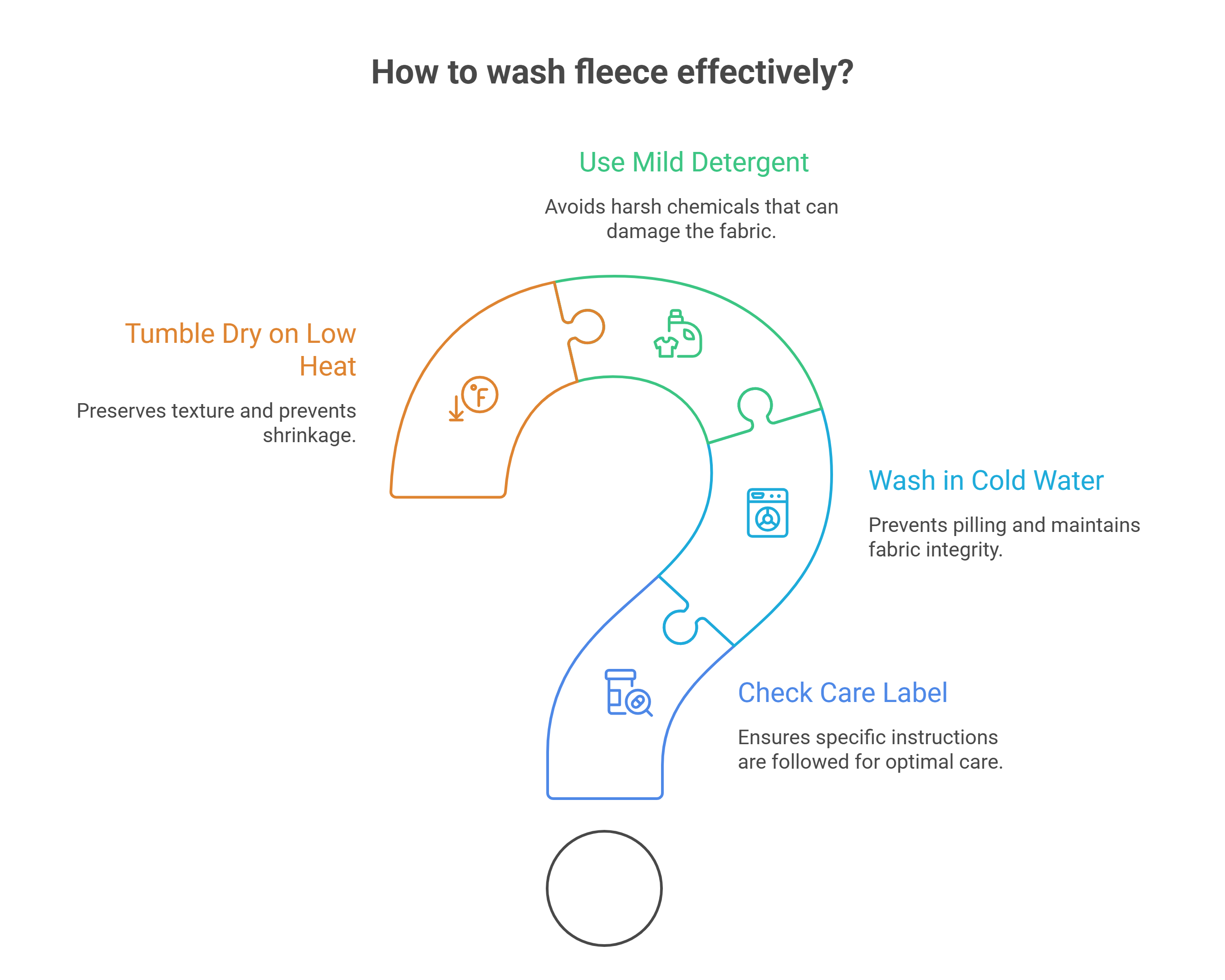
So, how do you wash fleece without ruining its cozy softness? The key lies in using a gentle cycle, cold water, and mild detergent—never bleach or fabric softeners. Fleece fibers are delicate and can lose their plush texture if exposed to high heat or harsh chemicals.

Always wash fleece items separately to prevent lint buildup and air dry them for best results. Whether you’re caring for your favorite hoodie or maintaining fleece blankets wholesale or fleece blankets bulk collections, proper washing ensures they stay fluffy, warm, and long-lasting.

Now let’s dive deeper.

The Soft Secret Behind Fleece

Few materials rival fleece when it comes to warmth and comfort. From winter jackets to cozy throws, fleece is everywhere—soft, durable, and lightweight. Yet, if you’ve ever pulled a matted or rough fleece blanket out of the washer, you know that maintaining its softness isn’t automatic.

The reason is simple: fleece may feel tough, but it’s actually a delicate synthetic fiber (often polyester) that reacts strongly to heat, friction, and certain detergents. Washing it wrong can lead to pilling, stiffness, or even permanent damage.

1. Understanding the Nature of Fleece Fabric

Before washing fleece, it helps to understand what makes it unique.

Fleece is typically made from polyester, a synthetic material spun into soft fibers that mimic wool. It’s prized for being:

  • Warm yet lightweight
  • Moisture-resistant
  • Quick-drying
  • Hypoallergenic and breathable

However, these same synthetic fibers can trap lint, attract static, and lose shape when washed improperly. Unlike cotton or wool, fleece doesn’t need deep scrubbing or high-heat drying—it needs gentle care.

If you manage a business or retail shop that buys fleece blankets bulk, understanding this fabric behavior is crucial for customer satisfaction and product longevity.

2. Sorting and Preparing Fleece Before Washing

The first step in caring for fleece begins before it ever touches water. Proper sorting and preparation can prevent damage and color bleeding.

a. Wash Fleece Separately

Fleece tends to attract lint like a magnet. Washing it with towels, jeans, or lint-producing fabrics is a mistake. Always wash fleece separately or with other soft synthetics.

b. Turn Fleece Inside Out

Turning your fleece garments or blankets inside out helps protect the outer fibers from friction and pilling.

c. Close Zippers and Fasten Straps

If you’re washing jackets or blankets with zippers or Velcro, close them to prevent snagging.

d. Shake Out Dust or Hair

Before tossing it into the washer, give your fleece a quick shake to remove dust or pet hair. This prevents buildup during the wash cycle.

3. Choosing the Right Detergent and Wash Settings

The detergent and washing method can make or break your fleece’s texture.

a. Use a Gentle Detergent

Opt for a mild, liquid detergent without bleach, optical brighteners, or softeners. Harsh chemicals strip the fleece of its insulating properties.

b. Set the Washer to Cold and Gentle

Use cold water on a gentle or delicate cycle. Hot water can cause fleece to shrink, lose shape, or develop hard spots.

c. Avoid Fabric Softeners and Bleach

Fabric softeners might seem like a good idea, but they coat fleece fibers, reducing fluffiness and breathability. Bleach, on the other hand, breaks down synthetic fibers and causes discoloration.

d. Don’t Overload the Washer

Give fleece enough room to move freely during the cycle. Overloading causes friction, leading to pilling.

4. Drying Fleece the Right Way

Drying is where many fleece lovers go wrong. It’s tempting to toss it in the dryer on high heat, but that’s the quickest way to ruin it.

a. Air Dry Whenever Possible

The best way to dry fleece is to air dry it. Lay it flat on a clean surface or hang it up away from direct sunlight.

b. Use Low Heat If You Must Use a Dryer

If you must use a dryer, set it to low or no heat (tumble dry). High heat melts fleece fibers and hardens the texture.

c. Avoid Ironing

Never iron fleece. The heat can cause permanent damage and create shiny, flattened patches.

d. Give It a Gentle Shake

Once dry, shake the fleece lightly to restore its fluff and remove any wrinkles.

5. How to Remove Stains from Fleece?

Accidents happen, but fleece stains can usually be treated without stress.

a. Treat Stains Promptly

The sooner you tackle a stain, the better. Dab (don’t rub) the area with a damp cloth to prevent spreading.

b. Use Mild Soap or a DIY Solution

Mix one teaspoon of mild detergent or dish soap with cool water. Apply it to the stained area and gently blot with a soft cloth.

c. Rinse Thoroughly

Rinse the treated spot before putting the fleece in the washing machine. Residue from detergents can stiffen the fabric.

d. Avoid Stain Removers with Alcohol or Bleach

These can damage the fleece fibers and cause color fading.

6. Storing Fleece Properly

Proper storage ensures that your fleece stays soft between seasons.

  • Fold neatly instead of hanging. Hanging can stretch the material.
  • Store in a cool, dry place. Avoid plastic bins that trap moisture.
  • Use fabric-safe bags if you’re storing fleece blankets wholesale quantities to protect them from dust and insects.

For retail or bulk inventory, consider rolling fleece blankets to prevent permanent creases.

7. Common Mistakes to Avoid When Washing Fleece

Even with the best intentions, it’s easy to make simple mistakes that shorten the life of fleece.

MistakeWhy It’s a ProblemWhat to Do Instead
Using hot waterMelts or warps fibersUse cold water only
Using bleach or softenersBreaks down softnessUse mild detergent
Mixing with linty itemsCauses fuzz and buildupWash fleece separately
Over-dryingCauses stiffnessAir dry or tumble dry low
IroningDamages textureNever iron fleece

By avoiding these, you’ll keep your fleece fresh and fluffy for years.

8. Washing Fleece Blankets in Bulk or Wholesale Quantities

If you’re managing a business that sells fleece blankets bulk or fleece blankets wholesale, maintenance becomes even more crucial. Retail presentation matters—no customer wants a stiff or matted blanket.

When cleaning bulk orders before shipment or display:

  • Use industrial washers with gentle cycles.
  • Maintain low water temperature across all loads.
  • Perform spot checks for lint and pilling after each cycle.
  • Always air dry in ventilated rooms to prevent heat damage.

Bulk washing can also reduce detergent residue, ensuring blankets stay clean and soft for resale or gifting.

9. Eco-Friendly Ways to Wash Fleece

Since fleece is made from polyester, microfibers can shed during washing and enter waterways. Here’s how to minimize your environmental footprint:

  • Use a microfiber filter bag (like a Guppyfriend) to catch tiny fibers.
  • Wash less often. Fleece doesn’t need frequent washing; spot clean when possible.
  • Opt for eco-friendly detergents that are biodegradable.
  • Air dry to reduce energy use and fiber shedding.

These small steps help you care for both your fleece and the planet.

10. Keeping Fleece Soft for Years to Come

To maintain fleece’s luxurious feel, adopt a gentle care routine:

  • Wash only when necessary.
  • Brush lightly with a soft clothing brush to restore fluff.
  • Avoid exposure to direct heat or harsh sunlight.
  • Rotate usage for bulk blankets in hospitality or retail setups to prevent wear in high-use areas.

Properly maintained fleece can last for years—looking and feeling just as cozy as the day you bought it.

Final Thoughts

Washing fleece may seem simple, but the difference between soft, cloud-like fabric and a rough, matted mess often comes down to technique. Remember: cold water, mild detergent, gentle cycles, and patience during drying are your fleece’s best friends.

So, the next time someone asks, “how do you wash fleece?”, you’ll know it’s more than just a laundry question—it’s about preserving comfort, quality, and longevity. Whether it’s your favorite throw or a set of fleece blankets wholesale for your business, the right washing habits make all the difference in keeping them irresistibly soft and ready for every season.