Archive | fleece blankets bulk RSS feed for this section

How to Wash a Fleece?

23 Oct

Quick Answer: How to Wash a Fleece?

Knowing how to wash a fleece properly ensures it stays soft, warm, and durable for years. Whether it’s a cozy throw or part of a large batch from fleece blankets wholesale suppliers, the key is gentle care.

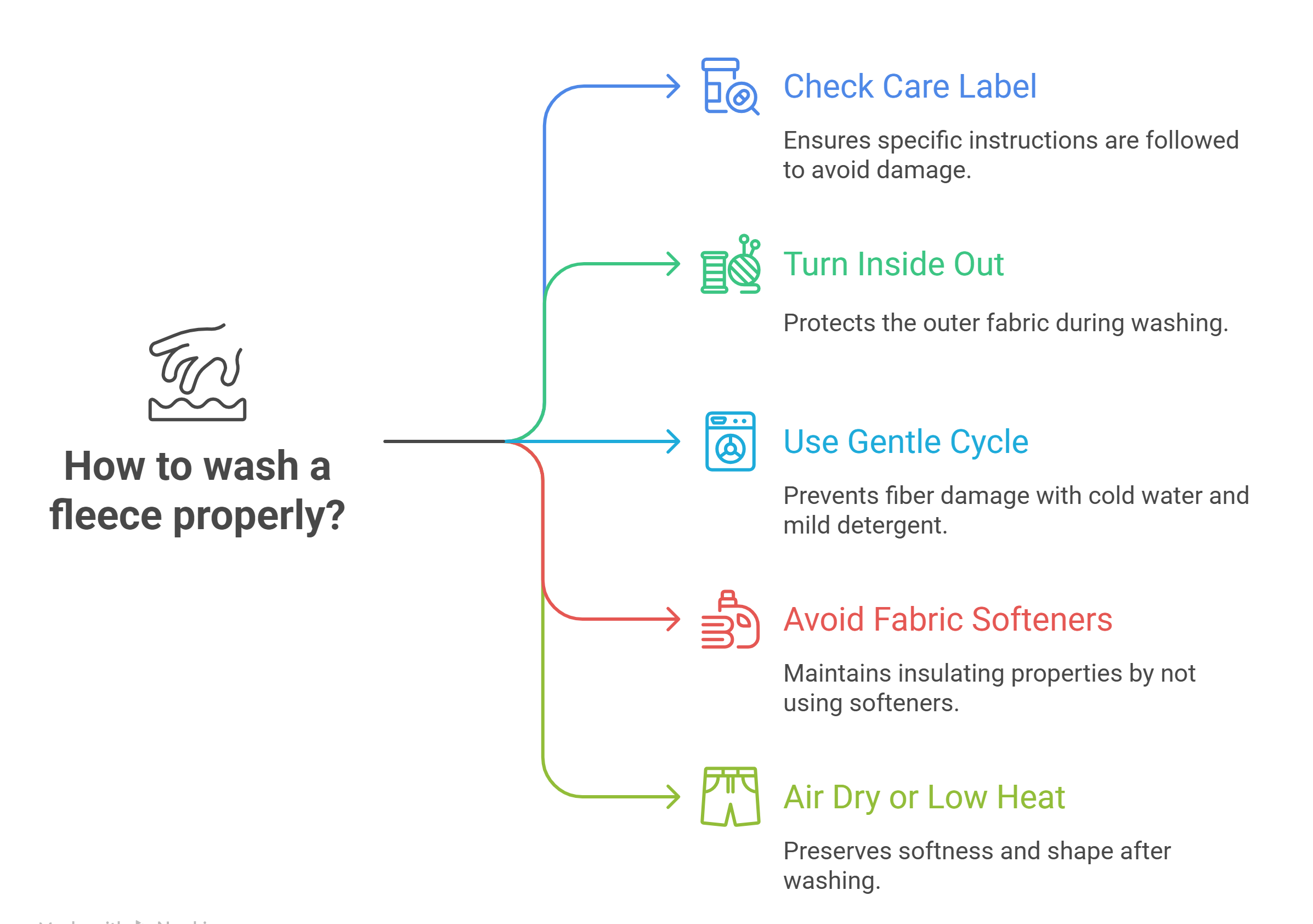
Wash fleece in cold water using mild detergent, avoid fabric softeners, and skip the high heat—these damage fibers and cause pilling. Air drying or tumble drying on low keeps it fluffy. If you’ve purchased fleece blankets bulk for resale or donation, proper washing before use enhances comfort, hygiene, and product longevity while maintaining their signature softness.

Now let’s dive deeper.
Why Fleece Needs the Right Care?

Fleece is a favorite across households, hotels, hospitals, and retailers—soft, lightweight, and incredibly warm. But as cozy as it is, fleece can lose its charm fast if washed incorrectly. High heat, harsh detergents, or improper drying can turn your luxurious blanket into a stiff, pilled mess.

If you’ve ever wondered why your fleece blanket stopped feeling as soft as day one, the reason usually lies in your laundry routine. Understanding how to wash a fleece isn’t just about cleanliness—it’s about protecting the fiber technology that gives fleece its cloud-like texture and insulation.

1. What Is Fleece Made Of?

Before diving into the washing process, let’s understand what fleece actually is.

Most fleece fabrics are made from polyester, a synthetic fiber derived from plastic. Its unique brushed construction traps air between fibers, creating insulation and softness. Unlike wool, fleece doesn’t shrink easily and dries quickly, making it ideal for everyday use.

However, because it’s synthetic, it reacts poorly to high temperatures, rough agitation, and certain chemicals. These can melt or weaken the fiber surface, leading to pilling, static cling, or loss of fluff.

In short: fleece is durable—but only when treated gently.

2. Read the Care Label First

Every fleece product—whether a throw blanket, jacket, or hoodie—comes with a care label. The manufacturer’s instructions are always your best starting point.

Different fleece types (microfleece, sherpa fleece, polar fleece) may require slightly different temperatures or drying methods. Following those symbols helps prevent irreversible damage, especially for businesses that process large batches of fleece blankets bulk for clients, hotels, or retail shelves.

3. Step-by-Step Guide: How to Wash a Fleece?

Step 1: Sort by Fabric Type

Wash fleece items separately or with other synthetic, lightweight fabrics. Avoid washing them with jeans, towels, or garments that shed lint—fleece attracts lint easily.

Step 2: Use Cold Water

Always use cold or lukewarm water. Hot water can melt polyester fibers, causing the surface to become rough and less breathable.

Step 3: Add a Gentle Detergent

Opt for a mild, liquid detergent. Avoid powdered detergents that may not dissolve fully, leaving residue on the fabric.

Pro Tip: If you’re managing a large wash for fleece blankets wholesale, use a high-efficiency detergent that’s free from bleach, phosphates, and brighteners to preserve color vibrancy.

Step 4: Skip the Fabric Softener

Fabric softeners coat fleece fibers with a waxy residue. While they might make your clothes smell nice, they actually reduce the fleece’s natural softness and water resistance.

Step 5: Choose a Gentle Wash Cycle

Select the delicate or gentle cycle. This minimizes friction between fabrics, reducing pilling and fiber wear.

Step 6: Rinse Thoroughly

Ensure all detergent is washed out. Residue can cause stiffness or irritation to sensitive skin.

Step 7: Air Dry or Tumble Dry Low

The safest option is air drying. Simply hang the fleece on a drying rack indoors or outdoors away from direct sunlight.
If you must use a dryer, choose low heat or air fluff settings. High heat will damage the fibers.

4. How to Remove Stains from Fleece?

Fleece can trap stains easily due to its brushed surface. Here’s how to treat them without harming the material:

  • For food or drink stains: Blot (don’t rub) the spot with a cloth dipped in mild soap and cold water.
  • For oil or makeup stains: Apply a tiny bit of gentle dish soap, let it sit for 10 minutes, then rinse.
  • For ink stains: Dab with rubbing alcohol using a cotton ball, then wash as usual.

Avoid chlorine bleach—it discolors fleece and breaks down its fibers.

5. Common Washing Mistakes to Avoid

Even a small mistake can ruin your fleece’s texture. Here are the top pitfalls to steer clear of:

  1. Hot Water: Causes shrinking and fiber melting.
  2. High Heat Drying: Makes fleece stiff and less breathable.
  3. Overloading the Washer: Leads to uneven cleaning and fiber abrasion.
  4. Using Fabric Softeners or Bleach: Leaves buildup and damages the nap.
  5. Ironing Fleece: High heat flattens fibers permanently.

Whether you’re a homeowner with a few cozy throws or a distributor handling fleece blankets wholesale, avoiding these mistakes saves money and extends product life.

6. Caring for Fleece Over Time

Washing is just one part of maintaining fleece quality. For long-term care:

  • Brush occasionally with a soft fabric brush to restore fluff.
  • Store folded in a cool, dry place—avoid compression bags that crush fibers.
  • Use anti-static spray if the blanket tends to cling or attract lint.
  • Rotate usage if managing stock for fleece blankets bulk sales—this prevents certain items from wearing out faster.

With consistent care, fleece can retain its plush softness and durability for years, even with frequent use.

7. Eco-Friendly Washing Tips

Sustainability matters, especially when washing synthetic fabrics like fleece. Here are some eco-conscious adjustments:

  • Wash less often: Unless visibly dirty, a light refresh can be enough.
  • Use cold water only: Saves energy and prevents microplastic shedding.
  • Install a microplastic filter in your washing machine to capture fibers.
  • Line dry outdoors to reduce energy use and preserve texture.

These practices benefit both your blankets and the environment.

8. Special Care for Different Types of Fleece

Microfleece:

Extremely soft and thin—ideal for lightweight blankets and apparel. Wash with other delicate fabrics only.

Sherpa Fleece:

Has a wool-like pile—avoid heavy spin cycles that mat the texture. Use fabric brush after drying to keep it fluffy.

Polar Fleece:

More durable but prone to static. Use anti-static dryer balls during low-heat drying.

Knowing which fleece type you’re handling helps customize the cleaning process for optimal results.

9. When to Replace Your Fleece?

Even with the best care, fleece eventually wears out. Look for these signs:

  • Persistent pilling that can’t be brushed away
  • Flattened or rough surface
  • Faded color or stretched shape
  • Noticeable static cling that won’t go away

For businesses, rotating stock in fleece blankets wholesale ensures customers always receive items in pristine condition.

Final Thoughts

Learning how to wash a fleece properly is more than just a laundry lesson—it’s a way to extend the lifespan of a product that defines comfort. For families, it means your favorite blanket stays soft winter after winter. For businesses, it means your fleece blankets bulk orders maintain their retail-quality finish through handling, washing, and reuse.

A little care goes a long way. With gentle washing, low heat, and attention to detail, you can keep fleece products looking new, cozy, and ready for years of comfort.
What Type of Fabric Is Fleece?

23 Oct

Quick Answer: What Type of Fabric Is Fleece?

So, what type of fabric is fleece? Fleece is a soft, synthetic fabric typically made from polyester fibers that are brushed to create a plush, insulating texture similar to wool—but lighter, warmer, and easier to maintain.

It’s one of the most popular materials used in cold-weather clothing and cozy home accessories. Businesses sourcing fleece blankets wholesale or fleece blankets bulk often choose it for its warmth, durability, and affordability. Whether it’s a stylish jacket or a warm throw, fleece delivers comfort without compromising on performance or cost.

Now let’s dive deeper.

The Soft Science Behind Fleece Fabric

Few fabrics can match the warmth-to-weight ratio of fleece. It’s soft, it’s cozy, and it’s become an everyday essential—from athletic gear and winter wear to baby clothes and home décor. But despite its natural feel, fleece is not derived from animals like wool; it’s an entirely man-made textile innovation.

Understanding what type of fabric fleece really is can help consumers, retailers, and manufacturers appreciate its versatility. It also sheds light on why fleece blankets wholesale and fleece blankets bulk have become a booming market segment worldwide, especially for hospitality, promotional, and retail businesses.

1. What Exactly Is Fleece Fabric?

Fleece is a synthetic fabric primarily made from polyethylene terephthalate (PET)—the same material used in plastic bottles. It was developed in the late 1970s by the textile company Malden Mills (now Polartec) as a lightweight, warm, and vegan-friendly alternative to wool.

The result was revolutionary. Fleece mimicked the insulating qualities of wool but eliminated issues like heaviness, itchiness, and slow drying. Unlike natural fibers, it doesn’t absorb water easily, making it perfect for activewear and outdoor clothing.

Today, fleece is produced in many variations—microfleece, polar fleece, sherpa fleece, coral fleece, and more—each suited for different comfort and performance needs.

2. The Manufacturing Process: How Fleece Is Made?

The creation of fleece begins with polyester fibers, which are spun from molten plastic pellets. These fibers are then knitted tightly to form a fabric base. Once the fabric is woven, it undergoes a process called napping, where metal brushes raise the fibers to create that signature soft, fluffy surface.

This brushing process is done on one or both sides, depending on the desired texture and insulation level. Finally, the fleece is sheared to remove excess fibers, giving it a uniform thickness and smooth finish.

Some manufacturers also use recycled PET bottles to make eco-friendly fleece, reducing plastic waste. This sustainable approach has gained popularity among brands seeking environmentally conscious production methods.

3. Characteristics That Define Fleece Fabric

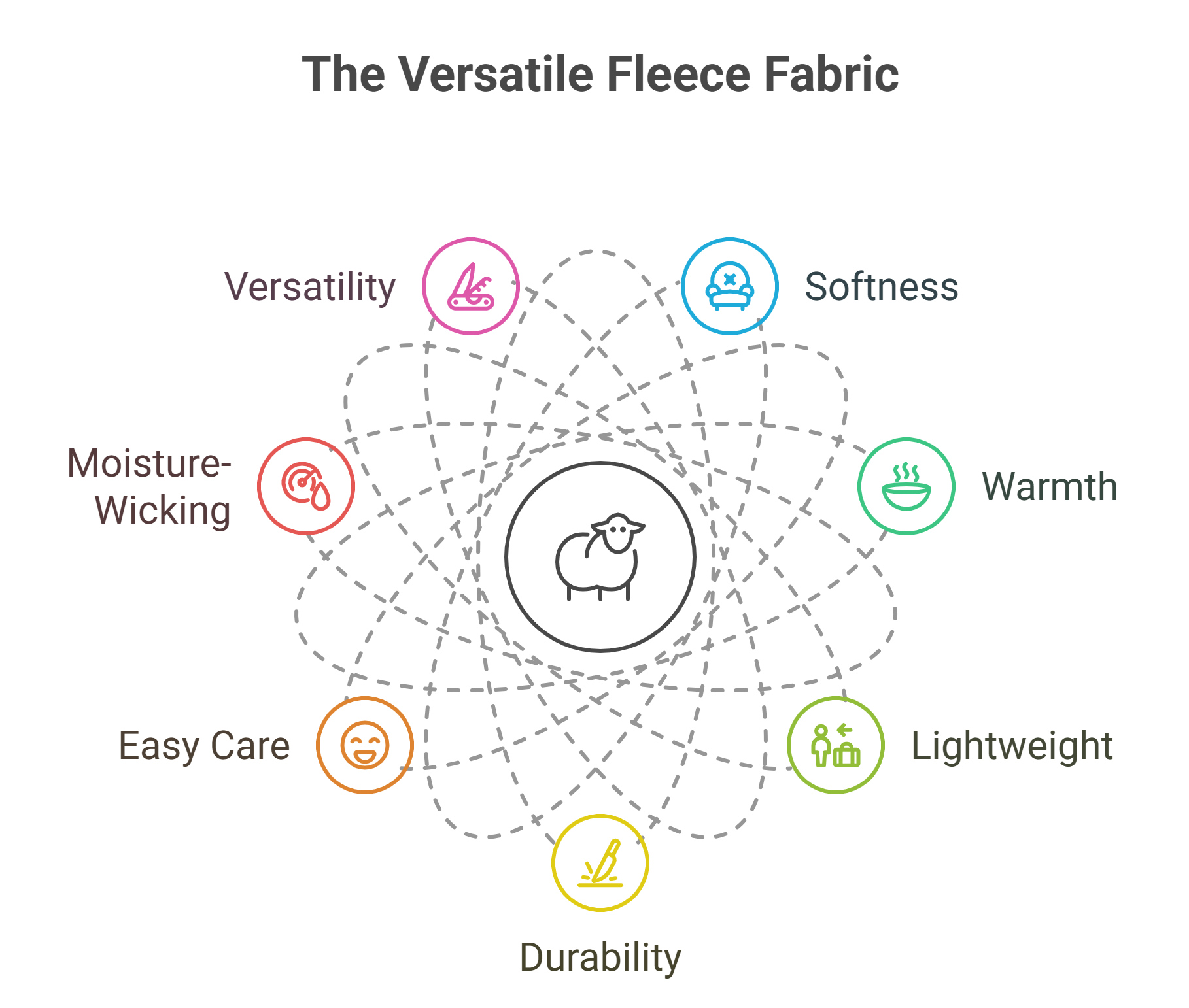
Fleece stands out for its unique combination of warmth, softness, and breathability. Here’s a breakdown of its defining qualities:

  • Lightweight Warmth: Fleece traps air between fibers, providing insulation without bulk.
  • Moisture Resistance: Unlike cotton or wool, fleece wicks moisture away, keeping the wearer dry.
  • Fast-Drying: Perfect for outdoor or sportswear as it dries quickly after washing.
  • Softness and Comfort: Its velvety texture makes it gentle on the skin.
  • Durability: Fleece holds up well to frequent washing and use.
  • Hypoallergenic: Since it’s synthetic, fleece avoids the allergens sometimes found in natural fibers like wool or down.

These attributes make fleece ideal for use in fleece blankets wholesale and fleece blankets bulk manufacturing, where comfort and longevity are top priorities for hotels, hospitals, and retail businesses.

4. Types of Fleece and Their Uses

Fleece isn’t a single type of fabric—it’s a family of textiles with varied thickness, texture, and use.

a. Polar Fleece

The most common type, known for warmth and medium thickness. Used in jackets, sweatshirts, and blankets.

b. Microfleece

Thinner and lighter, ideal for base layers or baby clothing. It’s soft to touch and provides breathable warmth.

c. Sherpa Fleece

Features a fluffy, sheep-like surface often used in linings or plush blankets. Perfect for luxurious comfort.

d. Coral Fleece

A smoother and denser version of fleece, used in loungewear and premium throw blankets.

e. Berber Fleece

Textured like curly wool, used in outerwear and stylish home décor.

Each variation offers a distinct balance of softness, insulation, and weight—making fleece one of the most adaptable fabrics ever created.

5. Comparing Fleece with Other Fabrics

Fabric TypeWarmthBreathabilityMaintenanceMoisture ResistanceCost
FleeceHighHighEasyExcellentLow
WoolHighModerateRequires CareModerateHigh
CottonModerateHighEasyPoorModerate
Polyester (Unbrushed)ModerateHighEasyExcellentLow

Fleece combines the best of all worlds—warm like wool, easy to care for like cotton, and quick-drying like polyester. This explains why it dominates the market for cozy products, from jackets to fleece blankets bulk orders for institutional use.

6. Why Fleece Is So Popular in Blankets?

Blankets made from fleece are synonymous with comfort and practicality. Here’s why:

  • Warmth without Weight: Perfect for year-round use.
  • Durable and Easy to Wash: Retains softness even after dozens of laundry cycles.
  • Color Retention: Fleece resists fading, keeping designs vibrant longer.
  • Customizable: Ideal for printing logos, slogans, or designs for promotional purposes.
  • Affordable: Makes it suitable for fleece blankets wholesale suppliers catering to large orders.

Hotels, hospitals, schools, and event organizers often buy fleece blankets bulk because they provide premium comfort at a fraction of the cost of natural materials.

7. Environmental Considerations: Is Fleece Sustainable?

While fleece offers many benefits, it’s not without environmental challenges. Since it’s made from plastic-based polyester, traditional fleece isn’t biodegradable. Moreover, microfibers can shed during washing and enter waterways.

However, the industry is evolving. Many manufacturers now use recycled polyester to produce eco-friendly fleece, significantly reducing the carbon footprint. Consumers can also minimize microfiber pollution by washing fleece items in cold water and using specialized laundry bags or filters.

With sustainability on the rise, recycled fleece blankets are becoming increasingly popular in both retail and fleece blankets wholesale markets.

8. Care Tips for Fleece Product

To extend the lifespan and softness of fleece, follow these expert care tips:

  1. Wash in Cold Water: Hot water can damage fibers and cause pilling.
  2. Avoid Fabric Softeners: They can clog fleece fibers and reduce breathability.
  3. Use Mild Detergent: Harsh chemicals can wear down the plush texture.
  4. Air Dry or Tumble Low: High heat can melt or deform synthetic fibers.
  5. Brush Lightly: A soft fabric brush helps restore the fluffy surface if it becomes matted.

Proper care ensures that fleece products—especially fleece blankets bulk orders—stay soft, durable, and attractive even after repeated use.

9. Industries That Rely on Fleece Fabric

Fleece is used in almost every industry where warmth, comfort, or branding matters. Some common applications include:

  • Hospitality: Cozy bed throws and winter comforters.
  • Healthcare: Lightweight blankets for hospitals and clinics.
  • Corporate Gifting: Custom-branded fleece throws for promotional campaigns.
  • Retail & eCommerce: Stylish fleece apparel and accessories.
  • Outdoor Gear: Jackets, gloves, and sleeping bags.

The combination of low cost and high appeal makes fleece a top choice for fleece blankets wholesale distributors and manufacturers worldwide.

Final Thoughts

Fleece represents one of the most successful textile innovations of the modern era—an affordable, high-performance, and endlessly versatile fabric. Its ability to combine softness, warmth, and durability explains why it’s found everywhere—from cozy household blankets to mountaineering gear.

For businesses, investing in fleece blankets wholesale or fleece blankets bulk provides an unbeatable balance of quality and value. For consumers, fleece remains a go-to comfort companion—light on weight, big on warmth, and timeless in appeal.

So, the next time you wrap yourself in a fleece throw or pull on a fleece hoodie, you’ll know: this isn’t just a soft fabric—it’s a perfect blend of science, comfort, and practicality.

Where to Buy Pre Quilted Fabric?

23 Oct

Quick Answer: Where to Buy Pre Quilted Fabric?

If you’re wondering where to buy pre quilted fabric, the best options include both online specialty stores and wholesale textile suppliers that cater to crafters, quilters, and small businesses. You can find a wide variety of patterns, materials, and textures ranging from cotton blends to fleece and polyester.

Many wholesalers also offer fleece blankets wholesale and fleece blankets bulk options alongside pre quilted fabrics, making them ideal one-stop destinations for both hobbyists and commercial buyers. Whether you’re sewing jackets, bedding, or crafts, buying pre quilted fabric online ensures quality, convenience, and competitive pricing.

Now let’s dive deeper.

Why Pre Quilted Fabric Is in Demand?

Pre quilted fabric has become a favorite among DIY enthusiasts, fashion designers, and home décor creators. It offers the beauty and texture of a quilt without requiring hours of stitching. This fabric typically comes in two or three layers — a decorative top, batting in the middle, and a soft backing — already stitched together in various patterns such as diamond, wave, or grid.

Whether you’re creating cozy bed covers, handbags, pet mats, or even winter apparel, pre quilted fabric simplifies the process and saves you time. But finding the right source to buy it — with quality material and fair pricing — can be tricky.

1. Understanding Pre Quilted Fabric

Pre quilted fabric refers to textiles that have already been stitched together in layered form. Traditionally, quilting required sewing multiple layers manually, but pre quilted fabrics are machine-stitched, ensuring consistency and durability.

These fabrics come in multiple varieties:

  • Cotton Pre Quilted Fabric: Perfect for baby quilts, jackets, and home décor.
  • Polyester Quilted Fabric: Lightweight and ideal for outdoor gear.
  • Faux Leather or Vinyl Quilted Fabric: Commonly used in upholstery or car interiors.
  • Fleece-Backed Quilted Fabric: Excellent for winter wear and warm blankets.

Because they combine structure, softness, and insulation, they’re popular for both fashion and practical applications — from handbags to insulated covers.

2. What to Consider Before Buying Pre Quilted Fabric?

When you’re deciding where to buy pre quilted fabric, keep these important factors in mind:

a. Material Composition

Cotton, polyester, fleece, and blends all behave differently. Choose based on your project’s purpose — cotton for comfort, polyester for durability, fleece for warmth.

b. Pattern and Design

Pre quilted fabrics come with various stitching styles — diamond, wave, box, or floral. Pick a design that complements your end product.

c. Layer Quality

Check the batting (middle layer) for loft and density. Thicker batting provides more warmth, while thinner batting offers flexibility for clothing or accessories.

d. Width and Yardage

If you’re making large quilts, upholstery, or multiple pieces, check roll width (usually 45” to 60”) and bulk availability.

e. Pricing and Discounts

Some suppliers offer discounts when you buy in bulk — similar to fleece blankets wholesale suppliers who provide tiered pricing.

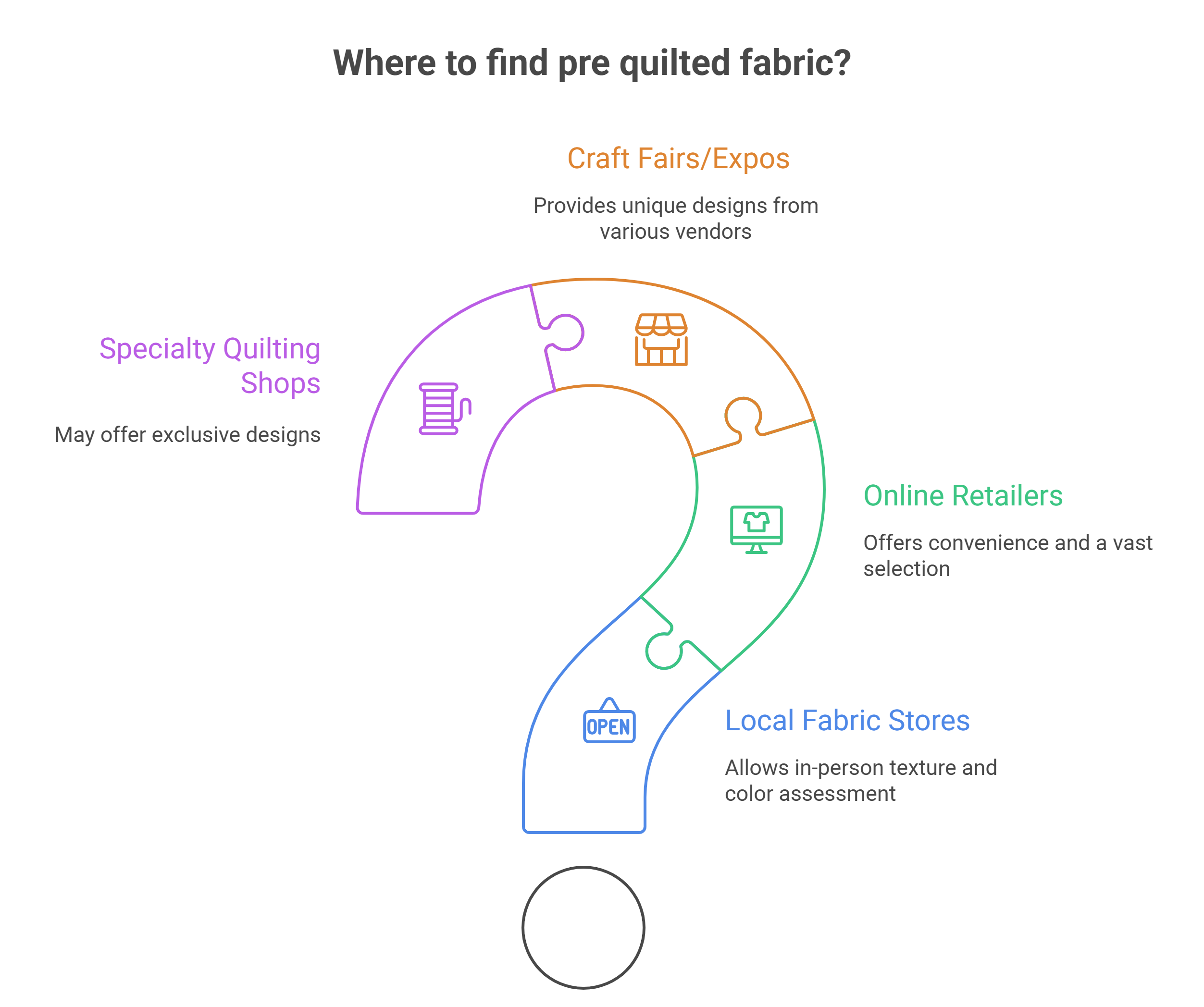
3. Best Places to Buy Pre Quilted Fabric

Here’s a breakdown of the best sources — both online and offline — where you can find reliable pre quilted fabric suppliers.

a. Specialty Fabric Stores

Local quilting or craft stores often carry pre quilted fabrics in small quantities. The advantage is you can touch and feel the material before buying. Major chains like Joann Fabrics and Hobby Lobby carry pre quilted cottons and blends in different colorways.

b. Online Fabric Retailers

For variety and convenience, online stores are unbeatable. Websites like Fabric.com, Fat Quarter Shop, and Missouri Star Quilt Company specialize in quilting supplies. They stock pre quilted fabric by the yard and often showcase customer reviews, which help verify quality.

Etsy is another excellent choice for unique patterns and independent sellers offering hand-quilted fabrics or limited-edition designs.

c. Wholesale Fabric Suppliers

If you need larger quantities — for resale, apparel manufacturing, or craft production — wholesale fabric distributors are the way to go. Many wholesalers offer fleece blankets wholesale alongside pre quilted fabrics, allowing you to combine purchases for bigger savings.

Top U.S.-based wholesalers include:

  • Wholesale Fabrics Direct – Known for affordable quilted cotton and poly-fleece blends.
  • Mood Fabrics – A designer-level source for pre quilted textiles.
  • Fabric Wholesale Direct – Offers bulk pricing and customization.
  • Shannon Fabrics – Famous for ultra-soft minky and fleece quilting materials.

d. Regional Textile Markets

If you prefer sourcing locally, textile markets in cities like Los Angeles, New York, and Atlanta offer quilted fabrics by the roll. These markets often cater to small businesses that also buy fleece blankets bulk for resale or crafting projects.

e. Import Platforms

Global platforms like Alibaba, Fabriclore, and IndiaMART provide direct access to manufacturers offering customized quilting services. This is ideal for business owners who need pre quilted fabrics in large quantities or with branded patterns.

4. Benefits of Buying Pre Quilted Fabric Online

1. Broader Selection

Online retailers offer far more variety than local shops. You can explore different patterns, textures, and price points all in one place.

2. Bulk Discounts

Online platforms frequently offer wholesale pricing, bundle deals, or loyalty discounts — especially when you combine purchases with complementary items like fleece blankets wholesale or batting rolls.

3. Quality Assurance

Many websites display detailed product specs, material compositions, and care instructions. Verified reviews and high-resolution images help you make confident buying decisions.

4. Convenience

Shopping online saves you the hassle of visiting multiple stores. Plus, fabrics are shipped directly to your home or business, often with free delivery options on bulk orders.

5. How to Use Pre Quilted Fabric Creatively?

Pre quilted fabrics are extremely versatile. Here are some creative ways you can use them:

  • Fashion: Jackets, vests, skirts, or tote bags.
  • Home Décor: Cushion covers, bed runners, and wall hangings.
  • Baby Products: Soft play mats, crib bumpers, and diaper bags.
  • Pet Accessories: Quilted pet beds or carriers.
  • Outdoor Gear: Picnic blankets, RV accessories, and sleeping bag linings.

Pairing pre quilted fabric with items from fleece blankets bulk suppliers allows you to create matching sets — such as comforters and throws — for retail or gifting.

6. Tips for Buying the Right Quantity and Type

If you’re purchasing for multiple projects or resale, bulk buying saves money. However, be strategic:

  • Order Sample Swatches First: This helps you confirm texture and color accuracy.
  • Check Minimum Order Quantities: Wholesale suppliers often have MOQs ranging from 5 to 20 yards.
  • Ask About Customization: Some suppliers allow you to choose your own fabric layers, stitch patterns, and backing materials.
  • Compare Shipping Costs: Especially when ordering internationally. Sometimes local distributors offering fleece blankets bulk and quilted fabrics together can lower overall freight charges.

7. Sustainability in Quilted Fabric Production

Many buyers now look for eco-friendly materials. Sustainable pre quilted fabrics are made from organic cotton or recycled polyester batting. Some manufacturers also use water-based dyes and biodegradable threads.

If your brand promotes green practices, ask suppliers about their sustainability credentials — this aligns with modern consumer preferences and adds value to your products.

8. Balancing Quality and Cost

While affordability is important, don’t compromise on quality. Poor stitching or thin batting can make fabrics wear out quickly. Evaluate:

  • Thread Quality: Strong, even stitches ensure durability.
  • Fabric Weight: Choose heavier options for upholstery and lighter for clothing.
  • Finishing: Smooth backings prevent puckering during sewing.

Suppliers that offer fleece blankets wholesale often maintain consistent production standards across all fabric lines, making them a reliable choice for quality-conscious buyers.

9. The Role of Customer Support

A trustworthy supplier offers responsive communication, fabric recommendations, and after-sale assistance. Check for easy return policies, sample options, and clear fabric descriptions.

Good suppliers value long-term relationships — especially if you plan to buy fleece blankets bulk or other textile products regularly.

Final Thoughts

Knowing where to buy pre quilted fabric depends on your goals — whether you’re crafting at home, running a small shop, or designing on a commercial scale. Start with trusted online fabric stores and wholesalers that provide detailed specifications, reliable shipping, and transparent pricing.

For even better savings, consider suppliers who also offer fleece blankets wholesale or fleece blankets bulk, as these partnerships often extend volume discounts and consistent quality across product categories.

Pre quilted fabric isn’t just convenient — it’s a canvas for creativity, comfort, and craftsmanship. Choosing the right supplier ensures your next project starts with the perfect foundation

How Much Fabric for a Fleece Tie Blanket?

23 Oct

Quick Answer: How Much Fabric for a Fleece Tie Blanket?

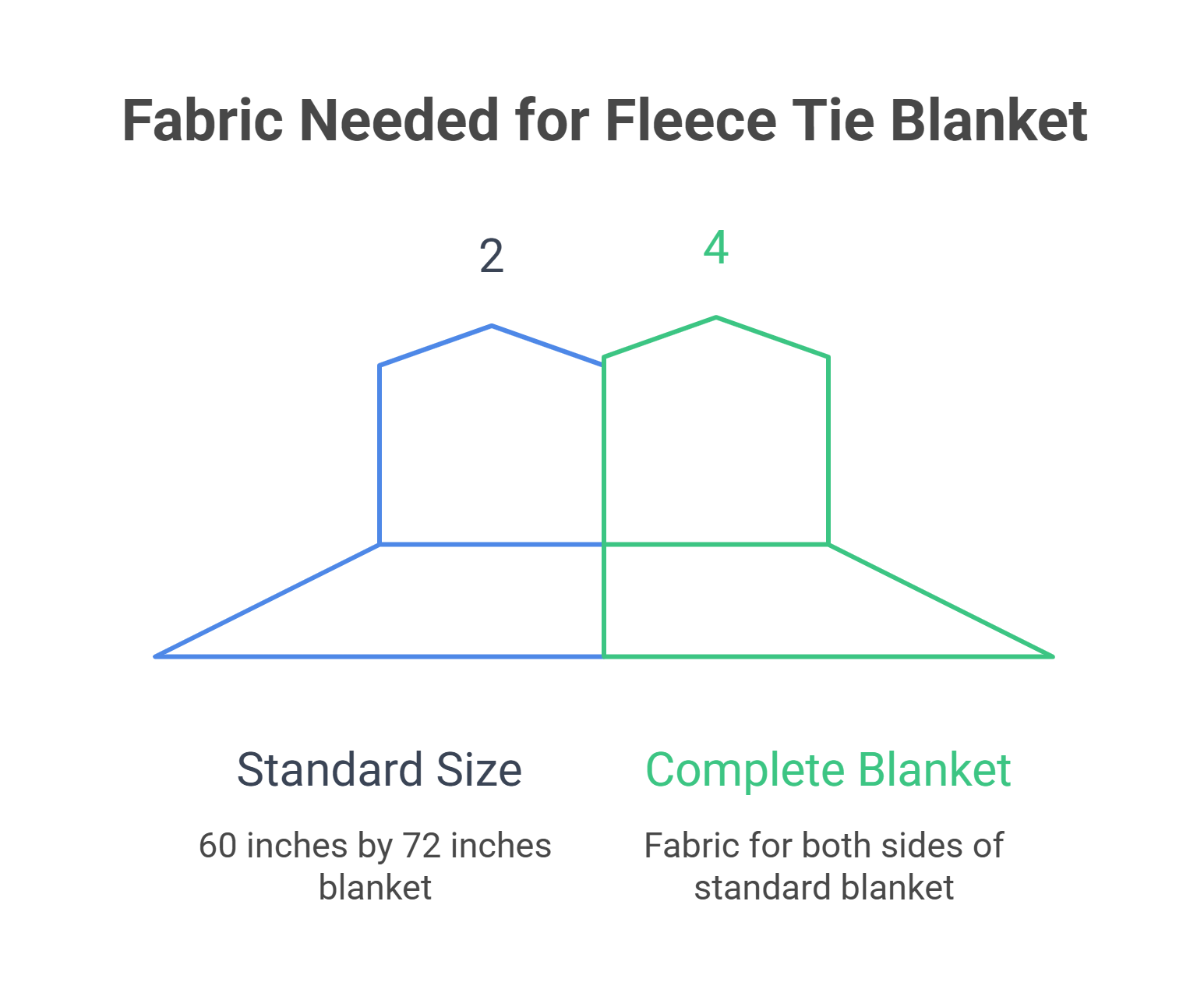
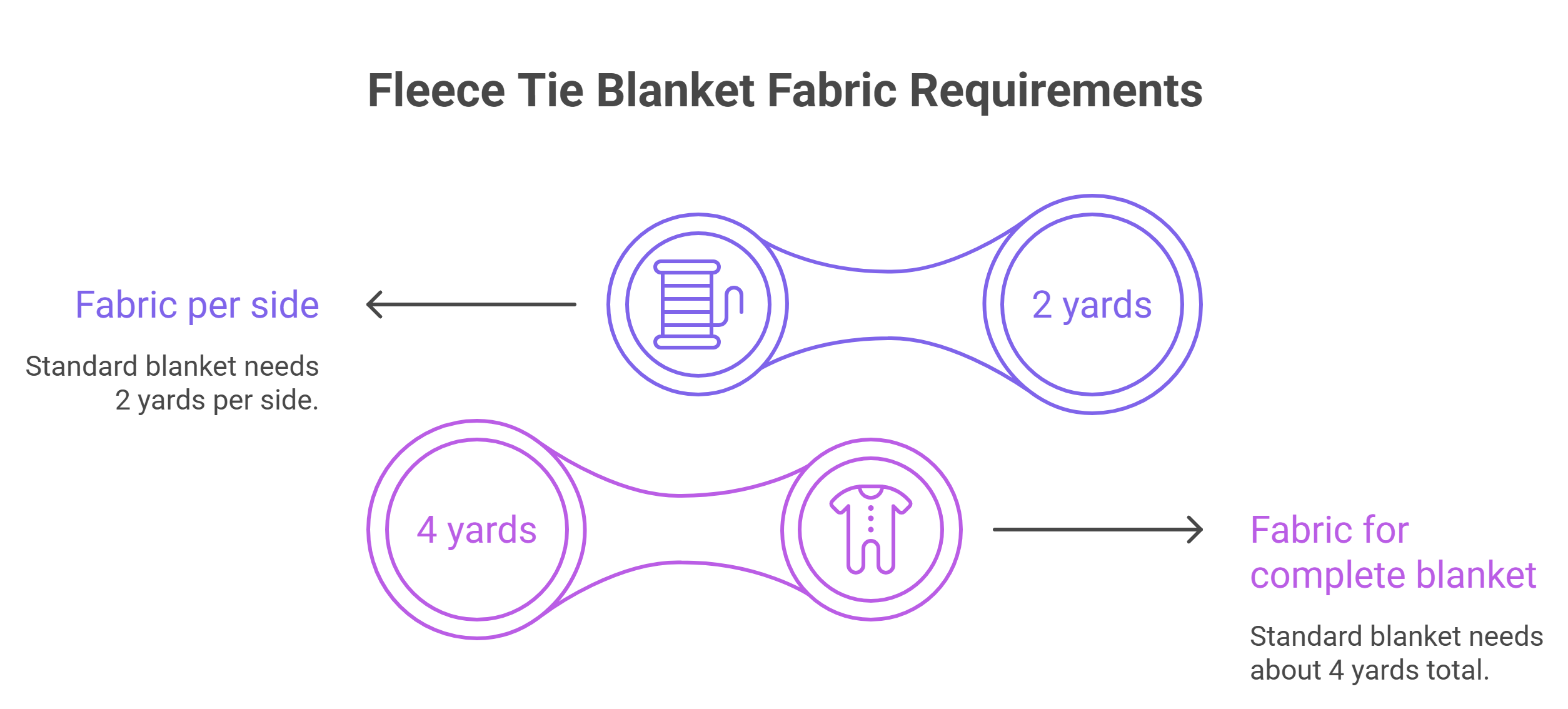
Wondering how much fabric for a fleece tie blanket you really need? The answer depends on your desired blanket size—typically, 2 yards of fleece for each side (4 yards total) is ideal for a standard throw. For a child-size blanket, 1.5 yards per side usually works well.

When buying materials, many people prefer purchasing fleece blankets wholesale or fleece blankets bulk to save on cost and ensure consistency in texture and color. Whether you’re crafting one cozy blanket or dozens for gifts, knowing your fabric requirements helps you plan smarter and waste less.

Now let’s dive deeper.

Why Fleece Tie Blankets Are Everyone’s DIY Favorite?

Fleece tie blankets have become a beloved DIY project for families, schools, and craft enthusiasts. They’re soft, cozy, and—best of all—require no sewing skills. All you need is a pair of scissors, some patience, and the right amount of fabric.

But before you start cutting or tying, it’s crucial to know exactly how much fabric for a fleece tie blanket you’ll need. Choosing the wrong amount can leave you short on one side—or with piles of unused fleece.

1. Understanding the Basics of Fleece Fabric

Before diving into measurements, it helps to understand what makes fleece so special. Fleece is a synthetic, polyester-based fabric known for its warmth, softness, and lightweight feel. It’s ideal for no-sew projects because it doesn’t fray or unravel when cut.

There are several types of fleece available:

  • Anti-pill fleece: Stays smooth and soft after washing.
  • Blizzard fleece: Thicker and warmer, often used for blankets.
  • Microfleece: Thinner and lightweight, good for smaller blankets or layering.

When buying fabric, always choose a high-quality fleece that feels dense and plush rather than thin and flimsy. You want something that holds up through years of use—and maybe even a few movie marathons.

2. Standard Blanket Sizes and Fabric Requirements

So, how much fleece do you actually need? It depends on your desired blanket size. A fleece tie blanket requires two pieces of fleece fabric—one for the top and one for the bottom. You’ll tie the two layers together around the edges, so plan your measurements accordingly.

Here’s a quick reference chart:

Blanket SizeIdeal Dimensions (inches)Fleece Needed (per side)Total Fleece (both sides)
Baby Blanket36 x 541 yard2 yards total
Child Blanket45 x 601.5 yards3 yards total
Teen/Throw Blanket50 x 702 yards4 yards total
Twin Bed66 x 902.5 yards5 yards total
Full/Queen Bed90 x 903 yards6 yards total

Tip: It’s always better to have a few extra inches. Remember, you’ll trim and tie edges, losing about 4–6 inches on each side in the process.

3. Accounting for Fringe Cuts and Ties

The charming part of a fleece tie blanket is the knotted fringe border—but this also affects how much usable fabric you end up with.

Typically, you’ll cut 4 to 5 inches of fringe along each edge. That means your finished blanket will be roughly 8–10 inches smaller in both length and width than your starting fabric size.

For example:

  • Starting with a 60″ x 72″ piece will leave you with a finished size of around 50″ x 62″.
  • If you want your final blanket to be a full 60″ x 72″, you’ll need to buy a little extra.

This is why many crafters prefer to purchase fleece blankets bulk instead of fabric by the yard—they come pre-sized and can be trimmed or tied with minimal waste.

4. Tips for Choosing the Right Fleece

When shopping, consider the following factors to ensure your blanket feels luxurious and durable:

a. Fabric Weight

Fleece comes in different thickness levels (measured in GSM or ounces per square yard). For tie blankets, aim for mid- to heavy-weight fleece for warmth and longevity.

b. Pattern Coordination

You’ll be layering two fabrics together, so pick complementary colors or patterns. A bold print on one side and a solid color on the other looks visually appealing.

c. Stretch & Softness

Avoid fleece that stretches too much—it can cause uneven edges when tying. Feel the texture before buying; quality fleece should be smooth, soft, and slightly fuzzy.

5. Cost-Saving Tip: Buying Wholesale or in Bulk

If you’re making multiple blankets—for gifts, schools, or donation drives—buying fleece blankets wholesale or fleece blankets bulk is an excellent strategy.

Wholesale suppliers often offer discounts on bulk purchases, meaning you can get premium fleece materials at a fraction of retail cost. Plus, wholesale fleece tends to be more consistent in color, pattern, and quality, which is ideal when creating multiple matching blankets.

For crafters who want to save even more, some online retailers sell pre-cut fleece blankets bulk packs, already measured for standard throw sizes. These eliminate the guesswork and allow you to focus on the creative part—tying and decorating your blankets.

6. Step-by-Step: Making Your Fleece Tie Blanket

Here’s a simple guide to creating your blanket:

Step 1: Prepare Your Fabric

Lay both fleece pieces on top of each other, with the “right” sides facing out. Smooth out wrinkles and align the edges.

Step 2: Trim the Edges

Cut off any selvage edges (the factory-finished sides). Make sure both layers are even.

Step 3: Cut Corner Squares

At each corner, cut out a 4″ x 4″ square (or 5″ for a thicker fringe). This ensures your ties lay neatly.

Step 4: Make Fringe Cuts

Cut strips around all sides, about 1″ wide and 4–5″ long. Keep cuts even for a professional finish.

Step 5: Tie the Knots

Starting on one side, tie the top and bottom strips together in double knots. Continue around the blanket until complete.

Step 6: Fluff and Enjoy

Give your blanket a little shake to fluff it up—and you’re done! You’ve just created a cozy, no-sew fleece tie blanket.

7. Creative Ideas for Customization

Once you’ve mastered the basic technique, you can elevate your blanket design in fun ways:

  • Add appliqués or fabric patches to personalize gifts.
  • Alternate tie colors for a patterned border.
  • Use team colors for sports fans or school events.
  • Layer three fleece colors (instead of two) for extra thickness.

These small touches turn a simple project into something unique and heartfelt.

8. Common Mistakes to Avoid

Even though fleece tie blankets are beginner-friendly, a few common missteps can affect the outcome:

  • Cutting uneven strips – leads to lopsided knots.
  • Using thin fleece – results in a flimsy, see-through blanket.
  • Not measuring both sides equally – can cause mismatched edges.
  • Skipping pre-wash – fleece can shrink slightly; always prewash if you plan precision sizing.

A little extra care during setup saves frustration later.

9. Caring for Your Fleece Blanket

Proper care ensures your blanket stays soft and cozy for years:

  • Wash in cold water with mild detergent.
  • Avoid fabric softeners—they reduce the fleece’s natural fluffiness.
  • Tumble dry on low heat or air dry.
  • Do not iron fleece; heat can melt the fibers.

When well-maintained, a fleece tie blanket can last through countless winters and wash cycles.

Final Thoughts

Learning how much fabric for a fleece tie blanket is the first step toward creating a warm, handmade treasure. Whether you’re crafting one for yourself or dozens for a community project, planning the right fabric size ensures a beautiful and functional result.

For those making multiple blankets, purchasing fleece blankets wholesale or fleece blankets bulk is a smart move—saving money while maintaining high-quality results.

A tie blanket is more than just a piece of fabric; it’s comfort, creativity, and care tied together—literally. And now that you know the perfect amount of fabric to start, it’s time to grab your scissors and create your next cozy masterpiece.

How Much Fabric for Fleece Tie Blanket?

23 Oct

Quick Answer: How Much Fabric for Fleece Tie Blanket?

If you’re wondering how much fabric for a fleece tie blanket, the quick answer is: you’ll generally need two pieces of fleece fabric each the same size typically 1.5 to 2 yards for a standard throw, or 2.5 to 3 yards for a larger adult blanket.

The fabric’s width (usually 58–60 inches) remains the same, but the length varies based on your desired size. Whether you’re crafting a cozy winter gift or producing fleece blankets wholesale, choosing quality fleece and calculating fabric precisely ensures a warm, stylish, and professional-looking finish every time.

Now let’s dive deeper.

The Comfort and Simplicity of Fleece Tie Blankets

Few DIY projects combine comfort, style, and simplicity quite like a fleece tie blanket. It’s the perfect mix of craft and coziness no sewing machine required. You simply cut, tie, and in under an hour, you have a soft, custom-made blanket perfect for yourself, your kids, or even charity drives.

But before you begin, you’ll face the most common question among both hobbyists and bulk buyers: How much fabric for a fleece tie blanket is actually needed?

Getting this right ensures that your blanket looks proportional, ties neatly, and wastes as little material as possible. And for those working with fleece blankets wholesale or managing fleece blankets bulk orders, accuracy directly affects your production costs and overall efficiency.

1. Understanding the Basics of Fleece Tie Blankets

A fleece tie blanket is made using two layers of fleece fabric — usually in contrasting or coordinating patterns. The edges of both pieces are trimmed and cut into strips, then tied together to form a finished edge.

No stitching. No complicated patterns. Just fabric, scissors, and creativity.

The project has become incredibly popular for several reasons:

  • Fleece doesn’t fray, so no hemming is needed.
  • The blanket feels ultra-soft and warm.
  • It’s a fun project suitable for all ages — even kids can help tie the knots!

Before we discuss the fabric quantity, let’s cover the most important step: understanding standard blanket sizes.

2. Standard Blanket Size Chart for Fleece Tie Projects

Here’s a quick reference for how much fabric you’ll typically need depending on the blanket’s purpose:

Blanket TypeFabric Length (Each Piece)Total Fleece Needed
Baby Blanket1 yard (each)2 yards total
Toddler Blanket1.5 yards (each)3 yards total
Teen / Throw Blanket2 yards (each)4 yards total
Adult Blanket2.5 yards (each)5 yards total
Oversized Blanket3 yards (each)6 yards total

Since fleece is usually 58–60 inches wide, these lengths ensure the blanket feels balanced and proportionate.

If you’re planning to sell fleece blankets wholesale, maintaining standard dimensions like these ensures consistency for your buyers — an essential factor in product satisfaction and repeat sales.

3. How to Calculate Fabric for Custom Sizes?

Sometimes, you’ll want a custom-sized blanket — perhaps for an oddly shaped couch, a pet bed, or a specific decor aesthetic.

Here’s how to calculate the right amount of fleece:

  1. Decide the finished blanket size.
    Example: You want a 60″ x 80″ blanket (typical queen size throw).
  2. Add extra for the fringe ties.
    Most tie blankets use 4 to 5 inches per side for knots.
    So, add 8–10 inches to both length and width.
    That means you’ll need two pieces approximately 68″ x 88″ each.
  3. Convert that to yards.
    88 inches ÷ 36 = 2.45 yards → round up to 2.5 yards per piece.

So, for one queen-size fleece tie blanket, you’ll need 5 yards of fleece total.

4. Choosing the Right Type of Fleece

The type of fleece you choose matters just as much as how much you buy. There are several varieties available:

  • Anti-pill fleece – Resists fuzzing after washing; ideal for long-lasting blankets.
  • Blizzard fleece – Thick and warm; excellent for winter blankets.
  • Microfleece – Lightweight and soft; great for layering or children’s blankets.
  • Plush fleece – Luxuriously soft and thick, perfect for premium blankets or fleece blankets bulk orders aimed at retail.

If you’re creating fleece blankets wholesale, anti-pill or blizzard fleece is the best choice since they retain texture and color even after multiple washes, maintaining customer satisfaction and reducing returns.

5. Preparing the Fabric: Prepping Before Cutting

Before you start tying:

  1. Lay out both fleece pieces flat — with right sides facing out.
  2. Trim the edges so both layers align perfectly.
  3. Cut out 4–5 inch squares from each corner. This prevents bunching when tying the corners.
  4. Cut fringe strips (about 1 inch wide) around all sides.
  5. Tie each strip together twice to create secure knots.

While this process is simple, precision ensures the blanket looks professional. This is particularly crucial for sellers managing fleece blankets wholesale production, where uniformity is a sign of quality craftsmanship.

6. Tips for Buying Fleece in Bulk

If you’re crafting multiple blankets or running a small business, buying fleece blankets bulk or fabric rolls in larger quantities can save money and simplify your workflow.

Tips for smart bulk purchasing:

  • Check weight (GSM): Thicker fleece (200–300 GSM) feels warmer and more premium.
  • Ask for samples: Always test fabric feel, stretch, and wash durability before ordering large quantities.
  • Buy coordinating colors: Neutral bases like gray, cream, and navy sell well and match seasonal prints.
  • Negotiate with suppliers: Wholesale fleece fabric suppliers often offer price breaks on orders over 50–100 yards.

If you’re into resale or gifting, ordering fleece blankets wholesale ensures consistent quality and pricing, making it easier to produce multiple tie blankets at scale without constant fabric sourcing.

7. Design Inspiration: Patterns and Color Combinations

One of the joys of fleece tie blankets is the creative freedom they offer. You can mix patterns and colors for endless combinations:

  • Classic Combo: Solid + Plaid
  • Kids’ Favorite: Cartoon print + Bright solid color
  • Elegant Look: Two muted solids (e.g., beige + ivory)
  • Sports Theme: Team logo fleece + Matching color
  • Holiday Style: Festive prints for Christmas, Thanksgiving, or Valentine’s

If you’re producing fleece blankets bulk for retail or promotional giveaways, seasonal designs and custom prints can help attract a broader audience — from cozy home users to corporate gift buyers.

8. Cost Estimation and Efficiency Tips

For a single DIY project, you can buy fleece at your local craft store for around $6–$10 per yard, depending on quality. That means a standard two-yard throw costs roughly $25–$30 total to make.

However, for those ordering fleece blankets wholesale, the price per yard drops significantly — often to $3–$5 per yard, depending on order size.

Pro Tip: If you plan to sell, track your cost per blanket carefully. Factor in fabric, shipping, packaging, and time spent cutting and tying. This transparency ensures profitable pricing while keeping your handmade or wholesale fleece business sustainable.

9. Common Mistakes to Avoid

  • Buying too little fabric: Always round up — you can trim excess, but you can’t stretch short fabric.
  • Ignoring width differences: Not all fleece bolts are 60 inches wide; some may be 54″.
  • Cutting uneven fringe: Use a ruler or template to maintain neat, consistent ties.
  • Skipping pre-wash: Though fleece doesn’t shrink, washing first removes manufacturing residues.
  • Mixing fabric types: Don’t combine two different fleece types; they may stretch differently.

Avoiding these mistakes helps ensure your blanket feels balanced, looks clean, and holds up after multiple washes.

Final Thoughts

A fleece tie blanket is one of the simplest yet most rewarding fabric projects you can take on. Once you understand how much fabric for a fleece tie blanket is needed — and the type of fleece that suits your design — you can confidently create personalized throws for family, friends, or even customers.

For hobbyists, it’s a heartwarming gift. For business owners, it’s a scalable product opportunity. Investing in quality materials and accurate measurements — whether buying individual cuts or ordering fleece blankets wholesale — ensures every blanket ties together comfort, warmth, and craftsmanship.

So, grab your scissors, measure your fleece, and get ready to tie up something beautifully cozy — one knot at a time.