Archive | fleece blankets bulk RSS feed for this section

What Is Sherpa Blanket Made Of?

9 Oct

Quick Answer: What Is Sherpa Blanket Made Of?

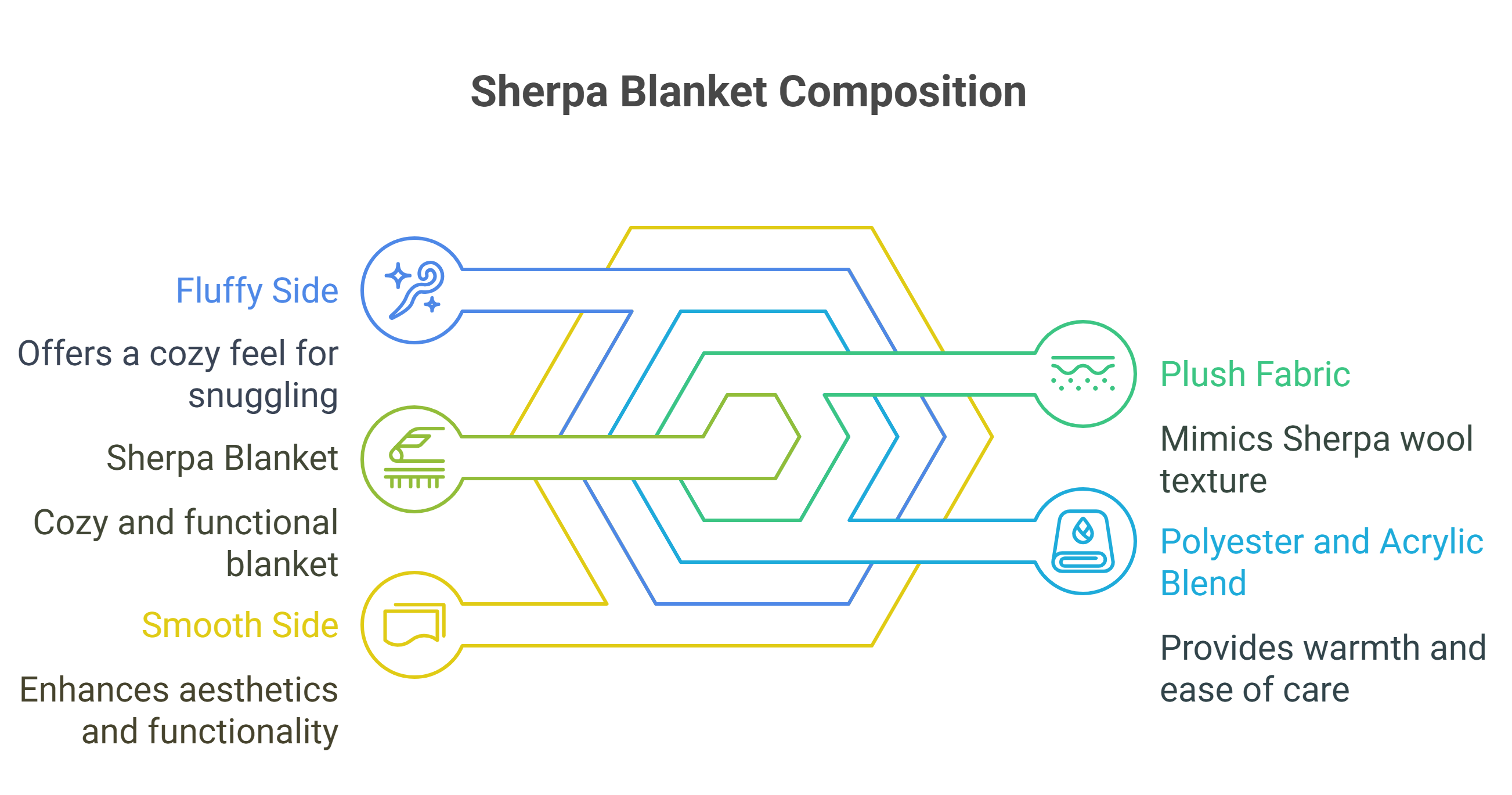
A Sherpa blanket is made of two soft layers — a smooth microfiber fleece on one side and a plush, wool-like Sherpa lining on the other. This combination creates a blanket that’s incredibly cozy, lightweight, and warm.

The fleece gives it durability and easy maintenance, while the Sherpa side mimics real wool for comfort and insulation. Whether you’re looking for personal use or planning to buy fleece blankets bulk, Sherpa blankets are a top choice for warmth, softness, and long-lasting performance.

Now let’s dive deeper.
The Cozy Secret Behind Sherpa Blankets

Few things feel as comforting as wrapping yourself in a soft, fluffy blanket on a cold evening. Among all the options available, Sherpa blankets stand out for their luxurious texture and warmth. But have you ever wondered what exactly a Sherpa blanket is made of and why it feels so irresistibly soft?

The short answer is: it’s all about the blend of materials and smart fabric engineering. The typical Sherpa blanket combines synthetic fleece with a wool-like lining that mimics natural Sherpa wool — hence the name. This dual-layer design makes it a favorite for cold climates, cozy interiors, and even wholesale buyers who seek fleece blankets bulk for hotels, giveaways, or home décor stores.

1. What Exactly Is a Sherpa Blanket?

A Sherpa blanket is a two-layer blanket designed to deliver maximum warmth and comfort with minimal weight. One side usually features smooth fleece, while the reverse side is covered with Sherpa fabric — a fluffy, wool-like texture named after the Sherpa people of Nepal, who are known for their traditional wool garments suited for harsh mountain weather.

Despite the name, today’s Sherpa blankets are typically vegan and synthetic, crafted from polyester fibers that replicate the look and feel of real wool. The result is a blanket that’s soft, lightweight, hypoallergenic, and easier to maintain than natural wool alternatives.

2. The Two Key Materials in a Sherpa Blanket

Sherpa blankets owe their warmth and softness to two specific fabrics:

a. Microfiber Fleece

This layer is made of finely woven polyester fibers, producing a smooth, velvety surface. It’s known for:

  • Softness: Feels gentle on the skin.
  • Durability: Resistant to pilling and fading.
  • Quick-Drying: Dries faster than cotton or wool.
  • Lightweight Warmth: Retains heat without bulk.

Fleece acts as the outer layer, giving the blanket a sleek and uniform appearance. It also helps trap body heat efficiently, making it a great insulator.

b. Sherpa Lining

The inner Sherpa side is crafted to mimic the texture of sheep’s wool. It’s fluffy, cloud-like, and perfect for snuggling. This layer:

  • Adds plushness and extra warmth.
  • Feels breathable, keeping you warm without overheating.
  • Adds that signature cozy touch that Sherpa blankets are known for.

The combination of these two layers makes the blanket ideal for winter use, movie nights, or gifting during the holiday season. And for wholesale buyers, the material consistency makes it a reliable choice when sourcing fleece blankets bulk for resale or branding.

3. Why Sherpa Blankets Are So Popular?

The Sherpa blanket has evolved from a cozy household item to a trendy lifestyle accessory. Here’s why it’s gained such popularity:

a. Unmatched Comfort

The softness of fleece paired with the fluffiness of Sherpa makes it perfect for lounging, traveling, or simply relaxing.

b. Warmth Without Weight

Unlike heavy wool blankets, Sherpa blankets trap heat effectively without feeling suffocating.

c. Easy to Clean

They’re machine washable and maintain their softness even after multiple washes.

d. Stylish and Versatile

Available in various colors, patterns, and trims, they complement modern home décor and make thoughtful gifts.

e. Affordable Luxury

Buying fleece blankets bulk allows businesses, hotels, or event organizers to offer comfort and warmth at a reasonable price point without compromising quality.

4. How Sherpa Blankets Are Made?

The process of creating a Sherpa blanket involves modern textile engineering to ensure durability and comfort.

  1. Weaving the Fleece:
    The outer layer is created from tightly woven polyester fibers to form a smooth, uniform texture.
  2. Texturizing the Sherpa Side:
    The inner layer undergoes a special brushing and looping process to give it that fluffy, wool-like texture.
  3. Lamination or Stitching:
    Both layers are bonded together—sometimes stitched, sometimes laminated—to maintain the perfect balance between structure and softness.
  4. Finishing Touches:
    The blanket edges are hemmed or lined with decorative borders for a premium finish.

The result? A durable, soft, and temperature-regulating blanket that feels just as cozy after 20 washes as it did on day one.

5. Comparing Sherpa Blankets to Other Materials

It’s easy to confuse Sherpa with other types of fleece blankets, but they each have distinct qualities:

Blanket TypeTextureWarmthMaintenanceIdeal Use
Regular Fleece BlanketSmooth and thinModerateEasyEveryday use, travel
Sherpa BlanketDual-sided: soft + fluffyHighEasyCold climates, décor
Wool BlanketCoarse and heavyVery highRequires careOutdoor, rustic homes
Cotton BlanketLight and breathableLowEasySummer or mild weather

If you’re sourcing fleece blankets bulk, Sherpa versions offer the best of both worlds—luxurious appeal and practical performance.

6. Benefits Beyond Warmth

Sherpa blankets aren’t just for keeping warm. Their material structure offers several added benefits:

  • Hypoallergenic: The synthetic fibers resist dust mites and allergens.
  • Eco-Friendly Options: Many modern Sherpa fabrics are made from recycled polyester.
  • Color Retention: The dye adheres strongly to polyester, ensuring the blanket keeps its vibrant look for years.
  • Moisture-Wicking: Unlike cotton, polyester doesn’t absorb moisture; it repels it, keeping you dry and cozy.

These qualities make Sherpa blankets a favorite among individuals and businesses alike, especially when ordering fleece blankets bulk for retail, branding, or hospitality.

7. How to Care for a Sherpa Blanket?

Caring for Sherpa blankets is simple, but following the right washing routine will preserve their softness and shape:

  • Machine Wash Cold: Use gentle detergent and cold water.
  • Avoid Fabric Softeners: They can coat fibers and reduce fluffiness.
  • Tumble Dry on Low: Air dry if possible to prevent matting.
  • Do Not Iron: The heat can damage the synthetic fibers.

Proper care ensures that both the fleece and Sherpa sides remain plush and inviting for years to come.

8. Where You’ll Commonly Find Sherpa Blankets?

Sherpa blankets have become a staple in many industries due to their luxurious feel and affordability:

  • Hotels & Resorts: For premium guest comfort.
  • Corporate Gifting: Branded Sherpa blankets make high-value promotional items.
  • Retail Stores: As part of seasonal or winter product lines.
  • Event Giveaways: Bulk orders for charity drives or holiday campaigns.
  • Home Décor: Throws for couches, beds, or reading nooks.

Because they can be easily customized and ordered as fleece blankets bulk, they offer both emotional appeal and business practicality.

9. Environmental Impact and Modern Alternatives

While Sherpa blankets are primarily made from polyester, manufacturers are now adopting eco-friendly production methods, including:

  • Using recycled plastic bottles to create polyester fibers.
  • Minimizing water usage during dyeing.
  • Developing biodegradable alternatives to traditional synthetics.

These innovations ensure that the comfort of a Sherpa blanket doesn’t come at the cost of the planet.

10. What This Means for You?

Knowing what Sherpa blankets are made of helps you make smarter buying decisions. Whether you’re shopping for personal comfort or sourcing fleece blankets bulk for your business, understanding the materials ensures you get long-lasting, value-driven quality.

A Sherpa blanket combines warmth, durability, and luxury in one neat package — making it a favorite for modern consumers and industries alike.

Final Thoughts

So, what is a Sherpa blanket made of? It’s the perfect marriage of microfiber fleece and plush Sherpa fabric, designed for the ultimate cozy experience. The synthetic fibers make it soft, light, and easy to maintain, while the Sherpa lining gives it a luxurious touch.

Next time you’re curled up in one or planning a large order of fleece blankets bulk, you’ll know that behind that soft texture lies smart material science — and a whole lot of comfort engineered to last.

How to Dry Fleece?

8 Oct

Quick Answer: How to Dry Fleece?

Knowing how to dry fleece properly is key to maintaining its softness, shape, and durability. Fleece is a delicate yet durable fabric, but improper drying—like using high heat or wringing—can cause pilling, shrinking, or loss of texture.

Always air-dry or tumble dry on a low-heat setting to preserve the fibers. If you’ve bought fleece blankets bulk for home, business, or resale, handling them correctly ensures they stay plush, vibrant, and long-lasting. Follow the right care steps to keep every fleece item feeling brand new after every wash.

Now let’s dive deeper.

Why Drying Fleece Correctly Matters?

Fleece is one of the most loved fabrics for a reason—it’s warm, lightweight, and irresistibly soft. Whether it’s your favorite hoodie, a cozy throw, or a shipment of fleece blankets bulk for your business, the care method can make or break its quality. The real secret to long-lasting fleece isn’t just washing it right—it’s drying it correctly.

Many people make the mistake of tossing fleece into a hot dryer or leaving it under direct sunlight, only to find it rough, matted, or shapeless afterward. This guide breaks down, step-by-step, how to dry fleece safely while maintaining that buttery softness we all love.

1. Understanding the Nature of Fleece

Before diving into the drying process, it helps to understand what fleece actually is. Fleece is typically made from synthetic polyester fibers, though some blends include natural materials like cotton or wool. The fibers are brushed to create that signature fluffy texture, which traps heat and gives fleece its insulating properties.

However, those same fibers are sensitive to heat and friction. High temperatures can melt or flatten them, and aggressive drying can cause pilling or shrinkage. This is why fleece requires extra care—especially when handling fleece blankets bulk, where consistency across multiple items matters.

2. Preparing Fleece Before Drying

Proper drying starts before you even begin. Follow these key steps after washing:

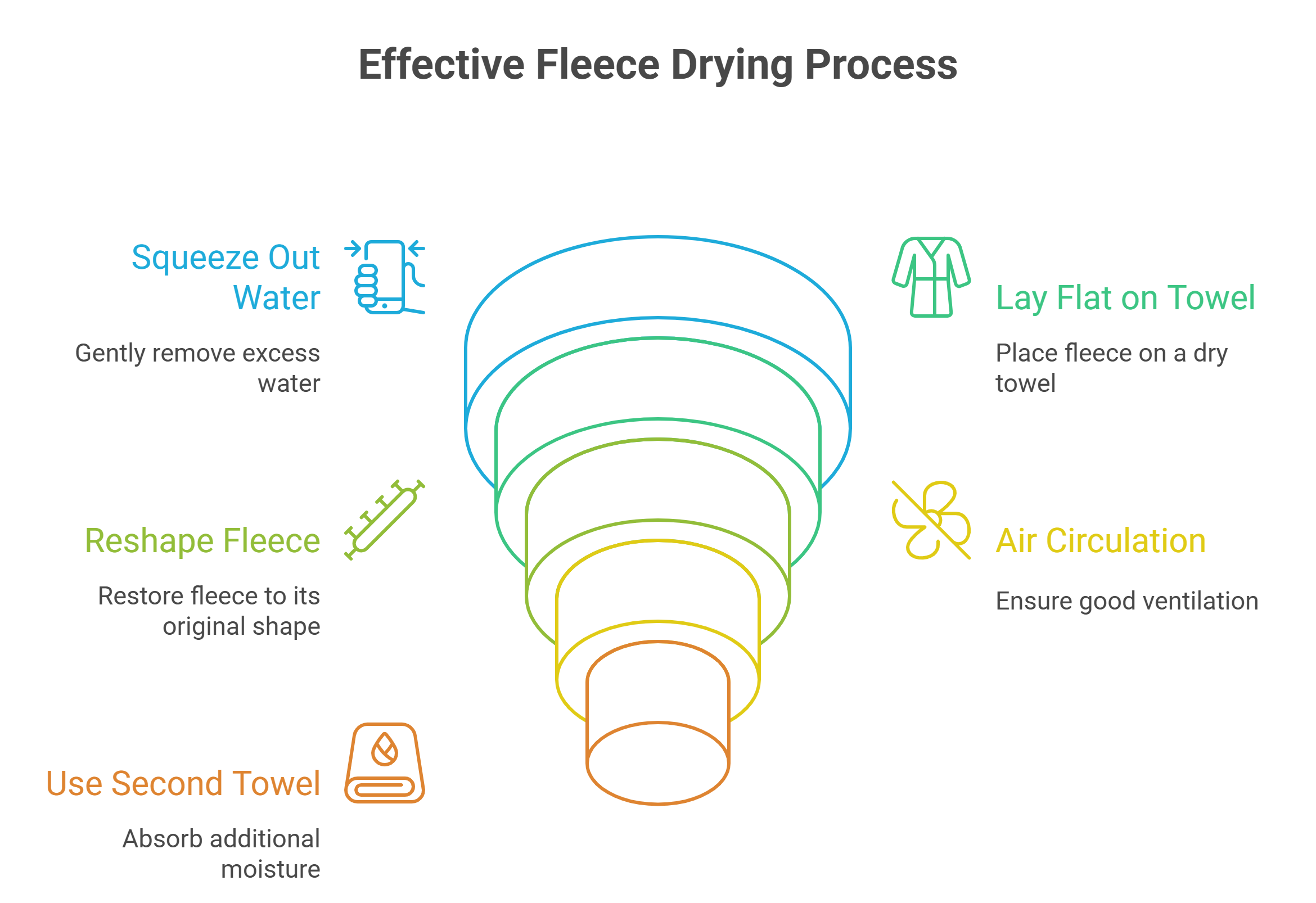
  • Gently Shake It Out: Remove excess water by lightly shaking the fleece. Don’t wring it—this damages fibers and causes distortion.
  • Use a Gentle Spin Cycle: If you’re machine washing, select a slow spin to remove water without twisting or stretching.
  • Separate by Fabric Type: Avoid drying fleece with rough fabrics like denim or towels, as they can cause lint transfer and abrasion.

This simple preparation ensures your fleece is in the best shape before the drying process begins.

3. Air Drying: The Best and Safest Method

If you truly want to preserve the softness and structure of your fleece, air drying is your best option.

How to Air Dry Fleece?

  1. Lay Flat: Place the fleece on a clean, dry towel. Reshape it to its original form while it’s still damp.
  2. Avoid Hanging: Hanging fleece can stretch it out, especially if it’s heavy when wet.
  3. Dry Indoors or in Shade: Keep it out of direct sunlight, which can fade colors or weaken fibers.
  4. Flip Occasionally: Turn it every few hours to ensure even drying.

Air drying is slower than machine drying but gentler, ensuring your fleece stays plush and fluffy for a long time.

For businesses dealing with fleece blankets bulk, air drying in a temperature-controlled environment can ensure uniform softness across all units.

4. Machine Drying Fleece: When You’re Short on Time

Sometimes air drying isn’t practical especially if you’re managing dozens of fleece blankets bulk for a hotel, store, or promotional event. In that case, machine drying can still be safe if you follow these precautions.

Safe Tumble-Drying Steps:

  • Select Low Heat: Use the lowest heat setting possible or the “delicate” cycle.
  • Add Dryer Balls: Wool or rubber dryer balls help reduce static and keep the fleece fluffy.
  • Avoid Dryer Sheets: These can leave a waxy coating that affects softness and breathability.
  • Don’t Overdry: Remove the fleece while it’s still slightly damp to prevent overheating.

Once removed, lay it flat for a few minutes to allow residual moisture to evaporate naturally. This combination of gentle heat and air finish keeps fleece looking and feeling brand new.

5. Common Mistakes to Avoid

Even a small misstep can ruin your favorite fleece blanket or jacket. Here’s what not to do:

High Heat Drying

Excess heat melts the polyester fibers, causing stiffness or a “crusty” texture. Once damaged, the softness rarely returns.

Wringing Out Water

Twisting fleece to remove water may stretch it permanently and break the fibers.

Ironing Fleece

Never iron fleece. The heat can cause burns, shiny marks, or even melt patches.

Using Harsh Detergents

Avoid bleach or fabric softeners; they weaken fibers and attract lint.

Avoiding these mistakes ensures your fleece remains a staple comfort piece season after season.

6. How to Keep Fleece Soft After Drying?

Drying fleece correctly is only half the job—keeping it soft afterward requires consistent care.

Tips to Maintain Softness:

  • Use Mild Detergents: Choose a detergent designed for delicate or synthetic fabrics.
  • Brush Occasionally: Use a soft fabric brush to lift flattened fibers after drying.
  • Store Properly: Keep fleece folded in a cool, dry place instead of crammed in drawers or baskets.
  • Skip the Fabric Softener: These leave residues that reduce breathability and softness over time.

If you’re managing fleece blankets bulk, consider periodic maintenance—like light brushing and folding—to maintain that fresh-from-the-factory feel.

7. Commercial Tip: Drying Fleece Blankets in Bulk

For businesses handling fleece blankets bulk, drying is both a quality and efficiency challenge. Whether you’re a retailer, wholesaler, or hotel operator, uniform texture and cleanliness matter.

Here’s how to manage large batches effectively:

  • Use Industrial Dryers with Temperature Control: Set at low heat (below 50°C / 122°F).
  • Segment Loads by Weight and Size: Smaller batches dry more evenly and prevent overloading.
  • Implement Quality Checks: After drying, inspect each fleece blanket for softness, lint, and shape retention.
  • Rotate Inventory: Store dried fleece blankets in breathable bags to prevent mustiness and static build-up.

When cared for properly, fleece retains its appeal for long-term storage or resale—an important factor for businesses relying on customer satisfaction and repeat purchases.

8. Dealing with Static Electricity

Static is a common nuisance when drying fleece, especially in dry or cold climates. While fabric softeners can help, they often coat the fibers, reducing breathability. Instead, try these static-safe methods:

  • Add a damp washcloth to the dryer load—it increases humidity, reducing static.
  • Use dryer balls or anti-static dryer sheets specifically designed for synthetics.
  • If air drying, place a small humidifier nearby to balance moisture in the air.

These solutions keep your fleece comfortable without harming its structure.

9. Eco-Friendly Drying Options

If sustainability is part of your lifestyle or business model, consider eco-conscious fleece care. Air drying remains the greenest option, consuming no electricity and extending the fabric’s lifespan. You can also:

  • Use solar shade drying: Dry fleece under shade outdoors to utilize natural air circulation.
  • Upgrade to energy-efficient dryers: Modern dryers with eco settings consume up to 40% less power.
  • Avoid single-use dryer sheets: Opt for reusable wool balls or eco strips.

If you’re purchasing fleece blankets bulk for resale or brand merchandise, promoting “eco-friendly care instructions” can appeal to environmentally conscious customers.

Final Thoughts

Knowing how to dry fleece is an art that pays off in comfort, longevity, and quality. Whether you own one cozy throw or handle hundreds of fleece blankets bulk, gentle drying practices preserve the softness and structure that make fleece so beloved.

Skip the shortcuts—high heat and harsh handling will only shorten your fabric’s life. Instead, take a mindful approach: low heat, air drying, and proper storage. By following these steps, your fleece items will stay fresh, soft, and ready to warm you for years to come.

What to Make with Fleece Fabric

24 Sep

Fleece is one of the most versatile fabrics. Soft, light against the skin, and warm sans the bulk. So, what to make with fleece fabric? Simply put, nearly anything you would think of for comfort, warmth, and everyday practicality. Home throws and travel blankets to pet pads, school bags, and even corporate gifts-all fleece boasts its presence. It is a fabric that assures you that comfort need not come at the expense of convenience.

What Fleece Is

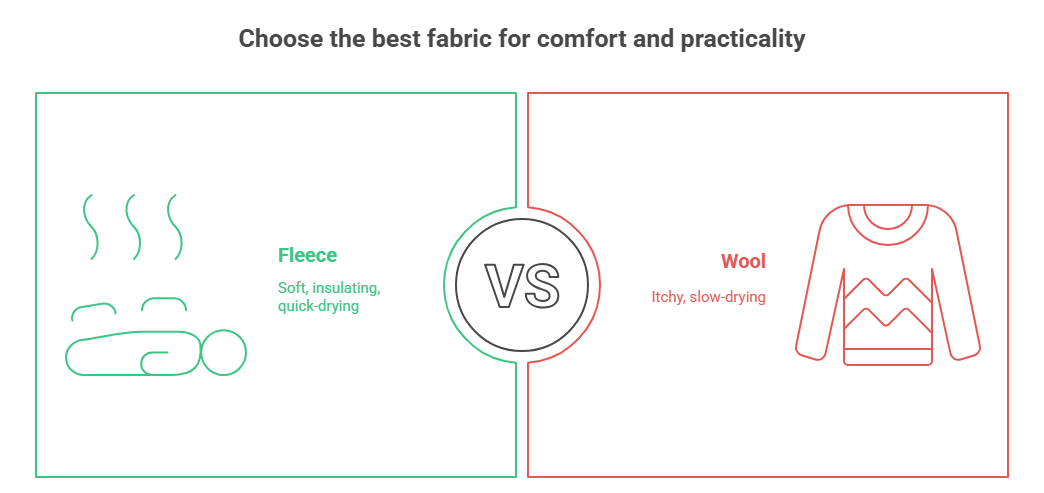
It is usually a synthetic knit fabric brushed on one or both sides to give it a soft and insulating pile. That pile traps air and keeps in heat, without adding weight to it. Unlike the itching effect of wool, a soft fabric like fleece will not itch, and unlike the drying effect of cotton, it dries fast. In short, it is an “always ready” fabric.

Common Types You’ll See

  • •Polar Fleece: Mid- to heavyweight fleece perfect for blankets and jackets.
  • •Microfleece: It is a lightweight and breathable fabric ideal for layering purposes.
  • •Sherpa Fleece: Thick, textured fleece that feels cozy for lining and outerwear.
  • •Plush/Velour Fleece: Fine and soft fleece with a velvety touch.

Weight & Warmth Guide

  • Lightweight (100–150 GSM): Scarves, travel wraps, children’s throws.
  • Midweight (200–250 GSM): Everyday blankets, hoodies, casual wear.
  • Heavyweight (300+ GSM): Outdoor blankets, ponchos, stadium throws.

Why Fleece Works for Daily Life

It has become practically a household staple in the home, for it comes with so many advantages in one single fabric. The warmth-to-weight ratio is at the top, in the sense that it provides warmth without any bulk. As a second plus, it dries quickly, which is wonderful for settings where washing tends to be frequent, such as homes, schools, or even hospitals. That soft touch is a giveaway; even kids, adults, and pets are pressed to snuggle with it.

It is obvious that no fabric is entirely without flaws: fleece builds up static, ruins quickly if subject to heat (skip the high dryer), and may pill after a while in the case of cheaper varieties. The great news is that fleece, when afforded an anti-pilling finish and a little care, will remain durable and dependable for years.

What to Have Made for Your Home & Living

Living Room Comfort

Imagine a movie night without a blanket. Not fun. Fleece throws and oversized couch blankets are household staples. You can also add cushion covers made from fleece to soften up a sofa or window seat.

Bedroom Warmth

Fleece bed throws are ideal as extra layers in winter. Kids’ nap blankets or dorm-friendly fleece throws are budget-friendly yet warm, and they survive plenty of washes.

Practical Household Additions

Reading nook mats or fleece play blankets provide a cushy spot that is easy to clean for the little ones. For the family, fleece is that low-maintenance option worth a touch of luxury.

What to Have Made for Travel & Outdoors

On-the-Go Comfort

Long flights, road trips, or chilly train rides all call for compact travel blankets. Many are designed to roll up with straps or double as pillows. Some even convert into neck pillows with a blanket tucked inside.

Weekends & Campsites

Ready for bundling and stowing are fleece picnic rugs with water-resistant backing and campfire lap blankets. Microfleece sleeping-bag liners give warmth to the chill of the night while still being very lightweight.

Stadium & Sideline Gear

Fans swear by stadium blankets—thicker fleece throws with carry handles or poncho-style designs that double as wraps on windy days.

What to Have Made for Apparel & Accessories

Cold-Weather Accessories

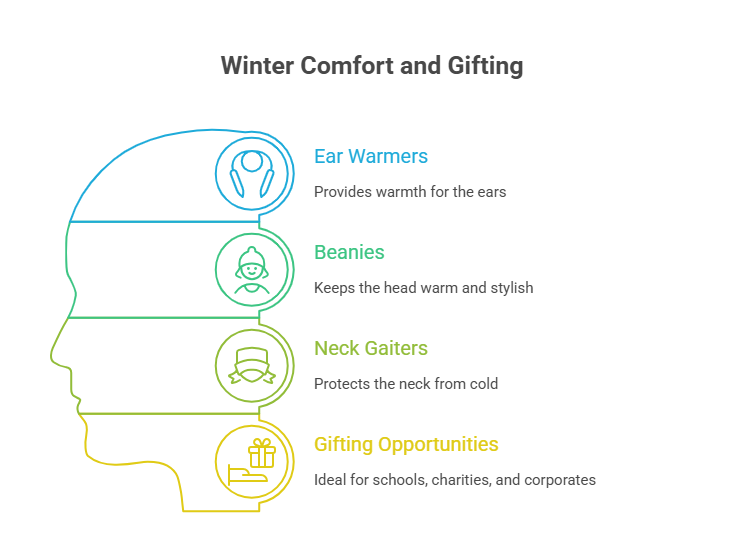
The ear warmers, beanies, and neck gaiter, aren’t expensive, but are much use in winter. They make splendid giveaways to schools, charities, and corporates.

For Work & School

Uniform midlayers or branded staff jackets keep teams comfortable and consistent. Students often love fleece school spirit throws in team colors.

What to Have Made for Kids & Care Settings

Kids & Schools

Nap blankets for preschoolers, reading corner throws, or cozy wraps for school buses are simple but effective uses. They’re easy to label, wash, and replace when needed.

Health & Care

Hospitals, senior care facilities, and rehabilitation centers often use fleece lap blankets. They’re soft, easy to launder, and comforting without being too heavy.

Sensory-Friendly Comfort

Fleece has a smooth, consistent texture that works well in sensory rooms or calm-down spaces for children and adults alike.

What to Have Made for Pets & Utility

Pets

Pet blankets for crates, sofas, or travel carriers are a big hit. They’re washable, soft, and inexpensive to replace. Lightweight fleece dog coats also work well in cooler months.

Everyday Utility

Fleece also steps outside the home—car seat covers, trunk liners for picnics, or padded wraps for seatbelts are practical and easy to clean.

What to Have Made for Events, Teams & Gifting

Corporate & Charity

Logo blankets are a popular gift for employees, volunteers, and donors. Fleece is cost-effective for large orders but still feels thoughtful.

Teams & Clubs

Sideline wraps or stadium throws in team colors make great merchandise or fundraising items.

Holidays & Occasions

Personalized fleece throws are timeless gifts. Whether monogrammed for weddings, themed for holidays, or embroidered with family names, they’re practical keepsakes.

Custom Details That Matter

Finishes & Feel

Look for anti-pill treatments, double-brushed surfaces, or bonded backing for wind resistance.

Edging & Construction

Fleece blankets can be whipstitched, hemmed, or bound with satin edging—small details that change the look.

Sizes & Packaging

From travel size to oversized couch throws, fleece can be cut and finished in virtually any dimension. Packaging like ribbon wraps or stuff-sacks makes them gift-ready.

Personalization

Embroidery, patches, or heat-applied logos make fleece products more special for teams, businesses, or families.

Care Tips to Keep Fleece Looking New

  • Wash on cool with mild detergent.
  • Tumble dry low or air-dry—avoid high heat.
  • Wash inside out to reduce friction and prevent pilling.
  • Use a fabric shaver occasionally if pills form.

Once, a family packed for a road trip and forgot their pile of fleece throws. Halfway through a cold overnight drive, they had to “borrow” one from the dog’s crate in the trunk. The result? Warm kids, a slightly offended dog, and a newfound respect for just how multipurpose fleece can be. Moral: pack extra fleece—everyone wants one.

What This Means for You

Fleece is a life-saving solution at times. On any given day, one might want fleece to stay warm at home or while on travels, demand fleece as a school or hospital supply, or perhaps buy fleece in bulk for functions. This material couches well in almost any environment. If you have been wondering what to do with fleece fabric, then guess what? The options are near-endless: blankets, clothing, accessories, pet stuff, and presents-all use this fabric because of its softness, warmth, and durability.

How We Can Help

If one is thinking beyond self-glorification, then, Thornton would have it by finished, high-quality fleece goods. Embroidered throws for corporate gifting, travel blankets, and event merchandise made with a bit of the hard life are what we specialize in: fleece products that balance comfort and practicality. We also provide fleece blankets in bulk for larger orders, a purchase option that charities, schools, and hospitals commonly use as an inexpensive way of offering warmth without sacrificing comfort.

What Is Heather Fabric?

24 Sep

Heather basically means a textile made by interweaving yarns of different colours to impart a subdued speckled effect. This can be for cotton, polyester, wool, or blends for various blends of comfort and style. On being asked what Heather fabric is, the simplest explanation therein is: they are the next best thing for clothing and home decor when solid colours feel like too boring and wild prints feel like too much to handle.

Heather Fabric Basics

What Is Heather Fabric?

Heather fabric is uncommon because of its muted, multicoloured look. A fine set of fibres in two or more shades is interlocking, giving it a sense of depth and texture rather than having just one single colour shade on the surface. Just picture that T-shirt of yours which is neither grey nor white-it must be heather.

The Origin Story

The name “Heather” originates from heather, a plant that grows in the Scottish Highlands. The plant consists of earthy speckled shades resembling the mixed colourway of this textile. While the term has an earthy origin, it went on to be equally famed in the fashion domain, especially in knitwear and casual apparel. Designers saw the potential for a mottled texture to infuse interest into anything-even a plain T-shirt!

Key Characteristics of Heather Fabric

Visual Appearance

The most defining trait is its speckled or flecked surface. Unlike tie-dye or prints, the look is subtle—making garments appear more natural and versatile.

Texture and Feel

Soft, smooth, textured, or cuddly are all possible touch sensations of heather fabrics, just depending upon what kind of fibres are used. Cotton heathers breathe more and are lighter, whereas wool heathers tend to be thicker and warmer.

Fiber Variety

Heather isn’t one single material—it’s a category of looks. It can be crafted from cotton, polyester, wool, bamboo, or acrylic. Many modern heather fabrics are blends, combining natural softness with synthetic durability.

Performance Traits

  • Breathable: Cotton-heavy blends keep you cool.
  • Moisture-wicking: Polyester-heavy blends suit athletes.
  • Warm: Wool-based heathers are insulating.
  • Durable: The blending process increases strength.

Types of Heather Fabrics

Cotton Heather

Perhaps the most common, cotton heather is lightweight, soft, and ideal for everyday wear. It’s used in T-shirts, loungewear, and hoodies. The slight colour variation adds flair to basic garments.

Polyester Heather

Today’s fashion has forgotten the silhouette, which can take the hourglass shape due to the tutu, leaving you ready for anything. The bell shape is set to postpone old age, and it grabs the best for the round.

Wool Heather

Being warm and textured, wool-heather fabrics are primarily used for sweaters, coats, and scarves. Think of them as winter wardrobe heroes that are there to give you comfort without a dull look.

Blended Heather

Mixtures like cotton-polyester or wool-acrylic combine the strengths of completely different types of fibres. Due to their versatility, these fabrics have so many applications, such as softness, stretch, or moisture control.

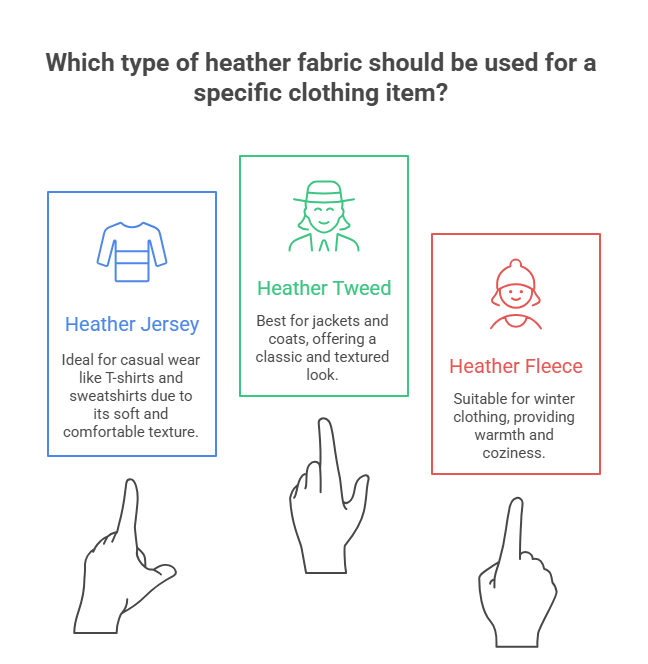
Specialty Types

  • Heather Jersey: Mainly used for casual wear, long T-shirts and sweatshirts.
  • Heather Tweed: Quite textured classic wool blends for jackets and coats mostly.
  • Heather Fleece: Cosy and warm, a must for winter and cold-weather clothing.

Everyday Wear

Heather is a hit casual wardrobe fabric, perfect for hoodies, tees, joggers, and jammies. The cool coolness of the heather style should work for chilling at home and running small errands around town.

Sportswear and Athleisure

Polyester heathers crown the activewear segment. The fabric is breathable, moisture-wicking, and flexible-just perfect for workouts or yoga classes. Plus, the familiar speckled pattern from the silver-returns-and-gives glare-on-the-library-book-code dots into a handy anytime spotter for sweat stains!

Outerwear

Wool heathers are seen in coats, jackets, and scarves. They provide insulation with a rich, textured appearance that adds sophistication to winter fashion.

Home Textiles

Heather fabrics aren’t limited to fashion. They appear in cushions, throws, curtains, and upholstery. Designers love the understated depth they bring to interiors.

Heather Fabric vs. Other Fabrics

Heather Fabric vs. Cotton

Heather can be made entirely from cotton, but unlike plain cotton fabrics, it has that distinctive speckled effect. It’s cotton with a visual upgrade.

Heather Fabric vs. Melange

Both involve blending different colored fibers, but “melange” refers to a broader category of mixed-fibre looks. Heather is a specific, classic style within that category.

Heather Cotton vs. Heather Fleece

Heather cotton is soft, breathable, and suited for everyday wear. On the other hand, Heather Fleece is heavier and designed to keep warm, suited to cold nights and layers.

Care and Maintenance Tips

Washing and Drying

  • Wash in cold water to preserve colours and prevent shrinkage.
  • Air-dry when possible; if using a machine, stick to moderate or low heat.

Ironing and Storage

  • Cotton heathers can be ironed at a higher heat.
  • Polyester or blended heathers need a low setting.
  • Store folded or on hangers to maintain shape.

Common Issues

  • Cotton heathers may shrink if washed too hot.
  • Synthetic blends may pill over time, but choosing high-quality fabrics reduces this risk.

Why Consumers Love Heather Fabric

Heather fabrics check many boxes: they’re stylish, comfortable, versatile, and low maintenance. The muted colours make them easy to pair with other pieces, while the blended construction ensures durability. And let’s be honest—sometimes that heather grey tee just looks cooler than a plain white one.

In between all these, it will be worth revisiting the question: what is Heather fabric? It’s the quiet workhorse of the textile world-never flamboyant, always dependable, and somehow able to make the simplest everyday wardrobe feel just right.

The Mystery of the Favourite T-Shirt

We have all come across that lucky T-shirt we wear all the time. The one that fits just right, feels soft, and goes well with anything. The secret? Perhaps it’s Heather fabric. That speckled look and the fibre-blend work to make it less transparent, more durable, and more attractive with every use. So, should you have ever pondered over the question of why you can’t give up your shirt, the answer lies in the weave!

A Fabric That Blends Style with Practicality

So, in the end, what is Heather fabric? It’s an intermingling of fibres and colours into something comfortable, strong, and stylish. From the hoodie you wear casually after work to the wool coat you have in the harsh winter, heather fabrics have carved their niche in wardrobes and houses across the globe.

And if you’re interested in textiles that combine comfort and practicality, we can help. Our business specialises in bulk fleece products that balance warmth, durability, and affordability. From embroidered jackets to cosy throws, our fleece blankets wholesale collection is perfect for charities, corporate events, schools, or anyone needing high-quality fleece in volume. Just like Heather fabric, our fleece options prove that the best fabrics are the ones that quietly make life better.

How to Wash a Tie Blanket

20 Sep

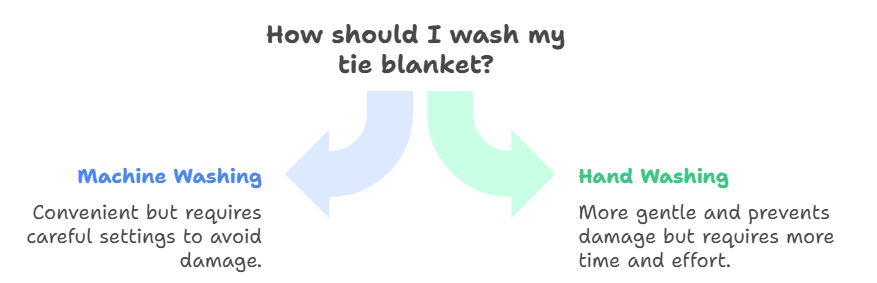
How to wash a tie blanket? Gently, that is. Put it through the washer with cold water and mild detergent, using the delicate cycle, or clean it by hand if you’re paying extra attention to detail. Then lay it flat to dry or tumble dry on the lowest heat. Avoid fabric softeners, bleach, or high heat-these things are just nasty to fleece. If treated well, this blanket will stay soft, brilliant with colours, and a warm warranty for many years.

Why Washing a Tie Blanket Needs Special Care

Tie blankets are no common blankets; they are usually handmade, gifted from one person to another, and very often made of fleece. The fleece is sturdy but has some vulnerability to heat, strong detergents, and friction. Any wrong washing procedure basically means every bit of pilling (fuzz balls), stiffening, or even loosening of knots. Wash it well, though, and that tie blanket will go from being cuddled through long, cold winter nights and poor star choices on Netflix, multiplied by a morale-boosting pet invasion.

Step 1: Prep Your Blanket Before Washing

It is good to perform some pre-care for your tie-blanket before it goes into the washing machine, so to speak. Make sure to inspect the edge knots, pulling gently on a few; give a reverse tie to any that feel loose so they don’t come loose while washing. Then, bring the blanket outside and give it a really good shake to dislodge any dust or crumbs. A quick once-over with a lint roller or vacuum is helpful, especially if you have heavy-haired fur friends around, so your washing machine doesn’t become a furball trap.

The final treatment consists of removing any spots: coffee drips or chocolate smudges. Use a mild stain remover or diluted detergent, but never use bleach because it weakens fleece fibres and strips away colour.

Step 2: Wash It the Right Way

Machine Washing (Most Common Method)

  1. Temperature: Cold or at best lukewarm water; never hot.
  2. Cycle: Gentle cycle with delicate wash to permit minimum friction.
  3. Detergent: Preferably a mild detergent, free of scent. The lesser the better, for more residue means stiffer fabric.
  4. Load: Wash it alone or with other soft items. Don’t mix with jeans, towels, or anything rough.

Hand Washing (Extra Careful Approach)

  1. A bathtub or bucket should be filled with cool water.
  2. About a teaspoon of mild detergent is to be added.
  3. Have the blanket gently swirled around (think of stirring soup rather than scrubbing a pan).
  4. Rinse it well until the water runs clear.
  5. Press the water out gently; never twist or wring.

Hand washing takes longer, but it’s like giving your blanket a spa day.

Step 3: Dry with Care

As far as drying a tie blanket goes, air drying is the safest method and thus should be laid flat on a clean surface or drying rack, while sometimes flipping to allow both sides to dry evenly. It should be kept out of the sun for fear of fading. Should one insist on using a dryer, the lowest heat setting should be used and the blanket removed while still damp so it may finish drying in the open air. Whatever method of drying one chooses, one should never allow high heat, for in the shortest time, it would render the fleece stiffer, coarser, and less comfortable.

How to Prevent and Fix Pilling

Pilling happens when fleece rubs against itself and forms tiny fuzz balls. It’s the blanket equivalent of getting wrinkles before your time.

  • Prevent it: Wash on delicate, skip softeners, and dry on low heat or air dry.
  • Fix it: Use a fabric shaver or de-pilling comb. A quick pass brings your blanket back to life.

Extra Care Tips Worth Knowing

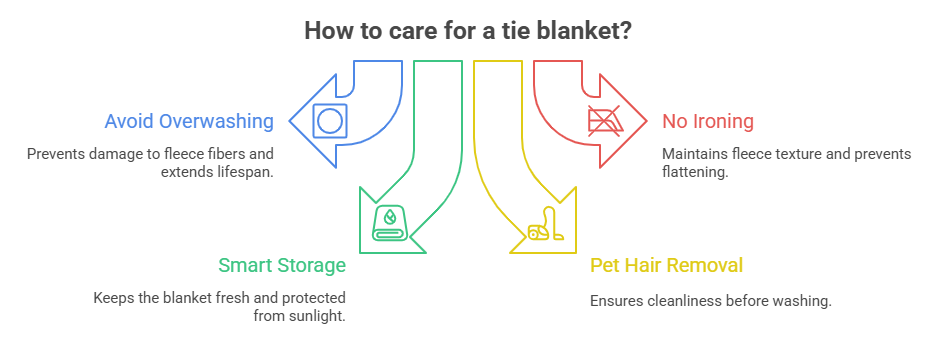
  • Don’t overwash: Only wash when it looks dirty or smells foul. Overwashing shortens fleece’s lifespan.
  • No ironing: Heat flattens and ruins fleece fibres. Smooth by hand instead.
  • Smart storage: Fold neatly and store in a cool, dry spot away from sunlight. A breathable bag keeps it fresh.
  • Pet hair hacks: Use a lint roller or a damp cloth before washing. A vacuum brush attachment also works wonders.

What This Means for You

It isn’t complicated; one just has to pamper a little. Cold water, some gentle detergent, and patience keep the blanket looking fresh and feeling soft. With care, a tie blanket may remain with you longer, whether it was homemade, a greeting, or a comfort blanket.

And if one tie blanket isn’t enough (because let’s be honest, they’re addictive), PeachFur Fleece has been crafting quality fleece blankets, throws, and duvet covers for over a decade. Resorts, schools, and even government agencies trust their products for both warmth and durability. Looking to stock up? Check out their wholesale fleece blanket options for stylish, soft, and long-lasting designs perfect for personal use or business needs.

With the right washing routine—and the right supplier—you’ll never have to choose between cosy and durable. Your tie blanket can be both.