Archive | fleece blankets bulk RSS feed for this section

What Temperature to Wash a Fleece Blanket

23 Dec

In case you still hesitate about the fleece blanket washing temperature, then cold water should be the most reliable and safest choice. Besides, cold water is pleasant and nice enough for your fleece blanket’s life span. Warm water might be allowed for really dirty blankets occasionally, but hot water is an absolute no-no all the time.

Fleece blankets are among the daily comforts we hardly ever think about until there is a problem. A single wash done badly and right away, that soft and warm blanket turns hard, lifeless, and it seems to be taking on lint as if it were a souvenir. On the brighter side, most fleece damage is no mystery at all. It typically can be attributed to one straightforward thing: the temperature of the water.

Why Water Temperature Matters More Than You Think

Fleece might look strong and long-lasting, but in reality, it is very sensitive to heat. A lot of people think that using hotter water results in cleaner blankets. This reasoning is right for some clothes, but fleece does not go along with it. If you wash it at the wrong temp, it may die quicker than if you kept on using it.

Treat fleece like the ideal travel mug; its main function is to keep you warm, but exposing it to bad conditions will quickly take all its sweetness. The above will be the case for fleece if heat is applied, as it will first weaken the fibres, then make them hard and finally, pilling will occur. So, determining the washing temperature for a fleece throw is not so much about following the laundry rules but more about preserving comfort.

The Golden Rule: Always Check the Care Label First

It is wise to locate the care tag before you throw a fleece blanket into the washing machine. The small tag attached to the seam is not a decorative feature; the manufacturer is subtly trying to save you from disappointment. It shows the exact temperature, cycle, and drying method that were used and confirmed for that specific fabric.

Labels are inevitably at times seen to be faded, fall off, or completely disappear in the course of the years of usage. If such a case occurs, remain calm. Cold water is now your safest option. If fleece had a voice, it would most likely say, “When in doubt, refrigerate it.”

Understanding Water Temperatures in Everyday Terms

Water temperature isn’t just a dial on your washing machine. Each setting has a purpose, and choosing the right one makes a big difference.

Cold water is the greatest friend fleece ever needed, even if it did not know it. It saves synthetic fibres, avoids shrinking and maintains the blanket’s softness. Cold water is the best temperature for regular washing and also gives the answer to the what temperature to wash a fleece blanket question in most cases.

Warm water is placed in the middle. It is helpful when there is certain dirt, a spill, or when the blanket is heavily used. Warm water acts as a facilitator for detergent in a way that it does not come out aggressively at all. The trick is to use it sparingly—warm water should be a helper sometimes, only, not a habit that is done day in and day out.

On the contrary, hot water is the main reason for this. The fabric of fleece consists of synthetic fibres, which are not so friendly with the high temperatures. Hot water can make the fibres less strong, cause them to become rough, and even destroy the texture completely. To put it simply, hot water and fleece have an antagonistic relationship.

Why Fleece Needs Gentle Care Beyond Temperature

However, temperature is the most essential factor among all others. Fleece requires a delicate washing environment. It takes rough cycles, harsh detergents, and fabric softeners many years even to cause slight damage.

Fabric softener, even though it’s called a friendly name, is particularly deceiving. It applies a film to fleece fibres rather than softening them, hence giving the blanket a rough and less air-permeable feel. It is the kind of product that wishes to do good but ultimately harms, just like giving a plant too much water because it seems so.

Washing a Fleece Blanket the Right Way (Without Overthinking It)

Washing fleece is not an elaborate task. The washing of your blanket with other fleece items will help to lessen lint transfer. A mild detergent, in smaller quantities than usual, will avert residue accumulation. A gentle or delicate cycle maintains low agitation, which, in turn, helps to avoid pilling and stretching.

The goal isn’t aggressive cleaning; it’s gentle maintenance. Fleece responds best when it’s treated kindly.

Drying Matters Just as Much as Washing

Using hot water for washing can ruin fleece; however, drying the fleece with heat can finish off the process. Air drying is the safest way, and it’s the way that keeps the softness of the fabric naturally. In case you go for a dryer, make sure it is on the lowest heat or the air-fluff cycle is used.

The softness of many fleece blankets does not disappear through washing but rather through drying in the dryer. The high temperature can turn the fibre hard and dry. It’s similar to sun-drying bread—it is a method that works, but the outcome is not what you wished for.

Common Mistakes That Shorten a Fleece Blanket’s Life

A great deal of fleece damage takes place inadvertently. Common errors include treating fleece as cotton, using hot water out of habit, overloading with detergent, and thinking that fabric softener is helpful. None of these stems from carelessness—they are simply from a lack of knowledge.

Once you understand what temperature to wash a fleece blanket, these mistakes become easy to avoid.

Small Changes, Big Comfort

Choosing a temperature for washing could seem like a small thing, but it is a crucial element. Cold water, gentle cycles and the lowest heat in the dryer can keep a fleece blanket soft, warm and beautiful for several years. A tiny bit of information can assist in keeping comfort at its best.

PeachFur Fleece is a company that focuses on high-end, top-class fleece products that have been made to last, be soft, and provide everyday comfort. We have the best wholesale fleece blanket choices for families, babies, charities, events, and organisations that are looking for dependable bulk solutions. With years of experience and a strong commitment to quality, we are always there to assist you in selecting fleece that actually lasts.
Where to Buy Fleece Material for Blankets

23 Dec

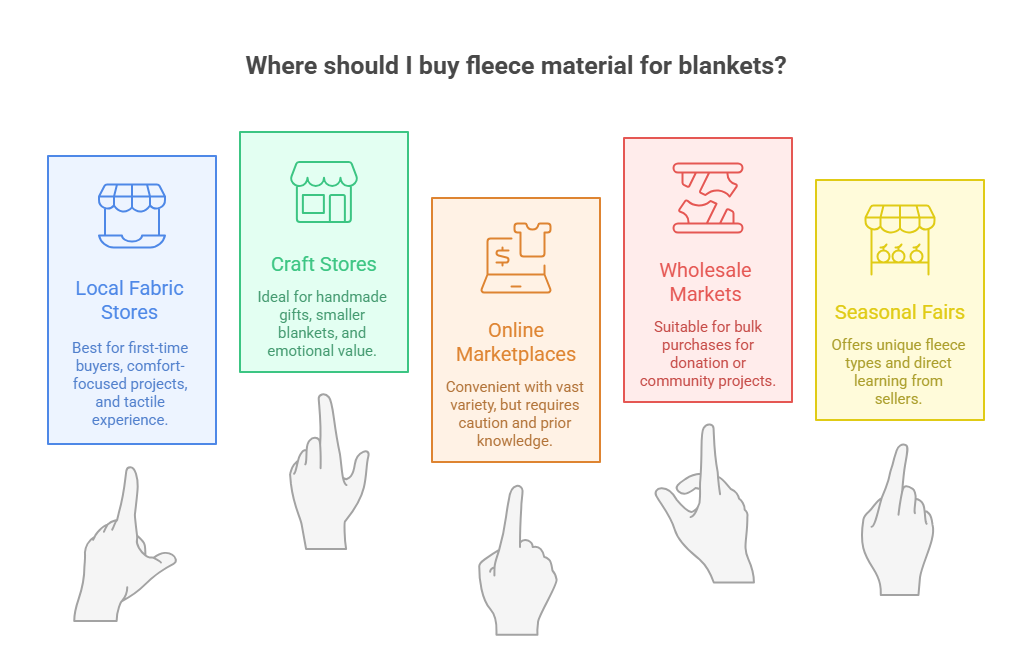
If you are questioning yourself about purchasing fleece material for making blankets, local fabric stores, craft and DIY shops, online fabric marketplaces, wholesale fabric markets, and seasonal fabric fairs are the best options almost always. The proper place is determined less by shopping location and more by the reason for the fleece purchase.

Buying fleece might sound simple—after all, it’s soft, warm, and cosy. But anyone who has ever bought a blanket that looked perfect online and felt “slightly plastic” in real life knows that fleece shopping deserves a little more thought. Whether the blanket is for a baby, an elderly parent, a gift, or for yourself, understanding what you’re buying makes all the difference.

Why purpose matters more than price

One common mistake people make is buying fleece the same way they buy socks—quickly and without thinking. But fleece for a newborn baby and fleece for a winter movie night are two very different things. A friend once proudly showed me a fleece blanket he bought for his grandmother because it was “extra thick.” She used it once and politely folded it away forever. Turns out, it was warm but not breathable, and she felt uncomfortable within minutes. Lesson learned: warmth without comfort is just enthusiasm gone wrong.

Understanding the intended use enables you to determine the parameters of softness, weight, and breathability that are essential for you. Infants require soft and non-irritating fleece. Ageing parents often go for lightweight warmth that does not add heaviness to the body. Presents are required to be comfortable right away, while blankets for personal use should be able to withstand frequent washing without losing their appeal.

Understanding fleece before you shop

Fleece cannot be defined as a single fabric or even a fabric family. It is a whole collection of fabrics with various degrees of softness, thickness, durability, and breathability. Fleece is composed of a mixture of several fairly soft and warm fibres, but some others are really good at holding warmth and feel too hot. A thicker fleece is not always a warmer fleece, and a soft fleece that looks beautiful is not always the most durable.

If you have a blanket that was beautiful for just a month and then began to have small fabric balls all over, you are already aware of the importance of knowing the fleece quality. Just a bit of information can keep you from experiencing buyer’s remorse and having to deal with the uncomfortable situation when a person inquires why their present blanket is shedding more than a golden retriever.

Where to buy fleece material for blankets

Often, local fabric and textile stores are the best places to start, especially if it is your first time buying fleece. Instant clarity is conveyed by walking through, touching, stretching, and feeling the fabric. You can compare textures, ask basic questions, and not feel lost at all. If the blanket is intended for babies or elderly family members, these stores are of great help, since in the case of such groups comfort is more important than trends.

Craft and DIY supply stores are another great option, particularly if you’re making a handmade gift or a smaller blanket. These stores usually stock fleece in appealing colours and prints. They’re ideal when the emotional value of the blanket matters just as much as its warmth. Many people discover fleece quality here simply because they’re encouraged to feel and experiment rather than rush.

Online fabric marketplaces are convenient and offer a huge variety, but they require a bit more caution. Reviews, fabric descriptions, and material details become very important. Online fleece shopping works best when you already know what kind of fleece you like. Otherwise, you may end up learning the hard way that “soft-looking” doesn’t always mean “soft-feeling.”

If you are looking to purchase fabric in bulk, wholesale fabric markets are the right place to go, as they are typically located in bigger cities or trade areas. The fabrics bought here are mostly for donation, school, shelter or community drive purposes. The prices are lower, but it is necessary to be knowledgeable. It is quite dangerous to buy wholesale without having any understanding of fleece quality—comparable to buying spices without having the possibility to smell them; it is possible, but very risky.

Seasonal fabric fairs and exhibitions are underrated gems. They don’t happen every day, but they offer a chance to explore unique fleece types and learn directly from sellers. Even if you don’t buy immediately, these places help you understand what good fleece actually feels like.

Choosing fleece for different people

When buying fleece for babies, softness and breathability should always come first. Lightweight, gentle fleece that feels smooth against the skin is ideal. For elderly parents, comfort is key. A blanket should provide warmth without feeling heavy or restrictive, especially for daily use.

Gifting fleece is a slightly emotional exercise. You want the blanket to feel welcoming the moment it’s touched. Neutral colours, balanced thickness, and easy care usually work best. Personal-use fleece is where durability matters most. If you plan to wash it often, choosing quality fleece will save you from disappointment later.

Common mistakes to avoid

Many people buy fleece based only on price or appearance. Others assume all fleece is the same. Some buy in bulk without testing a small sample first. These mistakes don’t just cost money; they cost comfort. A fleece blanket should feel like a warm hug, not a compromise you quietly tolerate.

Final thoughts

It is very significant to know where to buy fleece material for blankets, but the knowledge of the reason why you need it helps you to make a good choice. A blanket made through considerate purchasing becomes a source of better comfort, longer use, and more happiness than one made through carefree purchasing. The user could be yourself or any loved one, but the overall effect would be the same.

PeachFur Fleece is all about creating premium quality fleece blankets that are super comfy, non-resistant, and ideal for daily use. If a reliable wholesale fleece blanket option is what you need—infants, parents, gifts, or charity—you can always reach out to us. Our principle is that warmth should be easily accessible, thoughtful, and made with love.

Where Can I Donate Blankets for the Homeless?

9 Dec

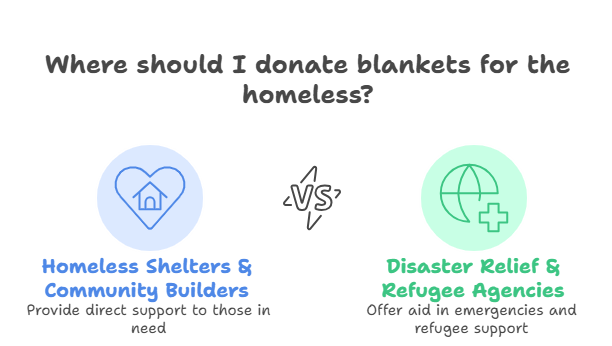
If you’re asking yourself where I can donate blankets-for-the-homeless, the most standard recipients become homeless shelter providers, community builders, faith-based helpers, all sorts of shelters, disaster- and emergency-relief agencies, charities that work for refugees in general and programs belonging to the government that collect donations on a local level and then preempt because any good support to needy, please spread some cold warmth where it truly needed.

During every winter, when it is hard to bear the cold through the night, thousands of Americans go without a rosy-hot resting place. The simplest bounty of a fleece blanket—which almost everyone has stored away somewhere—can indeed be a saving grace for anyone in homelessness, eroding life until perhaps their turn in the muck has dried. When people ask, “Where can I donate blankets for the homeless?”, these are actually genuine people who strive to help, yet don’t know what to do.

To be honest, if you have a blanket that has just been in the house for over three years and brought out only when visitors visit, it needs another place where it can be finally put to good use.

Why Blanket Donations Matter

Blankets are one of the most-requested items by nonprofits during winter. They provide:

  • Immediate warmth and protection from harsh temperatures
  • A sense of personal comfort for individuals staying in crowded shelters
  • Long-lasting support for families in transitional or emergency housing

To someone sleeping outdoors or staying in unstable conditions, a fleece blanket is no more than the difference between cold and heat.

Plus, fleece doesn’t judge. It warms everyone equally.

Where to Donate Blankets

If you are unaware of a good blanket donation and where blankets for the homeless should be donated, then here are the best nonprofit blanket-accepting charities that accept them throughout the year, or in winter.

1. Local Homeless Shelters & Warming Centres

Shelters use blankets daily, often replacing old ones due to heavy wear. Your blanket donation here usually goes straight into someone’s hands the same day or week. Most shelters list accepted items on their websites or through local directories.

2. Community Outreach & Street-Relief Groups

These nonprofits deliver services directly in streets and parks, underpasses, encampment sites—places some of us may never see. A warm blanket offered through such teams just may be the overnight survival tool that is lifesaving.

3. Faith-Based Charitable Organisations

Blankets are given out during the winter season by a group of churches, mosques, temples, and interfaith volunteers. Every week, they also offer food, clothes to fend off the chill, and bedding for the homeless people. The hands that feed do not ever turn their backs on anybody else.

4. Domestic Violence Shelters & Crisis Centres

These centres support women, children, and families escaping unsafe environments. Blankets help provide comfort and stability as they transition into safe housing. Donations often need to be scheduled due to privacy protocols, but they are deeply appreciated.

5. Disaster-Relief NGOs & Emergency Response Coalitions

With hurricanes, floods, or wildfires come the severe displacement of families, and blankets become a necessity. Contribute to those groups so that your blanket could be the change in somebody’s life within a night.

6. Refugee & Resettlement Nonprofit Groups

A blanket is just one of the things that a family of refugees, on arrival in the U. S., have with them. They turn it into a makeshift home until more solid shelters are erected in the cold, while they get accustomed to the new place.

7. Social-Service Departments & Community Drives

It is customary for community centres, institutions of learning, public libraries, and school halls to organise a winter blanket drive, which is easily accessible to all when you consider donating in one’s own locality; yet it is so difficult for super spaces.

8. School & College-Led Winter Drives

Organisations will frequently gather donations of blankets and deliver them to shelters and interventions. This is a pretty good way to do charity and aim at igniting compassion in the youngsters.

Tips for Donating Responsibly

Before donating:

  • Make sure blankets are clean and in good condition
  • Fleece blankets are often preferred—they’re warm, light, and easy to wash
  • Avoid donating heavily worn or damaged blankets
  • Call ahead to confirm the organisation’s current needs
  • Bundle blankets neatly for easy distribution

If you wouldn’t use it yourself, someone facing hardship shouldn’t have to either.

Warmth Is a Gift Everyone Deserves

Either you have one blanket to spare or are hosting a donation program. It really doesn’t matter. It’s the gesture that really counts. Tonight, because of your generosity, someone will sleep warm out there. For some in a shelter, a feeling of safety will have been brought to them. Every winter, thousands of the needy survive because there are always strangers willing to offer help.

So, where can I donate blankets for the homeless this time? The answer given will be many and impactful.

PeachFur Fleece Supports Community Blanket Donations

PeachFur Fleece is very much about giving back. We have been a part of humanitarian efforts both at home and abroad, giving fleece blankets wholesale to the populations affected by natural chronic poverty, or emergencies.

During very cold spells in the winter, if you or your organisation wants to donate fleece blankets, we are happy to help in that endeavour. As for fleece blankets, we sell them at wholesale prices at costs that are way below what donations could be tagged for their provision by an individual, a church, a nonprofit, or a community organisation to help the needy.

A warm blanket can bring comfort, relief, and hope—and together, we can help more people experience that warmth this season.

Where Can You Donate Blankets?

5 Dec

It is very rare that blankets become unusable, and they generally remain in excellent condition for a very long time, as opposed to other home articles. However, many people still throw them away, simply because they have bought new ones or the old ones have lost their usefulness. This guide, instead of leading you to the trash, leads you to counter means of donating blankets, which become a supply of warmth, dignity, and shelter for those who really are in need of them.

Donations of blankets are of great significance in the community all over the world. A blanket can provide quick comfort for a family that is trying to get back on its feet, for a homeless person or for a pet that is waiting for adoption. This blog will guide you through the process of giving away blankets in a considerate and responsible manner so that your donation will have a positive impact.

Why Donating Blankets Matters

A blanket has many different roles besides being a mere piece of fabric—it is also a source of warmth, an outer world shield, and an insulator. For instance, a person living outdoors or going through tough times might consider a new blanket as a source of warmth and hope. The same can be said for regions affected by natural disasters. The personnel working in emergency response often say that blankets are among the most essential items to be supplied, along with other things.

Sustainability is also supported by investing blankets to the right places, which is learnt by you learn. The practice of giving items a second life leads to waste reduction and the prevention of usable materials from being buried in landfills. It is through the donation of items that the community becomes more united, and the poor receive assistance.

Local Places Where You Can Donate Blankets

1. Homeless Shelters

Blanket donation is one of the most reliable options that homeless shelters offer. These institutions are always in need of bedding supplies for their inhabitants, particularly during the winter season. A simple phone call to the closest shelter will clarify which kinds of blankets they take and when you can bring them.

2. Community Outreach Centres

Winter-relief programs are frequently organised by local charities, community groups, and religious organisations. The blankets that are given in this place are usually delivered to people and families who lack regular warm bedding. A lot of centres have a well-organised distribution system which lets you be sure that your donation will be given straight to the people with the highest need.

3. Animal Shelters

It is a common oversight that animals also require comfort and warmth. Used blankets are always welcomed by animal shelters and rescue centres to cover crates, beds, and healing spaces. Your donation at this place lets you help the ones that are loved but not yet adopted pets.

4. Doorstep Pickup Services

If time or transportation is limited, several donation services offer pickup from your home. They accept clothing, blankets, and household goods, making it extremely convenient. Before scheduling, it is still best to confirm acceptance guidelines to ensure your blanket fits their requirements.

5. Thrift and Reuse Stores

Community-based thrift stores often sell blankets to raise funds for their programs. While some locations accept all types of bedding, others may have restrictions. Calling ahead guarantees your donation will be used effectively.

National and Online Organisations Accepting Blanket Donations

A lot of nationwide charities run campaigns for donations that are either periodic or related to emergencies. These charities provide warm blankets for the needy in places like areas hit by disasters and the countryside where extremely cold winters prevail. Donation to top-notch relief organisations ensures that the blanket given by you is a part of a cleverly managed and systematically organised relief operation.

Online platforms also allow you to support verified blanket donation campaigns. This is particularly helpful when you prefer contributing remotely or wish to donate directly to specific causes.

Some organisations prioritise children, hospital patients, or survivors of crises and might choose to receive handmade or new blankets. Usually, their websites provide information about nearby chapters and drop-off places, facilitating the search for the nearest alternative.

Direct Donation to Individuals in Need

A lot of individuals usually have a couple of blankets in their vehicle, which are then passed on to a needy-looking person. Despite the fact that this is a nice act, it is still recommended to first contact local outreach organisations. They might tell you the most secure and considerate ways to give out the goods.

When direct giving is done with careful consideration, it can be very significant, particularly when you spend the time to make sure that the blanket is clean, presentable, and given in a dignified manner.

Things to Do Before Donating

Cleanliness and Condition

Only donate blankets that are clean, odour-free, and free from rips or stains. A blanket in good condition shows respect and preserves the dignity of its recipient.

Confirm Organisation Guidelines

Every organisation has different needs. Some prefer thick winter blankets, others accept lighter fleece blankets, while certain facilities may only take new items. Calling ahead prevents waste and ensures your donation is genuinely useful.

Prepare Your Donation Thoughtfully

Fold your blankets neatly and place them in a clean bag. Some organisations welcome small uplifting notes, which can provide emotional comfort alongside physical warmth.

Seasonal and Emergency Donation Opportunities

Peak demand for blankets in the coldest season is not only due to the natural conditions but also to an increasing number of emergencies like floods, storms, and people without homes. One of the best ways to ensure that your blankets are delivered to the most urgent, needy ones is to contribute to local or national winter drives.

Such charitable activities during the season usually work hand in hand with the shelters, hospitals, and relief agencies, thus making your donations reach the very place where they are most needed without any delay.

How Your Donation Makes a Lasting Impact

Every single blanket that is given as a donation has a direct influence on the comfort and wellness of a person. For instance, it may provide warmth at night to an unhoused person, give a child a feeling of safety in hard situations, or assist a pet waiting for adoption. The small gifts together make the communities stronger and bring about a culture of caring.

Understanding where you can donate blankets ensures your act of generosity goes further and touches lives in meaningful ways.

PeachFur Fleece’s Commitment to Giving Back

At PeachFur Fleece, we believe that warmth is a gift worth sharing. Throughout the years, the PeachFur Gives Back program has assisted humanitarian activities both locally and around the world—supporting storm survivors and giving aid in places that are suffering the most. We have seen firsthand the great comfort that even a fleece blanket can provide during a disaster.

PeachFur Fleece, in addition, provides top-notch fleece blankets in bulk for individuals, community groups, and businesses that want to make a massive impact, which is ideal for donation drives and winter-relief programs.

Where to Buy Fabric for Blankets

4 Dec

Making a blanket is one of the most inventive and fulfilling tasks to do—be it sewing for family, making gifts for charity, or selling snuggly ones. Nevertheless, picking the right fabric and the right store to buy it is the very first step in the whole process. So, the question is that many skilled hands are asking where to buy fabric for blanket making and what the most appropriate materials are.

From common blanket fabrics to stating that fleece is one of the best choices, this blog shows you the best places for high-quality materials. You will be able to find everything necessary to make informed and confident decisions, no matter if you are shopping for one yard or getting ready for bulk purchases.

Understanding the Fabrics Used for Blanket Making

Blankets come in a plethora of styles, weights, and textures, and the choice of fabric determines the product’s final softness, warmth, and durability to a great extent. Cotton blankets are light or warm climates are very much preferred on account of their softness, breathability, and skin-friendly properties. Flannel, with its double-brushed finish, gives a feeling of warmth which makes it suitable for winter beddings and kids’ blankets.

In case you’re after a premium product, Minky fabric, with its luxurious feel, gloss, and smoothness, is great for infant linens and plush throws, yet it is mostly very expensive. Wool, however, is the number one in heat and thermal resistance; therefore, it is the only option for wintery places, and Sherpa, being the nearest competitor to wool, is thick and soft and super comfortable as a winter cover.

Why Fleece Is One of the Best Fabrics for Blankets

Fleece is worthy of all the hype around it mainly because of its peculiar characteristics of comfort and versatility. It is smooth, solid, warm, and simple to use, which makes it the first choice for the different skill levels of blanket makers, i.e. beginners and experts.

Types of Fleece Ideal for Blanket Projects

  • Polar fleece for every day, affordable blankets
  • Anti-pill fleece for long-lasting softness
  • Microfleece for lightweight throws
  • Sherpa fleece for thick, plush warmth
  • Double-sided fleece for extra-cosy blankets

Each variation offers its own texture and function while maintaining the signature softness fleece is known for.

Benefits of Using Fleece Fabric

Fleece has the natural ability to provide insulation while still being very light, thus it is a very good material to be used throughout the year. It is also a fast dryer, easy to wash, and does not shrink like some other natural fibres. The variety of its colours and patterns—from simple to vibrant prints—makes it suitable for a lot of things; e.g. children’s blankets, and Christmas projects.

Fleece is extremely popular for no-sew tie blankets, travel blankets, winter throws, baby blankets, and even branded promotional blankets. Because it’s easy to cut and doesn’t fray, fleece simplifies the entire crafting process.

Where to Buy Fabric for Blankets: Your Complete Source Guide

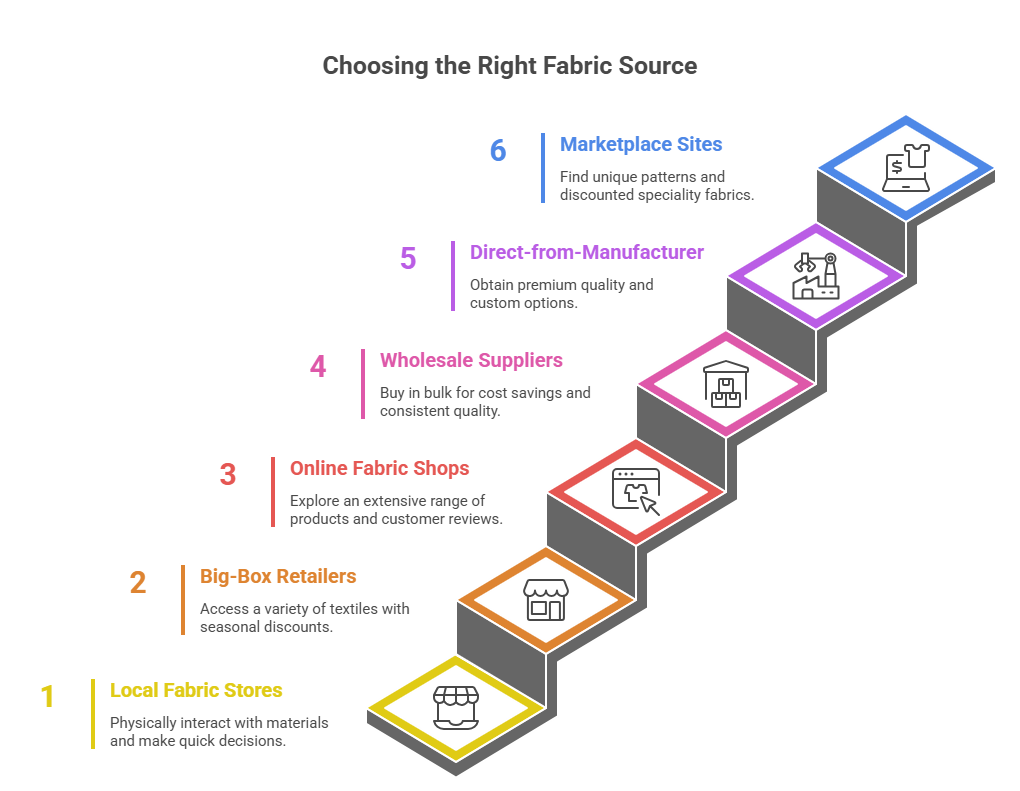
It is important to have a variety of options when choosing fabric for blankets since this will allow you to make a wise decision and save money. The following sources are your best options:

Local Fabric Stores

In local stores, one can physically interact with the materials, visually compare the thicknesses, and test the tensile strength, all of which are very hard to do online. They are also beneficial for making quick decisions and last-minute projects.

Big-Box Craft Retailers

Big stores that focus on crafts and arts usually have plenty of different textile types, such as fleece, flannel, cotton, and others with specific purposes. Discounts depending on the season and coupons offered weekly turn shopping into a fun and economic activity.

Online Fabric Shops

The online shops provide an extensive range of products and also access to materials that may not be available in the local market. A lot of websites make it simple to contrast the hues, patterns, and weights, and feedback from the customers aids in making a decision about the quality.

Wholesale Fabric Suppliers

Wholesale suppliers are ideal for businesses, charities, and frequent crafters. Buying in bulk reduces cost per yard and ensures consistent fabric quality.

Direct-from-Manufacturer Purchases

Manufacturers often offer premium quality and consistent dye lots. Buying directly can provide better pricing on large quantities and access to custom colour or style options.

Marketplace Sites

Online marketplaces can be useful for sourcing hard-to-find patterns, leftover yardage, and discounted speciality fabrics.

Speciality Boutiques and Artisan Shops

Boutiques offer curated, high-end materials—perfect for those looking to make luxury blankets or unique handcrafted designs.

Various aspects like project size, budget, and the level of convenience will determine the fabric source that is just right for you. In case you are into frequent sewing or blanket selling, buying wholesale or directly from the manufacturer would typically be the most cost-effective option in the long run. On the other hand, if it is only a single project or you are looking for very particular prints, then a craft store or an online shop could be the suitable places for you.

Making Blanket Fabric Shopping Easy and Enjoyable

It doesn’t matter if you are creating a warm winter throw or a large order of personalised blankets; learning where to buy fabric for blankets allows you to select materials that will last, be comfy and be nice looking at the same time. Moreover, fleece is still one of the most trusted materials for blanket-making due to its perfect combination of heat, gentleness and price.

If you are interested in large amounts of high-quality fleece materials or blankets already made, we have fleece blankets in bulk that are made for comfort, durability and long-lasting softness. Our blankets are perfect for organisations, events, charities, and retailers as they are the result of good craftsmanship and thus, great value. We are here to assist you in making every blanket project warm and of good quality.