Quick Answer: How Many Yards of Fabric to Make a Tie Blanket?
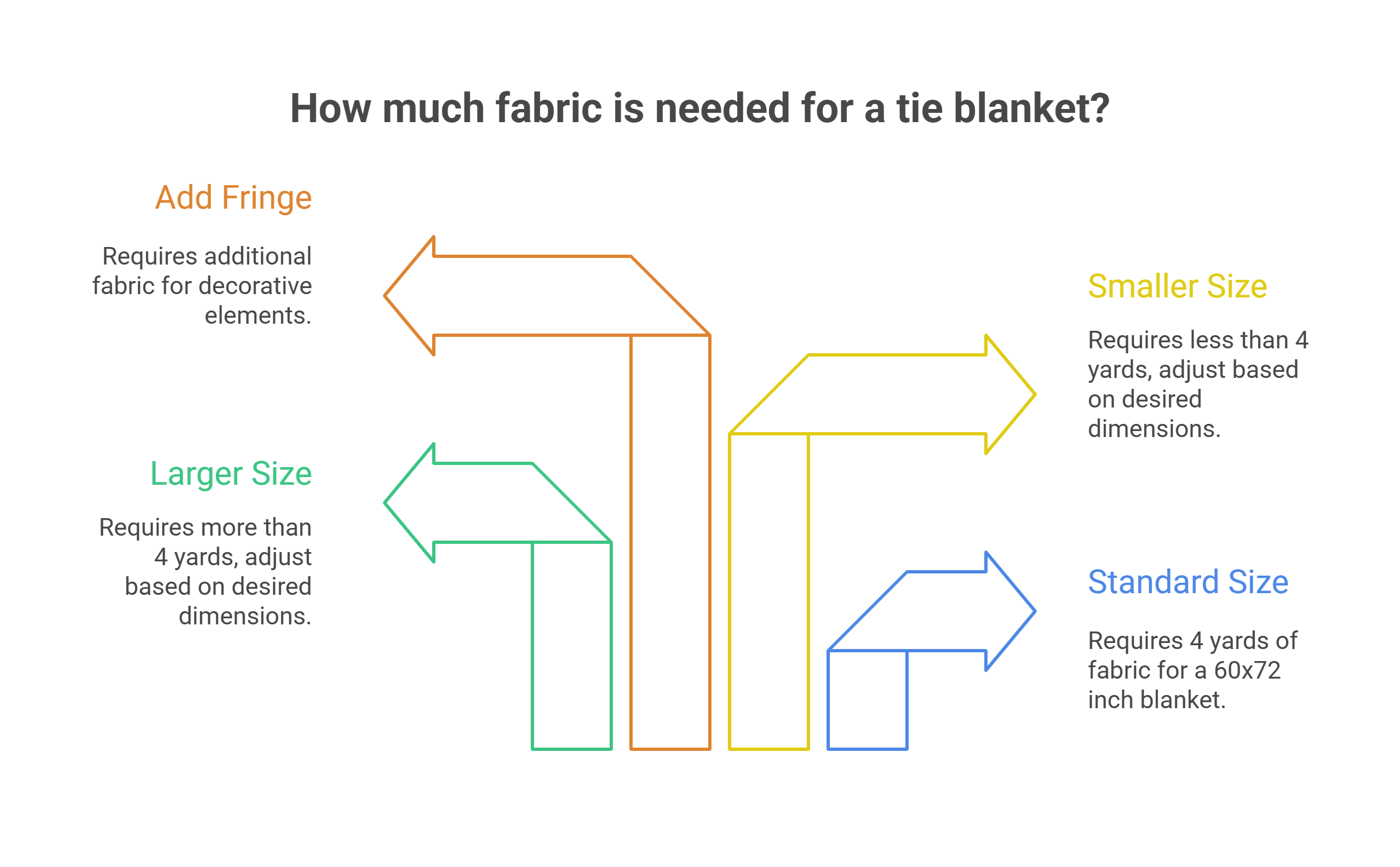
If you’re wondering how many yards of fabric to make a tie blanket, the answer depends on the size you want to create. A standard adult-sized tie blanket typically requires 2 yards of fleece for both the front and back (a total of 4 yards).
For a child’s blanket, 1.5 yards each is often enough, while larger throws or queen-size versions may need up to 2.5 yards per side. Choosing soft, durable fleece ensures comfort, warmth, and a long-lasting finish.
Now let’s dive deeper.
Why Tie Blankets Are So Popular?
Tie blankets have become a favorite DIY project for crafters and families alike. Not only are they cozy and customizable, but they also don’t require any sewing skills, making them perfect for beginners. All you need is fabric, scissors, and a little bit of time. The beauty of these blankets lies in their simplicity—just knot the fabric edges together, and you have a finished product that’s warm, stylish, and personal.
But the biggest question most people have before starting is: how many yards of fabric to make a tie blanket? Let’s break it down by size, purpose, and a few pro tips to help you avoid common mistakes.
Understanding Fabric Yards and Blanket Sizes
Fabric is usually sold by the yard, with most fleece fabric bolts measuring around 58–60 inches wide. When making a tie blanket, you’ll need two equal pieces of fabric—one for the top and one for the bottom.
Here’s a quick size guide:
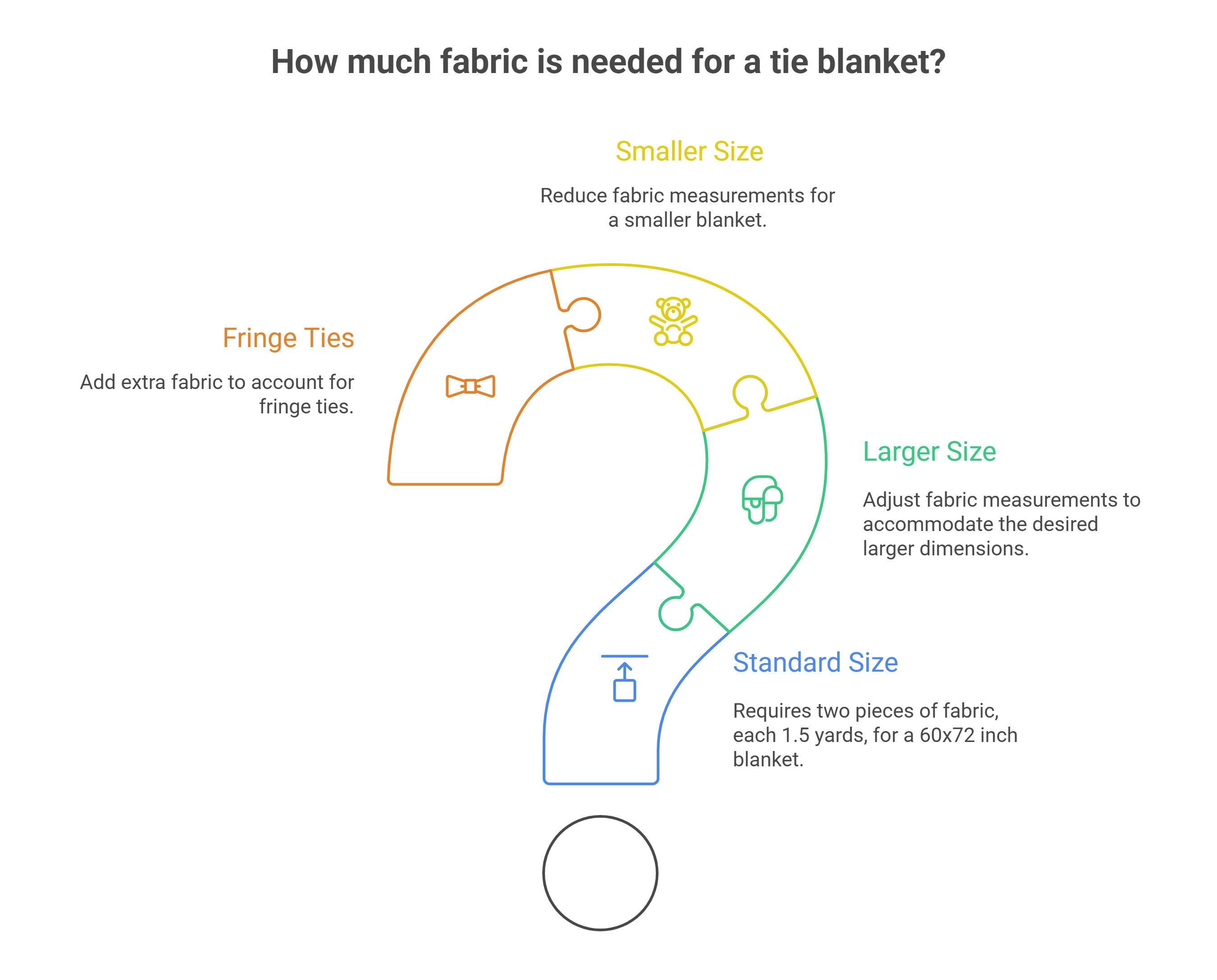
Child/Small Blanket: 1.5 yards per piece (total: 3 yards).
Adult Throw Blanket: 2 yards per piece (total: 4 yards).
Large/Queen Blanket: 2.5 yards per piece (total: 5 yards).
This means if you’re heading to the fabric store, you’ll be purchasing two cuts of fabric of equal length. Always remember that you’ll lose a few inches when cutting the fringe for the ties, so buying a little extra never hurts.
Step-by-Step Guide to Making a Tie Blanket
Step 1: Choose the Right Fabric
Fleece is the go-to choice for tie blankets. It’s soft, durable, and easy to cut without fraying. If you’re shopping in bulk, consider fleece blankets wholesale options for cost savings, especially if you plan on making multiple blankets for gifts or donations.
Step 2: Measure and Cut
Lay both pieces of fabric flat on top of each other. Cut off any selvage edges (the factory-finished sides), ensuring both fabrics align evenly. Then, cut out a square (usually 4×4 inches) from each corner.
Step 3: Cut Fringe Strips
Cut 4–5 inch long strips around all sides of the fabric, each about 1 inch wide. These will become the ties that hold the blanket together.
Step 4: Tie It Together
Double-knot each strip of fabric, tying the top layer to the bottom layer. Work your way around the blanket until it’s completely secured.
And just like that—you’ve made your first tie blanket!
How Many Yards for Different Uses?
Baby Blankets For infants or toddlers, 1 yard per piece (total: 2 yards) is often enough. These make wonderful personalized gifts.
Teen or College Dorm Throws A 2-yard length per side (total: 4 yards) is ideal for lounging on beds, sofas, or study chairs.
Family Movie Night Blankets For oversized comfort, go with 2.5 yards per side. Perfect for sharing during movie nights or cozy winter evenings.
Fabric Buying Tips
Always Buy a Little Extra: Cutting fringes will reduce the final size, so an extra quarter-yard can save you from frustration.
Match or Contrast: Pick two patterns that complement each other, or pair a print with a solid color for a bold design.
Look for Sales: Craft stores often run fleece fabric sales in fall and winter. Stocking up early saves money.
Consider Bulk Buying: If you’re planning multiple blankets, fleece blankets wholesale purchases give you better value and variety.
Why Fleece Works Best?
Fleece is not only soft and warm but also doesn’t unravel when cut, unlike cotton or flannel. This makes it beginner-friendly and hassle-free. Plus, fleece comes in countless colors, patterns, and licensed prints—so you can find something for everyone, from superheroes to cozy solids.
Common Mistakes to Avoid
Buying Too Little Fabric: Measure twice before cutting, especially if making a larger blanket.
Skipping Corner Cuts: Forgetting to cut squares from the corners will cause bunching and uneven edges.
Tying Too Loose: Loose knots will unravel after washing. Double-knotting ensures durability.
Ignoring Fabric Widths: While most fleece is 58–60 inches wide, some may vary. Always check the bolt label.
Creative Ideas for Tie Blankets
Tie blankets aren’t just for personal use—they’re also great for charity drives, family crafts, or team events. Schools, hospitals, and shelters often welcome donations of handmade fleece blankets. By purchasing fleece blankets wholesale, you can maximize your budget and provide warmth to more people in need.
You can also experiment with:
Adding two different patterned fabrics for a reversible design.
Creating themed blankets for holidays or sports teams.
Using extra fabric scraps to make matching pillows or scarves.
Caring for Your Tie Blanket
Fleece tie blankets are easy to care for, but here are a few tips:
Wash in cold water on a gentle cycle.
Avoid fabric softener—it can reduce fleece softness over time.
Air-dry or tumble-dry on low heat to prevent static.
Store folded neatly to keep the ties from tangling.
Final Thoughts
So, how many yards of fabric to make a tie blanket? For most adult throws, 2 yards per side (total of 4 yards) is the sweet spot. Smaller blankets for kids need around 1.5 yards, while oversized ones may require 2.5 yards per side. Choosing fleece ensures your blanket will be warm, durable, and easy to make—whether it’s for yourself, a gift, or donation.
If you’re planning multiple projects or looking for budget-friendly options, don’t overlook fleece blankets wholesale suppliers. Not only do they save you money, but they also give you a wide variety of designs to keep your blankets creative and personal. Tie blankets are more than just fabric and knots—they’re handmade warmth, ready to wrap around someone you care about.
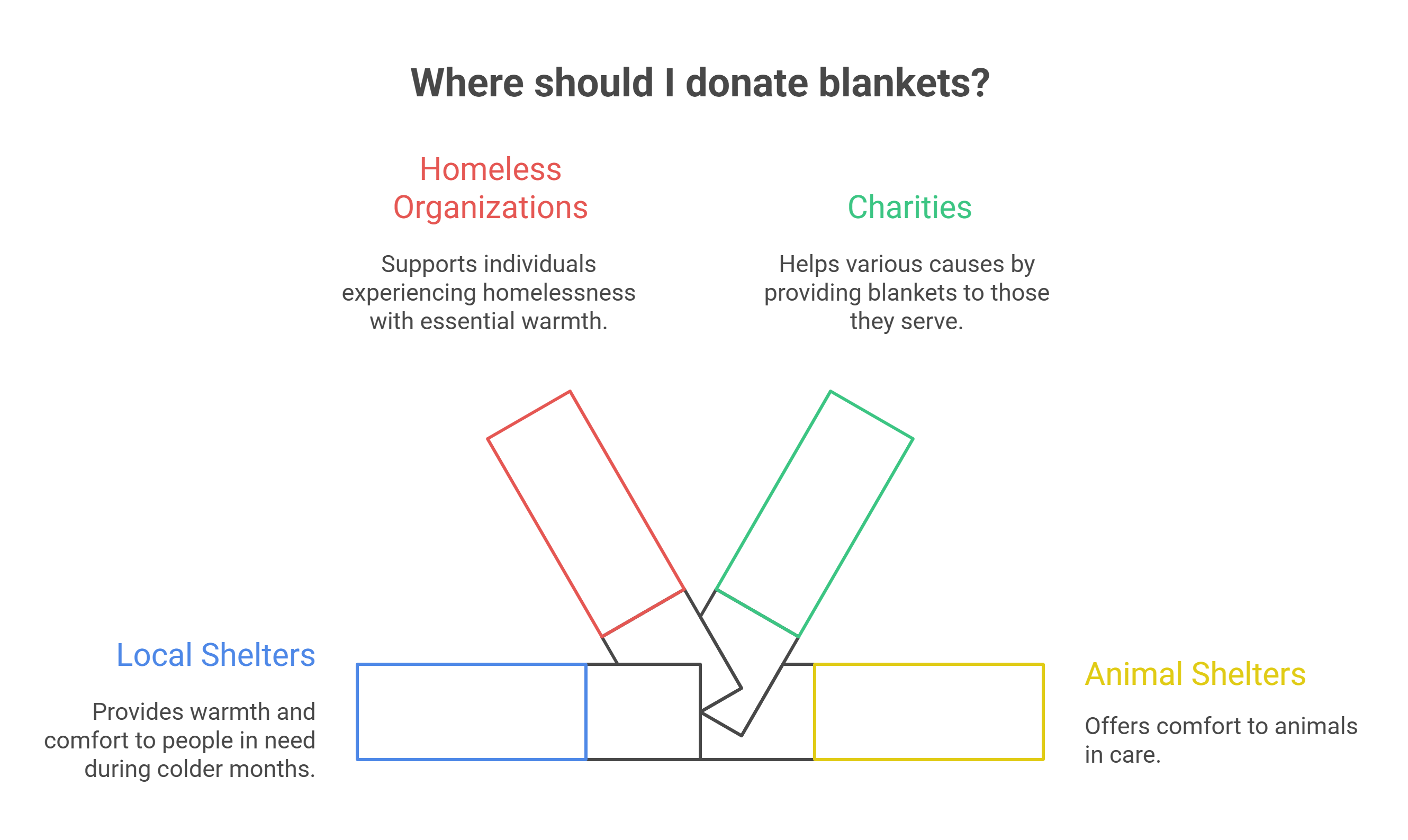
If you’re wondering where to donate blankets, there are several impactful options — from local homeless shelters and animal rescues to disaster relief organizations and hospitals. Donating blankets can bring warmth and comfort to those facing harsh conditions or emergencies.
Many charities also welcome new or unused items from fleece blankets wholesale and fleece blankets bulk suppliers, making large-scale donations even more practical. Whether it’s for people, pets, or victims of natural disasters, your blanket donation can make a life-changing difference.
Now let’s dive deeper.
The Power of a Simple Gesture
In a world where many struggle to meet even their basic needs, something as simple as a blanket can become a symbol of care and comfort. As temperatures drop and living costs rise, countless individuals and families find themselves without adequate warmth during the colder months. That’s why knowing where to donate blankets matters.
Blanket donations go far beyond providing physical warmth—they offer emotional comfort, dignity, and a sense of security. Whether you’re a business owner with extra stock, a community group organizing a drive, or an individual wanting to help, your contribution has immense value. In this guide, we’ll explore where to donate blankets, how to make the biggest impact, and the types of organizations that most need your support.
1. Homeless Shelters: The First Stop for Warmth
Homeless shelters are among the most common and important places to donate blankets. These facilities provide refuge for people who are living on the streets or temporarily displaced.
During winter, many shelters struggle to meet the demand for warm bedding. Donations of clean, gently used, or new blankets are always appreciated. You can reach out to your local shelter or city’s Department of Homeless Services to ask about current needs.
Many shelters prefer durable and easy-to-clean options, such as fleece blankets wholesale donations, because fleece is lightweight, warm, and machine-washable — ideal for frequent use in shared environments.
Examples of organizations:
The Salvation Army – Operates shelters and outreach programs nationwide.
Volunteers of America – Provides housing and support for individuals facing homelessness.
Local mission shelters – Small, community-based shelters often have the greatest need.
2. Domestic Violence Shelters: Offering Comfort During Crisis
Domestic violence shelters provide safe havens for individuals escaping abusive situations, often with little more than the clothes they’re wearing. Donating blankets to these shelters provides more than physical warmth—it offers emotional comfort and stability during one of the hardest transitions of a person’s life.
Before donating, call the shelter to confirm their policies. Some may only accept new blankets for hygienic reasons. Others may also welcome related items like bedding, towels, or personal care kits.
A soft, cozy blanket can go a long way in helping survivors feel safe and supported as they rebuild their lives.
3. Disaster Relief Organizations: Supporting Victims in Emergencies
Natural disasters—such as hurricanes, floods, and wildfires—often displace thousands of families within hours. Relief organizations like the American Red Cross, Team Rubicon, and Direct Relief rely heavily on donations to provide emergency supplies to affected communities.
Blankets are always in high demand during these crises. Donating through national or regional relief programs ensures your contributions are distributed quickly and efficiently to areas most in need.
If you’re part of a company or group with access to fleece blankets bulk supplies, partnering with these organizations can help send large quantities of warm, durable blankets directly to disaster zones.
4. Hospitals and Nursing Homes: Bringing Warmth to Patients
Hospitals, nursing homes, and assisted living centers often welcome blanket donations, especially for long-term patients and elderly residents. For those spending extended periods in care facilities, a soft blanket can add a personal touch of comfort to otherwise sterile environments.
Before donating, check with the administration. Most facilities require new blankets due to strict hygiene protocols, and they often prefer materials like fleece or cotton because they’re soft, lightweight, and easy to sanitize.
Consider creating custom “care bundles” that include a small note of encouragement — a heartfelt gesture that reminds patients they’re not alone.
5. Animal Shelters and Rescues: Comfort for Furry Friends
Blankets aren’t just for people. Animal shelters and rescue organizations constantly need soft materials to line cages, create comfortable bedding, and help nervous animals feel at ease.
Used blankets, towels, and linens are typically accepted as long as they’re clean and free from holes or loose threads. Fleece blankets are especially useful since they provide warmth without shedding fibers that could be ingested by animals.
Donating to your local animal rescue not only helps animals feel secure but also saves shelters money they can redirect toward food, medicine, and adoption programs.
6. Churches and Community Centers: Local Impact, Personal Touch
Many faith-based groups and community organizations run year-round or seasonal drives for clothing and blankets. Churches often partner with local charities, homeless shelters, and refugee centers to ensure donations reach those most in need.
The benefit of donating through these local channels is that your contributions directly impact your own community. It’s also a great way to involve friends, family, or coworkers in charitable giving.
Some centers even organize “blanket drop-off days,” where donors can meet volunteers and learn how their donations are being used.
7. Schools, Youth Groups, and Corporate Drives
Educational institutions and businesses often host blanket donation drives during the winter season. These drives are an excellent way to engage larger groups and multiply impact.
Schools can encourage students to bring new or gently used blankets, teaching them empathy and community responsibility. Companies can partner with fleece blankets wholesale suppliers to purchase items in bulk and distribute them through trusted charities or hospitals.
By collaborating with local nonprofits, these organized efforts can reach hundreds—sometimes thousands—of people in need within a single campaign.
8. International Organizations and Refugee Assistance Programs
If you’re looking to make a global impact, international aid organizations are another excellent option. Groups like UNICEF, CARE, and Refugees International provide blankets and survival gear to displaced families in war-torn or disaster-affected regions.
When donating internationally, it’s often best to send funds or coordinate with logistics partners rather than shipping physical goods yourself. However, if you’re working with manufacturers or have access to fleece blankets bulk distributions, some organizations can arrange direct supply chain delivery to refugee camps or emergency response centers.
9. Online and National Donation Platforms
In the digital age, donating doesn’t always require physical drop-offs. Several online platforms and charity directories help connect donors with verified organizations that accept blankets and other essentials.
Examples include:
Goodwill Donation Centers – Local drop-offs for textiles and household goods.
Charity Navigator – Helps you find legitimate charities near you.
One Warm Coat / Warm Up America! – Nonprofits that coordinate national blanket and clothing drives.
These services ensure your donations go to trustworthy organizations while simplifying logistics.
10. Preparing Your Blankets for Donation
Before donating, it’s important to ensure your items meet the receiving organization’s standards. Follow these simple guidelines:
Cleanliness: Wash all blankets thoroughly and fold them neatly.
Condition: Only donate items in good condition—no stains, rips, or pet hair.
Packaging: Use sealed bags or boxes to protect items during transit.
Labeling: If donating in bulk, label the contents and quantity for easier distribution.
If donating new items, include size or fabric details on the packaging (for instance, “Twin Fleece Blankets – 50 pcs”). Small touches like these make distribution faster and more organized.
11. The Ripple Effect of Blanket Donations
Your blanket donation can spark a ripple effect of kindness. Beyond offering warmth, it can inspire others in your circle to do the same. What begins as one person’s gesture can grow into a community-wide initiative that supports hundreds of people.
Final Thoughts
Moreover, bulk or corporate donations can make a lasting impact. Businesses sourcing from fleece blankets wholesale vendors can amplify their charitable reach while managing costs efficiently. Many suppliers even collaborate directly with nonprofits, offering discounted rates for donation purposes.
Donating blankets might seem like a small act, but for someone in need, it can mean everything. From homeless shelters to hospitals, from animal rescues to disaster zones, every blanket represents warmth, care, and humanity.
So the next time you find yourself asking where to donate blankets, remember that help is needed everywhere — locally and globally. Whether you donate one blanket or a thousand, your contribution matters.
If you’re organizing a larger drive or representing a business, consider sourcing from trusted fleece blankets wholesale or fleece blankets bulk suppliers to make your generosity go further. A simple act of giving warmth can brighten lives, strengthen communities, and remind us all that compassion never goes out of style.
The Importance of Donating Blankets
Blankets are more than just bedding; they represent warmth, security, and comfort. For someone experiencing homelessness, fleeing from domestic violence, or recovering from a disaster, a blanket can be one of the most valuable possessions. Unlike other donations, blankets serve a direct and immediate need. They help shield people from cold nights, offer emotional comfort, and even reduce health risks associated with prolonged exposure to low temperatures.
This makes blanket donations one of the most impactful yet often overlooked contributions you can make.
Understanding the Need
The demand for blankets is far greater than most realize. According to various social welfare organizations, thousands of people sleep outdoors every night in urban and rural areas alike. In emergency shelters, blankets are among the first items to run out. Hospitals, nursing homes, and refugee centers also rely heavily on donations to keep individuals safe and warm.
Additionally, animal shelters use donated blankets to line cages, provide bedding, and comfort rescued animals. The versatility of a single blanket highlights why knowing where to donate blankets can make a significant difference.
Where to Donate Blankets Locally?
If you’re wondering where to donate blankets?, start with your own community. Local options include:
Homeless Shelters: These organizations often operate at full capacity, especially in winter. A donated blanket may be the only warmth someone has during the night.
Churches and Community Centers: Many faith-based groups and nonprofits host clothing and blanket drives throughout the year.
Hospitals and Nursing Homes: These institutions may accept new blankets for patients, especially in pediatric and long-term care units.
Animal Shelters: Dogs and cats benefit greatly from soft, clean blankets that provide comfort and reduce stress.
These outlets ensure your contribution stays close to home, impacting neighbors and community members directly.
National and International Organizations
Beyond local efforts, many larger organizations accept blanket donations on a national or global scale:
Red Cross: Known for disaster relief, the Red Cross frequently distributes blankets to families displaced by fires, storms, or emergencies.
Salvation Army: This nonprofit has wide-reaching donation programs and ensures blankets reach individuals in shelters or low-income families.
Goodwill and Thrift Stores: While primarily resale-based, proceeds from donated items, including blankets, support job training and community development programs.
Project Linus: Specializing in handmade blankets, this group donates to children in hospitals, shelters, and foster care.
Donating to these organizations ensures your gift has a broader reach, extending comfort to people across regions and sometimes even internationally.
Tips for Donating Blankets
Before making a donation, there are a few important considerations:
Condition Matters: While many organizations accept gently used items, ensure blankets are clean, stain-free, and free of damage.
New vs. Used: Some institutions, like hospitals, may only accept new blankets for hygiene purposes. Always check guidelines.
Material Preferences: Fleece, cotton, and wool are often preferred because of their durability and warmth.
Contact First: A quick call or website check can confirm what an organization currently needs.
Consider Timing: Donations spike during the winter but are needed year-round, especially in disaster-prone areas.
Donating Through Blanket Drives
Seasonal blanket drives are a convenient way to give back. Schools, workplaces, and community groups frequently organize drives during the fall and winter months. These efforts make it easy to donate multiple blankets at once and often provide assurance that the donations will be delivered to trusted organizations.
Participating in a drive not only makes the donation process simple but also encourages a sense of collective community action.
Digital Age Donations: Buy and Ship
Thanks to online platforms, you can now donate blankets without leaving your home. Many nonprofits maintain wish lists on sites like Amazon, where you can purchase blankets and have them shipped directly to the organization. This method ensures the items are exactly what’s needed and saves time while still making an impact.
The Emotional Impact of Blanket Donations
Donating a blanket is not just a material act; it’s an emotional one. For someone in crisis, receiving a blanket signals care and dignity. It shows that people outside their immediate circle are willing to extend kindness. In many testimonials, recipients have expressed how much comfort a simple blanket gave them during their most difficult times.
This emotional connection is what transforms a piece of fabric into a meaningful gift of compassion.
Midway Reflection
At this point, you may already be identifying opportunities in your neighborhood or favorite charity. The question where to donate blankets? is not just about logistics—it’s about making a conscious choice to contribute warmth where it’s needed most. From homeless shelters to animal rescues, every donation tells someone they are seen, valued, and supported.
Encouraging Others to Join In
One blanket donation makes a difference, but a community effort multiplies the impact. Encourage friends, coworkers, and family to join in. You could organize a small blanket drive at work, involve your children in collecting donations, or promote local nonprofits on social media. The ripple effect of shared generosity can transform dozens—or even hundreds—of lives.
Final Thoughts
So, where to donate blankets?The options are many, from local shelters and hospitals to national organizations and international relief efforts. The key is to choose an outlet that aligns with your values and ensures your gift reaches those in need. Whether it’s a single blanket or a dozen, every donation adds warmth and comfort to someone’s life.
In a world where small gestures can create big impacts, giving a blanket is a reminder that compassion is timeless. Take the step today, and let your generosity wrap someone in warmth.
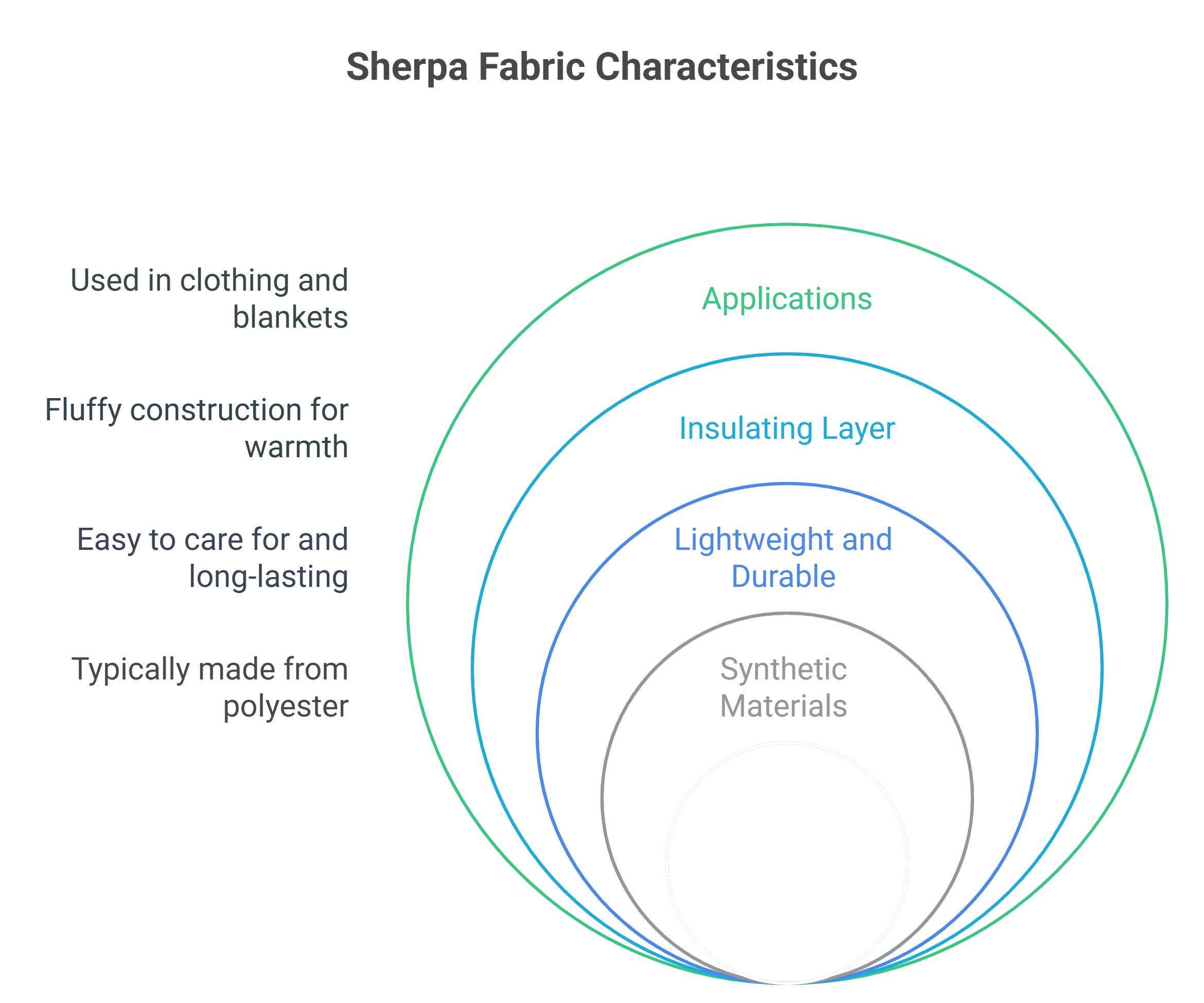
Sherpa is made from soft synthetic materials—primarily polyester—designed to mimic the warmth, texture, and coziness of real wool. Unlike traditional wool, sherpa fabric is lightweight, machine-washable, and hypoallergenic, making it a favorite for cozy apparel and home textiles.
When sourced through fleece blankets wholesale or fleece blankets bulk suppliers, sherpa offers unmatched comfort, durability, and affordability for businesses in the bedding, fashion, or gift industries. It’s the perfect combination of plush comfort and practical performance for both everyday use and luxury warmth.
Now let’s dive deeper.
The Cozy Allure of Sherpa Fabric
Few materials capture the essence of comfort quite like sherpa. Whether it’s a soft blanket draped over your couch or the inside lining of your favorite winter jacket, sherpa instantly conveys warmth, softness, and luxury. But despite its familiar texture, most people don’t realize what sherpa is actually made of—or why it has become one of the most popular materials in modern textile design.
The term “sherpa” comes from the famous Sherpa people of Nepal, known for their endurance and resilience in cold climates. The fabric is inspired by the warm, woolly clothing they traditionally wore, but with a modern, synthetic twist. Unlike real wool, sherpa fabric is crafted to be both cozy and practical, offering the same comforting warmth without the heaviness or maintenance challenges of natural fibers.
1. What Exactly Is Sherpa?
Sherpa fabric is a synthetic textile that replicates the luxurious softness of wool fleece. It’s typically made from 100% polyester, though sometimes it’s blended with other fibers like acrylic or cotton to adjust texture and breathability.
Sherpa fabric is characterized by two distinct sides:
The smooth knit side — resembling a soft suede or jersey surface.
The fluffy, textured side — which mimics the curly, cloud-like feel of sheep’s fleece.
This dual structure allows sherpa to be both visually appealing and functionally versatile—offering insulation and comfort without excessive weight. It’s a material engineered for modern lifestyles: easy to clean, quick to dry, and durable enough for repeated use.
2. How Sherpa Is Made: The Science Behind the Softness
To understand what sherpa is made of, it helps to explore how it’s constructed. The process begins with polyester fibers, a synthetic polymer derived from petroleum. These fibers are spun into fine threads and then knit or woven into a base fabric.
Once the base is formed, one side undergoes a special brushing or napping process, where tiny loops of the fabric are teased out and trimmed to create a high-pile, fluffy texture. The result is a soft, fleece-like layer that retains air pockets for insulation—this is what gives sherpa its signature warmth.
Some variations of sherpa are even made from recycled polyester, offering an eco-conscious alternative that doesn’t compromise on quality or comfort. Advances in textile manufacturing have also allowed for anti-pill finishes and moisture-wicking treatments, making modern sherpa fabrics more durable and functional than ever.
3. Sherpa vs. Fleece: What’s the Difference?
Many people use “sherpa” and “fleece” interchangeably, but they’re not identical. Fleece refers to a broader category of synthetic fabrics made for warmth, while sherpa is a specific type of fleece that mimics wool’s texture and feel.
Here’s how they differ:
Feature
Fleece
Sherpa
Texture
Smooth and uniform
Wool-like, fluffy, curly pile
Weight
Light to medium
Medium to heavy
Warmth
High
Very high
Best Use
Outerwear, blankets, linings
Lining, throws, decorative blankets
Both are made from similar materials, but sherpa provides a more luxurious, plush experience—which is why it’s commonly used in fleece blankets wholesale and retail products designed for comfort and style.
4. The Benefits of Sherpa Fabric
Sherpa’s popularity isn’t just about looks—it’s about performance. Here’s why it’s beloved by manufacturers and consumers alike:
a. Exceptional Warmth
The fluffy texture traps heat, keeping you warm without overheating. It’s ideal for cold-weather products like jackets, hoodies, and blankets.
b. Lightweight and Breathable
Despite its thickness, sherpa remains lightweight. Its air pockets enhance insulation while allowing airflow, maintaining comfort over long periods.
c. Easy Maintenance
Unlike natural wool, sherpa is machine-washable and dries quickly. Its synthetic composition prevents shrinking and fading, making it perfect for frequent use.
d. Hypoallergenic and Vegan-Friendly
Since it’s made from polyester, sherpa contains no animal fibers, making it hypoallergenic and cruelty-free—ideal for eco-conscious and vegan consumers.
e. Softness That Lasts
Sherpa doesn’t lose its softness over time. With proper care, its fibers retain their plushness, making it a long-lasting comfort material.
5. Common Uses of Sherpa Fabric
Sherpa is one of the most versatile textiles in the market. It’s widely used across industries for both functional and aesthetic purposes.
Blankets and Throws: Cozy sherpa blankets are a staple in homes, especially during winter. Many suppliers offer fleece blankets bulk for retailers and hospitality industries.
Jackets and Hoodies: Sherpa-lined outerwear provides warmth without adding bulk.
Home Décor: Pillows, chair covers, and even rugs feature sherpa textures to add a cozy ambiance.
Pet Products: Sherpa beds and mats keep pets warm and comfortable.
Baby Products: Its hypoallergenic softness makes it perfect for baby blankets and sleepwear.
6. Why Businesses Love Sherpa: The Wholesale Advantage
For businesses in home goods, hospitality, or retail, sherpa is more than just a soft material—it’s a high-value product. Purchasing fleece blankets wholesale allows businesses to meet customer demand for affordable, luxurious comfort without sacrificing quality.
Wholesale sherpa blankets come in various sizes, weights, and colors, making them ideal for hotels, hospitals, spas, and promotional merchandise. They are also a top choice for corporate gifting during the colder months.
Wholesale suppliers also ensure compliance with safety and quality standards, making sherpa blankets a reliable and profitable inventory choice.
7. Sustainability and Modern Innovations
Although sherpa originated as a petroleum-based fabric, manufacturers are now moving toward eco-friendly versions made from recycled polyester or sustainable blends. These innovations maintain the same softness and warmth while reducing environmental impact.
Some advanced sherpa materials even incorporate biodegradable fibers, moisture control features, and static reduction technology—ideal for high-performance apparel and luxury textiles alike.
For eco-conscious brands purchasing fleece blankets bulk, opting for recycled sherpa offers a balance between sustainability and consumer appeal.
8. Caring for Sherpa: Keeping It Soft and Fluffy
Proper care can make sherpa last for years. Here are a few professional maintenance tips:
Wash in cold water: Warm water can cause matting or reduce softness.
Use mild detergent: Avoid bleach or harsh chemicals that can damage fibers.
Air dry or tumble dry low: High heat can melt polyester fibers.
Brush gently after drying: Use a soft brush to restore the fluffy texture.
Following these steps helps maintain the plush feel that customers expect from premium sherpa and fleece products.
9. Sherpa in Modern Fashion and Interior Design
Sherpa isn’t limited to function—it’s also a design trend. Its luxurious texture has become a statement in modern minimalism, where tactile comfort meets aesthetic simplicity. Designers use sherpa for cozy-chic home interiors, layered winter fashion, and premium accessories.
In Detroit, Cleveland, and other northern cities, sherpa throws and jackets are must-have items during colder months—both for comfort and for style. The rising popularity of fleece blankets wholesale collections reflects this growing demand for warmth with elegance.
Final Thoughts
So, what is sherpa made of? The answer lies in its carefully engineered blend of polyester fibers, crafted to deliver warmth, softness, and durability. Whether you’re curling up with a sherpa blanket or donning a sherpa-lined jacket, you’re experiencing the comfort of modern textile innovation.
For businesses, sourcing fleece blankets wholesale or fleece blankets bulk provides a strategic advantage—offering customers premium-quality products that balance affordability with luxury. Sherpa is more than just a cozy fabric; it’s a symbol of comfort, craftsmanship, and sustainability in today’s textile world.
Quick Answer: How Many Yards of Fabric Do I Need for a Tie Blanket?
If you’re wondering how many yards of fabric you need for a tie blanket, the answer depends on the size of the blanket you want to make. For a standard adult-size tie blanket, you’ll typically need two pieces of fleece fabric—each 2 yards long.
For a child-size blanket, 1.5 yards per piece is usually enough, while a larger bed-size blanket may require 2.5 to 3 yards per piece. Remember, both layers are essential for that cozy, double-sided warmth and soft, knotted edge finish.
Now let’s dive deeper.
The Cozy Craft That Everyone Loves
Few DIY projects are as rewarding—or as simple—as making a tie blanket. These soft, warm, and no-sew blankets have become a favorite among crafters, families, and even charities. Whether you’re creating one as a personal keepsake, a gift, or a donation, the process is fun, relaxing, and customizable.
But before you start cutting and tying, the first big question arises: How many yards of fabric do you actually need for a tie blanket?
Choosing the right amount of fleece ensures you don’t run short halfway through or waste money buying too much. The answer depends on several factors—like who the blanket is for, the fabric width, and how big you want the finished piece to be.
1. Understanding What a Tie Blanket Is
A tie blanket is made from two layers of fleece fabric—usually coordinating or contrasting colors. The edges are cut into strips and tied together to form knots, securing the two pieces without sewing. The result is a soft, double-layered blanket with a decorative fringe.
Because fleece doesn’t fray, there’s no need for hemming or sewing. This makes tie blankets perfect for beginners, families with kids, or anyone who wants to create something cozy without a sewing machine.
2. Fabric Yardage for Different Blanket Sizes
When calculating how many yards of fleece you need, it’s essential to consider the intended size of the blanket. Here’s a quick guide to common sizes and yardage:
Blanket Type
Approximate Dimensions
Fabric Needed (per layer)
Baby Blanket
36 x 36 inches
1 yard
Child Blanket
48 x 60 inches
1.5 yards
Teen/Throw Blanket
50 x 70 inches
2 yards
Adult Blanket
60 x 72 inches
2 yards
Queen Bed Blanket
90 x 90 inches
2.5–3 yards
King Bed Blanket
108 x 90 inches
3 yards
Remember that you need two layers—so for an adult blanket, you’ll need 4 yards total (2 yards per layer).
If you’re unsure, it’s better to buy an extra half yard for each layer, especially if your fleece has uneven edges or a printed pattern you want to align perfectly.
3. The Role of Fabric Width
Most fleece fabrics come in 58 to 60 inches wide, which is ideal for most blanket sizes. However, always check the width before cutting—some specialty fleece fabrics may be narrower or wider.
If you’re planning a very large blanket, the width becomes a limiting factor. For instance, if your fleece is only 54 inches wide, your blanket will naturally be shorter unless you add additional panels (which isn’t typical for tie blankets).
4. Choosing the Right Type of Fleece
There are different types of fleece to consider when shopping for fabric:
Anti-pill fleece: The most popular choice—it resists fuzzing and looks smooth after multiple washes.
Blizzard fleece: A bit heavier and warmer, perfect for colder climates.
Microfleece: Lightweight and softer but not as thick.
Printed fleece: Adds character and fun patterns—great for kids or themed gifts.
Make sure both layers are similar in texture and stretch so that tying the edges feels uniform.
5. Preparing Your Fabric
Before you start cutting, lay both pieces of fleece flat on top of each other, right sides facing out. Trim off any uneven edges or manufacturer’s labels. You’ll also need to cut out small squares (about 4 x 4 inches) from each corner to make tying easier and neater.
Use a ruler or cutting mat to ensure consistent fringe width. Most people prefer cutting 1-inch-wide strips about 4 inches long along all four sides.
6. How to Make a Tie Blanket (Step-by-Step)?
Here’s a simple process to follow once you’ve got your fabric ready:
Lay the fleece layers: Place one on top of the other, aligning the edges.
Trim and square the fabric: Make sure both layers are the same size.
Cut corner squares: Remove 4-inch squares from each corner.
Cut fringe strips: Around the entire edge, cut 1-inch-wide, 4-inch-deep strips.
Tie the knots: Tie each top and bottom strip together in a double knot. Continue around the blanket.
Once done, your blanket will have a beautiful, knotted edge and double the warmth.
7. Creative Ideas for Custom Tie Blankets
Tie blankets are as versatile as your imagination. You can mix and match colors, patterns, or textures to create something truly unique. A few creative combinations include:
Sports themes: Team logos on one side and solid colors on the other.
Seasonal patterns: Snowflakes for winter, florals for spring.
Charity drives: Hospitals and shelters often welcome fleece tie blanket donations.
Personalized gifts: Add an embroidered name tag or patch before tying.
Whether for decor or comfort, these blankets bring warmth and personality to any space.
8. Tips for Buying Fleece Fabric Efficiently
Buying fleece can get expensive if you’re making multiple blankets. To save costs:
Watch for seasonal sales: Craft stores and online retailers often run discounts during winter months.
Buy in larger quantities: Ordering fleece blankets wholesale can significantly reduce your cost per yard. Many suppliers offer discounted pricing for bulk purchases, which is ideal for schools, charities, or crafting groups.
Mix solid and patterned fleece: Using a solid color for one layer and a pattern for the other can balance cost and style beautifully.
If you’re planning to make several tie blankets—for gifts, business, or donations—consider sourcing fleece blankets bulk. Wholesale suppliers often provide consistent fabric quality at lower prices, making it easy to create cozy and affordable blankets without compromising on comfort.
9. Common Mistakes to Avoid
Even a simple project like this can have pitfalls. Here are a few mistakes to steer clear of:
Uneven cutting: This leads to mismatched fringe lengths and crooked edges.
Not aligning patterns: If you’re using printed fleece, ensure designs are centered before cutting.
Tying knots too tight: Overly tight knots can warp the blanket edges.
Using mismatched fleece weights: Heavy and light fleece together can feel uneven and twist after washing.
Take your time with the cutting and tying steps—precision makes the final product look professional and polished.
10. Maintaining and Caring for Your Tie Blanket
Fleece is low-maintenance, but caring for it properly ensures longevity:
Machine wash cold on gentle cycle.
Avoid fabric softeners, as they can reduce fleece softness over time.
Tumble dry low or air dry for best results.
Do not iron, since fleece can melt under high heat.
When cared for properly, your blanket will remain plush and cozy for years to come.
Final Thoughts
Making a tie blanket is more than just a weekend craft—it’s a creative way to express care, warmth, and comfort. Knowing how many yards of fabric you need for a tie blanket ensures your project turns out perfectly sized and professionally finished.
For most adults, two 2-yard pieces of fleece work beautifully, while smaller blankets can be adjusted accordingly. And if you’re planning multiple projects or group activities, sourcing fleece blankets wholesale or fleece blankets bulk can help you save money while keeping the quality high.
With a bit of planning, precision, and creativity, you’ll have a soft, stylish blanket that keeps you (or someone special) warm for many cozy seasons ahead.
Wondering how much fabric for a tie blanket you’ll need? Typically, you’ll need two equal-sized pieces of fleece fabric, each measuring between 1.5 to 2 yards for a standard throw-sized blanket.
For a single-size blanket, go for 2 yards; for a larger one, like a queen or king, you might need up to 3 yards per layer. If you’re buying in bulk for crafting, schools, or resale, sourcing fleece blankets wholesale ensures consistent quality, matching colors, and significant savings per yard for every project.
Now let’s dive deeper.
The Popularity of DIY Tie Blankets
Few crafts are as warm—literally and figuratively—as making your own tie blanket. These no-sew fleece blankets have become a favorite among crafters, parents, students, and gift-givers alike. They’re cozy, affordable, and simple to make—requiring nothing more than scissors, two pieces of fleece, and a bit of time.
However, one of the first questions people ask before starting this project is: How much fabric do I need for a tie blanket? Getting the right amount is crucial. Too little, and you’ll end up with a skimpy blanket; too much, and you waste material. In this detailed guide, we’ll walk you through everything you need to know—fabric sizes, fleece types, yardage charts, and even tips for buying fleece blankets wholesale to save money.
Understanding the Basics of a Tie Blanket
A tie blanket is typically made using two layers of fleece fabric—one for the top and one for the bottom. These layers are laid on top of each other, the edges are cut into strips, and each strip is tied together in knots, creating a fringed edge. The result? A soft, double-layered, no-sew blanket perfect for snuggling, gifting, or donating.
Fleece is the go-to fabric because it’s warm, lightweight, doesn’t fray, and comes in an endless variety of patterns and colors. If you’re working on multiple blankets, consider getting fleece blankets wholesale for uniform quality and better pricing.
How Much Fabric for a Tie Blanket?
The amount of fabric you need depends on the size of the blanket you’re making. Here’s a general guideline:
Blanket Type
Size (inches)
Fabric Needed (per layer)
Baby Blanket
30″ x 36″
1 yard
Child Blanket
40″ x 50″
1.5 yards
Teen / Throw Blanket
50″ x 60″
2 yards
Twin Bed
66″ x 90″
2.5 yards
Full / Queen Bed
90″ x 90″
3 yards
King Bed
108″ x 90″
3.5 yards
Important Note: You’ll need two pieces of fabric—one for the front and one for the back—of the same size.
So, if you’re making a standard throw (50″ x 60″), buy 2 yards of each fleece pattern (4 yards total). If you’re using fleece blankets wholesale, you can cut pre-sized blankets directly, skipping yard measurement entirely.
How to Measure Fabric for Tie Blankets?
Choose Your Size: Decide who the blanket is for—a baby, child, or adult.
Add Extra for Fringe: Each side of your blanket will lose about 4–5 inches during the cutting and tying process. Always buy slightly more than the final size you want.
Cut Evenly: Align both layers perfectly and trim any selvage edges before you begin tying.
Mark Cutting Zones: Use a ruler and fabric chalk to mark where your fringe cuts will go (usually 5 inches long and 1 inch wide).
Buying fleece blankets wholesale can simplify this process because most wholesale fleece comes pre-cut, uniform, and ready for tying—saving both time and material waste.
Choosing the Right Fleece Fabric
Not all fleece is created equal. When selecting fabric for your tie blanket, consider the following types:
1. Anti-Pill Fleece
This type maintains its smooth texture even after multiple washes. It’s perfect for everyday blankets that will see frequent use.
2. Blizzard Fleece
A denser and warmer fleece, ideal for colder climates or winter blankets.
3. Microfleece
Thin and lightweight, suitable for travel blankets or summer throws.
4. Plush or Sherpa Fleece
Offers an ultra-soft, luxurious feel—perfect for gifts or premium blankets.
If you’re crafting multiple tie blankets—for charity drives, classrooms, or resale—fleece blankets wholesale give you access to all these varieties at better rates. Many suppliers offer custom colors and prints when ordering in bulk.
Design Ideas and Color Combinations
Making a tie blanket isn’t just functional—it’s a creative experience! Here are some fun design tips:
Pattern + Solid: Combine a bold pattern (like stars or paw prints) with a solid color that complements it.
Team Spirit Blanket: Use your favorite sports team colors for a spirited look.
Holiday Themes: Reds and greens for Christmas, orange and black for Halloween, or pastels for Easter.
Personalized Touch: Add an embroidered patch or initials before tying the layers together.
When buying fleece blankets wholesale, you can often order in mixed-color packs—making it easier to experiment with design combinations for family, events, or business promotions.
Step-by-Step Guide: Making a Tie Blanket
Materials Needed:
2 pieces of fleece (same size)
Sharp fabric scissors or rotary cutter
Ruler or measuring tape
Fabric chalk or marker
Steps:
Lay Out the Fabric: Place the two fleece pieces on a flat surface, one on top of the other, right sides facing out.
Trim Edges: Cut off any uneven edges or manufacturer labels.
Cut Corners: Remove a 5×5 inch square from each corner to create space for the fringe.
Create Fringe Strips: Cut 5-inch-deep strips along all four sides, each about 1 inch wide.
Tie the Knots: Tie each pair of top and bottom fringe strips into double knots.
Smooth the Surface: Once finished, shake out your blanket and enjoy your cozy new creation!
It usually takes about 1 to 2 hours to make a standard throw-size tie blanket, depending on your cutting speed and attention to detail.
Why Buy Fleece Blankets Wholesale?
If you plan to make several tie blankets—whether for gifting, resale, or donation—buying fleece blankets wholesale offers clear advantages:
Cost Efficiency: Wholesale prices are significantly lower per yard or per piece.
Bulk Availability: Get multiple colors and patterns in one order.
Consistent Quality: Wholesale lots are often cut from the same production batch, ensuring color and texture consistency.
Customization Options: Many suppliers offer logo printing or branded tags, ideal for schools, fundraisers, or retail use.
Time Savings: Pre-sized fleece throws can save you cutting time, letting you start tying immediately.
For small businesses, craft shops, or Etsy sellers, sourcing fleece in bulk allows for better margins and faster turnaround. Whether you’re running a winter fundraiser or a handmade gift shop, the savings can quickly add up.
Common Mistakes to Avoid
Even though tie blankets are simple to make, beginners often make these errors:
Buying Too Little Fabric: Always account for the fringe area. If unsure, round up your measurements.
Using Mismatched Fabrics: Ensure both fleece layers are the same type and weight for an even finish.
Cutting Uneven Strips: Use a ruler for consistency to avoid awkward ties.
Overtightening Knots: Tying too tightly can distort the blanket’s shape. Keep knots firm but flexible.
Caring for Your Fleece Tie Blanket
To keep your blanket soft and long-lasting:
Machine wash in cold water.
Use a gentle cycle with mild detergent.
Avoid bleach and high heat drying.
Tumble dry on low or air dry for best results.
If you’re gifting or selling your creations, include a small care tag—it’s a thoughtful touch that adds professionalism.
Final Thoughts
Making a tie blanket is one of the simplest and most rewarding DIY projects out there. It combines creativity, practicality, and comfort all in one cozy package. The key to getting it right lies in choosing quality fleece and measuring correctly.
If you’re making more than one, consider sourcing fleece blankets wholesale to save time and money while ensuring consistent results. Whether it’s for family, charity, or business, your handmade tie blankets will bring warmth and joy to every occasion.
So grab your scissors, pick your favorite colors, and start tying—because comfort, creativity, and craftsmanship are only a few knots away.

 Peachfurblog | Wholesale & Bulk Blankets