Archive | fleece blankets wholesale RSS feed for this section

How Much Fleece for a No-Sew Blanket?

24 Dec

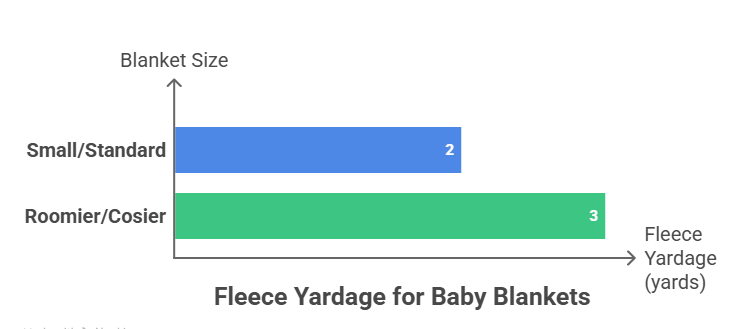
Wondering how much fleece for a no-sew blanket you need? Then here is the sum: you are bound to need 2 pieces of fleece, each with a length anywhere in the range from 1 to 3 yards, a simple explanation greatly depending on the size of the blanket you want to make. Smaller blankets require less fabric, while larger throws or bed-size blankets need a great deal more. The only rule that really matters is that both pieces of fleece are of the identical measurements, and then can be contended to clean edges easily.

Now let’s slow things down and walk through it properly—without overcomplicating things.

Fleece blankets without sewing are so special. They are warm, soft, and highly forgiving. There is no requirement for a sewing machine, sewing skill, or the fact that it all goes awry if the cut is not perfectly straight. That is why they are a hit during holidays, school projects, charity drives, and family craft nights.

The first one I created still sticks out clearly in my memory, and although I thought it was really something I could have completed during an afternoon and in essence was pretty close to finishing by the time the kettle was ready to boil water, the very essence of the no-sew blanket epitomises that whole essence. You are relaxed and comfortable in putting that sense of “Well, I made this!” in with an unforgettable and fleeting moment.

What Exactly Is a No-Sew Fleece Blanket?

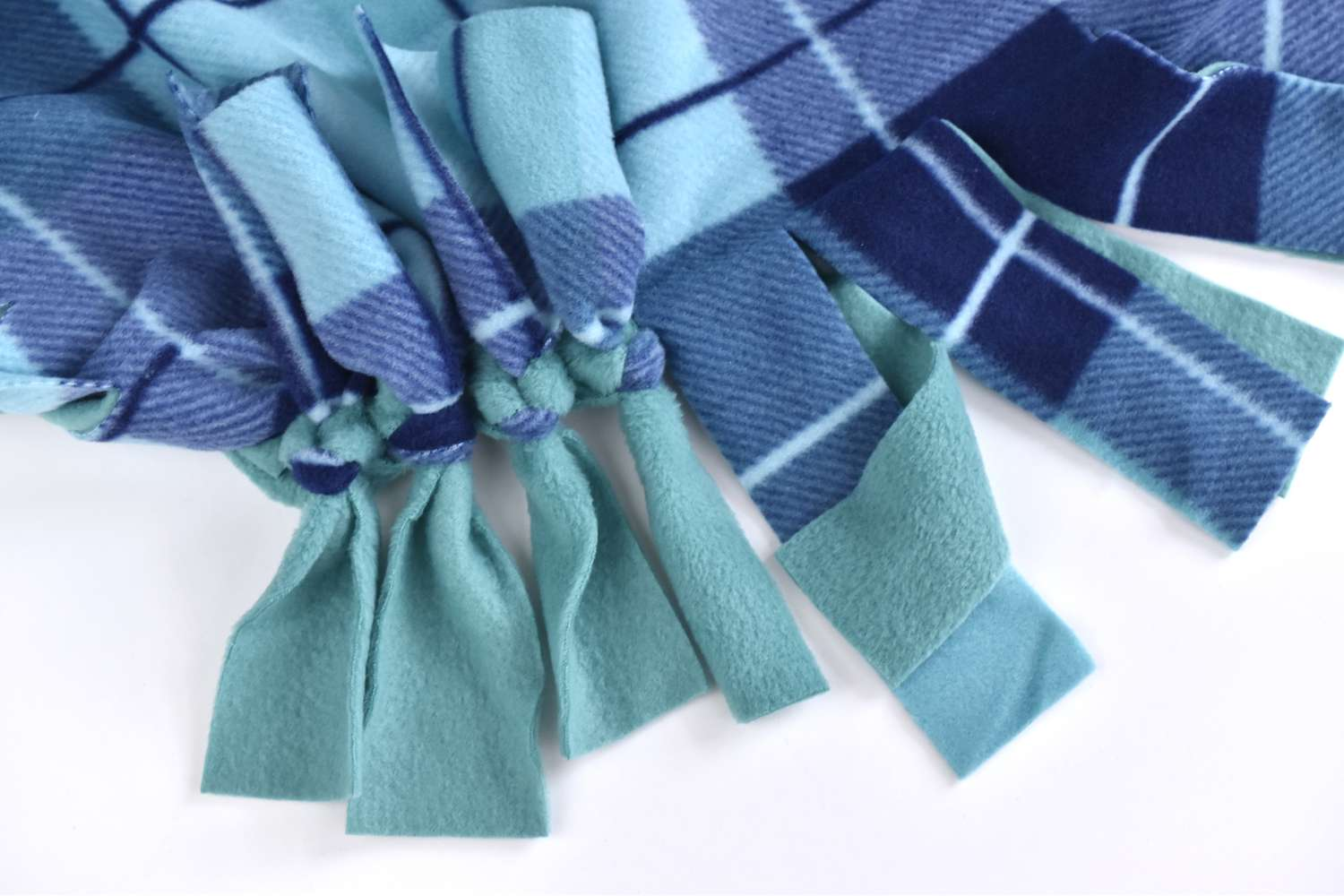
Arrange your two fleece fabrics upon configuration with parallels engaged; perpendicularly bisect every short edge of each layer, side them together with matching sides along the fringes, forget about thread, needle, or any such seaming.

Fleece is great for the creation of blankets, as it does not fray and, therefore, preserves the edges’ neatness when cut – especially for this specific type of project. The knotted edge is not untidy but makes an aesthetically clean finish and holds the layers together, if only for a while.

Why You Always Need Two Pieces of Fleece

One of the biggest mistakes beginners often make is buying just one piece of fleece as they make a no-sew blanket that must have two layers to not only be warm but also stay steady. A tie-up of fringes created by the two layers will make the blanket lie flat and hold.

Think of it like a sandwich. One slice of bread works, but two slices make it complete—and far more satisfying.

How Much Fleece for a No-Sew Blanket Depends on Size

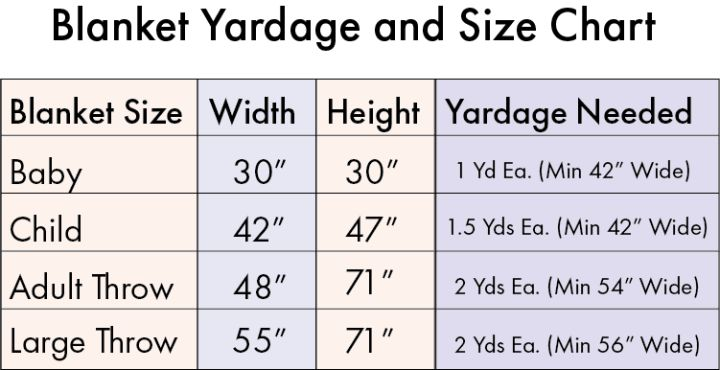
This is where most people pause in the aisle of the fabric store, looking intensely at that bolt of modulus and doing the math of bits. The amount of fleece that you need depends on who the blanket is for and how large you want to make it.

One yard of fabric might be just the right size for a baby or lap throw. Lightweight and easy to handle, such throws are great for gifting.

For a throw or a baby blanket, a yard and a half of this fabric would be perfect. This makes the perfect size for reading corners, movie nights, or just curling on the couch.

An adult or teenager throw blanket requires around 2 yards of fleece per side. This size, due to its large enough dimension, can comfortably cover a user without being dragged over the floor.

Generally, 2.5 – 3 yards a piece would suffice for a twin-sized blanket, depending on the amount by which it is supposed to hang. This size is suitable for a bed or a person who loves huge frames.

When asked how many yards are required for a no-sew blanket, the answer differs as per the size of the stargaze fleece blanket that you are going to make. Two pieces in matching colours are mandatory for each.

Fabric Width Matters More Than You Think

Fleece fabric generally comes in a comfortable width, so fretting over width is not an issue. This is wonderful because it makes things simple; a tie blanket will turn out just fine as long as both fleece pieces have been cut to the same length.

Thus, the key is consistency, because if one were to be a little longer or shorter than the other, it will show in the way the knots are tied not a nice discovery at the crest of a finished project.

Preparing the Fleece Before You Start

Before cutting fringe, trim away the finished edges of the fleece; these edges are a little stiffer and will tangle with your ties. Lay the two pieces flat, align them carefully, and remove any wrinkles.

Realising the far-too-limited area of the living room floor is almost simultaneous to the commencement of setting up the space. Setting up a big room becomes less agonising in that process.

The Why You Cut Corners and Fringe

To create clean edges, you’ll cut small squares out of each corner of the blanket before making fringe cuts along the sides. This allows the fringe to tie smoothly around the corners without bunching.

The fringe itself doesn’t require precision. As long as the strips are roughly even, the finished blanket will still look great. This is one of those projects where “close enough” really is close enough.

Common Mistakes That Lead to Buying the Wrong Amount of Fleece

Apparently, another way to overshoot is to make a larger blanket than what you planned with a single piece of fabric. A blanket may shrink in perceived physical size when draped over another study table; try having someone with broader shoulders drape the blanket to see if it looks as wide as they visualised.

So you are crafting a gift or working on a project like blanket-making, with ideas for buying larger pieces of fleece than may actually be necessary to keep your focus in peace at all times. Scrap fleece can never end up going to waste; it could turn into pet blankets, scarves, or further projects.

Final Thoughts on Making a No-Sew Fleece Blanket

Making a no-sew fleece blanket is quite possibly the simplest and most rewarding DIY project. What began as conjecture — this would be impossible — stands confirmed. We specialise in fleece products of the highest standard, providing an additional possibility to those who are considering trusting us for wholesaling fleece blankets.

We have roughly decades of experience working exclusively in fleece, thus rendering premium quality, non-pilling blankets on a large scale, with either bulk blankets for personal projects or merchant supplies to organisations for events or charity. For countless no-sew blankets in the near future, or to be confident of consistent, reliable, high-quality bulk fleece, we make comfortable solutions convenient and available.

What Is a Fleece Sweatshirt?

7 Nov

Quick Answer: What Is a Fleece Sweatshirt?

A fleece sweatshirt is a soft, warm, and lightweight pullover or zip-up garment made from synthetic fleece — a fabric known for its insulating and breathable properties. It’s designed to trap body heat while keeping moisture away, making it perfect for chilly days or outdoor activities.

Interestingly, fleece sweatshirts share the same cozy material used in fleece blankets wholesale and fleece blankets bulk production, offering unmatched warmth and comfort at an affordable price. They’re versatile, durable, and an eco-friendly alternative to wool.

Now let’s dive deeper.

1. The Origin of Fleece: From Wool Substitute to Everyday Essential

Fleece as a fabric was developed in the late 1970s by Malden Mills (now known as Polartec). The goal was to create a lightweight, warm, and washable alternative to wool — something that could insulate without the itchiness or heaviness. The result was polar fleece, a soft synthetic fabric made primarily from polyester fibers.

It quickly became a hit in outdoor apparel, especially for hikers, campers, and athletes. Soon, fleece expanded beyond jackets and outdoor wear into household textiles, including fleece blankets wholesale and fleece blankets bulk products that today dominate the comfort market.

2. What Makes a Fleece Sweatshirt Unique?

A fleece sweatshirt is not just any pullover — it’s a combination of advanced fabric engineering and comfort-driven design. Here’s what makes it stand out:

  • Lightweight Warmth: Despite its minimal weight, fleece traps body heat efficiently due to its soft pile structure.
  • Breathability: The synthetic fibers allow moisture to escape, preventing overheating during activity.
  • Soft Texture: The plush surface of fleece gives that signature “cozy” feeling.
  • Quick-Drying: Unlike cotton, fleece dries rapidly, making it ideal for travel and outdoor use.
  • Easy Maintenance: Machine washable and durable, fleece sweatshirts maintain their shape and softness for years.

In short, it’s a modern comfort essential designed for both function and fashion.

3. The Connection Between Fleece Sweatshirts and Fleece Blankets

Fleece sweatshirts and fleece blankets wholesale products share the same foundational material — polyester fleece. The only difference lies in thickness, finish, and intended use.

  • Fleece Sweatshirts: Usually made from medium-weight fleece, often with brushed interiors for extra softness.
  • Fleece Blankets: Typically use heavier, double-sided fleece for maximum warmth and coverage.

This overlap makes fleece a remarkably versatile textile. Many manufacturers that produce fleece blankets bulk also supply fabric for clothing brands, keeping production efficient and sustainable.

Moreover, the same warmth you feel wrapped in a fleece blanket is what you experience when wearing a high-quality fleece sweatshirt — cozy, insulating, and gentle on the skin.

4. Types of Fleece Used in Sweatshirts

Fleece comes in several variations, each suited for different needs. Here are the most common types:

a. Microfleece

  • Thin, soft, and lightweight
  • Great for layering or activewear
  • Highly breathable and quick-drying

b. Midweight Fleece

  • The standard for most sweatshirts
  • Balances warmth and flexibility
  • Suitable for everyday use and mild winters

c. Heavyweight Fleece

  • Thicker and denser for extreme cold
  • Used in premium sweatshirts and outerwear
  • Offers maximum insulation

The same categorization applies to fleece blankets bulk materials, where thickness determines warmth level and price point.

5. Why Choose Fleece Over Cotton or Wool?

While cotton sweatshirts are soft and breathable, they tend to absorb moisture, becoming heavy and cold when wet. Wool, on the other hand, provides great insulation but can be itchy and requires careful maintenance.

Fleece bridges the gap perfectly — it’s lightweight, smooth, and moisture-resistant. In addition, fleece is often made from recycled plastic bottles, making it a sustainable choice when produced responsibly. Many fleece blankets wholesale manufacturers now focus on eco-friendly production, turning waste materials into comfort products.

This combination of comfort, performance, and sustainability explains why fleece remains a preferred fabric for both clothing and blankets.

6. Styling the Fleece Sweatshirt: Comfort Meets Versatility

Fleece sweatshirts have evolved beyond their outdoor roots to become a mainstream fashion staple. Whether for casual wear, athleisure, or layering in cold weather, they offer endless styling possibilities:

  • Athletic Look: Pair with joggers and sneakers for an effortless sporty vibe.
  • Layered Look: Combine with a denim or leather jacket for extra style points.
  • Home Comfort: Perfect for lounging, reading, or working from home.
  • Outdoor Adventure: Ideal for hiking or camping, thanks to their warmth-to-weight ratio.

The adaptability of fleece makes it a year-round favorite — cozy enough for winter yet breathable enough for cool evenings in spring or autumn.

7. The Environmental Angle: Sustainable Fleece Matters

Traditional fleece production relies heavily on petroleum-based polyester, which has raised environmental concerns. However, advancements in textile technology are changing that.

Many modern fleece sweatshirts and fleece blankets bulk suppliers now use recycled PET polyester sourced from discarded plastic bottles. This reduces landfill waste and minimizes the demand for virgin materials.

Some brands even combine natural fibers like bamboo or organic cotton with synthetic fleece to create hybrid eco-friendly fabrics.

If you’re shopping wholesale, look for certifications like Global Recycled Standard (GRS) or OEKO-TEX to ensure the fleece material meets environmental and safety standards.

8. How to Care for a Fleece Sweatshirt?

To preserve the softness and durability of your fleece sweatshirt, proper care is essential. Here’s how to keep it in top shape:

  1. Wash Cold: Use cold or lukewarm water with mild detergent.
  2. Avoid Fabric Softeners: They can clog the fleece fibers and reduce breathability.
  3. Air Dry When Possible: High heat can damage the texture; tumble dry on low if necessary.
  4. Avoid Ironing: The synthetic fibers may melt under high heat.
  5. No Bleach: It can weaken fibers and discolor the material.

The same care tips apply to fleece blankets wholesale products, ensuring they stay fluffy and long-lasting.

9. Fleece in the Modern Market: Beyond Clothing

Fleece has gone far beyond the fashion industry. Today, you’ll find it in home décor, pet accessories, baby products, and even automotive linings. The fleece blankets bulk market, in particular, continues to grow rapidly due to high demand from hospitality, gifting, and promotional sectors.

For brands and retailers, this crossover between fashion and home textiles opens up new opportunities. By sourcing fleece responsibly and marketing its comfort-driven value, businesses can tap into a sustainable, year-round market.

Final Thoughts

A fleece sweatshirt is more than just a warm pullover — it’s a blend of science, style, and sustainability. Its unique composition, derived from the same fabric used in fleece blankets wholesale manufacturing, offers unmatched comfort and versatility.

Whether you’re curling up on the couch, heading outdoors, or layering for work, the fleece sweatshirt remains a timeless favorite. And as innovations in fleece blankets bulk and apparel production continue to prioritize eco-friendly practices, fleece will likely remain at the forefront of modern comfort wear.

How Wide Is Extra Wide Fabric?

7 Nov

Quick Answer: How Wide Is Extra Wide Fabric?

When it comes to textiles, extra wide fabric typically refers to any material that measures more than 54 inches in width, with common options extending from 58 to 120 inches depending on its intended use. In the world of fleece blankets wholesale and fleece blankets bulk manufacturing, extra wide fabric plays a vital role — allowing large, seamless cuts for blanket production, bedding, upholstery, and crafts.

Wider fabric reduces seams, saves time in production, and provides better aesthetic appeal. So, when choosing extra wide fabric, the key is to balance practicality, softness, and quality for your project’s specific needs.

Now let’s dive deeper.

1. Understanding Fabric Width: The Basics

Fabric width refers to the measurement of material from one selvage (finished edge) to the other. Standard fabrics are typically available in widths between 44 and 60 inches, depending on the type. However, when you cross the 60-inch mark, you’re entering the extra wide fabric category.

Here’s a quick breakdown:

  • Standard width: 44–45 inches (common for cottons and quilting fabric)
  • Medium width: 54–58 inches (often used for upholstery and apparel)
  • Extra wide: 60 inches and above — with certain specialty fabrics going up to 120 inches

For manufacturers producing fleece blankets bulk, extra wide fabric is an advantage because it allows the creation of large, seamless blankets or bedding pieces without joining multiple panels.

2. Why Fabric Width Matters in Production?

The width of a fabric affects multiple aspects of production — from cutting layouts and material usage to the overall visual appeal of your final product. In industries like home textiles, the right width can mean the difference between an efficient production run and costly fabric waste.

Here’s why width plays a critical role:

  • Efficiency: Wider fabrics reduce the number of seams, saving both labor and materials.
  • Aesthetic Quality: Fewer seams make the product look cleaner and more professional.
  • Cost Savings: Less joining and cutting mean faster turnaround and lower production costs.
  • Design Flexibility: Extra wide fabric accommodates large-scale prints or continuous patterns without interruption.

For fleece blankets wholesale, extra wide fleece ensures consistent texture and warmth across each piece, making it ideal for large throws, queen or king-sized blankets, or promotional giveaway items.

3. What Qualifies as Extra Wide Fabric?

While the exact measurement of “extra wide” may vary slightly by industry, fabrics are typically considered extra wide when they measure above 60 inches. For home décor and bedding applications, you’ll often find widths such as:

  • 90 inches
  • 108 inches
  • 120 inches

These wider widths are especially common for:

  • Bedding and blankets (perfect for fleece blankets bulk production)
  • Curtains and drapery
  • Upholstery and event backdrops
  • Theatrical or decorative fabric needs

When shopping for fleece blankets wholesale, suppliers often list the fabric width in their product specifications, so always check whether it meets your design or production requirements.

4. The Role of Fabric Width in Fleece Blanket Production

Fleece is one of the most versatile and popular fabrics on the market. Known for its softness, warmth, and durability, it’s widely used in crafting, apparel, and home décor. But one of the biggest benefits of fleece is its availability in extra wide widths, which makes it perfect for blanket manufacturing.

Let’s explore why:

A. Seamless Production

When using standard-width fabric, large blankets often require stitching two or more pieces together. With extra wide fleece, manufacturers can cut a full-size blanket from a single panel — creating a cleaner look and a softer finish.

B. Cost-Effective for Bulk Orders

For businesses that purchase fleece blankets bulk, extra wide fabric minimizes material waste and reduces sewing time. Wholesale suppliers often offer discounts on rolls of 90 to 120-inch fleece, which translates to more efficient production runs.

C. Versatility

Extra wide fleece fabric isn’t limited to blankets. It’s also perfect for ponchos, bedding, wall panels, and pet products. The same qualities that make it ideal for warmth and comfort also make it flexible for creative projects.

5. Common Widths for Fleece Fabric

When buying fleece, you’ll encounter several standard width options depending on the manufacturer. Some common ones include:

  • 58–60 inches: Common for apparel fleece and small throws.
  • 72 inches: A versatile option for mid-size blankets or upholstery.
  • 90 inches and above: Considered extra wide — ideal for fleece blankets wholesale production, bedding, and promotional items.

High-quality fleece blankets bulk manufacturers prefer 90- to 120-inch rolls because they offer flexibility in cutting multiple sizes without rejoining fabric.

6. Advantages of Using Extra Wide Fabric

The benefits of using extra wide fabric go beyond aesthetics. It directly impacts your workflow, costs, and end-user satisfaction.

A. Reduced Labor and Seams

Larger cuts mean fewer seams, resulting in faster sewing and cleaner designs. This saves hours in industrial-scale production and ensures stronger, more durable products.

B. Uniform Texture

When you don’t need to stitch pieces together, the fabric maintains a smooth and consistent surface — especially important for soft materials like fleece, where seams can cause uneven texture.

C. Better for Custom Printing

Extra wide fabric allows for full-surface printing and larger patterns without visible breaks, which is ideal for branded fleece blankets wholesale.

D. Eco-Efficiency

Minimizing fabric waste during cutting not only saves money but also supports sustainability. Manufacturers producing fleece blankets bulk can lower their carbon footprint by optimizing fabric usage.

7. Choosing the Right Extra Wide Fabric

When shopping for extra wide fabric — especially fleece — consider these factors:

  1. Fabric Type: Not all fabrics come in wide rolls. Fleece, cotton, and muslin are more likely to have extra wide options.
  2. GSM (Grams per Square Meter): This indicates fabric density and thickness. For blankets, 250–300 GSM is ideal for warmth and comfort.
  3. Stretch: Fleece fabrics may have different stretch levels (two-way or four-way), which affect cutting and fitting.
  4. Color and Finish: Brushed or anti-pill finishes help maintain texture after washing.
  5. Supplier Reliability: Always check reviews and sample swatches when buying fleece blankets wholesale or bulk fabric to ensure consistency in color and quality.

8. Where to Buy Extra Wide Fabric for Fleece Blankets?

Many textile distributors and online suppliers offer extra wide fleece fabric by the yard or roll. If you’re sourcing fleece blankets bulk, consider buying directly from wholesale platforms or manufacturers who specialize in large-scale orders. This often comes with:

  • Bulk pricing discounts
  • Custom dyeing options
  • Branded packaging for resellers
  • Freight or shipping deals for pallet-sized orders

Some well-known marketplaces and distributors also carry organic or recycled fleece fabrics — perfect for brands focusing on sustainability.

9. How to Work with Extra Wide Fabric?

Working with extra wide fabric requires a bit of adjustment, especially if you’re used to standard widths. Here are a few practical tips:

  • Prepare large cutting surfaces: Wide fabric needs more space to lay flat without wrinkles.
  • Use rotary cutters for precision: Wider cuts can stretch easily, so sharp tools maintain clean edges.
  • Mind the grainline: Even in extra wide fabric, staying aligned with the grain ensures the final product doesn’t twist or warp.
  • Pre-wash when necessary: Especially for fleece, pre-washing can prevent post-production shrinkage.

For those producing fleece blankets wholesale, these practices maintain consistent sizing and quality across hundreds of units.

Final Thoughts

So, how wide is extra wide fabric? The answer varies depending on the purpose — but in general, anything over 60 inches is considered extra wide, with many options reaching up to 120 inches for industrial use. For manufacturers and retailers in the fleece blankets wholesale or fleece blankets bulk market, this width means maximum efficiency, better quality, and reduced production waste.

Whether you’re crafting a single cozy throw or managing large-scale blanket production, understanding fabric width is key to making smart purchasing decisions. Extra wide fabric doesn’t just save time — it ensures every inch counts, transforming simple materials into high-quality products that customers love.

How Is Sherpa Made?

7 Nov

Quick Answer: How Is Sherpa Made?

Sherpa is made using a blend of synthetic fibers—most commonly polyester fleece—that are woven and brushed to mimic the texture and softness of real sheep’s wool. The manufacturing process involves two main layers: a smooth woven fabric on one side and a fluffy, curly-textured fleece on the other, giving Sherpa its signature plushness and warmth.

Many manufacturers who produce fleece blankets wholesale or fleece blankets bulk use Sherpa fabric for its durability, lightweight insulation, and cozy appeal, making it ideal for winterwear, bedding, and home décor.

Now let’s dive deeper.

1. What Exactly Is Sherpa Fabric?

Sherpa fabric—often referred to as “faux sheepskin” or “faux shearling”—is a type of synthetic fleece made primarily from polyester or a polyester-cotton blend. It was named after the Sherpa people of Nepal, who are known for their warm wool clothing, though the material itself is entirely man-made.

The fabric is designed to mimic the look and feel of real wool fleece, providing warmth and softness without the heaviness or maintenance requirements of animal-based fibers. Its popularity spans across fashion, bedding, and outdoor gear, especially in products like fleece blankets bulk orders and winter jackets.

2. The Core Materials: What Sherpa Is Made From?

The foundation of Sherpa begins with polyester fibers, though some versions incorporate acrylic, cotton, or recycled plastic blends to enhance breathability or sustainability.

Here’s a breakdown of the main materials used:

  • Polyester (most common): Durable, lightweight, and resistant to wrinkles and shrinking.
  • Cotton-poly blends: Offer better airflow and a softer, natural hand feel.
  • Recycled PET polyester: Made from post-consumer plastic bottles, contributing to eco-friendly production.

Manufacturers that produce fleece blankets wholesale often prefer polyester Sherpa because it maintains its plush texture and insulation even after repeated washing—making it perfect for large-scale distribution and long-term use.

3. The Manufacturing Process: Step-by-Step Creation of Sherpa

Let’s take a closer look at how this luxurious fabric is crafted:

Step 1: Fiber Selection and Preparation

The process starts with selecting fine polyester fibers. These are melted, extruded, and spun into continuous filaments, which are then woven or knitted into a soft, uniform base fabric.

Step 2: Double-Layer Construction

Sherpa typically consists of two layers:

  • Smooth Knit Layer: Forms the base or outer side (similar to sweatshirt fabric).
  • Textured Fleece Layer: Forms the inner, fluffy side that feels like wool.

These layers may be bonded together or knit as one continuous fabric using advanced textile machinery.

Step 3: Brushing and Raising the Pile

The real magic happens here. Specialized brushing machines gently lift and tease the fibers on one side of the fabric. The process creates the characteristic “fluffy curls” and wool-like loops that give Sherpa its cozy, cloud-soft texture.

Step 4: Shearing and Finishing

Once the fibers are raised, the surface is sheared to an even height to achieve uniform softness. Then, the fabric undergoes heat setting to lock in the shape, prevent shedding, and enhance durability.

Step 5: Dyeing and Treatment

Finally, the fabric is dyed, softened, and treated with anti-pill or anti-static finishes. This ensures it maintains its smoothness and color vibrancy even after many washes—an essential trait for fleece blankets wholesale products.

4. Sherpa vs. Fleece: Are They the Same Thing?

Sherpa and fleece are often used interchangeably, but they’re not identical. Here’s the distinction:

  • Fleece is a general category of synthetic fabrics made from polyester fibers brushed for softness.
  • Sherpa is a type of fleece designed specifically to replicate the look and feel of sheepskin.

In essence, Sherpa is the “next level” of fleece—denser, fluffier, and warmer. For manufacturers offering fleece blankets bulk, Sherpa often represents a premium upgrade, ideal for colder climates and luxury product lines.

5. The Benefits That Make Sherpa So Popular

There’s a reason Sherpa dominates the winter market—it combines comfort, functionality, and style in one soft package.

Unmatched Softness

The brushed, curled texture mimics wool without the itchiness, creating a sensation of warmth and luxury.

Excellent Warmth-to-Weight Ratio

Sherpa insulates effectively while remaining lightweight, making it perfect for blankets, jackets, and hoodies.

Easy Maintenance

Unlike real wool, Sherpa is machine-washable and dries quickly, ideal for households and retailers alike.

Hypoallergenic

Since it’s made from synthetic fibers, it’s less likely to trigger allergies compared to natural wool.

Cost-Effective

Sherpa delivers luxury at a fraction of the price of natural sheepskin—a major plus for buyers seeking fleece blankets wholesale for resale or gifting.

6. Eco-Friendly Innovations in Sherpa Production

The textile industry is increasingly shifting toward sustainability, and Sherpa is no exception. Many modern mills now use recycled polyester (rPET) made from plastic bottles, reducing waste and energy consumption.

Some manufacturers have even introduced organic cotton-blend Sherpa or plant-based dyes to further lower environmental impact. These innovations make Sherpa an appealing option for eco-conscious consumers and businesses alike—especially those ordering fleece blankets bulk for retail or corporate giveaways.

7. Applications of Sherpa in Everyday Life

Sherpa’s versatility has made it a staple across multiple industries:

  • Blankets and Throws: Cozy, decorative, and practical for all seasons.
  • Winterwear: Used as linings in jackets, hoodies, gloves, and boots.
  • Home Décor: Popular for cushion covers, robes, and upholstery accents.
  • Pet Products: Ideal for soft, washable pet beds.

Among these, Sherpa fleece blankets have seen a surge in popularity in recent years—especially in the fleece blankets wholesale market, where demand for premium comfort products continues to climb.

8. How to Care for Sherpa Products?

To maintain Sherpa’s softness and longevity, proper care is essential:

  1. Wash in cold water using gentle detergent.
  2. Avoid bleach and fabric softeners, as they can damage fibers.
  3. Air dry or tumble dry on low heat to preserve fluffiness.
  4. Brush lightly after drying to restore its plush texture.

For retailers dealing in fleece blankets bulk, providing care instructions ensures long-term customer satisfaction and repeat business.

9. Why Sherpa Is the Go-To Choice for Modern Fleece Blankets?

Sherpa’s balance of warmth, texture, and durability makes it a preferred material for both luxury and everyday products. Its hypoallergenic properties, machine-washable convenience, and ethical manufacturing process (no animal products involved) further enhance its appeal.

When purchasing or producing fleece blankets wholesale, Sherpa-backed designs stand out as the perfect combination of aesthetics and comfort—blending modern engineering with timeless coziness.

Final Thoughts

As technology continues to evolve, Sherpa fabrics are becoming even more sophisticated. Expect future innovations like temperature-regulating fibers, anti-static coatings, and sustainable production processes that make Sherpa not only softer but smarter.

From eco-friendly manufacturing to luxurious texture, Sherpa represents the perfect fusion of comfort and conscience. Whether you’re snuggling under a blanket, designing your winter collection, or sourcing fleece blankets bulk for your business, understanding how Sherpa is made helps you appreciate the science—and artistry—behind this modern comfort essential.

What Is the Difference Between Fleece and Microfleece?

7 Nov

Quick Answer: What Is the Difference Between Fleece and Microfleece?

The main difference between fleece and microfleece lies in their thickness, warmth, and intended use. While standard fleece is thicker, warmer, and ideal for cold-weather blankets or outerwear, microfleece is lighter, softer, and better suited for layering or mild climates. Both materials are made from synthetic polyester fibers, but microfleece offers a smoother texture and quicker drying time.

When shopping for fleece blankets wholesale or fleece blankets bulk, understanding these differences helps you choose the right fabric for your audience—whether it’s cozy winter warmth or lightweight year-round comfort.

Now let’s dive deeper.

1. Understanding Fleece: The Classic Warmth Champion

Fleece is a synthetic fabric made primarily from polyester fibers, designed to replicate the warmth and softness of wool without the heaviness. Invented in the late 1970s by Malden Mills (now Polartec), fleece revolutionized the textile industry by offering a fabric that was lightweight, breathable, and moisture-resistant.

Key Features of Standard Fleece

  • Thickness: Standard fleece is relatively thick, providing excellent insulation against cold temperatures.
  • Softness: It has a plush, velvety texture that feels gentle against the skin.
  • Durability: Resistant to shrinking and stretching, fleece maintains its shape even after multiple washes.
  • Moisture-Wicking: It dries quickly, making it great for both indoor and outdoor use.
  • Versatility: Commonly used in jackets, sweatshirts, and fleece blankets bulk orders for winter retailers.

Because of its warmth and comfort, standard fleece is a top choice for companies and resellers looking for fleece blankets wholesale to sell during colder months or as promotional items.

2. Understanding Microfleece: The Lightweight Sibling

Microfleece is essentially a thinner, more refined version of fleece. It is made from the same polyester fibers but constructed with a much finer weave. This results in a lighter, smoother, and more breathable fabric that’s ideal for activities requiring flexibility or layering.

Key Features of Microfleece

  • Lightweight: Designed for layering or mild temperatures.
  • Soft Texture: Ultra-smooth to touch—ideal for baby blankets or activewear.
  • Breathable: Promotes better airflow, preventing overheating.
  • Fast Drying: Even quicker to dry than standard fleece.
  • Less Bulky: Perfect for travel or for those who prefer thinner blankets.

Microfleece’s comfort and practicality make it a popular choice for fleece blankets bulk used in hotels, giveaways, or year-round bedding collections.

3. Fleece vs. Microfleece: A Detailed Comparison

Let’s take a closer look at how these two fabrics differ across key factors:

FeatureFleeceMicrofleece
ThicknessThicker, heavy-duty fabricThin, lightweight construction
WarmthWarmer; retains more heatModerate warmth; better for layering
TexturePlush and fuzzySmooth and velvety
WeightHeavierVery light
BreathabilityGoodExcellent
Best ForWinter blankets, jackets, cold-weather wearBaby blankets, light throws, activewear
Drying TimeFastEven faster
MaintenanceEasy to wash, durableEasy to wash, slightly more delicate

In short:

  • Choose fleece when warmth and coziness are your top priorities.
  • Choose microfleece when comfort, breathability, and portability matter most.

4. Which Is Better for Blankets?

The “better” choice between fleece and microfleece depends entirely on where and how the blanket will be used.

  • For colder regions or winter seasons: Traditional fleece blankets are ideal. They trap more heat and feel thicker, providing that classic cozy feel.
  • For mild climates or summer nights: Microfleece blankets excel. They are light enough to prevent overheating while still keeping you snug.
  • For babies or sensitive skin: Microfleece is softer and smoother, making it more comfortable for delicate skin.
  • For outdoor or emergency use: Heavy fleece blankets offer better insulation and durability, making them great for camping or vehicles.

If you’re sourcing fleece blankets wholesale, it’s smart to stock both types—offering customers options for different temperatures and preferences.

5. Manufacturing and Environmental Aspects

Both fleece and microfleece are typically made from polyester, which is derived from petroleum. However, modern manufacturers have made significant strides in producing eco-friendly fleece using recycled PET plastic bottles.

Sustainable Trends in Fleece Production

  • Recycled Materials: Many wholesale suppliers now use post-consumer recycled polyester.
  • Energy Efficiency: Newer manufacturing processes reduce water and energy consumption.
  • Durability: Longer-lasting fabrics mean fewer replacements and less waste.

When purchasing fleece blankets wholesale, look for suppliers emphasizing sustainability—this appeals to eco-conscious consumers and enhances brand reputation.

6. The Feel Factor: Comfort and Touch

Both fleece and microfleece are loved for their softness, but the type of softness differs slightly:

  • Fleece: Feels thick, fluffy, and insulating — like a warm hug on a cold day.
  • Microfleece: Feels silky, smooth, and breathable — more like a second skin.

For fleece blankets bulk meant for gifting or hospitality purposes, many brands prefer microfleece due to its elegant appearance and lightweight nature. On the other hand, outdoor and camping brands often prefer thicker fleece for maximum warmth.

7. Care and Maintenance Tips

Proper care extends the life of your fleece or microfleece blankets.

Do’s:

  • Machine wash in cold water with mild detergent.
  • Air dry or tumble dry on low heat.
  • Use fabric softeners sparingly (too much can reduce softness).

Don’ts:

  • Avoid high heat (it can melt fibers).
  • Do not iron.
  • Avoid bleach or harsh chemicals.

Maintaining high-quality fleece blankets wholesale ensures repeat customers, whether you’re selling online or supplying to institutions.

8. Applications Beyond Blankets

Fleece and microfleece are versatile and used in a variety of products beyond blankets, such as:

  • Jackets and vests
  • Hats, scarves, and gloves
  • Pet beds and outerwear
  • Liners for sleeping bags
  • Promotional and event giveaways

When ordered as fleece blankets bulk, these fabrics can be customized for branding, embroidery, or event themes—making them a favorite for corporate gifts, hotels, and nonprofits.

Final Thoughts

Both fleece and microfleece bring comfort, versatility, and durability to the textile industry. Their main difference lies in weight, warmth, and texture. Fleece excels at trapping heat and providing plush coziness, while microfleece stands out for its lightweight, breathable, and silky touch.

For anyone sourcing fleece blankets wholesale or fleece blankets bulk, understanding these distinctions helps you select the ideal product for your audience — whether it’s campers needing rugged warmth or families seeking year-round comfort.

Ultimately, both materials share one mission: to keep us comfortable, warm, and wrapped in softness — proving that great design begins with great fabric.