Archive | fleece blankets wholesale RSS feed for this section

Are Fleece Blankets Good for Guinea Pigs?

21 Jan

Are Fleece Blankets Good for Guinea Pigs? Generally, yes, fleece blankets are great for guinea pigs when they’re used appropriately. They provide a little bit of comfort, a nice place to snuggle up, and a sense of security that most guinea pigs require naturally. In the same manner as with so many small pet items, the rewards relate more to how fleece is used and not to the material itself.

In order to better understand the situation, you must observe a guinea pig digging up a corner or crawling into its hiding place. Guinea pigs are quite sensitive beings. They are always quick to sense the slightest temperature variation and love peace, quiet, or the luxury of a sidebar environment. That explains why almost every guardian goes to fleece–which revives the old question once more–is fleece good for guinea pigs, especially in the colder months?

Understanding What Guinea Pigs Need to Feel Comfortable

Being prey animals during their lifetime, guinea pigs have comfort and a sense of security almost inseparable from one another. They like very gentle surfaces under their feet and spaces that can be touched by calm thoughts. Sudden cold, rough feelings, and damp blankets turn them very uncomfortable very quickly.

Guinea pigs cannot depend on reptilian and mammalian measures for keeping their body temperatures stable, and so they would really be grateful for some warmer indoors when the chilling winter follows the terrific summer heat. A naturally warm woollen jacket would be far better than anything made from artificial fibre.

Why Fleece Works Well for Guinea Pigs

Fleece is soft, light and breathable. It is a fantastic material for small critters. This material gives warmth but never hinders extra heat. This helps the guinea pigs to always feel comfortable, not overheated. Another advantage is that the fabric is gentle against their sensitive skin and little feet, thus precluding irritation.

Another reason for the excellent acceptance of fleece by guinea pigs is its familiarity value. Fleece retains a mild scent, soothing pets and creating an atmosphere of support and safety; in some manner, over time, it blends into the enclosure as their bed liner or blanket of sorts, thereby providing shelter during rest and sleep.

Safety Matters More Than Anything

Most of the commonly asked questions are regarding whether it is safe for guinea pigs to be given fleece blankets. Fleece is indeed safe for these animals under reasonable precautions. One major concern is when an offering of fleece has loose ends, tassels, or decorative embellishments, which will eventually lead to chewing or entangling. Being curious, guinea pigs will try to find out the hardness of such fleece by chomping into it. Therefore, they need clean edges, stronger bars with sturdier joints.

Placement makes all the difference. It should be rather a lining for areas to rest in or for hidey-holes, not something that may bunch up or inhibit limb movement. Guinea pigs must always have room to move freely and adjust to different comfortable positions.

Cleanliness Plays a Big Role

Guinea pigs require hygiene practices, being small and highly vulnerable by kA1 of their existence. The cleaning schedule can reduce the formation of moisture in the fleece. Washing and drying frequently, fleece provides a cushy break for the living space.

Owners like fleece because it is reusable and easy to manage. Proper care and washing of fleece result in soft-as-silk fleece that stays cosy until worn out.

When Fleece Might Not Be the Best Choice

Fleece can obviously be helpful, but will vary from one place to the next. Guinea pigs from hot climates may appreciate cooler surfaces. Some guinea pigs might also chew more fabric, while others are relatively mild; one-time owners would therefore need to adjust according to their pets’ individual habits. The fact of the matter is that common sense is always far better than tradition; watching for behaviour will direct you to make a responsible decision.

Creating a Calm Space Your Guinea Pig Can Trust

Comfort can go beyond warmth for guinea pigs. A soft fleece surface can help in offering quiet solace, feel, thereby helping your pet feel unmindful in resting, hiding and relaxing. Below are the factors upon which we focus on the wholesale fleece blankets, which are intended for animal welfare: sustainable materials, naps that are lush, soft, and ethical.

Are Fleece Blankets Good for Guinea Pigs? Yes indeed. If well taken care of, well-washed, and neatly handled, this is the perfect item to give them that cosy feeling to keep them safe and warm right at home.
Are Fleece Blankets Good for Dogs?

21 Jan

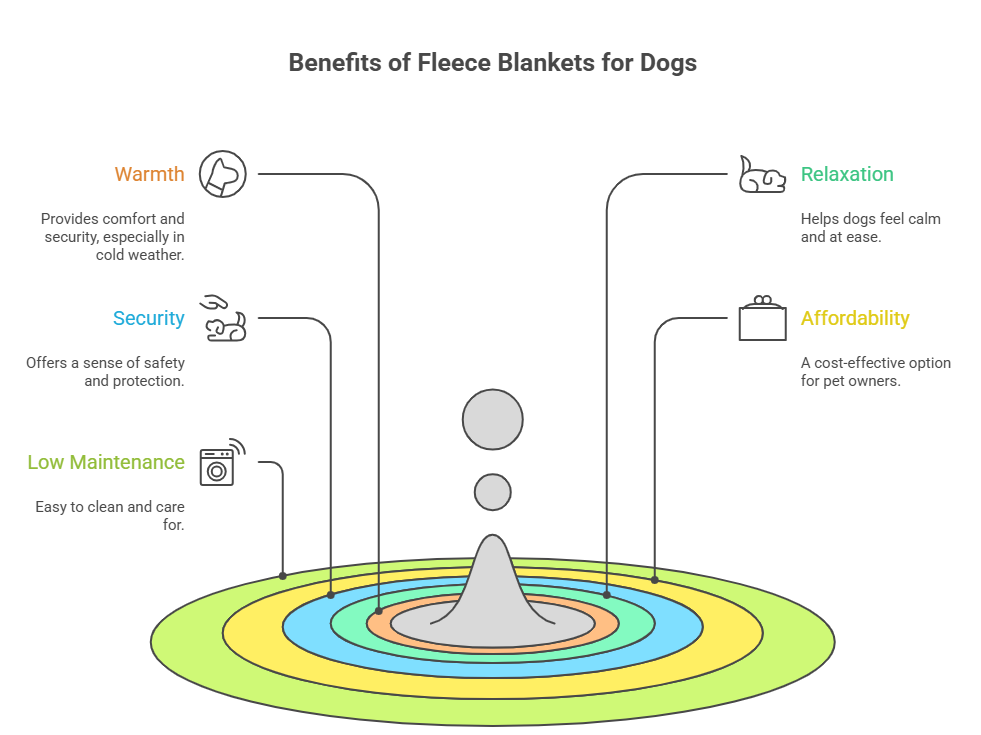
A good blanket will prove to be good for dogs if chosen properly and used effectively. The good feeling of warmth, relaxation, and security, particularly throughout chilly months or for breeds that are essentially cuddle bugs, gives assurance of providing momentous warmth to the animal. The affection felt for such blankets by their users is due to their highly favourable attributes-affordability and low maintenance.

If a dog is sharing your living space, you know how much they adore blankets for curling up into, stretching or dragging around from corner to corner, or even wrapped about themselves while seated on the sofa, or playing with a few strands of blanket-they know this is it. It protects them when they are very close, the hot trunk of love or safety, anywhere else in the world. Hence, a query begins scratching the back of many: Are Fleece Blankets Good for Dogs?

The short answer is yes—but let’s understand why they work so well and what dog owners should keep in mind.

Why Dogs Love Blankets in the First Place

As a bonding instrument, nature designed the roots of the dog to be more of a haven of cosiness or safety when it’s our sleeping quarters. In reality, nothing’s as recuperative as safety, comfort, or a nice blanket. Oh, so many dogs feel a great deal of familiarity from smelling, light pressure, and possibly warmth if they are in an uncomfortable or unfamiliar environment.

This is a very common observation made by dog lovers, particularly older dogs, puppies, or rescue dogs. Typically, a soft cover became their best friend, giving them comfort and more confidence as they snuggled.

Do Dogs Really Need Blankets in Winter?

It’s a fact that every dog would gain some advantages if some of them didn’t require blankets. Dogs with short hair, small dogs, dogs that are a bit older, and puppies suffer more from cold than others. A human-made synthetic fabric wool blanket can roughly maintain body temperature in winter without suffocation.

Dogs that become anxious during bad weather or fireworks or have never faced an unfamiliar situation would sometimes prefer to hide under their blanket. While the need is less of an issue and more about comfort and well-being for these animals.

Are Fleece Blankets Good for Dogs in Winter

Fleece is known to be excellent for the warmth/breathability balance. To warm them more than add to that, it possesses the meek softness of touch that wouldn’t hurt, as well as some breathability to be breezy too. It’s fairly lightweight; dogs become able to move, possibly wiggling out of a tight-fitting coat with difficulty, meaning they are going to stay warm enough.

The cloth feels soft, sleek, and soft for the fur of the animal, making it very suitable for dogs with nutritional skins. Moreover, the material is strong enough that it will survive daily pawing, scratching, running up, and leaping, all the time, not letting the dog bed fall to pieces, because it has been made out of good material.

Are Fleece Blankets Good for Dogs in Terms of Safety?

Fleece blankets, if used effectively, would be safe and friendly for dogs. It is supervision and the type of blanket one would choose that matters most. Dogs that chew a lot must be watched; regardless of the material at hand, it will ultimately turn into a risk if they chew it for a long time. Therefore, those fleece blankets without friable threads, decorative tassels, and rambling debris will be the foremost option.

It is not advisable to put a heated or weighted blanket on your pet. A regular fleece blanket provides warmth safely with much less risk. With a fleece, the dog can move around, not weighed down by the blanket, at least somewhat benefiting in comfort and safety.

Where Dogs Commonly Use Fleece Blankets

Most dogs would love using fleece blankets on their beds or crates to cosy up the area with a fantastic, snuggly sleeping spot. Then, there are also those who truly think the couch or a bed are the way to go to snuggle with their person most of the time. Fleece has come to be largely used in travel circles; it gives one a familiar whiff of where they travelled, making car journeys and stays at hotels much more fun.

Fleece blankets can be placed in areas where cold drafts can enter to help dogs keep warm without relying on heat sources on the outside.

When a Fleece Blanket Might Not Be the Best Option

During the hot weather or summer peaks, when it’s slightly warmer, dogs don’t require extra protection against cold weather. And that’s when light bedding has also become very useful, or just simple cooling equipment. For those who own dogs with bed-eating problems, extra solutions such as tough dog beddings can help prevent health problems. Bedding may be swallowed by the dog, resulting in a health hazard.

You want to be looking at how your dog is acting; if he or she squirms and acts differently or is too warm, or seems not care much about the blanket, consider taking it out and trying something else.

Keeping Your Dog’s Fleece Blanket Clean

It is very important to keep the dog’s blankets clean so they can stay healthy. Fleece blankets will rid themselves of all the dirt, bacteria, and allergens once they are washed, of which all of these things serve as irritants for your dog’s skin. That there be no harsh chemicals that cause scratches or irritations on fabric in a very short time, the use of warm and mild pet-safe soap would ensure the fabric remains cuddly and safe.

Between washes, shaking out the blanket and airing it occasionally can help keep it fresh and inviting for your dog.

Creating a Cosy and Safe Space for Your Dog

A blanket becomes much more than fabric for a Golden; this blanket is a part of their comfort zone. It almost creates a calming, familiar place for the dog to rest in peace. In many cases, the difference in the behaviours and particular instances in the daily lives of an anxious dog or one adjusting to a new setup can be due to this comfort.

Focusing on animal welfare and comfort, our wholesale fleece blanket approach is about creating those kinds of blankets that are eco-friendly while remaining warm. Producing and using fleece-fabric products this way is a small step in the direction of luxury in your dog’s life, along with providing a good sense of security to the pet owners as well.

In case you have been a little unsure about getting a fleece blanket for your dog, rest assured, it is a good idea. A fleece blanket will become a warm and faithful friend to your dog’s everyday comfort indeed—especially when winter is on the way.

Are Fleece Blankets Dryer Safe?

21 Jan

Yes, fleece blankets are dryer safe—when dried the right way.

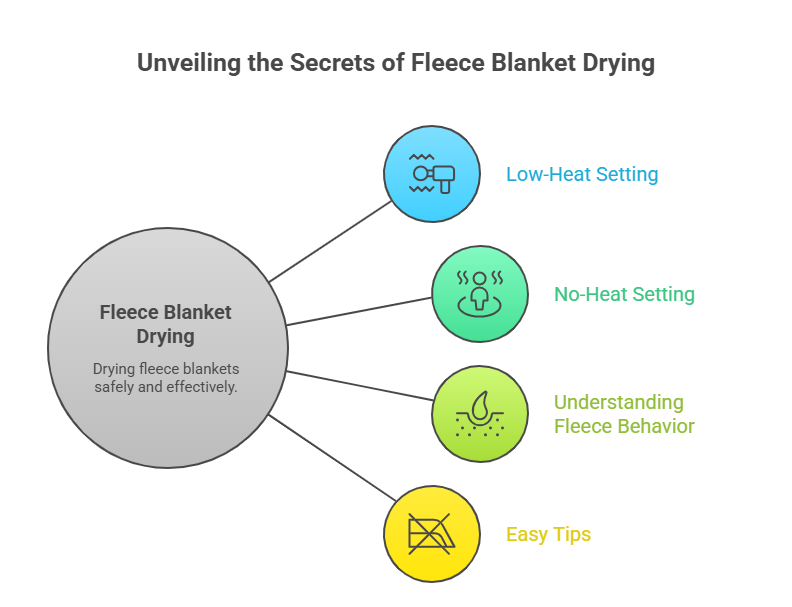
Using a low-or no-heat setting when drying it helps to protect the soft fleece fibres, avoid pilling, and ensure that the blanket stays cosy for years to come. A few easy tips can make drying fleece anything but difficult and safe.

If you have ever found yourself in front of a dryer, a combination of fresh foam and washable fleece, contemplating, “Should I risk it?”—know that you are not alone. This one is the most frequently asked question, especially after the person has found a really good blanket and would like to try to save it. The good news is that fleece is made for life. You just have to understand the way it behaves in response to heat and movement.

Let’s break it down in a simple, no-stress way.

Why So Many People Worry About Drying Fleece Blankets

Most of the worry stems from prior laundry experiences: stiff blankets, missing fluffiness, and developing those little fuzz balls. Flannel has a delicate kind of look. One can expect that the dryer might mess it up.

I’ve personally seen this happen in busy households where laundry gets rushed (kids, pets, cold evenings—it happens). But the issue usually isn’t the dryer itself. It’s how the dryer is used.

How Fleece Responds to Heat

Polyester fibre is often of very decent quality, especially in terms of durability and toughness, creating a superior product in cases where it persists in its soft nature; in other words, against wool. However, unfavourable conditions can harden the fibres and set them up, hence rendering the blanket stiff.

What happens if heating the blanket leaves unsightly balls of fuzz on its once even surface? The rubbing of the material all across the surface among the fibres creates an electric charge that causes pieces of lint to adhere to the blanket, making it unsuitable for use. The emphasis is on protecting the fleece blanket since the blanket needs to remain classic old-school perfection, with the quiet fuzzy facing in a state of purity, in which the cosiest duvet was lacking.

Are Fleece Blankets Dryer Safe? The Honest Answer

Yes, they are—as long as you avoid high heat.

Fleece blankets dry incredibly fast if you avoid ramping up the heat setting unnecessarily. The softer fabric of the blankets is kept extra soft, fluffy, and comfortable by it.

The Safest Way to Dry a Fleece Blanket in a Dryer

Here’s a simple routine that works beautifully:

Shake it out after washing

This loosens fibres and helps the blanket dry evenly.

 Use low heat or air-fluff mode

This is the most important step. High heat does more harm than good.

Dry fleece with similar fabrics

Heavy towels can rub against fleece and cause wear.

Remove promptly when dry

Over-drying leads to static and stiffness.

A small tip from experience: fleece doesn’t need “extra time.” If it feels dry, it probably is.

Small Dryer Tricks That Make a Big Difference

It’s surprising how some small actions (or lack of them) can create vast differences in the output quality of a particular post-washing fleece blanket. After the first time, one might wonder where the softness went. Drying fleece can lead to static and dust issues unless alone, whether introduced to the mixing of softeners and dryer sheet chemicals. For warmth/durability, opt for tennis balls and woollen dryer balls.

When Air-Drying Makes Sense

Air-drying is one of the safest and most cloth-friendly ways to dry a fleece blanket. Place it flat on the floor in a room to dry off, making sure not to let direct sunlight fade the colours.

Outdoor drying in open air could add a natural touch to the fabric, as long as direct sun is not allowed to heat it too much. Most people adopt a balanced approach to save fleece when it is time to conventional-dry them and dry them in the air with marginal warmth.

Common Dryer Mistakes to Avoid

  • High heat settings
  • Overloading the dryer
  • Mixing fleece with rough or heavy fabrics
  • Leaving the blanket in the dryer long after the cycle ends

Avoid these, and fleece becomes one of the easiest fabrics to care for.

Keeping Fleece Blankets Fresh Between Washes

A possible rephrased version could be: “Washing your blanket is unnecessary!” A specific casual sentence could look like this: “(So if you’re feeling really pressed on washing that blanket today, go ahead; take a break. Just spoil it with a little sprucing up before taking it to the laundromat.)”

Each blanket can be potentially aired sometimes, inside or in the open, at a mild temperature. This means to refresh it and to ward off bad odours, subsequently increasing its softness and ultimately prolonging its life.

Why Quality Fleece Handles Drying Better

Not all fleece is made the same. Well-made, pill-resistant fleece is designed to:

  • Withstand repeated washing
  • Dry faster on low heat
  • Maintain softness without special treatment

This is where thoughtful design and fabric quality really show their value.

Bringing It All Together

Are Fleece Blankets Dryer Safe? That’s right. With a little patience, low heat, and gentle handling, a fleece blanket stays functional and comforting for you to keep its worth. So, to handle it as you should is a mere matter of knowing its nature, so you need no other language to communicate with it.

Constructed to withstand pilling, our wholesale fleece blankets are made from breathable material that holds up splendidly with a little salt put over for machine drying. Whether it is for comfort at home, for a special event, or for wholesale, our speciality is in durable, soft, and practical-to-care-for fleece blankets. Simply put, a blanket should be comforting rather than traffic-related.

In the end, flannel is designed to be drenched, dried, lulled, and enjoyed once again over and over. When it is made and cared for properly, it practically does not age one bit from the first cosy cuddle it proffered.

Are Fleece Blankets Bad for You?

20 Jan

Fleece blankets have the magic to provide warmth and comfort to cuddle under during the cold winter nights. If you have ever done the same, I guess that the feeling still sticks in your mind – the warmth, the cosiness, and the silent “ahh” moment. However, it is very reasonable to take a moment and consider: Are fleece blankets bad for us? With the vast range of opinions circulating on the internet, it could indeed be extremely difficult to discern the actual issues from trivial misunderstandings.

Let’s talk about fleece in a calm, practical way—no scare tactics, just clear answers.

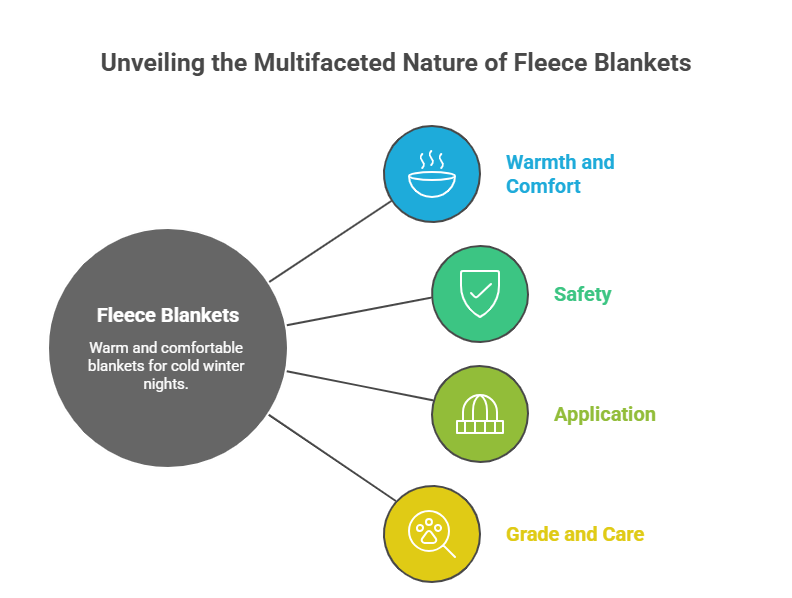
Are Fleece Blankets Bad for You? The answer is no; fleece blankets are not harmful to crusty people. They have a wide application, are mostly safe, and are very much appreciated for their warmth and comfort. Just like every other daily-use item, the nature and performance of fleece depend on its grade, the application, and the care given to it. If used wisely, fleece still is a warm and trusty option.

Why Fleece Gets Questioned

Fleece is everywhere—homes, hotels, travel bags, kids’ rooms—and whenever something is that common, it attracts questions. Most concerns come from three places: heat retention, synthetic materials, and environmental concerns. None of these automatically makes fleece “bad,” but they do explain why people want clarity.

As someone who’s grabbed a fleece throw for a late-night movie and then kicked it off halfway through (we’ve all been there), I get the curiosity.

What Fleece Does Really Well

Let’s start with the positives—because there are many.

Fleece is one of the best materials for cold-weather use. The main reason that it has become a popular winter choice is that it keeps the cold out while being very light. It is a soft material, very comfortable with the skin, and very easy to get along with. You will not have to put any special care routines or treat the fabric delicately; the fleece can just be embedded into your daily life.

Being an economical and long-lasting product, it is therefore available to a large number of families. The wearing of fleece on beds and sofas has a reason that still exists after many vacations.

Potential Discomforts to Be Aware Of

Being honest also means acknowledging a few small drawbacks—none of them deal-breakers, but good to know.

Fleece might occasionally be extremely warm if worn in a thicker layer and used in a warm room. Since it is a great insulation fabric, for obviously warm bears among us, it might be quite uncomfortable. In very dry climates, fleece can also create static electricity, which leads to those tiny and distracting shocks. Synthetic material might give slight discomfort to persons with very delicate skin, especially if the blanket is not properly washed.

These are comfort issues, not safety risks—and they’re usually easy to manage.

The Microplastic Conversation (Simply Explained)

Probably, you have an idea that fleece giving off tiny fibres while washing is a common phenomenon. The discussions surrounding this matter tend to be more frightening than the case itself. The main thing to grasp is that the shedding mainly happens during washing, and it is quite a small part of a larger problem, which concerns synthetic textiles and nature.

To minimise the destruction of the fabric and its subsequent shedding, a lot of people prefer to wash fleece less or choose gentle cycles and air dry. Such little practices also contribute to the durability and comfort of the blanket over time.

How to Use Fleece Comfortably

A tiny bit of awareness reveals itself to be a huge amount. The hot-natured person should prefer fleece on cool nights instead of going for the heavy layering method. A bit of moisture in the air may be one of the reasons that static is not a nuisance to you anymore. If the skin is excessively sensitive, then washing the fleece with a very mild detergent will make it softer and more comfortable for the wearer.

Comfort isn’t about avoiding fleece—it’s about using it in a way that suits your body and environment.

Caring for Fleece Makes a Difference

It is a fact that fleece blankets that are kept in good condition feel very different from those that are not. For example, I have witnessed this very singular phenomenon through long observation. Cold water wash with a mild detergent and hanging the fabric to dry rather than using the dryer are the best methods for maintaining the fleece’s softness and pliability. Thus, a good wash is not only a means of keeping the fabric in good shape; it also improves the experience.

A blanket that feels good every time you use it is always worth the small effort.

Who Should Be a Bit More Mindful

Fleece is great for the majority of people, but there are still a few groups that should be careful. Babies usually should not be covered with loose fleece blankets that are not supervised during their sleep. People with very sensitive skin or those who easily get hot might sometimes pick lighter fleece or go to other fabrics instead.

This doesn’t make fleece bad—it just means one size never fits all.

So, Are Fleece Blankets Bad for You?

No, fleece blankets do not have any negative effects on health. They are warm, soft, and functional; their presence in daily life is justified. The majority of the issues raised are actually matters of comfort preferences, usage patterns and care rather than a hypothetical risk.

When selected properly and utilised wisely, fleece can provide uncomplicated but reliable comfort. We supply fleece blankets at wholesale prices for homes, retailers, resorts, and organisations that want a comfortable and reliable option, thus making it simple to select pleasant and effective warmth. Ultimately, fleece is not a concern; it is a source of pleasure that requires only slight care and knowledge.

Are Fleece Blankets Safe?

20 Jan

Beneath a fleece blanket on a frigid night, if you have ever experienced that pleasure, then you are already aware of the answer to the question of why fleece blankets are loved. They provide a feeling of being wrapped up and beautiful so that even the first moment of contact is nearly instant. However, still, the most significant question is raised by some people: Are fleece blankets safe?

Definitely a justifiable question, considering that blankets are utilized by various age groups, starting from adults to kids and even infants. For the time being, let’s discuss fleece safety in a straightforward and serene approach, free of anxiety or misunderstandings.

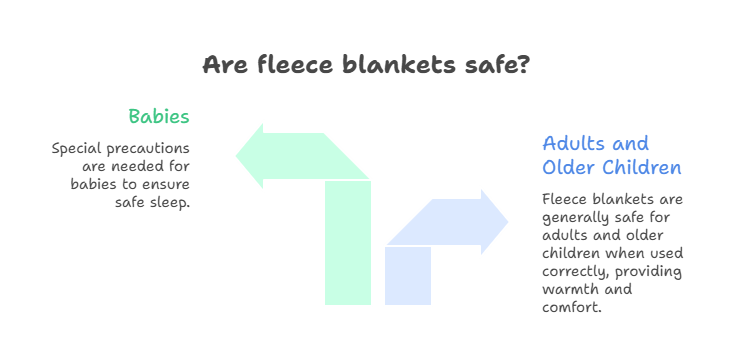
Are fleece blankets safe? This raises the question of whether fleece blankets are safe when used correctly, especially where adults and older children are concerned. Popular use covers activities that create an environment, heat, and comfort in all areas, such as conventional homes, hoteliers, etc. For baby blankets, though, the most necessary caution is for relaxed sleep. The blanket’s security is a matter of the user of the blanket as well as its care and environment.

Fleece is a soft material that holds warmth without becoming either heavy or bulky. That’s why it’s very much in use in winter wear and blankets. It stays easy on the skin, does not pull fabrics too close to the body, and warms.

People love fleece because it’s:

  • Cosy and comfortable
  • Easy to care for
  • Soft enough for long use

But like any fabric, how it behaves depends on how and where it’s used.

Are Fleece Blankets Safe for everyone?

Fleece blankets are a safer choice for adults and older children. These versatile blankets could be used during an afternoon nap while watching TV, put to use to provide much-needed warmth during travelling, or simply wrapped around them while cold. The feel is almost opposite to that of scratchy wool and is, of course, warm, light, and won’t trouble you, thus helping you experience freedom.

Since the use of a fleece by an older child or an adult would mean that the individual would be able to be involved in the flipping on of a blanket, this brings to mind the questionable safety history of fleeces.

In everyday situations, fleece works exactly as intended—providing warmth and comfort.

Why Safety Questions Come Up with Babies

Babies are different; they cannot regulate their body temperatures the way adults do, nor can they remove any blankets placed on them to see for themselves whether the blanket is the reason they’re uncomfortable. This is why parents should be the most careful; their concern is justifiable.

Sometimes, parental questions about the safety of a fleece blanket circle around sleep and not the whimsical appeal of cuddling. It is indeed a significant distinction.

Are Fleece Blankets Safe for Babies During Sleep?

When it comes to sleep, babies should not sleep alone with loose blankets of any kind. The softness of the fleece fabric specifically captures heat very well, increasing the danger heat poses of overheating during the child’s sleep period.

That’s why safe sleep guidance usually encourages:

  • Keeping the crib empty
  • Avoiding loose blankets and toys
  • Maintaining a comfortable room temperature
  • Using wearable sleep options instead of loose bedding

This doesn’t mean fleece is dangerous—it simply means fleece is not meant for unsupervised baby sleep.

When Fleece Can Be Used Safely for Babies

Fleece can still be used in some cases for babies safely. Many mothers do use fleece under direct supervision during moments of cuddling, feeding, or bonding. When awake and observed by the parents, fleece can also provide a little insulation–the outdoors may also see their warmth in colder days or during outings in winter.

Used this way, fleece feels like a soft layer of comfort—warm, calming, and reassuring—without replacing safe sleep practices.

Material and Care Matter More Than People Think

Each fleece is said to have its unique way of allowing for comfort and security in wear and care. On the one hand, skin-friendly materials might be able to be chosen in the manufacturing, while on the other hand, harsh chemicals could be cautiously avoided during laundering to keep the fleece soft and snug to wear.

Basic care habits like washing with cold water, mild detergent while ironing or drying, and avoiding extreme heat can maintain the quality of the fabric and decrease irritation caused by the fabric.

Clearing Up Common Myths About Fleece

There’s a lot of confusion around fleece, so let’s clear a few things up:

  • Fleece is not automatically unsafe
  • Fleece is not only for extreme cold
  • Fleece is not a one-size-fits-all solution

Like most things in daily life, fleece works best when used thoughtfully.

So, Are Fleece Blankets Safe?

Yes, adults and older children can safely enjoy fleece blankets every day. As per babies, fleece blankets can be used for supervised, awake moments, but must be bypassed during sleep. Awareness is the key to safety, not avoidance.

Understanding the operations of sherpa fleece and the conditions in which it should be used portrays it as an unassuming yet secure element of everyday living. Our fleece blanket wholesale once got into a debate on high-priced plush fleece, the real thing providing quality and care for people and families everywhere.

In the end, safety and comfort don’t have to compete. With the right understanding, fleece blankets can offer both.