Archive | fleece blankets wholesale RSS feed for this section

Which Fleece Blanket Is Best?

12 Jan

Blankets have taken away the worries of our daily life. Some of us love to sleep, some relax comfortably after hectic day work, and some put them on to watch TV. But as you walk on shopping for one, it would naturally be wandering in your head: What fleece blanket is the best?

The answer isn’t exactly one-size-fits-all—and that’s actually a good thing.

The purpose of breaking down this entire topic, in a very easy and practical way, is that people of all ages could understand for themselves what actually makes a “best” fleece blanket.
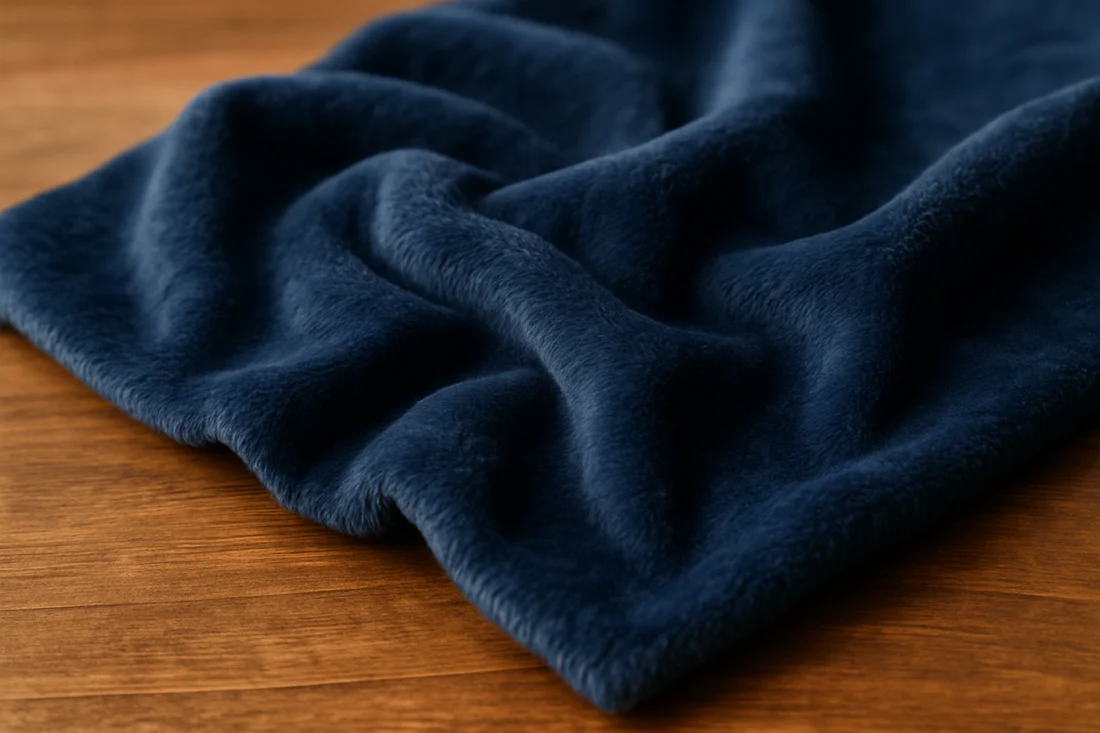
People love fleece blankets for a few great reasons. They are soft and warm, light and easy to care for. Fleece does the job of keeping you warm without feeling heavy and pinning you to the bed-unlike thick and heavy blankets.

The fleece goes for warmth-same as wool-but-empties off those irritating itches and allows no hard washing. In one word, fleece is comfort without work—because fleece blankets decorate one in almost all households.

What Actually Makes a Fleece Blanket “Best”?

What is a high-quality fleece blanket? The answer is going to be part of the helpful information that a lot of buyers tend to squeeze when shopping for a fleece blanket.

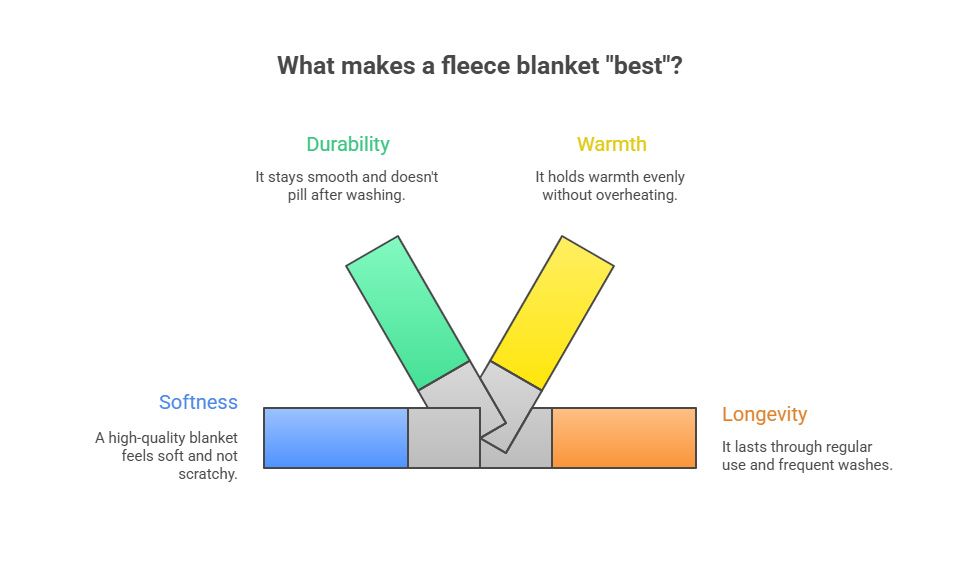
  • Feel soft, not stiff or scratchy
  • Stay smooth and not pill after washing
  • Hold warmth evenly without overheating
  • Last through regular use and frequent washes

If a blanket looks great on day one but turns fuzzy and flat after two washes, it probably wasn’t the best choice to begin with.

Warmth Without the Heavy Feeling

One of the most magnificent features of fleece is that it keeps you warm but without pulling around the wool as the only solution for insulation. Using small air bubbles, the fleece holds the warmth of the body. It stays warm and yet breathable.

This becomes even more necessary for anyone who dislikes heavy bedding including babies, the elderly, and those with joint or mobility problems. Comfort should be relaxing, not hard work.

Which Fleece Blanket Is Best for Newborns and Babies?

Babies prefer softness and mildness to thickness. They will prefer a light and smooth towel than a bulky one, especially when it is laying in a stroller or cuddling time under their supervision.

Babies’ skin is delicate; hence, the fleece must be soft and of good finishing. To not feel stuffy, heavy blankets and super-plush fabrics are not the best ways to go. In plain words, for baby stuff, mild and soft fleece surpasses dense fleece every time.

Best Fleece Blankets for Kids and Teens

Children need something that can keep up with them. A nice fleece blanket for kids ought to be soft but also durable. Easy washing would also be nice, considering all the spills, snacks, and mystery stains we are bound to come across with here and there in the normal course of living.

If pilling fleece is all right, most of the kids use blankets on-and-off for multiple applications like bed desk-to-chair, to car rides. When the blanket lasts through both the laundry and building a fort, it has done its job.

Best Fleece Blanket for Seniors

It’s all about the unique needs of seniors now: a heavier blanket – that old, trusted friend – will not do because senior citizens are often affected by joint disorders or other mobility issues. That warm, heavy blanket no longer feels comfortable to them.

Indeed, the best choice is the soft fleece because it snugly moves over clothes, easily washed, and gentle on the skin. The warmth should relieve, not weigh. What might really mess up your cozy comforter would be any excess distress.

Different Types of Fleeces and Their Uses

Not all fleece is equal. Some fleece is plush and thick, providing extra warmth from the cold. Other fleece is thinner and calmer, ideal for year-round use or warmer weather conditions.

It is all about finding the best fleece blanket to suffice the purpose of where and how it is to be used. Winter and living room summers will differ slightly in the choice of the fleece they will produce.
What to Look for When Buying a Fleece Blanket

If you’re trying to decide which fleece blanket is best, keep this simple checklist in mind:

  • Softness that stays after washing
  • Breathable warmth
  • Strong stitching and good finishing
  • Non-pilling surface
  • Easy care and durability

If a blanket checks these boxes, it’s likely a good long-term choice.

So, Which Fleece Blanket Is Best?

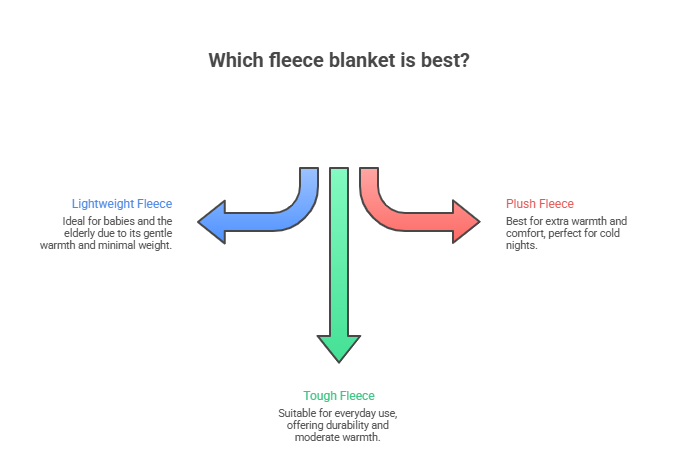
The “best” fleece blanket would surely rely on age, setting, and personal sense of comfort. Lightweight fleece would be ideal for babies and the elderly, tough fleece for every day, and plush, extra warm fleece when needed.

Understanding your needs makes the choice much easier—and much more satisfying.

Final Thoughts: Comfort for Every Stage of Life

One reason these fleece blankets are so popular is because they can easily fit in at different ages, lifestyles, and seasons. Choosing the perfect one should not be a stint. If you could factor in a little information for yourself, you could then aim to achieve better comfort and maintain energy for as long as possible.

We offer high-quality fleece products developed for softness, durability, and daily comfort. Our wholesale fleece blankets are long-lasting and offer yet another opportunity to buy in bulk at the best prices on the market. If you’re in search of trustworthy fleece blankets combining quality with cost efficacy, you can go ahead and contact us regarding wholesale trades.

Do Fleece Blankets Pill?

7 Jan

If you are one of the fleece blanket lovers, then, for sure, you are not alone. They are a great source of warmth without being overly warm, extremely soft to the skin, and suitable for lazy evenings or cold mornings. Nevertheless, at one time or another, many users will see the emergence of small fuzzy balls on the blanket’s top layer and will start to wonder: Do fleece blankets pill?

This inquiry is very often raised, and it is a completely normal event. The good part is that pilling does not mean that your covering has undergone a serious quality change, is no longer useful, or is of low standard. It is simply a trait of some materials, and once you are aware of the causes, it gets easier to manage and even partially get rid of the problem.

Do Fleece Blankets Pill?

Of course, the fleece blankets pill, especially when they are used and washed very often. Pilling is a surface phenomenon that takes place when the fibres that have come loose get caught in each other because of rubbing. But it doesn’t mean the blanket has lost the heat it provides, comfort, or usefulness. Good caring and some easy habits will, to a large extent, decrease, eliminate, and slow down pilling.

What Pilling Really Is (and What It Isn’t)

Pilling refers to the process of creating small balls of fiber on the outer layer of a fabric. These small clusters are the result of unfastened fibers that are released and entwined. The reason they can feel rough and appear messy over time is that they are still adhered to the fabric.

Pilling is not damages to fabrics. It does not imply that the fleece blanket is getting torn from inside. Usually, the layer that is affected by pilling is only the outer one while the blanket beneath it is still as warm and comfortable as before.

Why Do Fleece Blankets Pill in the First Place?

To understand whether fleece blankets pill, it helps to look at how fleece is made.

Fleece is made to be super soft and fluffy. The fluffiness is due to the very fibres that are brushed and raised above the surface of the material. This not only gives the fabric that nice, soft and cozy feel but also results in the presence of more loose fibres on the surface.

Here are the most common reasons pilling happens:

Friction from everyday use

When a blanket rubs against skin, clothing, furniture, or even itself, fibres loosen and tangle together.

Washing and drying

Aggressive wash cycles, high heat, and overcrowded machines increase friction, which speeds up pilling.

New fabric shedding

New fleece often has extra surface fibres that haven’t settled yet. This is why some blankets pill more during the first few months.

Does Pilling Mean the Blanket Is Low Quality?

Not at all.

The most common misconceptions that are about pilling. Pilling encroaches on the most luxurious materials, like wool and cashmere. Pilling is not a manufacturing defect but rather due to the movement of fibers.

So while pilling can happen to any fleece, quality does play a role in how much and how quickly it appears.

Everyday Habits That Can Increase Pilling

Often, pilling isn’t caused by one big mistake—it’s the result of small habits adding up over time. These include:

  • Washing fleece too often
  • Using hot water or high dryer heat
  • Overloading the washing machine
  • Washing fleece with rough items like denim or towels

The good news is that once you’re aware of these habits, they’re easy to adjust.

How to Reduce Pilling Before It Starts

If you’re wondering how to prevent fleece blanket pill situations in the future, these simple steps really help:

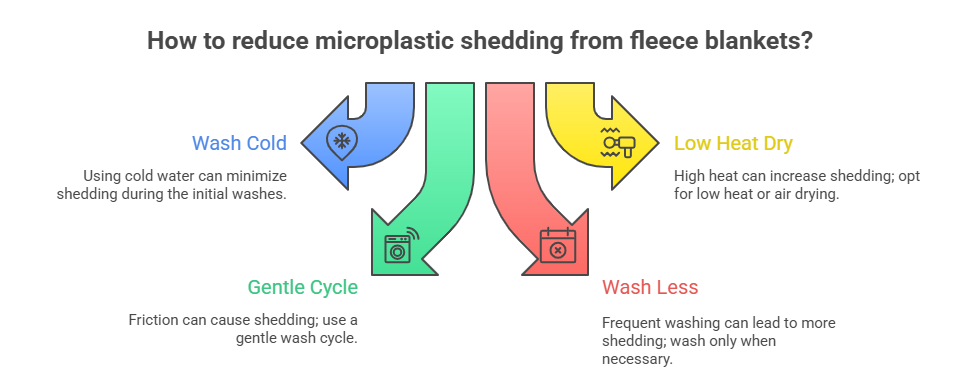
  • Wash fleece only when necessary
  • Turn the blanket inside out before washing
  • Use a gentle cycle with cold water
  • Choose mild detergents
  • Avoid fabric softeners that coat fibres
  • Air dry when possible or use the lowest heat setting

These small changes protect the fibres and keep the surface smoother for longer.

How to Remove Pills from a Fleece Blanket

If pilling has already appeared, don’t worry. It’s very manageable.

Fabric shavers are one of the safest and easiest tools. Use light pressure and let the device do the work.

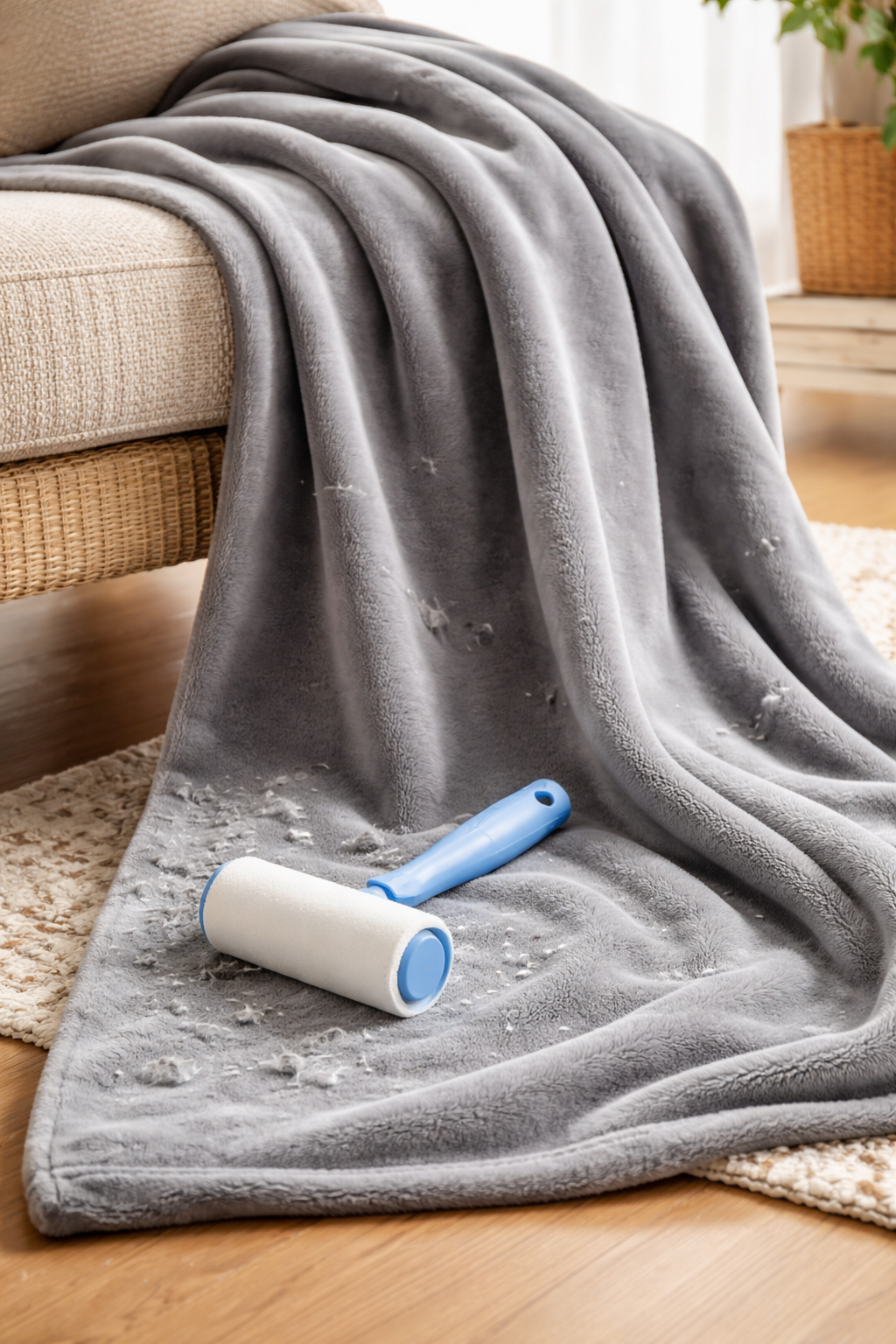
Lint rollers help with minor surface fuzz and loose pills.

Soft fabric brushes or sweater combs can gently lift pills without damaging the fleece.

It is preferable to consistently take out the pills instead of waiting until they accumulate on the fabric. The blanket is always best and feels so much better when it is treated with gentle and consistent care. In truth, no material is totally immune to pilling. But still, the process of pilling can be noticeably slowed down and managed.

Consider fleece care as a maintenance procedure instead of a preventive action. If the blanket is taken good care of, it will still be soft, warm, and comfy for a number of years, but there will be some pilling through that time.

Final Thoughts: Pilling Doesn’t Take Away the Comfort

Blankets of fleece, they do have a possibility of pilling? Yes, they might, but pilling is a property of the material, not a flaw. It will not affect the blanket’s thermal insulation, softness, and convenience. If you take good care of it with proper washing, and maintenance is done at times, your fleece blanket can still be the warm friend you love.

No, comfort is actually a state of mind rather than an achieved perfection. It means the person can have a good, warm, cosy, and easy time, and fleece can still be credited for that beautifully.

Our business offers wholesale fleece blankets that are comfortable, durable, and long-lasting. We are also sure to apply the softening process effectively in such a way that the fleece easily resists pilling and lasts long with everyday use, and proper care. Going through the quality of materials and the construction of the products carefully, we provide customers with fleeces that remain warm and reliable for a long time.

Do Fleece Blankets Have Microplastics?

7 Jan

Fleece blankets are associated with comfort, warmth, and that nice feeling we have when covered during winter. But since the environment and the materials being used daily are the concern of many people, a question that is very carefully thought out has been coming up very often: Do fleece blankets have microplastics in them?

We must say it’s a very good question, in fact, and the response should not be a source of confusion or fear at all. By simply bringing in some light, the whole picture becomes so much simpler when it is about what fleece is and how it can be included in the lifestyle of a person who is more aware of their choices.

Do Fleece Blankets Have Microplastics?

Fleece blankets are often simply put together with synthetic fibres, and therefore, they are very much plastic-based. A new fleece blanket, however, does not contain any microplastics at all upon its release, but with time and the wear and tear of fibres through washing and drying, the release of microplastics will take place as a result of the breaking down process.

Yes, indeed, the question of whether fleece blankets contain microplastics is a legitimate one, and the reply depends on the manufacturing process of the fabric as well as the care given to it.

Why Are People Asking This Question Now?

For a long period, the term plastic was virtually limited to referring to bottles, bags, and packing materials only. But now it is absolutely clear that plastic is present in every nook and corner of the textile industry. With the increase in awareness of the issue, consumers are certainly scrutinising more of the daily items like beddings, clothes, and home textiles that are used and consumed.

This isn’t about fear or blame. It’s about understanding materials better so we can make more informed and balanced choices.

What Fleece Fabric Is Actually Made Of

Fleece is usually produced with synthetic fibres like polyester. The production begins with the plastic… which is first transformed into soft, flexible threads. The key element in fleece is the brushing process that gives it that soft and warm texture for which fleece is recognised.

Since fleece has a different texture and appearance from plastic, it is quite natural to forget that it is derived from plastic-based materials. The confusion about whether fleece blankets contain microplastics starts from this point.

Are Microplastics Already Inside the Blanket?

This is an important distinction.

A fresh fleece blanket has not yet accumulated any free-floating microplastics that are lying inside it. The fibres remain intact and stable. Later, microplastics are formed when tiny pieces of these fibres detach due to friction, wear, or washing.

Although fleece is made from plastic, it is not the case that microplastics appear all at once; they are formed slowly over time. Consequently, the usage and maintenance of a blanket have a significant impact on the entire process.

How Microplastics Are Released Over Time

Every time a fleece blanket is used, folded, washed, and dried, there occurs a very gradual weakening of the fibres due to the small amount of friction. The processes of drying and washing are the major contributors to the breakdown of fibres.

Certain fibres can go through the water system, while some might evaporate into the air during the drying process. This slow process is the reason why fleece is often included in the discussions about microplastics, despite it being a very fashionable and practical material.

Where Do These Microplastics Go?

Once released, microplastics can move beyond the home. In water, they may pass through filtration systems and reach natural environments. In the air, they can settle as dust.

It is not assuming that a single fleece blanket is dangerous by itself. On the contrary, it indicates that the small, regular choices, when combined, have a large impact. Fleece blankets are safe and soft enough for daily use. There is no point in stopping their use and questioning their warmth.

Awareness is the major factor. People are not forced to come up with drastic solutions to their problems if they know whether fleece blankets contain microplastics or not. A blanket that is used for a longer time, is cared for gently, and whose replacement is held back, can even be termed as a responsible approach.

Small Habits That Can Make a Difference

Mindful care can reduce the overall impact of fleece blankets:

  • Washing only when needed
  • Using gentle wash settings
  • Choosing air drying when possible
  • Keeping blankets in good condition for longer use

These are not rules, just helpful habits that support longer fabric life and reduced fibre breakdown.

Fleece has not lost its popularity because it is effective. It gives heat without making the wearer feel heavy, it is adaptable, and it is simple to take care of. The consciousness of materials, on the other hand, is steadily rising, and the innovation of fabrics is never-ending.

Understanding what fleece is made of allows people to enjoy it responsibly, without guilt or confusion.

Final Thoughts: Comfort and Understanding Can Coexist

So, do fleece blankets have microplastics?

Fleece is produced with plastic-based fibers and these fibres can eventually degrade into microplastics. Nevertheless, using it mindfully and giving proper care, fleece can still stay a very soft and useful piece of clothing in daily life.

Knowledge isn’t meant to take comfort away—it’s meant to help us use it more wisely.

We make it a point to produce only the best fleece products that are durable, comfy and for long-term use. Our expertise in providing wholesale fleece blankets has taught us that not only do the high-quality fleece blankets tend to last longer, but they also perform better if they are taken care of properly. Through focusing on quality and good manufacturing practices, we are enabling consumers to enjoy the plush feel and the great performance of their fleece over time.

Do Fleece Blankets Shed Microplastics?

7 Jan

Fleece blankets have never failed to be one of the top picks, and this is totally understandable. They are soft, light, and fluffy, protect the skin, washing is not a problem at all, and are fit for any occasion, from binge-watching to winter travelling. But now that the issue of sustainability is more and more frequently discussed, the question that has been occupying many people’s minds is: Do fleece blankets shed microplastics?

No doubt that this concern is widespread among a large number of people; however, on the bright side, it is a query whose answer will not weigh upon you. Just a bit of understanding and some thoughtful daily habits, and you will be making use of your fleece blanket in complete cognizance of its influence. Let’s take a look at the subject matter in a very casual and direct manner.

What Are Microplastics in Simple Terms?

Microplastics are essentially extremely small plastic pieces that are mostly not seen by our naked eyes. When we refer to textiles, these microparticles are usually present in the form of fine fibres that get detached from the synthetic materials during the usage of the clothes, their washing, or their drying.

Microfibers that cannot be seen by the naked eye are actually so small that they can go through the water purification systems. Gradually, they can mix with the rivers and oceans and ultimately reach the food chain. This is exactly the reason why the average consumer is becoming more and more interested in the common fabrics and their contributions to the microplastic issue.

What Is Fleece Actually Made From?

To understand whether fleece blankets shed microplastics, it helps to know what fleece is made of.

Generally, fleece blankets are produced using synthetic fibres, mainly polyester. Plastics are the base of these fibres, and they are processed in such a way that the resulting product has the soft and fuzzy surface that is admired globally. The brushing and finishing that cause fleece to feel soft and comforting also make the surface a little more likely to release tiny fibres, particularly when the blanket is new.

This does not mean fleece is poorly made or unsafe. It simply means it behaves differently from tightly woven fabrics.

So, Do Fleece Blankets Shed Microplastics?

The short and honest answer is yes, fleece blankets can shed microplastics, mainly during washing and drying.

The shedding mostly happens when:

  • The blanket is washed for the first few times
  • Hot water or high dryer heat is used
  • There is a lot of friction inside the washing machine

That said, shedding does not happen constantly or uncontrollably. With the right care, the amount released can be significantly reduced.

Why Does Fleece Shed Microplastics?

Fleece shedding comes down to three main factors:

1. Synthetic fibres

Because fleece is plastic-based, the fibres can break into smaller pieces under stress.

2. Fabric structure

The soft, fuzzy surface that feels so good also means loose fibres are closer to the surface and more likely to release.

3. Washing and drying motion

Agitation, spinning, and heat create friction, which is the biggest trigger for fibre release.

Think of it as a “breaking-in” phase for your blanket. The most shedding usually happens early on, then slows down over time.

Where Do These Microplastics Go?

Once released, microfibers travel with wastewater. Some are captured during treatment, but many are small enough to escape. Over time, they can enter oceans and be consumed by marine life.

After that, they could transfer through the food chain. This is why the issue of microplastics released by fleece blankets matters not only to the maintenance of the fabric but also to the whole environmental situation, which is by far larger.

Should This Stop You From Using Fleece Blankets?

Not at all.

Blankets made out of fleece still have various advantages, are comfortable, and are still the most preferred option for several good reasons. It is not intended to wipe fleece off the map completely, but rather to cut off its use and thus its consuming habits.

Being an informed person will help you not to compromise on comfort or choice. Sustainability does not result from perfection but from the dynamics of evolving with tiny steps.

Easy Ways to Reduce Microplastic Shedding at Home

Here are some simple, realistic steps that make a real difference:

Wash less often

Fleece does not need frequent washing. If it is not dirty, it is okay to skip a wash.

Spot clean when possible.

Small spills or marks can often be cleaned without washing the entire blanket.

Use cold water

Cold water causes less fibre breakage than hot water.

Avoid high-heat drying.

Air drying is gentler and helps preserve the fabric. If using a dryer, choose low heat.

Wash full loads

A fuller machine reduces friction compared to washing a single item.

Use microfiber-catching solutions

Special laundry bags or filters can help trap fibres before they reach wastewater.

None of these steps requires big lifestyle changes. Small habits, done consistently, add up.

Are All Fleece Blankets the Same?

Not really.

The fleece of a higher quality is usually tightly woven and long-lasting; it is commonly the case that less shedding will occur during its lifetime. Good quality fleece is also soft for a longer period of time and has a greater resistance to forming pills, which indicates the presence of loose fibres.

The selection of quality is not only a matter of comfort. It is also about durability and responsible use. A blanket that lasts longer is not required to be replaced as frequently, which is ultimately a victory for both the customer and nature.

Comfort and Conscious Choices Can Go Together

When people ask whether fleece blankets shed microplastics, they are usually not looking for guilt. They are looking for clarity.

The truth is actually quite simple: fleece blankets do release microplastics; however, if they are mindfully taken care of, washed less, and quality products are chosen, the impact will be very low. The nice thing about being more responsible is that you do not have to lose warmth, softness or convenience.

Enjoy your fleece. Just care for it a little more thoughtfully.

Our main focus is on high-end fleece items, and selling wholesale fleece blankets altogether is one of our options, which are durable, comfortable, and meant for a long period of use. After working for more than twenty years in this field, we only deal with the best fleece, which does not pill and looks great even after a long time. A well-made fleece product with good care is still a warm and functional choice for today’s living.

Do Fleece Blankets Keep Cats Warm?

7 Jan

Having a cat in the house gives us one definitive truth, which is not debatable: cats are heat lovers. They possess a built-in radar for warmth and will immediately make their way into the hottest area of the house, be it a sunlit window, a heater’s corner that is not often disturbed, or even your dirty clothes. This instinctive behaviour leads to a question being discussed in the community of passionate cat owners: Would a cat consider the warmth of a fleece blanket to be nice, and are they really safe and cosy for our pet cats?

To sum it up, the reply is affirmative, but the whole story is much more soothing. The discussion will be devoted to the advantages of fleece blankets and their considerable influence on your feline’s comfort and well-being.

Why Warmth Is So Important for Cats

One thing that cats do naturally is look for a source of heat. Their body structure is such that they can save energy, and keeping warm is an attribute that helps them save more. During winter months, even cats that are indoors sometimes feel cold, particularly if they are lying on icy floors or near the opening of the window.

Cats exhibit a wide range of cold tolerance. It is generally the young ones, old ones, those with short fur, and arthritic cats that need heat most for comfort. A cold winter may turn your cat into a sleeper, ball, or a heat source lover. Warm and fluffy bedding will add to their comfort and happiness while sleeping and relaxing.

How Cats Experience Cold Differently Than Humans

Cats cannot put on sweaters or blankets as we do, but they must rely on their environment to regulate their body heat. The cold and dry air of winter may take a toll on a cat’s skin and fur, and the pet may, therefore, either have dry skin or shed more fur as a result of this. Cats that sleep for a long time on hard materials such as tile or wood are the first ones to lose their body heat fast.

This is where thoughtful bedding choices matter. A warm, soft surface helps cats retain body heat and creates a sense of security—something every cat craves.

What Makes Fleece Blankets Ideal for Cats

So, do fleece blankets keep cats warm effectively? Absolutely—and here’s why they work so well.

Fleece is a material that is lightweight and, at the same time, has excellent insulating properties. It keeps the heat in, and at the same time, it is light and does not restrict movement. This is especially important for cats that have the habit of using beds to stretch, knead, and roll up just like they want to do. The soft and fuzzy nature of fleece is very similar to the soft and warm feel of the nesting stuff that attracts the pet to sleep and be nice.

Fleece blankets attract cats like nothing else and are invariably found to be their top choice. Your cat might do among others, the following things: clawing the fleece, bury his feet in it, or even going back and forth to the same spot where the fleece is. Every one of these actions indicates that the kitty is mellow and feels secure with his person.

Safety and Comfort: What Cat Parents Should Know

In case of proper application, fleece blankets are generally very safe for cats. They are fluffy and do not irritate sensitive places such as paws, claws, and skin. Additionally, these blankets are clean, dry, and, therefore, provide warmth without overheating, thus being very suitable for long sleeping hours.

Fleece blankets that are for inside use can be put in various places like cats’ beds, sofas, carriers or their most favourite resting places. In order to ensure that the bedding is elevated above the cold floor and also away from the drafts, it will be possible to have the highest comfort level.

For outdoor or shelter cats, fleece can still be useful, but it should always be kept dry. In colder or damp conditions, fleece works best when layered properly or combined with other insulating materials designed for outdoor use.

Simple Ways to Use Fleece Blankets Around Your Home

Creating cosy spaces for your cat doesn’t require a full makeover. Small, thoughtful placements can make a big difference:

  • Line your cat’s bed with a folded fleece blanket
  • Place one near a sunny window where your cat likes to nap
  • Add fleece to elevated shelves or perches to keep them off cold surfaces
  • Use fleece inside carriers to reduce stress during travel

These small comforts often become a cat’s favourite spots, offering both physical warmth and emotional reassurance.

Signs Your Cat Feels Warm and Comfortable

A warm, content cat shows it in subtle ways. Relaxed posture, steady sleep, gentle purring, and repeated use of the same resting area are all good signs. Kneading behaviour on fleece blankets is another strong indicator that your cat feels safe and soothed.

When cats feel warm and secure, they rest better—and better rest supports overall health and happiness.

A Thoughtful Approach to Keeping Cats Warm

The cat owner giving warmth to his pet is one of the simplest and most caring gestures. The inquiry regarding fleece blankets conserving the heat of cats shows a responsible pet owner who is concerned and wants to provide the best for their pet. Fleece blankets are an extremely simple, low-cost, and warm solution that perfectly fits the nature of the cat.

Final Thoughts: Warmth Is a Form of Love

Cats are considered independent pets by some, but they are very much into cuddling as well. The bed of a pet is not merely a sleeping place but also a means to show that it is loved, secure, and included in the family. When a feline lies down on a warm spot, it means that the owner has managed to give the cat a feeling of being at home.

Our wholesale fleece blankets are made out of superbly soft and durable materials that are not only great for humans but also for animals. Coral Super Soft Fleece Blankets, the softest fleece blankets, are made from anti-pill fleece that is very soft and warm naturally, which are ideal for cats that love to snuggle and chill. These blankets are comfortable and durable, which helps to establish warm, cosy spaces for cats that feel just perfect.