Archive | fleece blankets wholesale RSS feed for this section

Do Fleece Blankets Shrink?

7 Jan

Fleece blankets are fabric-based comforters one reaches for on cold days, lazy Sundays, or for those times when, rather than anything else, one wants to feel even more comfortable. It is only natural that we would be concerned about that particular usage-it happens so many times. The most frequently asked question is almost always the usual here: Do fleece blankets shrink?

Almost everyone who has experienced the horror of this event will recognise the sight: Instead of the cosy blanket you once had, you now hold what definitely resembles a baby blanket. Of course, the first thought that comes to your mind is, “This thing has shrunk in the washing!”

Let’s walk through it gently, without panic or complicated laundry rules.

Do Fleece Blankets Shrink?

The simple answer is that fleece blankets can shrink, but they are more resistant to shrinkage when compared with other fabrics.

All fleece blankets are made of polyester, which does not naturally shrink as cotton or wool does. However, due to undue exposure to high heat, for instance, washing or drying, fleece can admittedly change its size/shape. This is usually where most problems begin.

So if someone asks, do fleece blankets shrink easily? The answer is no, but heat can push them in that direction.

Why Do Fleece Blankets Shrink in the First Place?

Heat Is the Biggest Reason

Fleece is made from synthetic fibres, and these fibres do not fare well when exposed to high temperatures–hot water or the high heat from a dryer can cause the fibres to shrink, tighten, or melt a little together. This makes the fleece blanket contract and feel too small or stiff.

This is why many people notice shrinkage after just one hot wash or a high-heat drying cycle.

Fabric Blends Matter More Than You Think

Fleece is essentially fleece. In some fleece blankets, mixed fibres of cotton and wool are employed to improve insulation and texture. However, these mixed fibres cause the fabric to suffer shrinkage more often, as natural fibres have a higher tendency to shrink when exposed to high levels of heat and moisture.

If a fleece blanket seems heavy or very soft, there is a chance that it is a blend, and additional care will be necessary.

Does Every Type of Fleece Shrink the Same Way?

Not really. Different types of fleece behave a little differently.

The very fact that polyester fleece is lightweight means that it is less likely to shrink or felt. The thinner microfleece is a bit more stable and less temperamental to wash. Thicker fleece or double-layering means you will keep better body temperature, but this situation will appear much sooner when heated in any way.

Polar fleece, which is designed for cold climates, is usually durable, but it can shrink or stiffen if washed in hot water repeatedly.

The common thread across all types is this: heat is the trigger, not the washing machine itself.

How to Prevent Fleece Blankets From Shrinking

Preventing shrinkage is much easier than fixing it, and thankfully, it doesn’t require anything complicated.

Start With the Care Label

One easy way to determine resources is to rely on the guidance label of a product. Manufacturers test articles under laboratory conditions so as to determine their strength exactly, and this information is comforting to me. If it says cold wash only, it is really bad to say, “Things must be cold-washed.”

Use Cold or Lukewarm Water

For the gentlest cleaning possible and no cutting of the fabric, washing fleece using cold water is a wonderful alternative. If power is going to be increased a little bit, lukewarm water would be all right, but hot water is not an option.

Hot water is the most common reason people later ask, do fleece blankets shrink?

Choose a Gentle Cycle

It is advised to avoid vigorous shaking of the wool during the cleaning process. Wool can be washed in a gentle or mild detergent to get rid of the residue. This practice will increase the life of the wool bedcovers.

Be Careful with the Dryer

Spread your wool fabric out to dry in the patio or hang it while damp to reduce the possibility of shrinking. When people are accustomed to kneading wool, it means going through the wrong way about it from the beginning, with a lot of working in the meantime!

Can You Fix a Fleece Blanket That Already Shrunk?

If the shrinkage issue is minor, then maybe by soaking your blanket or sweater in warm water and stretching it gently while wet, you would obtain something of the earlier state back; however, if it is badly shrunk, it’s gone now permanently.

That’s why prevention matters more than repair. Once fleece fibres tighten due to heat, they don’t fully relax again.

Common Mistakes That Lead to Shrinkage

One of the biggest mistakes is thinking, “One hot wash won’t hurt.” Unfortunately, even one exposure to high heat can start the shrinking process.

Another misconception is that shrinkage is a sign of low quality; high-quality fleece can sometimes shrink due to less-than-optimal washing or drying.

Fleece doesn’t need tough treatment—it needs thoughtful care.

Fleece Shrinkage Is Preventable

Can a fleece blanket shrink? Certainly, it can, but the conditions are another story. Yet with proper care, a good wash in cold water and drying tends to keep the thing outright in shape, just keeping the softness and comfort solidly enough with years.

Fleece is forgiving, cushy, and made for everyday; once you know what it needs, containing it is easy—and stress-free.

The PeachFur Fleece is exclusively committed to top-notch and durable wholesale fleece blankets for extreme comfort and everyday practicality. Very proud of the quality of our fleece blankets and clothing, we can offer products to wholesalers that are suitable for entities with a very high regard for reliability and longevity of wear. More than simply selling it, we love fleece.
Can Fleece Blankets Be Washed in Hot Water?

5 Jan

Generally, laundry day is not a hard and fast rule—it becomes a whole different game when you have a fleece blanket in the picture. You aspire to achieve the same quality and freshness through washing, but one question haunts you:’ Can Fleece Blankets Be Washed in Hot Water, or will that destroy them?

It’s a fair question. Hot water feels powerful. It sounds like the fastest way to clean anything that’s been used daily, covered in pet hair, snack crumbs, or just weeks of comfort use. But when it comes to fleece, heat needs a little more respect.

Let’s walk through this together in a simple way, without fear or overthinking.

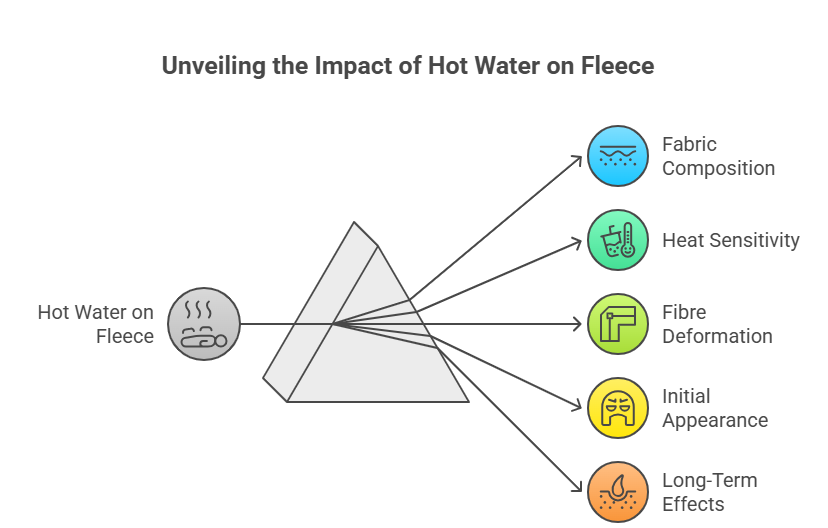
What Hot Water Really Does to Fleece Fabric

Understanding Fleece as a Heat-Sensitive Material

Most of the time, polyester, which is a man-made fibre that has been artificially designed to provide a soft, warm, and light feel, is the main component of fleece. This softness is produced through a process of brushing and moulding of the fibres that are so tiny.

Here’s the important part: polyester is essentially plastic-based. And just like plastic, it doesn’t respond well to high heat. When exposed to hot water, those soft fibres can change shape—even if the blanket still looks “okay” at first glance.

That’s why understanding the fabric matters before choosing the water temperature.

The Quiet Damage Hot Water Can Cause

Hot water doesn’t usually destroy fleece in one dramatic wash. Instead, it causes small changes that build up over time. The blanket may feel slightly stiff. The surface may start to look fuzzy or uneven. Colours might lose their brightness.

These changes often sneak up slowly, which is why many people don’t connect them to hot water right away.

Why Hot Water Is Usually a Bad Idea for Fleece Blankets

Shrinking Is Only Part of the Problem

When people ask can fleece blankets be washed in hot water, they often worry only about shrinking. But shrinking is just one possible issue.

Hot water may be responsible for the alteration of the fleece’s shape. The edges might curl up, certain areas of the blanket might seem thinner, and the general flow can be different. When this takes place, it is quite tough to go back to the original state.

Pilling and Roughness Explained Simply

Pills, the little balls that are created on fleece, are mainly formed when heat is present. Hot water loosens the fibres, resulting in their merging during washing.

A blanket can remain warm for a long time, but it wouldn’t be as soft and smooth as it was before. And that warmth is usually the most important reason for buying fleece at all.

Is There Ever a Reason to Use Hot Water?

Clean Doesn’t Always Mean Hot

Many people believe hot water cleans better, especially for blankets. While that can be true for some fabrics, fleece doesn’t work the same way.

Fleece releases dirt, oils, and odours quite easily—even in cold water. Using hot water doesn’t make it cleaner; it simply adds stress to the fibres.

Better Ways to Get a Deeper Clean

When it comes to cleaning, using a mild detergent along with a gentle cycle is still the best option for a super dirty fleece blanket instead of increasing the temperature. At times, washing with an extra cold water rinse or cycle is more effective than doing one strong hot wash.

Patience beats heat when it comes to fleece.

Choosing the Right Water Temperature for Fleece

Cold Water: The Safest Choice

Cold water is the best everyday option for fleece blankets. It protects the fibres, preserves colour, and keeps the blanket feeling soft wash after wash.

For regular cleaning, cold water does everything fleece needs—without the risks.

Lukewarm Water: A Careful Middle Ground

In some cases, slightly warm (not hot) water may be used for heavier soil. The key is moderation. Lukewarm water should feel comfortable to the touch, never steaming.

Once water starts feeling hot, it’s too much for fleece.

A Simple, Safe Washing Routine for Fleece Blankets

Before the Wash

Always check the care label if it’s still attached. If not, default to gentle settings. Shake out the blanket and wash it with similar soft items to reduce friction.

During the Wash

Use a gentle or delicate cycle. Choose a mild detergent and avoid bleach or fabric softeners. These products can coat or weaken fleece fibres over time.

After the Wash

Drying naturally is the softest method. In case of using a dryer, set it to a low temperature. Washing and drying are partners—using low heat in both stages keeps wool in good condition.

Common Hot-Water Myths That Ruin Fleece

One common myth is “one hot wash won’t hurt.” Unfortunately, even a single hot wash can start damaging fibres.

Another is assuming that damage means poor quality. In reality, even high-quality fleece can suffer if washed in hot water repeatedly.

And perhaps the biggest myth of all: hot water equals better care. With fleece, the opposite is usually true.

Final Thoughts: Clean Fleece Doesn’t Need Hot Water

Can Fleece Blankets Be Washed in Hot Water? In the majority of situations, the answer is no—and they really don’t have to. Cold or gentle warm water does an excellent job of cleaning fleece while keeping the softness and comfort you like safe.

Caring for fleece isn’t about being extra careful. It’s about being informed. Once you know how fleece reacts to heat, laundry day becomes much simpler and far less stressful.

Our company is dedicated to delivering the best quality fleece products and wholesale fleece blanket solutions to businesses, charities, and organisations that prioritise comfort and quality. We are committed to providing the best fleece and long-lasting softness as our main quality assurance for a good fleece feel and its long-life for years.

How Many Yards for No Sew Blanket?

24 Dec

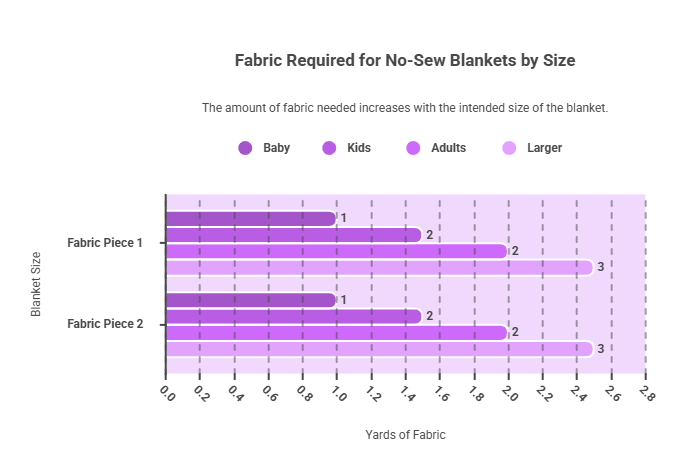
In case you want a straightforward reply to the question of how many yards for a no-sew blanket, it is provided here. It is mandatory to have two pieces of fleece fabric of the same dimensions. Generally, one yard of each piece is enough for a baby blanket. For a blanket for kids, one and a half yards of each fabric is a great choice. For a blanket for adults, usually two yards of each fabric is the most popular option.

In case you decide to have a larger and extremely comfortable blanket, then you can buy up to two and a half yards or even more for each piece. Be aware that fringe cutting around the edges will lower the final size a little bit.

Why Yardage Matters More Than You Think

Purchasing fleece for a no-sew blanket appears to be an easy task until you find yourself in the fabric shop contemplating if you have taken enough. The majority of people conclude later on that their blankets turned out to be smaller than they had anticipated, whereas some others get home with the fabric rolls, which are much more than they actually required. A proper understanding of how many yards for no sew blanket helps you to prevent both scenarios.

It saves money, prevents waste, and makes the whole crafting experience much more enjoyable. When your fabric size is right, the blanket feels comfortable and looks well-balanced instead of awkward or cramped.

What Is a No-Sew Fleece Blanket?

A no-sew fleece blanket has not been sewn at all, but rather made without the use of threads or needles. It means you layer two fleece fabrics, cut little strips at the sides, and tie those strips. The knots create a border that not only holds the two layers together but also looks neat. Knots can be tied even by little ones, hence it can be treated as a family affair. The blanket is so easy to create, but it will still be very warm, soft, and sturdy.

The Golden Rule: Always Buy Two Matching Cuts

To become an expert at this no-sew blanket technique, one must first and foremost realise that the fleece should consist of two equal pieces. If one of the pieces is smaller or less wide than the other, the edges will be misaligned right from the start of knotting.

Most fleece materials have a width that allows for the making of the blankets, thus length in yards should be your main concern when purchasing. The joining of cuts guarantees that the resulting blanket appears tidy and is cosy during usage.

How Many Yards for No Sew Blanket by Size

Baby and Toddler Blankets

Usually, one yard of fleece is enough for baby and toddler blankets plus one more yard for every meter of fleece is the perfect size for crib, pram, and floor sitting. The blankets are also very light and easy to carry, which makes them perfect for toddlers. If you are making several blankets at once or exploring no-sew projects for the first time, these blankets are a perfect choice.

Child-Sized Blankets

Commonly, a no-sew blanket for a child requires one and a half yards of each fabric. This provides sufficient length to wrap a developing child nicely, though it is not bulky. It also endures longer since children grow up, making it a smart option.

Teen and Adult Throw Blankets

For youngsters and grown-ups, the most common option is two yards of every fleece part. An adult throw with the correct yards feels luxurious but not too heavy. This is usually the size that people select for making a blanket as a present.

Extra-Large and Cosy Blankets

If you consider comfort to be the most important thing, opting for two and a half yards or more per piece will result in a larger blanket. These blankets are not only good for tall people but also for cold places and shared use. A lot of people who use a large no-sew blanket claim that it becomes their best pick quite soon because of the complete coverage and warmth it gives.

Why Fringe Reduces the Final Size

In the process of making a no-sew blanket, you fringe all four sides. The cuts usually go quite deep into the material by a few inches, so the fabric of the edges is thus removed. Therefore, the result of the blanket is always a bit less than the fabric that was used in the beginning.

Getting this detail is crucial when you are making a decision about the yards of fabric for the no-sew blanket you need. To have complete coverage, it can be very helpful to take a bit of extra fabric.

Common Mistakes People Make

Let’s save you from a few classic errors:

  • Buying only one piece of fleece (you always need two)
  • Forgetting fringe allowance
  • Mixing different fabric widths
  • Assuming tighter knots make the blanket bigger (they don’t)

A moment in real life which I will always remember: a person made a beautiful knot of the whole blanket… just to find out that the fringe on one side was not cut. Crafting gives patience.

Choosing the Right Yardage for Your Purpose

The appropriate size really relies on who is using the blanket and what its primary purpose is. A blanket for the couch as a decorative piece might not have to be as big as one for a bed. The size of the baby blanket should accommodate the baby’s growth, while the adult’s should be able to cover him/her completely. If you are not sure about the size, better to choose the slightly larger one, which usually equals more comfort and more happiness.

Final Thoughts on Making the Perfect No-Sew Blanket

Once you determine the yardage for your no-sew blanket, the rest of the procedure will be nothing but easy and enjoyable. The no-sew blankets are not about being flawless; they embody comfort, imagination, and heat. Each knot narrates a story, and each blanket carries the saga of personal participation. If the material is of the correct size, then it’s possible to create a tender item that will endure for years and be cherished and utilised.

Fleece is something that we really care about because it has all the good qualities like heat retention, softness, and long life. Besides educating people with the help of projects like no-sew blankets, we also encourage companies, non-profits, and event organisers by supplying them with wholesale fleece blankets in bulk, which are of good quality and impart comfort that lasts long. To us, the goal is to make warmth simple, accessible, and meaningful for all people.

How Much Fleece for a No-Sew Blanket?

24 Dec

Wondering how much fleece for a no-sew blanket you need? Then here is the sum: you are bound to need 2 pieces of fleece, each with a length anywhere in the range from 1 to 3 yards, a simple explanation greatly depending on the size of the blanket you want to make. Smaller blankets require less fabric, while larger throws or bed-size blankets need a great deal more. The only rule that really matters is that both pieces of fleece are of the identical measurements, and then can be contended to clean edges easily.

Now let’s slow things down and walk through it properly—without overcomplicating things.

Fleece blankets without sewing are so special. They are warm, soft, and highly forgiving. There is no requirement for a sewing machine, sewing skill, or the fact that it all goes awry if the cut is not perfectly straight. That is why they are a hit during holidays, school projects, charity drives, and family craft nights.

The first one I created still sticks out clearly in my memory, and although I thought it was really something I could have completed during an afternoon and in essence was pretty close to finishing by the time the kettle was ready to boil water, the very essence of the no-sew blanket epitomises that whole essence. You are relaxed and comfortable in putting that sense of “Well, I made this!” in with an unforgettable and fleeting moment.

What Exactly Is a No-Sew Fleece Blanket?

Arrange your two fleece fabrics upon configuration with parallels engaged; perpendicularly bisect every short edge of each layer, side them together with matching sides along the fringes, forget about thread, needle, or any such seaming.

Fleece is great for the creation of blankets, as it does not fray and, therefore, preserves the edges’ neatness when cut – especially for this specific type of project. The knotted edge is not untidy but makes an aesthetically clean finish and holds the layers together, if only for a while.

Why You Always Need Two Pieces of Fleece

One of the biggest mistakes beginners often make is buying just one piece of fleece as they make a no-sew blanket that must have two layers to not only be warm but also stay steady. A tie-up of fringes created by the two layers will make the blanket lie flat and hold.

Think of it like a sandwich. One slice of bread works, but two slices make it complete—and far more satisfying.

How Much Fleece for a No-Sew Blanket Depends on Size

This is where most people pause in the aisle of the fabric store, looking intensely at that bolt of modulus and doing the math of bits. The amount of fleece that you need depends on who the blanket is for and how large you want to make it.

One yard of fabric might be just the right size for a baby or lap throw. Lightweight and easy to handle, such throws are great for gifting.

For a throw or a baby blanket, a yard and a half of this fabric would be perfect. This makes the perfect size for reading corners, movie nights, or just curling on the couch.

An adult or teenager throw blanket requires around 2 yards of fleece per side. This size, due to its large enough dimension, can comfortably cover a user without being dragged over the floor.

Generally, 2.5 – 3 yards a piece would suffice for a twin-sized blanket, depending on the amount by which it is supposed to hang. This size is suitable for a bed or a person who loves huge frames.

When asked how many yards are required for a no-sew blanket, the answer differs as per the size of the stargaze fleece blanket that you are going to make. Two pieces in matching colours are mandatory for each.

Fabric Width Matters More Than You Think

Fleece fabric generally comes in a comfortable width, so fretting over width is not an issue. This is wonderful because it makes things simple; a tie blanket will turn out just fine as long as both fleece pieces have been cut to the same length.

Thus, the key is consistency, because if one were to be a little longer or shorter than the other, it will show in the way the knots are tied not a nice discovery at the crest of a finished project.

Preparing the Fleece Before You Start

Before cutting fringe, trim away the finished edges of the fleece; these edges are a little stiffer and will tangle with your ties. Lay the two pieces flat, align them carefully, and remove any wrinkles.

Realising the far-too-limited area of the living room floor is almost simultaneous to the commencement of setting up the space. Setting up a big room becomes less agonising in that process.

The Why You Cut Corners and Fringe

To create clean edges, you’ll cut small squares out of each corner of the blanket before making fringe cuts along the sides. This allows the fringe to tie smoothly around the corners without bunching.

The fringe itself doesn’t require precision. As long as the strips are roughly even, the finished blanket will still look great. This is one of those projects where “close enough” really is close enough.

Common Mistakes That Lead to Buying the Wrong Amount of Fleece

Apparently, another way to overshoot is to make a larger blanket than what you planned with a single piece of fabric. A blanket may shrink in perceived physical size when draped over another study table; try having someone with broader shoulders drape the blanket to see if it looks as wide as they visualised.

So you are crafting a gift or working on a project like blanket-making, with ideas for buying larger pieces of fleece than may actually be necessary to keep your focus in peace at all times. Scrap fleece can never end up going to waste; it could turn into pet blankets, scarves, or further projects.

Final Thoughts on Making a No-Sew Fleece Blanket

Making a no-sew fleece blanket is quite possibly the simplest and most rewarding DIY project. What began as conjecture — this would be impossible — stands confirmed. We specialise in fleece products of the highest standard, providing an additional possibility to those who are considering trusting us for wholesaling fleece blankets.

We have roughly decades of experience working exclusively in fleece, thus rendering premium quality, non-pilling blankets on a large scale, with either bulk blankets for personal projects or merchant supplies to organisations for events or charity. For countless no-sew blankets in the near future, or to be confident of consistent, reliable, high-quality bulk fleece, we make comfortable solutions convenient and available.

What Is a Fleece Sweatshirt?

7 Nov

Quick Answer: What Is a Fleece Sweatshirt?

A fleece sweatshirt is a soft, warm, and lightweight pullover or zip-up garment made from synthetic fleece — a fabric known for its insulating and breathable properties. It’s designed to trap body heat while keeping moisture away, making it perfect for chilly days or outdoor activities.

Interestingly, fleece sweatshirts share the same cozy material used in fleece blankets wholesale and fleece blankets bulk production, offering unmatched warmth and comfort at an affordable price. They’re versatile, durable, and an eco-friendly alternative to wool.

Now let’s dive deeper.

1. The Origin of Fleece: From Wool Substitute to Everyday Essential

Fleece as a fabric was developed in the late 1970s by Malden Mills (now known as Polartec). The goal was to create a lightweight, warm, and washable alternative to wool — something that could insulate without the itchiness or heaviness. The result was polar fleece, a soft synthetic fabric made primarily from polyester fibers.

It quickly became a hit in outdoor apparel, especially for hikers, campers, and athletes. Soon, fleece expanded beyond jackets and outdoor wear into household textiles, including fleece blankets wholesale and fleece blankets bulk products that today dominate the comfort market.

2. What Makes a Fleece Sweatshirt Unique?

A fleece sweatshirt is not just any pullover — it’s a combination of advanced fabric engineering and comfort-driven design. Here’s what makes it stand out:

  • Lightweight Warmth: Despite its minimal weight, fleece traps body heat efficiently due to its soft pile structure.
  • Breathability: The synthetic fibers allow moisture to escape, preventing overheating during activity.
  • Soft Texture: The plush surface of fleece gives that signature “cozy” feeling.
  • Quick-Drying: Unlike cotton, fleece dries rapidly, making it ideal for travel and outdoor use.
  • Easy Maintenance: Machine washable and durable, fleece sweatshirts maintain their shape and softness for years.

In short, it’s a modern comfort essential designed for both function and fashion.

3. The Connection Between Fleece Sweatshirts and Fleece Blankets

Fleece sweatshirts and fleece blankets wholesale products share the same foundational material — polyester fleece. The only difference lies in thickness, finish, and intended use.

  • Fleece Sweatshirts: Usually made from medium-weight fleece, often with brushed interiors for extra softness.
  • Fleece Blankets: Typically use heavier, double-sided fleece for maximum warmth and coverage.

This overlap makes fleece a remarkably versatile textile. Many manufacturers that produce fleece blankets bulk also supply fabric for clothing brands, keeping production efficient and sustainable.

Moreover, the same warmth you feel wrapped in a fleece blanket is what you experience when wearing a high-quality fleece sweatshirt — cozy, insulating, and gentle on the skin.

4. Types of Fleece Used in Sweatshirts

Fleece comes in several variations, each suited for different needs. Here are the most common types:

a. Microfleece

  • Thin, soft, and lightweight
  • Great for layering or activewear
  • Highly breathable and quick-drying

b. Midweight Fleece

  • The standard for most sweatshirts
  • Balances warmth and flexibility
  • Suitable for everyday use and mild winters

c. Heavyweight Fleece

  • Thicker and denser for extreme cold
  • Used in premium sweatshirts and outerwear
  • Offers maximum insulation

The same categorization applies to fleece blankets bulk materials, where thickness determines warmth level and price point.

5. Why Choose Fleece Over Cotton or Wool?

While cotton sweatshirts are soft and breathable, they tend to absorb moisture, becoming heavy and cold when wet. Wool, on the other hand, provides great insulation but can be itchy and requires careful maintenance.

Fleece bridges the gap perfectly — it’s lightweight, smooth, and moisture-resistant. In addition, fleece is often made from recycled plastic bottles, making it a sustainable choice when produced responsibly. Many fleece blankets wholesale manufacturers now focus on eco-friendly production, turning waste materials into comfort products.

This combination of comfort, performance, and sustainability explains why fleece remains a preferred fabric for both clothing and blankets.

6. Styling the Fleece Sweatshirt: Comfort Meets Versatility

Fleece sweatshirts have evolved beyond their outdoor roots to become a mainstream fashion staple. Whether for casual wear, athleisure, or layering in cold weather, they offer endless styling possibilities:

  • Athletic Look: Pair with joggers and sneakers for an effortless sporty vibe.
  • Layered Look: Combine with a denim or leather jacket for extra style points.
  • Home Comfort: Perfect for lounging, reading, or working from home.
  • Outdoor Adventure: Ideal for hiking or camping, thanks to their warmth-to-weight ratio.

The adaptability of fleece makes it a year-round favorite — cozy enough for winter yet breathable enough for cool evenings in spring or autumn.

7. The Environmental Angle: Sustainable Fleece Matters

Traditional fleece production relies heavily on petroleum-based polyester, which has raised environmental concerns. However, advancements in textile technology are changing that.

Many modern fleece sweatshirts and fleece blankets bulk suppliers now use recycled PET polyester sourced from discarded plastic bottles. This reduces landfill waste and minimizes the demand for virgin materials.

Some brands even combine natural fibers like bamboo or organic cotton with synthetic fleece to create hybrid eco-friendly fabrics.

If you’re shopping wholesale, look for certifications like Global Recycled Standard (GRS) or OEKO-TEX to ensure the fleece material meets environmental and safety standards.

8. How to Care for a Fleece Sweatshirt?

To preserve the softness and durability of your fleece sweatshirt, proper care is essential. Here’s how to keep it in top shape:

  1. Wash Cold: Use cold or lukewarm water with mild detergent.
  2. Avoid Fabric Softeners: They can clog the fleece fibers and reduce breathability.
  3. Air Dry When Possible: High heat can damage the texture; tumble dry on low if necessary.
  4. Avoid Ironing: The synthetic fibers may melt under high heat.
  5. No Bleach: It can weaken fibers and discolor the material.

The same care tips apply to fleece blankets wholesale products, ensuring they stay fluffy and long-lasting.

9. Fleece in the Modern Market: Beyond Clothing

Fleece has gone far beyond the fashion industry. Today, you’ll find it in home décor, pet accessories, baby products, and even automotive linings. The fleece blankets bulk market, in particular, continues to grow rapidly due to high demand from hospitality, gifting, and promotional sectors.

For brands and retailers, this crossover between fashion and home textiles opens up new opportunities. By sourcing fleece responsibly and marketing its comfort-driven value, businesses can tap into a sustainable, year-round market.

Final Thoughts

A fleece sweatshirt is more than just a warm pullover — it’s a blend of science, style, and sustainability. Its unique composition, derived from the same fabric used in fleece blankets wholesale manufacturing, offers unmatched comfort and versatility.

Whether you’re curling up on the couch, heading outdoors, or layering for work, the fleece sweatshirt remains a timeless favorite. And as innovations in fleece blankets bulk and apparel production continue to prioritize eco-friendly practices, fleece will likely remain at the forefront of modern comfort wear.