Archive | Fleece Blankets RSS feed for this section

Where to Buy Blanket Fabric: A Complete Guide for DIYers and Bulk Buyers

17 Jul

Choosing the right fabric—and indeed where you find it–will be the first important choice you make in your journey to creating cozy, warm, and beautiful blankets. The ability to source high-quality blanket fabric can change everything for a small-business owner, a DIYer, or just someone gearing up for a large family gift project.

In this blog, we will walk you through the best places to buy blanket fabric, the types to look for, and, in case you are thinking big, how to source fleece blankets bulk. This will be your go-to guide for everything from local stores to online wholesalers.

Why Does Fabric Matter for Plush Blankets?

Before we go ahead and locate the purchase points of blanket fabric, let’s spare a moment to consider why this choice should even matter for you. The fabric that you choose will affect:

•Warmth and softness

•Durability and washability

•How easy it is to cut, sew, or even knot

•Visual appeal and texture

With many to choose from-cotton, wool, minky, sherpa-fleece is an ever-favorite option. It is cheap, soft, warm, and easy to work with. For someone looking to buy fleece blankets bulk, it is probably the most available fabric in shops and online.

Types of Blanket Fabric to Consider

Depending on fabrics suitable for blanket-making, one can mention:

1. Fleece (Polar and Anti-Pill)

Great for: No-sew tie blankets, winter throws, baby blankets

Fleece is soft, machine-washable, and cheap: perfect for bulk projects.

2. Minky Cloth

Great for: Baby and luxury blankets

Soft and plush, however, expensive and technically hard to sew.

3. Sherpa

Great for: Extra-warm or double-sided blankets

Gives the “faux-sheepskin” feel and is usually paired with fleece.

4. Cotton Flannel

Great for: Lightweight blankets and receiving blankets

Gently breathable but not quite fleece-warm.

5. Wool Blends

Great for: Traditional and heavy winter blankets

Nature-keeping and insulating but require extra care and expensive.

Where to Buy Blanket Fabrics (Retail & Online)

1. Joann Fabric & Craft Stores-USA

Renowned for offering fleece, flannel, and minky fabric wholesale for crafters and hobbyists-anyway any season!

Seasonal prints tend to be available, along with discounts on bulk purchases.

2. Hobby Lobby

A strong contender if you need stylish patterns and themed fabrics. Their fleece section is surprisingly extensive and good for small to mid-sized projects.

3. Walmart Fabric Department

The budget-conscious flock to Walmart for fleece at prices that rarely ever go in the higher lane, and some stores even carry fabric by the bolt that the enthusiastic mass blanket makers can put to blissful use.

4. OnlineFabricStore.net

An apt online store for specialty fabrics like anti-pilling fleece and sherpa. They allow generous cuts of fabric with noteworthy discounts for large quantity orders.

5. Fabric Wholesale Direct

True to its name, the website deals with huge transactions. It should be a good option for someone looking for wholesale prices for purchasing fleece blankets in bulk or by the yard.

6. Amazon

Oddly enough, Amazon can be another convenient way to acquire fabrics for blankets, especially pre-cut fleece sets and DIY kits. Just read a ton of reviews before committing to a purchase in bulk.

7. Alibaba or AliExpress

Trying to source fleece blankets bulk for resale or extensive distribution? Wholesale marketplaces such as Alibaba can provide giant quantities at some of the most competitive price points. Do check the sellers, and if possible, ask for samples.

Buying Fleece Blankets Bulk: What to Know
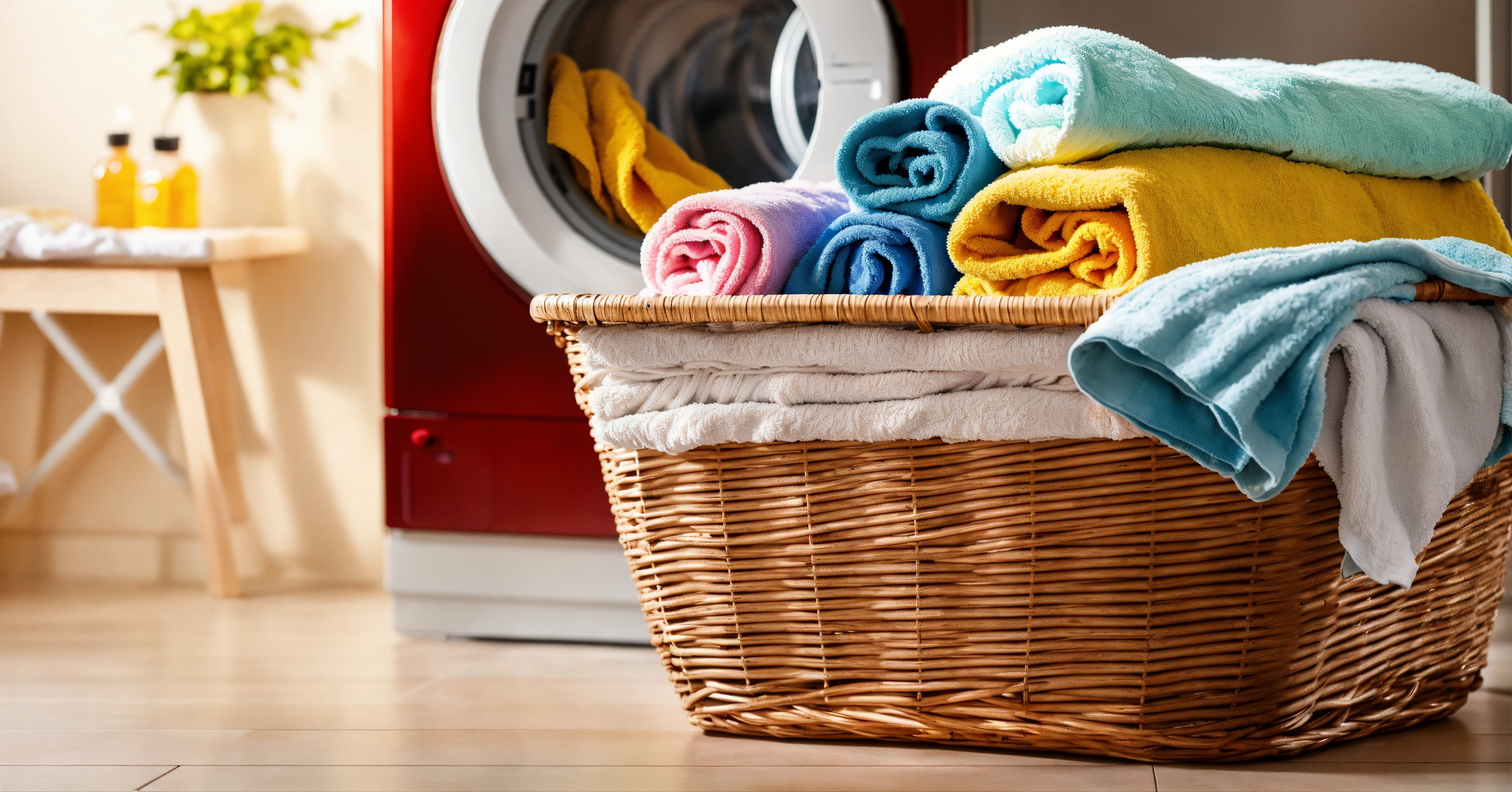
If bulk fleece blankets are on your shopping list-from stores to charity events to resale, here are a few key considerations:

•Minimum Order Quantity (MOQ): Most suppliers (especially on Alibaba) set the MOQ to 100 or more.

•Custom Printing: Some offer custom printing to brand your blankets.

•Shipping Time: Your package may take 2–6 weeks if you are shipping from abroad.

•Material Grade: Go for “anti-pill” fleece or polyester blends, which can resist multiple washes.

In the U.S., websites such as BlanketWholesaler.com, DollarDays, or Nassco Inc. specialize in ready-made fleece blankets that you may purchase in bulk with some starting at just $3 per unit.

Tips For First-Time Fabric Buyers

•Always ask for a sample: This is very important, especially when making online purchases or buying bulk fleece.

•Compare weight (gsm): A higher gsm will mean thicker and warmer fleece.

•Stretch factor: Some fleece fabrics are 2-way or 4-way stretch; this can impact your project.

•Look for sales: Winter months and back-to-school periods usually come with some of the biggest sales on fabric.

•Understand return policies: Not all bulk fabric purchase will come with return policies, especially for cut yardages.

From gifts to larger orders, blanket fabric supply makes the key to comfort and quality. Since fleece is a leading choice for its cheap price and ease of handling, surely the majority of people look to fleece blankets bulk for their needs, whether for themselves or commercially.

Take the time to compare suppliers, be sure about your fabric options, and do not be afraid to experiment. Because when it comes down to making some warmth-whether for business, charity, or the family-what goes into it is important.
What Kind of Fabric for Tie Blankets? Your Cozy Guide to Making the Perfect Snuggle Buddy

17 Jul

If you’ve ever cuddled in a tie blanket, you just know it: The blanket is soft, gentle, warm, and made with love. Behind every excellent tie blanket lies a very clever fabric choice. And if you’re considering making several of them (gifts, schools, donations, or cozy movie nights), the question would have come to you at least once: Which type of fabric is best for tie blankets? This blog will give you a rundown on everything about the fabric for tie blankets, why fleece blankets wholesale can be your best choice, and how to select the right materials considering comfort, durability, and price.

Why Fabric is Important in Tie Blankets

A tie blanket is not sewn — it is knotted. This means that the edges of the fabric are supposed to hold without fraying; they need to be pleasant to the skin and slightly stretchy to be able to knot easily. For these reasons, the choice of fabric is not just crucial; it strongly affects the final feel and functionality of a blanket.

The Gold Standard: Fleece

Let’s just cut right to the chase: your very best fabric for of tie blankets would be fleece. And there are some great reasons why wonderful fleece is popular for tie blankets:

1. No fraying

Cotton or woven fabrics will fray when cut, but fleece won’t. Hence, fleece tie blankets are never hemmed or serged at their edges. It is simply cut and tied.

2. Softness

Fleece is known for being soft imparting that feel of warmth while forbidding that itchy disadvantage left behind by wool. This purports to be of consequence when creating a blanket churned out to be cuddled by someone.

3. Stretch

It has a stretch suitable enough for keeping the knots snug without the stretch deforming the shape of the blanket. This is very essential on maintaining the structure of your tie blanket as it ages.

4. Durability

Set to be pulled around by a toddler or washed down so many times in the washing machine, fleece will always keep up with these demands for wear and tear. Hence, wholesale fleece blankets always get picked for large-scale blanket drives and charities.

Types of Fleece You Can Use

Not all fleece is created equal. So let’s examine the major types of fleece for tie blankets:

1. Anti-Pill Fleece

If you are likely to wash the blanket often (which is almost always), pick anti-pill fleece. This type resists those tiny fuzzy balls that appear after washing, thus shielding your blanket from looking old for much longer.

2. Blizzard Fleece

A bit thicker than your normal fleece, blizzard fleece gives more warmth and weight. Suitable for a chilly climate and for a premium tie blanket feel.

3. Polar Fleece

Another great choice-Lightweight yet warm-is polar fleece. Often it provides more breathability than blizzard fleece, which is something worth considering for all-season usage.

4. Micro Fleece

Luxuriously soft and thin and therefore far cozier, it does demand a tad bit of care. This would, therefore, not be a suitable choice for heavy-use blankets.

Size & Thickness: What to Look For

When buying fleece for tie blankets, you usually want two layers-one for the front and one for the back. The size of each piece should be the same and should be large enough to allow for the tied edges (you will lose about 4-5 inches on each side due to knotting).

Some common sizes are:

•             Baby Blanket: 1 to 1.5 yards

•             Throw Blanket: 1.5 to 2 yards

•             Twin Size: 2 to 2.5 yards

Buying fleece blankets wholesale can save tons of money if you decide to buy them in vast amounts, particularly for school projects, fundraisers, or winter drives. Wholesale dealers usually provide pre-cut blankets or fleece by the bolt, both of which simplify the process and save time.

Where to Purchase Fleece Blankets Wholesale

If you’re making more than one tie blanket, buying fleece individually from craft stores can get pricey-good fast. Wholesale options are perfect for:

•Non-profit or charity drives

•School projects

•Holiday gifts

•Small craft businesses

Look for wholesalers that offer:

•Anti-pill fleece

•Bulk discount

•Variety of colors and patterns

•Pre-measured sizes

Some wholesalers even go the extra mile to specialize in fleece blankets wholesale that are ready to tie, thus being a big hit for group events or beginners.

Design Ideas to Consider

Not just soft to the touch, fleece tie blankets offer endless design possibilities. When selecting fleece:

•             Combine solids and patterns (for example polka dots plus plain pink).

•             Seasonal approach (snowflakes in winter, flowers in spring).

•             Use variations of team colors (for school and sports fans).

•             Go for thematic sets (cartoons, animals, quotes).

That being said, if you buy fleece blankets in bulk, a custom-printing option could be available for that extra personal feel.

General Tips for an Awesome Tie Blanket

•             Use sharp fabric scissors or a rotary cutter so you get clean cuts.

•             Keep fringe consistent (usually about 1 inch wide and 5 inches deep) for easy tying.

•             Double knot every fringe to secure the blanket from coming loose in the wash.

•             Pre-wash fleece if there is a strong scent or residue from the factory, but most of them just go right out of the box.

So, how do you decide the best fabric for tie blankets? It’s the comfortable fleece—of course. More specifically, anti-pill or blizzard fleece for the compromise of durability and softness. For your multitudes of fleece blankets or perhaps your frugal constructs, fleece blankets wholesale is the way to go for a save, simplicity, and scale.

Whether you tie one for yourself and another for your couch, or 50 of them just for a good cause, it’s that fabric choice that will really establish warmth and life for every knot. So, choose well and tie on!

What Fabric to Use for Tie Blankets: A Cozy Maker’s Guide

17 Jul

Tie blankets are becoming far more than a cozy DIY creation-Giving warmth, comfort, and a personal touch into it. Whether it is for a child or charities to hospitals, or just a leisurely project, the most common question is: “Which fabric should I use for tie blankets?” The answer can dictate a blanket’s fate, good or bad: in quality, in comfort.Since you plan to donate bulk tie blankets it is very worthwhile to know about the sources where you can buy wholesale fleece blankets-that is to save time and money and ensure quality.

Why Fabric Matters in Tie Blankets

Tie blankets are not sewn-they are merely tied together with two layers of fabric, usually after opposite edges are trimmed and cut into strips. Choosing the fabric would determine how long the blanket holds up, how warm it is, and even how easy it is to assemble, for there is no collection of stitches to keep things together.

Ideally, your fabric should have the following characteristics:

•  Does not fray at the edges

•   Soft and warm

•   Durable

•   Easy to cut and tie

With these in mind, let’s check out the first choice in fabrics and why it is the number one option for tie blanket enthusiasts worldwide.

The Undisputed Champion: Fleece

If one has read a little about tie blankets, they must have seen a fleece fabric dominate the discussion, and rightly so.

Why fleece?

•   It doesn’t fray-and so there is no need to hem or finish the edges.

•   Soft and gentle-Enough to cuddle with.

•  It cuts and ties with ease-Even children can join in making tie blankets.

•  Has a wide variety of colors and patterns-A matter of easy personalizing.

•  Durable-Remember, fleece is washable.

If you want to knit many blankets-for example, for a community drive or for a Christmas event-buying fleece in bulk would help reduce the cost, and at the same time, give the same soft finish each time.

Types of Fleece to Consider

Really not all fleeces are created equal. Let’s dissect the common types of fleece and their wear in tie blankets:

1. Polar Fleece

•    Best for: For-all-day tie blankets

•   Texture: Smooth, soft, and medium weight

•    Why use it: The in-and-out for tie blankets; polar fleece is warm and soft on both sides and does not pill to any extent. It demands the attention of adults and kids.”

2. Anti-Pill Fleece

•  Best for: Gifts or keepsake throws

•  Feel: Polar fleece textured with pilling resistance

•   Why use it: Sometimes, after several washes, fleece can pill in the form of tiny balls on the surface of the cloth. Anti-pilling fleece keeps smooth longer and thus makes an ideal choice for more premium or long-lasting applications.

3. Blizzard Fleece

•  Best for: Extra cozy winter blankets

•  Feel: Heavier than touchscreen polar fleece and warmer

• Why use it: Primarily for warmth, Blizzard fleece is your best choice. Heavier and plush, it is hence especially suited for chill weather.

4. Micro Fleece

•    Best for: Lightweight or baby blankets

•    Feel: Durable, ultra-soft, quite thin, and lightweight

•   Why use it: The softest-type fleece and least warm out of all. Good to have for babies or when the weather gets warmer.

If you want to buy in bulk, it is important to ensure the supplier of your fleece blankets wholesale can give you detailed specs and so you know exactly what type of fleece you’re getting.

Fabric to Avoid for Tie Blankets

While fleece is a good choice, below are a few fabrics not suitable for tie blankets:

•  Cotton: Tends to fray and is not stretchy enough for tying.

•   Flannel: Cozy as it may be, it frays over time and is less durable when cut.

•   Wool: Too thick and not easy to tie.

•   Silk or Satin: Too slippery and too fragile for tying.

These materials may work for sewn blankets, but tie blankets need structure and stretch that these fabrics can’t provide.

Tips When Buying Fleece Blankets Wholesale

If you’re bulk-buying items for a big project or donation:

• Avoid lighter weights of fabrics (measured in GSM or watts) for tie blankets; a good weight should be about 200-300 GSM fleece.

•  Choose colors/patterns that complement each other; usually, one patterned layer with one solid layer looks best.

•  Ensure the fleece is 100% polyester; this ensures durability, washability, and softness.

•  Request sample swatches; if a sample cutter is available to test, use it before buying up a large roll or a set.

Wholesale Fleece Blankets are usually pre-cut in selected standard sizes, thus saving a heap of work on your part for manipulation. Some suppliers might even indulge you with no-sew kits-perfect for group projects or beginner-friendly assignments.

Wrap It All Up (Literally)

Whatever it is you plan to tie, be it one tie blanket or hundreds, your fabric is everything. Fleece continues to stay in top ranks-easy to work with, warm, durable, and customizable. And if you are thinking in terms of a big project, then going for fleece blankets wholesale would be a wise choice. It maintains quality consistency even while cutting costs.

So, don’t wait. Boots-on, cutters ready: grab your scissors, picking the fleece, and start tying. With the right fabric, every knot is a small embrace of warmth.

Creative Ways to Reuse Fleece Scraps: Don’t Let Them Go to Waste!

17 Jul

If you have ever sliced fleece newborn throws, sewn baby clothes, or generated some winter accessories from fleece, you would know how surprisingly fast scraps pile up. And from a business perspective, with wholesale fleece blankets, you should be sitting on a mountain of leftovers just waiting to get repurposed. But don’t throw them away! Fleece is too soft, colorful, and immensely practical-money against the wall, so to say! Whether you are looking for some smart reuse ideas or just a DIY enthusiast, this guide will show you exactly what to do with fleece leftover scraps while inspiring you to make treasures from those trimmings.

1. Make Fleece Dog Toys-et Will Make Your Dog Happy.

Is there a dog at home, or do you know someone with a furry uncle? Fleece scraps make a perfect no-sew tug toy. Just take three strips of fleece and knot them together at one end, then braid tightly and knot the other end. The dog toy is ready for chewing, washing, and cost less than it would take to buy it!

Making these in bulk is great too—especially if you run the fleece blankets wholesale business and want to give your customers a sustainable add-on.

2. Sew Reusable Makeup Remover Pads

If you have smaller pieces of fleece, you can cut circles out of it and sew together dry fleece and wet fabric to make soft reusable makeup pads that are good for the skin, eco-friendly, and washable. Plus, they’re adorable when bundled with a few spa essentials and make great gifts.

For craft vendors or eco-conscious brands, this is another way to cut textile waste while selling products that support current sustainability trends.

3. Make Cozy Hand Warmers

Winter coming? Turn fleece scraps into microwaveable hand warmers. Cut the fleece into squares, sew most of the sides together, fill with dry rice or flaxseed, then finish sewing. Microwave them for 20 or 30 seconds, and then slide into gloves or coat pockets. They’re great to sell at craft fairs or even give as thoughtful gifts.

If your store offers fleece blankets wholesale, small fleece accessories like these are perfect up-sells that increase the cart value and generate goodwill for the brand.

4. Make Quilted Fleece Blankets or Pillows

Too many oddly sized pieces in a variety of colors? Do not worry about matching them-up—fleece quilts are made to look lively and pretty. Sew fleece scraps into panels and either back with a single large fleece panel or stuff them into patchwork pillows. You minimize waste and make something cool and unique.

This is made even more attractive if you buy fleece blankets wholesale and do a lot of trimming and customizing for resale.

5. Make Colorful Keychain Puffs or Bag Charms

Fleece scraps can be turned into fun accessories like tassels, puffs, or pom-poms. Cut strips, stack and tie, then fluff the ends. Attach to a keyring or zipper pull. Fast to make and sure to please the kids!

Whether you sell handmade goods or run a craft studio, this idea is ant cute way to embellish your leftover fleece.

6. Make Blocks and Soft Toys for Babies

Fleece is baby-friendly: soft, warm, and safe. Tiny blocks can be sewn from fleece scraps and filled with lightweight stuffing. You can insert a rattle or crinkle material for extra fun. If you are into plush toys, fleece scraps are great for making details for soft toys in the ears, noses, or tails.

And if your business sells fleece blankets wholesale to baby boutiques or nursery brands, offering complementary handmade toys shows your dedication to thoughtful upcycling.

7. Fashion DIY Draft Stopper

Cold air sneaking underneath your doors? Sew long tubes from fleece scraps; fill them with rice or sand, and place them at the foot of your doorways. They keep warm chills from entering and look warm and decorative.

Great project for home-use scraps or when you are left with long thin trimmings after trimming fleece blankets.

8. Sew into Slippers or Socks

If you are adept at sewing, fleece scraps may be cut and sewn into simple slipper socks or foot warmers. Use a basic slipper pattern and play with mixing colors or adding whimsical patches using different scrap fabrics. A great gift to give your family, to go into Christmas stockings, or maybe even to sell on a limited basis if you want to do a little repurposing for your fleece blankets wholesale business with offcut scraps.

9. Build a Cat Hammock or Bed

Cats will love fleece-it’s warm, it’s soft, and it’s right for kneading! You can make a little hammock or a pillow bed from scrap fleece. Just sew a few pieces together and attach them to a frame, or fill a pillowcase and cover it in bright fleece.

A great projects help shelters and rescues where there are always requests for soft bedding.

10. Use Scraps as Packaging Fill or Padding

Not all fleece scraps need to make it into a product. Small trimmings are perfect eco-friendly packaging filler material for your online orders-especially if you’re selling wholesale fleece blankets and want to give that personalized soft touch to your shipments. This is a fun way to use eco-friendly packaging instead of plastics.

One Blanket, Countless Possibilities

The fleece will always remain a delight-and there is something extra special about feeling like nothing goes to waste. If you run a crafting business or buy wholesale fleece blankets wholesale, finding worthwhile uses for those scraps could keep costs down while enhancing your creativity and environmentalism.

So, before you allow those fuzzy little scraps to go to waste, hold on a minute. A little bit of imagination coupled with scissors will greatly help to transform the discarded fleece scraps into something useful again and again.

What Is Sherpa Fleece?

1 Jul

Quick Answer: What Is Sherpa Fleece?

Wondering what is Sherpa fleece and why it’s such a popular fabric for comfort products? Sherpa fleece is a soft, warm, and lightweight synthetic material designed to mimic the cozy texture of sheep’s wool. It’s often used in jackets, throws, and especially blankets because it combines plush comfort with durability.

Businesses that buy fleece blankets wholesale or stock fleece blankets bulk love Sherpa fleece for its premium feel, affordability, and low-maintenance care—making it ideal for homes, hotels, promotional gifts, and seasonal product lines.

Now let’s dive deeper.

The Cozy Revolution Behind Sherpa Fleece

In the world of cozy textiles, Sherpa fleece has earned a top spot for both comfort and practicality. The name “Sherpa” comes from the Sherpa people of Nepal, known for their warm clothing suited for cold mountain climates. While true Sherpa wool is natural and traditional, Sherpa fleece—its modern counterpart—is fully synthetic yet engineered to deliver the same warmth and plushness without the weight or expense.

Today, Sherpa fleece is not only a fashion and home décor staple but also a business favorite for companies sourcing fleece blankets wholesale or in fleece blankets bulk quantities. Its ability to balance comfort, cost, and versatility makes it a top choice across industries.

1. What Exactly Is Sherpa Fleece?

Sherpa fleece is a man-made fabric, usually composed of polyester or a polyester-cotton blend, designed to look and feel like wool. The material features two distinct sides:

  • The outer side: Smooth, often made with a knit texture that provides durability and aesthetic appeal.
  • The inner side: Soft, fluffy, and wool-like—this is the Sherpa layer that delivers warmth and comfort.

This dual-sided structure gives Sherpa fleece its unique appeal. The smooth side ensures resilience and easy layering, while the inner side provides insulation and a luxurious touch.

Unlike natural wool, Sherpa fleece is lightweight, hypoallergenic, and dries quickly—making it a convenient alternative for both consumers and manufacturers.

2. The Origin and Naming of Sherpa Fleece

The term “Sherpa fleece” is inspired by the Sherpa people, native to the Himalayan region. These mountain dwellers are historically known for their heavy wool-lined garments that keep them warm at extreme altitudes.

While the modern fabric doesn’t use real wool, it mimics the look, feel, and insulation of traditional Sherpa wear. The goal was to replicate that same warmth but in a lightweight, machine-washable form that could be mass-produced.

As a result, textile innovators developed Sherpa fleece—a synthetic alternative that democratized comfort, allowing brands to create cozy products that anyone could afford.

3. How Is Sherpa Fleece Made?

Sherpa fleece production begins with synthetic yarns, primarily polyester. These fibers are:

  1. Knitted or woven into a base fabric.
  2. Brushed and napped to create the fluffy pile on one side.
  3. Heat-treated to lock in the softness and prevent shedding.

Some variations include blending polyester with cotton to improve breathability or adding recycled materials for sustainability. The brushing process is key—it gives Sherpa fleece its signature cloud-like texture.

The final result is a high-performance fabric that feels natural to the touch while being entirely machine-friendly and moisture-resistant.

4. Why Sherpa Fleece Feels So Soft?

The unparalleled softness of Sherpa fleece comes from the fine-gauge synthetic fibers used during manufacturing. These fibers are extremely thin—often thinner than human hair—and when brushed, they form micro air pockets.

These air pockets serve two main purposes:

  • Insulation: They trap body heat, keeping you warm without needing additional layers.
  • Softness: They create a plush surface that’s comforting against the skin.

That’s why Sherpa fleece is commonly used in blankets, hoodies, baby products, and winter wear—it’s soft enough for sensitive skin and cozy enough for cold weather.

5. Key Benefits of Sherpa Fleece

Sherpa fleece has gained massive popularity because it checks multiple boxes for comfort, practicality, and cost-effectiveness. Here are some standout advantages:

a. Warmth Without Weight

Unlike wool, Sherpa fleece is light and breathable, allowing wearers to stay warm without feeling bulky.

b. Moisture Resistance

Polyester fibers wick away moisture, ensuring you stay dry even in humid or damp conditions.

c. Easy Maintenance

Sherpa fleece is machine-washable and quick-drying—no special care needed.

d. Hypoallergenic

Unlike natural fibers that can irritate the skin, Sherpa fleece is non-irritating and ideal for those with sensitivities.

e. Affordable & Durable

For businesses, it’s cost-effective to produce and lasts longer than many natural fibers, making it perfect for fleece blankets wholesale and retail resale.

6. Sherpa Fleece vs. Regular Fleece: What’s the Difference?

Although both are synthetic and soft, Sherpa fleece has a few unique distinctions:

FeatureRegular FleeceSherpa Fleece
TextureSmooth, velvety surfaceFluffy, wool-like pile
WarmthModerateHigher insulation
LookUniform, sleekNatural, plush appearance
UseJackets, activewearBlankets, linings, winter clothing
CostSlightly lowerSlightly higher due to texture

In short, Sherpa fleece is designed for luxury comfort, while regular fleece is used for general-purpose warmth.

7. Practical Uses of Sherpa Fleece

Sherpa fleece’s versatility extends beyond personal comfort—it’s found in countless commercial and industrial applications.

a. Home Essentials

Blankets, throws, and cushion covers made of Sherpa fleece add warmth and style to living spaces.

b. Apparel

From hoodies to linings in winter jackets, Sherpa fleece is a go-to material for warmth without weight.

c. Pet Products

Many pet beds and accessories use Sherpa fleece for its softness and washability.

d. Hospitality Industry

Hotels, lodges, and resorts frequently buy fleece blankets bulk to provide guests with luxurious comfort at a low cost.

e. Promotional Merchandise

Brands often source fleece blankets wholesale to create personalized or branded giveaways, as they offer high perceived value and broad usability.

8. Caring for Sherpa Fleece Products

To keep Sherpa fleece looking and feeling like new, follow these simple care tips:

  1. Wash in cold water using a gentle cycle.
  2. Use mild detergent—avoid bleach or fabric softeners.
  3. Air dry or tumble dry on low heat to preserve softness.
  4. Brush lightly with a soft fabric brush to restore fluffiness after drying.

Following these steps ensures that Sherpa fleece products maintain their shape, color, and cloud-like texture for years.

9. Environmental Considerations and Sustainability

As demand grows, so does the focus on sustainability. Many modern manufacturers now produce eco-friendly Sherpa fleece using recycled polyester made from plastic bottles.

This innovation not only reduces waste but also appeals to environmentally conscious consumers. The result? Cozy, durable fleece products with a smaller ecological footprint.

If you’re sourcing fleece blankets wholesale, choosing suppliers that use recycled materials is a great way to combine business value with social responsibility.

10. Why Businesses Love Sherpa Fleece?

From a business perspective, Sherpa fleece offers a unique blend of market appeal and profitability. Whether you’re a retailer, hotel, or promotional brand, here’s why it’s a smart investment:

  • High perceived value – It feels premium without premium costs.
  • Versatility – Suitable for home goods, apparel, and branded merchandise.
  • Scalability – Easy to produce and customize for fleece blankets bulk orders.
  • All-season appeal – While best known for winter, Sherpa fleece products sell year-round.

It’s a product category that meets both consumer demand and business goals—a win-win scenario.

11. The Future of Sherpa Fleece

As textile innovation advances, Sherpa fleece continues to evolve. Manufacturers are developing ultra-soft microfleece hybrids, eco-conscious fibers, and temperature-regulating coatings that enhance the comfort and durability of the fabric.

The continued popularity of cozy home décor and wearable comfort means Sherpa fleece isn’t going anywhere soon. In fact, it’s becoming a mainstay in both luxury and budget markets alike.

Final Thoughts

So, what is Sherpa fleece? It’s more than just a fabric—it’s a revolution in comfort, combining the best qualities of natural wool and modern innovation. Its warmth, softness, and versatility make it a global favorite, from home blankets to retail products.

For businesses, investing in fleece blankets wholesale or fleece blankets bulk offers an unbeatable balance of affordability, quality, and customer satisfaction. Whether for home use, hospitality, or gifting, Sherpa fleece stands as a timeless symbol of comfort done right.