Archive | Uncategorized RSS feed for this section

How Often Should Fleece Be Washed?

5 Feb

People wash fleece items more frequently than their actual cleaning needs require, according to your question about fleece washing frequency. Fleece preserves its warm, soft and comfortable properties through a cleaning schedule that requires less frequent maintenance. The material requires less washing because excessive washing will damage it more than it will benefit from cleaning.

Most people overwash fleece without realising it. Fleece has become our most common material choice because its softness leads our brains to believe we must wash it after each use. Fleece operates under different rules than other materials. The fabric maintains its original smell while remaining clean through multiple washing processes. People who want to maintain their fleece need to understand that excessive washing will damage their fabric.
How Often Should Fleece Be Washed for Daily Wear

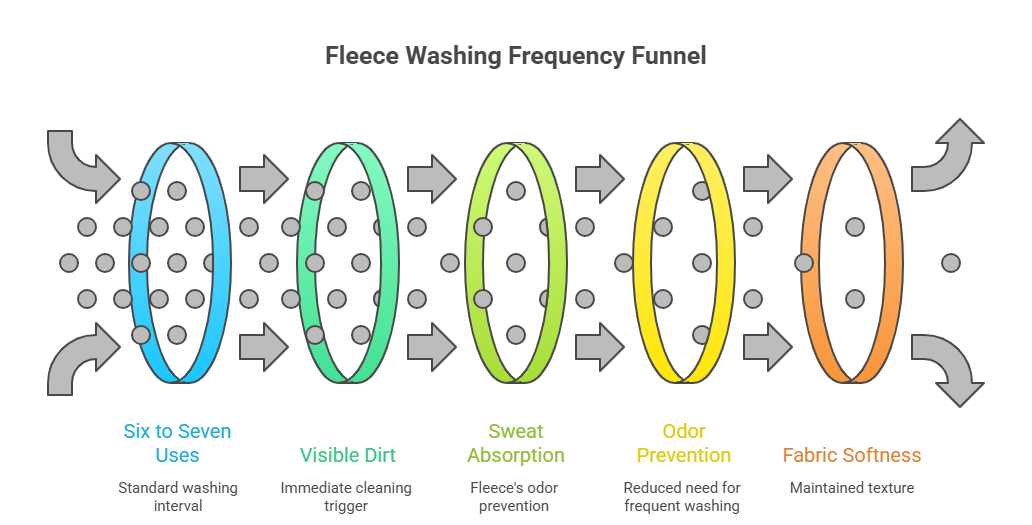
Fleece jackets, hoodies and pullovers need washing after six to seven uses except when visible dirt necessitates cleaning. Fleece fabric enables people to wear clothing multiple times because it does not absorb sweat and therefore prevents body odour. The proper washing schedule for fleece clothing needs to be known by people because it helps maintain fabric softness while preventing early material damage.

Fleece Blankets Follow a Different Schedule

Fleece blankets need special treatment because their fabric needs special handling procedures. The proper cleaning schedule for a blanket requires washing it every one to two months. People who use blankets throughout the winter season need to wash their blankets every week. People should avoid washing fleece blankets more frequently than needed because it will cause their fibres to flatten over time, which leads to less comfortable blankets.

What Happens When Fleece Is Washed Too Often

The most common washing practice for fleece items leads individuals to use hot water together with strong detergents because they do not know how to wash their clothes correctly. The process of pilling develops through multiple washings that employ hot water and strong detergents, resulting in both decreased softness and loss of the fleece’s ability to maintain warmth. The knowledge about how often should fleece be washed protects both the comfort and the durability of the fabric.

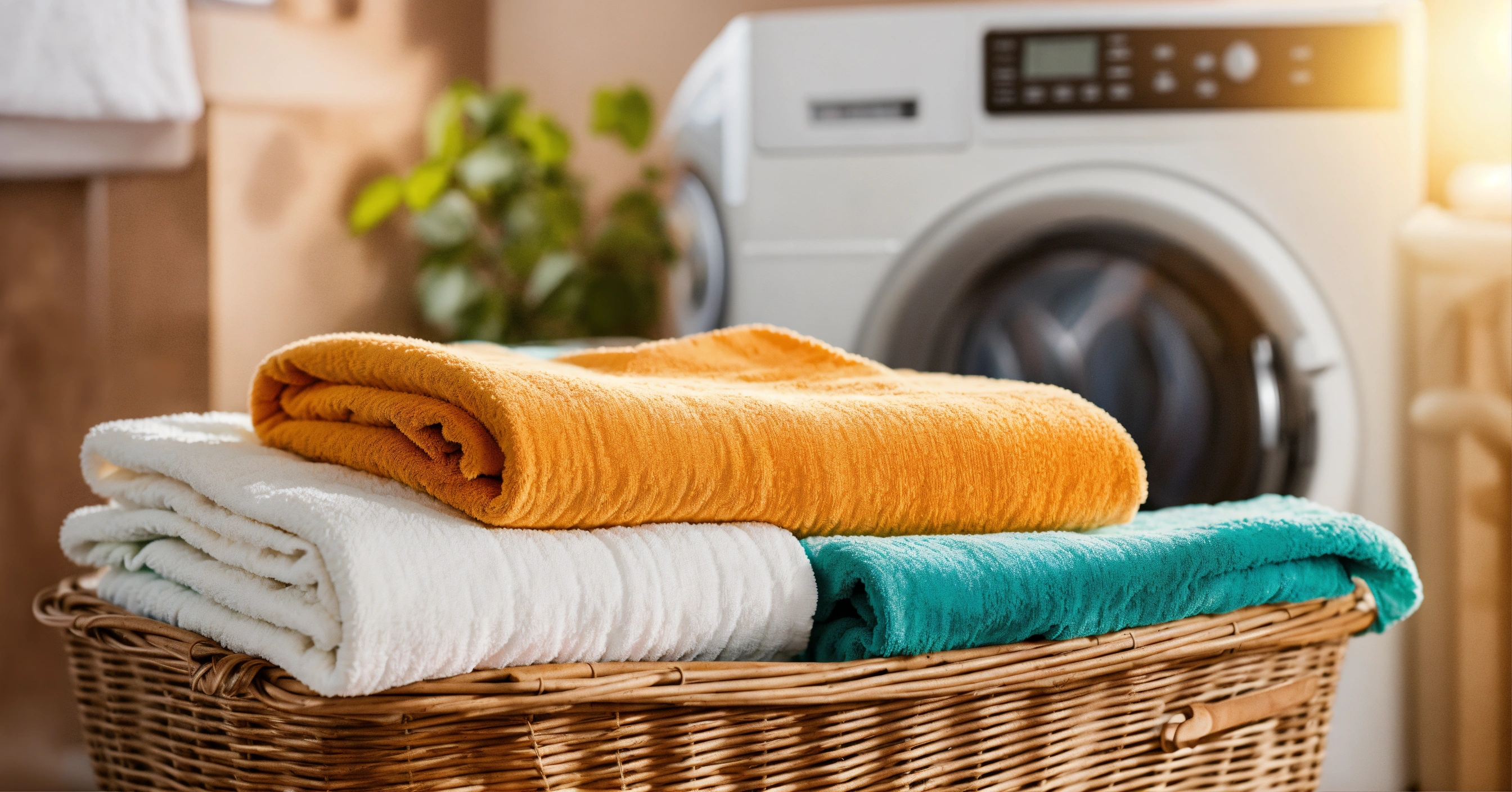
Fleece materials need both their washing times and drying times. The best washing method for fleece requires cold water and a gentle cycle with mild detergent, while users must avoid using fabric softener. Users should use air drying as their main drying method because low-heat drying serves as a suitable backup option. Fabric softener, despite its friendly name, actually coats fleece fibres and makes them less effective—kind of like putting sunglasses on at night.

Everyday Fleece Products We All Use

Fleece is everywhere in daily life. Blankets in living rooms, throws on beds, jackets for travel, hoodies for lounging, baby fleece items, and even fleece used in hospitality settings. Each of these products benefits from proper care. Once people understand how often fleece should be washed, they usually notice their fleece staying nicer for much longer.

Many people have had that moment where a fleece blanket slowly stops feeling special. It didn’t happen overnight, and it wasn’t bad quality—it was washed too often. Once washing habits change, fleece suddenly feels “new” again. It’s one of those quiet wins that make you feel oddly proud of your laundry skills.

Why Knowing the Right Washing Frequency Matters

Understanding how often fleece should be washed isn’t just about keeping things clean. It’s about protecting warmth, softness, appearance, and value. Fleece is forgiving, but it rewards good care. Wash it when needed, not by habit, and it will return the favour for years.

At PeachFur Fleece, a division of HighMark Outdoor, we design fleece products with real-world use in mind. Our fleece blankets keep their original softness, warmth and durability when customers follow correct maintenance procedures. The wholesale fleece blanket solutions we provide deliver reliable quality to buyers who need to purchase products in large quantities. Proper manufacturing and washing procedures enable fleece to deliver its expected results of providing reliable warmth and everyday comfort.
What is Microfleece Fabric?

7 Aug

The textile scene might zestfully call microfleece the new big thing; before it had time to even develop, it had been in everything from casual clothing to bedding sets. But what is microfleece, really? And why does it spring up when fleece blanket wholesale or high-quality comfort blankets are discussed? Let’s get down and warm-hearted about this lightweight and versatile fabric redefining softness. It is basically a thin fleece fabric that is very light, breathable, and soft. Generally, fleece stands for any fiber made from polyester in the hypothesis of replacing wool-an insulating property present in natural fibers without bulk and weight. The aforementioned benefits of microfleece have also been questioned. Microfleece is like a thin version of fleece, under 200 g/m2. Such a decreasing weight becomes an advantage when layering, traveling, or situations that call out for warmth without heavy insulation.

Truly, fleece gets its main characteristic from its texture. It is brushed on both sides to develop a velvety, plush feel with which people immediately associate comfort. Be it a little chilling weather while you bend over an old book or a stroller ride with your baby, microfleece give you steady warmth without holding any moisture. The wick-away ability of fabric makes it a preferred choice in activewear and performance fabrics. That means the sweat can almost evaporate off the surface instantly, keeping the wearer dry and comfortable.

Within the world of fleece blankets wholesale, microfleece is considered one of the top contenders. Further favored by retailers and resellers because of its luxurious appearance and feel at a very reasonable price. It dyes well, resists pilling when made to high standards, and retains shape over time. These attributes of microfleece make it excellent for large orders of throws, travel blankets, and promotional gifts. Long-lasting elegance is what customers want, and microfleece is usually their answer.

Durability further aids in boosting the attractiveness of microfleece. While wool or cotton shrinks or stretches with washing, microfleece will almost always be only a little changed. After a short wash, it dries quickly and does not wrinkle, making it ideal for commercial uses. Hotels, hospitals, airlines, and spas depend on fleece blanket wholesale suppliers to provide a warm-yet-hard-to-maintain kind of option; and microfleece is often top on that list.

It is also good to remember that microfleece is hypoallergenic and thus great for the people who have sensitive skin or allergic conditions. Since there are no animal fibers postulated in this, there is almost no chance of irritation, and due to its synthetic nature, it does not act as a harbor for allergenators, like dust mites. For all these reasons, parents decide to choose microfleece baby blankets and apparel: they are gentle, washable, and safe for the babies.

From a design point of view, microfleece gives the ultimate versatility that designers and crafters appreciate. It can be affected with heat transfers, embroideries, and even with custom prints, thus allowing for personalization. Hence another reason why fleece blankets wholesale catalogs usually contain microfleece models-these get easily customized with logos, names, or themed patterns. It could be simple corporate logo embroidery on one blanket or a colorful holiday print on another, and microfleece will gladly bear the brunt of the creativity.

Concern for the environment is growing in importance within the textile world, and microfleece is keeping up. Many microfleece manufacturers today are producing the item made from recycled polyester, which often comes from plastic bottles. This paradigm shift achieves waste reduction and brings on a greener choice without compromising softness and quality. Henceforth, the businesses wanting to have greener products in their fleece blankets wholesale offer will find microfleece options matching those values.

Secondly, the quality has to be chosen with microfleece. The array of microfleece fabrics varies with regard to quality; with low-quality resins tends to shed, sometimes pill, or may lose their original softness within just a few washes. There is the aspect of obtaining fleece blankets wholesale-the assurance of good quality and trusted suppliers who can provide clear fabric weight specifications is essential, especially in microfleece granulation. A top-of-the-line microfleece blanket will still feel luxury after the same-year and the day it was first used.

Microfleece is an all-season fabric that is also used in stadium blankets, pet beds, outdoor gear, and vehicle emergency kits. It packs small but layers big: a dream for traveling and packing. From a company standpoint, microfleece blankets, which are stock seasonal items and winter promotional items, serve as a lightweight yet high-impact product which consumers truly appreciate.

In closing, microfleece fabric is indeed an evolution in textile engineering. Light but warm, soft but sturdy, cheap but classy! No wonder this fabric is growing in commercial appeal right across industries. If seen as one of the fleece blankets wholesale options, your business will do well supplying these. For the consumer going after the best alternative to wool without the irritating vibes, microfleece is a worthy rival–reliable, functional, and convenient. Casting a tie between consistent performance and comfort has been the reason for its introduction into closets, stores, and hotel rooms all over the world. Along these lines, being and remaining loose and conscious is obviously going to be on the design map with microfleece for a long time.

How Much Material for a Tie Blanket? A Simple Guide to Cozy Crafting

7 Aug

There’s a wholesome feeling about having a blanket handmade for you. Whether it is a gift or a project for one’s abode, or making one together on a rainy afternoon with the kids, tie blankets have well-earned their very modern name. Absolutely no sewing is required. Just a pair of scissors, lots of time, and, of course, the right amount of material. If you ever asked yourself, “How much material does one need for a tie blanket?” rest assured, you are not alone. Let us unravel the answer in this cozy guide to fleece arts. It goes without saying that buying fleece blankets wholesale means bargain prices on bulk fleece material, which is great if you’re doing several blankets or holding a blanket-making party or fundraiser.

The term “tie blanket” comes from the process of making the blanket from two layers of fleece, cutting the strips along the edges, and then tying them into knots. And that is all. But while there is nothing complicated in the technique itself, it is with the choice of size and amount of material that many beginners hesitate. This depends on the size of the blanket you want to make. Would you like a throw for the couch? A baby blanket? A full-size bed cover? Each size asks for its own amount of fleece.

Just plan on a yard of fabric for each to have blanket tie: two yards in total. Baby blankets are generally 30 inches by 36 inches. That measure is ideal for newer crafters to work with small projects. Therefore the little size lets you try it out and even make a perfect shower or newborn gift. The rest of the procedure remains the same: lay one fleece on top of the other, trim, cut strips which are usually about 4 to 5 inches long and 1 inch wide, and tie.

About 1 ½ yards of each fleece will do for the child or lap-size tie blanket. That translates to a blanket approximately 40 inches by 60 inches, sufficiently large for a child to use or for an adult to set on his or her lap in a cool evening while watching TV. A great tip: always keep some extra fabric, just in case you need it if things were cut a little off or had to be trimmed for symmetry. Also, remember: the wider the fringe cuts, the more fabric gets out on the edges.

For making standard throws or adult blankets, two yards of fleece are needed for each color. One yard will serve for the front, another for the back. Depending on how tightly you tie the edges, it will finish about fifty inches by sixty inches. At this size, this blanket is the most typical to use nowadays due to its versatility: good for an afternoon nap, draping over furniture, or taking on a camping trip.

Looking for larger sizes? One and a half-ounce fleece requires roughly 2.5 yards of each for a twin-size tie blanket, and a full or queen size would require 3 yards each or more. The bigger fleece you use, the longer you’ll find yourself tying, and you’ll likely have to assemble it on some giant workspace-a big table or a well-cleaned floor.

When buying fleece, the quality factor comes into play, as does cost. Fabric stores usually charge more per yard for licensed prints, seasonal patterns, or premium plush fleece, and this is where fleece blankets wholesale options can rescue you and your budget. It goes without saying that buying fleece blankets wholesale means bargain prices on bulk fleece material, which is great if you’re doing several blankets or holding a blanket-making party or fundraiser.

Apart from the fact that it is less expensive, many crafters prefer to buy fleece blankets wholesale because of the variety available. Wholesale suppliers usually offer a wider range of solid colors and patterns, thus getting an easier time mixing and matching front and back fabrics. Whether you’re making themed blankets for the holidays or donating to shelters, buying in bulk guarantees that your supply will never run short and opens avenues for creative expression.

Further important is the note that some wholesale fleece blankets come pre-cut or pre-packaged in sizes just right for tie blankets. These all-in packages come handy in group projects or classrooms, because then you do not have to spend time measuring and cutting the large bolts of fabric but instead get to fully enjoy the fun part—cutting the fringes and tying them up in knots.

Soft fleece is medium-soft and has always amazed edge workers and garsters alike. In normal terms, not all fleece is given equal treatment. Anti-pilling fleece is, without question, the better grade for longevity because it stands up more over time. Whether in solid hues or amusing print patterns, the fleece must be in a grade or weight supporting warmth with ease, yet not so heavy as to become a task to tie. Make sure to check for material details on any wholesale site and always cross-compare the weight (in ounces per yard) as a general indicator of quality.

To finish, the needed amount of material depends upon the size of the tie blanket- 1 yard for babies, 1.5 for kids, 2 for grown-ups, and extra for bed-sized blankets. Buying wholesale fleece blankets can also be well worth some strategy to save some bucks while yielding greater control over patterns, colors, and pricing, which means more blankets, more fun, and sharing of warmth-whether for a friend or to donate dozens!

So the next time you find yourself wondering just how much of the fleece material is required for a tie blanket, think not just about its measurements but also the joke-worthy moments it will be a part of. So get out those scissors, roll out that fleece, and tie away some comfort, just one knot at a time.

What is Eyelet Fabric? A Stylish Throwback Making a Modern Comeback

8 Jul

On the textile end, some fabrics can combine an old-world charm with design flexibility, and eyelet is one such fabric. Eyelet fabric has been seen in sketchy summer dresses, airy curtains, or even fragile garments for babies; but what truly is eyelet fabric, and why does it enjoy resurgence in fashion and home décor?

For those of you who are fashion designers, small business owners, or simply textile enthusiasts, knowing eyelet fabric would open up exciting possibilities for you. Let’s unravel its charm.

Eyelet Fabric: The Basics

It belongs to a type of fabric that exhibits tiny, patterned holes or “eyelets” stitched onto the fabric. Normally, these holes are arranged in floral or geometric patterns and are finished with an overcast stitch to stop the fabric from fraying. The output is a breathable fabric: lightweight, with the appearance of intricacy and elegance, so not heavy or delicate!

Historically, with lace and fine embroidery, eyelet has been around for centuries in European fashions. It is often called broderie anglaise, which in literal terms means “English embroidery.”

What Is Eyelet Fabric Made Of?

Traditionally, eyelet fabric is made of pure cotton that yields a soft, natural feel and excellent breathability—that is, the quality ideal for summer wear. Modern variations exist that have cotton blends, polyester, silk, or synthetic fiber content, depending on uses-eyedlet.

The sturdy weave combined with impeccable embroidery ensures that eyelet fabric remains sturdy, yet it stands the test of time with an elegant drape and delicate appearance. This very versatility works wonders for garments like skirts, tops, blouses, and also children’s wear.

Type of Eyelet Patterns

Infinite types of patterns of eyelet fabric exist. Some of the popular ones are:

•             Floral eyelets: Tiny blossoms stitched into the fabric-all beautiful for dress and curtain making.

•             Geometric eyelets: Circles, diamonds, or even stripes-can go well with more modern interpretations of the old looks.

•             All-over eyelets: A very dense, repeating pattern that creates a lacy texture.

•             Border eyelets: Embroidered along the edges only for trims and hemlines.

These patterns may remain subtle or go all the way in making a statement, depending on scale and design.

Where Is Eyelet Fabric Used?

The flexibility and uniqueness of eyelet fabric allow it to fit in many industries.

1. Fashion Industry

Eyelet dresses and tops are especially appropriate for spring and summer collections. The fabric enjoys maximum breathability in warmer weather, and it can go well with delicate looks ranging from casual to semi-formal. Designers particularly love to work with it for the making of blouses, skirts, summer frocks, as well as bridal or christening wear.

2. Décoration

Eyelet fabric is also the popular choice for these airy curtains, pillows, bed skirts, and tablecloths. It is a semi-sheer fabric allowing the passage of light and yet offering texture and pattern, thereby lending a vintage-glory atmosphere to any humble nook.

3. Crafts and DIY

Crafters 즐겨 use the eyelet fabric from doll dresses to heirloom projects. The fine aesthetic look makes it perfect for quilt borders or any type of small decorative work.

Interestingly, in wholesale fabric circles — for example, fleece blanket bulk orders — eyelet fabric may also be a popular choice for accent detailing. The idea behind such detailing is to give simple bulk products that look and feel boutique style.

Taking Care of Eyelet Fabric

As complex-looking as it may skim over, it is easy to care for eyelet fabric, particularly for cotton varieties. Here are some care considerations for your eyelet fabric:

• Washing: In the washing machine on a cold or lukewarm wash. It is to be kept gentle to protect the embroidery.

• Drying: Makes it completely air-dried though low drying heat is mostly safe.

• Ironing: Medium heat with steam is suitable. Iron on the reverse side to avoid crushing embroidery.

For polyester blends or silk eyelets, the need for dry cleaning would surface, primarily when dealing with a delicate item or heavily embellished.

Eyelet vs. Lace: What’s the Difference?

To put it simply, both words are used as synonyms in casual speech and are thus two different concepts. In fact, lace is typically a fabric created by looping or tying threads together, while eyelet is made by making tiny holes in an existing fabric and then embroidering around the edges. In general, the eyelet fabric is more solid and less delicate than lace fabric, which makes it easier to sew and care for.

Why eyelet fabric still should matter

Eyelet fabric manages tradition and trend. While imbued with nostalgia and old-world charm, modern designers are taking the fabric and translating it into minimalist fashion, interiors, and even eco-fashion.

A renewed focus has been placed on artisanal textures and breathable fabrics as a result of which eyelet has gained resurgence. It is not merely a vintage fabric anymore; it stands for style, comfort, and sustainability.

Even suppliers with fleece blankets bulk as their primary interest are integrating more natural fabrics and tactile elements, such as eyelets, to create a contrast and add value to their product offers. A tactile experience of fleece paired with the visual elegance of embroidered cotton? Now that’s comfort and class!

Eyelet fabric is a 500-year-old fabric that has been embraced by the new generation in fashion, décor, and textiles. With its detailed embroidery, airy structure, and unlimited adaptability, eyelet fabric is one of the paragon materials for designers and the DIY crowd alike.

Whether it’s a bunch of eyelet design for a romantic summer dress or fleece blankets bulk for the next product launch, that eyelet might have been that design feature you never knew you needed.

How Much Fabric Is Needed for a Tie Blanket?

8 Jul

Making a tie blanket is among the coziest, easiest, more rewarding DIY feats to embark on. Tie blankets really are wonderful to make for oneself or a friend or for donations. They are even beginner-friendly since no one has to sew.: all you have to need are scissors, a little amount of patience, and, well, some fleece! However, the most commonly asked questions from beginning makers are: How much fabric does one need to make a tie blanket? Let us put everything in nice, snuggly detail.

The Basics About Tie Blankets

Before getting to measurements, let’s quickly touch upon what a tie blanket is. A tie blanket, aka a no-sew blanket, is created by layering two pieces of fleece, cutting strips along the edges, and tying those strips together with knots. The result? A thick double-layered blanket, just as warm as one filled with heartfelt intentions.

Alright, now about fabric- how much and what kind?

Standard Tie Blanket Sizes and Fabric Needed

Fabric requirements primarily depend on how much fabric you want to sew into a blanket. The most common sizes with their fabric requirements are as follows:

1. Baby Blanket (30” x 36”):

•             Fabric Needed: 1 yard for the front + 1 yard for the back.

•             Total: 2 yards of fleece.

Great for baby showers, newborns, or a stroller-sized comfort.

2. Child Blanket (40” x 50”):

•             Fabric Needed: 1.5 yards for each side.

•             Total: 3 yards of fleece.

Too small for toddlers but big enough to sit on the couch with.

3. Adult Throw Blanket (50” x 60”):

•             Fabric Needed: 2 yards per side.

•             Total: 4 yards of fleece.

Most popular size for a living room, dorm room, or car trip.

4. Twin Size Blanket (66” x 90”):

•             Fabric Needed: 2.5–3 yards per side.

•             Total: 5–6 yards of fleece.

For beds or those looking for large cuddling space.

Note: Tie strips cut into the edges usually eat up 4 to 5 inches, so take that into account while measuring your dimensions.

Pro Tip: Buy Fleece Blankets Bulk for Saving

If making any more than one blanket—practice for school, craft for some charity, or maybe gifts for a holiday—it is a really good idea to buy fleece blankets in bulk. You save money per yard anyway, but more so, bulk fleece is scarce when it gets sent cut or in rolls, making for a quick and easy mechanism.

Most vendors give a discount for bulk purchases of fleece, especially when you are buying 10 yards or more. It is a really good trick if you have a classroom project, free-time need, or are doing a charity drive of your own.

Patterns, Prints, or Solids?

Take into consideration the design when calculating how much fabric you really need. Two solids? Actually, maybe a print and a solid? Or a thematic pattern for a birthday, sports team, or holiday?

Some favorite combinations include:

•             Plaid and solids

•             Stars and navy blue

•             Paw prints and red fleece

•             Holiday-related, like big snowflakes on white

One print on one side and one solid on the opposite side usually provides a good contrast in your tie blanket, with ties in an alternating fashion between the two colors.

More Tools You Need (Besides Fabric)

Once you have purchased your fleece blankets in bulk, you will need:

•             A sharp pair of fabric scissors: The dull ones cut uneven ties

•             A ruler or yardstick: To measure consistent tie lengths

•             Masking tape or fabric chalk (optional): For marking cuts

And that’s it! No needles, thread, or machines necessary.

Cutting and Tying the Blanket

A quick refresher course if you are new at it:

1.           Place both fleece layers on top of each other, with the wrong sides facing in.

2.           If the sides are uneven, trim them sharply. This is also the time to remove the selvage.

3.           Cut a square (about 4–5”) from each corner of the fabric. This will make sure the sides line up properly.

4.           Cut strips (approximately 1” wide and 4–5” long) from each of the four edges.

5.           A double knot in each pair of strips secures the blanket.

Within a few hours, you’ll have a nice, fluffy wonder ready to be cuddled.

Fleece Type Matters, Contextual Self-Importance

Things worth considering while buying fleece:

•             Anti-pill Fleece – Resists fuzzing and wears long.

•             Blizzard Fleece – A little lighter and stretchy.

•             Polar Fleece – Thick, plush, and great for a winter throw.

Buying fleece in bulk enables you to experiment with various textures without going broke.

The Bigger, the Better

So, really, how much fabric is used for a tie blanket? Depending upon the size of the throw, it may require anywhere from 2 yards to 6 yards of fabric. When in doubt, it pays to round up; it would be extra fine to have on hand.

And if it’s one for the inmates and likely there may be others, buy them from a reputable fleece blankets bulk supplier. It will save you time, money and will allow you a further degree of freedom to experiment with colors and patterns.

Because in the world of tie blankets, it is never possible to have too much fleece, just too little couch space to lay them all down on.