What Is Sherpa Fabric?

7 Nov

Quick Answer: What Is Sherpa Fabric?

What is Sherpa fabric? Sherpa fabric is a soft, plush material designed to mimic the feel and texture of real sheep’s wool. It’s warm, lightweight, and perfect for cozy winter apparel, throws, and blankets. Commonly used alongside fleece, Sherpa adds a luxurious touch to bedding and clothing.

Many manufacturers offering fleece blankets wholesale and fleece blankets bulk now combine Sherpa linings to enhance comfort, durability, and insulation—making it a go-to choice for both personal use and commercial buyers in the textile and home décor industries.

Now let’s dive deeper.

1. The Origin of Sherpa Fabric

The story of Sherpa fabric begins with textile innovation. As consumers sought vegan, cruelty-free alternatives to wool and shearling, fabric manufacturers turned to synthetic fibers like polyester. The result was Sherpa—a dual-textured fabric that combines softness, warmth, and easy maintenance.

While the name “Sherpa” pays homage to the Himalayan community known for surviving extreme cold, the fabric itself is entirely man-made. It was designed to emulate the insulating quality of wool while being more affordable and easier to produce at scale.

Today, Sherpa is a staple in cozy apparel and home goods, particularly in fleece blankets wholesale manufacturing, where warmth and softness are top priorities.

2. How Sherpa Fabric Is Made?

Sherpa fabric is typically made using 100% polyester, although some blends incorporate acrylic or cotton for specific textures. It features two distinct sides:

  • The Soft, Fuzzy Side: This mimics sheepskin with tiny, curled pile fibers that trap air and retain heat.
  • The Smooth Knit Side: Often attached to another layer of material like fleece or jersey, providing structure and flexibility.

During production, polyester fibers are knitted tightly and brushed to create a fluffy texture. This brushing process gives Sherpa its signature “wool-like” look and cozy feel. The result is a lightweight yet insulating textile that resists shrinking, stretching, and wrinkling.

Because of these properties, Sherpa is especially popular in fleece blankets bulk manufacturing, where texture and warmth define product quality.

3. Sherpa vs. Fleece: What’s the Difference?

It’s common to confuse Sherpa with fleece since both are soft, synthetic fabrics designed for warmth. However, there are key differences:

FeatureSherpa FabricFleece Fabric
TextureWool-like, plush, curly surfaceSmooth, flat, and dense
WarmthSlightly warmer due to fluffy pileExcellent insulation, but less wool-like
FeelSofter, more luxuriousLightweight and sporty
Common UsesBlanket linings, coats, throwsActivewear, outerwear, blankets
DurabilityRetains warmth longerMore breathable for physical activity

Many manufacturers combine the two—fleece on one side, Sherpa on the other—to create premium comfort items. You’ll often see these dual-sided products offered by fleece blankets wholesale distributors, appealing to both retail stores and hospitality clients seeking soft, durable bedding.

4. The Benefits of Sherpa Fabric

Sherpa’s popularity isn’t accidental—it’s built on a combination of comfort, versatility, and practicality. Some of its top benefits include:

A. Exceptional Warmth

Sherpa’s thick pile fibers trap heat efficiently, creating a layer of insulation that keeps users warm even in freezing weather.

B. Soft and Lightweight

Despite its dense feel, Sherpa is incredibly light. It offers the warmth of wool without the heaviness, making it perfect for blankets, jackets, and robes.

C. Hypoallergenic and Cruelty-Free

Since Sherpa is made from synthetic materials, it’s safe for sensitive skin and completely animal-friendly—an ideal choice for those avoiding animal-based products.

D. Easy Maintenance

Unlike wool, Sherpa is machine-washable, dries quickly, and retains its shape even after multiple washes.

E. Cost-Effective

Because it’s made from polyester, Sherpa is far less expensive to produce than natural wool. This makes it ideal for fleece blankets bulk purchases by hotels, retailers, or corporate buyers seeking affordable luxury.

5. Popular Uses of Sherpa Fabric

Sherpa fabric’s adaptability makes it suitable for a wide range of products. You’ll often find it in:

A. Blankets and Throws

The most common use, by far, is in blankets. Sherpa-lined or dual-sided fleece blankets are a hit among customers seeking warmth and elegance. Businesses that sell fleece blankets wholesale frequently feature Sherpa options due to their popularity in winter bedding collections.

B. Outerwear and Apparel

From hoodies and vests to winter jackets, Sherpa linings add comfort and insulation. The cozy inner layer makes these garments both stylish and functional.

C. Home Décor

Sherpa adds a plush touch to cushions, upholstery, and even pet beds—making it a decorative and functional choice.

D. Baby Products

Sherpa’s softness and gentle texture make it a safe material for baby blankets and stroller covers.

E. Accessories

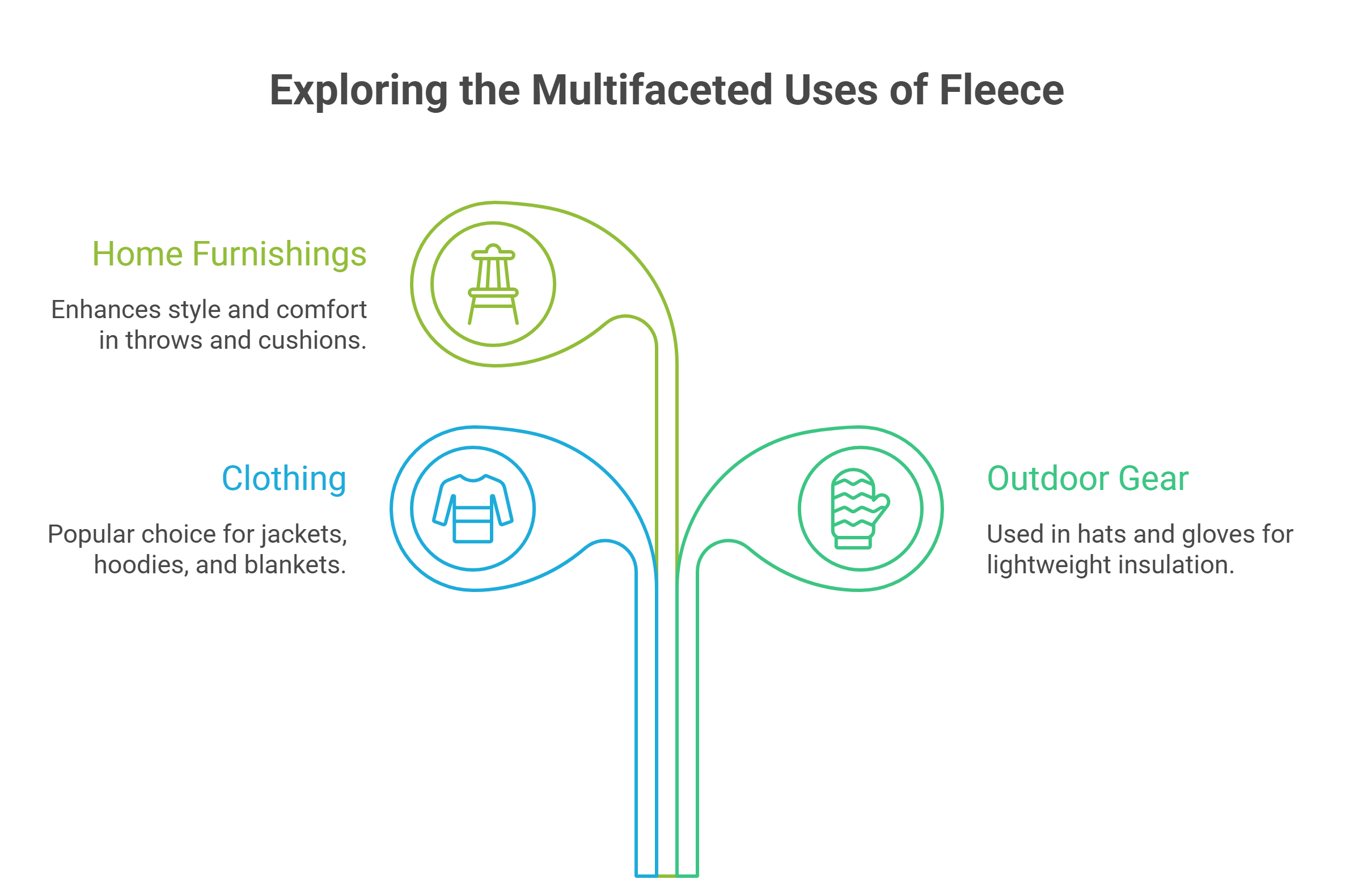
You’ll also find Sherpa in mittens, hats, and slippers, thanks to its warmth and flexibility.

6. Caring for Sherpa Fabric

Proper care helps preserve Sherpa’s soft texture and longevity. Follow these simple steps:

  1. Machine Wash Cold: Use gentle cycles to prevent fiber damage.
  2. Avoid Fabric Softeners: These can coat fibers and reduce fluffiness.
  3. Air Dry or Low Heat: High temperatures may cause flattening.
  4. Brush Lightly After Washing: A soft-bristle brush can restore its plush feel.

Businesses dealing with fleece blankets wholesale often highlight care instructions on packaging to ensure end-user satisfaction and maintain product quality.

7. Environmental Considerations

As consumers grow more eco-conscious, the synthetic nature of Sherpa has sparked sustainability discussions. Fortunately, many manufacturers now use recycled polyester fibers from plastic bottles to create Sherpa fabrics, reducing environmental impact. Some also explore blends with organic cotton or bamboo to achieve natural softness with minimal waste.

When buying fleece blankets bulk, eco-friendly certifications and recycled material options are now important differentiators for brands promoting sustainable comfort.

8. Why Sherpa Continues to Dominate the Market?

The combination of warmth, comfort, and affordability has made Sherpa a go-to material for brands worldwide. Its popularity skyrocketed in home décor and fashion after consumers sought cozy, stay-at-home comfort during recent years.

Today, eCommerce stores, gift retailers, and hospitality suppliers order fleece blankets wholesale with Sherpa linings to meet increasing seasonal demand. Whether it’s for a winter promotion, a hotel upgrade, or retail resale, Sherpa-backed blankets remain a customer favorite.

9. The Future of Sherpa Fabric

As technology advances, we can expect Sherpa fabrics to become even more sophisticated. Innovations in microfiber weaving, thermal control, and eco-friendly materials will likely make Sherpa products softer, lighter, and more sustainable. Future blends may even regulate body temperature dynamically, adapting to indoor and outdoor environments.

Manufacturers are also experimenting with antimicrobial coatings and odor-resistant treatments, enhancing their use in medical, hospitality, and travel industries—particularly for fleece blankets bulk orders where hygiene and longevity are critical.

Final Thoughts

Sherpa fabric isn’t just a textile trend—it’s a revolution in comfort. By combining the warmth of wool, the softness of fleece, and the practicality of polyester, it has become one of the most versatile materials in modern manufacturing.

Whether you’re curling up under a plush throw or sourcing fleece blankets wholesale for your business, Sherpa fabric offers a perfect balance of luxury and performance. As sustainability and comfort continue to shape consumer choices, Sherpa stands at the intersection of both—soft to the touch, strong in design, and endlessly comforting.
What to Sew with Fleece?

5 Nov

Quick Answer: What to Sew with Fleece?

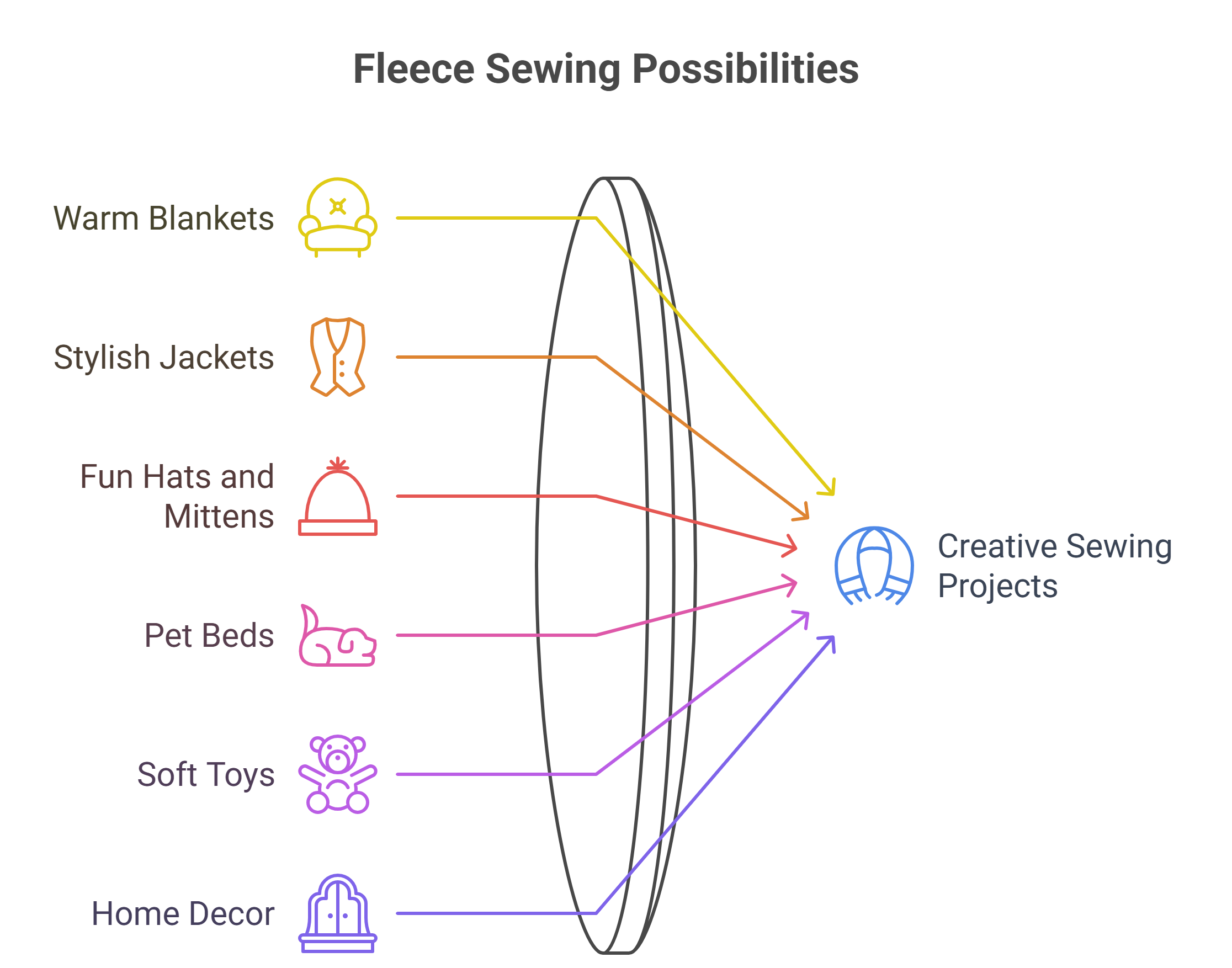
If you’ve ever wondered what to sew with fleece, the possibilities are nearly endless. Fleece is soft, warm, and incredibly forgiving—perfect for beginners and professionals alike. You can make cozy throws, baby blankets, scarves, hats, jackets, and even pet beds.

Many crafters buy fleece blankets wholesale or in fleece blankets bulk to save money and experiment with different designs. From no-sew projects to intricate patterns, fleece makes sewing fun, practical, and budget-friendly for anyone looking to create comfort from creativity.

Now let’s dive deeper.

1. Why Choose Fleece for Sewing Projects?

Before diving into the sewing ideas, it’s worth understanding why fleece is so popular among DIY enthusiasts and professional tailors alike.

Here’s what makes fleece a favorite:

  • Softness & Warmth: Fleece mimics the insulating quality of wool without the itchiness.
  • No Fraying Edges: Unlike cotton or silk, fleece edges don’t need hemming.
  • Easy to Cut & Sew: Even beginners can handle it with basic tools.
  • Machine Washable: Fleece items are easy to care for and durable.
  • Affordable: Especially when buying fleece blankets wholesale, it’s an economical choice.

Fleece’s forgiving nature means mistakes are less noticeable, and projects finish quickly—a dream for any crafter.

2. The Many Types of Fleece You Can Work With

When planning what to sew with fleece, it helps to know that not all fleece is the same. The type of fleece you choose impacts the texture, warmth, and appearance of your project.

Popular types include:

  • Polar Fleece: Great for blankets, scarves, and jackets.
  • Microfleece: Lightweight, ideal for baby clothes or activewear.
  • Anti-pill Fleece: Keeps your items looking new after multiple washes.
  • Sherpa Fleece: Fluffy and luxurious—perfect for lining or pet beds.
  • Printed Fleece: Adds personality with fun patterns and colors.

If you’re experimenting or making multiple items, consider buying fleece blankets bulk. They’re pre-sized, cost-effective, and can be repurposed into multiple smaller creations.

3. Cozy Home Projects to Sew with Fleece

Fleece instantly adds a feeling of warmth to any space. Here are some easy and stylish home décor projects to try:

a) Throw Blankets & Couch Covers

Fleece throw blankets are a home essential. You can make one with minimal sewing—just cut and hem the edges. Or go no-sew by knotting the borders. Buying fleece blankets wholesale allows you to create custom gifts or seasonal throws at a fraction of the cost.

b) Floor Cushions & Pillows

Cut fleece squares, stuff them with fiberfill, and sew them shut. Mix patterns and colors for a cozy, rustic look.

c) Draft Stoppers

Sew long tubes from fleece and fill them with rice or sand. Place them under doors or windows to keep cold air out—an easy way to save energy and add charm to your home.

d) Pet Blankets & Beds

Fleece is pet-friendly—it’s soft, washable, and resistant to odors. Cut and stitch layers together to make beds for cats or dogs.

4. Fashion Projects: Wear Your Creativity

When it comes to fleece, fashion and comfort go hand in hand. You don’t have to be a professional designer to craft wearable pieces that look great.

a) Scarves & Infinity Wraps

Fleece scarves are the perfect starter project. Cut a long rectangle, fringe the ends, or loop and sew for a trendy infinity style.

b) Hats & Beanies

Use a simple pattern and a small piece of fleece to make warm winter hats. Add pom-poms or ear flaps for a playful touch.

c) Mittens & Gloves

Double-layer fleece mittens keep hands toasty even on the coldest days. You can sew them in under an hour.

d) Pajama Pants & Lounge Shorts

Soft fleece makes perfect loungewear. Elastic waistbands make sewing simple and comfortable to wear.

e) Vests & Pullovers

With a sewing machine and a bit of patience, you can craft fleece outerwear that looks store-bought but feels custom-made.

5. Gifts That Warm the Heart (and Hands)

If you’re looking for thoughtful, handmade gifts, fleece is your best friend. It’s affordable, fast to sew, and universally loved.

  • Personalized Blankets: Add initials or embroidery for a personal touch.
  • Fleece Toys: Perfect for kids and pets alike.
  • Sleep Masks: Soft, gentle on the skin, and easy to make.
  • Hot Water Bottle Covers: Fleece insulates heat beautifully while adding comfort.
  • Fleece Slippers: Great for holiday gifting or cozy winter nights.

For bulk gifting during holidays or community drives, fleece blankets bulk options help you produce several customized pieces affordably.

6. No-Sew Fleece Projects (Yes, Really!)

Even if you don’t have a sewing machine, fleece has your back—literally and creatively.

Try these no-sew ideas:

  • Tied Fleece Blankets: Cut fringes along the edges and knot two layers together.
  • Headbands & Hair Accessories: Cut strips and tie decorative knots.
  • Pet Tug Toys: Braid fleece strips together—pets love them!
  • Decorative Wall Hangings: Layer colorful fleece shapes for DIY art.

These projects are also great for kids or classroom activities—safe, fun, and mess-free.

7. Pro Tips for Sewing with Fleece

To make your fleece projects look professional, follow these tips:

  • Use a Walking Foot: Helps move thick fleece evenly under the needle.
  • Adjust Stitch Length: Slightly longer stitches prevent stretching.
  • Don’t Iron Directly: Fleece can melt—use a pressing cloth or low heat.
  • Pre-Wash Fabric: Especially important if mixing fleece with other materials.
  • Secure Seams: Backstitch the ends for durability.

And remember, if you’re experimenting, fleece blankets wholesale are a great way to practice without breaking the bank.

8. Sustainability and Smart Crafting

Buying fleece blankets bulk isn’t just cost-efficient—it’s environmentally conscious too. Many fleece fabrics are made from recycled polyester, giving plastic bottles a second life. By repurposing wholesale fleece, you’re reducing waste while creating durable items that last for years.

Plus, since fleece doesn’t fray, even fabric scraps can be reused for smaller projects like keychains, ornaments, or stuffing for cushions.

9. Turning Your Fleece Hobby into a Small Business

With demand rising for handmade, sustainable, and personalized items, your fleece creations could become a source of income. Etsy, local craft fairs, and social media shops are perfect for selling fleece products.

Popular selling items include:

  • Pet blankets and beds
  • Personalized baby blankets
  • No-sew fleece throws
  • Winter accessories (hats, scarves, mittens)
  • Home décor sets

Buying fleece blankets wholesale allows you to maintain profit margins while offering premium handmade quality to your customers.

Final Thoughts

So, what to sew with fleece? The real question is—what can’t you sew? From home comforts and fashion wearables to meaningful gifts and pet accessories, fleece opens up a world of creativity for everyone.

It’s beginner-friendly, budget-conscious, and rewarding to work with. Whether you buy fabric by the yard or stock up on fleece blankets bulk, your sewing projects can be as simple or as sophisticated as you want.

So grab your scissors, pick a pattern, and let your imagination run wild. Because with fleece, warmth isn’t just something you wear—it’s something you make.

What Is Berber Lining?

5 Nov

Quick Answer: What Is Berber Lining?

What is Berber lining? It’s a soft, curly-textured fabric inspired by traditional Berber wool, known for its warmth, breathability, and comfort. Commonly used in jackets, boots, and fleece blankets, Berber lining traps heat effectively while remaining lightweight and cozy.

Businesses in the textile and home goods industry often combine Berber lining with fleece materials to produce high-quality, insulating products. Whether you’re sourcing fleece blankets wholesale or exploring fleece blankets bulk options, Berber lining adds that luxurious, sherpa-like softness that customers love during chilly seasons.

Now let’s dive deeper.

1. Understanding Berber Lining: Origins and Definition

The term Berber traces back to the Berber tribes of North Africa, who traditionally wove thick, looped wool fabrics for warmth and durability. Today’s Berber lining takes inspiration from this heritage — mimicking the looped, curly pile texture of traditional Berber wool while using modern, synthetic fibers like polyester for softness and longevity.

Essentially, Berber lining refers to a fleece-like material with a nubby, textured surface that feels plush to the touch. It’s not the same as standard fleece; Berber has a more “curly” or “lamb’s wool” appearance, giving it a luxurious look and exceptional heat retention.

2. How Berber Lining Is Made?

Modern Berber lining is typically produced using polyester fibers that are knit or woven into a curly pile surface. The manufacturing process involves:

  1. Fiber selection: High-quality polyester yarns are chosen for softness and durability.
  2. Knitting and looping: The fibers are looped to create a thick, bouncy pile structure that traps air, enhancing insulation.
  3. Brushing and finishing: The loops are gently brushed to improve softness, then heat-treated for shape retention.

This process creates a durable yet flexible material that feels soft like wool but resists pilling, stretching, and shrinking — making it ideal for mass production in products like fleece blankets bulk or lined jackets.

3. Key Characteristics of Berber Lining

Berber lining stands out from other fabrics because of its unique combination of texture, insulation, and breathability. Here are its defining features:

  • Soft, plush texture: Mimics the feel of lamb’s wool without the itchiness.
  • Excellent heat retention: The curly pile traps air, keeping warmth close to the body.
  • Lightweight yet durable: Offers heavy insulation without feeling bulky.
  • Moisture-resistant: Wicks moisture effectively, making it ideal for outdoor wear.
  • Low maintenance: Easy to clean and resists matting or flattening with time.

Because of these features, Berber lining has become a go-to choice for clothing manufacturers, bedding producers, and outdoor gear companies seeking warmth without sacrificing comfort.

4. Berber Lining vs. Fleece: What’s the Difference?

While both Berber and fleece are known for warmth and softness, they have distinct qualities:

FeatureBerber LiningStandard Fleece
TextureCurly, looped, lamb’s wool-likeSmooth, brushed surface
WarmthSlightly warmer due to thicker pileWarm but lighter
DurabilityExcellent, holds shape wellCan flatten over time
AestheticLuxurious, high-end lookSimple, casual look
Common UsesJackets, boots, fleece blankets wholesaleHoodies, sportswear, standard blankets

In many premium textiles, manufacturers actually combine Berber and fleece — using Berber as the inner lining and fleece as the outer layer. This fusion creates an ultra-warm product that’s lightweight and breathable, perfect for cold weather.

5. Where You’ll Find Berber Lining?

Berber lining’s versatility has made it a favorite across multiple industries. You’ll find it in:

  • Winter Apparel: Jackets, vests, gloves, hats, and boots lined with Berber offer superior insulation.
  • Home Textiles: From sherpa-style throws to fleece blankets bulk products, Berber-lined bedding is a bestseller for cozy comfort.
  • Automotive Accessories: Car seat covers and steering wheel wraps often feature Berber for warmth and style.
  • Pet Products: Pet beds and blankets use Berber lining for softness and durability.
  • Outdoor Gear: Camping blankets and sleeping bags with Berber interiors retain warmth even in freezing conditions.

6. Benefits of Using Berber Lining in Fleece Blankets

When combined with fleece, Berber lining turns an ordinary blanket into a premium comfort product. Here’s why many suppliers offering fleece blankets wholesale add Berber lining:

  • Enhanced Insulation: Perfect for colder climates or winter months.
  • Luxurious Feel: Elevates the tactile experience, appealing to premium buyers.
  • Aesthetic Value: Its textured look adds visual depth and style.
  • Customer Appeal: Consumers associate Berber with high quality and coziness.

For wholesalers and retailers, Berber-lined fleece blankets can serve as high-margin products—especially when marketed toward holiday shoppers or luxury bedding collections.

7. The Sustainability Factor

As eco-conscious manufacturing grows, many producers are shifting toward recycled polyester Berber linings. This approach retains the warmth and softness of traditional Berber while reducing the environmental footprint. When combined with sustainable fleece materials, the result is a product that aligns with modern consumer values — comfort and conscience.

8. Care and Maintenance Tips

Despite its premium feel, Berber lining is remarkably easy to maintain. Here are a few tips to preserve its softness and structure:

  1. Machine wash in cold water with mild detergent.
  2. Avoid fabric softeners, as they can flatten the pile.
  3. Air dry or tumble on low heat to prevent melting of fibers.
  4. Brush lightly after drying to restore texture.

With proper care, Berber-lined products can last for years without losing their plush appeal.

9. Choosing Berber-Lined Products for Wholesale or Bulk Orders

For businesses sourcing fleece blankets wholesale or fleece blankets bulk, adding Berber lining to your product lineup can be a smart move. It’s a feature that instantly elevates your offerings and attracts customers seeking luxury and warmth.

When selecting a supplier or manufacturer, consider:

  • Fabric quality: Ensure high-grade polyester or recycled fibers are used.
  • Pile height consistency: A thicker pile equals better insulation.
  • Stitching and durability: Reinforced seams maintain shape after multiple washes.
  • Customization options: Look for embroidery, color variety, or branded labeling opportunities.

By positioning Berber-lined fleece blankets as premium comfort essentials, you can tap into both retail and corporate gift markets — particularly during fall and winter seasons.

10. Why Berber Lining Continues to Dominate the Comfort Market?

The appeal of Berber lining lies in its timeless comfort and versatility. It bridges the gap between luxury and practicality, offering a fabric that feels indulgent but performs like a technical textile. Whether in apparel, bedding, or automotive accessories, it continues to symbolize warmth, relaxation, and refined design.

In today’s competitive textile industry, businesses offering Berber-lined products gain a distinct edge. The combination of Berber and fleece — especially through fleece blankets wholesale partnerships — not only enhances product value but also meets the evolving demand for comfort-driven, stylish, and sustainable materials.

Final Thoughts

So, what is Berber lining? It’s more than just fabric — it’s a comfort innovation inspired by centuries-old craftsmanship. With its wool-like softness, insulating power, and easy maintenance, Berber lining has earned its place as a staple in modern textiles.

From fleece blankets bulk orders to fashion-forward winter wear, Berber lining represents the perfect blend of warmth, durability, and timeless style. If you’re looking to add a touch of luxury to your collection — whether for retail shelves or wholesale distribution — Berber is the cozy upgrade your customers will thank you for.

What Is Brushed Fleece?

5 Nov

Quick Answer: What Is Brushed Fleece?

What is brushed fleece? It’s a soft, cozy fabric made from polyester that’s brushed on one or both sides to create a warm, fuzzy texture. The brushing process raises tiny fibers, making the material ultra-soft and insulating—perfect for chilly weather.

This fabric is commonly used in hoodies, sweatpants, jackets, and especially blankets. For retailers and bulk buyers, brushed fleece is a top choice due to its durability, affordability, and luxurious feel. That’s why many suppliers offer fleece blankets wholesale and fleece blankets bulk options for homes, hotels, and businesses wanting warmth and comfort in large quantities.

Now let’s dive deeper.

1. Understanding What Brushed Fleece Really Is

At its core, brushed fleece is a type of fabric made primarily from polyester fibers. What sets it apart from regular fleece is the brushing process, which involves gently combing the surface of the fabric with fine metal brushes. This process lifts and teases the tiny fibers, creating a plush texture that feels smooth and velvety to the touch.

There are two main types of brushed fleece:

  • Single-brushed fleece: Only one side is brushed, giving a soft exterior while keeping the inside smooth.
  • Double-brushed fleece: Both sides are brushed for maximum softness and warmth, commonly used in blankets and winterwear.

The brushing not only enhances the fabric’s comfort but also helps trap heat—making it ideal for cozy blankets, jackets, and sweatshirts.

2. The History of Fleece: From Wool to Synthetic Innovation

The story of fleece begins with wool, the original insulating fiber. However, natural wool had drawbacks—it was expensive, heavy when wet, and difficult to care for. Then, in the 1970s, textile engineers developed synthetic fleece using polyester fibers. It offered the same warmth as wool but was lighter, quicker-drying, and easier to maintain.

Brushed fleece evolved as a refined version of this innovation. Manufacturers discovered that brushing the fabric’s surface not only made it softer but also improved its insulating properties. Today, brushed fleece is one of the most widely used materials in fashion and home textiles.

3. How Brushed Fleece Is Made?

Creating brushed fleece is both a scientific and artistic process. Here’s how it typically works:

  1. Knitting the base fabric: The process begins with knitting polyester yarn into a smooth, flat sheet of fabric.
  2. Brushing: The fabric passes through a series of fine metal brushes that gently raise fibers from the surface.
  3. Shearing and finishing: After brushing, excess fibers are trimmed, and the fabric is finished to ensure consistency in texture and appearance.
  4. Dyeing and setting: Finally, the fleece is dyed in vibrant colors and heat-set to maintain shape and softness.

The brushing stage is what truly defines this fabric—it transforms a basic polyester knit into a luxurious material that rivals natural fibers in comfort.

4. Why Brushed Fleece Feels So Soft?

The softness of brushed fleece isn’t just a coincidence—it’s the result of microscopic engineering. When the surface is brushed, the fibers create a layer of micro-pile. These raised fibers trap air, creating a cushion-like texture that feels smooth against the skin.

This same structure also helps with:

  • Thermal insulation: The trapped air acts as a natural heat barrier.
  • Breathability: Despite its warmth, brushed fleece allows air to circulate, preventing overheating.
  • Moisture resistance: Polyester’s hydrophobic nature means it wicks moisture away, keeping the fabric dry and comfortable.

This perfect blend of softness, warmth, and breathability makes brushed fleece an unbeatable choice for winter comfort.

5. Common Uses of Brushed Fleece

You’ll find brushed fleece almost everywhere — from wardrobes to homes, cars, and offices. Some of its most popular applications include:

  • Clothing: Hoodies, sweatpants, jackets, gloves, and loungewear.
  • Blankets & Throws: Used in cozy winter blankets and travel throws, especially in fleece blankets wholesale markets.
  • Linings: Added as a lining for coats and boots to improve insulation.
  • Home décor: Pillows, upholstery accents, and bed covers.
  • Promotional Items: Many businesses use custom fleece blankets bulk for branded giveaways or employee gifts.

The combination of comfort, affordability, and easy maintenance has made brushed fleece a universal favorite.

6. The Difference Between Brushed Fleece and Regular Fleece

While both types share a common polyester origin, their textures and finishes differ significantly.

FeatureRegular FleeceBrushed Fleece
Surface TextureSmooth and uniformSoft, raised, and fuzzy
Warmth LevelModerateHigher due to air-trapping fibers
Touch & FeelSlightly coarseSilky and plush
Best ForSportswear and outerwearBlankets, loungewear, and winter apparel
Price RangeTypically lowerSlightly higher due to extra processing

If you’ve ever compared a basic fleece jacket to a premium one, that extra layer of plush softness you feel is what brushed fleece brings to the table.

7. Sustainability and Maintenance

Brushed fleece is made primarily from polyester, which is durable and long-lasting. However, concerns about synthetic fibers shedding microplastics have led to innovations in recycled fleece, made from post-consumer plastic bottles. Many manufacturers now produce eco-friendly brushed fleece that maintains softness while reducing environmental impact.

When it comes to maintenance, brushed fleece is remarkably easy to care for:

  • Machine washable: Use cold water and mild detergent.
  • Avoid heat: High temperatures can flatten the brushed texture.
  • Air dry: Helps maintain fluffiness and prolong fabric life.

Its low-maintenance nature makes it a top pick for everyday use, especially in fleece blankets wholesale applications for hotels, hospitals, and promotional products.

8. Why Brushed Fleece Is Perfect for Blankets?

If comfort had a texture, it would feel like brushed fleece. That’s why it’s the leading choice for blankets. The raised fibers provide the ideal balance between insulation and breathability — warm enough for winter yet light enough for year-round comfort.

For manufacturers and retailers, brushed fleece offers several advantages:

  • Affordable production costs
  • High demand and wide market appeal
  • Excellent for customization (logos, colors, embroidery)
  • Easy to ship and store in bulk

Whether it’s a cozy throw for home or a promotional giveaway, fleece blankets bulk orders provide exceptional value without sacrificing quality. Many suppliers prefer brushed fleece due to its consistent texture and ability to retain softness even after multiple washes.

9. The Economic Side: Fleece Blankets Wholesale Market

The brushed fleece market has grown rapidly, particularly in the fleece blankets wholesale sector. Bulk buyers—ranging from retailers to event planners and e-commerce stores—prefer brushed fleece because it offers:

  • Scalability: Easy to produce and stock in large quantities.
  • Cost efficiency: Cheaper than wool or cotton blankets with similar comfort levels.
  • Customization potential: Logos, prints, and patterns can be easily added.
  • Consumer appeal: Customers associate fleece blankets with luxury and warmth.

As sustainability trends rise, many suppliers are now offering eco-friendly brushed fleece in fleece blankets bulk orders, blending affordability with environmental responsibility.

Final Thoughts

So, what is brushed fleece? It’s more than just a fabric—it’s a carefully engineered material that blends comfort, functionality, and affordability. Its softness, warmth, and versatility make it ideal for apparel and home textiles alike.

From cozy sweatshirts to luxurious fleece blankets wholesale, brushed fleece continues to dominate both retail and commercial markets. For anyone looking to buy fleece blankets bulk, brushed fleece delivers the perfect combination of premium feel and cost efficiency.

In the end, brushed fleece represents more than warmth—it’s the comforting texture of modern living, wrapping homes and hearts in softness that lasts.

Fleece Is What Material?

5 Nov

Quick Answer: Fleece Is What Material?

Fleece is a soft, warm, and lightweight synthetic material made primarily from polyester fibers. Designed to mimic the insulating properties of wool, fleece is moisture-resistant, quick-drying, and ideal for cold-weather clothing and blankets.

The material’s versatility has made it a popular choice for apparel and bedding manufacturers alike, with fleece blankets wholesale and fleece blankets bulk options widely available for retailers, schools, and charities seeking warmth and comfort in large quantities.

Now let’s dive deeper.

1. What Exactly Is Fleece?

Fleece is a synthetic fabric most commonly made from polyester, a type of plastic derived from petroleum. Unlike natural fibers such as cotton or wool, fleece is manufactured through a chemical process that melts and spins polyester fibers into soft, fluffy sheets.

Although it’s man-made, fleece was designed to mimic the insulating qualities of wool — without the heaviness or itchiness that some people find uncomfortable. The result is a lightweight, breathable material that traps heat effectively while allowing moisture to escape.

The name “fleece” originally referred to a sheep’s coat, but in the textile industry, it now denotes this synthetic version that provides similar warmth and texture.

2. The Origin of Fleece Fabric

The modern version of fleece was developed in the 1970s by Malden Mills (now Polartec). Their innovation was revolutionary — a lightweight, warm, and affordable material that could be produced on a large scale.

The company’s introduction of Polar Fleece reshaped the outdoor clothing market. For the first time, adventurers and everyday consumers had access to a fabric that performed like wool but dried faster, weighed less, and cost far less to produce.

Today, fleece is used in everything from sportswear and blankets to baby clothing, linings, and pet accessories.

3. How Is Fleece Made? The Manufacturing Process

The process of creating fleece begins with polyethylene terephthalate (PET) or recycled plastic bottles — a growing trend in sustainable textile manufacturing. The process typically involves:

  1. Melting and Extrusion: Plastic pellets are melted and extruded into fine fibers.
  2. Knitting: These fibers are then knitted into a fabric.
  3. Brushing: One or both sides of the fabric are brushed to create a soft, plush texture.
  4. Finishing: The fleece is dyed, cut, and treated for anti-pilling or moisture-wicking properties.

This process allows for different types of fleece — from microfleece (thin and lightweight) to Sherpa fleece (thicker and fluffier).

Thanks to innovations in textile recycling, modern fleece can now be eco-friendly, turning discarded plastic bottles into wearable warmth.

4. Types of Fleece Materials

Fleece isn’t a one-size-fits-all fabric. Depending on its intended use, it comes in several variations:

  • Microfleece: Lightweight, breathable, and ideal for layering.
  • Polar Fleece: Midweight and perfect for jackets or outdoor wear.
  • Sherpa Fleece: Thick and textured like sheep’s wool — great for blankets and linings.
  • French Terry Fleece: Smooth on one side, looped on the other, commonly used in sweatshirts.
  • Coral Fleece: Extremely soft, used often for baby blankets or robes.

When buying fleece blankets wholesale, suppliers often list the GSM (grams per square meter) — a measure of thickness and warmth. A higher GSM means a heavier, warmer blanket.

5. Why Fleece Is So Popular?

Fleece has become a global favorite for both fashion and function — and for good reasons:

a. Warmth Without Weight

Unlike wool or down, fleece offers exceptional insulation while remaining light and breathable.

b. Moisture Resistance

Fleece doesn’t absorb water easily, making it ideal for wet or snowy weather.

c. Quick-Drying

Its synthetic fibers dry much faster than cotton or wool, making it perfect for outdoor gear and travel blankets.

d. Hypoallergenic & Soft

Fleece is non-irritating to the skin, making it suitable for babies, children, and sensitive users.

e. Cost-Effective

For businesses and organizations, fleece blankets bulk purchases are an economical way to provide warmth and comfort — from hospitals and shelters to hotels and schools.

6. Fleece vs. Other Materials

FeatureFleeceWoolCotton
WarmthExcellentExcellentModerate
WeightLightweightHeavyMedium
Moisture WickingHighModerateLow
Drying SpeedVery FastSlowSlow
CostAffordableExpensiveModerate
MaintenanceEasy (machine washable)Needs special careEasy

While fleece may not be as luxurious as natural fibers like wool, its performance and affordability make it the go-to choice for manufacturers and consumers alike.

7. Eco-Friendly Fleece: A Sustainable Revolution

Traditional polyester production has long been criticized for its environmental footprint. However, the textile industry has responded with recycled fleece — made from repurposed PET bottles and post-consumer plastics.

Brands and fleece blankets wholesale suppliers are increasingly embracing this approach to reduce waste. For example, producing one fleece blanket from recycled materials can save up to 10 plastic bottles from ending up in landfills or oceans.

Sustainable fleece options now often feature:

  • Recycled polyester (rPET)
  • Low-impact dyes
  • Energy-efficient manufacturing processes

By combining performance with responsibility, eco-friendly fleece is redefining what modern comfort looks like.

8. Common Uses of Fleece Material

Fleece is an incredibly versatile fabric, used across various industries and applications:

  • Apparel: Jackets, sweatshirts, gloves, scarves, and hats
  • Home Textiles: Fleece blankets bulk, throws, bedding sets
  • Promotional Products: Customized blankets or apparel for businesses and events
  • Pet Products: Cozy beds, mats, and covers
  • Outdoor Gear: Sleeping bag linings, camping blankets, and travel gear

Because of its softness and durability, fleece remains one of the most practical fabrics for both home and commercial purposes.

9. Caring for Fleece: Maintenance Tips

To keep fleece looking and feeling new, follow these simple tips:

  • Wash in cold water to prevent pilling.
  • Avoid fabric softeners, as they can coat fibers and reduce softness.
  • Air dry or tumble on low heat to maintain shape.
  • Use gentle detergents — harsh chemicals can damage the fibers.

Proper care ensures that your fleece products, whether clothing or fleece blankets wholesale, remain soft, warm, and long-lasting.

10. Why Fleece Blankets Are a Best-Seller?

In the bedding and promotional markets, fleece blankets wholesale and fleece blankets bulk orders have surged in popularity. Their warmth, affordability, and customizability make them ideal for:

  • Corporate gifts and branded merchandise
  • Charity drives and disaster relief donations
  • Hospitality and healthcare use
  • Retail resale and eCommerce businesses

For distributors and retailers, fleece blankets offer high margins, low storage requirements, and strong seasonal demand — especially during fall and winter.

11. The Future of Fleece

The next generation of fleece is expected to focus on sustainability, performance, and innovation.
Emerging technologies are introducing:

  • Biodegradable fleece fibers
  • Smart fabrics with temperature regulation
  • Ultra-lightweight fleece for activewear and travel

As sustainability becomes central to fashion and textile production, fleece is likely to evolve into a greener, more efficient version of itself — maintaining the comfort it’s loved for while minimizing environmental impact.

Final Thoughts

So, when someone asks, “Fleece is what material?” — the answer goes far beyond “a warm fabric.” It’s a symbol of innovation, combining science and comfort in a way few materials can.

From outdoor gear to fleece blankets bulk orders that keep entire communities warm, fleece represents modern efficiency, affordability, and care. Whether you’re a business owner, designer, or simply someone who loves a cozy blanket on a chilly night, fleece continues to deliver the perfect balance of warmth, softness, and practicality.