How Much Do Tie Blankets Cost

14 Nov

One of the most frequent topics among the inquiries of the people is the issue of tie blankets — especially before someone embarks on a DIY project — the question being how much do tie blankets cost? More often than not, the question is framed, “What is the price of the tie blankets?”

These products are very popular with the crafting community, the comfort-loving homebodies, and the people who just want a warm and custom-made blanket. They can be spotted at craft fairs, online auctions, or in DIY instructions — no matter where they are, tie blankets will still be noticed for their uncomplicatedness, charm, and great comfort.

Understanding what tie blankets are, what distinguishes them from regular blankets, and the reasons that prices can fluctuate to such an extent will help us in answering that question. Let’s examine closely the situation.

What Is a Tie Blanket?

A tie blanket is a kind of blanket created by tying knots at the edges of two layers of fabric, generally fleece. It requires no sewing, no machines and no hard steps. Just slice, knot and then enjoy the pleasure of having made a blanket without the pain of pricking your finger with a sewing needle (which is great for everyone).

The edges have been cut into strips, and each of them has been tied to the corresponding strip on the other layer. This process has led to the creation of a fluffy and decorative border that is indeed the blanket’s main characteristic of being handmade.

How Tie Blankets Are Made

While designs may vary, the basic structure is:

  1. Two fleece pieces cut to the same size
  2. Edges trimmed into fringes
  3. Strips tied into double knots

That’s it—simple, unprofessional-friendly, and ideal for everybody who desires a cozy blanket without the concern of thread tension, bobbins, or any of the magical sorcery of sewing.

What Makes Tie Blankets Different from Other Blankets?

1. The No-Sew Design

Tie blankets, different from the usual ones with stitching, hemming, or quilting, are made only with knotted edges. The method gives them a warm and handcrafted appearance which is highly liked for presents, children’s rooms, and custom-made collections.

2. Double-Layer Warmth

Tie blankets are composed of two complete layers of fabric, which makes them thicker than most commercial throws. The heat is retained between the layers, which makes tie blankets perfect for cold nights, camping, traveling by car, and the nights when for no apparent reason your room feels like the North Pole.

3. Highly Customizable

Tie blankets are often more personal than regular blankets. People mix patterns, combine prints with solids, use themed designs, or create seasonal looks. Sports teams, animals, florals, baby prints, cartoon themes — you name it, someone has tied it into a blanket.

This level of customization is one of the biggest reasons tie blankets remain so popular.

Tie blankets are appreciated because of their adaptability and heat; hence, they are preferred for the maximum comfort during the day on sofas, recliners, reading corners, or beds—their large dimensions usually provide more wrap than standard throws (and at the same time, they are preventing the classic battle for the blanket at home).

Besides, the handmade appearance is one of the factors that give the blankets their multifaceted Ness. They can be gorgeous customized gifts for various occasions such as birthdays, holidays, baby showers, dorm move-ins, and charity drives, among others. Furthermore, tie blankets are frequently chosen as family-friendly DIY projects; kids may produce them with slight supervision, so educational institutions, craft clubs, and community bodies usually prefer tie blankets for the imaginative.

How Much Do Tie Blankets Cost? (Detailed Price Breakdown)

Now let’s get to the question everyone wants answered: how much do tie blankets cost?

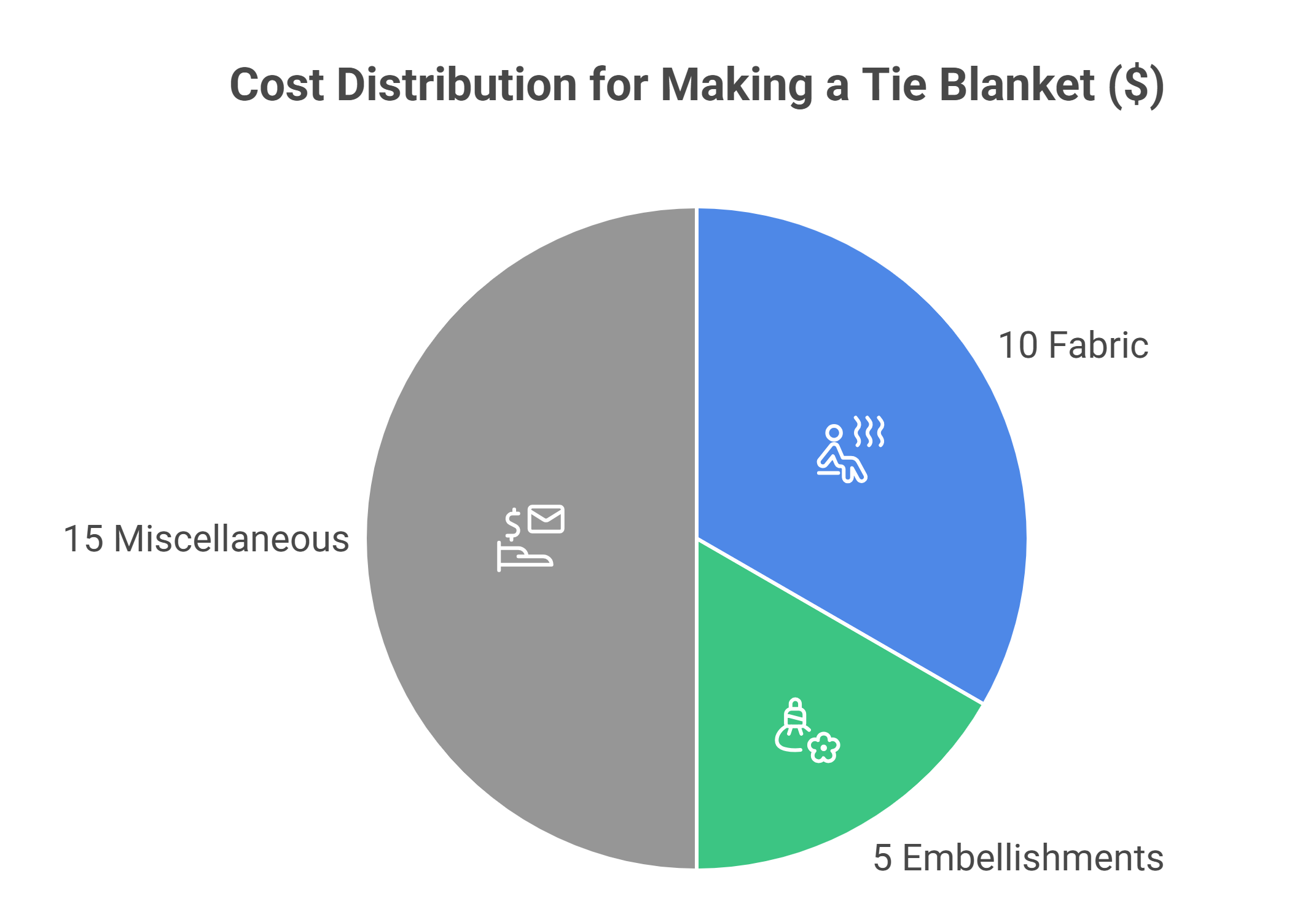
The prices are different based on the shopping destination, the type of materials, the blanket size, and whether it is a handmade one or a mass-produced one. A vivid detailed explanation according to the present online listings and common marketplaces follows after this.

Budget-Friendly Tie Blankets (Under ₹1,000)

Some basic tie-dye throws and lightweight tie-style blankets fall in this price bracket. Examples include:

  • Tie & Dye Throw at ₹899
  • Textured tie-dye throws with tassels around ₹950

These blankets are usually smaller, lighter, and made from cotton tie-dye fabric rather than full fleece.

Mid-Range Tie Blankets (₹1,000–₹2,000)

This is the range where many standard tie-dye blankets and cotton throws fall:

  • Double bed tie-dye blankets for ₹1,299
  • Cotton tie-dye throws for ₹1,373 (with free delivery from some sellers)

These blankets often come in larger sizes and use thicker materials.

Premium Handmade Tie Blankets (₹5,000–₹7,500+)

Handmade tie blankets made from premium fleece, reversible designs, or designer prints typically fall here:

  • Super soft reversible tie blankets at ₹5,104
  • Handmade boutique tie-dye blankets at ₹6,900
  • High-end multicolour tie blankets priced around ₹7,600

These blankets cost more because they’re handcrafted, use higher-quality fleece, and come from artisan or boutique sellers.

Why Prices Vary So Much

The price of a blanket depends on many factors, among which is the fabric used (fleece, cotton, or premium designer material), the blanket size, whether it is handmade or mass-produced, and the brand’s reputation behind it. Generally, fleece tie blankets cost more than cotton tie-dye throws because they consume thicker, quality material and more fabric to get their main double-layered warmth which is very soft.

Should You Buy or Make a Tie Blanket?

A tie blanket is the perfect solution for those who like a neat and uniform look and want to feel the premium quality without the hassle of making one. It is a good choice for busy people who do not want to spend time on DIY projects or just want to have access to professional designer crafts that are sleek and can be used immediately after unpacking.

Final Thoughts

Tie blankets continue to be popular because they blend warmth, creativity, and simplicity in one package. Whether you want to make one yourself or buy a ready-made version, knowing how much do tie blankets cost helps you understand the value behind each option — from budget-friendly cotton throws to premium handmade fleece blankets.

Their no-sew design, thick double layers, and cozy feel make tie blankets a favorite for homes, gifts, and chilly evenings where comfort is the only goal.

About Us

Peach Fur Fleece recognizes the significance of a good blanket as a source of comfort. We offer an extensive range of pre-made and custom tie blankets made from fleece of the highest quality and long-lasting performance, whether you want to make your own or buy them. So, if you are looking for fleece blankets wholesale that won’t let you down, you will receive superior craftsmanship, prompt delivery, and personalization from us to ensure you get the right product.

What Is a Sherpa Throw?

14 Nov

Being bound within one and thinking, “Oh, that seems like cuddling with a warm, fluffy cloud,” is something that describes the usage of a Sherpa throw. They are pretty−much in agreement on being ultra-soft, warmly snug, supremely light−with everything else acting as extra grace.” However, for most buyers, this often brings questions about what is a Sherpa throw, how it is made, and what makes it so different from an ordinary fleece blanket. We will cover everything else to vindicate that Sherpa brings uniqueness, comfort, and fame today.

Let’s break it all down — minus the complicated fabric jargon and with just the right touch of friendly humour.

Understanding What is a Sherpa Throw

A Sherpa throw is a synthetic blanket that has been made to mimic the texture as well as warmth that natural sheep wool would have. There is no wool in them- just lambs’ fleeces with a high lustre.

In simpler terms, imagine wool, but softer, lighter, warmer, and with none of the itchiness. That’s Sherpa.

How Sherpa Fabric Is Made

Sherpa is manufactured in an effective manner that ensures a copious amount of tiny synthetic bristles are spun, brushed, zapped for loftiness, and curled all together into a dense, velvety nap that provokes admiration for real Teddy fur. These bristles provide sherpa with a thick, cushioning touch that traps warmth; simultaneously, however, it feels softest and most comfortable against the skin.

The manufacturers are arranging the pile to stand up, creating thousands of tiny air pockets. These pockets trap warmth. This is why Sherpa feels instantly comforting without being overly heavy. It’s the equivalent of being wrapped in a cup of hot chocolate and comfort, albeit without the mess.

Texture and Feel: Why Sherpa Feels Like a Dream

The Famous Fluffy Pile

Sherpa throws are best known for their plush, cloud-like feel. The fibres are dense yet airy, soft yet supportive — a perfect balance that makes Sherpa ideal for lounging, reading, movie nights, and “pretending it’s winter even though the heater is on” moments.

Run your hand across a Sherpa throw and you’ll immediately understand why people call it one of the cosiest fabrics ever created.

Single-Layer and Double-Sided Designs

Sherpa throws typically come in two designs:

  • Single-layer Sherpa – Fluffy on one side only.
  • Reversible two-sided Sherpa throws – Fluffy Sherpa on one side, smooth fabric (like fleece or microfiber) on the other.

The reversible style is especially popular because it offers two textures in one blanket. Rough day? Use the Sherpa side. Extra rough day? Flip to the Sherpa side again. There is no losing here.

Construction Details That Make Sherpa Special

Heat-Trapping Structure

Sherpa’s curly pile naturally traps heat, much like real wool. This insulation makes Sherpa throws perfect for chilly nights, cold living rooms, and “my office is freezing, but the thermostat is apparently a myth” situations.

Warm but Never Heavy

The Sherpa, though warm, is quite light, so it may be utilised for easy arrangements in the home, as a thin bedding sheet or throw on a sofa without any bulky feeling. Sherpa is basically the blanket version of someone who keeps you warm but never asks you to lift heavy emotional baggage.

Where and When Sherpa Throws Are Used

Everyday Home Comfort

Most people use Sherpa throws for:

  • Sofa and couch lounging
  • Bed layering
  • Recliner snuggling
  • Movie nights
  • Naps that weren’t planned but just happened

Wherever comfort is needed, Sherpa follows.

All-Season Use

Many people prefer using a sherpa the whole year round because while its warmth is a good trait to hold on to in winter, its breathability ensures you’re not feeling kinda suffocated on pleasant or cool summer evenings.

Extra Warmth Layer

The Tibetan shawl adds an extra layer of warmth on cold nights; it looks good with comforters or mixed with quilts to warm you up.

1. Exceptional Warmth

Sherpa’s wool-like structure traps heat more effectively than regular fleece. This makes it one of the warmest blanket types available without added weight.

2. Unmatched Softness

The plush pile creates a luxurious feel that many describe as “sleep-inducing.” Consider yourself warned.

3. Lightweight Comfort

Sherpa gives you heavyweight warmth in a lightweight form — perfect for anyone who wants to stay warm without feeling smothered.

4. Hypoallergenic Alternative to Wool

Because Sherpa is synthetic, it’s suitable for people who avoid wool or have sensitivities to animal fibres.

How Sherpa Differs From Other Blanket Fabrics

Sherpa is a type of fleece, but with a different texture and warmth level. The simplest way to understand it:

  • Sherpa – Fluffy, wool-like, thicker, cosier
  • Standard fleece – Smooth, lighter, less textured

Sherpa takes fleece and says, “Let’s make this even softer.”

Choosing the Right Sherpa Throw

Think About the Size

Throws come in different sizes depending on how or where you plan to use them. A small throw is perfect for the couch, while a larger one is better for the bedroom.

Look for Quality Indicators

Higher-quality Sherpa throws have:

  • A dense, balanced pile
  • Soft, non-scratchy fibres
  • Strong stitching around the edges

A good Sherpa throw should feel luxurious from the moment you touch it — no guessing required.

Final Thoughts

One of the most favourite blankets for most homeowners worldwide is the Sherpa throw, for its fluffiness, insulating ability, and light weight-that can sometimes be said to be almost non-existent. It is a member of the tallest order of smart investors, flies the Zen-copter, digs up worms, and thus spreads its billion blessings across creation: Why not? It consented in good humour as it gave them a free hand in their handiwork, feeling sorry for their weaker lambs so much!

About Us

At PeachFur Fleece, we understand comfort, warmth, and quality craftsmanship — the very qualities that make Sherpa throws so popular. With over 21 years of experience producing premium fleece blankets bulk and cosy throw products, we’re committed to helping customers find the perfect blend of softness and durability. From fleece to Sherpa-style blankets, we deliver comfort you can trust.

How Wide Is a Bolt of Fleece Fabric?

14 Nov

Whenever planning a sewing or crafting project, one ought to know the width of the fabric involved, especially when it comes to fleece material. The bearer of bulk, bulk fabric covering zip-to-zippy areas! Nevertheless, without knowledge of the standard measurements of the fabric, you risk ordering more or less. Imagine researching how wide a bolt of fleece The answer is here-to the point, and simplified information-sharing.

So, it is somewhat clear that a bolt is not just random cloth. It follows industry standards for sizing, which is necessary when a crafter, manufacturer, or DIY enthusiast is trying to plan the parameters of his or her project ahead of time. Whether one needs to create an entire product run or avoid a stressful moment by looking for more fabric, he or she must not ignore the width of bolts.

Let’s break it down.

What Is the Standard Width of a Fleece Fabric Bolt?

The Common Industry Standard

Most fleece fabric bolts measure 59–60 inches wide. This width has become the standard among leading manufacturers because it’s large enough for most project layouts and works well with commercial cutting tables. It also offers enough room for efficient pattern placing without leaving too much unusable scrap.

Think of the 59–60-inch width as the “medium coffee cup” of the fabric world — not too small, not too oversized, and universally understood.

Normal Variations You Might See

Although 59–60 inches is the standard, fleece isn’t one-size-fits-all. You may come across bolts that measure:

  • Around 54 inches wide
  • Up to 61 inches wide

Such small differences suggest the manufacturers’ choices, the machine setups, and the types of fleece being made. Such that no, in case you order fleece from two different brands and notice that one bolt can be thinner while the other looks wider, that is not your eyes fooling you.

What Affects the Width of a Fleece Bolt?

Fleece is made in numerous silhouettes and many fabrication processes, and the factors that greatly affect the final width under an industrial environment include:

1. Type of Fleece

Different categories of fleece — such as anti-pill fleece, polar fleece, or microfleece — each require slightly different production processes. Those processes result in minor width differences. Some fleece types naturally lie wider on the production line, while others shrink a bit during finishing.

It’s like baking cookies: slightly bigger or perfectly tender ones due to the oven. Although its capabilities are not too delicious.

2. Manufacturer Production Methods

Each manufacturer uses machinery set to their own specifications. Some prefer producing fleece at exactly 60 inches, while others allow a little space and let it run wider. Production line tension, heat application, and finishing techniques all contribute.

In short, width can vary simply because every manufacturer has its own version of “perfect.”

3. Printed vs Solid Designs

Printed fleece sometimes requires additional processing, alignment, or edge stabilisation, which may slightly impact the final width. Solids, on the other hand, often maintain more consistent sizing.

If you’ve ever bought one bolt with a print that seemed a little narrower, it wasn’t your tape measure misbehaving.

Why Does the Width of a Fleece Bolt Matter?

Understanding the width of your fleece bolt helps you plan your project with precision. Here’s why it matters:

1. Better Measurement Planning

Knowing the width helps you calculate how much fabric you actually need. Fleece is bulky, so precise measurements prevent waste — and also save money. When a project requires large pieces (like wide cuts or pattern matching), the bolt width becomes even more important.

2. Efficient Pattern Placement

Having the fabric of the width gives you more room to lay out pattern pieces more efficiently, and reduces the number of seams that need to be made. It opens opportunities for thinking about contriving when cutting. This is a real boon for any overlocker, with a large number of identical objects to put together.

3. Smarter Cost Decisions

Width affects value. A wider bolt gives you more fabric per yard, meaning better cost efficiency. Two fleece yards can look identical at a glance — but if one is 54 inches wide and the other is 60 inches, you’re getting significantly more usable fabric from the wider one.

Little details like this are what separate “smart buyer mode” from “I didn’t notice that” mode.

How to Check the Width Before Buying

In a market saturated with fabric suppliers and fleece manufacturers, it is necessary that the precise measurements of the garments are checked prior to purchasing. Here’s what to do:

1. Read the Fabric Listing Carefully

Most online retailers clearly list fleece width in the product description. Look for the measurements in inches, typically next to fibre content or fabric weight.

2. Ask the Seller or Supplier

If the details aren’t listed, reach out directly. Whether you’re buying in-store or online, reputable sellers can confirm the width immediately. Never assume — fleece can surprise you.

3. Review Swatches or Sample Cuts

Some suppliers offer sample pieces that include all technical details, including width. It’s a small step that removes guesswork when buying in large quantities.

Final Thoughts

If you are planning to make a fleece blanket, this might come to your mind: How wide is nominated fleece fabric? In most cases, expect this fabric to measure 59-60 inches, as long as it could vary a bit. Normally, bolt widths vary between 54-61 inches, with differences from one fabric to another or one manufacturer to another. Knowledge of these dimensions is perfect in obtaining an accurate purchase, build cuts with certainty, and circumvent any surprises midway.

In the world of crafting and sewing, where measurements matter, knowing this simple detail can make every project smoother — and a lot more enjoyable.

About Us

Peach Fur Fleece offers an array of high-quality fleece products for those who need large quantities. Therefore, we provide them with custom-made products. We provide high-quality fleece blankets in bulk, fleece jackets, etc. As for bulk orders, they will always have a reasonable budget and always end up with an order that suits them.

What Fabric Do You Use for Tie Blankets?

13 Nov

Tie blankets, commonly known as no-sew blankets, have transformed into a traditional DIY activity not just for families and artisans, but for everyone who appreciates soft, personalised blankets without the need for sewing. They are simple to create, fun and very personal. But, the most crucial question that should be solved before the cutting and tying starts is: which fabric is best for tie blankets and what kind of impact does it has?

The selection of the appropriate fabric is an answer to the question of how soft, how warm, how durable, and how long-lasting your tie blanket will be. The guide will teach you the best and the most unsuitable fabrics along with the ways to select the ideal material for your project. Besides, there is no need to worry; it will be a discussion on fabric, but you will not be required to possess a textile engineering degree or a magnifying glass, just your heart of comfort.

What Makes a Fabric Suitable for Tie Blankets?

Tie blankets require more than just pretty patterns. The ideal fabric should be:

  • Soft (because no one wants a scratchy blanket)
  • Warm
  • Non-fraying when cut
  • Flexible enough to tie knots without straining your fingers
  • Thick enough for durability, but not so thick that tying becomes a workout

The biggest requirement is that the fabric edges must stay intact once cut. Fraying is the enemy of the no-sew project. Thankfully, some fabrics stand out as perfect choices.

Why Fleece Works So Well

Fleece is an ideal fabric for tie blankets because it can be used without sewing, and hence, no-sew fabric crafters will love it. It is soft and warm, and besides, it is a natural fraying fraying-resistant material; thus, it cuts cleanly and does not leave a pile of loose fibres as a byproduct. The fabric is very generous, so it is a good choice both for the beginner and the skilled DIY artist.

Fleece is a material that stays soft after washing many times, stretching just right for easy knot tying, keeping heat wonderfully, and coming in a ceaseless range of colours and patterns — providing every blanket with a warm, specific texture.

What Fleece to Avoid

Plush or velvet-like fleece tends to shed fibres and can be messy to cut. They’re beautiful fabrics, but not ideal for no-sew blankets unless you enjoy vacuuming after crafting.

Flannel: A Cosy, Breathable Alternative

Flannel is another common option for tie blankets. It’s soft, warm, and gives a classic cosy vibe — the kind of blanket that reminds you of fall leaves and warm cocoa.

Why Flannel Works

  • Lightweight yet warm
  • Breathable
  • Available in tons of patterns

Things to Keep in Mind

Unlike fleece, flannel can fray, especially if not handled gently or not pre-washed. It’s workable, but requires a bit more care — perfect for crafters who like a challenge but not ideal for absolute beginners.

If you’re making a tie blanket for kids or pets who will tug and pull it, fleece is still a better bet.

Minky: Extra Soft, Extra Plush (and Occasionally Extra Tricky)

Minky fabric is that ultra-soft, velvety material you often find in luxury baby blankets. Touch it once and you’ll understand the hype.

Benefits of Minky for Tie Blankets

  • Luxurious feel
  • Amazingly soft and plush
  • Extremely cosy and snuggle-friendly

If you’re creating a blanket meant for comfort above all else, Minky is a contender.

But There Are Challenges

  • More expensive than fleece
  • Doesn’t wick moisture as well
  • Can stretch while tying
  • May shed or shift during cutting

In short, Minky is wonderful, but not always beginner-friendly. It’s like baking a soufflé — doable, but maybe not the first recipe you try.

Cotton: Breathable, Versatile, and Easy to Style

Cotton is not the most common choice for tie blankets, but it has its strengths — especially if you want a lightweight option.

Why Cotton Works

  • Breathable and soft
  • Comes in unlimited patterns
  • Easy to clean and maintain

Important Considerations

Cotton does fray, so pre-washing and careful cutting are essential. Cotton fleece or cotton blends may shrink, too, so always wash before starting your project unless you want your blanket to turn into a “baby blanket size” by accident.

Cotton tie blankets are great for warmer climates or for decorative throws.

Faux Fur and Other Special Fabrics

If you’re after a “luxury hotel throw blanket” vibe, faux fur is an option. It’s ultra-soft and warm, making it great for stylish or decorative tie blankets.

Pros

  • Thick, fuzzy, and warm
  • Looks high-end
  • Durable

Cons

  • Can shed when cut
  • Edges might be harder to tie
  • Not ideal for kids’ blankets

Faux fur tie blankets work best as décor or for adults who appreciate a stylish, fuzzy throw.

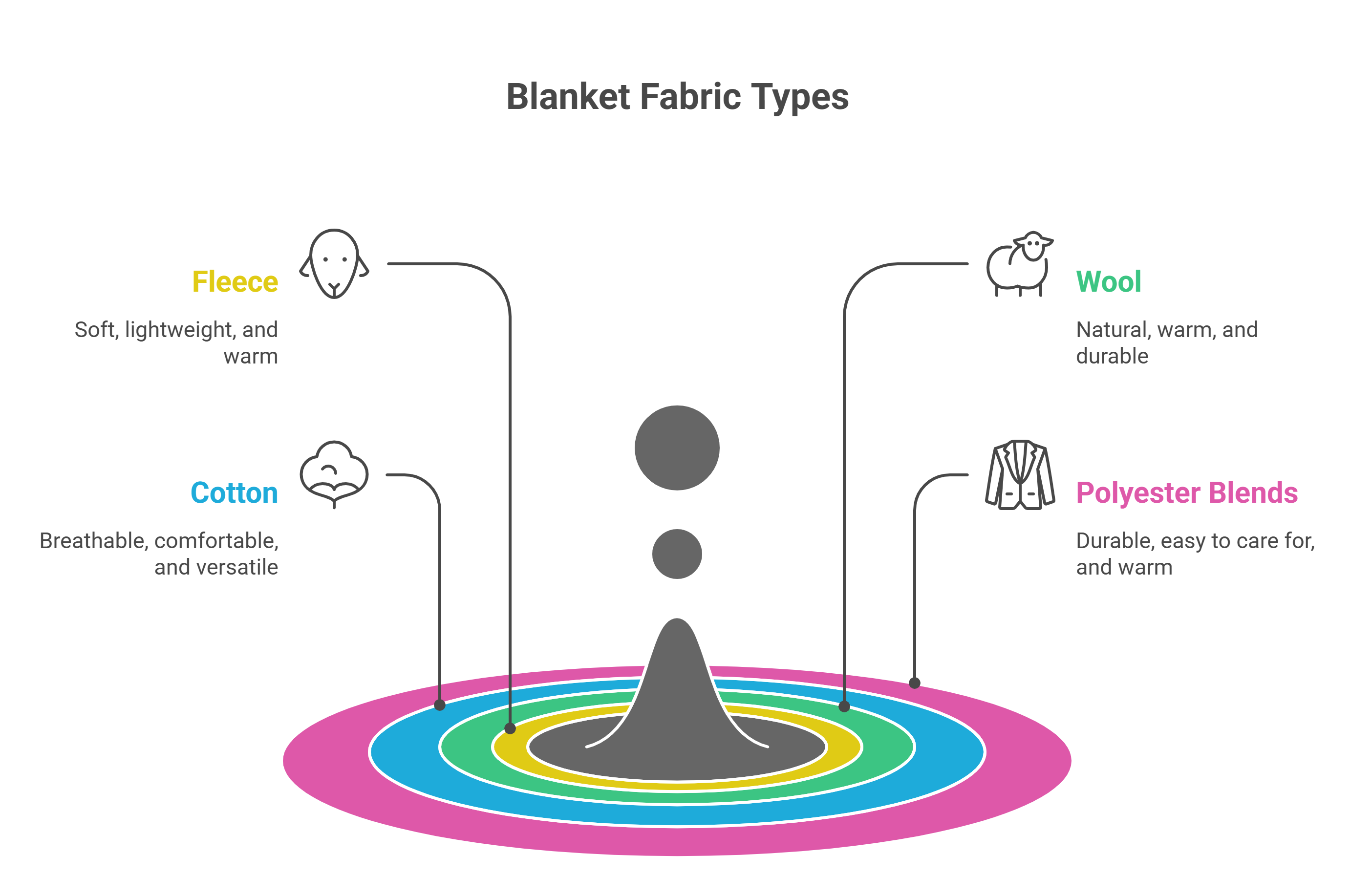
FabricBest ForProsCons
FleeceAll tie blanketsSoft, warm, non-fraying, easy to tieNone — it’s the top choice
FlannelBreathable, cosy blanketsSoft, lightweightCan fray
MinkyUltra-soft luxury blanketsPlush and cuddlyCostly, can shed
CottonLightweight or decorative blanketsBreathable, easy-careFrays may shrink
Faux FurFashion-style blanketsVery warm, stylishHarder to cut and tie

Now you have complete knowledge about the fabrics for tie blankets and the reasons for fleece to be the leading choice. It is up to you to choose between fleece being warm, Minky being soft, or cotton being breathable to suit your fabric choice to the purpose of your blanket. With the proper material, your tie blanket will not only be comfortable but also last for a long time and become a precious item.

About Us

We manufacture tie blankets that are of very good quality and made from soft and durable fleece. Besides that, we also offer them in fleece blankets in bulk quantities for charities, events, and organisations. So, if you’re making your own blankets or just want the ready-made ones, our fleece products are sure to be cosy and keep you warm for a long time. Materials that are trustworthy and of the best quality for your cosy blanket projects are our commitment to you. Quick Comparison of Popular Tie Blanket Fabrics

What Does Sherpa-Lined Mean?

13 Nov

The term “Sherpa-lined” is probably familiar to you if you have been looking at winter jackets, boots, or blankets. It surely sounds very fancy, yet there are still some people who ask, What does Sherpa-lined mean, and Why does it get so much attention, like it is the key to beating the cold?

In this guide, we’ll break down exactly what Sherpa lining is, why it’s so warm, and why it has become one of the most loved materials in winter clothing. No textile degree needed — just a love for staying warm and cosy.

What Does Sherpa-Lined Mean?

Sherpa-lined is a term that is often heard in the fashion world that points to the use of Sherpa material in the inner layer of the cloth, which is a premium and high-pile fabric that imitates the appearance and texture of real sheepskin wool. Besides, Sherpa lining serves to provide warmth, insulation, and comfort to the wearer, making it feel like the regular jacket or blanket has transformed into one soft and warm cloud.

Sherpa lining is a material that can be seen in jackets, vests, hoodies, boots, hats, gloves, and blankets. Its function is straightforward: to provide warmth without adding any weight. Imagine it as the delicate inner secret that empowers winter garments to perform better, hence you will not experience any hardships.

Where the Name “Sherpa” Comes From

The term “Sherpa” is derived from the Sherpas living in Nepal, who have successfully adapted to one of the most extreme weather and altitudes on the planet. Their wool clothing, which was in fact quite warm, allowed them to stay even through the hardest winters of the Himalayas, and the modern textiles imitate the name as a mark of warmth and robustness.

Of course, today’s Sherpa fabric isn’t made in Himalayan villages and doesn’t come from sheep — but the warmth it provides might make you feel just as brave as a mountain guide (or at least ready to tackle a cold morning commute).

What Is Sherpa Fabric Made From?

Despite its wool-like appearance, modern Sherpa fabric is completely synthetic. The most common materials include:

  • Polyester (most popular due to durability and softness)
  • Acrylic blends
  • Polyester-cotton blends for added breathability

Using synthetic fibres gives Sherpa several advantages: it’s lightweight, easy to care for, vegan-friendly, and far more affordable than real shearling. It’s also quick drying, which is great for winter days when you accidentally get caught in the rain (because, of course, it rains the moment you forget your umbrella).

What Sherpa Lining Looks and Feels Like

Sherpa is a material that undoubtedly stands out because of its very soft, curly, and very thick surface, which imitates sheepskin. The upper side is soft and has a texture, while the lower side is smoother so that it can stick tightly to the fabric. The outcome? A lining that is extremely gentle on the skin envelops the body with heat, and makes you think why not all clothes are this comfortable.

One of the main reasons why Sherpa lining has gained popularity during the winter season is that it provides remarkable warmth, comfort, and practicality all at the same time. The following are the main factors that made it a favourite among people:

Outstanding Warmth & Insulation

The raised fibres trap warm air inside the garment, creating natural insulation. This is why Sherpa-lined jackets feel instantly warm even before you zip them up.

Lightweight Comfort

Unlike real wool, Sherpa adds warmth without bulk. You get the insulation of a heavy material without feeling like you’re wearing half your closet.

Moisture-Wicking & Quick Drying

Sherpa helps pull sweat away from your skin and dries quickly, keeping you warm without overheating — perfect for active wearers or anyone who moves more than two steps.

Durable & Easy to Maintain

Sherpa doesn’t pill easily, holds its shape well, and is machine washable. No complicated laundry rituals required.

Vegan-Friendly & Eco-Conscious Options

Since Sherpa is synthetic, it’s a great alternative to animal-based shearling. Many modern versions even use recycled polyester.

Sherpa Lining vs Other Lining Materials

Understanding what sherpa-lined means becomes even clearer when compared with other common linings:

• Sherpa vs Standard Fleece:

Fleece is smoother and more breathable, but Sherpa provides deeper warmth and a wool-like texture.

• Sherpa vs High-Pile Fleece:

Both are fluffy, but Sherpa tends to be denser and feels more like sheepskin.

• Sherpa vs Real Shearling:

Real shearling is natural and expensive. Sherpa offers similar warmth at a fraction of the weight and cost, and with much easier maintenance.

Imagine the ordinary fleece as the reliable and daily use jacket… and Sherpa as the lavish winter coat that would always make you feel that you could stylishly weather a snowy day.

Conclusion

Since you are familiar with the term Sherpa-lining, it is quite obvious that this fabric has winter season must-have characteristics. Sherpa lining offers an ideal combination of heat, coziest, softness, strength, and most useful without the heaviness or the expense of natural wool. No matter if it is in coats, throws, footwear, or household items, the Sherpa lining continues to be one of the warmest and most dependable choices for winter.

About Us

Our company focuses on the production of premium fleece products, among which the most popular are warm and very durable blankets that can be purchased as fleece blankets bulk for charities, events, and organisations. We have been in the business for more than 21 years and supply first-class, non-pilling fleece while also providing custom embroidery for businesses and groups. No matter if you’re looking for blankets, clothes, or custom-made fleece products, our commitment is to provide you with super service and maximum value.