What is Fleece Material Made Of?

8 Oct

Quick Answer: What Is Fleece Material Made Of?

Fleece is a soft, lightweight, and warm synthetic fabric, usually made of polyester, which is a man-made fiber or plastic (polyethylene terephthalate or PET). The fabrication techniques of fleece such as knitting, brushing, and shearing yield a plush texture that resembles wool rather than being weighed down with a hefty price tag.

It is the warm, long-lasting, and water-repellent qualities that give an opportunity to fleece to be used for clothing, throws, and fleece blankets wholesale. Whether it is considered winter wear that wins over the hearts of many or cheaper bulk blankets for use around the house, fleece remains a very good choice for the modern consumers due to its practicality, comfort, and eco-friendliness.

Now let’s dive deeper.
The Magic of Fleece

Have you ever wrapped yourself up in a warm blanket on a cold night or slipped on a hoodie-soft hug? Then, you were enjoying the fleece. Have you ever wondered what fleece material is actually made of? In spite of feeling woolly, fleece is not obtained from sheep or any other animal. It is a modern, engineered fabric to enhance ease and provide warmth.

Wholesale fleece blankets are in demand, more so by retailers, event managers, and hospitality businesses. Why is that? Because fleece is cheap to sew up into an article of clothing or a blanket yet so functional that it tops the list of almighty textiles. From a short history of synthetic fabric to an overview of applications in fashion and home furnishings, we shall see what really makes fleece so special.

1. What exactly is fleece material?

Fleece is a soft synthetic fibre that offers some warmth, while remaining cool and breathable. It so happens that the name “fleece” reminds one of wool, but they are two different materials. Traditional wool of course comes from animal coats, while current fleece is man-made — mostly from polyester fibers, though some variations resort to cotton or recycled plastics.

Fleece is a fabric that came up in the late 1970s as a lighter and cheaper alternative to wool. The idea was to manufacture a fabric that not only gave warmth like wool but was easy to wash and dry in a hurry. This invention revolutionized the whole textile industry, and presently, fleece jackets and fleece blankets wholesale collections found in homes, hospitals, and hotels across the globe.

2. Composition: What Is Fleece Material Made Of?

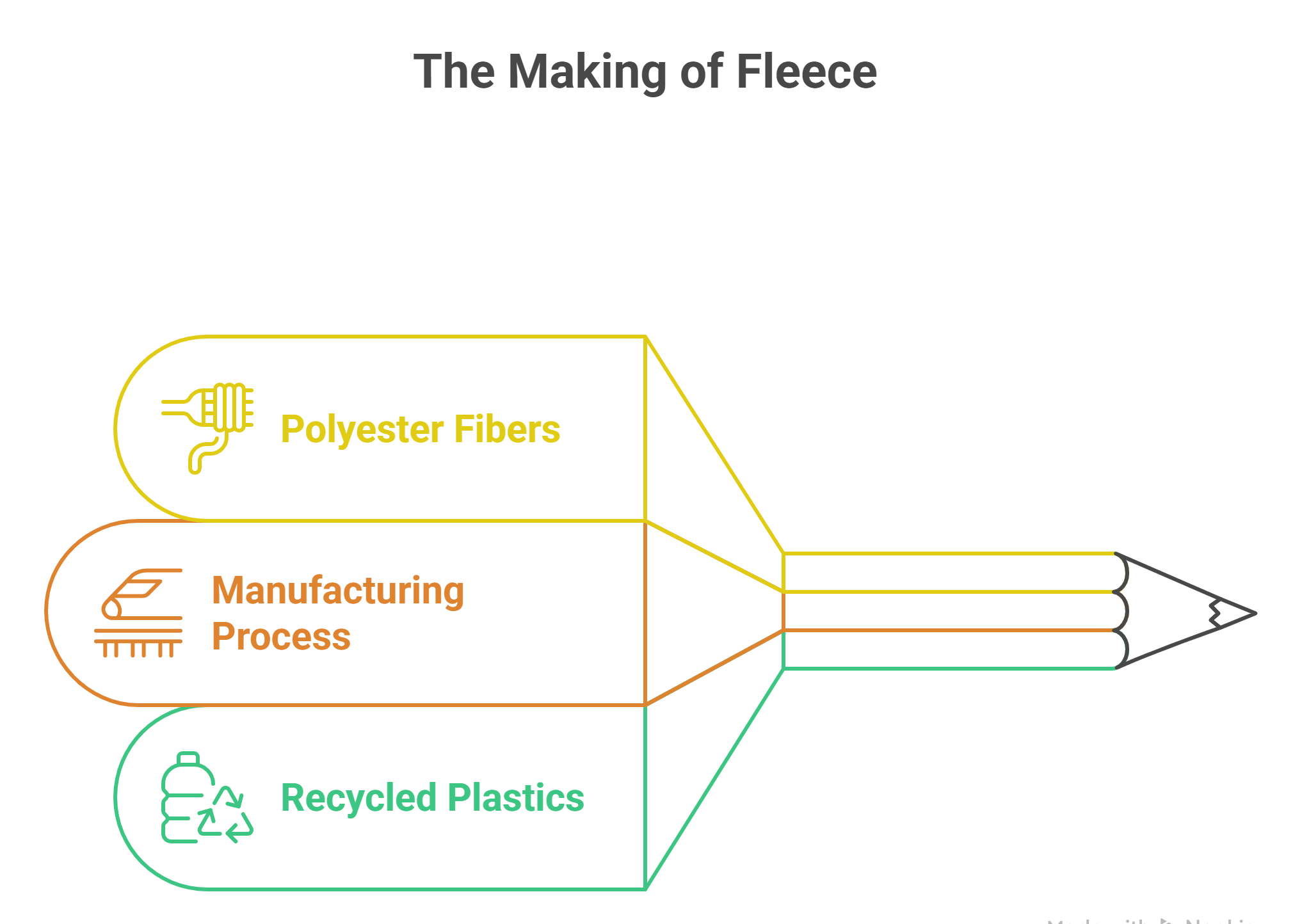
At its core, fleece is primarily made from a synthetic fiber known as polyester. Polyester is a food of petroleum origin. These plastic pellets are melted and spun into long, fine fibers, which are then knitted into cloth. The cloth is then brushed on one or both sides, providing the characteristic soft and fluffy feel we associate with fleece.

Present-day technology has further diversified fleece production, beyond petroleum-based polyester. Thus, many manufacturers are now choosing to go green and make fleece out of recycled plastics such as water bottles. Green-fleece varieties pan out the same way thermally and comfort-wise but with an added bonus of being good to Mother Earth.

Common Materials Used in Fleece Production:

  • Polyester: The most prominent synthetic fibers in most fleece fabrics.
  • Cotton Blends: Some fleece types have polyester mixed with cotton to increase softness.
  • Recycled PET: Environmentally-friendly fleece made of recycled plastic bottles.
  • Spandex or Lycra: Sometimes added for stretchability.

This combination provides the fleece with the softness, strength, and thermal efficiency to withstand multiple washes.

3. The Manufacturing Process: From Plastic to Plush Fabric

The journey from raw plastic to warm European fleece is fascinating and highly technical. Here is how it usually unfolds:

Step 1: Melting and Extrusion

Polyester pellets are heated into a molten thick liquid, so thick that molded droplets exit through tiny holes to form very fine threads — a process not unlike spinning silk.

Step 2: Knitting

The fibers are knit together into large sheets of fabric. The way the knitting is done determines the density of the fleece and how much it will stretch.

Step 3: Brushing

The fabric is brushed with fine metal brushes that raise the fibers to create a soft fluffy surface that traps air for insulation.

Step 4: Shearing and Finishing

Finishing involves clipping raised fibers to a uniform length to provide smoothness and avoid pilling. Dyes, water repellants, or flame retardants may be imparted.

A unique balance between engineering and creative flair gives fleece its feel — light yet warm, and soft yet durable.

4. Fleece Material Types

The fleece fabric isn’t a one-size-fits-all product. Fleece types vary depending on its use, such as athletic wear and fleece blankets wholesale.

a. Polar Fleece

It is the most common fleece fabric with its thick, warm feel perfect for cold seasons. Hence, it is used for winter jackets and heavy blankets.

b. Microfleece

It is a thin, soft type of fleece fabric used for light clothing and baby wear. It keeps you warm without adding bulk.

c. Coral fleece

Raised to the extremely plush level, coral fleece finds use in bathrobes, throws, and expensive blankets.

d. Sherpa Fleece

This wooly name replicates the woolly look and feel on one side, which makes it suitable for linings, outerwear, and cozy bedding.

e. Anti-Pill Fleece

Anti-pill treatment to prevent fiber balling with time; hence this smooth-looking fleece stays smooth-looking even after multiple washes.

This fleece type is however different and suits one climate or need better than others on account of its softness, breathability, and insulation.

5. With Reason Fleece Became A Global Favourite

The harmony of practical benefits and adaptability accounts for the growing popularity of fleece. It offers fixings of comfort, utility, and low price, of which very few clothing materials are endowed.

Advantages of Fleece:

  • Lightweight warmth by way of insulation.
  • Quick to dry, good for outdoorswear, and continuous washing.
  • Durable and long lasting, it does not shrink or stretch.
  • Reasonably priced, especially when bought in wholesale fleece blankets.
  • Hypoallergenic: In contrast to wool, it does not trigger any irritation to the sensitive skin.
  • Easy Care: It is machine washable and holds wrinkle resistance.

This makes fleece fitting well into industries from haute couture and hospitality to sportswear and promotional merchandise.

6. Fleece and Wholesale

One of the greatest contributors for keeping fleece afloat is the wholesale market. Retailers, non-profit organizations, and associations buy fleece blankets in wholesale quantities for giveaways, fundraisers, and massive events. Also, fleece blankets maintain their popularity in hospitals, shelters, and hotels just because of the maintainability and comfort it offers.

Buying fleece in bulk could be economically beneficial in many ways:

  • Cost-Efficiency: Lower cost per unit/function for businesses and distributors.
  • Consistency: Same quality and color through big quantity.
  • Customization: Logos, embroidery, or tags can be added to promote the company.
  • Versatility: Wholesale fleece blankets might be the perfect gifting choice for employees, charity drives, and retail resale.

Eco-conscious buyers would also consider wholesale fleece blankets; those made from recycled materials bring an eminent sustainability factor to an otherwise very versatile product.

7. Is Fleece Eco-Friendly?

Although traditional polyester fleece is petroleum-based, the industry has made tremendous steps toward greener bookkeeping. Many manufacturers nowadays use recycled polyester (rPET) from post-consumer plastic bottles, diverting waste from landfills and oceans.

But the microplastic pollution theory remains hotly debated: tiny fibers get washed away with fleece, yet innovations such as closed-loop recycling, microfilter washing bags, and biodegradable fleece fibers have all done their bit to minimize that.

In brief, fleece is a moving target — initially a petroleum product that is fast turning into a sustainable textile with a global environmental conservation undertone.

8. Caring for Fleece: Maintenance Tips

Keeping fleece products at their best means:

  • Use cold water when washing with gentle detergent.
  • Avoid fabric softeners, which can coat the fibers and thereby reduce softness.
  • Air dry or tumble dry on low heat so as to prevent the fiber mass from being compressed.
  • Never iron, as heat will affect the fibers.

Proper care will extend the lifespan of your fleece clothing and blankets, ensuring the softness throughout their use.

The Final Thoughts

From being a mere alternative to wool to becoming an international textile phenomenon, fleece has secured its status as a comfort necessity. The transition from petroleum-based toward eco-conscious production is a lesson of how modern technology has enabled comfort in a sustainable manner.

Fleece, in the truest sense, is always about warmth-with-a-purpose, be it for bundling up chilly evenings or for fleece blankets sold wholesale for bulk demand. Softness, utility, and price make it popular across various industries, such as fashion, fitness, hospitality, and home décor.

Thus, whether you tuck yourself in with a soft blanket or put on a thick fleece hoodie, you will realize what makes fleece so special- it’s comfort-first, engineered warmth.
What Is Heather Fabric?

24 Sep

Heather basically means a textile made by interweaving yarns of different colours to impart a subdued speckled effect. This can be for cotton, polyester, wool, or blends for various blends of comfort and style. On being asked what Heather fabric is, the simplest explanation therein is: they are the next best thing for clothing and home decor when solid colours feel like too boring and wild prints feel like too much to handle.

Heather Fabric Basics

What Is Heather Fabric?

Heather fabric is uncommon because of its muted, multicoloured look. A fine set of fibres in two or more shades is interlocking, giving it a sense of depth and texture rather than having just one single colour shade on the surface. Just picture that T-shirt of yours which is neither grey nor white-it must be heather.

The Origin Story

The name “Heather” originates from heather, a plant that grows in the Scottish Highlands. The plant consists of earthy speckled shades resembling the mixed colourway of this textile. While the term has an earthy origin, it went on to be equally famed in the fashion domain, especially in knitwear and casual apparel. Designers saw the potential for a mottled texture to infuse interest into anything-even a plain T-shirt!

Key Characteristics of Heather Fabric

Visual Appearance

The most defining trait is its speckled or flecked surface. Unlike tie-dye or prints, the look is subtle—making garments appear more natural and versatile.

Texture and Feel

Soft, smooth, textured, or cuddly are all possible touch sensations of heather fabrics, just depending upon what kind of fibres are used. Cotton heathers breathe more and are lighter, whereas wool heathers tend to be thicker and warmer.

Fiber Variety

Heather isn’t one single material—it’s a category of looks. It can be crafted from cotton, polyester, wool, bamboo, or acrylic. Many modern heather fabrics are blends, combining natural softness with synthetic durability.

Performance Traits

  • Breathable: Cotton-heavy blends keep you cool.
  • Moisture-wicking: Polyester-heavy blends suit athletes.
  • Warm: Wool-based heathers are insulating.
  • Durable: The blending process increases strength.

Types of Heather Fabrics

Cotton Heather

Perhaps the most common, cotton heather is lightweight, soft, and ideal for everyday wear. It’s used in T-shirts, loungewear, and hoodies. The slight colour variation adds flair to basic garments.

Polyester Heather

Today’s fashion has forgotten the silhouette, which can take the hourglass shape due to the tutu, leaving you ready for anything. The bell shape is set to postpone old age, and it grabs the best for the round.

Wool Heather

Being warm and textured, wool-heather fabrics are primarily used for sweaters, coats, and scarves. Think of them as winter wardrobe heroes that are there to give you comfort without a dull look.

Blended Heather

Mixtures like cotton-polyester or wool-acrylic combine the strengths of completely different types of fibres. Due to their versatility, these fabrics have so many applications, such as softness, stretch, or moisture control.

Specialty Types

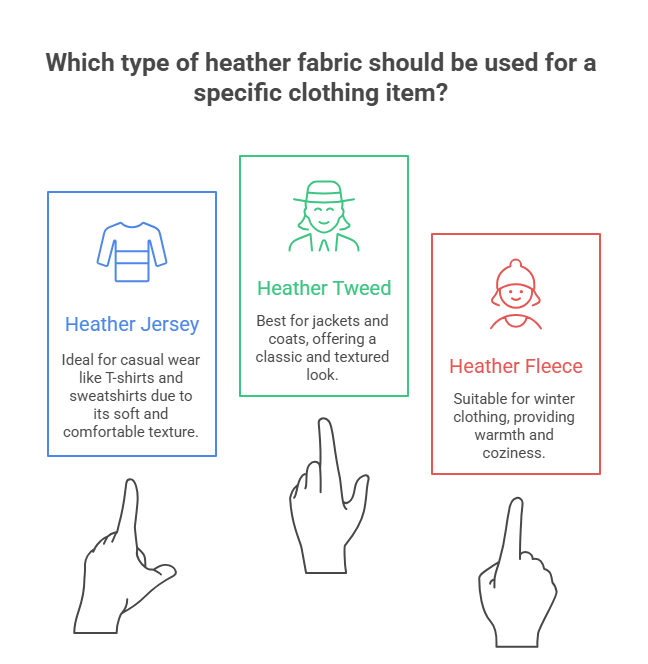
  • Heather Jersey: Mainly used for casual wear, long T-shirts and sweatshirts.
  • Heather Tweed: Quite textured classic wool blends for jackets and coats mostly.
  • Heather Fleece: Cosy and warm, a must for winter and cold-weather clothing.

Everyday Wear

Heather is a hit casual wardrobe fabric, perfect for hoodies, tees, joggers, and jammies. The cool coolness of the heather style should work for chilling at home and running small errands around town.

Sportswear and Athleisure

Polyester heathers crown the activewear segment. The fabric is breathable, moisture-wicking, and flexible-just perfect for workouts or yoga classes. Plus, the familiar speckled pattern from the silver-returns-and-gives glare-on-the-library-book-code dots into a handy anytime spotter for sweat stains!

Outerwear

Wool heathers are seen in coats, jackets, and scarves. They provide insulation with a rich, textured appearance that adds sophistication to winter fashion.

Home Textiles

Heather fabrics aren’t limited to fashion. They appear in cushions, throws, curtains, and upholstery. Designers love the understated depth they bring to interiors.

Heather Fabric vs. Other Fabrics

Heather Fabric vs. Cotton

Heather can be made entirely from cotton, but unlike plain cotton fabrics, it has that distinctive speckled effect. It’s cotton with a visual upgrade.

Heather Fabric vs. Melange

Both involve blending different colored fibers, but “melange” refers to a broader category of mixed-fibre looks. Heather is a specific, classic style within that category.

Heather Cotton vs. Heather Fleece

Heather cotton is soft, breathable, and suited for everyday wear. On the other hand, Heather Fleece is heavier and designed to keep warm, suited to cold nights and layers.

Care and Maintenance Tips

Washing and Drying

  • Wash in cold water to preserve colours and prevent shrinkage.
  • Air-dry when possible; if using a machine, stick to moderate or low heat.

Ironing and Storage

  • Cotton heathers can be ironed at a higher heat.
  • Polyester or blended heathers need a low setting.
  • Store folded or on hangers to maintain shape.

Common Issues

  • Cotton heathers may shrink if washed too hot.
  • Synthetic blends may pill over time, but choosing high-quality fabrics reduces this risk.

Why Consumers Love Heather Fabric

Heather fabrics check many boxes: they’re stylish, comfortable, versatile, and low maintenance. The muted colours make them easy to pair with other pieces, while the blended construction ensures durability. And let’s be honest—sometimes that heather grey tee just looks cooler than a plain white one.

In between all these, it will be worth revisiting the question: what is Heather fabric? It’s the quiet workhorse of the textile world-never flamboyant, always dependable, and somehow able to make the simplest everyday wardrobe feel just right.

The Mystery of the Favourite T-Shirt

We have all come across that lucky T-shirt we wear all the time. The one that fits just right, feels soft, and goes well with anything. The secret? Perhaps it’s Heather fabric. That speckled look and the fibre-blend work to make it less transparent, more durable, and more attractive with every use. So, should you have ever pondered over the question of why you can’t give up your shirt, the answer lies in the weave!

A Fabric That Blends Style with Practicality

So, in the end, what is Heather fabric? It’s an intermingling of fibres and colours into something comfortable, strong, and stylish. From the hoodie you wear casually after work to the wool coat you have in the harsh winter, heather fabrics have carved their niche in wardrobes and houses across the globe.

And if you’re interested in textiles that combine comfort and practicality, we can help. Our business specialises in bulk fleece products that balance warmth, durability, and affordability. From embroidered jackets to cosy throws, our fleece blankets wholesale collection is perfect for charities, corporate events, schools, or anyone needing high-quality fleece in volume. Just like Heather fabric, our fleece options prove that the best fabrics are the ones that quietly make life better.

Where to Donate Blankets for the Homeless

19 Sep

Blankets go a long way in keeping an individual warm on frosty, cold, and wet nights. Is it not a lovely gesture to allow one who is down and out to at least feel warmth on their body? Upon inquiry on where to donate, the answer is straightforward: local shelters, national nonprofits, community-support groups, and even animal rescues would accept donations. Operating a blanket bank is the most charitable thing one could do: you can either declutter your life just a little or make some money shopping.

Why Donating Blankets Matters

Warmth and Comfort in Difficult Times

Imagine facing winter nights without a blanket. For many experiencing homelessness, this is a daily reality. A donated blanket is more than fabric—it’s insulation against the cold and a small sense of safety in an uncertain situation.

Meeting a Universal Need

Blankets are certainly not seasonal luxuries. They are versatile in their use and are in demand throughout the year. During cold weather, they provide comfort against freezing temperatures while in summer, they might act as a bedding or sometimes shade when outdoors.

The Ripple Effect of Giving

The act of donating is not merely meeting an urgent need. It creates a domino effect. When others see giving being done, it inspires them to give as well. Blankets are very simple things that could constitute a huge change for communities, together.

Things to Keep in Mind Before Donating

Condition of Blankets

Only donate items that are clean and in good condition. A blanket that’s torn, stained, or threadbare doesn’t offer dignity or comfort. New or gently used is the way to go.

Laundering First

Wash and dry blankets thoroughly before donating. This step removes allergens, odours, and dust, ensuring recipients get a truly fresh start.

Timing Matters

Think about when your donation will be most helpful. Heavier fleece or wool blankets are lifesavers in fall and winter, while lighter blankets work better in spring or summer.

Transport and Packaging

Blankets tend to be bulky items. Fold the blankets nicely, put them into bags or boxes, and consider the way you’ll take them over to the donation point. Delivery could be very simple to arrange in the case of a close location of the donation, while bulk donations require some planning.

Local Places to Donate

Homeless Shelters

Shelters are the first stop for many people looking for where to donate blankets for homeless individuals. Call your local shelter to check their current needs—most gladly accept donations of warm, clean blankets to help residents get through the night.

Domestic Violence Shelters

Often, these places prematurely offer shelter for abuse survivors while they have children with them. A blanket gets donated with a little more warmth and comfort into these rooms that are supposed to feel safe for them.

Churches and Community Centres

Faith groups and local community hubs frequently organise donation drives for struggling families. Blankets are always among the most requested items.

Veterans’ Organisations

Many veterans’ face housing insecurity. Donating to veteran support groups ensures your blankets reach those who’ve served but now need a helping hand.

Animal Shelters

Here’s a twist—animal rescues love blanket donations too! They’re used for bedding, warmth, and even cleaning. If you’ve got extras, your local shelter will put them to good use.

National Organisations Accepting Blanket Donations

Project Linus

Specialises in handmade and new blankets for children in hospitals, shelters, and foster care. It’s a great way for crafty donors to put their sewing skills to work.

Salvation Army

With thousands of locations worldwide, the Salvation Army accepts clean blankets and distributes them directly to people in crisis.

Goodwill

Donated blankets are resold in Goodwill shops, with proceeds funding job training and employment support programs.

St. Jude’s Ranch for Children

Their “Linens for Kids” program supports abused or neglected youth in residential facilities. Blankets and towels are always welcome.

Quilts for Kids

Provides quilts to children facing illness or trauma. New, child-sized blankets are particularly needed.

Project Night Night

Delivers comfort kits—including a blanket, book, and stuffed toy—to children entering emergency shelters. Only new blankets are accepted.

Habitat for Humanity ReStores

While better known for housing supplies, many ReStores accept gently used blankets to resell. Profits go toward building affordable housing.

Reasons to Donate Blankets Today

  • Declutter with purpose: Free up closet space while helping someone in need.
  • Immediate impact: A single blanket can make the difference between a freezing night and a safe, warm one.
  • Support nonprofits: Donations allow charities to use their funds for other critical programs.
  • Set an example: Involving children or family members in donating teaches empathy and generosity.
  • Possible tax benefit: Itemise your donation for a small perk while doing a big good.

What This Means for You

Blanket donation is one of those rare things that may be done easily, affordably, and meaningfully. If you have been looking for places to donate blankets for the homeless, you now have local and national alternatives-from shelters to international NGOs- where the donation can make a difference.

We at PeachFur Fleece embrace this mission fully. Under the PeachFur Gives Back program, we have aided organisations with blankets, ranging from shelters to veteran groups and churches to disaster relief, all over the United States and beyond. From hurricane survivors in America to needy families in Afghanistan and Africa, these experiences have shown us how a simple blanket can rekindle a lost glimmer of hope.

If you would love to join us in giving more warmth, we have affordable wholesale fleece blanket options perfect for individual donors, businesses, and community groups. Be it just one or even a hundred, everyone counts. Warmth is something that nobody shall ever be excluded from sharing; it is one of the kindest gifts you could ever offer someone.

What to Make with Fleece Fabric?

5 Sep

Quick Answer: What to Make with Fleece Fabric?

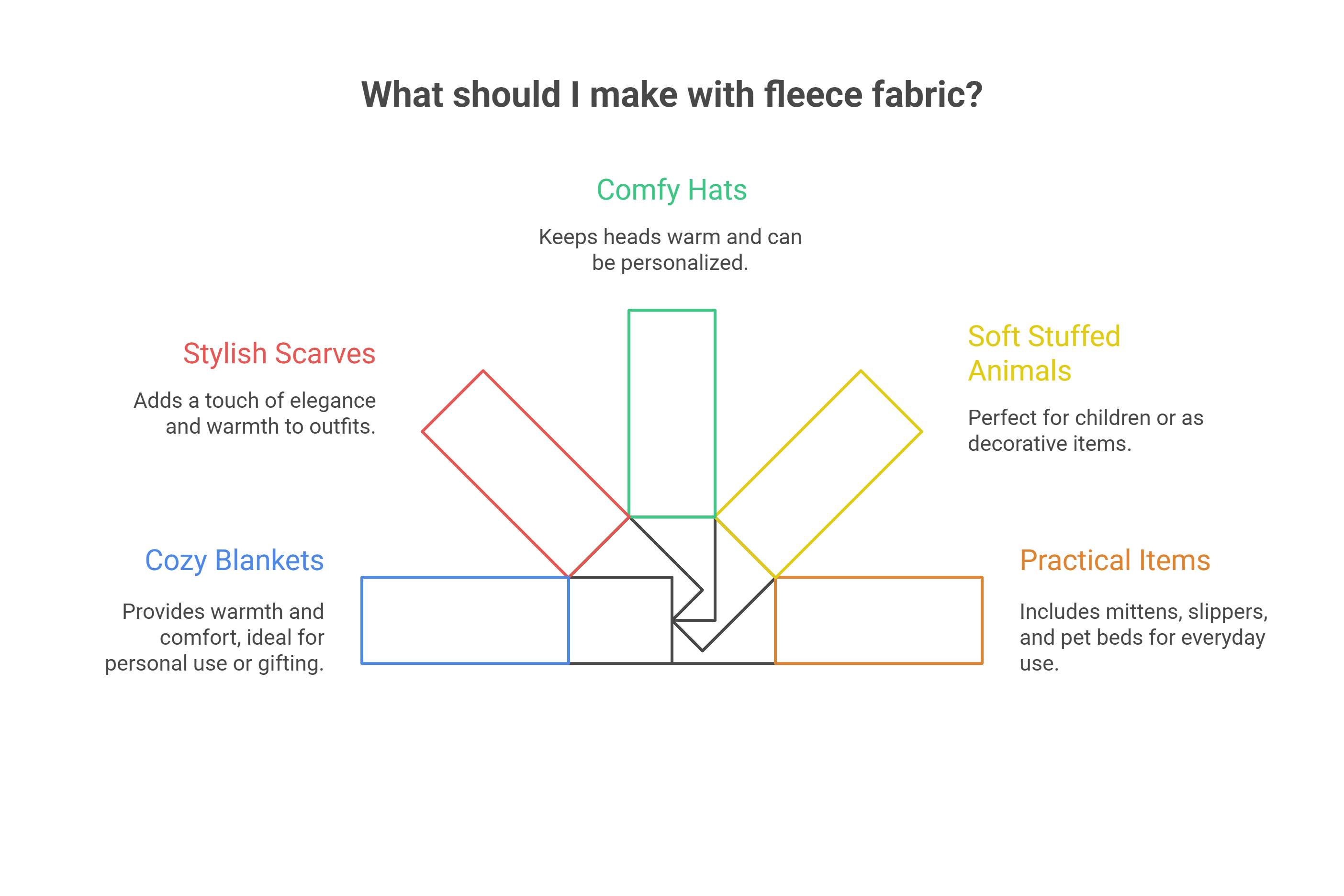
If you’ve been wondering what to make with fleece fabric?, the possibilities are endless. Fleece is soft, durable, affordable, and versatile, making it a favorite for crafting, sewing, and DIY projects. From cozy scarves and hats to no-sew pillows and custom throws, fleece can transform into practical and creative items with minimal effort.

It’s also popular for larger projects like fleece blankets bulk, which are perfect for gifts, donations, or businesses. With fleece, you can create comfort, warmth, and style in countless ways.

Now let’s dive deeper.

Why Choose Fleece Fabric?

Fleece has earned its place as a staple in the crafting and sewing world. Unlike many fabrics that require special care or advanced sewing skills, fleece is beginner-friendly and forgiving. Its edges don’t fray, meaning you can cut and tie without worrying about hems. This makes it a dream for both novice and seasoned creators.

Another reason fleece is loved is its comfort. Soft to the touch and lightweight yet insulating, fleece is ideal for warm clothing, bedding, and accessories. It also comes in a wide variety of patterns and colors—from bold solids to fun prints with animals, sports, or seasonal designs. Whether you want to make something practical or whimsical, fleece gives you plenty of room to play.

Clothing You Can Make with Fleece

Cozy Hoodies and Pullovers

One of the most common uses of fleece fabric is in hoodies or sweatshirts. With a simple pattern, you can sew a pullover that keeps you warm during cold evenings. Fleece stretches enough for comfort but is structured enough to hold its shape.

Scarves, Hats, and Gloves

Fleece accessories are a quick project that can be made in under an hour. Scarves can be as simple as cutting a rectangle of fabric and adding fringe. Hats and gloves can be sewn with basic patterns—or you can even make no-sew versions by tying edges together. These items make excellent gifts, especially when customized with favorite colors or prints.

Pajamas and Slippers

Fleece pajamas or lounge pants are a winter favorite. They are easy to sew and incredibly comfortable. Slippers made from fleece are another great project, perfect for keeping feet warm on chilly floors.

Home Décor and Practical Items

Fleece Blankets

The most iconic fleece project is the blanket. With no-sew tie techniques or sewing methods, fleece blankets can be made in a variety of sizes. They’re not only cozy for personal use but also serve as thoughtful handmade gifts. When you purchase fleece blankets bulk, you can stock up for family, friends, or charity donations.

Pillows and Cushion Covers

Just like blankets, pillows made with fleece are quick, fun, and customizable. You can make tie-edge pillows that require no sewing, or you can sew covers for a more polished look. Matching blankets and pillows can turn a room into a cozy retreat.

Pet Beds and Toys

Pets love fleece as much as people do. You can make pet beds, chew toys, or simple braided tugs for dogs out of scrap pieces of fleece. It’s washable and durable, making it ideal for animals.

Seasonal and Holiday Projects

Stockings and Tree Skirts

Fleece is perfect for Christmas stockings or tree skirts. With holiday prints available, you can create unique decorations for your family. They’re easy to personalize with names or embellishments.

Halloween Costumes

Because fleece is soft and easy to work with, it’s excellent for creating costumes. From capes to animal ears, you can craft imaginative pieces without spending a fortune.

Valentine’s and Birthday Gifts

Personalized fleece projects, like heart-shaped pillows or themed throws, make heartfelt gifts. They’re inexpensive yet meaningful.

Crafting with Kids

One of the best things about fleece is how safe and easy it is for children to use. Since it doesn’t fray, kids can join in on crafting without sharp tools or complex instructions. No-sew fleece projects like knotted blankets, braided scarves, or stuffed animals can keep children engaged while teaching them creativity and patience.

Family crafting nights with fleece are not only fun but also productive—you end up with something you can actually use.

Charitable and Community Uses

Fleece has become a go-to material for community projects. Many groups make tie blankets to donate to shelters, hospitals, or disaster relief organizations. Because it’s affordable and easy to produce in large numbers, fleece blankets bulk orders are often purchased for these causes. Crafting for charity with fleece is a beautiful way to combine creativity and compassion.

Business Opportunities with Fleece

For small businesses or entrepreneurs, fleece projects can be a profitable venture. Personalized blankets, embroidered scarves, or pet accessories can be sold online or at craft fairs. Buying fleece by the yard or investing in fleece blankets bulk can cut costs and allow for customization, giving your products a unique touch.

Many businesses also use fleece products for promotional purposes. Custom blankets or throws with logos are popular giveaways that customers keep for years, providing long-lasting brand visibility.

Tips for Working with Fleece

  • Use Sharp Scissors or a Rotary Cutter: Fleece is thick, and clean cuts are essential.
  • Wash Before Use: Pre-washing helps ensure your final product won’t shrink.
  • Experiment with Layers: Fleece layers well for added warmth or pattern variety.
  • Personalize with Embroidery or Appliqué: Add initials, logos, or designs for a unique finish.
  • Don’t Fear Mistakes: Fleece is forgiving. Uneven edges can be tied, and small flaws often go unnoticed.

Creative Project Ideas

Here are some unique projects you may not have thought of:

  • Travel Blanket with Pocket: Perfect for flights or road trips.
  • Fleece Poncho: A stylish yet functional outer layer.
  • Hot Water Bottle Cover: Adds comfort and safety.
  • Stuffed Animals: From teddy bears to plush toys, fleece makes cuddly companions.
  • Reusable Hand Warmers: Small fleece pouches filled with rice that can be microwaved.

These projects demonstrate just how adaptable fleece can be.

Final Thoughts

So, what to make with fleece fabric? The real question is—what can’t you make? From clothing and home décor to seasonal crafts and pet accessories, fleece is one of the most versatile fabrics available. Its affordability, ease of use, and comfort make it a favorite for DIYers, parents, and even entrepreneurs.

Whether you’re creating a single project or investing in fleece blankets bulk for larger needs, this fabric guarantees both functionality and fun. Start with something simple like a scarf or pillow, and you’ll soon discover that fleece opens up an entire world of creative possibilities.

What Is Poly Cotton Fabric?

5 Sep

Quick Answer: What Is Poly Cotton Fabric?

What is poly cotton fabric? It’s a blended textile made by combining polyester and cotton fibers, designed to give you the best of both worlds—durability and comfort. Poly cotton is popular in clothing, uniforms, bed sheets, and even accessories like tote bags because it resists wrinkles, holds color well, and stays breathable.

This versatile fabric strikes a balance between natural softness and synthetic strength, making it a go-to choice for manufacturers, retailers, and buyers alike.

Now let’s dive deeper.

Introduction to Poly Cotton Fabric

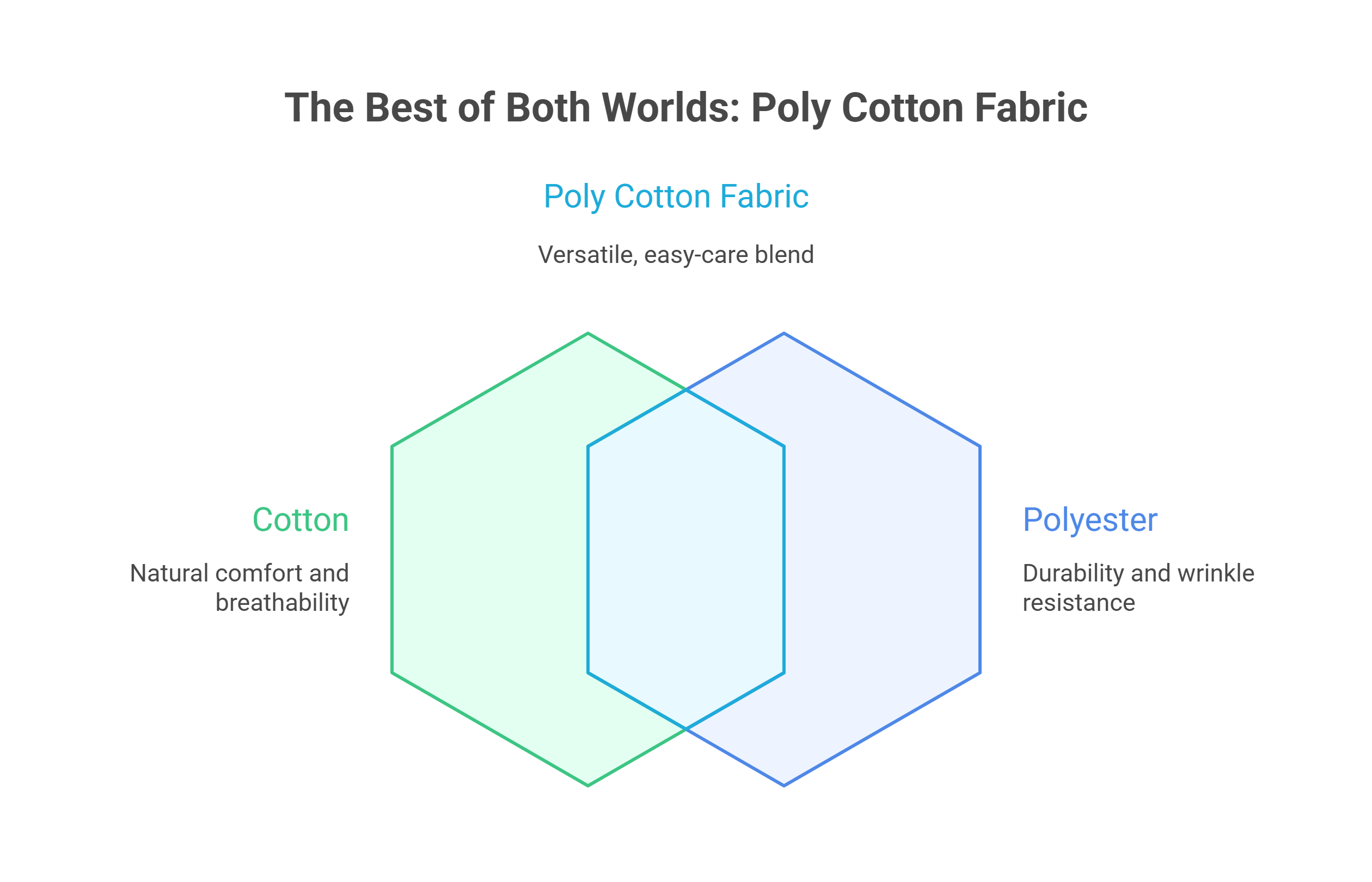
Poly cotton fabric, as the name suggests, is a hybrid material made by blending polyester (a synthetic fiber) and cotton (a natural fiber). Typically, the blends are 65% polyester and 35% cotton, or 50/50, but these ratios can vary depending on the intended purpose. This combination brings together the natural breathability and softness of cotton with the strength, resilience, and wrinkle resistance of polyester.

This fabric has become a staple in industries ranging from fashion to interior textiles. Whether it’s the shirt you wear to work or the bedsheets you sleep on, poly cotton is probably closer to your daily life than you realize.

Why Poly Cotton Was Created?

The idea behind poly cotton fabric was to overcome the weaknesses of 100% cotton and 100% polyester. Cotton alone is comfortable and breathable but tends to shrink, wrinkle, and wear down quickly. Polyester, on the other hand, is long-lasting, retains shape, and resists stains, but it lacks comfort and breathability.

By blending them, manufacturers created a fabric that:

  • Is softer and more breathable than pure polyester.
  • Holds shape better and wrinkles less than pure cotton.
  • Costs less to produce and lasts longer.

In other words, poly cotton fabric represents a win-win for both consumers and businesses.

Key Properties of Poly Cotton

  1. Durability: Poly cotton is stronger than cotton alone, making it suitable for items that undergo frequent washing, like uniforms and bed linens.
  2. Wrinkle Resistance: The polyester content helps the fabric stay neat without constant ironing.
  3. Softness: The cotton content ensures the material still feels comfortable against the skin.
  4. Breathability: Though not as airy as pure cotton, poly cotton allows enough airflow to remain wearable in most climates.
  5. Cost Efficiency: It is more affordable than 100% cotton, especially for bulk orders, making it a popular choice in wholesale markets, including those that specialize in fleece blankets wholesale.

Common Uses of Poly Cotton

  1. Apparel: From t-shirts and dress shirts to work uniforms, poly cotton is valued in clothing manufacturing for its versatility and comfort.
  2. Home Textiles: Poly cotton is commonly used in bedsheets, pillowcases, tablecloths, and curtains because it is both practical and easy to care for.
  3. Crafts and Accessories: Tote bags, aprons, and quilting often rely on poly cotton for its durability and color retention.
  4. Hospitality Industry: Hotels and restaurants rely on poly cotton linens that withstand repeated washing while remaining presentable.
  5. Blankets and Throws: While poly cotton blends are popular, bulk buyers also look for complementary textiles like fleece blankets wholesale, where affordability and warmth meet.

Advantages of Poly Cotton

  • Easy Care: Machine washable, quick-drying, and resistant to shrinking.
  • Cost-Effective: Offers a lower price point than pure cotton without sacrificing quality.
  • Colorfastness: Retains dye better, meaning vibrant prints and colors last longer.
  • Versatility: Suitable for both personal and commercial use.

Disadvantages of Poly Cotton

No fabric is perfect, and poly cotton is no exception. Some drawbacks include:

  • Less Breathable: While more breathable than polyester, it’s still warmer than pure cotton.
  • Pilling: Over time, polyester fibers may form small balls on the surface.
  • Environmental Impact: Polyester is not biodegradable, so the blend is less eco-friendly than natural fabrics.

How Poly Cotton Compares to Other Fabrics?

  1. Poly Cotton vs 100% Cotton
    • Cotton is more breathable but wrinkles easily.
    • Poly cotton is more durable and less prone to shrinking.
  2. Poly Cotton vs 100% Polyester
    • Polyester lasts longer but feels less comfortable.
    • Poly cotton balances softness and strength.
  3. Poly Cotton vs Fleece
    • Fleece is warmer and better for blankets, often sold in bulk like fleece blankets wholesale.
    • Poly cotton is lighter, making it ideal for clothing and linens.

Caring for Poly Cotton

One of the reasons poly cotton is widely loved is because it’s easy to maintain:

  • Washing: Machine wash in warm water with mild detergent.
  • Drying: Tumble dry on low heat; avoid high temperatures to prevent damage.
  • Ironing: Light ironing is usually sufficient, thanks to wrinkle resistance.
  • Storage: Store in a cool, dry place to avoid mildew and prolong fabric life.

Why Businesses Love Poly Cotton?

Retailers, wholesalers, and service industries favor poly cotton for several reasons:

  • Bulk Orders: Lower costs for high volumes make it ideal for uniforms, linens, and bedding.
  • Consistency: With standardized blends, the quality and feel remain uniform across large orders.
  • Longevity: Its durability reduces replacement costs.

Whether for resale or operational use, poly cotton provides excellent return on investment, just like other bulk textile markets such as fleece blankets wholesale.

The Future of Poly Cotton

With growing awareness about sustainability, manufacturers are exploring ways to make poly cotton blends more eco-friendly. Options include using recycled polyester or organic cotton. Innovations in textile technology may also lead to blends that are softer, greener, and even more durable.

Conclusion

So, what is poly cotton fabric? It’s a clever blend of polyester and cotton designed to give consumers and businesses the benefits of both. With its affordability, durability, and versatility, it continues to dominate industries from fashion to hospitality. While it has some downsides, its advantages make it one of the most practical fabrics of modern times. Whether you’re looking for everyday wear, home linens, or bulk textiles, poly cotton deserves a spot on your radar.