What Size Fabric for Tie Blanket? A Complete Guide Before You Snip and Knot

7 Aug

If you have ever cozied up on the couch with a soft tie fleece blanket wholesale , you know this charm has to go beyond just softness. It lies in the rigmarole, in the thought process, in the delivery of warmth—both literally and metaphorically. Whether it’s a kid starting out in crafts, a parent working on a DIY project with kids, or a small business working on customized fleece gifts, one question always comes forward: what could be the size of fabric for a tie blanket?

So, from the get-go, let’s talk about everything you need to know about fabric sizing because a small blanket feels like a missed hug while a blanket that’s too big might truly get in the way of being warm.

Start with the Basics: What is a Tie Blanket?

The name suggests a blanket that has been tied. In reality, a tie blanket is a no-sew style of blanket made when layers of fleece are stacked together and tied around the edges into fringes. No sewing machine, no fancy embroidery—just scissors, a little time, and hands to work with. One of the very simplest and beginner kindly crafts. The great thing about fleece is it doesn’t fray-so it’s ideal for these projects.

But ease of execution does not necessarily mean that you can just grab any yard of fabric and expect to have a flawless outcome. Selecting the right fabric size will have a big impact on comfort, function, and overall appearance.

The Ideal Fabric Sizes Based on Age or Use

Tie blankets can be made in any size, depending on the client involved in the process. A projector is involved: A toddler? A teenager? An adult who doesn’t miss any movie nights? Different users have needs. First off, most people use standard measurements for their reference:

• Baby Blanket: If you are making a tie blanket for a baby or a toddler, then usually 1 to 1.5 yards of fleece for each side (around 36″ x 36″ or 36″ x 45″) will do. This small-sized one works wonderfully for cribs, car seats, or even as a playmat.

• Child/Youth Blanket: As the top choice for kids who grow, the 1.5 to 2 yard size (54″ x 54″ or 54″ x 60″) allows for more room for the kid to grow into it and gets cuddle time. This can easily fit a twin bed or sit on a reading nook.

• Adult Throw Blanket: This is one of the most sought-after DIY tie blanket sizes. Leaving 2 yards on either side (72″ x 60″) creates a large and comfortable throw that fits well on movie time or couch nap time.

• Twin/full bed blanket: When making a full size bed blanket, consider 2.5 yards or more per side; just remember, the bigger the blanket, the more tying (and patience) required. But in return, a custom, hand-tied blanket will establish its presence on your bed.

Keep in mind that while determining the finished dimensions of your tie blanket, you will give up about 4 to 5 inches on each side due to the fringes you tie (usually 2″ – 2.5″ fringes). So, for example, if you begin with a 60″ x 72″ piece of fabric, your finished blanket will measure closer to 55″ x 67″.

The Fabric: Why Fleece is a Must-Have

For tie blankets, fleece is the ace. Soft and non-fraying, it comprises myriad colors and patterns, and it is warm without weighing the blanket down. More importantly, it is penalty-free-for you do not have to be an expert in proceeding to make a fleece tie blanket.

Purchasing fleece wholesale would definitely save you bucks if you intend to make tie blankets for family, gifts, or sale. Wholesale fleece not only cuts down on cost but also ensures you have consistent quality across your batch of blankets. Many suppliers even have pre-cut fleece pieces in common sizes, thereby cutting your working period and simplifying your workflow.

When in the market for any kind of fleece—the anti-pill one, the blizzard one, or the polar one—make sure to really feel the fabric if you have the chance; one type could be thicker or stretchier than another. Medium-weight fleece for this kind of work–easy to work with and warm but not so bulky that it’s a hassle to tie–is commonly the best choice.

Matching, Layering, and Cutting
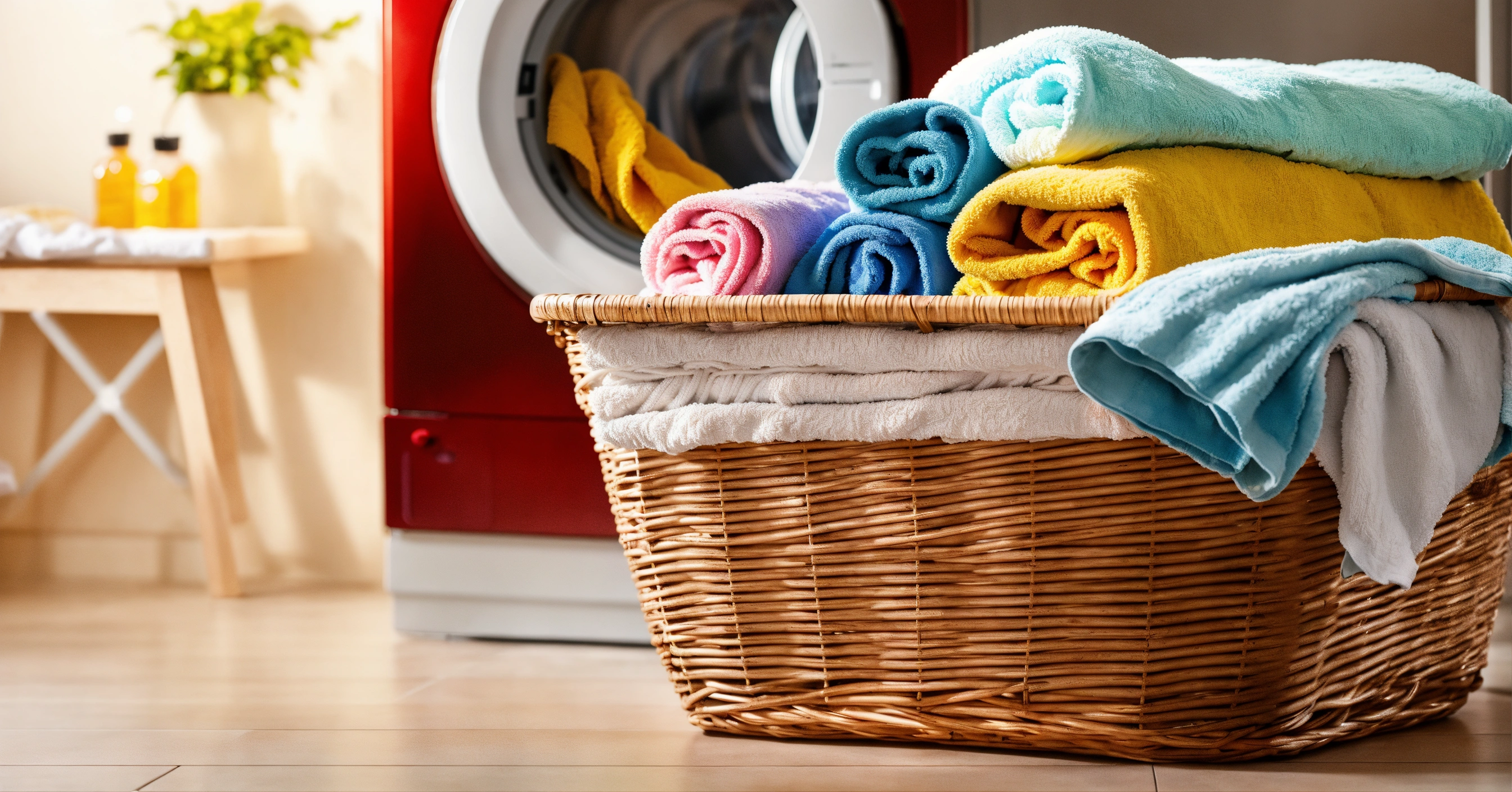
A tie blanket is made with two layers of fleece. The top can have a pattern such as plaid, cartoon designs, or florals, while the bottom can be solid usually in basically one of the colors from the top. That is why the tie blankets: they can go down to the fringes.

Always buy fleece in the exact amount for both layers of the top and bottom. Place one layer on top of the other evenly, making sure they are well aligned before cutting begins. Remember that a 4-inch border should remain for all sides that will be tied, so we will be cutting out 4”x4” squares at every corner before starting to cut the fringe.

If you are working with wholesale fleece, check whether the edges are already finished or if there needs to be some trimming done before layering. A clean cut makes tying easier and results in a more polished look.

Start Small, Scale Big

When making tie blankets, maybe starting smaller-adult child or youth size-is a good idea. It’s a great way to practice fair cutting and tying before committing all the effort to a large adult throw. After a few times, this craft is unexpectedly relaxing. It feels like a mix of crafting and meditation!

And should you ever get into mass production-whether for a school fundraiser, for a craft shop, or for a drive for holiday gifts-buying wholesale fleece blankets makes perfect sense from creation to economics. You’d save dollar bills while keeping a consistent quality and no last-minute trips to a fabric shop.

At the end of the day, however, it is not only about choosing the right size. It is about creating something that carries warmth and thoughtfulness for a lifetime. Whether it will live on a couch or in a child’s bed or be gifted to someone needing a hug-they’ll feel the warmth you’ve tied into every knot.
How Much Material for a Tie Blanket? A Simple Guide to Cozy Crafting

7 Aug

There’s a wholesome feeling about having a blanket handmade for you. Whether it is a gift or a project for one’s abode, or making one together on a rainy afternoon with the kids, tie blankets have well-earned their very modern name. Absolutely no sewing is required. Just a pair of scissors, lots of time, and, of course, the right amount of material. If you ever asked yourself, “How much material does one need for a tie blanket?” rest assured, you are not alone. Let us unravel the answer in this cozy guide to fleece arts. It goes without saying that buying fleece blankets wholesale means bargain prices on bulk fleece material, which is great if you’re doing several blankets or holding a blanket-making party or fundraiser.

The term “tie blanket” comes from the process of making the blanket from two layers of fleece, cutting the strips along the edges, and then tying them into knots. And that is all. But while there is nothing complicated in the technique itself, it is with the choice of size and amount of material that many beginners hesitate. This depends on the size of the blanket you want to make. Would you like a throw for the couch? A baby blanket? A full-size bed cover? Each size asks for its own amount of fleece.

Just plan on a yard of fabric for each to have blanket tie: two yards in total. Baby blankets are generally 30 inches by 36 inches. That measure is ideal for newer crafters to work with small projects. Therefore the little size lets you try it out and even make a perfect shower or newborn gift. The rest of the procedure remains the same: lay one fleece on top of the other, trim, cut strips which are usually about 4 to 5 inches long and 1 inch wide, and tie.

About 1 ½ yards of each fleece will do for the child or lap-size tie blanket. That translates to a blanket approximately 40 inches by 60 inches, sufficiently large for a child to use or for an adult to set on his or her lap in a cool evening while watching TV. A great tip: always keep some extra fabric, just in case you need it if things were cut a little off or had to be trimmed for symmetry. Also, remember: the wider the fringe cuts, the more fabric gets out on the edges.

For making standard throws or adult blankets, two yards of fleece are needed for each color. One yard will serve for the front, another for the back. Depending on how tightly you tie the edges, it will finish about fifty inches by sixty inches. At this size, this blanket is the most typical to use nowadays due to its versatility: good for an afternoon nap, draping over furniture, or taking on a camping trip.

Looking for larger sizes? One and a half-ounce fleece requires roughly 2.5 yards of each for a twin-size tie blanket, and a full or queen size would require 3 yards each or more. The bigger fleece you use, the longer you’ll find yourself tying, and you’ll likely have to assemble it on some giant workspace-a big table or a well-cleaned floor.

When buying fleece, the quality factor comes into play, as does cost. Fabric stores usually charge more per yard for licensed prints, seasonal patterns, or premium plush fleece, and this is where fleece blankets wholesale options can rescue you and your budget. It goes without saying that buying fleece blankets wholesale means bargain prices on bulk fleece material, which is great if you’re doing several blankets or holding a blanket-making party or fundraiser.

Apart from the fact that it is less expensive, many crafters prefer to buy fleece blankets wholesale because of the variety available. Wholesale suppliers usually offer a wider range of solid colors and patterns, thus getting an easier time mixing and matching front and back fabrics. Whether you’re making themed blankets for the holidays or donating to shelters, buying in bulk guarantees that your supply will never run short and opens avenues for creative expression.

Further important is the note that some wholesale fleece blankets come pre-cut or pre-packaged in sizes just right for tie blankets. These all-in packages come handy in group projects or classrooms, because then you do not have to spend time measuring and cutting the large bolts of fabric but instead get to fully enjoy the fun part—cutting the fringes and tying them up in knots.

Soft fleece is medium-soft and has always amazed edge workers and garsters alike. In normal terms, not all fleece is given equal treatment. Anti-pilling fleece is, without question, the better grade for longevity because it stands up more over time. Whether in solid hues or amusing print patterns, the fleece must be in a grade or weight supporting warmth with ease, yet not so heavy as to become a task to tie. Make sure to check for material details on any wholesale site and always cross-compare the weight (in ounces per yard) as a general indicator of quality.

To finish, the needed amount of material depends upon the size of the tie blanket- 1 yard for babies, 1.5 for kids, 2 for grown-ups, and extra for bed-sized blankets. Buying wholesale fleece blankets can also be well worth some strategy to save some bucks while yielding greater control over patterns, colors, and pricing, which means more blankets, more fun, and sharing of warmth-whether for a friend or to donate dozens!

So the next time you find yourself wondering just how much of the fleece material is required for a tie blanket, think not just about its measurements but also the joke-worthy moments it will be a part of. So get out those scissors, roll out that fleece, and tie away some comfort, just one knot at a time.

What Type of Fleece Is Best for Tie Blankets?

1 Aug

Soft, warm, and flexible are just some descriptors bestowed upon fleece, making it desirable for various crafting projects that include no-sew blankets. But not all fleece has the same properties. If you think of making tie blankets for yourself, charity, or resale, then you really ought to know which kind of fleece is going to provide you with the best results. Whether you are buying for a DIY hobby or searching for fleece blankets in bulk for large-scale projects, it really helps to distinguish which type of fleece is being sold.

Why Fleece for Tie Blankets?

Now, before chatting about the types, let’s just briefly go over what makes fleece so loved for tie blankets, shall we? Fleece is soft, lightweight, warm, and somewhat moisture resistant. Unlike the majority of cloths, fleece cannot be frayed when cut, which is an essential feature for tie blankets. Since the edges are cut into strips and tied together without any need for sewing, your fabric should remain intact after being cut. Here is the perfect solution: fleece.

In addition, fleece is offered in an abundance of colors, patterns, and even thickness. Maybe you’re making a child’s blankie with cartoons plastered all over it, or perhaps a chic throw for the grown-ups; there is a fleece print for it. This huge range allows buyers of fleece blankets in bulk the option of creating custom designs while simultaneously allowing the process to be efficient and cost-effective.

Types of Fleece for Tie Blankets

Various fleeces exist, but when it comes to tie blanket projects, some types are more desired than others. Blizzard fleece and anti-pill fleece would be the top two choices for the average DIYer or crafter. Here’s the rundown:

1. Blizzard Fleece

Especially when working on a budget or undertaking the big projects of community drives or school fundraisers, the choice is usually Blizzard fleece for tie blankets. The fleece is a little thinner than others, making it easier to tie and cheaper when buying by the bulk of fleece blankets.

It’s warmer and softer but rather denser with a less plush feel than purportedly luxurious types. It’s great for layering as many tie blankets have two layers of fleece for a double-sided effect. Blizzard fleece can be purchased just about anywhere, from fabric shops to wholesale stores.

That said, it would not have anywhere near as much lifespan or luxurious feel as something more plush-fleece. Also, if you are working on multiple throw blankets at a time, or are giving out to places where durability is not a prime concern, blizzard fleece is a smart and affordable choice.

2. Anti-Pill Fleece

Anti-pill fleece is considered more upscale or durable alternative. Pilling is a term used for the formation of tiny balls on the fabric surface after repeated use or washing. This type of fleece is made to resist the wear-and-tear with the resulting ability of the finished blanket to look new time and again.

The fleece is, indeed, a little thicker and fluffier, which means the blanket itself would be warmer and cozier. It is wonderful for gifts, keepsakes, or for something you want to use on the regular.

Though anti-pill fleece is on the pricier side, there’s a definite chance to cut costs by purchasing fleece blankets in bulk from wholesalers, especially if you need to craft for events, gifts, or for business.

Which One Should You Choose?

The best type of fleece for your tie blanket depends on what suits your specifications:

•You are cheap or produce in great batches: Select blizzard fleece. It is cheap and considered easy to combine, a very fair rate if buying fleece blankets in bulk.

•Uses for nice and durable blankets as gifts or for aged abuse: Go for an anti-pill fleece that produces longer-lasting softer finish.

There are people who combine the two types, blizzard fleece on the back and anti-pill on the front, to achieve a balance between affordability and softness.

Consider Weight and Stretch

Again, based on the fleece type, you need to consider the weight and stretch of the fabric as well. Tie blankets work well with fleece at a medium weight that does not stretch sharpy. Stretching enough to cause your knots to loosen or your blanket to warp with time is a big no.

You should always check for stretch by gently tugging at your fabric in every direction. If it snaps back without sagging or distorting, you’re all good.

Pro Tip: Pre-Wash and Test

While fleece doesn’t shrink like cotton, still it is recommended to pre-wash the fabric if ordering fleece blankets bulk. This will help get rid of any chemical residues or dust and give you a cleaner working surface.

Before starting on the whole blanket, test a small corner. Cut a few fringe strips and tie them to ensure that the fabric ties easily and does not fray or curl too much.

Where to Buy Fleece Blankets in Bulk?

Big projects and business needs require buying fleece blankets in bulk by wholesale suppliers. Very many internet stores and craft retailers have bulk options that come in packs of different colors or patterns. This saves loading time and money when buying fabric by the yard.

Whether you’re running a crafting workshop, fulfilling holiday orders, or simply love making tie blankets as presents, ordering fleece in bulk help streamline the process and also gets you better pricing tiers.

Arguably, tie blankets are some of the most tender-hearted DIY projects simple enough to make, endlessly customizable, and worthy of being gifted to anyone who matters to you. The choice of selected fleece type directs the entire ambiance and feel of the decor. For mostly any project, blizzard-type fleece is a good pick (especially for higher-volume crafting processes). Anti-pill fleece would give a nice finish with its durability and softness. It is always wise to buy fleece blankets bulk since that ensures cost-efficiency plus a rewarding creative experience.

So the right kind of fleece with a dab of your imagination really ties it all together-literally-giving your project-tailored for yourself, gifts for loved ones, or a community cause.

How Much is a Yard of Fleece?

1 Aug

One topic I am dying to know when buying fleece nylon fabrics is how much per yard it goes at fleece. Agar one likes making blankets wholesale, cost per yard goes neck and neck among others to determine. Whether it is you working from home with crafts, are the owner of a small business, or are sending for stock for the this winter, “How much is the yard of fleece?” becomes the practical and necessary question to ask. This guide addresses fleece yard prices, mostly with respect to cost factors, and the reasons why buying fleece blankets in bulk really saves one’s time and money.

What Is a Yard of Fleece and How Much Do You Need?

One yard of fleece measures 36 inches. Ordinarily, fleece cuts are taken from rolls of widths between 54 and 60 inches. This is basically a generous cut weightwise, for those projects that entail working on single layers, such as scarves, pillow cases, or small fleece throws. The bigger the project-oversized fleece blanket or wearable fleece-the larger yardage will be required.

Depending upon the applications one might require different amounts of fleece. One yard would probably be enough for baby blankets, whereas it would generally take two yards for a twin-size blanket. Such considerations become very important while making plans and setting budgets, especially when a person might be in dire need of buying huge amounts of fleece blankets for purposes in the line of resale, gifting, or donation.

Average Cost Per Yard of Fleece Fabric

Fleece will have different values for many reasons, but normally fleece sells between $4 and $15 per yard in retail outlets. Here is a breakdown of price ranges for fleeces:

• Low Range Fleece (Basic Solid Fleece): $3.99-$6.99/yard

• Medium Range Fleece (Printed or Patterned Fleece): $7.99-$11.99/yard

• High Range Fleece (Luxury or Specialty Fleece): $12.99-$20/yard

Obviously, wholesale fleece blanket down price per yard compared to retail price. Wholesale prices for fleece fabric are offered from thrift stores and manufacturers of fleece blankets anywhere from $2.50 to $5 per yard, depending on the quality, quantity, and customization options.

Factors Affecting Price of Fleece Yardage

1. Fabric: Anti-pill fleece sells at a higher price due to longer durability and finer texture after multiple washes.

2. Thickness/Weight: The heavier fleece is measured with GSM (grams per square meter); hence, the heavier fleece is more expensive.

3.Design and Color: Solid-colored fleece is usually less expensive than prints or character-licensed designs. Any customization on prints tends to add to the cost.

4.Brand and Retailer: It might be a boutique craft store charging an extra charge. The local fabric warehouse or online wholesaler, in particular, when it is a bulk purchase, might carry more competitive prices.

5.Quantity: This is of paramount factor. Sometimes the price per yard for fleece is quite different when buying wholesale for fleece blankets. Bulk orders sometimes also come with shipping discounts on a per yard basis.

Why Bulk Buyers Should Think Beyond the Yard

Below are all the growth factors to consider when buying fleece by the yard or buying fleece blankets in bulk:

While it is imperative to know the price of fleece per yard, bulk buyers have larger considerations. Are you going to manufacture at least 50 blankets as a fundraiser or for an event or business? Then you win on every fight of value by buying the complete set of fleece blankets instead of the fabric itself.

Bulk buying means less cutting, measuring, and sewing, unless it concerns a custom job. Many suppliers nowadays stock ready-to-ship fleece blankets that require no further packaging. Some even offer branding or embroidery.

Let us say you pay $7 for a yard of fleece; it costs $14 in raw materials for two yards for one full-sized blanket, without wage or tools. Retailers sell finished fleece blankets in bulk at $8-$12 per piece. So, a lot of the time, bulk-buying is better in the savings of effort, time, and overhead.

Where to Buy Fleece and Fleece Blankets in Bulk

Sources for fleece fabric by the yard or bulk sale of pre-made fleece blankets include:

•Online Wholesalers: Tiered pricing can be found on Fabric.com, in the bulk order section of JOANN, and other sites for textile-specific vendors.

•Local Distributors: Regional distributors would probably offer much better prices on bulk orders and would also let you see the fabric beforehand.

•Manufacturers & Importers: For 1000+ pieces, it is best to contact manufacturers directly for making wholesale deals on fleece blankets.

•Craft Stores (Retail): Working well for sampling but not so well for large volume requirements, price-wise.

DIY vs Bulk: Which Is Better for You?

Material-wise, fleece at retail outlets sells for around $5 to $15 per yard. Wholesale, it is cheaper, ranging from $2.50 to $5 per yard. But that is just the beginning of your whole decision-making course.

Depending on the enormity of your project, its purposes, and the required effort, the question really asks whether your time or your money is more precious to you. For large orders, the convenience and savings offered by ordering fleece blankets in bulk tend to outweigh the joy of crafting each piece from scratch. And, in truth, when winter sets in, and your community needs warmth, being able to call it a cozy investment would be knowing you have a heap of high-quality wholesale fleece blankets ready and waiting for you.

How Much Does Fleece Cost?

1 Aug

If you have ever just wandered aimlessly into a fabric store or flipped through an online catalog, there-aligns most likely-lies fleece in abundance-from winter pre-jackets to baby blankets to DIY projects. But for the crafter or seller, the cake-eating question is: How much does fleece really cost? The answer definitely remains an assortment of answers rather than a definite one. At least four factors determine fleece price: quality, weight, kind, and quantity-it also refers to whether we’re talking fleece blanket wholesale or not. Below follows an insight as to fleece prices and what it truly means to buy smart wholesale.

What Is Fleece and Why Is It Popular?

Fleece defines itself as a downy, synthetic fabric made mostly from polyester. Lightweight, warm, and breathable are words associated with the fabrics. First made to serve as an alternative to wool, fleece essentially went swimming in fashion and textile industries as it is warm and insulates, has water resistance, and dries quickly. For anyone allergic to wool or vegan alternative seekers, fleece became a preferred name in the trade.

Today fleece, with all such qualities, finds use in blankets, outerwear, pet beds, etc. And because it is cheap especially when bought in bulk, the fabric is a popular choice for many manufacturers and hobbyists.

Understanding the Cost of Fleece

Pricing of fleece varies depending on whether it is sold by the yard, by the roll, or in finished formats such as blankets. Retail fabric shops usually price the fleece at $5 to $20 per yard, depending on the quality and brand. Specialty fleece such as the anti-pill or plush varieties would be of the higher end of that spectrum.

In domestic fleece blanket wholesale, the price structure changes entirely: the more the number bought one-time, the lower its price goes down into smaller amounts per unit.

For example:

•Basic polar fleece blankets (50″x60″) may be about $2 to $4 apiece in wholesale amounts.

•Fancier fleece throws for anti-pill treatment or just a little extra thickness could run from $5 to $10 apiece.

•Custom-printed or branded fleece blankets may even go higher with additional costs introduced on production and design.

Factors That Affect Fleece Pricing

In regards to fleece whether as fabric or as wholesale fleece blanket, there are some key price determinants:

1. Weight of the Fabric (GSM):

Here, the GSM stands for grams per square meter and it says how heavy and thick the fleece material is. Light fleece weighing around 150–200 GSM is cheaper than a heavyweight of over 300 GSM that keeps one warm and lasts longer.

2. Fabric Finish:

Certain type of anti-pilling fleece regains its color and smoothness even post washes, thus costing more than your usual fleece. Double-faced or plush finish also commands a high price.

3. Brand and Source:

Depending on reputed suppliers of fleece, prices may be higher but certainly will uphold the quality and reinforce quality consistency; whereas source overseas can keep cost lower but will need to be thoroughly vetted for any possible quality issues.

4. Customization:

Custom embroidery, screen printing, or special dyeing for fleece blankets will add to the cost of production but lend value, especially for corporate gifts, schools, or events.

5. Order Volume:

As in most purchases in wholesale domain, the more the number you order, the less is the price for a single unit. Usually, suppliers have a couple of pricing tiers on offer- say 100 pieces under one tariff, another tariff for 500 pieces, and the lowest tariff, i.e., 1000 pieces.

Why Buy Fleece Blankets Wholesale?

Whether you run a hotel or deal with corporate giveaways or charity work, a wholesale fleece blanket order can be a great asset. Cost-effectiveness, consistent quality, and ease of bulk logistics are offered by wholesale fleece blankets. Sometimes, during the annual cold months or emergency situations, bulk fleece purchases are a preferred method for donation drives and relief distribution.

Going wholesale also allows branding and customization. Businesses use blankets to emblazon their logos and reflect brand colors, or personalizations may be made as gifts for staff and clients. And since fleece manufacturing cost is lower, this gives ample margin to any reseller or Etsy shop owner interested in creating value with custom packaging and branding.

Where to Buy Wholesale Fleece Blankets?

Some reliable suppliers and platforms allow you to purchase fleece blankets in bulk:

• Alibaba and Global Sources: Suitable for large, international orders, especially if you are considering private-label manufacturing.

• U.S. Wholesalers: U.S. companies such as DollarDays, Blankets4Less, and Promotional Blankets sell fleece products with a lower MOQ than Chinese suppliers and faster shipping.

• Craft Supply Chains: Some distributors of fabrics also wholesale finished fleece blankets, in addition to fleece fabric by the bolt.

Before committing, samples must be requested, customer reviews must be checked, and delivery timelines must be compared to make sure that investment is worthwhile.

Is Fleece Budget-Friendly?

So, how much does fleece cost? A buyer for the yardage meant for his personal use will pay in that range from $5 to $20 per yard. Wholesale fleece blankets, on the contrary, may set prices anywhere between $3 to $6, depending on the number required together with the demands for customization.

Whether for your next project, a dormitory outfitting, or for winter stock piling, fleece is an excellent marriage of price and utility. Weight, quality, and supplier reputation should be taken into consideration at least.

Well, if warmth, softness, and savings are what you seek, fleece answers all of them.