Choosing the right fabric—and indeed where you find it–will be the first important choice you make in your journey to creating cozy, warm, and beautiful blankets. The ability to source high-quality blanket fabric can change everything for a small-business owner, a DIYer, or just someone gearing up for a large family gift project.
In this blog, we will walk you through the best places to buy blanket fabric, the types to look for, and, in case you are thinking big, how to source fleece blankets bulk. This will be your go-to guide for everything from local stores to online wholesalers.
Why Does Fabric Matter for Plush Blankets?
Before we go ahead and locate the purchase points of blanket fabric, let’s spare a moment to consider why this choice should even matter for you. The fabric that you choose will affect:
•Warmth and softness
•Durability and washability
•How easy it is to cut, sew, or even knot
•Visual appeal and texture
With many to choose from-cotton, wool, minky, sherpa-fleece is an ever-favorite option. It is cheap, soft, warm, and easy to work with. For someone looking to buy fleece blankets bulk, it is probably the most available fabric in shops and online.
Types of Blanket Fabric to Consider
Depending on fabrics suitable for blanket-making, one can mention:
1. Fleece (Polar and Anti-Pill)
Great for: No-sew tie blankets, winter throws, baby blankets
Fleece is soft, machine-washable, and cheap: perfect for bulk projects.
2. Minky Cloth
Great for: Baby and luxury blankets
Soft and plush, however, expensive and technically hard to sew.
3. Sherpa
Great for: Extra-warm or double-sided blankets
Gives the “faux-sheepskin” feel and is usually paired with fleece.
4. Cotton Flannel
Great for: Lightweight blankets and receiving blankets
Gently breathable but not quite fleece-warm.
5. Wool Blends
Great for: Traditional and heavy winter blankets
Nature-keeping and insulating but require extra care and expensive.
Where to Buy Blanket Fabrics (Retail & Online)
1. Joann Fabric & Craft Stores-USA
Renowned for offering fleece, flannel, and minky fabric wholesale for crafters and hobbyists-anyway any season!
Seasonal prints tend to be available, along with discounts on bulk purchases.
2. Hobby Lobby
A strong contender if you need stylish patterns and themed fabrics. Their fleece section is surprisingly extensive and good for small to mid-sized projects.
3. Walmart Fabric Department
The budget-conscious flock to Walmart for fleece at prices that rarely ever go in the higher lane, and some stores even carry fabric by the bolt that the enthusiastic mass blanket makers can put to blissful use.
4. OnlineFabricStore.net
An apt online store for specialty fabrics like anti-pilling fleece and sherpa. They allow generous cuts of fabric with noteworthy discounts for large quantity orders.
5. Fabric Wholesale Direct
True to its name, the website deals with huge transactions. It should be a good option for someone looking for wholesale prices for purchasing fleece blankets in bulk or by the yard.
6. Amazon
Oddly enough, Amazon can be another convenient way to acquire fabrics for blankets, especially pre-cut fleece sets and DIY kits. Just read a ton of reviews before committing to a purchase in bulk.
7. Alibaba or AliExpress
Trying to source fleece blankets bulk for resale or extensive distribution? Wholesale marketplaces such as Alibaba can provide giant quantities at some of the most competitive price points. Do check the sellers, and if possible, ask for samples.
Buying Fleece Blankets Bulk: What to Know
If bulk fleece blankets are on your shopping list-from stores to charity events to resale, here are a few key considerations:
•Minimum Order Quantity (MOQ): Most suppliers (especially on Alibaba) set the MOQ to 100 or more.
•Custom Printing: Some offer custom printing to brand your blankets.
•Shipping Time: Your package may take 2–6 weeks if you are shipping from abroad.
•Material Grade: Go for “anti-pill” fleece or polyester blends, which can resist multiple washes.
In the U.S., websites such as BlanketWholesaler.com, DollarDays, or Nassco Inc. specialize in ready-made fleece blankets that you may purchase in bulk with some starting at just $3 per unit.
Tips For First-Time Fabric Buyers
•Always ask for a sample: This is very important, especially when making online purchases or buying bulk fleece.
•Compare weight (gsm): A higher gsm will mean thicker and warmer fleece.
•Stretch factor: Some fleece fabrics are 2-way or 4-way stretch; this can impact your project.
•Look for sales: Winter months and back-to-school periods usually come with some of the biggest sales on fabric.
•Understand return policies: Not all bulk fabric purchase will come with return policies, especially for cut yardages.
From gifts to larger orders, blanket fabric supply makes the key to comfort and quality. Since fleece is a leading choice for its cheap price and ease of handling, surely the majority of people look to fleece blankets bulk for their needs, whether for themselves or commercially.
Take the time to compare suppliers, be sure about your fabric options, and do not be afraid to experiment. Because when it comes down to making some warmth-whether for business, charity, or the family-what goes into it is important.
If you’ve ever cuddled in a tie blanket, you just know it: The blanket is soft, gentle, warm, and made with love. Behind every excellent tie blanket lies a very clever fabric choice. And if you’re considering making several of them (gifts, schools, donations, or cozy movie nights), the question would have come to you at least once: Which type of fabric is best for tie blankets? This blog will give you a rundown on everything about the fabric for tie blankets, why fleece blankets wholesale can be your best choice, and how to select the right materials considering comfort, durability, and price.
Why Fabric is Important in Tie Blankets
A tie blanket is not sewn — it is knotted. This means that the edges of the fabric are supposed to hold without fraying; they need to be pleasant to the skin and slightly stretchy to be able to knot easily. For these reasons, the choice of fabric is not just crucial; it strongly affects the final feel and functionality of a blanket.
The Gold Standard: Fleece
Let’s just cut right to the chase: your very best fabric for of tie blankets would be fleece. And there are some great reasons why wonderful fleece is popular for tie blankets:
1. No fraying
Cotton or woven fabrics will fray when cut, but fleece won’t. Hence, fleece tie blankets are never hemmed or serged at their edges. It is simply cut and tied.
2. Softness
Fleece is known for being soft imparting that feel of warmth while forbidding that itchy disadvantage left behind by wool. This purports to be of consequence when creating a blanket churned out to be cuddled by someone.
3. Stretch
It has a stretch suitable enough for keeping the knots snug without the stretch deforming the shape of the blanket. This is very essential on maintaining the structure of your tie blanket as it ages.
4. Durability
Set to be pulled around by a toddler or washed down so many times in the washing machine, fleece will always keep up with these demands for wear and tear. Hence, wholesale fleece blankets always get picked for large-scale blanket drives and charities.
Types of Fleece You Can Use
Not all fleece is created equal. So let’s examine the major types of fleece for tie blankets:
1. Anti-Pill Fleece
If you are likely to wash the blanket often (which is almost always), pick anti-pill fleece. This type resists those tiny fuzzy balls that appear after washing, thus shielding your blanket from looking old for much longer.
2. Blizzard Fleece
A bit thicker than your normal fleece, blizzard fleece gives more warmth and weight. Suitable for a chilly climate and for a premium tie blanket feel.
3. Polar Fleece
Another great choice-Lightweight yet warm-is polar fleece. Often it provides more breathability than blizzard fleece, which is something worth considering for all-season usage.
4. Micro Fleece
Luxuriously soft and thin and therefore far cozier, it does demand a tad bit of care. This would, therefore, not be a suitable choice for heavy-use blankets.
Size & Thickness: What to Look For
When buying fleece for tie blankets, you usually want two layers-one for the front and one for the back. The size of each piece should be the same and should be large enough to allow for the tied edges (you will lose about 4-5 inches on each side due to knotting).
Some common sizes are:
• Baby Blanket: 1 to 1.5 yards
• Throw Blanket: 1.5 to 2 yards
• Twin Size: 2 to 2.5 yards
Buying fleece blankets wholesale can save tons of money if you decide to buy them in vast amounts, particularly for school projects, fundraisers, or winter drives. Wholesale dealers usually provide pre-cut blankets or fleece by the bolt, both of which simplify the process and save time.
Where to Purchase Fleece Blankets Wholesale
If you’re making more than one tie blanket, buying fleece individually from craft stores can get pricey-good fast. Wholesale options are perfect for:
•Non-profit or charity drives
•School projects
•Holiday gifts
•Small craft businesses
Look for wholesalers that offer:
•Anti-pill fleece
•Bulk discount
•Variety of colors and patterns
•Pre-measured sizes
Some wholesalers even go the extra mile to specialize in fleece blankets wholesale that are ready to tie, thus being a big hit for group events or beginners.
Design Ideas to Consider
Not just soft to the touch, fleece tie blankets offer endless design possibilities. When selecting fleece:
• Combine solids and patterns (for example polka dots plus plain pink).
• Seasonal approach (snowflakes in winter, flowers in spring).
• Use variations of team colors (for school and sports fans).
• Go for thematic sets (cartoons, animals, quotes).
That being said, if you buy fleece blankets in bulk, a custom-printing option could be available for that extra personal feel.
General Tips for an Awesome Tie Blanket
• Use sharp fabric scissors or a rotary cutter so you get clean cuts.
• Keep fringe consistent (usually about 1 inch wide and 5 inches deep) for easy tying.
• Double knot every fringe to secure the blanket from coming loose in the wash.
• Pre-wash fleece if there is a strong scent or residue from the factory, but most of them just go right out of the box.
So, how do you decide the best fabric for tie blankets? It’s the comfortable fleece—of course. More specifically, anti-pill or blizzard fleece for the compromise of durability and softness. For your multitudes of fleece blankets or perhaps your frugal constructs, fleece blankets wholesale is the way to go for a save, simplicity, and scale.
Whether you tie one for yourself and another for your couch, or 50 of them just for a good cause, it’s that fabric choice that will really establish warmth and life for every knot. So, choose well and tie on!
Tie blankets are becoming far more than a cozy DIY creation-Giving warmth, comfort, and a personal touch into it. Whether it is for a child or charities to hospitals, or just a leisurely project, the most common question is: “Which fabric should I use for tie blankets?” The answer can dictate a blanket’s fate, good or bad: in quality, in comfort.Since you plan to donate bulk tie blankets it is very worthwhile to know about the sources where you can buy wholesale fleece blankets-that is to save time and money and ensure quality.
Why Fabric Matters in Tie Blankets
Tie blankets are not sewn-they are merely tied together with two layers of fabric, usually after opposite edges are trimmed and cut into strips. Choosing the fabric would determine how long the blanket holds up, how warm it is, and even how easy it is to assemble, for there is no collection of stitches to keep things together.
Ideally, your fabric should have the following characteristics:
• Does not fray at the edges
• Soft and warm
• Durable
• Easy to cut and tie
With these in mind, let’s check out the first choice in fabrics and why it is the number one option for tie blanket enthusiasts worldwide.
The Undisputed Champion: Fleece
If one has read a little about tie blankets, they must have seen a fleece fabric dominate the discussion, and rightly so.
Why fleece?
• It doesn’t fray-and so there is no need to hem or finish the edges.
• Soft and gentle-Enough to cuddle with.
• It cuts and ties with ease-Even children can join in making tie blankets.
• Has a wide variety of colors and patterns-A matter of easy personalizing.
• Durable-Remember, fleece is washable.
If you want to knit many blankets-for example, for a community drive or for a Christmas event-buying fleece in bulk would help reduce the cost, and at the same time, give the same soft finish each time.
Types of Fleece to Consider
Really not all fleeces are created equal. Let’s dissect the common types of fleece and their wear in tie blankets:
1. Polar Fleece
• Best for: For-all-day tie blankets
• Texture: Smooth, soft, and medium weight
• Why use it: The in-and-out for tie blankets; polar fleece is warm and soft on both sides and does not pill to any extent. It demands the attention of adults and kids.”
2. Anti-Pill Fleece
• Best for: Gifts or keepsake throws
• Feel: Polar fleece textured with pilling resistance
• Why use it: Sometimes, after several washes, fleece can pill in the form of tiny balls on the surface of the cloth. Anti-pilling fleece keeps smooth longer and thus makes an ideal choice for more premium or long-lasting applications.
3. Blizzard Fleece
• Best for: Extra cozy winter blankets
• Feel: Heavier than touchscreen polar fleece and warmer
• Why use it: Primarily for warmth, Blizzard fleece is your best choice. Heavier and plush, it is hence especially suited for chill weather.
4. Micro Fleece
• Best for: Lightweight or baby blankets
• Feel: Durable, ultra-soft, quite thin, and lightweight
• Why use it: The softest-type fleece and least warm out of all. Good to have for babies or when the weather gets warmer.
If you want to buy in bulk, it is important to ensure the supplier of your fleece blankets wholesale can give you detailed specs and so you know exactly what type of fleece you’re getting.
Fabric to Avoid for Tie Blankets
While fleece is a good choice, below are a few fabrics not suitable for tie blankets:
• Cotton: Tends to fray and is not stretchy enough for tying.
• Flannel: Cozy as it may be, it frays over time and is less durable when cut.
• Wool: Too thick and not easy to tie.
• Silk or Satin: Too slippery and too fragile for tying.
These materials may work for sewn blankets, but tie blankets need structure and stretch that these fabrics can’t provide.
Tips When Buying Fleece Blankets Wholesale
If you’re bulk-buying items for a big project or donation:
• Avoid lighter weights of fabrics (measured in GSM or watts) for tie blankets; a good weight should be about 200-300 GSM fleece.
• Choose colors/patterns that complement each other; usually, one patterned layer with one solid layer looks best.
• Ensure the fleece is 100% polyester; this ensures durability, washability, and softness.
• Request sample swatches; if a sample cutter is available to test, use it before buying up a large roll or a set.
Wholesale Fleece Blankets are usually pre-cut in selected standard sizes, thus saving a heap of work on your part for manipulation. Some suppliers might even indulge you with no-sew kits-perfect for group projects or beginner-friendly assignments.
Wrap It All Up (Literally)
Whatever it is you plan to tie, be it one tie blanket or hundreds, your fabric is everything. Fleece continues to stay in top ranks-easy to work with, warm, durable, and customizable. And if you are thinking in terms of a big project, then going for fleece blankets wholesale would be a wise choice. It maintains quality consistency even while cutting costs.
So, don’t wait. Boots-on, cutters ready: grab your scissors, picking the fleece, and start tying. With the right fabric, every knot is a small embrace of warmth.
If you have ever sliced fleece newborn throws, sewn baby clothes, or generated some winter accessories from fleece, you would know how surprisingly fast scraps pile up. And from a business perspective, with wholesale fleece blankets, you should be sitting on a mountain of leftovers just waiting to get repurposed. But don’t throw them away! Fleece is too soft, colorful, and immensely practical-money against the wall, so to say! Whether you are looking for some smart reuse ideas or just a DIY enthusiast, this guide will show you exactly what to do with fleece leftover scraps while inspiring you to make treasures from those trimmings.
1. Make Fleece Dog Toys-et Will Make Your Dog Happy.
Is there a dog at home, or do you know someone with a furry uncle? Fleece scraps make a perfect no-sew tug toy. Just take three strips of fleece and knot them together at one end, then braid tightly and knot the other end. The dog toy is ready for chewing, washing, and cost less than it would take to buy it!
Making these in bulk is great too—especially if you run the fleece blankets wholesale business and want to give your customers a sustainable add-on.
2. Sew Reusable Makeup Remover Pads
If you have smaller pieces of fleece, you can cut circles out of it and sew together dry fleece and wet fabric to make soft reusable makeup pads that are good for the skin, eco-friendly, and washable. Plus, they’re adorable when bundled with a few spa essentials and make great gifts.
For craft vendors or eco-conscious brands, this is another way to cut textile waste while selling products that support current sustainability trends.
3. Make Cozy Hand Warmers
Winter coming? Turn fleece scraps into microwaveable hand warmers. Cut the fleece into squares, sew most of the sides together, fill with dry rice or flaxseed, then finish sewing. Microwave them for 20 or 30 seconds, and then slide into gloves or coat pockets. They’re great to sell at craft fairs or even give as thoughtful gifts.
If your store offers fleece blankets wholesale, small fleece accessories like these are perfect up-sells that increase the cart value and generate goodwill for the brand.
4. Make Quilted Fleece Blankets or Pillows
Too many oddly sized pieces in a variety of colors? Do not worry about matching them-up—fleece quilts are made to look lively and pretty. Sew fleece scraps into panels and either back with a single large fleece panel or stuff them into patchwork pillows. You minimize waste and make something cool and unique.
This is made even more attractive if you buy fleece blankets wholesale and do a lot of trimming and customizing for resale.
5. Make Colorful Keychain Puffs or Bag Charms
Fleece scraps can be turned into fun accessories like tassels, puffs, or pom-poms. Cut strips, stack and tie, then fluff the ends. Attach to a keyring or zipper pull. Fast to make and sure to please the kids!
Whether you sell handmade goods or run a craft studio, this idea is ant cute way to embellish your leftover fleece.
6. Make Blocks and Soft Toys for Babies
Fleece is baby-friendly: soft, warm, and safe. Tiny blocks can be sewn from fleece scraps and filled with lightweight stuffing. You can insert a rattle or crinkle material for extra fun. If you are into plush toys, fleece scraps are great for making details for soft toys in the ears, noses, or tails.
And if your business sells fleece blankets wholesale to baby boutiques or nursery brands, offering complementary handmade toys shows your dedication to thoughtful upcycling.
7. Fashion DIY Draft Stopper
Cold air sneaking underneath your doors? Sew long tubes from fleece scraps; fill them with rice or sand, and place them at the foot of your doorways. They keep warm chills from entering and look warm and decorative.
Great project for home-use scraps or when you are left with long thin trimmings after trimming fleece blankets.
8. Sew into Slippers or Socks
If you are adept at sewing, fleece scraps may be cut and sewn into simple slipper socks or foot warmers. Use a basic slipper pattern and play with mixing colors or adding whimsical patches using different scrap fabrics. A great gift to give your family, to go into Christmas stockings, or maybe even to sell on a limited basis if you want to do a little repurposing for your fleece blankets wholesale business with offcut scraps.
9. Build a Cat Hammock or Bed
Cats will love fleece-it’s warm, it’s soft, and it’s right for kneading! You can make a little hammock or a pillow bed from scrap fleece. Just sew a few pieces together and attach them to a frame, or fill a pillowcase and cover it in bright fleece.
A great projects help shelters and rescues where there are always requests for soft bedding.
10. Use Scraps as Packaging Fill or Padding
Not all fleece scraps need to make it into a product. Small trimmings are perfect eco-friendly packaging filler material for your online orders-especially if you’re selling wholesale fleece blankets and want to give that personalized soft touch to your shipments. This is a fun way to use eco-friendly packaging instead of plastics.
One Blanket, Countless Possibilities
The fleece will always remain a delight-and there is something extra special about feeling like nothing goes to waste. If you run a crafting business or buy wholesale fleece blankets wholesale, finding worthwhile uses for those scraps could keep costs down while enhancing your creativity and environmentalism.
So, before you allow those fuzzy little scraps to go to waste, hold on a minute. A little bit of imagination coupled with scissors will greatly help to transform the discarded fleece scraps into something useful again and again.
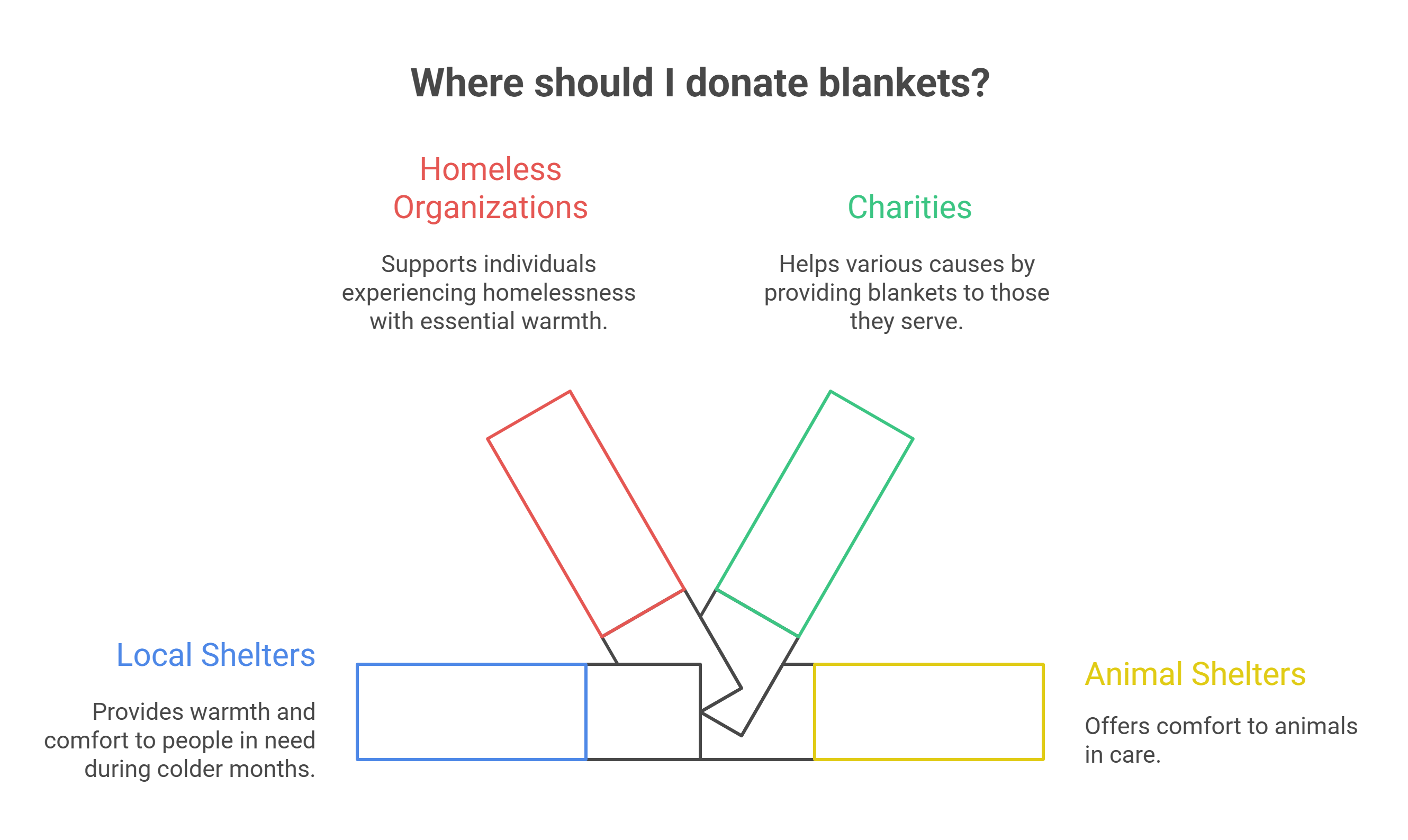
If you’re wondering where to donate blankets, there are several impactful options — from local homeless shelters and animal rescues to disaster relief organizations and hospitals. Donating blankets can bring warmth and comfort to those facing harsh conditions or emergencies.
Many charities also welcome new or unused items from fleece blankets wholesale and fleece blankets bulk suppliers, making large-scale donations even more practical. Whether it’s for people, pets, or victims of natural disasters, your blanket donation can make a life-changing difference.
Now let’s dive deeper.
The Power of a Simple Gesture
In a world where many struggle to meet even their basic needs, something as simple as a blanket can become a symbol of care and comfort. As temperatures drop and living costs rise, countless individuals and families find themselves without adequate warmth during the colder months. That’s why knowing where to donate blankets matters.
Blanket donations go far beyond providing physical warmth—they offer emotional comfort, dignity, and a sense of security. Whether you’re a business owner with extra stock, a community group organizing a drive, or an individual wanting to help, your contribution has immense value. In this guide, we’ll explore where to donate blankets, how to make the biggest impact, and the types of organizations that most need your support.
1. Homeless Shelters: The First Stop for Warmth
Homeless shelters are among the most common and important places to donate blankets. These facilities provide refuge for people who are living on the streets or temporarily displaced.
During winter, many shelters struggle to meet the demand for warm bedding. Donations of clean, gently used, or new blankets are always appreciated. You can reach out to your local shelter or city’s Department of Homeless Services to ask about current needs.
Many shelters prefer durable and easy-to-clean options, such as fleece blankets wholesale donations, because fleece is lightweight, warm, and machine-washable — ideal for frequent use in shared environments.
Examples of organizations:
The Salvation Army – Operates shelters and outreach programs nationwide.
Volunteers of America – Provides housing and support for individuals facing homelessness.
Local mission shelters – Small, community-based shelters often have the greatest need.
2. Domestic Violence Shelters: Offering Comfort During Crisis
Domestic violence shelters provide safe havens for individuals escaping abusive situations, often with little more than the clothes they’re wearing. Donating blankets to these shelters provides more than physical warmth—it offers emotional comfort and stability during one of the hardest transitions of a person’s life.
Before donating, call the shelter to confirm their policies. Some may only accept new blankets for hygienic reasons. Others may also welcome related items like bedding, towels, or personal care kits.
A soft, cozy blanket can go a long way in helping survivors feel safe and supported as they rebuild their lives.
3. Disaster Relief Organizations: Supporting Victims in Emergencies
Natural disasters—such as hurricanes, floods, and wildfires—often displace thousands of families within hours. Relief organizations like the American Red Cross, Team Rubicon, and Direct Relief rely heavily on donations to provide emergency supplies to affected communities.
Blankets are always in high demand during these crises. Donating through national or regional relief programs ensures your contributions are distributed quickly and efficiently to areas most in need.
If you’re part of a company or group with access to fleece blankets bulk supplies, partnering with these organizations can help send large quantities of warm, durable blankets directly to disaster zones.
4. Hospitals and Nursing Homes: Bringing Warmth to Patients
Hospitals, nursing homes, and assisted living centers often welcome blanket donations, especially for long-term patients and elderly residents. For those spending extended periods in care facilities, a soft blanket can add a personal touch of comfort to otherwise sterile environments.
Before donating, check with the administration. Most facilities require new blankets due to strict hygiene protocols, and they often prefer materials like fleece or cotton because they’re soft, lightweight, and easy to sanitize.
Consider creating custom “care bundles” that include a small note of encouragement — a heartfelt gesture that reminds patients they’re not alone.
5. Animal Shelters and Rescues: Comfort for Furry Friends
Blankets aren’t just for people. Animal shelters and rescue organizations constantly need soft materials to line cages, create comfortable bedding, and help nervous animals feel at ease.
Used blankets, towels, and linens are typically accepted as long as they’re clean and free from holes or loose threads. Fleece blankets are especially useful since they provide warmth without shedding fibers that could be ingested by animals.
Donating to your local animal rescue not only helps animals feel secure but also saves shelters money they can redirect toward food, medicine, and adoption programs.
6. Churches and Community Centers: Local Impact, Personal Touch
Many faith-based groups and community organizations run year-round or seasonal drives for clothing and blankets. Churches often partner with local charities, homeless shelters, and refugee centers to ensure donations reach those most in need.
The benefit of donating through these local channels is that your contributions directly impact your own community. It’s also a great way to involve friends, family, or coworkers in charitable giving.
Some centers even organize “blanket drop-off days,” where donors can meet volunteers and learn how their donations are being used.
7. Schools, Youth Groups, and Corporate Drives
Educational institutions and businesses often host blanket donation drives during the winter season. These drives are an excellent way to engage larger groups and multiply impact.
Schools can encourage students to bring new or gently used blankets, teaching them empathy and community responsibility. Companies can partner with fleece blankets wholesale suppliers to purchase items in bulk and distribute them through trusted charities or hospitals.
By collaborating with local nonprofits, these organized efforts can reach hundreds—sometimes thousands—of people in need within a single campaign.
8. International Organizations and Refugee Assistance Programs
If you’re looking to make a global impact, international aid organizations are another excellent option. Groups like UNICEF, CARE, and Refugees International provide blankets and survival gear to displaced families in war-torn or disaster-affected regions.
When donating internationally, it’s often best to send funds or coordinate with logistics partners rather than shipping physical goods yourself. However, if you’re working with manufacturers or have access to fleece blankets bulk distributions, some organizations can arrange direct supply chain delivery to refugee camps or emergency response centers.
9. Online and National Donation Platforms
In the digital age, donating doesn’t always require physical drop-offs. Several online platforms and charity directories help connect donors with verified organizations that accept blankets and other essentials.
Examples include:
Goodwill Donation Centers – Local drop-offs for textiles and household goods.
Charity Navigator – Helps you find legitimate charities near you.
One Warm Coat / Warm Up America! – Nonprofits that coordinate national blanket and clothing drives.
These services ensure your donations go to trustworthy organizations while simplifying logistics.
10. Preparing Your Blankets for Donation
Before donating, it’s important to ensure your items meet the receiving organization’s standards. Follow these simple guidelines:
Cleanliness: Wash all blankets thoroughly and fold them neatly.
Condition: Only donate items in good condition—no stains, rips, or pet hair.
Packaging: Use sealed bags or boxes to protect items during transit.
Labeling: If donating in bulk, label the contents and quantity for easier distribution.
If donating new items, include size or fabric details on the packaging (for instance, “Twin Fleece Blankets – 50 pcs”). Small touches like these make distribution faster and more organized.
11. The Ripple Effect of Blanket Donations
Your blanket donation can spark a ripple effect of kindness. Beyond offering warmth, it can inspire others in your circle to do the same. What begins as one person’s gesture can grow into a community-wide initiative that supports hundreds of people.
Final Thoughts
Moreover, bulk or corporate donations can make a lasting impact. Businesses sourcing from fleece blankets wholesale vendors can amplify their charitable reach while managing costs efficiently. Many suppliers even collaborate directly with nonprofits, offering discounted rates for donation purposes.
Donating blankets might seem like a small act, but for someone in need, it can mean everything. From homeless shelters to hospitals, from animal rescues to disaster zones, every blanket represents warmth, care, and humanity.
So the next time you find yourself asking where to donate blankets, remember that help is needed everywhere — locally and globally. Whether you donate one blanket or a thousand, your contribution matters.
If you’re organizing a larger drive or representing a business, consider sourcing from trusted fleece blankets wholesale or fleece blankets bulk suppliers to make your generosity go further. A simple act of giving warmth can brighten lives, strengthen communities, and remind us all that compassion never goes out of style.
The Importance of Donating Blankets
Blankets are more than just bedding; they represent warmth, security, and comfort. For someone experiencing homelessness, fleeing from domestic violence, or recovering from a disaster, a blanket can be one of the most valuable possessions. Unlike other donations, blankets serve a direct and immediate need. They help shield people from cold nights, offer emotional comfort, and even reduce health risks associated with prolonged exposure to low temperatures.
This makes blanket donations one of the most impactful yet often overlooked contributions you can make.
Understanding the Need
The demand for blankets is far greater than most realize. According to various social welfare organizations, thousands of people sleep outdoors every night in urban and rural areas alike. In emergency shelters, blankets are among the first items to run out. Hospitals, nursing homes, and refugee centers also rely heavily on donations to keep individuals safe and warm.
Additionally, animal shelters use donated blankets to line cages, provide bedding, and comfort rescued animals. The versatility of a single blanket highlights why knowing where to donate blankets can make a significant difference.
Where to Donate Blankets Locally?
If you’re wondering where to donate blankets?, start with your own community. Local options include:
Homeless Shelters: These organizations often operate at full capacity, especially in winter. A donated blanket may be the only warmth someone has during the night.
Churches and Community Centers: Many faith-based groups and nonprofits host clothing and blanket drives throughout the year.
Hospitals and Nursing Homes: These institutions may accept new blankets for patients, especially in pediatric and long-term care units.
Animal Shelters: Dogs and cats benefit greatly from soft, clean blankets that provide comfort and reduce stress.
These outlets ensure your contribution stays close to home, impacting neighbors and community members directly.
National and International Organizations
Beyond local efforts, many larger organizations accept blanket donations on a national or global scale:
Red Cross: Known for disaster relief, the Red Cross frequently distributes blankets to families displaced by fires, storms, or emergencies.
Salvation Army: This nonprofit has wide-reaching donation programs and ensures blankets reach individuals in shelters or low-income families.
Goodwill and Thrift Stores: While primarily resale-based, proceeds from donated items, including blankets, support job training and community development programs.
Project Linus: Specializing in handmade blankets, this group donates to children in hospitals, shelters, and foster care.
Donating to these organizations ensures your gift has a broader reach, extending comfort to people across regions and sometimes even internationally.
Tips for Donating Blankets
Before making a donation, there are a few important considerations:
Condition Matters: While many organizations accept gently used items, ensure blankets are clean, stain-free, and free of damage.
New vs. Used: Some institutions, like hospitals, may only accept new blankets for hygiene purposes. Always check guidelines.
Material Preferences: Fleece, cotton, and wool are often preferred because of their durability and warmth.
Contact First: A quick call or website check can confirm what an organization currently needs.
Consider Timing: Donations spike during the winter but are needed year-round, especially in disaster-prone areas.
Donating Through Blanket Drives
Seasonal blanket drives are a convenient way to give back. Schools, workplaces, and community groups frequently organize drives during the fall and winter months. These efforts make it easy to donate multiple blankets at once and often provide assurance that the donations will be delivered to trusted organizations.
Participating in a drive not only makes the donation process simple but also encourages a sense of collective community action.
Digital Age Donations: Buy and Ship
Thanks to online platforms, you can now donate blankets without leaving your home. Many nonprofits maintain wish lists on sites like Amazon, where you can purchase blankets and have them shipped directly to the organization. This method ensures the items are exactly what’s needed and saves time while still making an impact.
The Emotional Impact of Blanket Donations
Donating a blanket is not just a material act; it’s an emotional one. For someone in crisis, receiving a blanket signals care and dignity. It shows that people outside their immediate circle are willing to extend kindness. In many testimonials, recipients have expressed how much comfort a simple blanket gave them during their most difficult times.
This emotional connection is what transforms a piece of fabric into a meaningful gift of compassion.
Midway Reflection
At this point, you may already be identifying opportunities in your neighborhood or favorite charity. The question where to donate blankets? is not just about logistics—it’s about making a conscious choice to contribute warmth where it’s needed most. From homeless shelters to animal rescues, every donation tells someone they are seen, valued, and supported.
Encouraging Others to Join In
One blanket donation makes a difference, but a community effort multiplies the impact. Encourage friends, coworkers, and family to join in. You could organize a small blanket drive at work, involve your children in collecting donations, or promote local nonprofits on social media. The ripple effect of shared generosity can transform dozens—or even hundreds—of lives.
Final Thoughts
So, where to donate blankets?The options are many, from local shelters and hospitals to national organizations and international relief efforts. The key is to choose an outlet that aligns with your values and ensures your gift reaches those in need. Whether it’s a single blanket or a dozen, every donation adds warmth and comfort to someone’s life.
In a world where small gestures can create big impacts, giving a blanket is a reminder that compassion is timeless. Take the step today, and let your generosity wrap someone in warmth.

 Peachfurblog | Wholesale & Bulk Blankets