Where to Buy Fleece

1 Oct

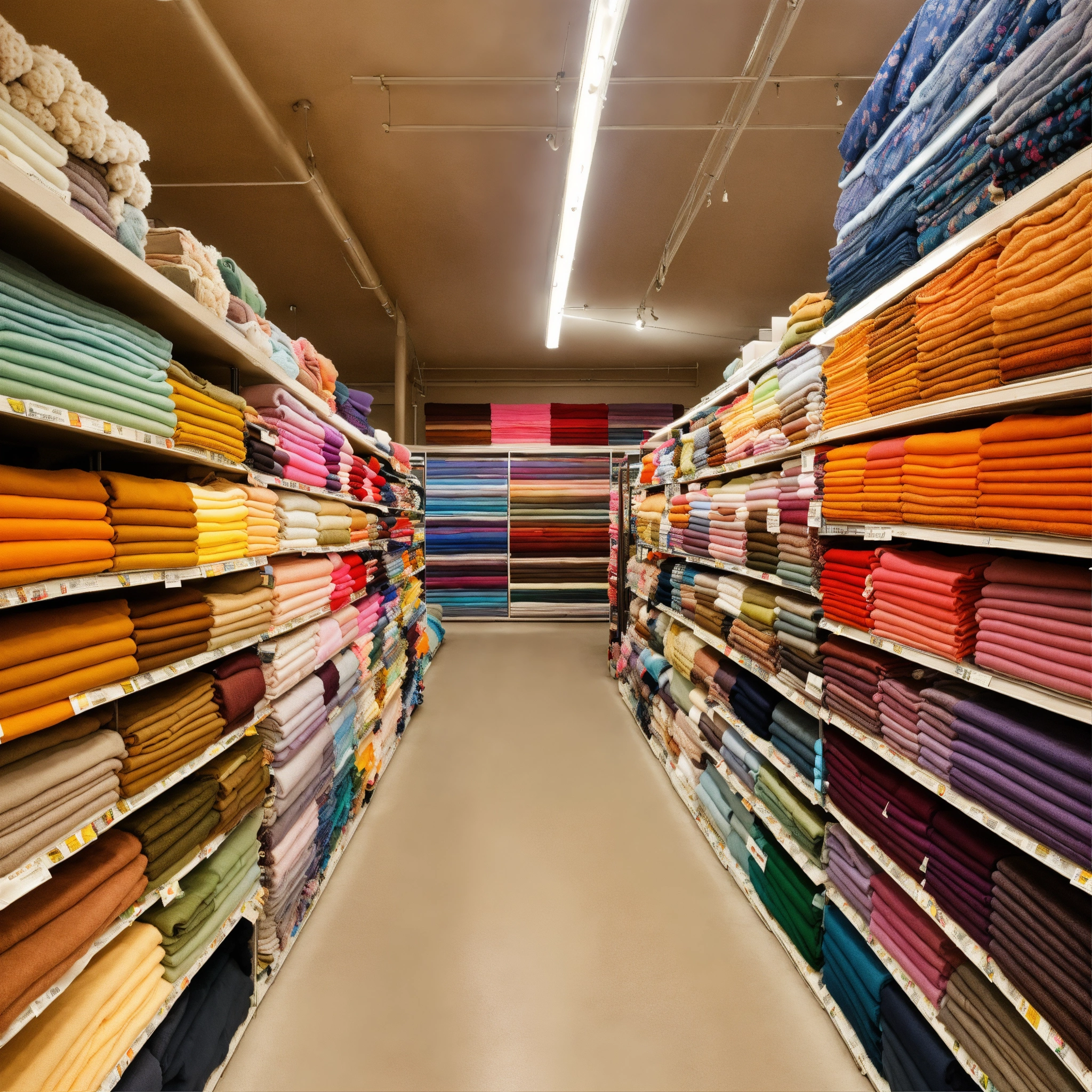
Fleece is one of the most versatile fabrics, thereby being praised for its unparalleled softness, warm feel, and durability. It is nearly omnipresent in every possible outdoor retail store, fashion and lifestyle store, fabric outlet, or online marketplace, encompassing a few wholesale suppliers if you are considering buying in bulk. Depending on your location, you may purchase fleece-ready-made clothing or keep it for a DIY project, while a large quantity might be ordered for an event or business.

Why Everyone Loves Fleece

There may be fabrics that you can manage without, but fleece is not one of them. Since it is cold in winter, fleece is the only thing warm enough to be set aside as the cosy-wear kind of fabric. These are warm materials, and some might consider them easy to care for. A whole slew of items is made of fleece, starting with jackets, hoodies, and blankets, all the way to pet beds.

The hard part? Selecting the place to buy fleece. With options ranging from retail store to fabric store to wholesale, it almost makes your head spin. So don’t panic: We’ll lay it all out for you, so you know where to go, whether you want just one hoodie or a hundred fleece blankets.

Fleece is soft and insulating and usually made from polyester fibres. It is lightweight, quick-drying, machine-washable, and, otherwise, a heavier fabric is wool. All these features come to the fore in outdoor performance wear as well as basic day-to-day items.

Types of Fleeces

  • Microfleece: Lightweight, thin, ideal for layering.
  • Polar fleece: Thicker, warmer, great for jackets and blankets.
  • Anti-pill fleece: Designed to resist fuzz balls and maintain its smooth feel.

Essentially, fleece would give you warmth like wool without the weight; it will be softer than cotton without shrinkage, and by the way, it will be very affordable.

Everyday Uses of Fleece

Winter Apparel

Thermal jackets, hoodies, and vests are predominantly found in winter wardrobes. These days, fleece being capable of trapping the heat without added bulk has become a favourite for winter brands that like to layer during cold hikes or brisk morning commutes.

Blankets & Throws

If there’s anything from tie blankets to embroidered gift throws, fleece has always been known to keep one comfortable. Depending on how messy your blanket shelf is, fleece would go ahead and convince you that another blanket can surely fit in there.

Accessories & Casual Wear

Think scarves, gloves, hats, pyjamas, and even socks. Fleece sneaks into daily life by adding comfort to small essentials.

Crafts & Sewing Projects

DIYers love fleece because it’s easy to cut and doesn’t fray. From pet beds to pillow covers, fleece works for beginners and experts alike.

Why Choose Fleece Over Other Fabrics?

Fleece has gained favour in the world of fabrics because of warmth without the mass; hence, it is lighter than wool yet equally cosy. One can simply toss it into the washing machine for cleaning and drying it quickly. Therefore, the fleece turns out to be a very practical choice for daily use. It is cheaper than natural fibre but yields equal comfort and style.

The versatility has been another reason for the popularity of the fabric, with innumerable colours, prints, and weights being available to suit anything from jackets to blankets. Plus, there are those eco-friendly ones made from recycled plastic bottles, so you can keep warm and make an environmentally sustainable choice- the fleece is like the dependable friend that never lets you down: kinda cheap, flexible, and forever willing to keep the winds away.

Where to Buy Fleece

Outdoor & Sportswear Retailers

The outdoor brands stock fleece jackets, vests, and hoodies for men, women, and kids. These are tried fleece for those who need performance-ready fleece in cold-weather activities.

Fashion & Lifestyle Stores

Mainstream fashion outlets often sell fleece basics, from zip-up hoodies to loungewear. Perfect for shoppers who want style and comfort in one.

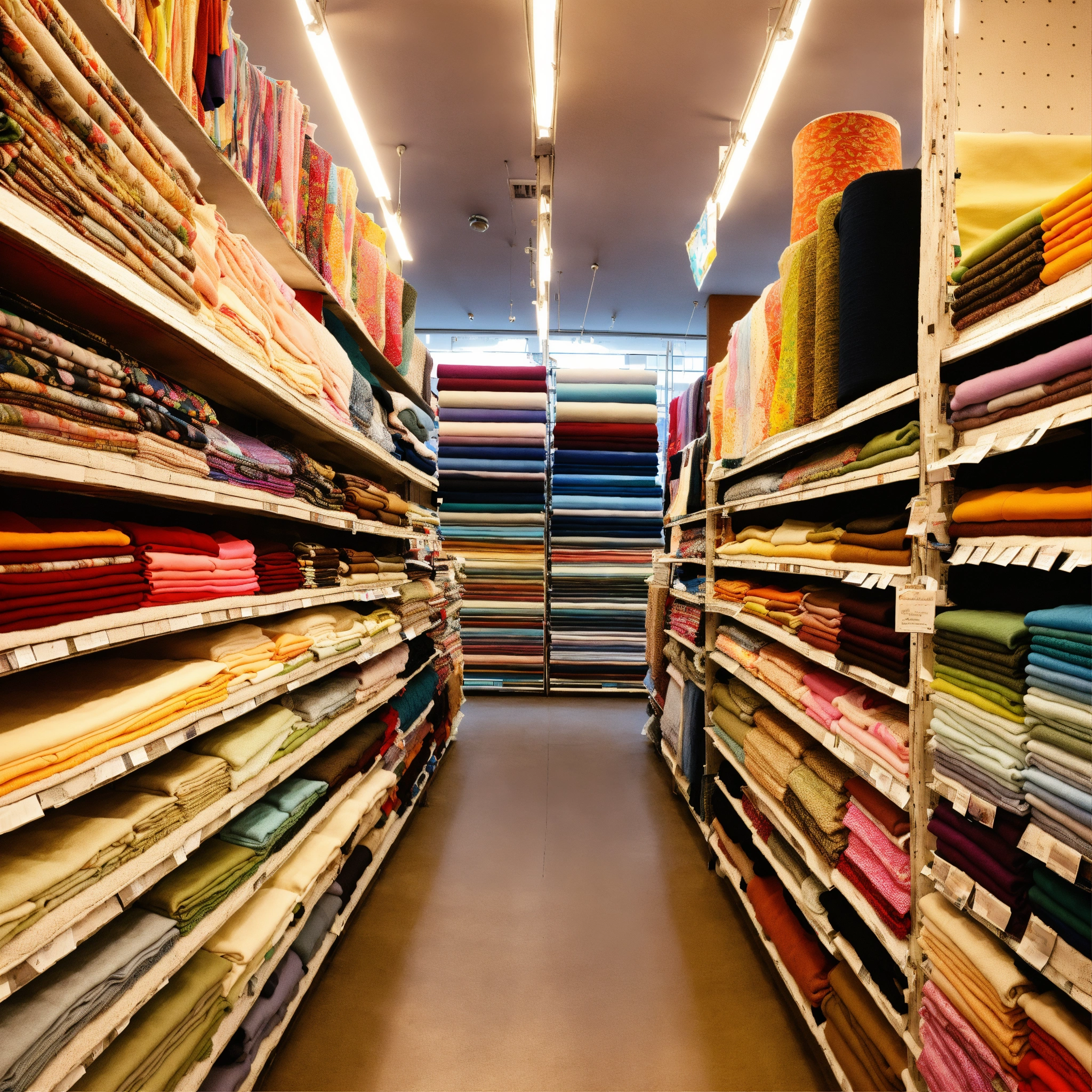
Fabric Shops & Craft Stores

Picks of fleece by the yard are usually from the local and online fabric stores. This is a choice for any crafter or hobbyist who has specific ideas about his/her creation and wants to make something custom for themselves or someone who is close. Solid colours, interesting designs, and seasonal prints-if you can name it, it’s there!

Online Marketplaces

Websites like Amazon, Etsy, and textile-focused platforms offer everything from raw fleece fabric to finished fleece products. Convenience is the biggest advantage, but it pays to read reviews and check fabric weights before clicking “buy now.”

Wholesale & Bulk Suppliers

For businesses, charities, or large-scale events, wholesalers are the best option. They provide bulk fleece fabric or ready-made fleece blankets at discounted rates. This is where affordability and practicality meet — especially if you’re outfitting groups or donating to shelters.

Tips for Buying Fleece

  • Decide your purpose: Clothing, blankets, or crafts all need different fleece weights.
  • Check fabric weight (gsm): Lightweight fleece works for layering; heavyweight fleece suits blankets.
  • Look for anti-pill: Keeps fleece smooth even after repeated washes.
  • Buy extra for sewing projects: Fleece can stretch slightly when cut.
  • Consider sustainability: Recycled fleece options offer eco-friendly comfort.

Fleece isn’t just practical — it’s stylish too. Fashion houses are using it in modern streetwear, turning once-simple jackets into must-have items. Bright colours and bold patterns are also in demand, moving fleece beyond its “basic” reputation.

Another big trend? Charity drives. Many organisations host blanket-making events where groups tie and donate fleece blankets to hospitals, shelters, and community centres. And thanks to TikTok and YouTube tutorials, DIY fleece projects are trending with younger generations — turning fleece into the unexpected star of social media.

What This Means for You

Fleece has come a long way from being just a practical winter staple. Today, it’s a fabric you’ll find in jackets, blankets, accessories, and DIY crafts. Knowing where to buy fleece helps you match the right source to your needs — whether that’s a retail jacket, a bolt of fabric for your next project, or bulk blankets for your organisation.

And if you’re in the market for large quantities, we’re here to help. At fleece blankets bulk, we specialise in providing premium-quality fleece blankets in bulk — perfect for businesses, events, or charitable drives. With years of expertise, customisation options, and excellent pricing, we make it easy to bring warmth and comfort to any project, big or small.

Where to Buy Minky Fabric

1 Oct

A Minky fabric is a luxurious, softer, plush fabric made of high-quality polyester microfiber. It is super fine for a blanket, baby items, apparel, and decor. Purchase minky fabric from speciality wholesalers, major fabric retailers, online marketplaces, and local craft shops. Conversely, if you have ever wondered where to buy minky fabric, it depends on whether you want it in bulk, for selection, or tactile before purchase.

The Allure of Minky Fabric

Now, imagine the softness of mink fur combined with a touch of the very practical polyester nature, and you would have an idea about the feel of Minky fabric. It is silky-smooth and reassuring to touch, something that quilters, crafters, and parents love to have around. Its very name implies some form of grandeur. After all, a fabric that calls itself “Minky” is really attached to being petted just like a kitten.

The tricky thing is knowing where to buy minky fabric. With so many sellers out there, from very large wholesalers to small Etsy sellers, the choice can become completely overwhelming. But do not worry, as we’ll discuss what Minky is, what it is used for, and the best places where you can grab some.

What is Minky Fabric?

Minky fabric is an exemplary synthetic textile that has come into being from ultra-fine polyester fibres. These ultra-fine fibres, having a very dense weave, would be very hard to separate and brushed to create a smooth-to-the-touch surface that would feel much like silk but would wear down like fleece.

  • Softness factor: It’s often compared to mink fur, but unlike the real thing, Minky is cruelty-free and machine washable.
  • Durability: Unlike some fabrics that lose their softness after a few washes, high-quality Minky keeps its silky feel over time.
  • Cost: It’s generally more expensive than standard fleece because it’s made from premium fibres — you’re paying for that buttery softness.

If fleece is your cosy winter hoodie, Minky is the spa robe version — a touch fancier, and almost impossible to resist.

What Can You Make with Minky Fabric?

Baby & Nursery Items

Minky is a fabric that parents love for being so soft and warm. It is generally used for making baby blankets, bedding for cribs, swaddling, and plush toys. Babies may not remember who made them a blanket, but they will remember how cosy it felt.

Home Décor & Comfort

Minky is not only made for children. Throw blankets, decorative pillows, and comforter sets in Minky create an ambience of luxury in any living room or bedroom. It sounds like, ‘Five more minutes on the couch, okay?’

Apparel & Accessories

From robes and scarves to loungewear, Minky fabric is perfect for garments designed for relaxation. It’s lightweight, breathable, and soft enough to turn a lazy Sunday into an all-day event.

Crafts & Gifts

We can also say that minky is widely used in crafting soft toys, quilt backs, or even personalised gifts. Some other characteristics that favour this material in creative projects include an infinite number of colours, patterns, and textures.

  • Softness: It’s softer than fleece, silkier than cotton, and warmer than many natural fibres.
  • Texture Variety: From dotted and embossed to smooth solids and animal prints, there’s a style for every project.
  • Durability: Minky stands up to frequent washes without losing its plush feel.
  • Appearance: It looks rich and stylish, making even a simple blanket feel like a boutique product.

Why Choose Minky Over Other Fabrics?

In short: if fabric were desserts, fleece would be a cookie — reliable and comforting — while Minky would be a chocolate soufflé — indulgent, special, and slightly addictive.

Where to Buy Minky Fabric

Speciality Fabric Wholesalers

Minky fabrics are offered under several brands, including Snuggle by companies such as EZ Fabrics. Usually, wholesale vendors offer a wide selection of prints, textures, and colours, often at better pricing for bulk orders. Perfect for companies, charities, or anyone having multiple projects.

Major Fabric Retailers

Brands such as Moda Fabrics + Supplies sell Minky in many varieties — solids, embossed dots, stripes, and even animal prints. These larger retailers are reliable sources when you want consistent quality and professional-grade fabric.

Online Marketplaces

Sites like Amazon, Etsy, and specialised fabric shops provide a wide array of options. Convenience may be just a click away, but the quality may vary. Word of advice: product reviews are your best friend, and always check the seller ranks before lashing ten yards of polka-dotted Minky into the shopping cart.

Local Craft & Fabric Stores

For those who prefer to touch before buying, stores like Joann or Hobby Lobby often stock Minky fabrics. This is the best option if you’re a first-time buyer, as you’ll get a hands-on feel for weight, stretch, and texture before committing.

Tips for Buying Minky Fabric

  • Check the weight and finish: Minky comes in different textures (smooth, dotted, embossed). Make sure it matches your project needs.
  • Buy a little extra: Minky can stretch when cutting, so having more yardage prevents panic mid-project.
  • Look for anti-pill versions: These keep their softness much longer.
  • Don’t be fooled by cheap versions: Bargain Minky might shed, fade, or feel scratchy after washing.

What This Means for You

Minky fabric is much more than just another textile: It is an all-terrain soft fabric that will go well with anything, be it baby blankets or styles of home décor. Your options are numerous if you want it in local stores or amassing your bulk online. Now that you have an idea about where to buy this fabric, you surely can shop well for the type, weight, and finish suited for your next big project.

And if your interest goes beyond small DIY projects, we can help. At fleece blankets wholesale, we specialise in high-quality fleece and Minky fabric products, from throws and baby blankets to custom embroidered designs. With years of experience in providing durable, stylish, and comfortable blankets, we’re the partner you can count on to bring softness and quality straight to your doorstep.

How Many Yards of Fabric to Make a Tie Blanket?

1 Oct

Mainly, all projects will require a standard 2 yards of fabric per side (4 yards in all) for a standard adult-sized tie blanket. Smaller mutations for kids can accommodate perhaps 1-1.5 yards per side, while the larger options, like twin or queen, might require between 4 and 7 yards per side. It’s a little tricky to say precisely since it depends on who will be getting this blanket and how much coverage they desire.

The Cosy World of Tie Blankets

If you’ve ever sunk into your couch in the dead of winter, you know there can never be “too many blankets”. The edge fringes and no-sew style that characterise tie blankets have turned them into one of the most sought-after DIY projects since they are fun to create and super functional.

How many yards of fabric to make a tie blanket? Short answer: It depends on its size. The long answer…well, this is why you came to the site, after all. Let’s get into the mechanics from yardage to a few handy hints that will make the process easier (rather than wrestling with a giant piece of fleece).

Understanding Tie Blankets (and Why Fabric Yardage Matters)

A tie blanket is essentially two layers of fabric — usually fleece — tied together at the edges with fringe knots. The result is a double-thick, cosy blanket without any sewing.

But here’s the catch: when you cut fringe strips and corner squares, you lose about 8–12 inches of the blanket’s original dimensions. That’s why buying the right amount of fabric matters. Too little fabric, and you’ll end up with a glorified pillowcase. Too much fabric, and you’ll wonder if you’ve mistakenly purchased material for a camping tent.

Standard Sizes and Fabric Needs

Baby & Infant Blankets

  • Fabric needed: 1 yard of each fabric (2 yards total).
  • Finished size: ~36” x 36”.

Perfect for tummy time, stroller rides, or as a crib companion.

Child or Lap Blankets

  • Fabric needed: 1.5 yards of each fabric (3 yards total).
  • Finished size: Around 40” x 50”.

Just right for movie nights or kids’ bedrooms.

Adult Throw Blankets

  • Fabric needed: 2 yards of each fabric (4 yards total).
  • Finished size: ~50” x 60”.

The classic “Netflix binge” blanket — warm but not oversized.

Twin Size

  • Fabric needed: 4–5 yards of each fabric (8–10 yards total).
  • Finished size: ~60” x 90”.

Great for college dorms or taller teens.

Queen or Larger

  • Fabric needed: 6–7 yards of each fabric (12–14 yards total).
  • Finished size: ~90” x 90” or more.

Be prepared — this one might need two people tying knots just to finish it.

Choosing the Right Fabric

Why Fleece is King

Fleece is the go-to choice for tie blankets because it doesn’t fray, it’s warm, and it comes in every pattern under the sun. It’s also forgiving — you don’t need a tailor’s precision to make it work.

Anti-Pill vs. Blizzard Fleece

  • Anti-pill fleece: Higher quality, stays soft longer, resists fuzz balls.
  • Blizzard fleece: More affordable, slightly lower quality, but great for casual blankets.

Mixing and Matching

Use a heavy contrasting print combined with a solid backing for a chic look. Just make sure that both fabrics are of the same type — pairing heavy fleece with lightweight fabric would create uneven knots.

How to Make a Tie Blanket (Step-by-Step)

Materials You’ll Need

  • 2 equal pieces of fleece
  • Fabric scissors or rotary cutter
  • Ruler or measuring tape
  • Fabric marker (optional)

Steps

  1. Lay both fleece pieces flat, one on top of the other.
  2. Trim edges so both are even.
  3. Cut 4–5-inch squares out of each corner.
  4. Cut 1-inch-wide strips along all sides for fringe.
  5. Tie the top and bottom strips together in double knots.
  6. Repeat until you’ve tied all edges.

In a few hours, you’ll have a blanket that’s equal parts functional and personal.

Tie blankets are no longer just cosy DIY projects—they are now cultural icons with different nods. Many crafters would rather go green with an organic cotton and bamboo fleece choice. Personalisation has also made its way into tie-blanket styles, from monograms and initials to fabrics that display their favourite sports team.

For some time, tie-blanket events have been popular general charity activities where groups come together to make and donate blankets to shelters and hospitals. And there’s no doubt that DIY culture on TikTok and Instagram has galvanised the passion for tie blankets yet again, motivating a new generation of scissors-wielders to get tying.

Final Thoughts

How many yards of fabric to make a tie blanket? Generally, an adult throw has 2 yards on each side, which adds up to an overall length of 4 yards; however, these measurements might vary if it were a blanket for a baby, child, or an overgrown teddy bear. The method itself is fairly easy, the output is warm and snuggly, and its customisation options are endless.

And if this project sparks a bigger idea — say, bulk crafting for an event, a fundraiser, or even resale — we can help. At fleece blankets wholesale, we’ve spent over 21 years providing high-quality, non-pilling fleece blankets and jackets in every size and colour. We specialise in custom embroidery and bulk orders, and we even offer special pricing for charities. Whether you need a few dozen or a few hundred, we’re here to make sure you never run short on warmth.

What to Make with Fleece Fabric

24 Sep

Fleece is one of the most versatile fabrics. Soft, light against the skin, and warm sans the bulk. So, what to make with fleece fabric? Simply put, nearly anything you would think of for comfort, warmth, and everyday practicality. Home throws and travel blankets to pet pads, school bags, and even corporate gifts-all fleece boasts its presence. It is a fabric that assures you that comfort need not come at the expense of convenience.

What Fleece Is

It is usually a synthetic knit fabric brushed on one or both sides to give it a soft and insulating pile. That pile traps air and keeps in heat, without adding weight to it. Unlike the itching effect of wool, a soft fabric like fleece will not itch, and unlike the drying effect of cotton, it dries fast. In short, it is an “always ready” fabric.

Common Types You’ll See

  • •Polar Fleece: Mid- to heavyweight fleece perfect for blankets and jackets.
  • •Microfleece: It is a lightweight and breathable fabric ideal for layering purposes.
  • •Sherpa Fleece: Thick, textured fleece that feels cozy for lining and outerwear.
  • •Plush/Velour Fleece: Fine and soft fleece with a velvety touch.

Weight & Warmth Guide

  • Lightweight (100–150 GSM): Scarves, travel wraps, children’s throws.
  • Midweight (200–250 GSM): Everyday blankets, hoodies, casual wear.
  • Heavyweight (300+ GSM): Outdoor blankets, ponchos, stadium throws.

Why Fleece Works for Daily Life

It has become practically a household staple in the home, for it comes with so many advantages in one single fabric. The warmth-to-weight ratio is at the top, in the sense that it provides warmth without any bulk. As a second plus, it dries quickly, which is wonderful for settings where washing tends to be frequent, such as homes, schools, or even hospitals. That soft touch is a giveaway; even kids, adults, and pets are pressed to snuggle with it.

It is obvious that no fabric is entirely without flaws: fleece builds up static, ruins quickly if subject to heat (skip the high dryer), and may pill after a while in the case of cheaper varieties. The great news is that fleece, when afforded an anti-pilling finish and a little care, will remain durable and dependable for years.

What to Have Made for Your Home & Living

Living Room Comfort

Imagine a movie night without a blanket. Not fun. Fleece throws and oversized couch blankets are household staples. You can also add cushion covers made from fleece to soften up a sofa or window seat.

Bedroom Warmth

Fleece bed throws are ideal as extra layers in winter. Kids’ nap blankets or dorm-friendly fleece throws are budget-friendly yet warm, and they survive plenty of washes.

Practical Household Additions

Reading nook mats or fleece play blankets provide a cushy spot that is easy to clean for the little ones. For the family, fleece is that low-maintenance option worth a touch of luxury.

What to Have Made for Travel & Outdoors

On-the-Go Comfort

Long flights, road trips, or chilly train rides all call for compact travel blankets. Many are designed to roll up with straps or double as pillows. Some even convert into neck pillows with a blanket tucked inside.

Weekends & Campsites

Ready for bundling and stowing are fleece picnic rugs with water-resistant backing and campfire lap blankets. Microfleece sleeping-bag liners give warmth to the chill of the night while still being very lightweight.

Stadium & Sideline Gear

Fans swear by stadium blankets—thicker fleece throws with carry handles or poncho-style designs that double as wraps on windy days.

What to Have Made for Apparel & Accessories

Cold-Weather Accessories

The ear warmers, beanies, and neck gaiter, aren’t expensive, but are much use in winter. They make splendid giveaways to schools, charities, and corporates.

For Work & School

Uniform midlayers or branded staff jackets keep teams comfortable and consistent. Students often love fleece school spirit throws in team colors.

What to Have Made for Kids & Care Settings

Kids & Schools

Nap blankets for preschoolers, reading corner throws, or cozy wraps for school buses are simple but effective uses. They’re easy to label, wash, and replace when needed.

Health & Care

Hospitals, senior care facilities, and rehabilitation centers often use fleece lap blankets. They’re soft, easy to launder, and comforting without being too heavy.

Sensory-Friendly Comfort

Fleece has a smooth, consistent texture that works well in sensory rooms or calm-down spaces for children and adults alike.

What to Have Made for Pets & Utility

Pets

Pet blankets for crates, sofas, or travel carriers are a big hit. They’re washable, soft, and inexpensive to replace. Lightweight fleece dog coats also work well in cooler months.

Everyday Utility

Fleece also steps outside the home—car seat covers, trunk liners for picnics, or padded wraps for seatbelts are practical and easy to clean.

What to Have Made for Events, Teams & Gifting

Corporate & Charity

Logo blankets are a popular gift for employees, volunteers, and donors. Fleece is cost-effective for large orders but still feels thoughtful.

Teams & Clubs

Sideline wraps or stadium throws in team colors make great merchandise or fundraising items.

Holidays & Occasions

Personalized fleece throws are timeless gifts. Whether monogrammed for weddings, themed for holidays, or embroidered with family names, they’re practical keepsakes.

Custom Details That Matter

Finishes & Feel

Look for anti-pill treatments, double-brushed surfaces, or bonded backing for wind resistance.

Edging & Construction

Fleece blankets can be whipstitched, hemmed, or bound with satin edging—small details that change the look.

Sizes & Packaging

From travel size to oversized couch throws, fleece can be cut and finished in virtually any dimension. Packaging like ribbon wraps or stuff-sacks makes them gift-ready.

Personalization

Embroidery, patches, or heat-applied logos make fleece products more special for teams, businesses, or families.

Care Tips to Keep Fleece Looking New

  • Wash on cool with mild detergent.
  • Tumble dry low or air-dry—avoid high heat.
  • Wash inside out to reduce friction and prevent pilling.
  • Use a fabric shaver occasionally if pills form.

Once, a family packed for a road trip and forgot their pile of fleece throws. Halfway through a cold overnight drive, they had to “borrow” one from the dog’s crate in the trunk. The result? Warm kids, a slightly offended dog, and a newfound respect for just how multipurpose fleece can be. Moral: pack extra fleece—everyone wants one.

What This Means for You

Fleece is a life-saving solution at times. On any given day, one might want fleece to stay warm at home or while on travels, demand fleece as a school or hospital supply, or perhaps buy fleece in bulk for functions. This material couches well in almost any environment. If you have been wondering what to do with fleece fabric, then guess what? The options are near-endless: blankets, clothing, accessories, pet stuff, and presents-all use this fabric because of its softness, warmth, and durability.

How We Can Help

If one is thinking beyond self-glorification, then, Thornton would have it by finished, high-quality fleece goods. Embroidered throws for corporate gifting, travel blankets, and event merchandise made with a bit of the hard life are what we specialize in: fleece products that balance comfort and practicality. We also provide fleece blankets in bulk for larger orders, a purchase option that charities, schools, and hospitals commonly use as an inexpensive way of offering warmth without sacrificing comfort.

What Is Heather Fabric?

24 Sep

Heather basically means a textile made by interweaving yarns of different colours to impart a subdued speckled effect. This can be for cotton, polyester, wool, or blends for various blends of comfort and style. On being asked what Heather fabric is, the simplest explanation therein is: they are the next best thing for clothing and home decor when solid colours feel like too boring and wild prints feel like too much to handle.

Heather Fabric Basics

What Is Heather Fabric?

Heather fabric is uncommon because of its muted, multicoloured look. A fine set of fibres in two or more shades is interlocking, giving it a sense of depth and texture rather than having just one single colour shade on the surface. Just picture that T-shirt of yours which is neither grey nor white-it must be heather.

The Origin Story

The name “Heather” originates from heather, a plant that grows in the Scottish Highlands. The plant consists of earthy speckled shades resembling the mixed colourway of this textile. While the term has an earthy origin, it went on to be equally famed in the fashion domain, especially in knitwear and casual apparel. Designers saw the potential for a mottled texture to infuse interest into anything-even a plain T-shirt!

Key Characteristics of Heather Fabric

Visual Appearance

The most defining trait is its speckled or flecked surface. Unlike tie-dye or prints, the look is subtle—making garments appear more natural and versatile.

Texture and Feel

Soft, smooth, textured, or cuddly are all possible touch sensations of heather fabrics, just depending upon what kind of fibres are used. Cotton heathers breathe more and are lighter, whereas wool heathers tend to be thicker and warmer.

Fiber Variety

Heather isn’t one single material—it’s a category of looks. It can be crafted from cotton, polyester, wool, bamboo, or acrylic. Many modern heather fabrics are blends, combining natural softness with synthetic durability.

Performance Traits

  • Breathable: Cotton-heavy blends keep you cool.
  • Moisture-wicking: Polyester-heavy blends suit athletes.
  • Warm: Wool-based heathers are insulating.
  • Durable: The blending process increases strength.

Types of Heather Fabrics

Cotton Heather

Perhaps the most common, cotton heather is lightweight, soft, and ideal for everyday wear. It’s used in T-shirts, loungewear, and hoodies. The slight colour variation adds flair to basic garments.

Polyester Heather

Today’s fashion has forgotten the silhouette, which can take the hourglass shape due to the tutu, leaving you ready for anything. The bell shape is set to postpone old age, and it grabs the best for the round.

Wool Heather

Being warm and textured, wool-heather fabrics are primarily used for sweaters, coats, and scarves. Think of them as winter wardrobe heroes that are there to give you comfort without a dull look.

Blended Heather

Mixtures like cotton-polyester or wool-acrylic combine the strengths of completely different types of fibres. Due to their versatility, these fabrics have so many applications, such as softness, stretch, or moisture control.

Specialty Types

  • Heather Jersey: Mainly used for casual wear, long T-shirts and sweatshirts.
  • Heather Tweed: Quite textured classic wool blends for jackets and coats mostly.
  • Heather Fleece: Cosy and warm, a must for winter and cold-weather clothing.

Everyday Wear

Heather is a hit casual wardrobe fabric, perfect for hoodies, tees, joggers, and jammies. The cool coolness of the heather style should work for chilling at home and running small errands around town.

Sportswear and Athleisure

Polyester heathers crown the activewear segment. The fabric is breathable, moisture-wicking, and flexible-just perfect for workouts or yoga classes. Plus, the familiar speckled pattern from the silver-returns-and-gives glare-on-the-library-book-code dots into a handy anytime spotter for sweat stains!

Outerwear

Wool heathers are seen in coats, jackets, and scarves. They provide insulation with a rich, textured appearance that adds sophistication to winter fashion.

Home Textiles

Heather fabrics aren’t limited to fashion. They appear in cushions, throws, curtains, and upholstery. Designers love the understated depth they bring to interiors.

Heather Fabric vs. Other Fabrics

Heather Fabric vs. Cotton

Heather can be made entirely from cotton, but unlike plain cotton fabrics, it has that distinctive speckled effect. It’s cotton with a visual upgrade.

Heather Fabric vs. Melange

Both involve blending different colored fibers, but “melange” refers to a broader category of mixed-fibre looks. Heather is a specific, classic style within that category.

Heather Cotton vs. Heather Fleece

Heather cotton is soft, breathable, and suited for everyday wear. On the other hand, Heather Fleece is heavier and designed to keep warm, suited to cold nights and layers.

Care and Maintenance Tips

Washing and Drying

  • Wash in cold water to preserve colours and prevent shrinkage.
  • Air-dry when possible; if using a machine, stick to moderate or low heat.

Ironing and Storage

  • Cotton heathers can be ironed at a higher heat.
  • Polyester or blended heathers need a low setting.
  • Store folded or on hangers to maintain shape.

Common Issues

  • Cotton heathers may shrink if washed too hot.
  • Synthetic blends may pill over time, but choosing high-quality fabrics reduces this risk.

Why Consumers Love Heather Fabric

Heather fabrics check many boxes: they’re stylish, comfortable, versatile, and low maintenance. The muted colours make them easy to pair with other pieces, while the blended construction ensures durability. And let’s be honest—sometimes that heather grey tee just looks cooler than a plain white one.

In between all these, it will be worth revisiting the question: what is Heather fabric? It’s the quiet workhorse of the textile world-never flamboyant, always dependable, and somehow able to make the simplest everyday wardrobe feel just right.

The Mystery of the Favourite T-Shirt

We have all come across that lucky T-shirt we wear all the time. The one that fits just right, feels soft, and goes well with anything. The secret? Perhaps it’s Heather fabric. That speckled look and the fibre-blend work to make it less transparent, more durable, and more attractive with every use. So, should you have ever pondered over the question of why you can’t give up your shirt, the answer lies in the weave!

A Fabric That Blends Style with Practicality

So, in the end, what is Heather fabric? It’s an intermingling of fibres and colours into something comfortable, strong, and stylish. From the hoodie you wear casually after work to the wool coat you have in the harsh winter, heather fabrics have carved their niche in wardrobes and houses across the globe.

And if you’re interested in textiles that combine comfort and practicality, we can help. Our business specialises in bulk fleece products that balance warmth, durability, and affordability. From embroidered jackets to cosy throws, our fleece blankets wholesale collection is perfect for charities, corporate events, schools, or anyone needing high-quality fleece in volume. Just like Heather fabric, our fleece options prove that the best fabrics are the ones that quietly make life better.