Where to Buy Minky Fabric: A Buyer’s Guide for Softness Seekers

30 Jun

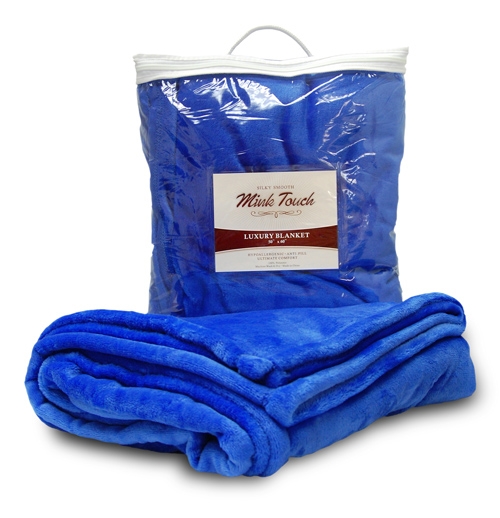
If anyone has ever wrapped themselves in a blanket so soft that one could say, “It felt like hugging a cloud,” then most likely it was a minky fabric blanket. This extra plush synthetic fabric finds its markets among baby blankets, stuffed toys, lounging clothes, and indeed every home décor idea. Minky fabric can be a hard material to find, and many creatives, designers, and wholesale buyers have the same question: where can one buy minky fabric?

Either way, whether you’re a DIY worker, small-time entrepreneur, or sourcing for picnic blankets in bulk, knowing where and how to get good minky fabric can save you time, money, and a whole lot of frustration.

What Is Minky Fabric?

Before we get into where to buy it, let’s first set the stage with everything that makes this fabric good to have around.

Minky fabric is a polyester microfiber with a lustrous texture and durability. It makes for a lovely touch in baby products as well as in throws for adults, robes, and now quite comfortably picnic blankets in bulk orders- based on its cosiness and weather resistance.

In contrast to regular fleece, it is thicker and warmer and does not pill very easily, thus making it a more permanent option for any comfort product.

Local Fabric Stores: Hit or Miss?

Local fabric stores are a great place to be able to touch and compare with the naked eye between different types of fabrics called minky. Large chains like Joann Fabrics or Hobby Lobby tend to stock a handful of variations, generally with designs that appeal to babies or just solid colors.

Pros:

•             Immediate availability

•             See and feel before buying

•             Small quantity purchases are easy

Cons:

•             Limited selection

•             Often more expensive per yard

•             Inconsistent restocks

Local shops are fine for minky if you only really need a yard or two for a baby blanket or similar DIY project. But if you’re looking to purchase minky fabric for picnic blankets in bulk, then a bigger, more dependable supplier is probably necessary.

Buying Minky Fabric Online

Once seriously into quantity and variety, buying minky fabric online is usually your best option. A number of special suppliers serve retail and wholesale customers.

1.           Shannon Fabrics

As one of the largest distributors of minky fabric in the United States, it is a favorite name forged in the premium-quality bracket.

•             Offers wide color and texture range

•             Ideal for both individuals and businesses

•             Sells to approved retailers and manufacturers

They are also a great option for many small businesses that sell picnic blankets in bulk, given their reputation for consistent quality and a wide variety of fabrics with interesting patterns.

2.           Fabric.com (now Amazon-owned)

Fabric.com used to be the go-to place for fabric shopping in every single way, from minky and beyond. Now under the Amazon umbrella, many of the items still qualify for speedy shipping and come with piled high excellent reviews.

•             Great for Amazon Prime buyers

•             Multiple sellers in one place

•             Easy returns

However, while placing a bulk order, do also check the credibility of the seller and the product description very carefully.

3. Etsy for Small Quantities

Surprisingly, Etsy has become a hub for fabric sellers. Small-scale fabric suppliers often list high-quality minky cuts, sometimes even rare or unique prints.

  • Good for trying new styles
  • Small quantities available
  • Often ships fast

Not recommended if you’re sourcing picnic blankets in bulk, but perfect for testing styles or sampling.

4. Wholesale Textile Platforms

Sites like Alibaba, Fabric Wholesale Direct, and Big Z Fabric offer large-scale options, especially when it comes to bulk minky fabric. Some even offer custom printing or color matching — a major bonus for businesses creating signature blanket lines.

These suppliers are ideal if you’re selling picnic blankets in bulk or starting a blanket business and need consistent inventory at competitive pricing.

Why Use Minky Fabric for Picnic Blankets in Bulk?

Mauvaiseherbes wanted it really cheap, so there was thenceforth worn-out quick wool or thin polyester. But that is changing.

Softness and luxury are what gliders offer to satisfy the ever-hungry customer in outdoor gear, and greater are therefore the number of brands converting to minky fabrics for their picnic blankets in bulk due to:

• Warmth: Cool evenings or fall kind of picnic

• Durability: Withstands washing and drying

• Water resistance (when coupled with a waterproof bottom layer)

• Design value (Albeit that could be changed a bit): Velvety shine of an extra-class

If you’re in an industry where comfort, outdoor relaxation, or family products are accentuated, minky throws a shadow of uniqueness over you, even in the bulk picnic blanket market.

Choosing a Minky Supplier

Here’s all that matters if you buy from one yard to one-hundred:

•             Fiber content: Usually 100% polyester

•             GSM (grams per square meter): The higher the GSM, the thicker the fabric

•             Choices in colors and prints: A supplier with frequent new releases is best

•             Shipping and return policies: Be it bulk or not, these policies are very crucial

•             Wholesale rates: Seriously looking into picnic blankets in bulk would mean looking for tiered pricing or reseller discounts

Where Can I Find Minky Fabric?

If you are planning just a baby gift or maybe a craft project, your local fabric store or Etsy should suffice.

But if you are “big time” enough to be thinking about making a product line or ordering picnic blankets in bulk mass quantities, specialized minky textile suppliers like Shannon Fabrics or wholesale platforms are obviously your best bet.

They guarantee consistent quality, better prices, and good proximity to trends that make your product stand out. Minky has ceased to be just a luxury — it is now smart business.

How Much Does It Cost to Make a Tie Blanket

30 Apr

The tie blanket becomes an enjoyable and very simple craft project for those wanting something warm, unique, and made from the heart, without requiring any sewing skills. One of the first questions most ask themselves is: What is the cost of making a tie blanket? Knowing the cost breakdown is essential, whether making it for yourself, giving gifts, or simply making it for sale, to budget right and create something nice without feeling burdened by the cost.

Fabric First: Your Main Investment

Thus, the overall fabric cost is the most substantial factor when it comes to establishing the price for making a tie blanket. Most of the tie blankets made are using fleece fabrics because of their soft, durable, and non-fraying fabric. Because of these characteristics, they are good for no-sewing projects. Two yards of the two different styles of fleece—the whole one for the front and the other for the back- is where the tie blanket would be the most efficient for a standard blanket (approximate measurement being around 50″ by 60″).

Prices can vary:

  • Budget fleece can start at $3–$5 per yard.
  • Premium fleece or designer prints may range from $10–$15 per yard.
  • That means you’re generally looking at $12–$30 in fabric costs alone.

Of course, buying in bulk or during sales can bring those numbers down dramatically something we’ll circle back to.

Size Matters (Especially in Your Budget)

Another key aspect in defining the cost of creating a tie blanket is the size. A baby blanket may only require 1 to 1.5 yards per side, while a queen-sized throw may need 2.5+ yards per side. Here goes a brief cheat sheet:

  • Baby/Toddler: $10–$20
  • Throw (Standard): $15–$30
  • Twin/Full Size: $25–$50+

As the blanket gets bigger, so do the material costs, and potentially, the time spent cutting and tying those fringe edges!

Simple or Styled: The Design Impact

Then let us talk creativity for a while. The simplest tie blanket is made through cutting two fleece layers and knotting them together-super easy, super comfortable right? But if you want to jazz up your blanket, even with all the end grains, ribbon embellishments, appliques, and so on might drive costs up.

Switching more into the touch of creativity, a basic tie blanket really made by cutting and knotting two layers of fleece is super simple and super cozy. However, if you want to go with a little flair and embellishments such as ribbon, appliqués, or even decorative edging can bump up your costs.

Join with me into the creativity discussion: A simple tie blanket is made by cutting and knotting together two fleece pieces-super simple, super cozy, isn’t it? But throw in some embellishments, rim, appliqués, or even decorative edging, and all that can really skyrocket your costs.

If you’re still wondering what the price of a tie blanket will be when design extras are included, figure on at least $5-$15 for add-ons, depending on your choices. You might also go for better tools like rotary cutters or fabric rulers, which are helpful for making multiple blankets.

Time is Money—Even if It’s Just Yours

If you’re crafting for fun, your time might be a labour of love. But if you’re making tie blankets to sell, don’t forget to factor in labour when calculating how much it costs to make a tie blanket. A simple blanket can take about an hour. More intricate ones? Double that.

So, if you’re setting a price or budgeting your efforts, add a value to your time whether it’s $10/hour or just the value of a quiet, productive evening on the couch.

Cost-Saving Tips You’ll Be Glad You Knew

For those of you making loads of tie blankets or planning to start your own little business, buying fleece in bulk can save all the expenses. Most of the crafter’s state that they cut their cost by half just buying through the wholesale suppliers instead of the retail yard-by-yard.

And this leads to the next logically important question-where to find high-quality fleece at an affordable price?

So, How Much Does It Cost to Make a Tie Blanket? The Bottom Line

Usually, a simple tie blanket costs between $10 and $40, depending on its size, fabric quality, and design. Luxurious however, with plush Minky or microfleece? Think higher-end. Want it to be cheap but still soft and comfortable? Standard fleece will do just fine. A tie blanket is easily adaptable. Whether you are doing one or one hundred, you can work around any budget-and still come up with something really nice and useful.

How Peach Fur Fleece Can Help with Your Tie Blanket Projects

Here at Peach Fur Fleece, we focus specifically on fleece blankets wholesale and quality microfleece materials perfect for tie blankets – soft, tough, and inexpensive. Whether you are an expert crafter or a beginner in his craft; we present you with the best options regarding buying fleece in bulk so that you do not have to compromise on quality but reduce your overall cost. Let us wrap your creativity in cozy blankets.

 What Material Is Sherpa?

30 Apr

If you’ve ever snuggled up in a blanket that felt like it was hugging your back, chances are, you’ve already experienced Sherpa. But what material is Sherpa? Is it made of actual sheep? Is there a secret cloud factory we don’t know about? Let’s unravel the fluff (literally) and get to the soft, fuzzy truth.

So… What Material Is Sherpa?

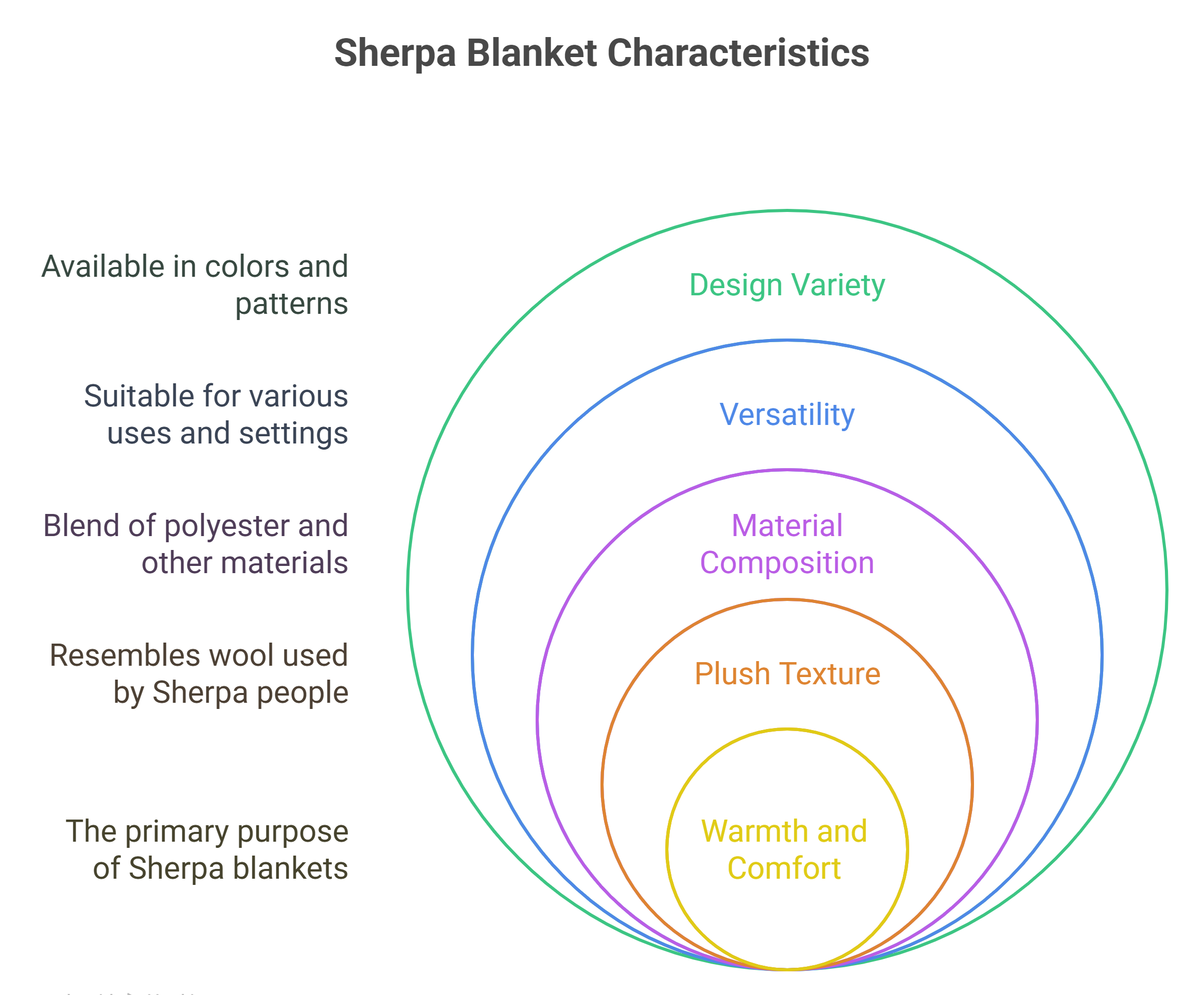
But Sherpa does not really mean some mystic Himalayan sheep, though it does have a mountain-chic name. When asked what is Sherpa, we’re really asking about an extremely soft, incredibly warm fabric usually made from synthetic fibres such as polyester or acrylic. Once in a while, for you wool lovers, some has wool, but 99% of the time it is man-made, baby.

Sherpa is brushed or sheared to create that signature soft pile, giving it a wool-like look without the itch or the price tag. The texture is what makes people swoon fuzzy on one side, smooth on the other, and ideal for anyone who treats “cozy” as a lifestyle.

A Name with Altitude

Ever wonder why it’s called “Sherpa”? Spoiler alert: it won’t really help you to climb Mount Everest (though it might help to get you out of bed on a cold day). The name is homage to the Sherpa people of Nepal, who are known to be able to stand up to and endure freezing temperatures with their strength-and-resilience kind of fabric. So, when you ask what material is Sherpa, know that its name carries both warmth and a little legacy.

How Sherpa Is Made (AKA, From Thread to Throne)

Let’s nerd out for a sec. To make Sherpa, manufacturers start with a woven or knitted base, often polyester. They then brush it out until it resembles a sheep that’s been through a spa day. The result is that thick, fluffy nap that gives Sherpa its warmth and texture. Sometimes, it’s bonded to another layer, like fleece or knit backing, to create even more insulation.

So yes, when you’re bundled up in it binge-watching your third episode of the night, you’re basically wearing a triumph of textile engineering.

Types of Sherpa: It’s Not All One-Fleece-Fits-All

As if choosing between pizza toppings wasn’t hard enough, now we have Sherpa types. There’s polyester Sherpa, which is durable and budget-friendly. Then there’s wool Sherpa, which is more eco and breathes better. You’ll find fleece Sherpa, which is a tag team of two cozy powerhouses Sherpa on one side, smooth fleece on the other. And don’t forget printed, bonded, and reversible Sherpa, because apparently, your blanket can now be more fashionable than you.

Still wondering what material is Sherpa in each of these? Same fuzzy concept different flavour of softness.

Sherpa vs. Everything Else

Once you get familiar with it, other fabrics start to feel… meh. Cotton? Too cool. Wool? Too itchy. Fleece? Great, but Sherpa is like fleece’s fluffier sibling who brings hot cocoa and good vibes.

If you’re still asking what material is Sherpa and why it wins the cuddle Olympics, the answer is: warmth, softness, durability, and that satisfying squish factor that makes winter slightly more bearable.

Is It High Maintenance?

Not really! Sherpa is low-key, just like your favourite hoodie. Wash it cold, tumble dry low, skip the fabric softeners (they flatten the fluff), and give it a brush now and then to bring it back to life. Basically, treat it like a houseplant with better odds of survival.

Why Everyone’s Obsessed (Including You, Probably)

From jackets and blankets to socks and pet beds, Sherpa is everywhere and for good reason. It’s like a hug in fabric form. Once you know what material is Sherpa, you’ll find yourself reaching for it whenever the temps drop or life feels a little too real.

We’ve Got the Soft Stuff in Bulk

At Peach Fur Fleece, we specialize in delivering that Sherpa-adjacent softness you love especially through our fleece blankets bulk. Our microfleece offers that cloud-like comfort with serious durability, making it perfect for retail brands, event merch, or cozy product lines. Need warmth with a wow factor? We’ve got the fluff to back you up.

What Is a Sherpa Blanket?

30 Apr

Quick Answer: What Is a Sherpa Blanket?

So, what is a Sherpa blanket? A Sherpa blanket is a plush, double-sided throw designed to deliver maximum warmth and softness. It typically combines a smooth microfiber or flannel front with a fluffy, wool-like Sherpa backing that mimics real sheepskin.

These blankets have become a favorite in homes, hotels, and gift collections for their cozy texture and durability. Whether you’re buying for personal comfort or sourcing fleece blankets wholesale or fleece blankets bulk for business, Sherpa blankets provide luxury, comfort, and value all in one product.

Now let’s dive deeper.

The Blanket That Redefined Comfort

There are ordinary blankets—and then there are Sherpa blankets. Over the last decade, the Sherpa blanket has become synonymous with comfort, warmth, and modern home luxury. Named after the Sherpa people of Nepal, who are known for their resilience in cold mountain conditions, these blankets symbolize enduring warmth and softness.

But beyond the cozy exterior, Sherpa blankets have an interesting story and a blend of features that make them far more than just another throw. Whether used for home décor, gift purposes, or even promotional and retail sales, they’ve become a must-have in both consumer and fleece blankets wholesale markets.

1. What Exactly Is a Sherpa Blanket?

A Sherpa blanket is typically made from two distinct fabrics sewn together to achieve the perfect balance of comfort and practicality.

  • The outer layer (top side) is usually made from microfiber polyester or flannel fleece, offering a smooth and visually appealing finish.
  • The inner layer (reverse side) is Sherpa fleece — a synthetic material that resembles the soft, fluffy texture of sheepskin.

The combination of these two materials provides superior insulation without being overly heavy, which makes Sherpa blankets ideal for both indoor and outdoor use.

In essence, a Sherpa blanket gives you that same toasty warmth as a wool blanket, but without the itchiness or high maintenance.

2. The Origin of the Term “Sherpa”

The word “Sherpa” originally refers to an ethnic group native to the Himalayan regions of Nepal. They are renowned for guiding mountaineers through some of the world’s harshest, coldest terrains. The textile industry borrowed the term “Sherpa” to describe fabrics that mimic the same insulating and warming characteristics as the traditional wool garments worn by the Sherpa people.

Thus, when we refer to a “Sherpa blanket,” it’s more about the quality of warmth and texture rather than the geographic origin. The term represents durability, coziness, and high-altitude-grade insulation.

3. Materials Used in Sherpa Blankets

While Sherpa looks and feels like real wool, it’s actually made from synthetic polyester fibers. This not only keeps it animal-friendly but also ensures:

  • Softness: Fine microfibers replicate the natural curl of wool.
  • Durability: Unlike natural fibers, polyester doesn’t shrink or lose its shape easily.
  • Washability: Sherpa blankets are machine washable and easy to maintain.
  • Lightweight Warmth: The air pockets in the fleece structure trap heat efficiently.

Some Sherpa blankets combine polyester with other materials like acrylic or cotton to enhance texture and breathability.

4. Key Features That Make Sherpa Blankets Special

a. Dual-Sided Design

One of the most defining characteristics of a Sherpa blanket is its two-sided build—a plush side for looks and a fuzzy Sherpa side for warmth.

b. Incredible Softness

Sherpa fleece is known for its luxurious feel. It’s the kind of blanket you’ll instinctively reach for on a cold evening.

c. Hypoallergenic Material

Since Sherpa is made from synthetic fibers, it’s ideal for people sensitive to wool or allergens.

d. Temperature Regulation

Despite being warm, Sherpa is breathable. It traps heat when it’s cold and releases excess warmth when it’s not, helping you stay comfortable year-round.

e. Stylish Versatility

Sherpa blankets come in a variety of colors, patterns, and trims—perfect for gifting, home décor, or promotional branding.

5. Common Uses of Sherpa Blankets

Sherpa blankets are incredibly versatile. Here’s how they’re commonly used:

  • Home Comfort: Perfect for curling up on the couch, watching TV, or reading.
  • Bedroom Layering: Adds texture and warmth when layered on top of comforters.
  • Outdoor Adventures: Lightweight yet warm—ideal for camping, picnics, or bonfires.
  • Corporate Gifting: Popular in company merchandise or giveaways.
  • Retail & Resale: Many stores buy fleece blankets wholesale to meet high consumer demand during the colder seasons.

In short, Sherpa blankets are not only cozy but also practical across multiple industries—from hospitality to retail.

6. Comparing Sherpa Blankets with Regular Fleece Blankets

It’s easy to confuse Sherpa blankets with regular fleece blankets, but the difference lies in texture and layering.

FeatureSherpa BlanketRegular Fleece Blanket
FabricDual-sided (microfiber + Sherpa fleece)Single-layer fleece
TextureOne smooth side, one fluffy sideSmooth or brushed finish
WarmthWarmer due to double layerModerate warmth
WeightSlightly heavierLightweight
Luxury FactorHigh-end feelCasual comfort

If you’re sourcing fleece blankets bulk for resale, consider offering Sherpa options as your premium product line—they appeal to both comfort and luxury seekers.

7. How to Care for a Sherpa Blanket?

Proper care ensures that your Sherpa blanket stays fluffy and soft for years. Follow these easy steps:

  1. Machine Wash on Gentle Cycle: Use cold water and mild detergent. Avoid bleach.
  2. Avoid Fabric Softeners: They can coat fibers and reduce fluffiness.
  3. Air Dry or Low-Heat Tumble Dry: High heat can damage fibers and cause matting.
  4. Shake After Drying: Fluff it up to restore the Sherpa’s softness.

With minimal care, a Sherpa blanket retains its luxurious look and feel even after dozens of washes.

8. Why Businesses Love Sherpa Blankets?

From a business standpoint, Sherpa blankets are both profitable and popular.

  • High Perceived Value: Customers associate them with premium quality.
  • Low Manufacturing Cost: Despite their luxury feel, production costs are manageable.
  • All-Season Appeal: Although ideal for winter, Sherpa blankets also sell well as gifts year-round.
  • Customization Potential: Perfect for embroidery, monogramming, or corporate logos.

That’s why suppliers dealing in fleece blankets wholesale often include Sherpa blankets as one of their best-selling product lines.

9. Choosing the Right Sherpa Blanket

When buying Sherpa blankets—either for personal use or in fleece blankets bulk for business—consider the following factors:

  • GSM (grams per square meter): Indicates fabric weight and warmth. Higher GSM means denser, warmer fabric.
  • Size: Common options include throw (50″x60″), twin, queen, and king.
  • Edge Binding: Look for reinforced edges or stitched trims for durability.
  • Colorfastness: High-quality dye ensures color longevity after multiple washes.
  • Material Blend: A pure polyester Sherpa offers more durability, while blended types may provide extra softness.

10. Sherpa Blankets in Wholesale and Retail Markets

As consumer demand for cozy home essentials continues to grow, Sherpa blankets have become a lucrative item in both retail and wholesale markets.

In the fleece blankets wholesale industry, they’re often ordered by:

  • Hotels and resorts for premium bedding.
  • Corporate clients for branded gifts.
  • Retailers expanding their winter product line.
  • Nonprofits or community organizations for donations and giveaways.

For fleece blankets bulk buyers, choosing a reliable supplier ensures consistent quality and timely delivery during peak seasons. Many businesses also request private-label branding to create custom Sherpa blankets that reflect their own brand identity.

Final Thoughts

So now, when someone asks you, “What is a Sherpa blanket?”, you can confidently say it’s more than just a soft throw—it’s a symbol of comfort, luxury, and warmth wrapped into one cozy package.

Whether you’re curling up with one on a chilly evening, decorating your living room, or stocking up through fleece blankets wholesale channels for your business, the Sherpa blanket stands out for its unbeatable feel, versatility, and timeless appeal.

In short, Sherpa blankets aren’t just products—they’re experiences. Once you have one, every other blanket feels like a compromise.

How Much Fabric for Tie Blanket?

30 Apr

Quick Answer: How Much Fabric for Tie Blanket?

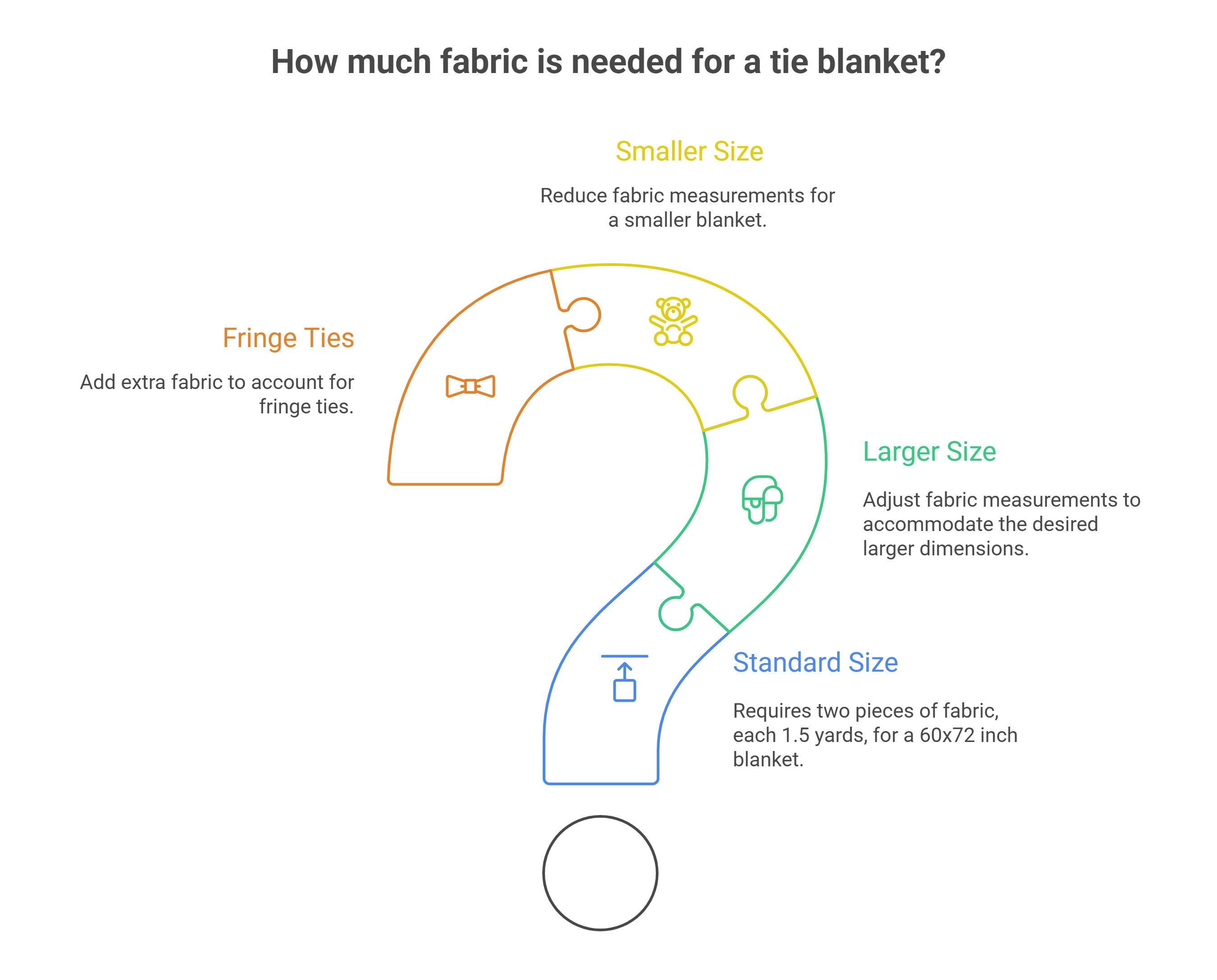
Wondering how much fabric for a tie blanket you’ll need? Typically, you’ll need two equal-sized pieces of fleece fabric, each measuring between 1.5 to 2 yards for a standard throw-sized blanket.

For a single-size blanket, go for 2 yards; for a larger one, like a queen or king, you might need up to 3 yards per layer. If you’re buying in bulk for crafting, schools, or resale, sourcing fleece blankets wholesale ensures consistent quality, matching colors, and significant savings per yard for every project.

Now let’s dive deeper.

The Popularity of DIY Tie Blankets

Few crafts are as warm—literally and figuratively—as making your own tie blanket. These no-sew fleece blankets have become a favorite among crafters, parents, students, and gift-givers alike. They’re cozy, affordable, and simple to make—requiring nothing more than scissors, two pieces of fleece, and a bit of time.

However, one of the first questions people ask before starting this project is: How much fabric do I need for a tie blanket? Getting the right amount is crucial. Too little, and you’ll end up with a skimpy blanket; too much, and you waste material. In this detailed guide, we’ll walk you through everything you need to know—fabric sizes, fleece types, yardage charts, and even tips for buying fleece blankets wholesale to save money.

Understanding the Basics of a Tie Blanket

A tie blanket is typically made using two layers of fleece fabric—one for the top and one for the bottom. These layers are laid on top of each other, the edges are cut into strips, and each strip is tied together in knots, creating a fringed edge. The result? A soft, double-layered, no-sew blanket perfect for snuggling, gifting, or donating.

Fleece is the go-to fabric because it’s warm, lightweight, doesn’t fray, and comes in an endless variety of patterns and colors. If you’re working on multiple blankets, consider getting fleece blankets wholesale for uniform quality and better pricing.

How Much Fabric for a Tie Blanket?

The amount of fabric you need depends on the size of the blanket you’re making. Here’s a general guideline:

Blanket TypeSize (inches)Fabric Needed (per layer)
Baby Blanket30″ x 36″1 yard
Child Blanket40″ x 50″1.5 yards
Teen / Throw Blanket50″ x 60″2 yards
Twin Bed66″ x 90″2.5 yards
Full / Queen Bed90″ x 90″3 yards
King Bed108″ x 90″3.5 yards

Important Note: You’ll need two pieces of fabric—one for the front and one for the back—of the same size.

So, if you’re making a standard throw (50″ x 60″), buy 2 yards of each fleece pattern (4 yards total). If you’re using fleece blankets wholesale, you can cut pre-sized blankets directly, skipping yard measurement entirely.

How to Measure Fabric for Tie Blankets?

  1. Choose Your Size: Decide who the blanket is for—a baby, child, or adult.
  2. Add Extra for Fringe: Each side of your blanket will lose about 4–5 inches during the cutting and tying process. Always buy slightly more than the final size you want.
  3. Cut Evenly: Align both layers perfectly and trim any selvage edges before you begin tying.
  4. Mark Cutting Zones: Use a ruler and fabric chalk to mark where your fringe cuts will go (usually 5 inches long and 1 inch wide).

Buying fleece blankets wholesale can simplify this process because most wholesale fleece comes pre-cut, uniform, and ready for tying—saving both time and material waste.

Choosing the Right Fleece Fabric

Not all fleece is created equal. When selecting fabric for your tie blanket, consider the following types:

1. Anti-Pill Fleece

This type maintains its smooth texture even after multiple washes. It’s perfect for everyday blankets that will see frequent use.

2. Blizzard Fleece

A denser and warmer fleece, ideal for colder climates or winter blankets.

3. Microfleece

Thin and lightweight, suitable for travel blankets or summer throws.

4. Plush or Sherpa Fleece

Offers an ultra-soft, luxurious feel—perfect for gifts or premium blankets.

If you’re crafting multiple tie blankets—for charity drives, classrooms, or resale—fleece blankets wholesale give you access to all these varieties at better rates. Many suppliers offer custom colors and prints when ordering in bulk.

Design Ideas and Color Combinations

Making a tie blanket isn’t just functional—it’s a creative experience! Here are some fun design tips:

  • Pattern + Solid: Combine a bold pattern (like stars or paw prints) with a solid color that complements it.
  • Team Spirit Blanket: Use your favorite sports team colors for a spirited look.
  • Holiday Themes: Reds and greens for Christmas, orange and black for Halloween, or pastels for Easter.
  • Personalized Touch: Add an embroidered patch or initials before tying the layers together.

When buying fleece blankets wholesale, you can often order in mixed-color packs—making it easier to experiment with design combinations for family, events, or business promotions.

Step-by-Step Guide: Making a Tie Blanket

Materials Needed:

  • 2 pieces of fleece (same size)
  • Sharp fabric scissors or rotary cutter
  • Ruler or measuring tape
  • Fabric chalk or marker

Steps:

  1. Lay Out the Fabric: Place the two fleece pieces on a flat surface, one on top of the other, right sides facing out.
  2. Trim Edges: Cut off any uneven edges or manufacturer labels.
  3. Cut Corners: Remove a 5×5 inch square from each corner to create space for the fringe.
  4. Create Fringe Strips: Cut 5-inch-deep strips along all four sides, each about 1 inch wide.
  5. Tie the Knots: Tie each pair of top and bottom fringe strips into double knots.
  6. Smooth the Surface: Once finished, shake out your blanket and enjoy your cozy new creation!

It usually takes about 1 to 2 hours to make a standard throw-size tie blanket, depending on your cutting speed and attention to detail.

Why Buy Fleece Blankets Wholesale?

If you plan to make several tie blankets—whether for gifting, resale, or donation—buying fleece blankets wholesale offers clear advantages:

  1. Cost Efficiency: Wholesale prices are significantly lower per yard or per piece.
  2. Bulk Availability: Get multiple colors and patterns in one order.
  3. Consistent Quality: Wholesale lots are often cut from the same production batch, ensuring color and texture consistency.
  4. Customization Options: Many suppliers offer logo printing or branded tags, ideal for schools, fundraisers, or retail use.
  5. Time Savings: Pre-sized fleece throws can save you cutting time, letting you start tying immediately.

For small businesses, craft shops, or Etsy sellers, sourcing fleece in bulk allows for better margins and faster turnaround. Whether you’re running a winter fundraiser or a handmade gift shop, the savings can quickly add up.

Common Mistakes to Avoid

Even though tie blankets are simple to make, beginners often make these errors:

  • Buying Too Little Fabric: Always account for the fringe area. If unsure, round up your measurements.
  • Using Mismatched Fabrics: Ensure both fleece layers are the same type and weight for an even finish.
  • Cutting Uneven Strips: Use a ruler for consistency to avoid awkward ties.
  • Overtightening Knots: Tying too tightly can distort the blanket’s shape. Keep knots firm but flexible.

Caring for Your Fleece Tie Blanket

To keep your blanket soft and long-lasting:

  • Machine wash in cold water.
  • Use a gentle cycle with mild detergent.
  • Avoid bleach and high heat drying.
  • Tumble dry on low or air dry for best results.

If you’re gifting or selling your creations, include a small care tag—it’s a thoughtful touch that adds professionalism.

Final Thoughts

Making a tie blanket is one of the simplest and most rewarding DIY projects out there. It combines creativity, practicality, and comfort all in one cozy package. The key to getting it right lies in choosing quality fleece and measuring correctly.

If you’re making more than one, consider sourcing fleece blankets wholesale to save time and money while ensuring consistent results. Whether it’s for family, charity, or business, your handmade tie blankets will bring warmth and joy to every occasion.

So grab your scissors, pick your favorite colors, and start tying—because comfort, creativity, and craftsmanship are only a few knots away.