Tag Archives: fleece blankets bulk

Who Invented Fleece Blankets?

13 Jan

In case you’re curious about the person behind fleece blankets’ invention, the brief answer is fleece was first developed as a problem-solving cold-weather fabric and fleece blankets were created soon after people learned about the warm, soft and light attributes of this fabric. The very practical cold-weather solution started to enter houses little by little, and soon it was already among the most favourite blanket materials for the entire world.

Now, let’s unfold the full story—comfortably, of course.

Why Do We Even Call It “Fleece”?

The term “fleece” generally brings to mind warmth, softness, and comfort. Nowadays, it is almost unthinkable to spend a winter night without a fleece blanket within reach. However, what is surprising is that fleece is a relatively new product. People who used to live before fleece had no choice but to wear very warm but at the same time heavy, irritating, and uncomfortable materials.

In simple words, fleece was designed to feel soft like wool but behave much better. And by “better,” we mean lighter, easier to care for, and far more forgiving when life gets a little messy (because blankets do get spilt on).

Life Before Fleece: Heavy Layers and Cold Nights

Before fleece came about, people borrowed values from thick wool, thick fabrics, and tons of layers for warmth. Their set-ups worked; however, they were far from perfect.

  • They were heavy
  • Took a long time to dry
  • Felt uncomfortable when damp

Imagine trying to stay warm while wearing something that feels like it gained weight after a drizzle. Not ideal.

The Problem That Sparked the Idea

The need for fleece was first felt by people exposed to extreme cold. Traditional fabrics struggled to handle cold air, moisture, and sweat all at once. Staying warm often meant feeling damp, and feeling damp usually meant feeling cold.

This challenge led innovators to think differently. Instead of using natural fibres, they explored synthetic materials that could trap warmth while letting moisture escape. The goal was simple: warmth without the weight, and comfort without the struggle.

How Fleece Fabric Came to Life

Fleece was developed using polyester fibres that were engineered to be soft, insulating, and quick-drying. Unlike older fabrics, fleece could:

  • Hold warmth even when slightly wet
  • Drys much faster
  • Stay light on the body

This combination was a breakthrough. And while fleece started as a solution for cold-weather clothing, people soon realised something important—it would make an excellent blanket too.

From Practical Fabric to Favourite Blanket

Once fleece entered everyday life, its potential became clear. As a blanket material, fleece checked all the right boxes:

  • Soft to the touch
  • Lightweight but warm
  • Easy to wash and maintain

Fleece blankets went from being a functional product to a favourite item in the home very fast. They became the first ones you pulled, the ones that somehow were on the couch every night.

What Makes Fleece Blankets So Special?

Fleece blankets are getting more and more accepted as their comfort and function go together perfectly. They keep the body warm without adding much weight, and, at the same time, they can deal with temperature changes quite nicely. In addition, they do not soak up water; therefore, they are very quick to dry and, thus, nice for a longer period of time.

And yes, they are kind to sensitive skin too. Fleece doesn’t demand special care—it just quietly does its job. Very professional. Very reliable.

Perfect for Every Age

One of the reasons fleece blankets became so popular is their versatility:

  • For babies: soft and gentle
  • For adults: cosy and practical
  • For seniors: warm without being heavy

Not many blankets can say they work for everyone. Fleece can—, and it does it effortlessly.

How Fleece Changed the Textile World

It didn’t take long for the textile industry to advance once fleece came along. Blankets turned out to be not only more vivid but also more artistic and more personalised. Fleece blankets transformed from basic warmth providers into significant ones—comfort, gifting, and home décor items.

Turns out, warmth and style can get along just fine.

More Than a Blanket

Fleece blankets are not merely for warmth. They are for comfort, cosiness, and those tranquil times when everything seems a bit better. No matter if it’s a film night, a chilly morning, or the softest thing being your only alternative, fleece has a magic of appearing just in time.

You could say fleece blankets mastered the art of being useful without asking for attention—and that’s quite impressive.

Final Thoughts

Initially, the concerns of the cold weather led to the production of Fleece which in turn became a fabric of complete daily requirement. The journey of innovation to comfort called for the fleece blankets to be the ones that would comfort you with the fact that the best inventions are often the ones that just serve to make life warmer and easier.

Our specialisation is limited to top-notch fleece products, and we have been supplying first-grade wholesale fleece blankets and clothing in bulk for decades. We always paid attention to comfort, longevity, and smart craftsmanship—as fleece, in the end, is all about quality.

Which Fleece Is Softest?

13 Jan

If it is the softest fleece you want to know about, the answer is pretty straightforward: the majority of people give the highest rank in softness to the fleeces made with very fine fibres and the ones with a denser plush surface. These fleeces usually have the most luxurious, smooth and soft touch, which is friendly to the skin even at the very first contact. Nevertheless, the perception of softness might vary from person to person; thus, the softest fleece is generally the one that feels most pleasant to you.

Let us take our time to analyse and comprehend the actual reasons for the variances in the softness of different fleece products, from the irresistibly soft ones to just “okay” ones.

Why Softness Matters So Much in a Fleece Blanket

The term luxury is not the only one that can be used for softness. It is one of the most important factors through which the comfort level of a blanket is determined in everyday use. A soft blanket made of fleece can help you unwind, give you pleasant feelings, and keep you comfortable without irritating your skin. This aspect, however, is of even greater importance in the case of babies, people with sensitive skin, or those who love to stay under the quilt for several hours.

Comfort, however, is the main thing to consider. The weight of the blanket could be rough or heavy, but still, it would be warm and nice. The real comfort comes when heat and softness are at the same time. Hence, people often take the same fleece blanket repeatedly because it just feels right.

What Actually Makes Fleece Feel Soft?

To understand which fleece is softest, it helps to know what creates softness in fleece fabric.

The first fibre diameter has a big influence. The use of thinner fibres contributes to the smoothness of the fleece as the skin is in contact with a smaller number of rough spots. Second, the pile, which refers to the fuzzy surface of the fleece, is very crucial. A pile that is thick and well-brushed feels like cuddly and plush. Third, the finishing process is a very important factor. The fleece that is of the best quality is brushed a number of times; thus, the surface feels soft on both sides.

In other words, the softest fleece is one that offers a really pleasant, silky feel during touch, and it simultaneously does not cause you to feel its roughness, and it is not very soft either.

(A good fleece should never make you pull your hand back and say, “Hmm… that’s not what I expected.”)

Not All Fleeces Feel the Same—and That’s Normal

People mostly consider fleece similar in every aspect, but the very assumption is wrong. Some fleece is smooth, while others are soft and thick, and still others are light and airy. Even if two blankets look alike, when it comes to the sense of touch, their sensations may be totally different.

The reason is that there are different types of fleeces with various textures, weights, and constructions. One cannot single out one fleece as the “perfect” fleece for all. To meet different needs and preferences, there are different levels of softness available.

The Softest Types of Fleeces Explained Simply

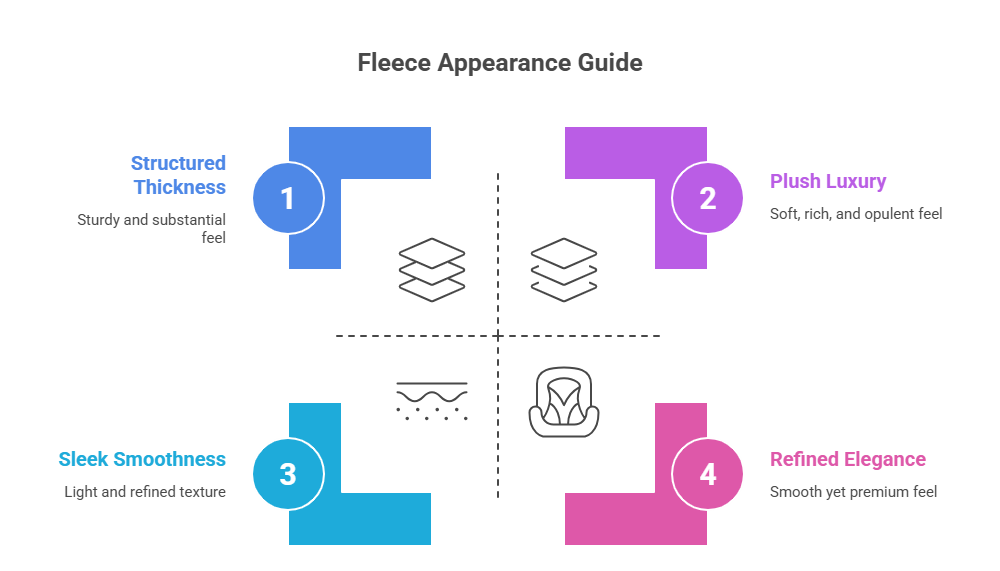
Certain fleeces are recognised for their silky and velvety-like softness. Softness is one of the attributes of these fleeces, which they owe to the smooth surface and the plush pile that caresses and soothes the skin. Due to their ability to offer immediate warmth, they are frequently used for baby blankets, luxury throws, and indoor blankets.

Other fleeces have a lightweight and smooth texture. They consist of very thin fibres which give a soft feel without the heavy feeling. These are great for hot climates, travel blankets, or those who prefer softness yet do not want extra bulk.

Besides that, there are warm and soft fleeces that are very fluffy and cuddly. They do not have a silky feel; however, they are just warm and puff-like to the touch. These fleece garments will be your saviours when it is sheer chilling outside, and you are reclining on the couch all night long. They may feel somewhat heavy, but at the same time, they are the source of nice, warm, and comfortable feelings.

Which Fleece Is Softest for Different Uses?

When deciding which fleece is softest, it helps to think about how the blanket will be used.

  • Lightweight micro-fleece fibres can be the best fabric for babies or for people with highly sensitive skin: it is ultra-smooth and gentle on the skin.
  • Plush and velvety fleece is the best choice for luxurious comfort at home, as it gives a soft and soothing feel.
  • A soft fleece that is also durable after washing is the best choice for daily use.
  • Fleeces for travel or outdoor use are lightweight, hence offering softness while occupying little space.

The softest fleece is the one that matches both your skin and your lifestyle.

Can the Softest Fleece Also Be Durable?

Actually, it is a possibility. The top-notch fleece has the feature of not losing its softness even after being washed several times. The fleece of good quality is soft all the time, is not affected by the unevenness caused by wear and tear, and is still pleasant for a long time.

The real luxurious fleece must not lose its charm after undergoing the washing process. A blanket should gradually surrender its quality and softness over the years, just like the ultimate comfort does.

How to Keep Fleece Feeling Soft

It is quite easy to manage fleece. Washing with cold water, using mild detergent and not exposing it to high heat are all factors that contribute to the softness of fleece being retained. The fibres remain smooth and are not subjected to any damage due to gentle handling.

Treat fleece kindly, and it will stay soft and comforting for years.

Final Thoughts

The softest fleece is one that has excellent surface finishing, has fine wool as its material, and has a plush surface—but what is most important is that it is the fleece that you personally prefer. Whether it is the silky smooth one or the fluffy cosy one you like, the right fleece can always make your regular moments very snuggly. Softness is subjective, and this is exactly what makes fleece so special.

We specialise exclusively in high-quality wholesale fleece blankets and apparel, offering first-quality fleece products in bulk with a strong focus on softness, comfort, and durability. With decades of experience, our mission is to provide fleece that delivers lasting comfort and dependable quality for everyday use.

Does Fleece Blankets Shed?

13 Jan

Does fleece blankets shed? They can—especially when they are new. A little shedding at the beginning is normal and does not mean your blanket is of poor quality. Just like many winter clothes, fleece may release a few loose fibres at first. With proper care and a little time, this usually settles down.

Now, let’s gently walk through why this happens and what you can expect.

Why Shedding Feels So Worrying

A cosy fleece blanket is brought home, you take a comfortable position, and then you see some lint on your outfit or couch. That instant can be disappointing. But the silver lining is that shedding is a usual occurrence with a lot of warm, fuzzy textiles—fleece among them.

If winter items never shed, lint rollers would be very lonely. A small amount of fuzz is simply part of how soft fabrics behave.

What “Shedding” Actually Means

Shedding is the term used for the occurrence of minor and loose fibres that are falling off the surface of the blanket. The majority of these fibres are either the remains of the production or they may have been produced by the brushing of the surface to give it a soft touch.

It’s important to know the difference between:

  • Normal shedding: Light fuzz that reduces after use or washing
  • Excessive shedding: Fibres constantly coming loose over time

Most fleece blankets experience the first kind, not the second.

Why Do Fleece Blankets Shed?

A couple of reasons make fleece blankets shed pretty much similarly. One reason is that the fleece is brushed in the manufacturing process to give it a soft touch; during early use, some loose surface fibers might get released. Also, new blankets usually shed more than the old ones because the fabric has settled in.

Friction is caused by daily movements such as shifting, sitting, or even light contact with the blanket, and this can result in the detachment of very fine fibres. Such shedding is typically of short duration—imagine the blanket getting acclimatised to its new spot.

Does Quality Matter When It Comes to Shedding?

Yes, quality does matter—but shedding alone doesn’t define quality. Well-made fleece is carefully brushed and finished so fibres stay in place over time. Lower-quality fleece may shed more because the fibres are shorter or not well secured.

A good fleece blanket usually sheds less and less as you use it.

Shedding vs. Pilling: Not the Same Thing

These two are often confused.

  • Shedding is loose fibres coming off
  • Pilling is when small balls form on the surface

Shedding often happens first, while pilling can develop later with friction. Neither means the blanket is useless—and both can be managed with simple care.

A Simple Way to Check a Fleece Blanket

When shopping or checking a new blanket at home:

  • Gently rub the surface with your hand
  • Lightly tug at the fibres

In case the fibres are detached in large numbers, it might be a shedder of this type. If the outer layer remains the same to a greater extent, it is a positive signal. Always inspect the two sides, for there are cases where blankets are made to look better on one side than on the other.

How Washing and Drying Affect Shedding

The amount of shedding that a fleece blanket undergoes is highly dependent on the washing practices. Cold water wash, gentle cycle and mild detergent can be the best ways to protect the fleece and limit shedding. High heat drying is also not recommended, as very high temperatures can damage the fabric, while air drying or low heat drying is far more effective.

Washing and daily use that are gentle at first might eventually lead to the complete disappearance of shedding. The majority of people would agree that their fleece blankets have gone through the whole process of becoming softer and more settled. Patience is unquestionably a virtue in such situations.

Shedding Doesn’t Mean Fleece Isn’t Good

So, does fleece blankets shed? Yes, sometimes—but that doesn’t mean fleece is bad or low quality. Shedding is common with soft winter fabrics and often happens early on. What truly matters is warmth, comfort, and how the blanket feels over time.

A cosy blanket that sheds a little at first can still be a wonderful, long-lasting part of your home.

Our main focus is on fleece products only. We are familiar with the real-life behaviour of fleece, not just the theory. So, in case you need premium quality wholesale fleece blankets in bulk at the most reasonable rates, we are the one-stop partners for you, considering comfort, value, and trustworthy quality for bulk orders.

Is Fleece Blankets Good for Guinea Pigs?

13 Jan

The answer is definitely “yes, and when used properly, fleece blankets can be a very good option. They are soft, free of dust, reusable, and very nice for guinea pigs’ feet, which are very sensitive. But if you want fleece to be really good, then you should use it together with an absorbent layer under it and clean it often. When fleece bedding is correctly set up and maintained, it can provide guinea pigs with a clean, comfortable, and warm home.

Now, let’s understand why fleece is so popular and how to use it the right way.

Why Bedding Choice Matters for Guinea Pigs

Guinea pigs are animals that live on the ground, and therefore, their bedding is their only source of comfort and health. The guinea pigs have delicate paws, gentle skin, and their respiratory system can react very rapidly to dust. Thus, the wrong bedding can result in the animals being uneasy, having foot diseases, or suffering from lung problems in the end.

That is the reason why a lot of pet owners are constantly on the hunt for some soft, warm, and snuggly bedding, if possible, and that is when fleece usually comes to the scene.

What Exactly Is Fleece Bedding for Guinea Pigs?

Fleece bedding usually means a fleece blanket or liner placed on top of an absorbent layer. The fleece itself does not hold moisture. Instead, it allows urine to pass through to the layer underneath, keeping the surface dry for your guinea pig’s feet and belly.

When used this way, fleece creates a dry and comfortable walking surface while the absorbent layer below does the hard work quietly.

Why Many Guinea Pig Owners Choose Fleece

Comfort is one of the major factors that contribute to fleece’s popularity. Fleece has a nice texture that is soft and warm, which is the thing guinea pigs love the most—especially when they snuggle and take naps after an active day of running and “popcorning”.

Fleece is, even more, considered a material that can be recycled, hence indicating less waste and fewer reorders. In the long run, this may become more economical and less harmful to nature than using single-use bedding.

(Plus, sweeping up droppings from fleece is much easier than digging through loose bedding—your back will thank you.)

The Importance of Using an Absorbent Layer

This is the point where numerous novices get puzzled. Fleece in itself is not sufficient. Because fleece does not soak up moisture, it always needs to be placed on something that does.

The materials used in absorbent layers can be towels, pads, or other similar moisture-retaining materials. These layers are to isolate the urine from the fleece surface, therefore controlling the odour and dampness. Without this process, fleece will become wet and uncomfortable in a very short time, and this is not good for guinea pigs.

When fleece is layered correctly, it stays dry on top and comfortable underneath.

Daily Cleaning and Regular Washing

Guinea pigs may be tiny, but they are active and, of course, they excrete a lot during the day. The positive side is that using fleece makes the daily cleaning process easy. Smooth or vacuum cleaning can take off droppings and hay during spot cleaning.

Typically, washing of fleece bedding is done every two or three days, but this period can be longer or shorter depending on the size of the cage and the number of guinea pigs living in it. The main advantage of the laundry cycle is that the cage remains clean and the atmosphere is refreshingly pleasant both for the furry friends and the humans.

Is Fleece blanket good for Guinea Pig Feet?

Definitely, fleece is usually so gentle and soft that it can easily be likened to the skin of guinea pigs. The softness and smoothness of the fleece are very important in reducing the possibility of foot injuries. On the condition that the fleece remains clean and dry, the danger of foot irritation is decreased. Nevertheless, periodic clipping of the guinea pig’s claws is indispensable since the long claws might occasionally get entangled in the fleece.

A smooth, well-maintained fleece surface is the key to comfort.

When Fleece May Not Be the Best Choice

Fleece is the most suitable for indoor use. It is not advised for outdoor huts, especially during very cold or humid conditions, as it will not be able to retain the warmth by itself and may get wet in high humidity.

The fleece takes a lot of dedication when it comes to its cleaning. In case the regular laundering is unfeasible, then other kinds of bedding might be less complicated to handle.

So, are fleece blankets good for Guinea Pigs?

So, once again, are fleece blankets good for guinea pigs? Yes—when used properly. Fleece can be a comfortable, clean, and gentle bedding option that supports your guinea pig’s health and happiness. A little setup and regular care go a long way in creating a cosy space where guinea pigs can rest, play, and feel safe.

Shedding fur, tiny paws, and happy squeaks all feel better on a soft, well-prepared surface.

We specialise exclusively in fleece products and understand how fleece performs in real-life use—not just for people, but for comfort-focused environments as well. If you’re looking for high-quality wholesale fleece blankets at the best prices, we’re here to help with reliable quality, thoughtful materials, and long-term value you can trust.

What to Wash Fleece Blankets On

13 Jan

A fleece blanket is not just another item that one would use at home. It is a place to retreat and relax after a long day, warmth on a winter night, and probably even something we unconsciously hold on to. As fleece is both heavy and warm, most people think its cleaning would be just like that of any other blanket. Sadly, that is the very reason why the wrong washing of fleece causes problems. Improper washing of fleece will result in gradual loss of softness, pilling and premature ending of its life. Thus, it is a must to be familiar with what to Wash Fleece Blankets On.

Fleece blankets come at a high price and therefore, should not be permanently used and thrown away. With proper maintenance, the blanket can retain its great quality and look for even a couple of years. The best part of fleece is its easy-care nature. It only needs soft handling and a few smart decisions.

Why Fleece Blankets Need Special Care

Fleece is a fabric made of soft and fine fibres, especially designed for thermal insulation, hence not adding to the weight. This is the very aspect of fleece’s comfort, but it is also a reason for it to be affected by heat and friction at the same time. Fibres can be damaged by hot water, strong detergents, and rough washing. Once that happens, fleece may lose its softness, get pilled with tiny fabric balls or become hard and rough in texture.

Think of fleece as a strong but sensitive material at the same time. It can endure daily use, but it doesn’t handle tough washing. If treated gently, it preserves its look and softness for a longer time.

Always Start with the Care Label

It is still a good idea to verify the care label before washing your fleece blanket. The care label has the specific washing method that the maker recommends for that certain blanket. Although there are exceptions, where certain blends or finishes might ask for different care because of small differences, most fleece blankets are governed by the same basic rules.

One of the most common mistakes that people make is ignoring the care label. It looks like a triviality, but ignoring it can substantially shorten the life of your blanket.

What Water Temperature Should You Use?

One of the most important parts of knowing what to Wash Fleece Blankets On is choosing the correct water temperature.

Washing fleece blankets with cold water is considered safe and also the most recommended option. It removes dirt and stains, while still being the gentlest method on the fibres and not harming them. The use of lukewarm water is permitted, but only when the primary reason is the cleaning of the blanket and not just regular washing.

If you ever feel unsure, cold water is always the best choice. Fleece prefers cool care.

Choosing the Right Wash Cycle

The temperature of the water is not just a factor in the wash cycle but is also a very significant one. Fleece blankets can only be washed in the soft, delicate, or hand-wash cycles. Such processes permit little movement and rubbing, thus preventing deterioration.

Harsh detergents, which are loaded with strong chemicals, should be completely avoided. Despite their ultimate cleaning power, they can, in the end, destroy fleece fibre. In the case of fleece, gentle cleaning is the only victor.

Should Fleece Blankets Be Washed Alone?

Fleece blankets are always better off alone while being cleaned. This is simply because if you wash them separately, damage won’t happen due to the presence of other fabrics that can be rough and cause snagging or rubbing against the fleece or zippers and hooks.

In case washing fleece together with other things is inevitable, then select soft fabrics such as towels and invert the blanket. Doing so will not only safeguard the outer layer but also minimise pilling in the process of washing.

Hand Washing for Extra Gentle Care

The method of hand washing is perfect for the care of speciality fleece blankets or for minor cleaning purposes. Just cold water and a little gentle soap are the only requirements. Instead of twisting the blanket, just gently push it down into the water and then slowly pull it up.

Although the procedure takes longer, it guarantees full control and minimum stress on the fabric. It is particularly advantageous in maintaining the quality of blankets that you wish to use for a long time.

Drying Fleece Blankets the Right Way

The drying process is where numerous fleece blankets get the most harm. The method of air drying is always the safest one. Place the blanket flat or hang it in a place with good airflow and let it dry naturally.

In case it is unavoidable to use a dryer, the low heating or air-drying option should be chosen. The high temperature may cause fleece to change its size or even cause the melting of the fibres. Moreover, the removal of the blanket after drying timely is also a factor in preventing stiffness and static.

Final Thoughts

Being aware of what to Wash Fleece Blankets On will undeniably save your money on a very nice and warm blanket. The use of cold water, gentle cycles, mild detergent, and low heat is not only easy but also very effective for the maintenance of your blanket. If the right steps are followed, your fleece blanket will continue to be soft, warm, and dependable for a long time and will even be as soft as the first time you used it.

We are experts in fleece products only, and we know exactly what to do to keep them in their best condition. Throughout the years, our attention has primarily been on providing high-quality wholesale fleece blankets that are comfortable, durable, and have long-term value. If you are looking for a reliable supplier for a wholesale fleece blanket that is not only durable but also comfortable, then we are glad to present fleece goods that are made for actual living and actual comfort.