Tag Archives: fleece blankets bulk

How to Wash Sherpa Fabric

21 Nov

Sherpa fabric is simply the kind of material that makes you fall in love at first touch. It is warm, plush, cloud-soft, and utterly comforting. Sherpa-throw blankets on your couch or a warm sherpa-jacket you practically never take off during the cold months from mid-November till March, sherpa fabric feels genuinely luxurious.

Sherpa is soft as opposed to something that exhibits toughness. An inflow of materials can destroy the typical fluffy perfection of Sherpa faster than usual; in the blink of a second, it transforms into a look of being run over or raked through by a vacuum cleaner.

That’s why learning how to wash sherpa fabric correctly is essential. The good news? It’s not difficult—with the right approach, you can keep sherpa soft, clean, and cosy for years.
Why Sherpa Needs Gentle Care

It has the final feel of real fleece. This incredible fluffiness is a courtesy of the brushed woolly side, the one that is very soft. Otherwise, one side goes with a smooth knit to provide the fabric with structure.

But that fluffiness comes at a price. The brushed fibres can flatten, mat, or pill if the sherpa is washed incorrectly. Think of a sherpa like a pampered pet—soft, lovable, but absolutely not a fan of heat, harsh products, or rough handling.

If you treat it gently, the sherpa remains beautifully plush. Treat it roughly, and it will let you know.

Before You Start Washing

Taking a few preparation steps can make all the difference.

Give It a Shake

Start by shaking out your sherpa outside. You’ll be shocked at how much lint, dust, or mystery fluff falls out. (No judgment—sherpa attracts everything.)

Check the Care Label

Some Sherpa blankets and jackets may only require delicate hand washing, while others are washable in a home machine. Simply put, a washing label is no different from being a blueprint-just make sure that persistence in following instructions is a part of the plot, to keep your sherpa blanket forever.

Spot Clean Stains

If surface stains can be seen, use a mild bleach-free stain remover. Be delicate as if you are cleaning a luxury item—which you are.

Wash Sherpa Alone

Sherpa does not play well with items that have zippers, Velcro, hooks, buttons, or rough textures. Give Sherpa its own personal wash cycle. It deserves it.

The Safest Method: Hand Washing Sherpa

Hand washing is the most reliable way to protect the sherpa’s fluff.

To begin, fill up a basin or bath with cold water and then a small amount of mild detergent. After immersing in the water, massage the Sherpa gently, without rubbing, pushing, pressing, or wringing-no, Sherpas are not rugs.

Soaking needs a duration of 10–15 minutes, starting immediately after they are placed for washing. Cold-water rinsing can be continuous to ensure no soap remains at all, as soap residues become gummy and produce stiffness to the sherpa. Try to get as much water out of the fabric as possible by gently squeezing the excess, or gently rolling the fabric in a towel; be particularly careful not to stretch or deform sherpa fibres.

Machine Washing Sherpa (If allowed)

If your label says machine washing is safe, proceed—but gently.

Turn the sherpa fabric inside out and place it inside a mesh laundry bag. This protects the fluffy fibres from friction.

Use:

  • Cold water
  • A delicate or gentle cycle
  • Mild detergent
  • No bleach
  • No fabric softener

Fabric softener may sound tempting, but it can coat the fibres and actually make the fabric feel less soft.

If possible, run an extra rinse cycle. Getting all the detergent out helps keep the sherpa smooth and cushy. And whatever you do—do NOT overload the machine. Sherpa needs space to float and move. When crowded, the fibres rub against other clothing and can mat down.

Drying Sherpa the Right Way

Drying is the step where things often go wrong. One moment of high heat, and your sherpa can come out looking like it had a rough day.

Best Method: Air Drying

Place your sherpa garment on a lying towel, and allow it to dry without outside intervention. Do not expose it to direct sunlight, radiators, or heaters. The major limitation for garment care is the product’s air-dry time, which furthers softness.

If You Must Use a Dryer

Use the lowest possible heat or the “air fluff” setting. Remove your sherpa as soon as it dries. Overheating can melt synthetic fibres or cause long-term texture damage.

How to Restore Sherpa’s Fluffiness

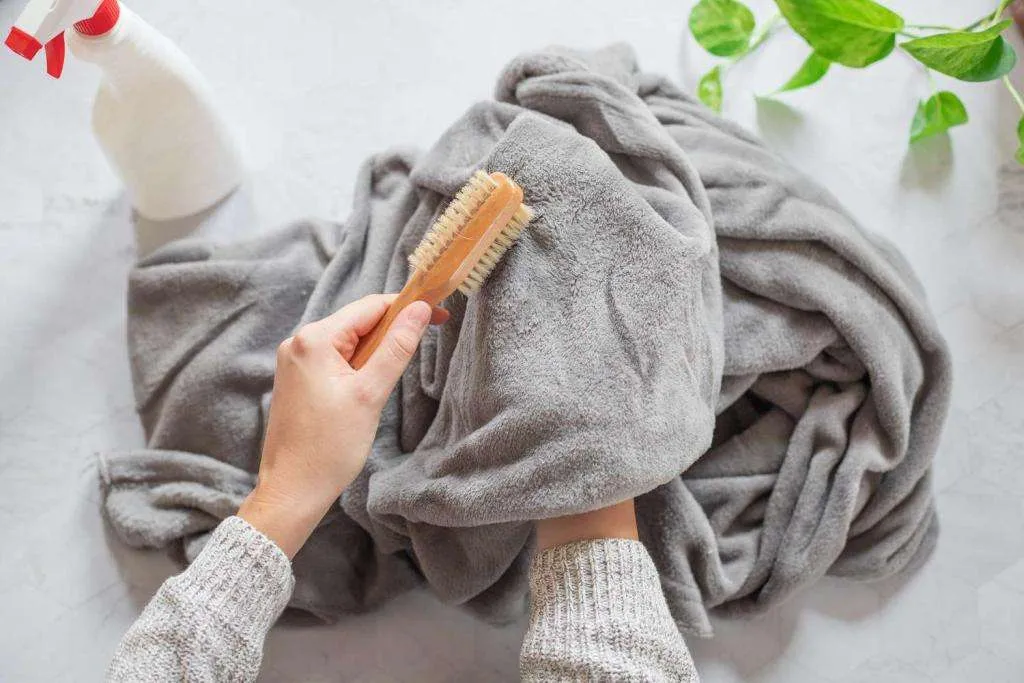
Sherpa fabric is sometimes hard-wearing, and therefore, it may lose some fluffiness after washing. It is good to know that re-fluffing it is easy. If necessary, once the fabric is fully dry, use a soft-bristle brush, a pet slicker brush, or your fingertips to lightly fluff the fabric.

Raise the pile and work with slightly more difficult matted areas while using small, circular motions, which promotes more looseness in fibres. This whole process, from fluffing out windows to fluffing out the piles, must be done with the minimum possible touch.

Long-Term Care Tips for Sherpa

To keep the Sherpa cosy long-term:

  • Spot clean often instead of washing frequently.
  • Store it loosely, never compressed under heavy items.
  • Avoid heat in every form—washing, drying, or ironing.
  • Brush lightly now and then to maintain softness.
  • Shake and air out sherpa blankets occasionally to freshen them up.

Sherpa is not high maintenance—it just appreciates gentle, thoughtful care. Much like that favourite plant you never remember to water, but somehow still loves you.

Final Thoughts

In order to stay so soft and luxurious in a blanket, jacket, or home item, one must wash a sherpa fabric very gently. Sherpa requires only the mildest detergent, cold water, a little tenderness, and a very gentle dry.

Treat your sherpa right, and it will reward you with endless comfort and cosiness—no drama included.

About PeachFur Fleece

PeachFur Fleece is driven by the belief that comfort is the essence of quality. Over the course of two decades, we have been crafting the best quality fleece blankets in bulk, fleece jackets, and embroidered fleece products with custom designs. They are made from scratchy material, stone-coloured and bushy.

Our commitment to using higher-quality materials and well-crafted products results in fleece items that you proudly give away, and are not easy to throw away or dispose of.

What Is Plush Fleece?

14 Nov

If you have ever touched a blanket or a hoodie so soft that it made you doubt your knowledge of comfort as a feeling, then most likely you were in contact with plush fleece. This luxurious and velvety material has become a favourite in all the cozy products starting with bedding, lounge wear, baby products, and so on. Yet, what really makes plush fleece that soft and so difficult to resist? And why is it ranked among the best comfort fabrics nowadays?

Understanding the Basics: What Is Plush Fleece?

To begin with, let’s first look at the straightforward definition. Plush fleece is the synthetic fabric with a thick and high-pile surface that is usually made of polyester and has the characteristics of being extremely soft, silky, and luxurious. The answer to the question what is plush fleece is quite simple: it is the top-quality fleece imitation of velour, faux fur, or high-loft microfiber, which is still warm, lightweight, and durable at the same time.

Think of regular fleece as “comfort,” and plush fleece as “comfort that pulls out the red carpet.”

Plush fleece is not only soft but also a softness that can make you reconsider the bedding you use and even induce you to actuate buying new sleepwear. It has the texture of a warm and comforting embrace from a person who practices moisturizing their skin daily.

What Makes Plush Fleece So Unique?

Plush fleece stands out because of a mix of qualities that make it both practical and luxurious:

Ultra-Soft, Velvety Texture

The material is subjected to a unique brushing technique that raises the strands and gives a soft, velour-like texture. It is the very softness that forces you to speak “wow” without trying when you feel it for the first time.

Extra Thickness and Density

Plush fleece is purposely built with a deeper pile height—meaning the fibers are taller, fuller, and closer together. This gives the fabric that signature “sink-in” feeling.

Superior Warmth Without the Bulk

Even though plush fleece feels thick, it remains lightweight. The dense fibers trap heat effectively, making it the perfect winter companion for movie nights, chilly mornings, and “I refuse to get out of bed” days.

Comfort-Driven Design

Plush fleece is engineered with coziness as the top priority. It’s soothing, gentle on the skin, and comforting enough that babies, adults, and even pets become instant fans.

Durable and Long-Lasting

Despite its soft, delicate feel, plush fleece holds up extremely well over time. Many types are naturally resistant to pilling because of the dense fiber structure.

Easy to Care For

Most plush fleece fabrics are machine washable and retain their softness with minimal effort—as long as you avoid high heat

How Plush Fleece Is Made

While the plush fleece can be regarded as a luxurious item, its manufacturing process is indeed very simple. It all starts with the polyester fibers that are converted into light threads, which are as a next step knitted into a solid fabric foundation. After that, the fabric is brushed and raised to its final thick and soft velvet-like pile. In some instances, the surface is also slightly shorn for a smooth and consistent texture.

When the process is completed, the treatments are applied to magnify softness, longevity, and overall tactile sensation. The outcome is a smooth and fluffy fabric similar to a cloud that makes all cold nights more pleasant and even the shortest nap, a cozy and deliberate moment.

Plush fleece is that fabric which gets approval from the first contact—if normal fleece is nice regular fleece is addiction-like. People often pick it because of its instant comfort, but its versatility is what makes it more attractive. Plush fleece is able to be integrated into almost all areas of daily life, showing up in snuggly throw blankets, bedding, hoodies, bathrobes, sleepwear, infant coverlets, animal bedding, decorative pillows, on-the-go warmers, and also in easy no-sew craft activities.

It has turned out to be the favorite of the draft card players, crafters, and any people who live in comfort and, thus, love the soft living style because it functions so easily through home, clothing, and creative uses.

It Provides Warmth Without Weighing You Down

The majority of winter materials offer protection against cold but at the same time make you feel as if you had put on 3-layer armory. Heavy fleece provides the same warmth as a thicker blanket but at the cost of a lighter one.

Affordable Luxury

Plush fleece looks and feels expensive, but it’s often more affordable than wool, Sherpa, velour, or faux fur. It’s luxury you don’t have to explain on your credit card statement.

How to Identify High-Quality Plush Fleece

When shopping for plush fleece, look for:

  • Uniform pile height without bald patches
  • High GSM (grams per square meter) for density
  • Smooth, velvety feel instead of rough or uneven fibers
  • Strong stitching on blankets or apparel
  • Color consistency across the fabric

High-quality plush fleece should feel luxurious from the very first touch—and stay that way.

Final Thoughts: Why Plush Fleece Continues to Lead in Comfort Fabrics

The luxurious fleece has emerged as the best material in terms of softness, warmth, and comfort. It offers a dreamlike mixture of luxury and functionality, thus satisfying every home, every season, and every person—pets included.

If comfort had a material mascot, plush fleece would be it.

About PeachFur Fleece — Your Reliable Source for Fleece Blankets Bulk

If you are among the people who absolutely adore the luxurious and cozy feel of plush fleece, then PeachFur Fleece is your answer. This fabric is premium-quality and available in fleece blankets bulk, ideal for various uses such as organizations, retailers, hotels, charities, and branding projects. Our blankets are made to provide softness that lasts, colors that won’t fade, and durability that you can trust.

No matter if you’re purchasing for a business, preparing an event, or designing tailored comfort goods, we give regular quality, great customization assistance, and a nice, trustworthy ordering process. Quality plush comfort gets even better when it’s made with care—and that’s precisely what we’re happy to deliver.

What Does Sherpa-Lined Mean?

13 Nov

The term “Sherpa-lined” is probably familiar to you if you have been looking at winter jackets, boots, or blankets. It surely sounds very fancy, yet there are still some people who ask, What does Sherpa-lined mean, and Why does it get so much attention, like it is the key to beating the cold?

In this guide, we’ll break down exactly what Sherpa lining is, why it’s so warm, and why it has become one of the most loved materials in winter clothing. No textile degree needed — just a love for staying warm and cosy.

What Does Sherpa-Lined Mean?

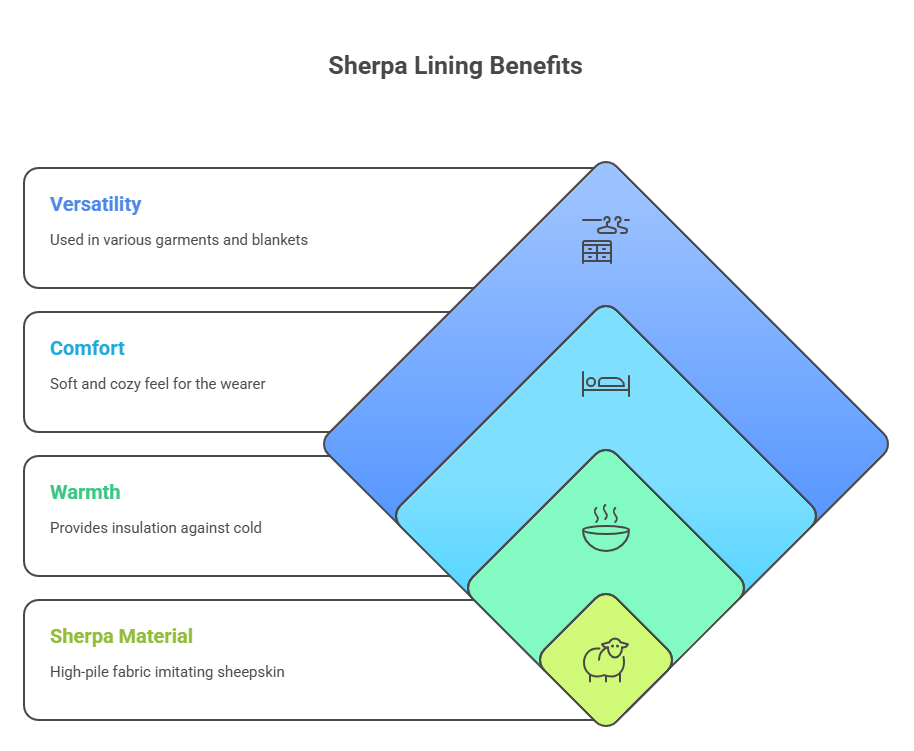
Sherpa-lined is a term that is often heard in the fashion world that points to the use of Sherpa material in the inner layer of the cloth, which is a premium and high-pile fabric that imitates the appearance and texture of real sheepskin wool. Besides, Sherpa lining serves to provide warmth, insulation, and comfort to the wearer, making it feel like the regular jacket or blanket has transformed into one soft and warm cloud.

Sherpa lining is a material that can be seen in jackets, vests, hoodies, boots, hats, gloves, and blankets. Its function is straightforward: to provide warmth without adding any weight. Imagine it as the delicate inner secret that empowers winter garments to perform better, hence you will not experience any hardships.

Where the Name “Sherpa” Comes From

The term “Sherpa” is derived from the Sherpas living in Nepal, who have successfully adapted to one of the most extreme weather and altitudes on the planet. Their wool clothing, which was in fact quite warm, allowed them to stay even through the hardest winters of the Himalayas, and the modern textiles imitate the name as a mark of warmth and robustness.

Of course, today’s Sherpa fabric isn’t made in Himalayan villages and doesn’t come from sheep — but the warmth it provides might make you feel just as brave as a mountain guide (or at least ready to tackle a cold morning commute).

What Is Sherpa Fabric Made From?

Despite its wool-like appearance, modern Sherpa fabric is completely synthetic. The most common materials include:

  • Polyester (most popular due to durability and softness)
  • Acrylic blends
  • Polyester-cotton blends for added breathability

Using synthetic fibres gives Sherpa several advantages: it’s lightweight, easy to care for, vegan-friendly, and far more affordable than real shearling. It’s also quick drying, which is great for winter days when you accidentally get caught in the rain (because, of course, it rains the moment you forget your umbrella).

What Sherpa Lining Looks and Feels Like

Sherpa is a material that undoubtedly stands out because of its very soft, curly, and very thick surface, which imitates sheepskin. The upper side is soft and has a texture, while the lower side is smoother so that it can stick tightly to the fabric. The outcome? A lining that is extremely gentle on the skin envelops the body with heat, and makes you think why not all clothes are this comfortable.

One of the main reasons why Sherpa lining has gained popularity during the winter season is that it provides remarkable warmth, comfort, and practicality all at the same time. The following are the main factors that made it a favourite among people:

Outstanding Warmth & Insulation

The raised fibres trap warm air inside the garment, creating natural insulation. This is why Sherpa-lined jackets feel instantly warm even before you zip them up.

Lightweight Comfort

Unlike real wool, Sherpa adds warmth without bulk. You get the insulation of a heavy material without feeling like you’re wearing half your closet.

Moisture-Wicking & Quick Drying

Sherpa helps pull sweat away from your skin and dries quickly, keeping you warm without overheating — perfect for active wearers or anyone who moves more than two steps.

Durable & Easy to Maintain

Sherpa doesn’t pill easily, holds its shape well, and is machine washable. No complicated laundry rituals required.

Vegan-Friendly & Eco-Conscious Options

Since Sherpa is synthetic, it’s a great alternative to animal-based shearling. Many modern versions even use recycled polyester.

Sherpa Lining vs Other Lining Materials

Understanding what sherpa-lined means becomes even clearer when compared with other common linings:

• Sherpa vs Standard Fleece:

Fleece is smoother and more breathable, but Sherpa provides deeper warmth and a wool-like texture.

• Sherpa vs High-Pile Fleece:

Both are fluffy, but Sherpa tends to be denser and feels more like sheepskin.

• Sherpa vs Real Shearling:

Real shearling is natural and expensive. Sherpa offers similar warmth at a fraction of the weight and cost, and with much easier maintenance.

Imagine the ordinary fleece as the reliable and daily use jacket… and Sherpa as the lavish winter coat that would always make you feel that you could stylishly weather a snowy day.

Conclusion

Since you are familiar with the term Sherpa-lining, it is quite obvious that this fabric has winter season must-have characteristics. Sherpa lining offers an ideal combination of heat, coziest, softness, strength, and most useful without the heaviness or the expense of natural wool. No matter if it is in coats, throws, footwear, or household items, the Sherpa lining continues to be one of the warmest and most dependable choices for winter.

About Us

Our company focuses on the production of premium fleece products, among which the most popular are warm and very durable blankets that can be purchased as fleece blankets bulk for charities, events, and organisations. We have been in the business for more than 21 years and supply first-class, non-pilling fleece while also providing custom embroidery for businesses and groups. No matter if you’re looking for blankets, clothes, or custom-made fleece products, our commitment is to provide you with super service and maximum value.

What Is a Fleece Sweatshirt?

7 Nov

Quick Answer: What Is a Fleece Sweatshirt?

A fleece sweatshirt is a soft, warm, and lightweight pullover or zip-up garment made from synthetic fleece — a fabric known for its insulating and breathable properties. It’s designed to trap body heat while keeping moisture away, making it perfect for chilly days or outdoor activities.

Interestingly, fleece sweatshirts share the same cozy material used in fleece blankets wholesale and fleece blankets bulk production, offering unmatched warmth and comfort at an affordable price. They’re versatile, durable, and an eco-friendly alternative to wool.

Now let’s dive deeper.

1. The Origin of Fleece: From Wool Substitute to Everyday Essential

Fleece as a fabric was developed in the late 1970s by Malden Mills (now known as Polartec). The goal was to create a lightweight, warm, and washable alternative to wool — something that could insulate without the itchiness or heaviness. The result was polar fleece, a soft synthetic fabric made primarily from polyester fibers.

It quickly became a hit in outdoor apparel, especially for hikers, campers, and athletes. Soon, fleece expanded beyond jackets and outdoor wear into household textiles, including fleece blankets wholesale and fleece blankets bulk products that today dominate the comfort market.

2. What Makes a Fleece Sweatshirt Unique?

A fleece sweatshirt is not just any pullover — it’s a combination of advanced fabric engineering and comfort-driven design. Here’s what makes it stand out:

  • Lightweight Warmth: Despite its minimal weight, fleece traps body heat efficiently due to its soft pile structure.
  • Breathability: The synthetic fibers allow moisture to escape, preventing overheating during activity.
  • Soft Texture: The plush surface of fleece gives that signature “cozy” feeling.
  • Quick-Drying: Unlike cotton, fleece dries rapidly, making it ideal for travel and outdoor use.
  • Easy Maintenance: Machine washable and durable, fleece sweatshirts maintain their shape and softness for years.

In short, it’s a modern comfort essential designed for both function and fashion.

3. The Connection Between Fleece Sweatshirts and Fleece Blankets

Fleece sweatshirts and fleece blankets wholesale products share the same foundational material — polyester fleece. The only difference lies in thickness, finish, and intended use.

  • Fleece Sweatshirts: Usually made from medium-weight fleece, often with brushed interiors for extra softness.
  • Fleece Blankets: Typically use heavier, double-sided fleece for maximum warmth and coverage.

This overlap makes fleece a remarkably versatile textile. Many manufacturers that produce fleece blankets bulk also supply fabric for clothing brands, keeping production efficient and sustainable.

Moreover, the same warmth you feel wrapped in a fleece blanket is what you experience when wearing a high-quality fleece sweatshirt — cozy, insulating, and gentle on the skin.

4. Types of Fleece Used in Sweatshirts

Fleece comes in several variations, each suited for different needs. Here are the most common types:

a. Microfleece

  • Thin, soft, and lightweight
  • Great for layering or activewear
  • Highly breathable and quick-drying

b. Midweight Fleece

  • The standard for most sweatshirts
  • Balances warmth and flexibility
  • Suitable for everyday use and mild winters

c. Heavyweight Fleece

  • Thicker and denser for extreme cold
  • Used in premium sweatshirts and outerwear
  • Offers maximum insulation

The same categorization applies to fleece blankets bulk materials, where thickness determines warmth level and price point.

5. Why Choose Fleece Over Cotton or Wool?

While cotton sweatshirts are soft and breathable, they tend to absorb moisture, becoming heavy and cold when wet. Wool, on the other hand, provides great insulation but can be itchy and requires careful maintenance.

Fleece bridges the gap perfectly — it’s lightweight, smooth, and moisture-resistant. In addition, fleece is often made from recycled plastic bottles, making it a sustainable choice when produced responsibly. Many fleece blankets wholesale manufacturers now focus on eco-friendly production, turning waste materials into comfort products.

This combination of comfort, performance, and sustainability explains why fleece remains a preferred fabric for both clothing and blankets.

6. Styling the Fleece Sweatshirt: Comfort Meets Versatility

Fleece sweatshirts have evolved beyond their outdoor roots to become a mainstream fashion staple. Whether for casual wear, athleisure, or layering in cold weather, they offer endless styling possibilities:

  • Athletic Look: Pair with joggers and sneakers for an effortless sporty vibe.
  • Layered Look: Combine with a denim or leather jacket for extra style points.
  • Home Comfort: Perfect for lounging, reading, or working from home.
  • Outdoor Adventure: Ideal for hiking or camping, thanks to their warmth-to-weight ratio.

The adaptability of fleece makes it a year-round favorite — cozy enough for winter yet breathable enough for cool evenings in spring or autumn.

7. The Environmental Angle: Sustainable Fleece Matters

Traditional fleece production relies heavily on petroleum-based polyester, which has raised environmental concerns. However, advancements in textile technology are changing that.

Many modern fleece sweatshirts and fleece blankets bulk suppliers now use recycled PET polyester sourced from discarded plastic bottles. This reduces landfill waste and minimizes the demand for virgin materials.

Some brands even combine natural fibers like bamboo or organic cotton with synthetic fleece to create hybrid eco-friendly fabrics.

If you’re shopping wholesale, look for certifications like Global Recycled Standard (GRS) or OEKO-TEX to ensure the fleece material meets environmental and safety standards.

8. How to Care for a Fleece Sweatshirt?

To preserve the softness and durability of your fleece sweatshirt, proper care is essential. Here’s how to keep it in top shape:

  1. Wash Cold: Use cold or lukewarm water with mild detergent.
  2. Avoid Fabric Softeners: They can clog the fleece fibers and reduce breathability.
  3. Air Dry When Possible: High heat can damage the texture; tumble dry on low if necessary.
  4. Avoid Ironing: The synthetic fibers may melt under high heat.
  5. No Bleach: It can weaken fibers and discolor the material.

The same care tips apply to fleece blankets wholesale products, ensuring they stay fluffy and long-lasting.

9. Fleece in the Modern Market: Beyond Clothing

Fleece has gone far beyond the fashion industry. Today, you’ll find it in home décor, pet accessories, baby products, and even automotive linings. The fleece blankets bulk market, in particular, continues to grow rapidly due to high demand from hospitality, gifting, and promotional sectors.

For brands and retailers, this crossover between fashion and home textiles opens up new opportunities. By sourcing fleece responsibly and marketing its comfort-driven value, businesses can tap into a sustainable, year-round market.

Final Thoughts

A fleece sweatshirt is more than just a warm pullover — it’s a blend of science, style, and sustainability. Its unique composition, derived from the same fabric used in fleece blankets wholesale manufacturing, offers unmatched comfort and versatility.

Whether you’re curling up on the couch, heading outdoors, or layering for work, the fleece sweatshirt remains a timeless favorite. And as innovations in fleece blankets bulk and apparel production continue to prioritize eco-friendly practices, fleece will likely remain at the forefront of modern comfort wear.

How Wide Is Extra Wide Fabric?

7 Nov

Quick Answer: How Wide Is Extra Wide Fabric?

When it comes to textiles, extra wide fabric typically refers to any material that measures more than 54 inches in width, with common options extending from 58 to 120 inches depending on its intended use. In the world of fleece blankets wholesale and fleece blankets bulk manufacturing, extra wide fabric plays a vital role — allowing large, seamless cuts for blanket production, bedding, upholstery, and crafts.

Wider fabric reduces seams, saves time in production, and provides better aesthetic appeal. So, when choosing extra wide fabric, the key is to balance practicality, softness, and quality for your project’s specific needs.

Now let’s dive deeper.

1. Understanding Fabric Width: The Basics

Fabric width refers to the measurement of material from one selvage (finished edge) to the other. Standard fabrics are typically available in widths between 44 and 60 inches, depending on the type. However, when you cross the 60-inch mark, you’re entering the extra wide fabric category.

Here’s a quick breakdown:

  • Standard width: 44–45 inches (common for cottons and quilting fabric)
  • Medium width: 54–58 inches (often used for upholstery and apparel)
  • Extra wide: 60 inches and above — with certain specialty fabrics going up to 120 inches

For manufacturers producing fleece blankets bulk, extra wide fabric is an advantage because it allows the creation of large, seamless blankets or bedding pieces without joining multiple panels.

2. Why Fabric Width Matters in Production?

The width of a fabric affects multiple aspects of production — from cutting layouts and material usage to the overall visual appeal of your final product. In industries like home textiles, the right width can mean the difference between an efficient production run and costly fabric waste.

Here’s why width plays a critical role:

  • Efficiency: Wider fabrics reduce the number of seams, saving both labor and materials.
  • Aesthetic Quality: Fewer seams make the product look cleaner and more professional.
  • Cost Savings: Less joining and cutting mean faster turnaround and lower production costs.
  • Design Flexibility: Extra wide fabric accommodates large-scale prints or continuous patterns without interruption.

For fleece blankets wholesale, extra wide fleece ensures consistent texture and warmth across each piece, making it ideal for large throws, queen or king-sized blankets, or promotional giveaway items.

3. What Qualifies as Extra Wide Fabric?

While the exact measurement of “extra wide” may vary slightly by industry, fabrics are typically considered extra wide when they measure above 60 inches. For home décor and bedding applications, you’ll often find widths such as:

  • 90 inches
  • 108 inches
  • 120 inches

These wider widths are especially common for:

  • Bedding and blankets (perfect for fleece blankets bulk production)
  • Curtains and drapery
  • Upholstery and event backdrops
  • Theatrical or decorative fabric needs

When shopping for fleece blankets wholesale, suppliers often list the fabric width in their product specifications, so always check whether it meets your design or production requirements.

4. The Role of Fabric Width in Fleece Blanket Production

Fleece is one of the most versatile and popular fabrics on the market. Known for its softness, warmth, and durability, it’s widely used in crafting, apparel, and home décor. But one of the biggest benefits of fleece is its availability in extra wide widths, which makes it perfect for blanket manufacturing.

Let’s explore why:

A. Seamless Production

When using standard-width fabric, large blankets often require stitching two or more pieces together. With extra wide fleece, manufacturers can cut a full-size blanket from a single panel — creating a cleaner look and a softer finish.

B. Cost-Effective for Bulk Orders

For businesses that purchase fleece blankets bulk, extra wide fabric minimizes material waste and reduces sewing time. Wholesale suppliers often offer discounts on rolls of 90 to 120-inch fleece, which translates to more efficient production runs.

C. Versatility

Extra wide fleece fabric isn’t limited to blankets. It’s also perfect for ponchos, bedding, wall panels, and pet products. The same qualities that make it ideal for warmth and comfort also make it flexible for creative projects.

5. Common Widths for Fleece Fabric

When buying fleece, you’ll encounter several standard width options depending on the manufacturer. Some common ones include:

  • 58–60 inches: Common for apparel fleece and small throws.
  • 72 inches: A versatile option for mid-size blankets or upholstery.
  • 90 inches and above: Considered extra wide — ideal for fleece blankets wholesale production, bedding, and promotional items.

High-quality fleece blankets bulk manufacturers prefer 90- to 120-inch rolls because they offer flexibility in cutting multiple sizes without rejoining fabric.

6. Advantages of Using Extra Wide Fabric

The benefits of using extra wide fabric go beyond aesthetics. It directly impacts your workflow, costs, and end-user satisfaction.

A. Reduced Labor and Seams

Larger cuts mean fewer seams, resulting in faster sewing and cleaner designs. This saves hours in industrial-scale production and ensures stronger, more durable products.

B. Uniform Texture

When you don’t need to stitch pieces together, the fabric maintains a smooth and consistent surface — especially important for soft materials like fleece, where seams can cause uneven texture.

C. Better for Custom Printing

Extra wide fabric allows for full-surface printing and larger patterns without visible breaks, which is ideal for branded fleece blankets wholesale.

D. Eco-Efficiency

Minimizing fabric waste during cutting not only saves money but also supports sustainability. Manufacturers producing fleece blankets bulk can lower their carbon footprint by optimizing fabric usage.

7. Choosing the Right Extra Wide Fabric

When shopping for extra wide fabric — especially fleece — consider these factors:

  1. Fabric Type: Not all fabrics come in wide rolls. Fleece, cotton, and muslin are more likely to have extra wide options.
  2. GSM (Grams per Square Meter): This indicates fabric density and thickness. For blankets, 250–300 GSM is ideal for warmth and comfort.
  3. Stretch: Fleece fabrics may have different stretch levels (two-way or four-way), which affect cutting and fitting.
  4. Color and Finish: Brushed or anti-pill finishes help maintain texture after washing.
  5. Supplier Reliability: Always check reviews and sample swatches when buying fleece blankets wholesale or bulk fabric to ensure consistency in color and quality.

8. Where to Buy Extra Wide Fabric for Fleece Blankets?

Many textile distributors and online suppliers offer extra wide fleece fabric by the yard or roll. If you’re sourcing fleece blankets bulk, consider buying directly from wholesale platforms or manufacturers who specialize in large-scale orders. This often comes with:

  • Bulk pricing discounts
  • Custom dyeing options
  • Branded packaging for resellers
  • Freight or shipping deals for pallet-sized orders

Some well-known marketplaces and distributors also carry organic or recycled fleece fabrics — perfect for brands focusing on sustainability.

9. How to Work with Extra Wide Fabric?

Working with extra wide fabric requires a bit of adjustment, especially if you’re used to standard widths. Here are a few practical tips:

  • Prepare large cutting surfaces: Wide fabric needs more space to lay flat without wrinkles.
  • Use rotary cutters for precision: Wider cuts can stretch easily, so sharp tools maintain clean edges.
  • Mind the grainline: Even in extra wide fabric, staying aligned with the grain ensures the final product doesn’t twist or warp.
  • Pre-wash when necessary: Especially for fleece, pre-washing can prevent post-production shrinkage.

For those producing fleece blankets wholesale, these practices maintain consistent sizing and quality across hundreds of units.

Final Thoughts

So, how wide is extra wide fabric? The answer varies depending on the purpose — but in general, anything over 60 inches is considered extra wide, with many options reaching up to 120 inches for industrial use. For manufacturers and retailers in the fleece blankets wholesale or fleece blankets bulk market, this width means maximum efficiency, better quality, and reduced production waste.

Whether you’re crafting a single cozy throw or managing large-scale blanket production, understanding fabric width is key to making smart purchasing decisions. Extra wide fabric doesn’t just save time — it ensures every inch counts, transforming simple materials into high-quality products that customers love.