Tag Archives: fleece blankets bulk

How Much Fabric to Get for a Tie Blanket?

23 Oct

Quick Answer: How Much Fabric to Get for a Tie Blanket?

If you’re wondering how much fabric to get for a tie blanket, the short answer is simple: most adult-sized tie blankets require two pieces of fleece, each measuring about 2 yards (72 inches), while smaller blankets for children or pets can use 1.5 yards.

The key is to use equal-sized fleece layers that overlap neatly for knotting. When buying fleece blankets wholesale or ordering fleece blankets bulk, always factor in extra material for trimming and fringe ties to ensure clean edges and consistent knots that look and feel cozy.

Now let’s dive deeper.

The Cozy Art of Tie Blankets

Few DIY projects are as simple, satisfying, and heartwarming as making a tie blanket. Whether you’re crafting one for yourself, as a family gift, or for charity, this no-sew project combines creativity with practicality. However, the first and most common question people ask is: how much fabric to get for a tie blanket?

The answer depends on who the blanket is for, the design you’re going for, and how much fringe you want to tie around the edges. From toddlers to adults, the size can vary significantly—but getting your fabric right from the start ensures your blanket looks professional and feels luxuriously warm.

1. What Is a Tie Blanket?

A tie blanket is a no-sew fleece blanket made by layering two equal-sized fleece pieces, cutting fringes around the edges, and tying them together. It’s one of the easiest ways to make a cozy blanket without sewing skills.

Typically, tie blankets use anti-pill fleece or polar fleece, as these materials are soft, warm, and don’t fray easily. The project is popular for school fundraisers, gifts, community projects, or even team merchandise—especially when buying fleece blankets bulk to keep costs low.

2. How Much Fabric to Get for a Tie Blanket? (Size Chart)

Here’s a general guide for how much fleece you’ll need based on blanket size:

Blanket TypeIdeal Size (inches)Fabric Needed (yards)
Baby Blanket36 x 361 yard (per layer)
Toddler Blanket45 x 601.5 yards (per layer)
Teen Blanket60 x 722 yards (per layer)
Adult Throw72 x 902.5 yards (per layer)
Extra-Large Blanket90 x 1083 yards (per layer)

Each blanket uses two layers—a top and bottom—so when calculating, you’ll need to double the yardage.

Example: For an adult throw measuring 72” x 90”, you’ll need two 2.5-yard pieces, totaling 5 yards of fleece.

3. Why Fleece Is the Perfect Fabric for Tie Blankets?

Fleece is a synthetic material made from polyester fibers, known for its softness, warmth, and durability. Unlike cotton, it doesn’t fray or shrink, making it ideal for no-sew crafts like tie blankets.

When you purchase fleece blankets wholesale, you gain the advantage of consistent quality and bulk pricing—perfect for classrooms, clubs, or holiday projects. Likewise, fleece blankets bulk orders can include assorted colors and patterns, allowing for creative variety in large projects or resale purposes.

Benefits of using fleece include:

  • No hemming or sewing required.
  • Excellent warmth-to-weight ratio.
  • Available in countless colors and prints.
  • Easy to cut, tie, and maintain.

4. Planning Your Fabric: The 3-Step Guide

Before rushing into cutting, take time to plan your fabric use carefully.

Step 1: Decide the Size

Think about the recipient—whether it’s for a baby, teen, or adult. Always aim for a few inches larger than your target size since you’ll trim and tie about 4–6 inches per side for knots.

Step 2: Choose Two Coordinating Fleece Fabrics

You can pick two solid colors, two patterns, or a mix—one patterned and one solid. The combination gives visual depth and reversibility.

Step 3: Buy a Little Extra

Always add an extra quarter or half yard per piece. This compensates for uneven edges and gives you freedom to trim.
If you’re ordering fleece blankets wholesale, vendors often sell by the bolt (10–15 yards). That makes it easy to produce multiple blankets in uniform sizes.

5. Cutting and Tying the Fabric

Once you have your fabric:

  1. Lay the two fleece pieces flat, right sides facing out.
  2. Trim rough edges so both pieces match perfectly.
  3. Cut a square (4–6 inches) from each corner.
  4. Make fringe cuts around all edges, each about 1 inch wide and 5 inches long.
  5. Tie each pair of strips (top and bottom) in a double knot.

You’ll end up with a soft, durable, reversible fleece blanket that looks hand-sewn but requires no stitching at all.

6. Buying Tips: Getting the Most from Your Fabric

When shopping for fleece, your source matters. Here are some practical tips:

a. Buy in Bulk for Savings

Purchasing fleece blankets wholesale or fleece blankets bulk helps reduce cost per yard. If you’re making multiple tie blankets for donation drives, schools, or teams, wholesale suppliers often offer tiered discounts based on quantity.

b. Check for Fabric Quality

Opt for anti-pill fleece for long-term durability. Regular fleece may show wear after several washes.

c. Consider the Fabric Width

Most fleece fabrics come in 58–60 inches width. Larger projects may require piecing or creative cutting if you’re targeting extra-wide dimensions.

d. Choose Coordinated Colors

The beauty of tie blankets lies in color harmony. Pairing a bright pattern with a complementary solid color can make your blanket look store-bought.

7. Common Mistakes to Avoid

Even a simple project can go wrong without planning. Avoid these common pitfalls:

  • Buying uneven fabric pieces: Always ensure both layers are the same size.
  • Not accounting for fringe cuts: Cutting too deep can shrink your blanket size dramatically.
  • Using cheap, thin fleece: It may not tie properly or hold warmth.
  • Overtightening knots: This can stretch and distort the blanket edges.

A rule of thumb—buy quality fleece, measure twice, cut once.

8. Bulk Blanket Projects and Charity Drives

Many community organizations, schools, and hospitals organize “tie blanket drives” to support patients, foster kids, or homeless shelters. For such events, buying fleece blankets bulk ensures cost-efficiency and consistency.

You can pre-cut fabric to standard sizes (1.5 or 2 yards each), making it easy for volunteers to complete blankets quickly. Bulk purchasing also allows you to mix and match patterns—holiday themes, school colors, or seasonal prints—without breaking your budget.

9. Maintaining and Caring for Your Tie Blanket

A well-made tie blanket can last for years with proper care. Here’s how to keep it soft and fresh:

  • Wash in cold water on a gentle cycle.
  • Avoid fabric softeners—they can reduce fleece fluffiness.
  • Air dry or tumble dry low.
  • Brush lightly if the fleece becomes matted.

Even when using fleece blankets wholesale materials, proper maintenance enhances longevity, making them perfect for resale or gifting.

10. DIY Creativity: Customizing Your Tie Blanket

Once you’ve mastered the basics, you can personalize your blankets with unique touches:

  • Add embroidered initials or fabric paint designs.
  • Use themed prints (sports, animals, holidays).
  • Alternate tie colors for a braided look.
  • Mix solid fleece with patterned fleece to create contrast.

With fleece blankets bulk options, you can experiment endlessly—creating unique designs for friends, clients, or even online sales.

Final Thoughts

Understanding how much fabric to get for a tie blanket isn’t just about numbers—it’s about planning your comfort project smartly. Whether you’re crafting one cozy throw or coordinating dozens for a school or charity drive, the right measurements and materials make all the difference.

By choosing quality fleece, planning your cuts, and sourcing wisely from fleece blankets wholesale or fleece blankets bulk suppliers, you’ll create blankets that are not only warm but professionally finished.

What Does Sherpa Look Like?

23 Oct

Quick Answer: What Does Sherpa Look Like?

So, what does Sherpa look like? Imagine a blanket that feels like a warm hug from a cloud — soft, fluffy, and cozy beyond words. Sherpa fabric has a deep-pile, wool-like texture on one side, mimicking real sheep’s fleece, and is often paired with smooth fleece on the other side for extra warmth.

It’s a popular choice for fleece blankets wholesale buyers because of its comfort, durability, and luxurious look. When ordered in fleece blankets bulk, Sherpa styles are perfect for hotels, gift shops, or cozy home collections that prioritize both elegance and practicality.

Now let’s dive deeper.

The Cozy World of Sherpa Fabric

Few materials can rival the cozy luxury of Sherpa. Whether you’re wrapping yourself in a blanket on a chilly evening or shopping for fleece blankets wholesale, Sherpa stands out for its warmth and plush appeal. It’s a fabric that’s not just comfortable but visually distinctive — a fluffy, textured surface resembling the soft coat of a sheep.

When you run your hand over Sherpa, you feel the gentle resistance of tiny, cloud-like fibers. The material is incredibly insulating, lightweight, and aesthetically pleasing, making it a favorite for winter wear, home décor, and hospitality industries that often buy fleece blankets bulk to meet large demands.

1. What Exactly Is Sherpa Fabric?

Sherpa fabric is a synthetic alternative to real wool, made primarily from polyester or a blend of polyester and acrylic fibers. It’s named after the Sherpa people of Nepal, known for their warm, wool-lined clothing suited for extreme cold.

The fabric typically has two sides:

  • The smooth side (often fleece): Flat, soft, and polished — usually made of microfleece.
  • The fluffy Sherpa side: Deep, curly fibers that resemble sheepskin or wool, designed for heat retention and a cozy aesthetic.

When used in fleece blankets wholesale, Sherpa delivers a high-end look without the high-end cost of real wool or shearling. Its faux-fur texture is both sustainable and easier to maintain.

2. What Does Sherpa Look Like? The Visual Texture Explained

To answer the question, “What does Sherpa look like?” — imagine the inside of a sheepskin jacket or the lining of a cozy winter coat. Sherpa has a distinctive, high-pile texture, full of small, round tufts of fiber that form a soft, bumpy surface.

Depending on the quality and manufacturing method, the Sherpa side can look:

  • Dense and plush, for premium blankets or throws
  • Light and airy, for budget-friendly bulk items
  • Matte or slightly glossy, based on fiber finish

Visually, it gives off a natural, wool-like charm — perfect for rustic décor or cozy interiors. When paired with fleece in a reversible design, it looks inviting, durable, and luxurious, all at once.

In hospitality and retail, companies ordering fleece blankets bulk often choose Sherpa-backed designs for their upscale yet affordable appeal.

3. The Feel: As Soft as It Looks

Sherpa doesn’t just look good — it feels divine. Its texture is buttery-soft and bouncy, providing instant warmth upon contact. Unlike pure wool, it’s non-irritating and hypoallergenic, making it ideal for sensitive skin.

That’s why fleece blankets wholesale suppliers frequently feature Sherpa options — they deliver that perfect “snuggle factor” that customers crave. Whether it’s for hotel beds, corporate giveaways, or retail shelves, the tactile comfort of Sherpa is unmatched.

When buying fleece blankets bulk, this softness becomes a key selling point — especially in colder regions or during the holiday season, when everyone is looking for comfort and warmth.

4. Sherpa vs. Fleece: What’s the Difference?

At first glance, Sherpa and fleece look similar — both are synthetic, soft, and insulating. But their textures differ:

  • Fleece has a flat, brushed texture. It’s smooth and lightweight, ideal for outerwear or blankets with a polished look.
  • Sherpa, on the other hand, mimics real wool. It’s thicker, fluffier, and designed for maximum warmth and softness.

Many modern blankets combine both materials — fleece on one side and Sherpa on the other. This dual design is a favorite among fleece blankets wholesale buyers because it gives customers two experiences in one: sleek on one side, ultra-cozy on the other.

For bulk orders, these reversible blankets also appeal visually — they photograph beautifully for catalogs and make ideal corporate gifts.

5. Colors and Styles: More Than Just White and Cream

Traditionally, Sherpa fabric comes in natural wool shades — white, cream, or beige. However, modern dyeing techniques have expanded the color palette dramatically. You’ll now find Sherpa blankets in:

  • Elegant charcoal grays and navy blues
  • Trendy sage greens and terracotta tones
  • Playful pastel shades for children’s products

When ordering fleece blankets bulk, wholesalers often offer customizable color schemes and patterns, especially for branding or hotel decor. Some manufacturers even provide two-tone reversible options, pairing Sherpa with microfleece in contrasting colors — for example, gray fleece with white Sherpa backing.

These visual variations make Sherpa blankets not just practical but also stylish statement pieces in any setting.

6. How Sherpa Is Made: The Secret Behind the Softness

The magic of Sherpa lies in its manufacturing process. It’s made by knitting synthetic yarns into a lightweight fabric, then brushing or looping the fibers to create that iconic fluffy texture.

Advanced techniques ensure the fibers remain intact and don’t shed easily — a common issue with lower-quality imitations. The best Sherpa blankets, especially those found in reputable fleece blankets wholesale collections, go through anti-pilling and anti-shedding treatments, making them long-lasting and easy to maintain.

When you buy fleece blankets bulk, especially with Sherpa lining, you’re getting the benefit of industrial-grade production quality that’s designed for durability and mass comfort.

7. The Practical Side: Care, Maintenance, and Longevity

One of Sherpa’s biggest advantages is that it’s machine washable and doesn’t require special cleaning like real wool. For best results:

  • Wash on a gentle cycle with cold water.
  • Avoid fabric softeners and bleach (they can damage the fibers).
  • Air dry or tumble dry on low to keep the fluff intact.

With proper care, Sherpa blankets can maintain their look and softness for years — which is why they’re so popular in fleece blankets bulk orders for hospitality, hospitals, and corporate gift programs. They’re durable, easy to store, and always feel new after a quick wash.

8. Where You’ll Commonly Find Sherpa Fabric

Sherpa has become a versatile favorite across multiple industries. You’ll often find it in:

  • Blankets and throws (especially in fleece blankets wholesale catalogs)
  • Jacket linings for winter wear
  • Baby products, due to its soft, hypoallergenic properties
  • Home décor items like cushion covers and furniture throws

Retailers and resellers benefit from offering Sherpa-lined items in fleece blankets bulk because they appeal to both functional and emotional needs — people associate Sherpa with comfort, security, and luxury.

9. The Aesthetic Appeal: Cozy Meets Contemporary

Visually, Sherpa blends rustic comfort with modern luxury. It’s that perfect bridge between farmhouse charm and contemporary chic. When draped over a couch or bed, it adds texture and warmth to any space.

Interior designers and boutique owners often order Sherpa fleece blankets wholesale because they photograph well, sell easily, and complement a wide range of décor styles. The fabric looks expensive but is surprisingly affordable, making it a top seller during colder months and gifting seasons.

10. Why Sherpa Remains a Timeless Favorite?

In an era where trends change overnight, Sherpa’s appeal endures. It’s functional, beautiful, and emotionally comforting. Whether you’re a business buying fleece blankets bulk or a homeowner seeking warmth, Sherpa blankets offer a timeless solution that combines performance with pleasure.

Its iconic wool-like look makes it instantly recognizable — one glance, and you know it’s something soft, cozy, and special. That visual and tactile identity is what keeps Sherpa in demand year after year.

Final Thoughts

So, what does Sherpa look like? It looks like warmth you can see — plush, inviting, and endlessly comforting. The wool-like curls and velvety fleece pairing make it the gold standard for cozy textiles.

For businesses, investing in fleece blankets wholesale with Sherpa lining means offering products that are as marketable as they are lovable. And for those buying fleece blankets bulk, Sherpa remains a guaranteed hit — a fabric that looks luxurious, feels heavenly, and performs beautifully season after season.

What Are Tie Blankets Made Of?

23 Oct

Quick Answer: What Are Tie Blankets Made Of?

If you’ve ever wondered what tie blankets are made of, the answer is simple yet cozy — fleece. Tie blankets are typically made from soft, durable fleece fabric that’s warm, lightweight, and easy to work with.

This no-sew craft involves tying two fleece layers together to create a warm, fluffy blanket perfect for gifts, fundraisers, or home comfort. Many people prefer using fleece blankets wholesale or fleece blankets bulk for these projects, as they’re cost-effective, come in a wide variety of colors and patterns, and offer consistent quality for making multiple blankets at once.

Now let’s dive deeper.

The Comfort Behind Every Knot

Few DIY projects combine warmth, creativity, and comfort quite like tie blankets. They’re soft, customizable, and easy to make—no sewing machine required. But one question pops up often: what are tie blankets made of?

At their core, tie blankets are made from fleece—a lightweight, synthetic fabric known for its softness and insulating properties. Fleece has become the material of choice because it’s affordable, easy to handle, and available in countless colors and patterns. Whether you’re crafting one for a loved one or sourcing fleece blankets wholesale for a business, understanding what makes these blankets special helps you choose the right materials and suppliers.

1. What Exactly Are Tie Blankets?

Tie blankets are no-sew blankets made by layering two pieces of fleece fabric—usually of equal size—and cutting fringe along the edges. These fringes are then tied together in knots, creating a finished blanket without a single stitch of thread.

Their charm lies in simplicity. You don’t need special tools, patterns, or experience. Even kids and beginners can create tie blankets in an afternoon. The soft fleece and decorative fringe give them a handmade, heartfelt look, making them perfect gifts for holidays, baby showers, or cozy movie nights.

2. Why Fleece Is the Material of Choice?

So, what makes fleece so ideal for tie blankets? It’s a combination of texture, durability, and practicality.

Softness and Comfort

Fleece feels incredibly plush and gentle on the skin, making it a favorite for cuddling and lounging. The brushed fibers mimic the coziness of wool—without the itchiness.

No-Fray Fabric

One of fleece’s greatest advantages is that it doesn’t unravel when cut. That’s why tie blankets can be made without hemming or stitching.

Warmth and Insulation

Fleece traps heat efficiently, keeping you warm even on chilly winter nights. It’s the go-to fabric for comforters, robes, and cold-weather apparel.

Lightweight and Easy to Work With

Despite its warmth, fleece is lightweight and flexible. It’s simple to cut, knot, and layer—making it accessible for DIY crafters of all ages.

If you’re planning a large batch of tie blankets, opting for fleece blankets wholesale or fleece blankets bulk ensures you get consistent quality and texture across all your projects.

3. Types of Fleece Used in Tie Blankets

Not all fleece is created equal. Depending on the look, feel, and purpose of your blanket, you can choose from several types:

a. Anti-Pill Fleece

This is the most common choice for tie blankets. It resists pilling (small fuzz balls) even after repeated washes, keeping your blanket soft and smooth.

b. Blizzard Fleece

A slightly thicker, higher-quality fleece known for extra warmth and softness. It’s perfect for premium tie blankets or colder climates.

c. Microfleece

Lightweight and thin, microfleece is ideal if you prefer a lighter blanket. It’s also great for layering or summer crafts.

d. Plush or Luxe Fleece

Ultra-soft with a velvety feel, plush fleece offers a luxurious finish. It’s often used for decorative tie blankets or special gifts.

Suppliers that sell fleece blankets wholesale often stock all these varieties, allowing you to experiment with textures and colors for different uses.

4. How to Make a Tie Blanket Step-by-Step?

Even if you’ve never crafted before, making a tie blanket is straightforward. Here’s how:

Step 1: Gather Materials

  • Two pieces of fleece (1.5 to 2 yards each)
  • Fabric scissors or rotary cutter
  • Ruler or measuring tape

Step 2: Align the Fabrics

Lay the two fleece pieces on top of each other with the wrong sides facing each other. Smooth out wrinkles so both layers align perfectly.

Step 3: Cut the Edges

Trim any uneven edges. Then cut a 4-inch square from each corner to make tying easier.

Step 4: Create the Fringe

Along all four sides, cut strips about 1 inch wide and 4 inches deep. Keep the cuts consistent.

Step 5: Tie the Knots

Take the top and bottom fringe pieces and tie them together twice for each strip. Continue until all sides are knotted.

And just like that, you have a handmade fleece tie blanket—soft, cozy, and personal.

For community drives, shelters, or schools, purchasing fleece blankets bulk makes this process economical and efficient, especially for large-scale donation or craft projects.

5. Environmental and Practical Benefits of Fleece

While fleece is a synthetic fabric (typically made from polyester), modern production methods have made it more sustainable. Many manufacturers now use recycled plastic bottles to create fleece fibers, reducing waste and promoting eco-conscious crafting.

Fleece also has practical advantages:

  • Machine washable and easy to clean
  • Quick drying, even without a dryer
  • Hypoallergenic, suitable for sensitive skin
  • Durable for long-term use

When sourced responsibly, fleece offers both comfort and sustainability—especially when bought through fleece blankets wholesale suppliers that follow ethical manufacturing practices.

6. Creative Ways to Use Tie Blankets

Tie blankets are more than just bedding. They’ve evolved into versatile accessories used across various settings:

  • Home Décor: Perfect for adding warmth and color to couches and chairs.
  • Baby Blankets: Soft, safe, and easy to clean for newborns.
  • Pet Beds: Comfortable and washable, ideal for dogs and cats.
  • Fundraisers & Donations: Community groups often make and donate tie blankets to hospitals and shelters.
  • Event Gifts: Branded tie blankets make thoughtful giveaways for schools, universities, or businesses.

Buying fleece blankets bulk simplifies the process for these large-scale uses, ensuring everyone gets a blanket of the same comfort and quality.

7. Choosing Quality Fleece for Your Projects

When selecting fleece for tie blankets, quality matters. Here’s what to look for:

  • Weight: Medium to heavy fleece offers better warmth and durability.
  • Stretch: Choose fleece with minimal stretch for neater edges.
  • Pattern Alignment: For printed fleece, ensure the patterns line up properly before cutting.
  • Feel: Run your hand over the fabric—premium fleece should feel soft, not stiff or plasticky.

When sourcing from fleece blankets wholesale vendors, ask for fabric samples or small test orders to check texture and quality before committing to larger quantities.

8. Maintenance and Care Tips

To keep your tie blanket looking brand new:

  • Wash in cold water with mild detergent.
  • Avoid fabric softeners, which can reduce softness over time.
  • Air dry or tumble dry on low heat.
  • Do not iron fleece, as it can melt synthetic fibers.

With the right care, your tie blanket can last for years, maintaining both color and texture.

9. The Growing Popularity of Fleece Crafting

Fleece crafting has become a global trend—not only because it’s beginner-friendly but also because it brings people together. Schools, volunteer groups, and families across the U.S. organize tie blanket-making events to promote bonding, creativity, and charity.

As demand rises, fleece blankets wholesale suppliers continue expanding their offerings, making it easier than ever for both individuals and businesses to access quality fleece in a wide range of prints, patterns, and thicknesses.

Final Thoughts

When it comes to comfort, creativity, and cost-effectiveness, fleece stands unmatched. So, when someone asks, what are tie blankets made of?—you can confidently say: they’re made of fleece, a fabric that’s as versatile as it is cozy.

Whether you’re crafting one for yourself or ordering fleece blankets bulk for a group project, the warmth and joy of a handmade fleece tie blanket never go out of style. It’s proof that sometimes, the simplest creations bring the most comfort.

What Is Coral Fleece Made Of?

23 Oct

Quick Answer: What Is Coral Fleece Made Of?

Wondering what coral fleece is made of? Coral fleece is a high-quality synthetic fabric crafted primarily from fine polyester fibers. Known for its ultra-soft texture and superior warmth, it’s often used in making cozy clothing, throws, and fleece blankets wholesale collections.

The fibers are brushed to create a dense, fluffy surface that traps heat while remaining lightweight and breathable. Manufacturers offering fleece blankets bulk often choose coral fleece for its durability, easy maintenance, and resistance to fading — making it ideal for both retail and home use.

Now let’s dive deeper.

The Rise of Coral Fleece

Few fabrics feel as luxuriously soft and comforting as coral fleece. Whether you’re wrapping yourself in a plush blanket during winter or purchasing fleece blankets wholesale for your business, coral fleece often stands out as the fabric of choice. But what exactly makes this material so irresistibly soft, warm, and versatile?

Coral fleece is not a natural fiber like wool or cotton — it’s a carefully engineered synthetic fabric designed to mimic the warmth and texture of natural fleece while improving on its durability and ease of care. Understanding its composition helps both consumers and retailers appreciate why coral fleece dominates the textile market today, especially in fleece blankets bulk production.

1. The Basic Composition of Coral Fleece

At its core, coral fleece is made from 100% polyester fibers — though some blends may include a small percentage of nylon for added elasticity or strength. Polyester, a polymer derived from petroleum-based raw materials, is melted and extruded into fine filaments. These filaments are then spun, woven, or knitted into a dense fabric.

The key to coral fleece’s softness lies in microfiber technology. The fibers are much finer than those found in standard fleece fabrics, allowing a dense, velvety nap that feels silky against the skin. After weaving, the material undergoes a brushing process that lifts the fibers, creating the signature “coral-like” texture that gives the fabric its name.

2. Why It’s Called “Coral” Fleece?

The term “coral” doesn’t refer to marine coral but rather to the texture of the fabric. When examined closely, coral fleece resembles the soft, clustered pattern of ocean coral formations. This fluffy surface helps the material trap air, enhancing its thermal insulation properties.

Its unique fiber structure also contributes to its anti-pilling nature, ensuring that even after repeated washing or use, the fabric retains its smooth appearance — a key reason many suppliers prefer it for fleece blankets wholesale production.

3. The Manufacturing Process

Creating coral fleece involves several key stages:

  1. Polyester Fiber Formation: Polyester chips are melted and extruded through spinnerets to form continuous filaments.
  2. Knitting or Weaving: These filaments are knitted into a soft base fabric using circular knitting machines.
  3. Brushing: The fabric passes through metal rollers equipped with tiny wire hooks that lift and tease the fibers.
  4. Shearing and Finishing: The raised fibers are evenly trimmed for a uniform pile height and treated for colorfastness, anti-static properties, and shrink resistance.
  5. Dyeing and Drying: Coral fleece can be dyed in vibrant colors due to polyester’s excellent color retention.

The result is a plush, double-sided fabric that feels smooth on one side and fluffy on the other — perfect for creating durable fleece blankets bulk orders or soft robes.

4. Key Properties That Make Coral Fleece Popular

Coral fleece is celebrated for a combination of comfort, performance, and affordability. Its defining qualities include:

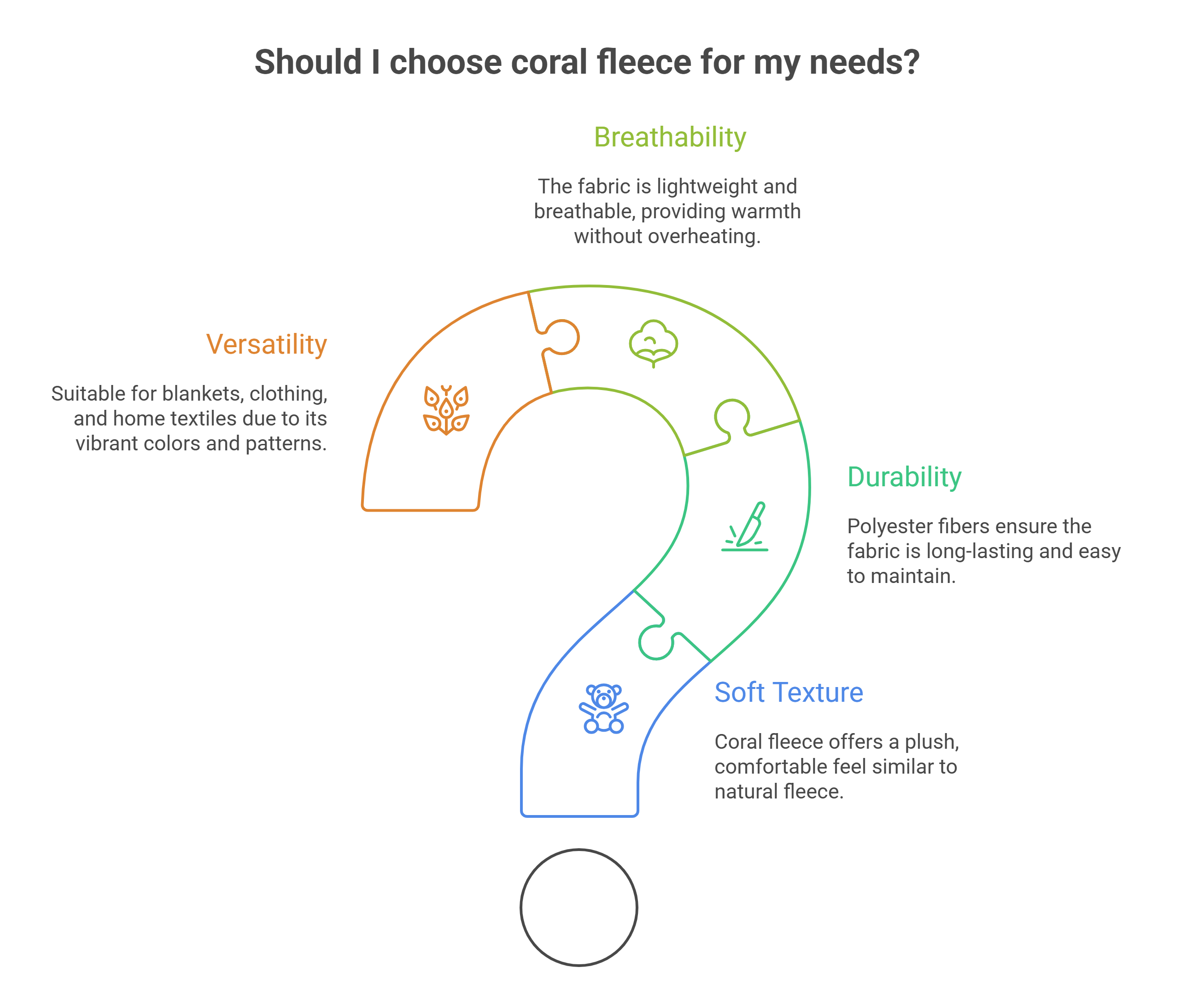
  • Ultra-Soft Texture: Comparable to velvet, coral fleece feels soothing on the skin.
  • Excellent Warmth-to-Weight Ratio: Despite being lightweight, it retains body heat effectively.
  • Breathability: Unlike some synthetic fabrics, coral fleece allows air circulation to prevent overheating.
  • Durability: Polyester’s resilience ensures long-term use without tearing or losing shape.
  • Quick-Drying: Its low water absorption makes it perfect for daily use and easy care.
  • Hypoallergenic: Ideal for sensitive skin as it resists dust mites and allergens.

These features explain why coral fleece dominates the fleece blankets wholesale industry, offering both luxury and practicality in one material.

5. Comparing Coral Fleece to Other Types of Fleece

While coral fleece belongs to the fleece family, it’s not the only type. Let’s see how it stacks up:

Type of FleeceTexture & FeelWarmthDurabilityCommon Uses
Polar FleeceSmooth, firmHighVery durableJackets, outdoor wear
MicrofleeceThin, silkyModerateLightweightActivewear, baby blankets
Coral FleeceThick, plushVery highStrong & softFleece blankets bulk, robes, throws
Sherpa FleeceWool-likeExcellentModerateLinings, coats, bedding

Among these, coral fleece stands out for its luxurious softness, making it the preferred choice for home comfort products and fleece blankets wholesale distributors.

6. Environmental Aspects and Sustainability

Because coral fleece is derived from polyester, it’s part of the synthetic fabric family — meaning it’s not biodegradable. However, modern textile producers are finding ways to make it more sustainable.

Some manufacturers now use recycled polyester (rPET) made from post-consumer plastic bottles, significantly reducing waste and energy consumption. The result is a high-quality coral fleece that feels identical to the traditional version but leaves a smaller environmental footprint.

For eco-conscious retailers or businesses ordering fleece blankets bulk, sourcing from suppliers using rPET or OEKO-TEX® certified fabrics can enhance brand reputation and appeal to environmentally aware customers.

7. Common Uses of Coral Fleece

The versatility of coral fleece makes it a popular material across several industries:

  • Home Textiles: Blankets, throws, cushion covers, and bedspreads.
  • Apparel: Pajamas, hoodies, robes, and children’s clothing.
  • Baby Products: Swaddles, comforters, and wearable blankets.
  • Pet Accessories: Beds, mats, and toys.
  • Corporate & Hospitality: Custom fleece blankets wholesale orders for hotels, spas, and promotional gifting.

Businesses looking for fleece blankets bulk often choose coral fleece due to its superior comfort and low maintenance — it’s machine washable, retains color well, and resists shrinking or matting even after repeated washes.

8. Caring for Coral Fleece

Proper care ensures longevity and preserves softness:

  • Wash in cold or lukewarm water with mild detergent.
  • Avoid bleach or fabric softeners, which can coat fibers and reduce fluffiness.
  • Tumble dry on low heat or air dry to maintain pile texture.
  • Avoid ironing or direct heat exposure.

Following these guidelines ensures that fleece blankets bulk orders maintain their luxurious look and feel long after purchase.

9. Why Retailers and Businesses Prefer Coral Fleece?

From a business standpoint, coral fleece provides excellent value-to-quality ratio. Its combination of affordability, long-lasting appeal, and customer satisfaction makes it a top choice for resellers and hospitality buyers.

  • High Customer Demand: Soft, cozy materials sell well year-round.
  • Customization Options: Easy to dye, print, or embroider.
  • Low Shipping Weight: Keeps bulk shipping costs manageable.
  • Durability: Reduces returns or complaints.

In essence, when businesses order fleece blankets wholesale, coral fleece guarantees consistent quality across large quantities — which directly translates into brand reliability and repeat purchases.

Final Thoughts

Coral fleece represents the perfect fusion of science, softness, and practicality. Made from ultra-fine polyester fibers, this fabric delivers exceptional warmth, breathability, and longevity — all while remaining lightweight and cost-effective. Its velvety surface, easy care, and vibrant color retention have made it the gold standard for fleece blankets bulk suppliers and individual consumers alike.

So, the next time you’re wrapped in a plush coral fleece blanket or sourcing fleece blankets wholesale for your store, you’ll know exactly what makes this material so special: a thoughtfully engineered textile designed to deliver comfort, value, and timeless coziness.

What Fabric Is Best for Tie Blankets?

16 Oct

Quick Answer: What Fabric Is Best for Tie Blankets?

When asking what fabric is best for tie blankets, the answer almost always comes down to fleece. Fleece is soft, warm, easy to cut, and doesn’t fray—making it the ideal choice for no-sew tie blankets.

It’s also affordable and available in a wide range of colors, prints, and thicknesses, allowing both beginners and crafters to create personalized designs with ease. Whether you’re making one for a gift, charity, or classroom project, fleece ensures comfort, durability, and simplicity every time.

Now let’s dive deeper.

The Comfort of Handmade Tie Blankets

There’s something timeless about a handmade blanket. Whether it’s for cozying up on a winter night, gifting a loved one, or supporting a charitable cause, tie blankets have become a favorite DIY project. But before you begin, one question stands out: what fabric is best for tie blankets?

Choosing the right material isn’t just about aesthetics—it’s about ensuring your blanket feels soft, lasts long, and is easy to make. The right fabric determines how your blanket will drape, how well the knots hold, and how it performs after multiple washes.

1. What Is a Tie Blanket?

A tie blanket is a no-sew project where two layers of fabric—typically fleece—are cut around the edges and tied together to create a fringed border. It’s a simple, relaxing craft that doesn’t require needles, threads, or sewing machines.

Each blanket involves:

  • Two equal-sized fabric layers (often patterned and solid)
  • Fringe cuts (usually 5–6 inches deep)
  • Knots along the edges to hold the layers together

The result is a thick, cozy blanket with a beautiful fringe that looks as if it was professionally made. But the key to success lies in choosing the right fabric.

2. Why the Fabric Choice Matters?

Fabric affects everything—texture, warmth, ease of cutting, and longevity. If the fabric frays easily or lacks stretch, tying it becomes a challenge. If it’s too thin, the blanket won’t feel plush. And if it’s too thick, knots might not hold properly.

That’s why picking the right material ensures:

  • Durability (so it doesn’t unravel)
  • Softness (for comfort and warmth)
  • Ease of handling (so you can cut and tie easily)
  • Low maintenance (machine washable and long-lasting)

3. Exploring Common Fabric Options

Let’s look at the most common fabrics people consider for tie blankets—and why fleece stands above them.

a. Cotton

Cotton is breathable and natural but not ideal for tie blankets. It frays easily, requires hemming, and doesn’t stretch enough for secure knots. Cotton is best for quilted or sewn blankets—not no-sew tie versions.

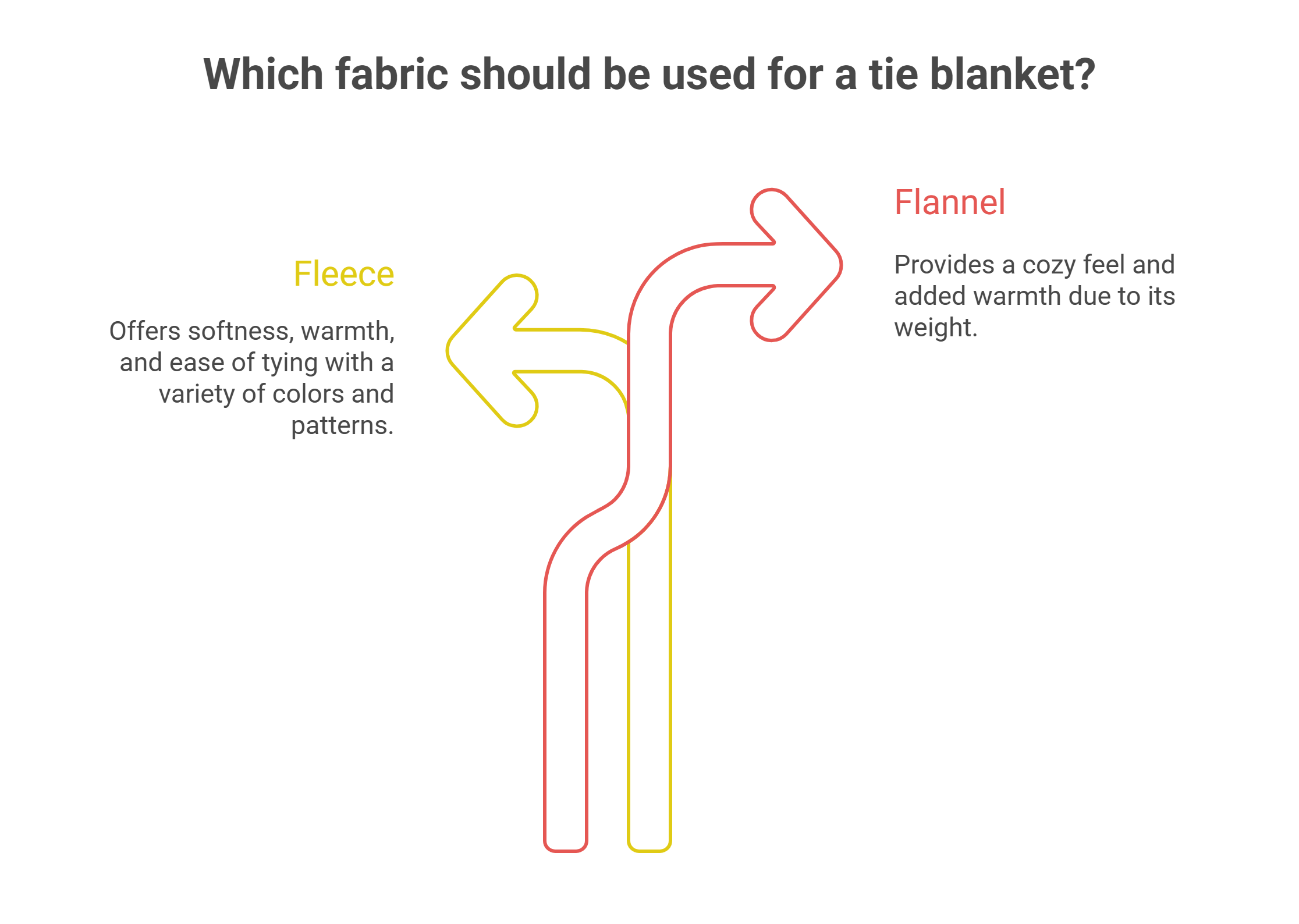
b. Flannel

Flannel is soft and warm but tends to shed and lose shape over time. It can work for tie blankets, but you’ll need to stitch or hem edges to prevent fraying. It’s better for those who don’t mind adding a sewing step.

c. Minky Fabric

Minky is ultra-soft and plush, but it’s slippery. Tying knots with two layers of minky can be difficult, and the blanket may not hold together well after washing.

d. Fleece (The Winner)

Fleece, especially polar fleece or anti-pill fleece, is perfect for tie blankets. It doesn’t fray, it stretches slightly for strong knots, and it retains warmth even after multiple washes. Plus, it’s lightweight yet insulating—ideal for both kids and adults.

4. Why Fleece Is the Best Fabric for Tie Blankets?

a. No Fraying

Unlike cotton or wool, fleece doesn’t unravel when cut. This makes it perfect for no-sew projects—just cut and tie.

b. Super Soft and Warm

Fleece mimics the feel of wool without the itch. It’s soft against the skin, holds heat, and stays comfortable even in colder temperatures.

c. Stretchy and Flexible

A small amount of stretch allows you to make tight, secure knots that don’t loosen over time.

d. Easy to Care For

Fleece is machine washable and dries quickly. It resists shrinking and fading, which means your blanket stays bright and fluffy for years.

e. Wide Variety of Designs

From solid colors to animal prints and holiday patterns, fleece offers endless design choices—perfect for personalized gifts or matching home decor.

5. Types of Fleece You Can Use

There are several kinds of fleece to consider, each with its own texture and purpose:

  • Polar Fleece: Soft, durable, and budget-friendly. Ideal for everyday blankets.
  • Anti-Pill Fleece: Specially treated to resist pilling, keeping blankets smooth even after many washes.
  • Blizzard Fleece: Thick and plush—great for extra warmth.
  • Microfleece: Thinner and lightweight; suitable for baby blankets or layering.

For most projects, anti-pill fleece is the best choice—it combines softness, resilience, and affordability.

6. How Much Fabric Do You Need?

The size of your tie blanket determines how much fabric to buy. Generally, you’ll need two equal cuts of fleece: one for the top layer and one for the bottom.

Here’s a quick reference:

  • Baby blanket: 1 to 1.5 yards each side
  • Child blanket: 1.5 to 2 yards each side
  • Adult blanket: 2 to 2.5 yards each side

If you’re making multiple blankets, consider ordering fleece blankets wholesale to save money and ensure consistency in fabric quality and color.

7. Step-by-Step: Making the Perfect Tie Blanket

  1. Lay Out the Fabric: Place both fleece pieces on top of each other, right sides facing out.
  2. Trim the Edges: Ensure both layers are even.
  3. Cut the Corners: Cut 5-inch squares from all four corners.
  4. Create the Fringe: Cut 5-inch long, 1-inch wide strips along all sides.
  5. Tie the Knots: Tie the top and bottom strips together tightly twice for each fringe.
  6. Fluff & Finish: Shake it out and enjoy your cozy handmade creation!

This no-sew method makes it a fun activity for kids, classrooms, and family projects.

8. Where to Buy Fleece for Tie Blankets?

You can find fleece in most fabric stores, but for large projects or group orders, buying fleece blankets bulk or fleece blankets wholesale is more cost-effective.

Wholesale suppliers often provide:

  • Better prices per yard or per blanket
  • Consistent quality and texture
  • Large selections of colors and patterns
  • Options for custom sizing or branding (great for charities or schools)

When buying in bulk, always check for:

  • Fabric thickness (medium-weight is ideal)
  • Anti-pill treatment
  • Consistent dye quality

9. Tips for Long-Lasting Tie Blankets

  • Wash with care: Use cold water and avoid fabric softeners to preserve softness.
  • Dry gently: Air dry or tumble dry on low heat.
  • Store properly: Keep in a cool, dry place to prevent pilling.
  • Trim if needed: If knots loosen over time, re-tie or tighten them for longevity.

Final Thoughts

When it comes to what fabric is best for tie blankets, fleece stands out as the clear winner. It’s durable, affordable, easy to work with, and provides unmatched comfort.

For those planning to make multiple blankets—whether for gifts, fundraisers, or retail—purchasing fleece blankets wholesale ensures uniform quality and excellent savings. And if you want ready-to-use materials or easy customization, buying fleece blankets bulk is the simplest and most efficient option.

In the end, tie blankets are more than just crafts—they’re symbols of warmth, love, and creativity. And with fleece, you get all three in one perfect fabric.