Tag Archives: fleece blankets bulk

What Fabric for Tie Blankets?

16 Oct

Quick Answer: What Fabric for Tie Blankets?

When deciding what fabric for tie blankets, the best choice is fleece. It’s soft, warm, easy to work with, and doesn’t fray when cut—making it perfect for crafting no-sew tie blankets. Fleece comes in two main types: anti-pill and blizzard fleece.

Both are cozy, durable, and available in endless patterns and colors. Whether you’re creating blankets for gifts, donations, or resale, fleece offers excellent value and versatility. If you’re planning larger projects, consider buying fleece blankets wholesale or fleece blankets bulk for consistent quality and cost savings.

Now let’s dive deeper.
Why Fabric Choice Matters for Tie Blankets?

Tie blankets have become one of the most popular DIY projects, blending simplicity with comfort. They’re an easy, no-sew way to make a cozy, personalized blanket that can serve as a heartfelt gift, a home décor item, or even a fundraiser craft. However, the secret to a perfect tie blanket lies in the fabric you choose.

Choosing the wrong material can result in frayed edges, uneven knots, or a blanket that doesn’t hold up over time. On the other hand, the right fabric ensures softness, warmth, and durability—key features for any blanket meant to comfort and last.

1. Understanding the Basics: What Is a Tie Blanket?

A tie blanket is a double-layered fabric blanket made without sewing. Instead of stitching, the edges of two pieces of fabric are cut into strips and tied together to create a knotted fringe border. This gives the blanket a charming, handcrafted look.

Because no sewing is required, these blankets are ideal for people of all ages—including beginners, kids, and crafters. They’re perfect for holiday gifts, baby showers, or even team fundraisers.

However, the project’s success heavily depends on one thing—the fabric’s texture, flexibility, and edge behavior when cut.

2. The Ideal Fabric: Fleece and Its Benefits

When people ask “what fabric for tie blankets,” the universal answer among crafters and manufacturers alike is fleece.

Why Fleece Works Best?

Fleece is a synthetic fabric made from polyester fibers. It’s known for being:

  • Soft and plush: Provides a comforting texture ideal for snuggling.
  • Warm yet lightweight: Retains body heat without feeling heavy.
  • No fraying edges: Fleece doesn’t unravel when cut, making it perfect for no-sew projects.
  • Stretch-resistant: Holds its shape even after multiple washes.
  • Easy to clean: Machine washable and fast drying.

These qualities make fleece not only practical but also cost-effective—especially when purchased in larger quantities.

3. Different Types of Fleece for Tie Blankets

Not all fleece is the same. Choosing the right type ensures your blanket feels luxurious and lasts for years.

a. Anti-Pill Fleece

Anti-pill fleece is treated to resist pilling—the small fabric balls that form after repeated use or washing. It maintains a smooth surface, keeping your blanket looking newer for longer. This type is slightly more expensive but ideal for gifts or long-term use.

b. Blizzard Fleece

Blizzard fleece is thicker and heavier, offering maximum warmth. It’s great for winter blankets or outdoor use. It has a slightly firmer feel, which makes the ties strong and durable.

c. Micro Fleece

Microfleece is thinner and lighter, perfect for baby blankets or lightweight comforters. While not as warm as blizzard fleece, it’s soft, breathable, and great for layering.

d. Coral Fleece (Luxury Option)

This ultra-soft version feels like velvet or plush. It’s often used for high-end throws and luxury tie blankets. However, it’s more delicate to cut and tie, so it requires extra care.

4. Alternative Fabrics: What to Avoid and Why?

While fleece reigns supreme, some crafters experiment with other fabrics. Here’s why most alternatives fall short:

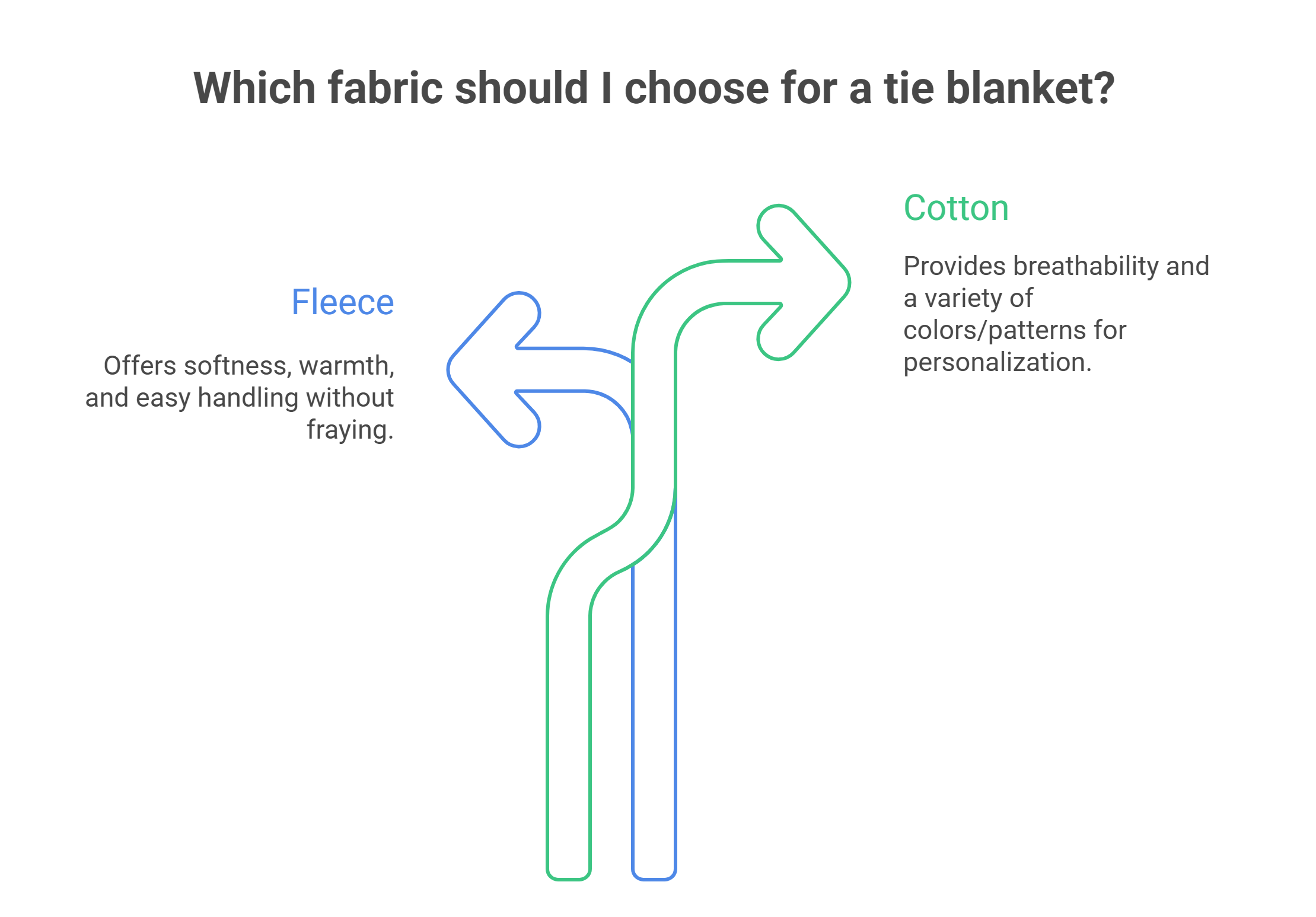
  • Cotton: Frays easily, requiring stitching.
  • Flannel: Though soft, it tends to fray and doesn’t have enough stretch for sturdy knots.
  • Wool: Too heavy and itchy for most users.
  • Minky or Sherpa: Feels luxurious but sheds fibers when cut and is hard to tie.

For durability, cost-efficiency, and ease, fleece remains the top choice for tie blankets.

5. How to Choose the Right Fleece Fabric?

When shopping for fleece, consider these key points:

a. Fabric Weight

Measured in GSM (grams per square meter), fleece comes in different thicknesses. For tie blankets, aim for medium to heavy weights—between 200–300 GSM—for the best warmth and tie stability.

b. Stretch and Drape

Choose fleece that has minimal stretch. Overly stretchy fabrics make it hard to cut even strips and tie consistent knots.

c. Patterns and Colors

Fleece comes in endless designs—from solid colors to fun prints like sports themes, cartoons, or seasonal motifs. You can pair a patterned fleece with a solid color to create contrast and personality.

d. Size and Cutting Room

Buy fabric that’s at least 2 yards long for each layer of the blanket. Remember, you’ll lose some fabric around the edges when cutting fringe for ties.

6. Step-by-Step: Making a Perfect Fleece Tie Blanket

Here’s a simple overview to help you get started:

  1. Choose two fleece fabrics: One patterned and one solid often look great together.
  2. Lay them flat: Smooth out wrinkles and align edges.
  3. Trim the edges: Remove rough or uneven sides.
  4. Cut out corners: Usually 4-inch squares from each corner.
  5. Cut strips: About 1-inch wide and 4 inches long around all sides.
  6. Tie knots: Securely tie each pair of top and bottom strips together in double knots.

And just like that, you’ve created a cozy, no-sew fleece blanket!

7. The Cost Advantage of Buying in Bulk

If you’re making tie blankets for schools, charities, or businesses, buying fleece blankets wholesale is the most efficient choice.

Wholesale suppliers offer fabric at reduced rates per yard, allowing you to save significantly compared to retail prices. This is especially useful for:

  • Nonprofits and donation drives
  • School projects or craft clubs
  • Small businesses reselling handmade blankets

Bulk orders often come with consistent fabric quality and color options that are hard to find in small fabric stores.

8. Why Fleece Blankets Are a Long-Term Investment?

Fleece isn’t just convenient for crafting; it’s also a reliable product for both personal and commercial use. Fleece blankets are durable, easy to wash, and retain their softness for years.

This makes them ideal for giveaways, fundraisers, or branded merchandise. Many small businesses buy fleece blankets bulk to customize with embroidery or printed logos for marketing campaigns.

Whether you’re crafting at home or scaling up production, fleece remains one of the most cost-effective materials for comfort and warmth.

9. Caring for Fleece Tie Blankets

To ensure your handmade blanket stays soft and vibrant:

  • Wash in cold water to preserve fibers and prevent shrinking.
  • Avoid fabric softeners as they can reduce softness over time.
  • Tumble dry on low heat or air dry for longevity.
  • Do not iron—the heat can melt the synthetic fibers.

These simple care steps can extend the life and beauty of your fleece blanket for years.

Final Thoughts

When it comes to what fabric for tie blankets, fleece stands out as the ultimate choice—combining warmth, durability, and ease of use. Whether you’re crafting for fun, profit, or charity, it delivers consistent results with minimal effort.

From anti-pill to blizzard fleece, there’s an option for every style and season. And if you’re making multiple blankets, buying fleece blankets wholesale or fleece blankets bulk ensures better value and uniform quality for all your projects.

In the end, a fleece tie blanket isn’t just a piece of fabric—it’s a symbol of warmth, creativity, and care.
Where to Get Fabric for Tie Blankets?

16 Oct

Quick Answer: Where to Get Fabric for Tie Blankets?

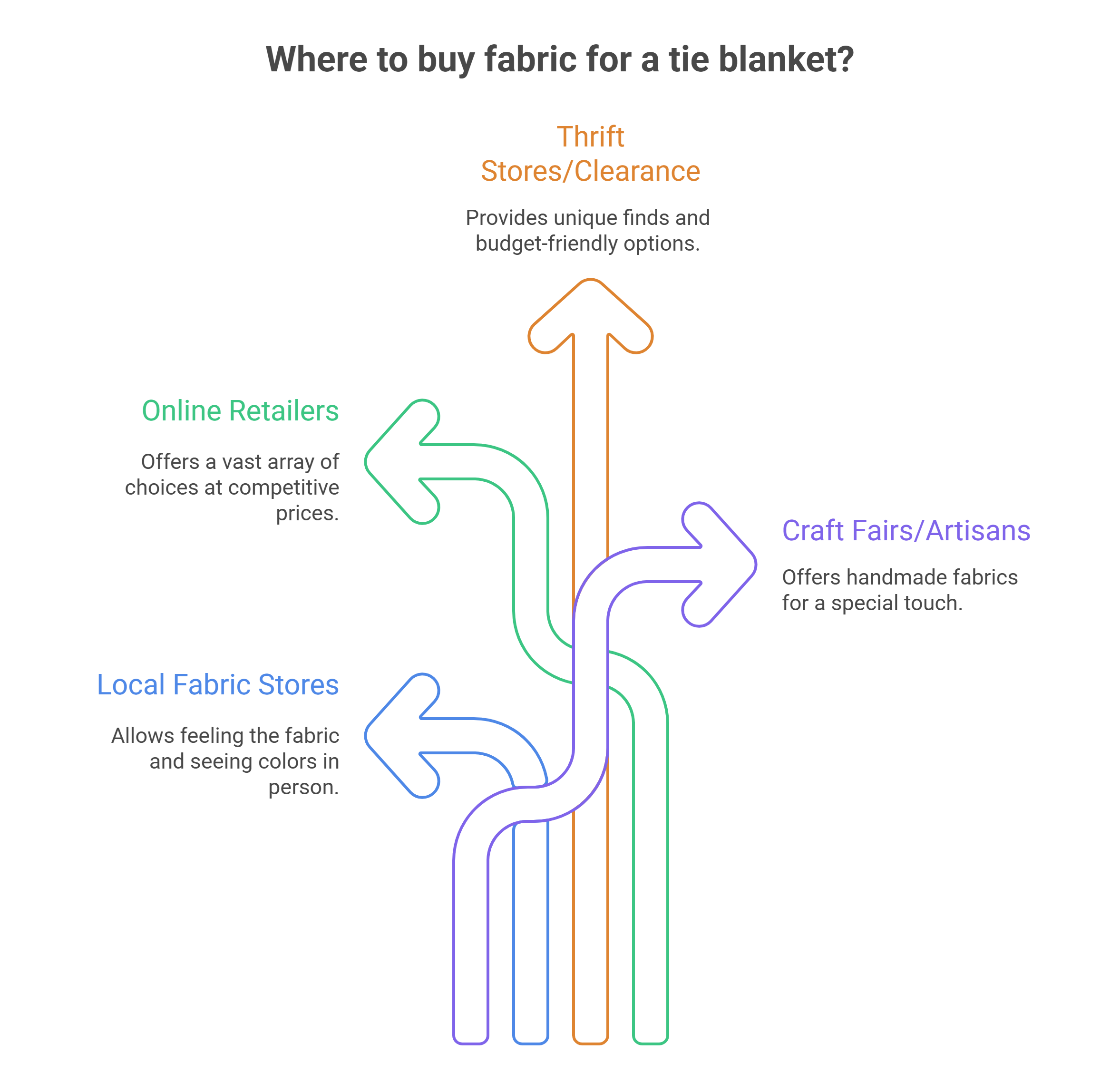
If you’re wondering where to get fabric for tie blankets, the best options include local fabric stores, major craft chains like Joann or Hobby Lobby, and trusted online suppliers that offer premium fleece. Tie blankets are best made from soft, no-pill fleece, available in countless colors and patterns.

For large projects or business needs, consider ordering fleece blankets wholesale or fleece blankets bulk, which ensures consistent quality at lower prices. Whether you’re crafting for comfort or charity, choosing the right fleece fabric makes all the difference.

Now let’s dive deeper.

The Cozy Art of Tie Blankets

Tie blankets are one of the simplest yet most satisfying DIY projects you can create. They’re cozy, colorful, and require no sewing — just creativity, scissors, and good-quality fabric. Whether you’re making a personal throw, a family gift, or blankets for a community drive, the question always begins with one key decision: Where should you get the fabric for tie blankets?

The right material doesn’t just influence the blanket’s appearance — it determines how soft, durable, and warm it feels. And because tie blankets are all about comfort, your choice of fabric is crucial. This guide explores the best places to buy fleece, tips for selecting the right type, and how bulk or wholesale purchases can save both time and money.

1. Understanding What Makes the Best Fabric for Tie Blankets

Before jumping into where to buy, let’s first understand what kind of fabric works best for tie blankets.

Fleece: The Top Choice

Fleece is the most popular fabric for tie blankets — and for good reason. It’s soft, lightweight, and warm, with no fraying edges that require sewing. Plus, fleece comes in hundreds of patterns, from solids to prints featuring everything from cartoon characters to seasonal themes.

Types of Fleece to Look For

  • Anti-pill fleece: Maintains its texture even after multiple washes.
  • Blizzard fleece: Soft, thick, and perfect for winter blankets.
  • Microfleece: Lightweight and silky, ideal for baby blankets.
  • Plush fleece: Offers an ultra-soft feel similar to high-end blankets.

Each type has its own charm, but anti-pill and blizzard fleece are often preferred for tie blankets because they hold knots well and resist wear.

2. Local Fabric Stores: The Hands-On Experienc

If you like to feel and compare fabrics before buying, local fabric stores are a great starting point. Retailers such as Joann Fabrics, Hobby Lobby, or Michaels often carry a wide range of fleece options, especially during the fall and winter seasons.

Advantages:

  • You can touch and test the softness of different fleece types.
  • Easy to match colors and patterns on the spot.
  • Staff can help you calculate how much yardage you’ll need.

Pro Tip:

Most tie blankets require 2 to 3 yards of fleece per side, depending on the size. Many stores offer seasonal discounts or “buy one, get one” deals, so shopping during sales can make a big difference in cost.

3. Online Fabric Retailers: Convenience Meets Variety

If you prefer convenience or want access to unique prints, online shopping is the way to go. Several reliable websites offer fleece fabrics by the yard and deliver directly to your door.

Popular Options:

  • Fabric.com: Known for high-quality fleece with a wide range of colors.
  • Joann.com: Same trusted name, but often with deeper online discounts.
  • Etsy: Great for custom or limited-edition patterns from small sellers.
  • Amazon: Ideal for quick delivery and comparing multiple brands.

What to Check Before Ordering:

  • Read customer reviews about fabric thickness and softness.
  • Verify return policies in case the fabric doesn’t meet your expectations.
  • Always check the width (typically 58–60 inches) to ensure you’re buying enough for your project.

4. Wholesale Suppliers: For Big Projects and Savings

If you’re planning to make tie blankets for fundraising events, charities, or retail, you can significantly cut costs by purchasing fabric in bulk or as pre-made fleece panels.

Why Go Wholesale:

  • Lower prices per yard.
  • Consistent quality across multiple blankets.
  • Large quantities of the same pattern or color.

Many suppliers specialize in fleece blankets wholesale orders, giving you professional-grade materials perfect for mass production or gifting projects.

You can find these through:

  • Wholesale fabric suppliers like Fabric Wholesale Direct or Mood Fabrics.
  • Manufacturer outlets that offer fleece remnants or rolls at discounted rates.
  • Custom branding options if you plan to resell or donate blankets with logos or designs.

5. Craft Fairs and Local Markets: Hidden Treasures

Don’t overlook small vendors and community markets. Independent sellers often have unique fleece prints you won’t find at big chains. Some even offer discounted remnants perfect for smaller tie blankets or layered designs.

Benefits:

  • Support local artisans and small businesses.
  • Access to handpicked or rare fabric styles.
  • Potential for price negotiation or bundle deals.

6. Repurposing Fleece Items: A Sustainable Option

For eco-conscious crafters, repurposing existing fleece items is an excellent way to save money and reduce waste. Old fleece throws, robes, or even large scarves can be cut and reused to make tie blankets.

Tips:

  • Wash and inspect used fleece for damage or pilling.
  • Combine solid and patterned pieces for a patchwork look.
  • Make smaller lap blankets, baby wraps, or pet mats from leftover pieces.

This approach not only saves money but also gives your tie blankets a unique, personal touch.

7. How to Choose the Right Fleece for Tie Blankets?

When evaluating fleece options, consider the following factors:

a. Weight and Thickness

Thicker fleece provides more warmth but may be harder to knot for beginners. Medium-weight fleece strikes a good balance between softness and ease of tying.

b. Pattern and Color

If making double-sided blankets, pick complementary colors or prints. For example, a solid navy paired with a plaid pattern looks timeless and cozy.

c. Stretch and Quality

Gently tug the fabric before buying. High-quality fleece stretches slightly but doesn’t lose its shape.

d. Care Instructions

Always choose fleece that’s machine washable. The best fabrics hold their color and softness even after multiple washes.

8. Planning Your Tie Blanket Project

Before cutting or tying, take a moment to plan your blanket design:

  1. Choose Two Fabrics: One patterned and one solid usually create the best contrast.
  2. Lay and Trim: Layer the two fabrics and cut them to equal size.
  3. Cut Fringe Edges: Around 5–7 inches deep and 1 inch wide.
  4. Tie the Knots: Double-knot for security.

With practice, you can complete a tie blanket in under two hours, making it a great weekend project or group activity.

9. Bulk and Wholesale Options for Bigger Projects

When your tie blanket production scales up — say for schools, non-profits, or retail — buying fleece blankets wholesale or ordering fleece blankets bulk becomes the most cost-effective strategy.

Not only do these options offer per-unit discounts, but many suppliers also allow you to customize colors, dimensions, and even branding tags. This is perfect for businesses that use blankets for marketing giveaways, charity drives, or resale.

By purchasing fleece blankets bulk, you can ensure consistent quality while saving significantly on material costs. It’s the perfect balance between affordability and quality for large-scale tie blanket projects.

Final Thoughts

Finding the best place to get fabric for tie blankets doesn’t have to be complicated — it’s about balancing quality, comfort, and budget. From local fabric stores to online retailers and wholesale suppliers, there are countless ways to source beautiful, soft fleece for your next project.

Whether you’re crafting one cozy blanket for yourself or hundreds for donation, remember that choosing the right fleece is the foundation of every great tie blanket. And for large-scale needs, opting for fleece blankets wholesale or fleece blankets bulk is the smartest way to ensure warmth, value, and consistency — one knot at a time.

What Is Sherpa Blanket Made Of?

9 Oct

Quick Answer: What Is Sherpa Blanket Made Of?

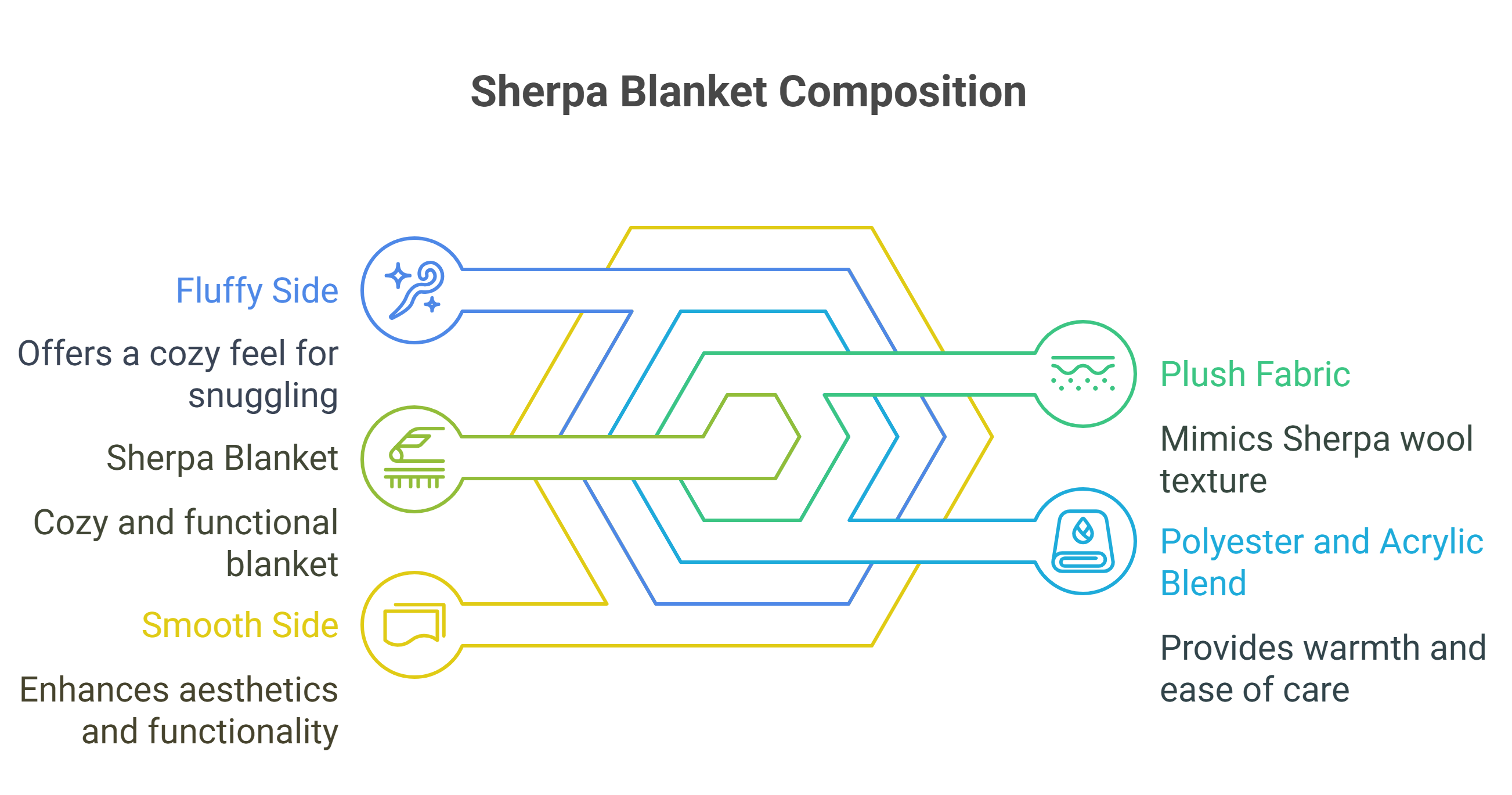
A Sherpa blanket is made of two soft layers — a smooth microfiber fleece on one side and a plush, wool-like Sherpa lining on the other. This combination creates a blanket that’s incredibly cozy, lightweight, and warm.

The fleece gives it durability and easy maintenance, while the Sherpa side mimics real wool for comfort and insulation. Whether you’re looking for personal use or planning to buy fleece blankets bulk, Sherpa blankets are a top choice for warmth, softness, and long-lasting performance.

Now let’s dive deeper.

The Cozy Secret Behind Sherpa Blankets

Few things feel as comforting as wrapping yourself in a soft, fluffy blanket on a cold evening. Among all the options available, Sherpa blankets stand out for their luxurious texture and warmth. But have you ever wondered what exactly a Sherpa blanket is made of and why it feels so irresistibly soft?

The short answer is: it’s all about the blend of materials and smart fabric engineering. The typical Sherpa blanket combines synthetic fleece with a wool-like lining that mimics natural Sherpa wool — hence the name. This dual-layer design makes it a favorite for cold climates, cozy interiors, and even wholesale buyers who seek fleece blankets bulk for hotels, giveaways, or home décor stores.

1. What Exactly Is a Sherpa Blanket?

A Sherpa blanket is a two-layer blanket designed to deliver maximum warmth and comfort with minimal weight. One side usually features smooth fleece, while the reverse side is covered with Sherpa fabric — a fluffy, wool-like texture named after the Sherpa people of Nepal, who are known for their traditional wool garments suited for harsh mountain weather.

Despite the name, today’s Sherpa blankets are typically vegan and synthetic, crafted from polyester fibers that replicate the look and feel of real wool. The result is a blanket that’s soft, lightweight, hypoallergenic, and easier to maintain than natural wool alternatives.

2. The Two Key Materials in a Sherpa Blanket

Sherpa blankets owe their warmth and softness to two specific fabrics:

a. Microfiber Fleece

This layer is made of finely woven polyester fibers, producing a smooth, velvety surface. It’s known for:

  • Softness: Feels gentle on the skin.
  • Durability: Resistant to pilling and fading.
  • Quick-Drying: Dries faster than cotton or wool.
  • Lightweight Warmth: Retains heat without bulk.

Fleece acts as the outer layer, giving the blanket a sleek and uniform appearance. It also helps trap body heat efficiently, making it a great insulator.

b. Sherpa Lining

The inner Sherpa side is crafted to mimic the texture of sheep’s wool. It’s fluffy, cloud-like, and perfect for snuggling. This layer:

  • Adds plushness and extra warmth.
  • Feels breathable, keeping you warm without overheating.
  • Adds that signature cozy touch that Sherpa blankets are known for.

The combination of these two layers makes the blanket ideal for winter use, movie nights, or gifting during the holiday season. And for wholesale buyers, the material consistency makes it a reliable choice when sourcing fleece blankets bulk for resale or branding.

3. Why Sherpa Blankets Are So Popular?

The Sherpa blanket has evolved from a cozy household item to a trendy lifestyle accessory. Here’s why it’s gained such popularity:

a. Unmatched Comfort

The softness of fleece paired with the fluffiness of Sherpa makes it perfect for lounging, traveling, or simply relaxing.

b. Warmth Without Weight

Unlike heavy wool blankets, Sherpa blankets trap heat effectively without feeling suffocating.

c. Easy to Clean

They’re machine washable and maintain their softness even after multiple washes.

d. Stylish and Versatile

Available in various colors, patterns, and trims, they complement modern home décor and make thoughtful gifts.

e. Affordable Luxury

Buying fleece blankets bulk allows businesses, hotels, or event organizers to offer comfort and warmth at a reasonable price point without compromising quality.

4. How Sherpa Blankets Are Made?

The process of creating a Sherpa blanket involves modern textile engineering to ensure durability and comfort.

  1. Weaving the Fleece:
    The outer layer is created from tightly woven polyester fibers to form a smooth, uniform texture.
  2. Texturizing the Sherpa Side:
    The inner layer undergoes a special brushing and looping process to give it that fluffy, wool-like texture.
  3. Lamination or Stitching:
    Both layers are bonded together—sometimes stitched, sometimes laminated—to maintain the perfect balance between structure and softness.
  4. Finishing Touches:
    The blanket edges are hemmed or lined with decorative borders for a premium finish.

The result? A durable, soft, and temperature-regulating blanket that feels just as cozy after 20 washes as it did on day one.

5. Comparing Sherpa Blankets to Other Materials

It’s easy to confuse Sherpa with other types of fleece blankets, but they each have distinct qualities:

Blanket TypeTextureWarmthMaintenanceIdeal Use
Regular Fleece BlanketSmooth and thinModerateEasyEveryday use, travel
Sherpa BlanketDual-sided: soft + fluffyHighEasyCold climates, décor
Wool BlanketCoarse and heavyVery highRequires careOutdoor, rustic homes
Cotton BlanketLight and breathableLowEasySummer or mild weather

If you’re sourcing fleece blankets bulk, Sherpa versions offer the best of both worlds—luxurious appeal and practical performance.

6. Benefits Beyond Warmth

Sherpa blankets aren’t just for keeping warm. Their material structure offers several added benefits:

  • Hypoallergenic: The synthetic fibers resist dust mites and allergens.
  • Eco-Friendly Options: Many modern Sherpa fabrics are made from recycled polyester.
  • Color Retention: The dye adheres strongly to polyester, ensuring the blanket keeps its vibrant look for years.
  • Moisture-Wicking: Unlike cotton, polyester doesn’t absorb moisture; it repels it, keeping you dry and cozy.

These qualities make Sherpa blankets a favorite among individuals and businesses alike, especially when ordering fleece blankets bulk for retail, branding, or hospitality.

7. How to Care for a Sherpa Blanket?

Caring for Sherpa blankets is simple, but following the right washing routine will preserve their softness and shape:

  • Machine Wash Cold: Use gentle detergent and cold water.
  • Avoid Fabric Softeners: They can coat fibers and reduce fluffiness.
  • Tumble Dry on Low: Air dry if possible to prevent matting.
  • Do Not Iron: The heat can damage the synthetic fibers.

Proper care ensures that both the fleece and Sherpa sides remain plush and inviting for years to come.

8. Where You’ll Commonly Find Sherpa Blankets?

Sherpa blankets have become a staple in many industries due to their luxurious feel and affordability:

  • Hotels & Resorts: For premium guest comfort.
  • Corporate Gifting: Branded Sherpa blankets make high-value promotional items.
  • Retail Stores: As part of seasonal or winter product lines.
  • Event Giveaways: Bulk orders for charity drives or holiday campaigns.
  • Home Décor: Throws for couches, beds, or reading nooks.

Because they can be easily customized and ordered as fleece blankets bulk, they offer both emotional appeal and business practicality.

9. Environmental Impact and Modern Alternatives

While Sherpa blankets are primarily made from polyester, manufacturers are now adopting eco-friendly production methods, including:

  • Using recycled plastic bottles to create polyester fibers.
  • Minimizing water usage during dyeing.
  • Developing biodegradable alternatives to traditional synthetics.

These innovations ensure that the comfort of a Sherpa blanket doesn’t come at the cost of the planet.

10. What This Means for You?

Knowing what Sherpa blankets are made of helps you make smarter buying decisions. Whether you’re shopping for personal comfort or sourcing fleece blankets bulk for your business, understanding the materials ensures you get long-lasting, value-driven quality.

A Sherpa blanket combines warmth, durability, and luxury in one neat package — making it a favorite for modern consumers and industries alike.

Final Thoughts

So, what is a Sherpa blanket made of? It’s the perfect marriage of microfiber fleece and plush Sherpa fabric, designed for the ultimate cozy experience. The synthetic fibers make it soft, light, and easy to maintain, while the Sherpa lining gives it a luxurious touch.

Next time you’re curled up in one or planning a large order of fleece blankets bulk, you’ll know that behind that soft texture lies smart material science — and a whole lot of comfort engineered to last.

How to Dry Fleece?

8 Oct

Quick Answer: How to Dry Fleece?

Knowing how to dry fleece properly is key to maintaining its softness, shape, and durability. Fleece is a delicate yet durable fabric, but improper drying—like using high heat or wringing—can cause pilling, shrinking, or loss of texture.

Always air-dry or tumble dry on a low-heat setting to preserve the fibers. If you’ve bought fleece blankets bulk for home, business, or resale, handling them correctly ensures they stay plush, vibrant, and long-lasting. Follow the right care steps to keep every fleece item feeling brand new after every wash.

Now let’s dive deeper.

Why Drying Fleece Correctly Matters?

Fleece is one of the most loved fabrics for a reason—it’s warm, lightweight, and irresistibly soft. Whether it’s your favorite hoodie, a cozy throw, or a shipment of fleece blankets bulk for your business, the care method can make or break its quality. The real secret to long-lasting fleece isn’t just washing it right—it’s drying it correctly.

Many people make the mistake of tossing fleece into a hot dryer or leaving it under direct sunlight, only to find it rough, matted, or shapeless afterward. This guide breaks down, step-by-step, how to dry fleece safely while maintaining that buttery softness we all love.

1. Understanding the Nature of Fleece

Before diving into the drying process, it helps to understand what fleece actually is. Fleece is typically made from synthetic polyester fibers, though some blends include natural materials like cotton or wool. The fibers are brushed to create that signature fluffy texture, which traps heat and gives fleece its insulating properties.

However, those same fibers are sensitive to heat and friction. High temperatures can melt or flatten them, and aggressive drying can cause pilling or shrinkage. This is why fleece requires extra care—especially when handling fleece blankets bulk, where consistency across multiple items matters.

2. Preparing Fleece Before Drying

Proper drying starts before you even begin. Follow these key steps after washing:

  • Gently Shake It Out: Remove excess water by lightly shaking the fleece. Don’t wring it—this damages fibers and causes distortion.
  • Use a Gentle Spin Cycle: If you’re machine washing, select a slow spin to remove water without twisting or stretching.
  • Separate by Fabric Type: Avoid drying fleece with rough fabrics like denim or towels, as they can cause lint transfer and abrasion.

This simple preparation ensures your fleece is in the best shape before the drying process begins.

3. Air Drying: The Best and Safest Method

If you truly want to preserve the softness and structure of your fleece, air drying is your best option.

How to Air Dry Fleece?

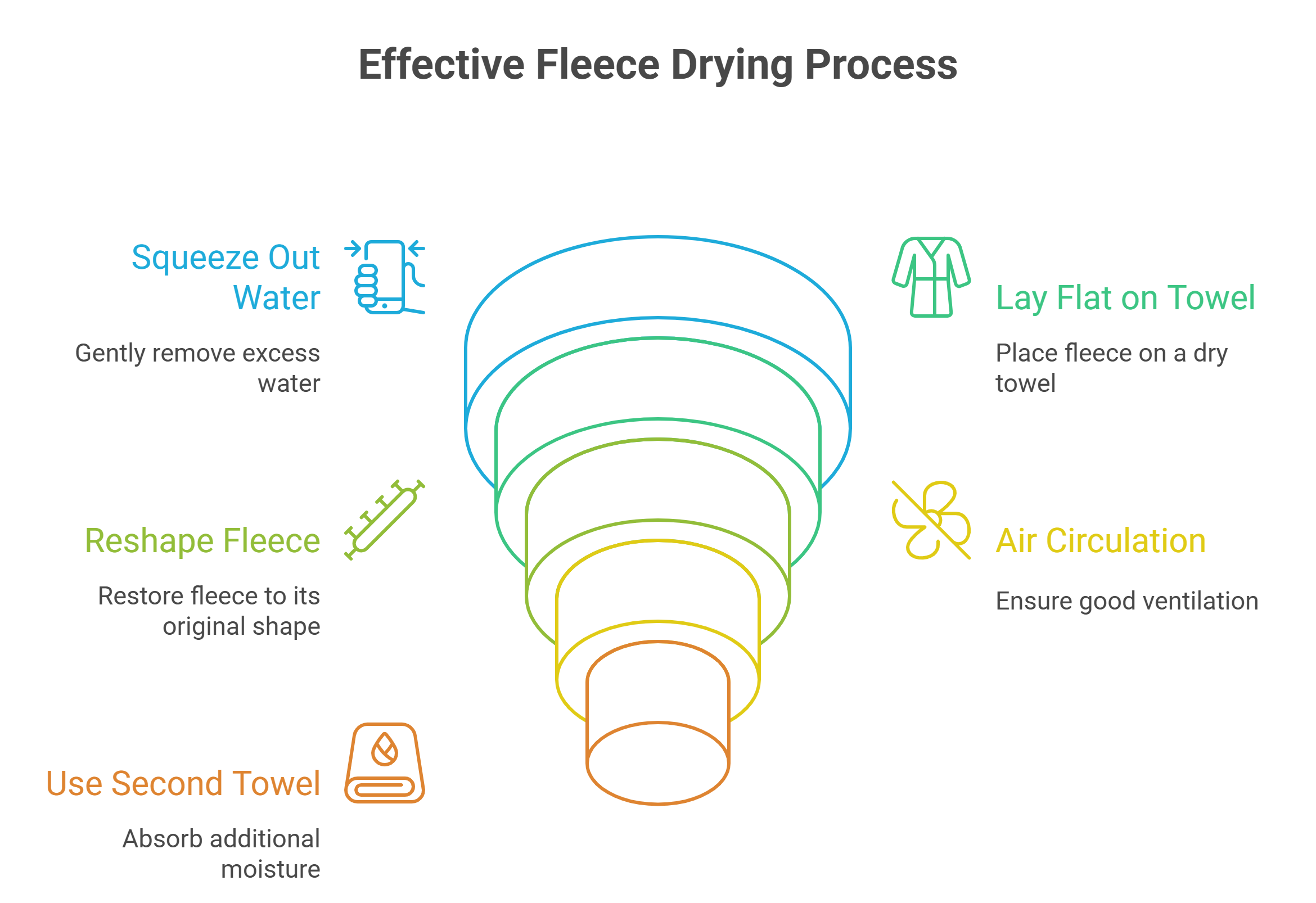
  1. Lay Flat: Place the fleece on a clean, dry towel. Reshape it to its original form while it’s still damp.
  2. Avoid Hanging: Hanging fleece can stretch it out, especially if it’s heavy when wet.
  3. Dry Indoors or in Shade: Keep it out of direct sunlight, which can fade colors or weaken fibers.
  4. Flip Occasionally: Turn it every few hours to ensure even drying.

Air drying is slower than machine drying but gentler, ensuring your fleece stays plush and fluffy for a long time.

For businesses dealing with fleece blankets bulk, air drying in a temperature-controlled environment can ensure uniform softness across all units.

4. Machine Drying Fleece: When You’re Short on Time

Sometimes air drying isn’t practical especially if you’re managing dozens of fleece blankets bulk for a hotel, store, or promotional event. In that case, machine drying can still be safe if you follow these precautions.

Safe Tumble-Drying Steps:

  • Select Low Heat: Use the lowest heat setting possible or the “delicate” cycle.
  • Add Dryer Balls: Wool or rubber dryer balls help reduce static and keep the fleece fluffy.
  • Avoid Dryer Sheets: These can leave a waxy coating that affects softness and breathability.
  • Don’t Overdry: Remove the fleece while it’s still slightly damp to prevent overheating.

Once removed, lay it flat for a few minutes to allow residual moisture to evaporate naturally. This combination of gentle heat and air finish keeps fleece looking and feeling brand new.

5. Common Mistakes to Avoid

Even a small misstep can ruin your favorite fleece blanket or jacket. Here’s what not to do:

High Heat Drying

Excess heat melts the polyester fibers, causing stiffness or a “crusty” texture. Once damaged, the softness rarely returns.

Wringing Out Water

Twisting fleece to remove water may stretch it permanently and break the fibers.

Ironing Fleece

Never iron fleece. The heat can cause burns, shiny marks, or even melt patches.

Using Harsh Detergents

Avoid bleach or fabric softeners; they weaken fibers and attract lint.

Avoiding these mistakes ensures your fleece remains a staple comfort piece season after season.

6. How to Keep Fleece Soft After Drying?

Drying fleece correctly is only half the job—keeping it soft afterward requires consistent care.

Tips to Maintain Softness:

  • Use Mild Detergents: Choose a detergent designed for delicate or synthetic fabrics.
  • Brush Occasionally: Use a soft fabric brush to lift flattened fibers after drying.
  • Store Properly: Keep fleece folded in a cool, dry place instead of crammed in drawers or baskets.
  • Skip the Fabric Softener: These leave residues that reduce breathability and softness over time.

If you’re managing fleece blankets bulk, consider periodic maintenance—like light brushing and folding—to maintain that fresh-from-the-factory feel.

7. Commercial Tip: Drying Fleece Blankets in Bulk

For businesses handling fleece blankets bulk, drying is both a quality and efficiency challenge. Whether you’re a retailer, wholesaler, or hotel operator, uniform texture and cleanliness matter.

Here’s how to manage large batches effectively:

  • Use Industrial Dryers with Temperature Control: Set at low heat (below 50°C / 122°F).
  • Segment Loads by Weight and Size: Smaller batches dry more evenly and prevent overloading.
  • Implement Quality Checks: After drying, inspect each fleece blanket for softness, lint, and shape retention.
  • Rotate Inventory: Store dried fleece blankets in breathable bags to prevent mustiness and static build-up.

When cared for properly, fleece retains its appeal for long-term storage or resale—an important factor for businesses relying on customer satisfaction and repeat purchases.

8. Dealing with Static Electricity

Static is a common nuisance when drying fleece, especially in dry or cold climates. While fabric softeners can help, they often coat the fibers, reducing breathability. Instead, try these static-safe methods:

  • Add a damp washcloth to the dryer load—it increases humidity, reducing static.
  • Use dryer balls or anti-static dryer sheets specifically designed for synthetics.
  • If air drying, place a small humidifier nearby to balance moisture in the air.

These solutions keep your fleece comfortable without harming its structure.

9. Eco-Friendly Drying Options

If sustainability is part of your lifestyle or business model, consider eco-conscious fleece care. Air drying remains the greenest option, consuming no electricity and extending the fabric’s lifespan. You can also:

  • Use solar shade drying: Dry fleece under shade outdoors to utilize natural air circulation.
  • Upgrade to energy-efficient dryers: Modern dryers with eco settings consume up to 40% less power.
  • Avoid single-use dryer sheets: Opt for reusable wool balls or eco strips.

If you’re purchasing fleece blankets bulk for resale or brand merchandise, promoting “eco-friendly care instructions” can appeal to environmentally conscious customers.

Final Thoughts

Knowing how to dry fleece is an art that pays off in comfort, longevity, and quality. Whether you own one cozy throw or handle hundreds of fleece blankets bulk, gentle drying practices preserve the softness and structure that make fleece so beloved.

Skip the shortcuts—high heat and harsh handling will only shorten your fabric’s life. Instead, take a mindful approach: low heat, air drying, and proper storage. By following these steps, your fleece items will stay fresh, soft, and ready to warm you for years to come.

What to Make with Fleece Fabric?

5 Sep

Quick Answer: What to Make with Fleece Fabric?

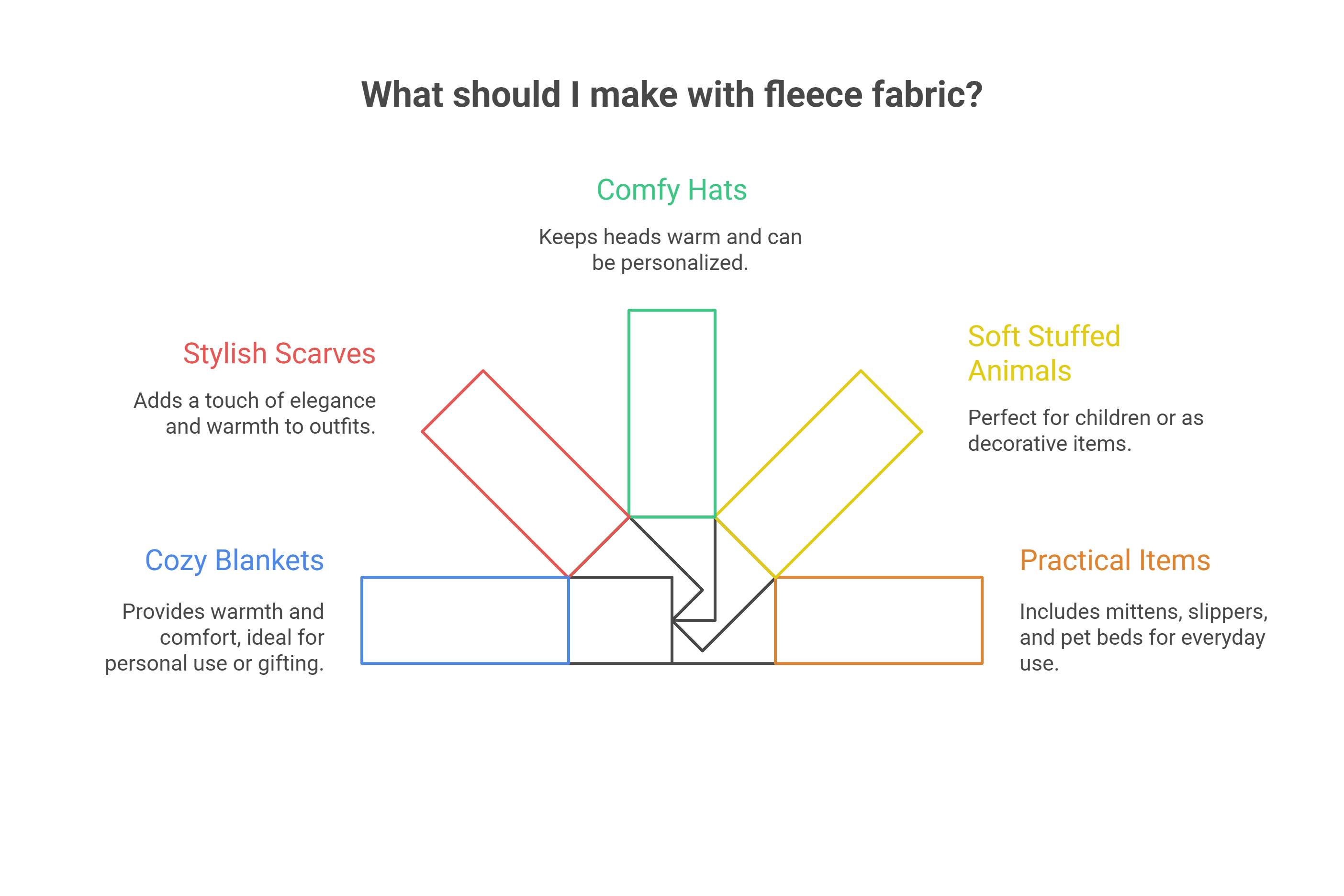
If you’ve been wondering what to make with fleece fabric?, the possibilities are endless. Fleece is soft, durable, affordable, and versatile, making it a favorite for crafting, sewing, and DIY projects. From cozy scarves and hats to no-sew pillows and custom throws, fleece can transform into practical and creative items with minimal effort.

It’s also popular for larger projects like fleece blankets bulk, which are perfect for gifts, donations, or businesses. With fleece, you can create comfort, warmth, and style in countless ways.

Now let’s dive deeper.

Why Choose Fleece Fabric?

Fleece has earned its place as a staple in the crafting and sewing world. Unlike many fabrics that require special care or advanced sewing skills, fleece is beginner-friendly and forgiving. Its edges don’t fray, meaning you can cut and tie without worrying about hems. This makes it a dream for both novice and seasoned creators.

Another reason fleece is loved is its comfort. Soft to the touch and lightweight yet insulating, fleece is ideal for warm clothing, bedding, and accessories. It also comes in a wide variety of patterns and colors—from bold solids to fun prints with animals, sports, or seasonal designs. Whether you want to make something practical or whimsical, fleece gives you plenty of room to play.

Clothing You Can Make with Fleece

Cozy Hoodies and Pullovers

One of the most common uses of fleece fabric is in hoodies or sweatshirts. With a simple pattern, you can sew a pullover that keeps you warm during cold evenings. Fleece stretches enough for comfort but is structured enough to hold its shape.

Scarves, Hats, and Gloves

Fleece accessories are a quick project that can be made in under an hour. Scarves can be as simple as cutting a rectangle of fabric and adding fringe. Hats and gloves can be sewn with basic patterns—or you can even make no-sew versions by tying edges together. These items make excellent gifts, especially when customized with favorite colors or prints.

Pajamas and Slippers

Fleece pajamas or lounge pants are a winter favorite. They are easy to sew and incredibly comfortable. Slippers made from fleece are another great project, perfect for keeping feet warm on chilly floors.

Home Décor and Practical Items

Fleece Blankets

The most iconic fleece project is the blanket. With no-sew tie techniques or sewing methods, fleece blankets can be made in a variety of sizes. They’re not only cozy for personal use but also serve as thoughtful handmade gifts. When you purchase fleece blankets bulk, you can stock up for family, friends, or charity donations.

Pillows and Cushion Covers

Just like blankets, pillows made with fleece are quick, fun, and customizable. You can make tie-edge pillows that require no sewing, or you can sew covers for a more polished look. Matching blankets and pillows can turn a room into a cozy retreat.

Pet Beds and Toys

Pets love fleece as much as people do. You can make pet beds, chew toys, or simple braided tugs for dogs out of scrap pieces of fleece. It’s washable and durable, making it ideal for animals.

Seasonal and Holiday Projects

Stockings and Tree Skirts

Fleece is perfect for Christmas stockings or tree skirts. With holiday prints available, you can create unique decorations for your family. They’re easy to personalize with names or embellishments.

Halloween Costumes

Because fleece is soft and easy to work with, it’s excellent for creating costumes. From capes to animal ears, you can craft imaginative pieces without spending a fortune.

Valentine’s and Birthday Gifts

Personalized fleece projects, like heart-shaped pillows or themed throws, make heartfelt gifts. They’re inexpensive yet meaningful.

Crafting with Kids

One of the best things about fleece is how safe and easy it is for children to use. Since it doesn’t fray, kids can join in on crafting without sharp tools or complex instructions. No-sew fleece projects like knotted blankets, braided scarves, or stuffed animals can keep children engaged while teaching them creativity and patience.

Family crafting nights with fleece are not only fun but also productive—you end up with something you can actually use.

Charitable and Community Uses

Fleece has become a go-to material for community projects. Many groups make tie blankets to donate to shelters, hospitals, or disaster relief organizations. Because it’s affordable and easy to produce in large numbers, fleece blankets bulk orders are often purchased for these causes. Crafting for charity with fleece is a beautiful way to combine creativity and compassion.

Business Opportunities with Fleece

For small businesses or entrepreneurs, fleece projects can be a profitable venture. Personalized blankets, embroidered scarves, or pet accessories can be sold online or at craft fairs. Buying fleece by the yard or investing in fleece blankets bulk can cut costs and allow for customization, giving your products a unique touch.

Many businesses also use fleece products for promotional purposes. Custom blankets or throws with logos are popular giveaways that customers keep for years, providing long-lasting brand visibility.

Tips for Working with Fleece

  • Use Sharp Scissors or a Rotary Cutter: Fleece is thick, and clean cuts are essential.
  • Wash Before Use: Pre-washing helps ensure your final product won’t shrink.
  • Experiment with Layers: Fleece layers well for added warmth or pattern variety.
  • Personalize with Embroidery or Appliqué: Add initials, logos, or designs for a unique finish.
  • Don’t Fear Mistakes: Fleece is forgiving. Uneven edges can be tied, and small flaws often go unnoticed.

Creative Project Ideas

Here are some unique projects you may not have thought of:

  • Travel Blanket with Pocket: Perfect for flights or road trips.
  • Fleece Poncho: A stylish yet functional outer layer.
  • Hot Water Bottle Cover: Adds comfort and safety.
  • Stuffed Animals: From teddy bears to plush toys, fleece makes cuddly companions.
  • Reusable Hand Warmers: Small fleece pouches filled with rice that can be microwaved.

These projects demonstrate just how adaptable fleece can be.

Final Thoughts

So, what to make with fleece fabric? The real question is—what can’t you make? From clothing and home décor to seasonal crafts and pet accessories, fleece is one of the most versatile fabrics available. Its affordability, ease of use, and comfort make it a favorite for DIYers, parents, and even entrepreneurs.

Whether you’re creating a single project or investing in fleece blankets bulk for larger needs, this fabric guarantees both functionality and fun. Start with something simple like a scarf or pillow, and you’ll soon discover that fleece opens up an entire world of creative possibilities.