Tag Archives: fleece blankets bulk

Is Fleece Blankets Good for Guinea Pigs?

13 Jan

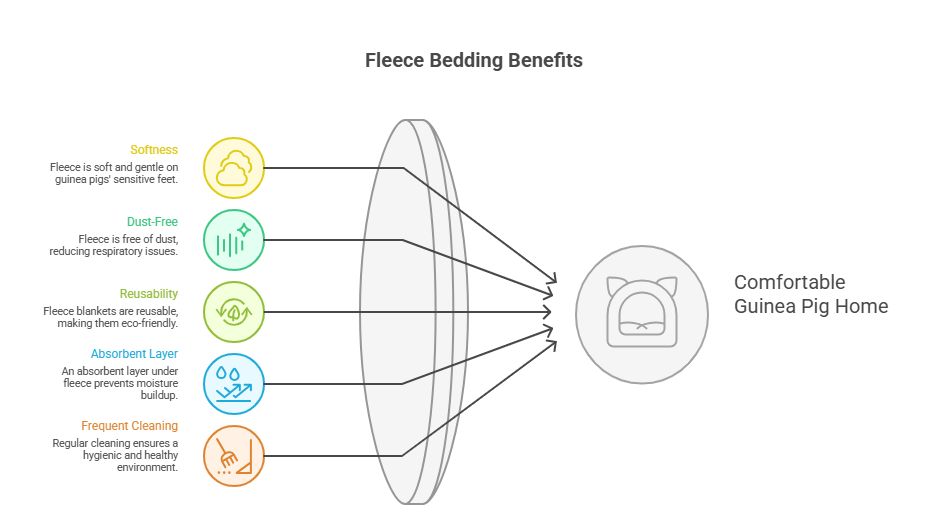
The answer is definitely “yes, and when used properly, fleece blankets can be a very good option. They are soft, free of dust, reusable, and very nice for guinea pigs’ feet, which are very sensitive. But if you want fleece to be really good, then you should use it together with an absorbent layer under it and clean it often. When fleece bedding is correctly set up and maintained, it can provide guinea pigs with a clean, comfortable, and warm home.

Now, let’s understand why fleece is so popular and how to use it the right way.
Why Bedding Choice Matters for Guinea Pigs

Guinea pigs are animals that live on the ground, and therefore, their bedding is their only source of comfort and health. The guinea pigs have delicate paws, gentle skin, and their respiratory system can react very rapidly to dust. Thus, the wrong bedding can result in the animals being uneasy, having foot diseases, or suffering from lung problems in the end.

That is the reason why a lot of pet owners are constantly on the hunt for some soft, warm, and snuggly bedding, if possible, and that is when fleece usually comes to the scene.

What Exactly Is Fleece Bedding for Guinea Pigs?

Fleece bedding usually means a fleece blanket or liner placed on top of an absorbent layer. The fleece itself does not hold moisture. Instead, it allows urine to pass through to the layer underneath, keeping the surface dry for your guinea pig’s feet and belly.

When used this way, fleece creates a dry and comfortable walking surface while the absorbent layer below does the hard work quietly.

Why Many Guinea Pig Owners Choose Fleece

Comfort is one of the major factors that contribute to fleece’s popularity. Fleece has a nice texture that is soft and warm, which is the thing guinea pigs love the most—especially when they snuggle and take naps after an active day of running and “popcorning”.

Fleece is, even more, considered a material that can be recycled, hence indicating less waste and fewer reorders. In the long run, this may become more economical and less harmful to nature than using single-use bedding.

(Plus, sweeping up droppings from fleece is much easier than digging through loose bedding—your back will thank you.)

The Importance of Using an Absorbent Layer

This is the point where numerous novices get puzzled. Fleece in itself is not sufficient. Because fleece does not soak up moisture, it always needs to be placed on something that does.

The materials used in absorbent layers can be towels, pads, or other similar moisture-retaining materials. These layers are to isolate the urine from the fleece surface, therefore controlling the odour and dampness. Without this process, fleece will become wet and uncomfortable in a very short time, and this is not good for guinea pigs.

When fleece is layered correctly, it stays dry on top and comfortable underneath.

Daily Cleaning and Regular Washing

Guinea pigs may be tiny, but they are active and, of course, they excrete a lot during the day. The positive side is that using fleece makes the daily cleaning process easy. Smooth or vacuum cleaning can take off droppings and hay during spot cleaning.

Typically, washing of fleece bedding is done every two or three days, but this period can be longer or shorter depending on the size of the cage and the number of guinea pigs living in it. The main advantage of the laundry cycle is that the cage remains clean and the atmosphere is refreshingly pleasant both for the furry friends and the humans.

Is Fleece blanket good for Guinea Pig Feet?

Definitely, fleece is usually so gentle and soft that it can easily be likened to the skin of guinea pigs. The softness and smoothness of the fleece are very important in reducing the possibility of foot injuries. On the condition that the fleece remains clean and dry, the danger of foot irritation is decreased. Nevertheless, periodic clipping of the guinea pig’s claws is indispensable since the long claws might occasionally get entangled in the fleece.

A smooth, well-maintained fleece surface is the key to comfort.

When Fleece May Not Be the Best Choice

Fleece is the most suitable for indoor use. It is not advised for outdoor huts, especially during very cold or humid conditions, as it will not be able to retain the warmth by itself and may get wet in high humidity.

The fleece takes a lot of dedication when it comes to its cleaning. In case the regular laundering is unfeasible, then other kinds of bedding might be less complicated to handle.

So, are fleece blankets good for Guinea Pigs?

So, once again, are fleece blankets good for guinea pigs? Yes—when used properly. Fleece can be a comfortable, clean, and gentle bedding option that supports your guinea pig’s health and happiness. A little setup and regular care go a long way in creating a cosy space where guinea pigs can rest, play, and feel safe.

Shedding fur, tiny paws, and happy squeaks all feel better on a soft, well-prepared surface.

We specialise exclusively in fleece products and understand how fleece performs in real-life use—not just for people, but for comfort-focused environments as well. If you’re looking for high-quality wholesale fleece blankets at the best prices, we’re here to help with reliable quality, thoughtful materials, and long-term value you can trust.
What to Wash Fleece Blankets On

13 Jan

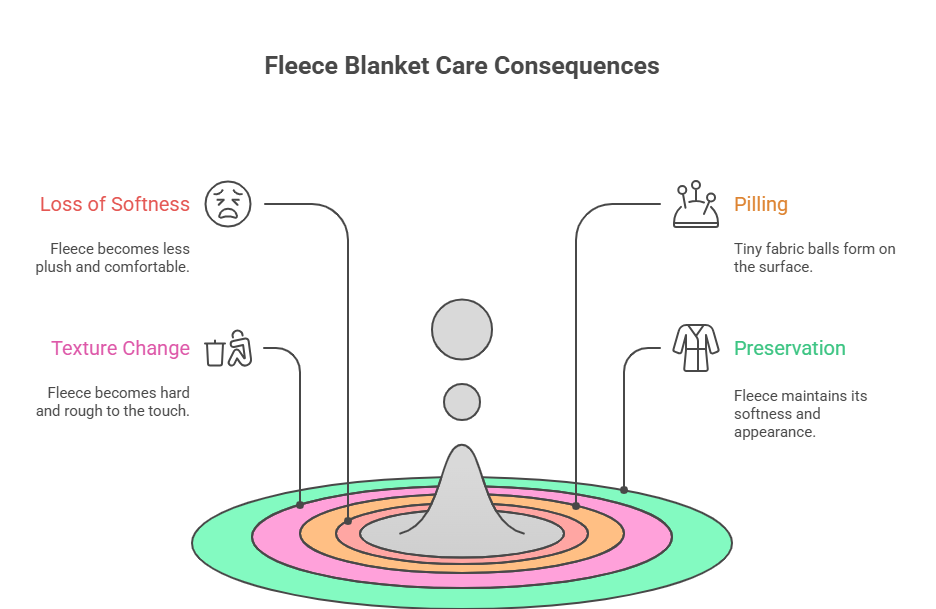
A fleece blanket is not just another item that one would use at home. It is a place to retreat and relax after a long day, warmth on a winter night, and probably even something we unconsciously hold on to. As fleece is both heavy and warm, most people think its cleaning would be just like that of any other blanket. Sadly, that is the very reason why the wrong washing of fleece causes problems. Improper washing of fleece will result in gradual loss of softness, pilling and premature ending of its life. Thus, it is a must to be familiar with what to Wash Fleece Blankets On.

Fleece blankets come at a high price and therefore, should not be permanently used and thrown away. With proper maintenance, the blanket can retain its great quality and look for even a couple of years. The best part of fleece is its easy-care nature. It only needs soft handling and a few smart decisions.

Why Fleece Blankets Need Special Care

Fleece is a fabric made of soft and fine fibres, especially designed for thermal insulation, hence not adding to the weight. This is the very aspect of fleece’s comfort, but it is also a reason for it to be affected by heat and friction at the same time. Fibres can be damaged by hot water, strong detergents, and rough washing. Once that happens, fleece may lose its softness, get pilled with tiny fabric balls or become hard and rough in texture.

Think of fleece as a strong but sensitive material at the same time. It can endure daily use, but it doesn’t handle tough washing. If treated gently, it preserves its look and softness for a longer time.

Always Start with the Care Label

It is still a good idea to verify the care label before washing your fleece blanket. The care label has the specific washing method that the maker recommends for that certain blanket. Although there are exceptions, where certain blends or finishes might ask for different care because of small differences, most fleece blankets are governed by the same basic rules.

One of the most common mistakes that people make is ignoring the care label. It looks like a triviality, but ignoring it can substantially shorten the life of your blanket.

What Water Temperature Should You Use?

One of the most important parts of knowing what to Wash Fleece Blankets On is choosing the correct water temperature.

Washing fleece blankets with cold water is considered safe and also the most recommended option. It removes dirt and stains, while still being the gentlest method on the fibres and not harming them. The use of lukewarm water is permitted, but only when the primary reason is the cleaning of the blanket and not just regular washing.

If you ever feel unsure, cold water is always the best choice. Fleece prefers cool care.

Choosing the Right Wash Cycle

The temperature of the water is not just a factor in the wash cycle but is also a very significant one. Fleece blankets can only be washed in the soft, delicate, or hand-wash cycles. Such processes permit little movement and rubbing, thus preventing deterioration.

Harsh detergents, which are loaded with strong chemicals, should be completely avoided. Despite their ultimate cleaning power, they can, in the end, destroy fleece fibre. In the case of fleece, gentle cleaning is the only victor.

Should Fleece Blankets Be Washed Alone?

Fleece blankets are always better off alone while being cleaned. This is simply because if you wash them separately, damage won’t happen due to the presence of other fabrics that can be rough and cause snagging or rubbing against the fleece or zippers and hooks.

In case washing fleece together with other things is inevitable, then select soft fabrics such as towels and invert the blanket. Doing so will not only safeguard the outer layer but also minimise pilling in the process of washing.

Hand Washing for Extra Gentle Care

The method of hand washing is perfect for the care of speciality fleece blankets or for minor cleaning purposes. Just cold water and a little gentle soap are the only requirements. Instead of twisting the blanket, just gently push it down into the water and then slowly pull it up.

Although the procedure takes longer, it guarantees full control and minimum stress on the fabric. It is particularly advantageous in maintaining the quality of blankets that you wish to use for a long time.

Drying Fleece Blankets the Right Way

The drying process is where numerous fleece blankets get the most harm. The method of air drying is always the safest one. Place the blanket flat or hang it in a place with good airflow and let it dry naturally.

In case it is unavoidable to use a dryer, the low heating or air-drying option should be chosen. The high temperature may cause fleece to change its size or even cause the melting of the fibres. Moreover, the removal of the blanket after drying timely is also a factor in preventing stiffness and static.

Final Thoughts

Being aware of what to Wash Fleece Blankets On will undeniably save your money on a very nice and warm blanket. The use of cold water, gentle cycles, mild detergent, and low heat is not only easy but also very effective for the maintenance of your blanket. If the right steps are followed, your fleece blanket will continue to be soft, warm, and dependable for a long time and will even be as soft as the first time you used it.

We are experts in fleece products only, and we know exactly what to do to keep them in their best condition. Throughout the years, our attention has primarily been on providing high-quality wholesale fleece blankets that are comfortable, durable, and have long-term value. If you are looking for a reliable supplier for a wholesale fleece blanket that is not only durable but also comfortable, then we are glad to present fleece goods that are made for actual living and actual comfort.

Is Fleece Blanket Safe for Newborns?

13 Jan

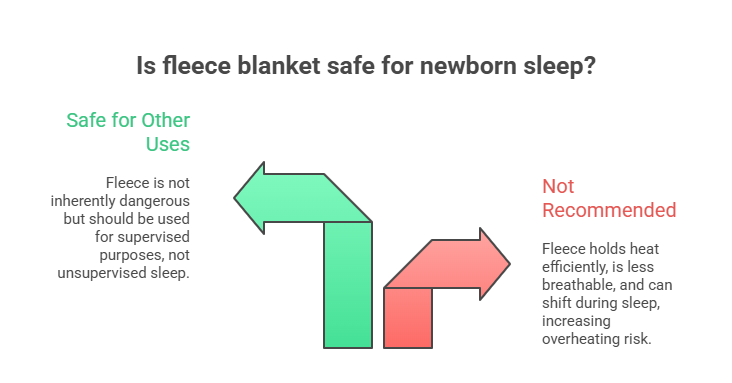
The safety of fleece blankets for newborns is a question that most parents will ask. The honest and comforting response is that fleece blankets can be safe for newborns if proper measures are taken. They are gentle, warm, and comforting, but still not suitable for unsupervised sleeping. Fleece is the perfect material for the moments of supervised cuddling, warmth, or letting the baby lie down on it for playing, whereas safer sleep alternatives should be used when the baby is sleeping.

Please, walk through this calmly and clearly and get to the best sight of evidence regarding your little one.

Why This Question Matters So Much to Parents

It’s absolutely common for new parents to doubt every single thing that comes in contact with their baby, but especially the case for these blankets. Infants are small, fragile and yet. What to us appears warm might be rather cold for them.

That’s why parents often search for answers like is fleece blanket safe for newborns—they want comfort without compromising safety. And that’s a very good instinct.

How Newborns Handle Warmth and Temperature

Newborns have a heating and cooling system that is different from that of adults; they cannot manage their body temperature as adults do. The newborns’ ability to regulate their body temperature is in the initial slow phase, and that can sometimes result in them getting overheated without any indication. So, the factors like respiration and air circulation during sleep time are very crucial.

The safety professionals will not put too much emphasis on one factor, but nevertheless will take into account the total heat surrounding a newborn that is made up of the ambient temperature, the baby’s clothing, beddings, and the blankets’ combined influence.

What is a Fleece Blanket, really?

Fleece is a soft fabric that is usually made from synthetic fibres like polyester. It’s designed to trap warmth using tiny air pockets inside the fabric. This makes fleece:

  • Very warm
  • Lightweight
  • Soft to the touch

These qualities are wonderful for comfort, but they also explain why fleece needs to be used carefully with newborns.

When it comes to sleep, most paediatric safety guidelines recommend no loose blankets at all in a newborn’s sleep space. This includes fleece blankets.

There are a few simple reasons for this:

  • Fleece holds heat very efficiently, which can increase the risk of overheating
  • It is less breathable than natural fabrics like cotton
  • Loose blankets can shift during sleep

Fleece fabrics are not dangerous in their own right, but rather the use of fleece for unsupervised sleep is not the safest choice. For sleep-related purposes, materials like breathable fabric offer the safest option in the form of wearable blankets or sleep sacks.

When Fleece Blankets Can Be Used Safely

Here’s the good news: fleece blankets can still be part of your baby’s life in safe and comforting ways.

Fleece is great for:

  • Supervised cuddle time with a parent
  • Holding your baby while awake
  • Short periods of warmth, like during feeding
  • Tummy time or playtime on the floor

In these moments, you are present and alert, and you can easily adjust the blanket if your baby feels warm.

What About Fleece for Older Babies?

The passing months signify that the infant’s capability of temperature regulation is becoming more and more powerful. Fleece can be the best option—particularly for sleeping, stroller rides, or just staying and warming up—for babies that have already passed the newborn stage.

The key is always age, awareness, and supervision. What isn’t ideal for sleep in the newborn stage may become perfectly comfortable later on.

Common Myths Parents Often Hear

There’s a lot of confusing advice online, so let’s clear up a few common myths:

  • “If it’s thin, it can’t overheat.”

Even thin fleece can hold a surprising amount of warmth.

  • “If it’s sold for babies, it must be safe for sleep.”

Many baby items are meant for supervised use, not sleep.

  • “Soft means safe for everything.”

Softness is wonderful—but safety depends on how and when something is used.

Understanding these differences helps parents make informed choices without fear.

Simple Safety Tips for Using Fleece Around Newborns

If you choose to use fleece blankets around your newborn, keep these gentle tips in mind:

  • Use fleece only when the baby is awake and supervised
  • Always have the baby’s face exposed
  • Look out for symptoms of overheating, such as perspiration or red skin
  • Underneath, go for light clothing instead of heavy ones

A little awareness goes a long way.

Is Fleece Blanket Safe for Newborns?

Returning to our initial question: Are fleece blankets safe for babies? They get the thumbs up, but only in case they are used wisely and correctly. Fleece is still not a recommended choice for a newborn’s sleeping environment; however, it can be a gentle, soft, and warm option for a very limited time, direct contact, and active moments.

Being informed doesn’t mean being afraid—it means being prepared. And that’s exactly what loving parents do best.

We are really good at making super-quality wholesale fleece blankets that have the main feature of being super soft and very comfortable for family use every day. Everybody loves our fleece products for cuddling time under the watchful eye of parents, the warmth of little ones, and homey moments. Besides, we are offering wholesale fleece blankets that are a great value. We have one objective, which is straightforward: to give you warmth and comfort that you can rely on throughout your life cycle.

Are Fleece Blankets Made of Polyester?

13 Jan

A fleece blanket will make you very happy when you see it, even the very first time. For every turning moment, no matter how cold or warm the weather, apparently, watching your favourite TV series must happen from where you’re seated, wrapped up and absorbed in the warmth of the fleece. And that’s the substance tension builds upon, “What exactly is the typical warm and fuzzy fleece blanket made from?” Sometimes, it feels natural, but it’s also different from cotton or wool after all. This curiosity usually leads to a standard question: Are fleece blankets made of polyester?

You’re not alone if you’ve ever desired to know. The knowledge of one’s bed covers is helpful for their maintenance as well as confidence in them. Let us move through this slowly and clearly, so that we can understand the answer.

What Is Fleece, really?

Made from the smoothest texture of microfibers, fleece is actually a warm fabric offering insufficient weight. So soft, fluffy, and skin-friendly fleece is nearly ubiquitous in quilting, throws, and blankets. Wool can be discussed in terms of warmth, too; however, fleece is lighter, dries quickly, and is soft to the touch.

Well, it makes sense to confuse you with dreams, but the realities with fleeces surprised you, I guess. It is a contemporary material actually built for comfort’s sake.

Are Fleece Blankets Made of Polyester?

Sure, it does, as it is a very rare instance where a fleece blanket has not been made of polyester. It is a synthetic fibre used widely in the making of fleece, where its properties of being soft, warm, and durable make it the best of the primary ingredients available.

There are times when the blending of the fleece blanket with some minor quantities of other fibres could be observed. Mostly, fleece fabric is prepared using polyester as the principal fibre. No haphazard attempt has been made, however! Polyester works so marvellously with fleece material that it actually became the inherent fabric for the same.

Why Polyester Is Used in Fleece Blankets

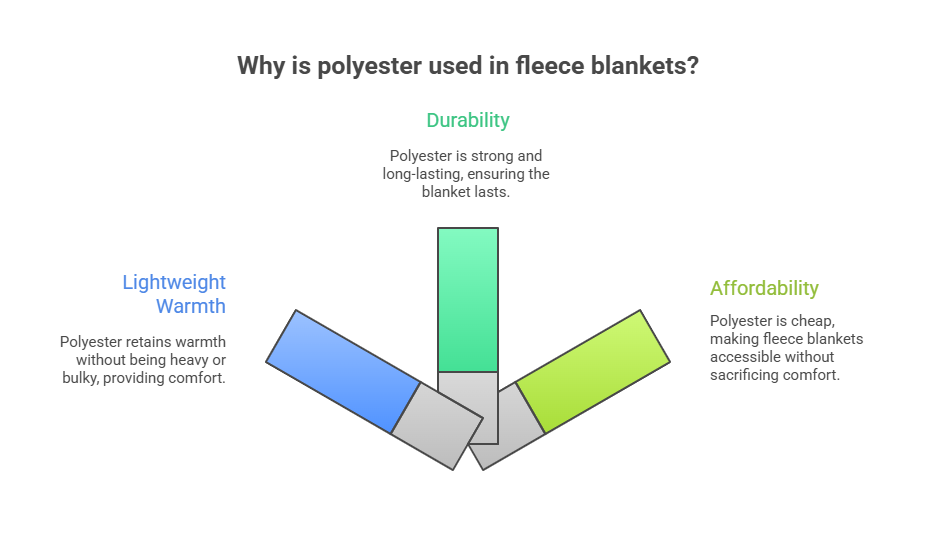
Fleece blankets make use of polyester as a practical choice of fabric. First: this material is so lightweight that some of the warmth may be retained in the blanket, enabling one to stay warm despite a less comfortable, heavy, or bulky layer. Another reason: its analogues have been able to self-exist ceil. This points to the strength, durability, and life of a fleece blanket.

This is another reason polyester has become so popular. It is incredibly cheap. So it is possible to get some of those soft fleece blankets without compromising on comfort. A luxurious feel is waiting for you, with none of the elaborate and fussy care, maintenance, or replacements. In other words, polyester definitely does more than one needs out of fleece for their money and lasts for a good while.

How Polyester Fleece Is Made (In Simple Words)

The fleece-making process may sound intricate, but it can be summed up in simple words. Fibre is made from polyester, knit together to create fabric; only then is the fabric brushed. Brushing entails fluffing the surface, making the fleece even softer and more inviting.

This process is basically responsible for stuffing the warmth and hairiness into the fleece. It feels as if someone has re-fluffed the fabric to a worthy blanket level. The result is a big fabric that acts as a comfort to the skin and efficiently traps the heat.

Different Types of Polyester Fleece

Not all fleeces are made alike, even though they might both be made out of polyester mostly. Some fleeces are thin and lightweight, as a delicate heavenly pile for layering or mild weather. Some are heavy to make comfortable in the cold. You might also find fleece with a fuzzy sheep texture on one side.

All these versions are due to alterations in the processing and brushing of the polyester fibres, not due to a change in the main material. The comfy factor may shift, but the cosy pledge remains secure.

Benefits of Polyester in Fleece Blankets

One of the best qualities of polyester fleece is how resistant it is. A fleece blanket holds up better against shrinkage, stretch, and fading as compared with many natural fabrics. Moreover, they dry quickly, making them highly manageable and practical pieces in everyday use.

Polyester fleece likewise possesses very deep colour-fastness; so, since the vibrancy is retained, you can wash it dozens of times. While no fabric is free of problems, usually fleece is not problematic, as it proves itself to be very convenient from the aspect of maintenance and does not warrant any special cleaning treatment. A blanket conveys warmth, but should not become a burden due to laundering issues.

Are There Any Downsides?

Polyester fleece fabric has several attributes that have to be taken into account. The fabric may not like high temperatures at all; thus, washing it by hand and drying it on low heat is the recommended treatment. A few people might get static if it is a dry season; however, with a little care, this minor issue can be avoided.

Overall, for everyday warmth and softness, polyester fleece offers far more benefits than drawbacks.

Why Knowing the Material Matters

The fact that fleece blankets are made of polyester is no longer mere trivia. It is an informative tip that comes along with other tips for proper washing, drying, and storing of your blanket. Polyester fleece, in general, needs gentle care, but if it gets the right treatment, it remains soft and cosy for many years to come.

Knowing the material also builds trust. When you understand what you are using, you can enjoy it more confidently and comfortably.

A Better Way to Look at Fleece Blankets

Fleece-type blankets are mainly made of polyester, and this is one of the biggest advantages of the blankets. Polyester contributes to the fleece being very warm, soft and durable. Nevertheless, it is also light, easy to care for and dries quickly. If you grasp the whole thing, fleece is no longer an enigmatic fabric, but it becomes a reliable ally in comfort and relaxation.

We are a company that focuses only on fleece products, and we know all the details that are necessary for making them comfortable and durable to last long. Our fleece experience enables us to present quality wares that are meant for actual use and daily comfort. In case you are in need of reliable fleece solutions, such as wholesale fleece blanket options, we are thrilled to support you in keeping warm with certainty.

Which Fleece Blanket Is Best?

12 Jan

Blankets have taken away the worries of our daily life. Some of us love to sleep, some relax comfortably after hectic day work, and some put them on to watch TV. But as you walk on shopping for one, it would naturally be wandering in your head: What fleece blanket is the best?

The answer isn’t exactly one-size-fits-all—and that’s actually a good thing.

The purpose of breaking down this entire topic, in a very easy and practical way, is that people of all ages could understand for themselves what actually makes a “best” fleece blanket.

People love fleece blankets for a few great reasons. They are soft and warm, light and easy to care for. Fleece does the job of keeping you warm without feeling heavy and pinning you to the bed-unlike thick and heavy blankets.

The fleece goes for warmth-same as wool-but-empties off those irritating itches and allows no hard washing. In one word, fleece is comfort without work—because fleece blankets decorate one in almost all households.

What Actually Makes a Fleece Blanket “Best”?

What is a high-quality fleece blanket? The answer is going to be part of the helpful information that a lot of buyers tend to squeeze when shopping for a fleece blanket.

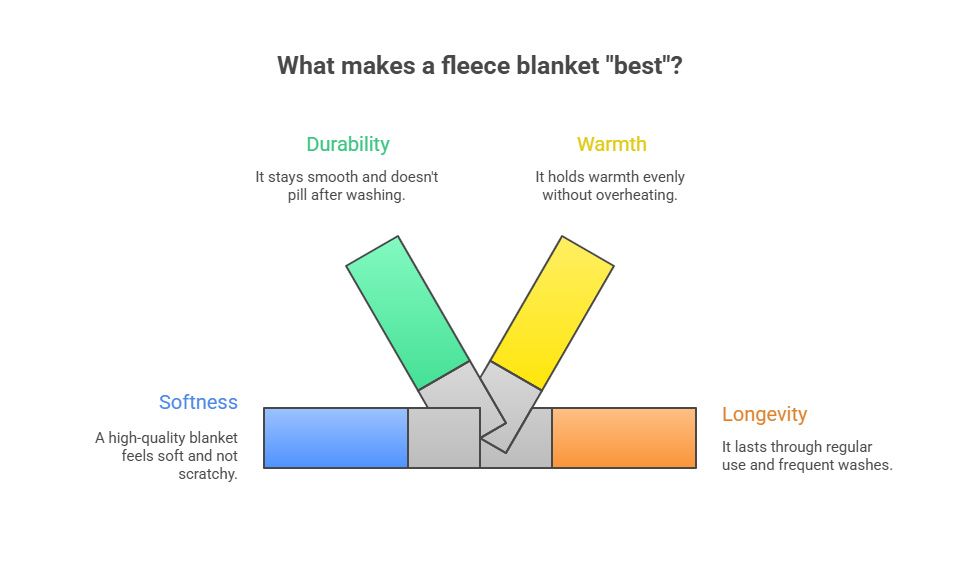
  • Feel soft, not stiff or scratchy
  • Stay smooth and not pill after washing
  • Hold warmth evenly without overheating
  • Last through regular use and frequent washes

If a blanket looks great on day one but turns fuzzy and flat after two washes, it probably wasn’t the best choice to begin with.

Warmth Without the Heavy Feeling

One of the most magnificent features of fleece is that it keeps you warm but without pulling around the wool as the only solution for insulation. Using small air bubbles, the fleece holds the warmth of the body. It stays warm and yet breathable.

This becomes even more necessary for anyone who dislikes heavy bedding including babies, the elderly, and those with joint or mobility problems. Comfort should be relaxing, not hard work.

Which Fleece Blanket Is Best for Newborns and Babies?

Babies prefer softness and mildness to thickness. They will prefer a light and smooth towel than a bulky one, especially when it is laying in a stroller or cuddling time under their supervision.

Babies’ skin is delicate; hence, the fleece must be soft and of good finishing. To not feel stuffy, heavy blankets and super-plush fabrics are not the best ways to go. In plain words, for baby stuff, mild and soft fleece surpasses dense fleece every time.

Best Fleece Blankets for Kids and Teens

Children need something that can keep up with them. A nice fleece blanket for kids ought to be soft but also durable. Easy washing would also be nice, considering all the spills, snacks, and mystery stains we are bound to come across with here and there in the normal course of living.

If pilling fleece is all right, most of the kids use blankets on-and-off for multiple applications like bed desk-to-chair, to car rides. When the blanket lasts through both the laundry and building a fort, it has done its job.

Best Fleece Blanket for Seniors

It’s all about the unique needs of seniors now: a heavier blanket – that old, trusted friend – will not do because senior citizens are often affected by joint disorders or other mobility issues. That warm, heavy blanket no longer feels comfortable to them.

Indeed, the best choice is the soft fleece because it snugly moves over clothes, easily washed, and gentle on the skin. The warmth should relieve, not weigh. What might really mess up your cozy comforter would be any excess distress.

Different Types of Fleeces and Their Uses

Not all fleece is equal. Some fleece is plush and thick, providing extra warmth from the cold. Other fleece is thinner and calmer, ideal for year-round use or warmer weather conditions.

It is all about finding the best fleece blanket to suffice the purpose of where and how it is to be used. Winter and living room summers will differ slightly in the choice of the fleece they will produce.

What to Look for When Buying a Fleece Blanket

If you’re trying to decide which fleece blanket is best, keep this simple checklist in mind:

  • Softness that stays after washing
  • Breathable warmth
  • Strong stitching and good finishing
  • Non-pilling surface
  • Easy care and durability

If a blanket checks these boxes, it’s likely a good long-term choice.

So, Which Fleece Blanket Is Best?

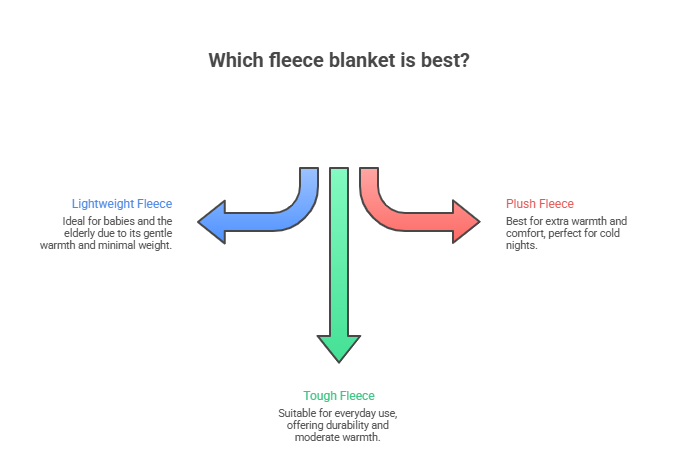
The “best” fleece blanket would surely rely on age, setting, and personal sense of comfort. Lightweight fleece would be ideal for babies and the elderly, tough fleece for every day, and plush, extra warm fleece when needed.

Understanding your needs makes the choice much easier—and much more satisfying.

Final Thoughts: Comfort for Every Stage of Life

One reason these fleece blankets are so popular is because they can easily fit in at different ages, lifestyles, and seasons. Choosing the perfect one should not be a stint. If you could factor in a little information for yourself, you could then aim to achieve better comfort and maintain energy for as long as possible.

We offer high-quality fleece products developed for softness, durability, and daily comfort. Our wholesale fleece blankets are long-lasting and offer yet another opportunity to buy in bulk at the best prices on the market. If you’re in search of trustworthy fleece blankets combining quality with cost efficacy, you can go ahead and contact us regarding wholesale trades.