Tag Archives: fleece blankets bulk

What Is Berber Material?

24 Dec

If you are wondering what is Berber material is, the simple answer is: Berber material refers to a surface or fabric with a texture featuring loops or curls, and it is also recognised for its warmth and durability. At present, the term primarily points to two items: hard-wearing, looped carpets and soft, warm fleece that is generally used in blankets and jackets. Although the items have a very different feel, they all share the same idea of being textured, comfortable, and long-lasting.

Why Berber Material Gets So Much Attention

The term “Berber” has almost always come up in conversations among people. In fact, you may have come across this word while looking for carpets or perhaps buying a jacket or blanket. The perplexing thing is that the term Berber varies in its meaning through so many products. Hence, the question, what exactly is Berber material, continues to surface among consumers.

The confusion has been eliminated by this blog. You will, at least, gain the knowledge of Berber material meaning, source, current usage, and reason for its long-term popularity by the end.

Where the Term “Berber” Comes From

The word “Berbers” comes from the North African Berber tribes, who were famous for their weaving skills, which have existed for a long time. They worked with nature and used wool, dyes, and plants to produce rugs and textiles that were usually marked with loops, knots, and geometric patterns. These fabrics were strong and gave the necessary warmth in the cold climates of the respective areas.

In the course of time, new-style producers called the name “Berber” to fabrics and rugs sharing a similar textured appearance or construction. Nowadays, the materials of Berber are frequently made by machines and are synthetic, but the original handwoven designs still serve as a source of inspiration.

What Is Berber Material in Modern Use?

The Berber material in today’s vocabulary is contingent upon its usage. Berber is not a single fabric. It is rather a textural or a construction style description. Hence, the term covers both carpets and fleece fabrics. In a nutshell, Berber material generally means one that has loops, curls, or a soft, elevated surface. That surface is responsible for its thermal, cozy and durable qualities.

Berber Material in Carpets: Strength Meets Texture

The term “Berber carpets” generally refers to loop pile carpets. Such carpets are the result of a process in which the yarn is looped through the backing rather than being cut, thus providing the firm textured surface that withstands the burden of foot traffic in the busy areas where it is placed.

Handcrafted wool was the raw material of traditional Berber carpets, and their colouring and patterns were totally natural. Today’s Berber carpets are mostly composed of synthetic fibres and are created with durability and stain resistance in mind. Because of this, they find their way into spaces like offices, halls, basements, and living areas where the traffic is heavy.

Berber Material in Fabric: Soft, Cosy, and Warm

Berber material is one of the most common fabrics that the fleece industry uses. In this case, Berber means a soft, fluffy, and slightly curled fabric with a resemblance to sheepskin. This particular type of Berber material is very common as a jacket, hoodie, and winter clothing lining, as well as in blankets and throws, etc.

First-time contact with the fleece of Berber usually leads to the same description: warm, friendly, and hospitable. It is a wonderful heat trap, but it still feels like a feather, and this is why it is so suitable for cold weather.

Common Names You’ll See for Berber Fabric

The first thing causing the confusion to the consumers regarding the berber material is the different names it is known by. The sellers in the fabric market and online shops sometimes refer to Berber fleece as a sherpa, fake shearling, or even fake wool. All these terms denote the same soft, warm, and animal-fur-free texture.

What differs are only the names, but the concept remains unchanged. All of them are talking about a gentle, cosy material that is made to resemble and feel like sheepskin.

Key Characteristics of Berber Material

Once you are aware of the particular things to notice, you will be able to easily identify Berber material. It generally features a surface with some sort of texture, either loops or curls. This air-trapping quality of the texture is the reason why Berber material is warm and insulating to feel.

Durability is another significant aspect. No matter if it’s carpeting or fleece, Berber fabric is designed for daily use. It is usually breathable and cool, so a heavy or suffocating feeling is avoided. A lot of Berber textiles are also skin-friendly, which makes them suitable for use by sensitive individuals.

What Is Berber Material Made Of?

Initially, the natural wool was the source of Berber material. Nowadays, the major part of contemporary Berber textiles and carpets consists of synthetic fibres like polyester or other artificial materials. The main reason for the popularity of these fibres is their low price, easy maintenance, and durability.

The fibre used influences the Berber fabric’s feel, its warmth, and the cleaning method. Synthetic Berber fleece, for instance, can be cleaned easily and dries in no time, which makes it suitable for regular use.

Where Berber Material Is Commonly Used

Numerous daily life aspects include the use of Berber material. It shows in garments such as jackets, sweaters, hoodies, and coats that are meant to keep you warm in winter. In houses, Berber fleece is the most used material for blankets, throws, and other home comforts. It is also a commonly used material for pet beds, since the animals are fond of the soft texture.

Berber carpets are selected for their durability and capacity for heavy foot traffic in flooring. This large area of application demonstrates the real versatility of Berber material.

Final Thoughts: Why Berber Material Remains a Favourite

The moment you completely grasp the concept of Berber fabric, it becomes apparent that its popularity is here to stay. It is a one-stop solution for comfort, warmth, durability, and versatility. Berber fabric is the main source of this nice feeling that people have an instinctive bond with, whether it is on the floor, on the body, or even in their favourite jacket.

We are experts on supreme fleece items made for comfort, long-lasting, and regular use. Besides teaching people about materials such as Berber, we also provide fleece blankets wholesale to companies, events, and charities that appreciate warmth and trustworthiness. Our priority is always to make comfort easy, trustworthy, and available to everyone.

How Many Yards for No Sew Blanket?

24 Dec

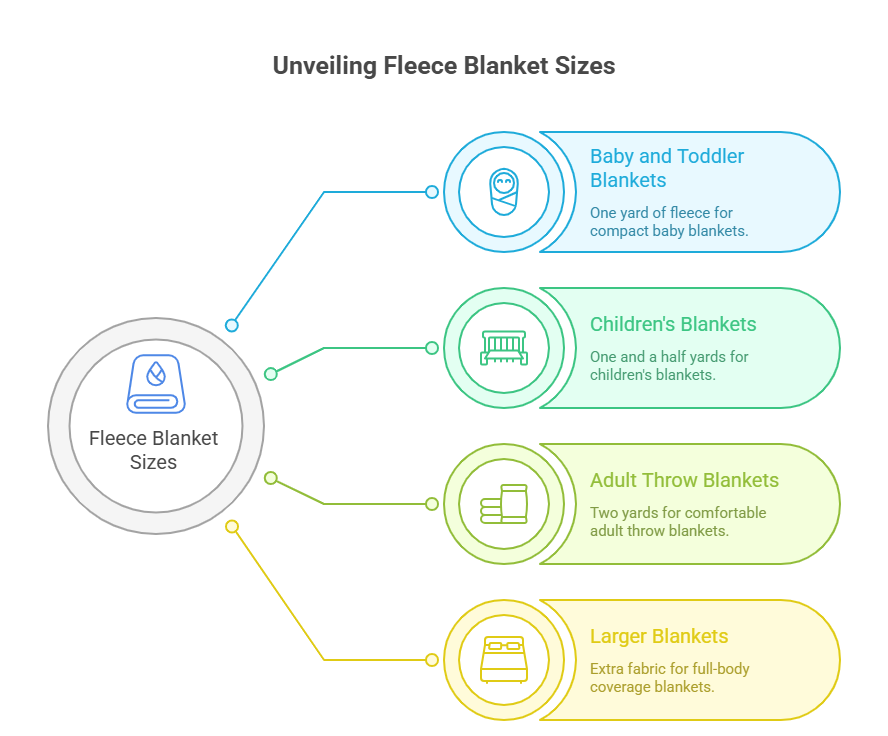
In case you want a straightforward reply to the question of how many yards for a no-sew blanket, it is provided here. It is mandatory to have two pieces of fleece fabric of the same dimensions. Generally, one yard of each piece is enough for a baby blanket. For a blanket for kids, one and a half yards of each fabric is a great choice. For a blanket for adults, usually two yards of each fabric is the most popular option.

In case you decide to have a larger and extremely comfortable blanket, then you can buy up to two and a half yards or even more for each piece. Be aware that fringe cutting around the edges will lower the final size a little bit.

Why Yardage Matters More Than You Think

Purchasing fleece for a no-sew blanket appears to be an easy task until you find yourself in the fabric shop contemplating if you have taken enough. The majority of people conclude later on that their blankets turned out to be smaller than they had anticipated, whereas some others get home with the fabric rolls, which are much more than they actually required. A proper understanding of how many yards for no sew blanket helps you to prevent both scenarios.

It saves money, prevents waste, and makes the whole crafting experience much more enjoyable. When your fabric size is right, the blanket feels comfortable and looks well-balanced instead of awkward or cramped.

What Is a No-Sew Fleece Blanket?

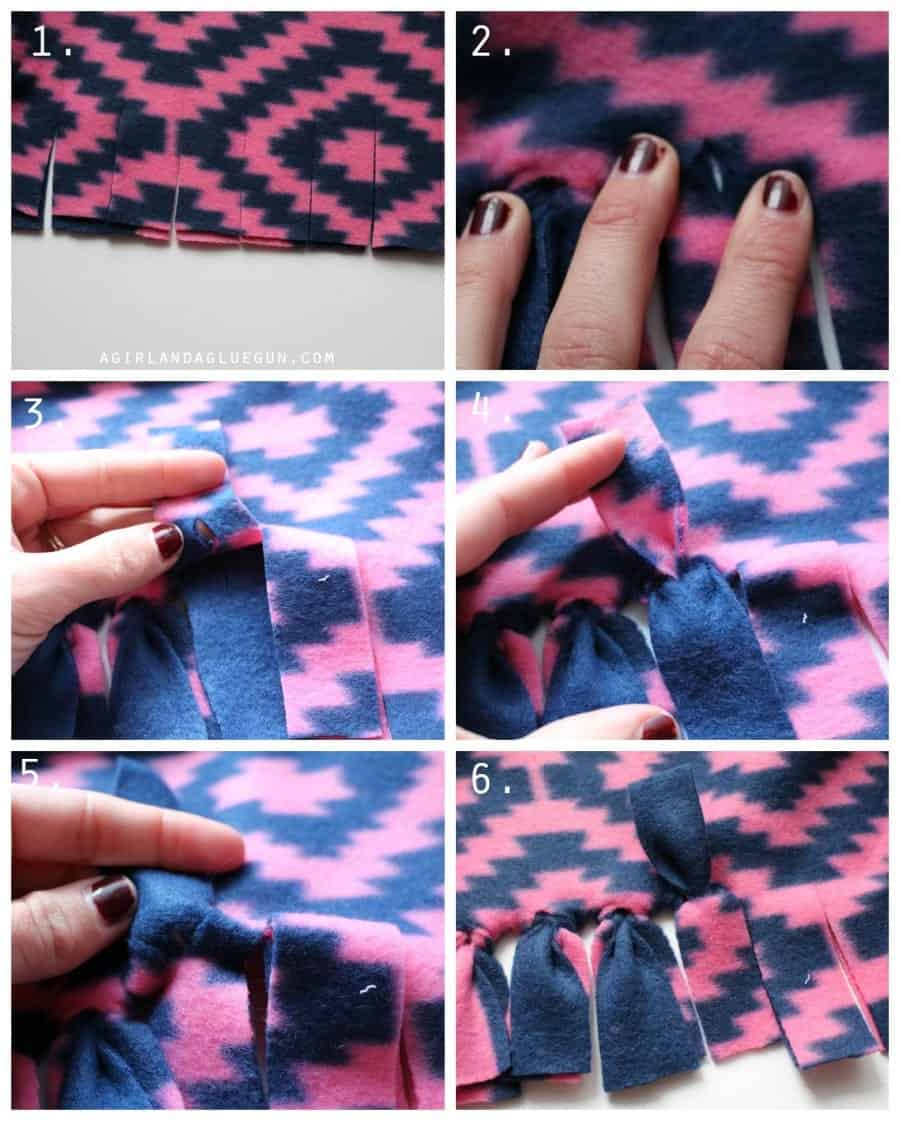
A no-sew fleece blanket has not been sewn at all, but rather made without the use of threads or needles. It means you layer two fleece fabrics, cut little strips at the sides, and tie those strips. The knots create a border that not only holds the two layers together but also looks neat. Knots can be tied even by little ones, hence it can be treated as a family affair. The blanket is so easy to create, but it will still be very warm, soft, and sturdy.

The Golden Rule: Always Buy Two Matching Cuts

To become an expert at this no-sew blanket technique, one must first and foremost realise that the fleece should consist of two equal pieces. If one of the pieces is smaller or less wide than the other, the edges will be misaligned right from the start of knotting.

Most fleece materials have a width that allows for the making of the blankets, thus length in yards should be your main concern when purchasing. The joining of cuts guarantees that the resulting blanket appears tidy and is cosy during usage.

How Many Yards for No Sew Blanket by Size

Baby and Toddler Blankets

Usually, one yard of fleece is enough for baby and toddler blankets plus one more yard for every meter of fleece is the perfect size for crib, pram, and floor sitting. The blankets are also very light and easy to carry, which makes them perfect for toddlers. If you are making several blankets at once or exploring no-sew projects for the first time, these blankets are a perfect choice.

Child-Sized Blankets

Commonly, a no-sew blanket for a child requires one and a half yards of each fabric. This provides sufficient length to wrap a developing child nicely, though it is not bulky. It also endures longer since children grow up, making it a smart option.

Teen and Adult Throw Blankets

For youngsters and grown-ups, the most common option is two yards of every fleece part. An adult throw with the correct yards feels luxurious but not too heavy. This is usually the size that people select for making a blanket as a present.

Extra-Large and Cosy Blankets

If you consider comfort to be the most important thing, opting for two and a half yards or more per piece will result in a larger blanket. These blankets are not only good for tall people but also for cold places and shared use. A lot of people who use a large no-sew blanket claim that it becomes their best pick quite soon because of the complete coverage and warmth it gives.

Why Fringe Reduces the Final Size

In the process of making a no-sew blanket, you fringe all four sides. The cuts usually go quite deep into the material by a few inches, so the fabric of the edges is thus removed. Therefore, the result of the blanket is always a bit less than the fabric that was used in the beginning.

Getting this detail is crucial when you are making a decision about the yards of fabric for the no-sew blanket you need. To have complete coverage, it can be very helpful to take a bit of extra fabric.

Common Mistakes People Make

Let’s save you from a few classic errors:

  • Buying only one piece of fleece (you always need two)
  • Forgetting fringe allowance
  • Mixing different fabric widths
  • Assuming tighter knots make the blanket bigger (they don’t)

A moment in real life which I will always remember: a person made a beautiful knot of the whole blanket… just to find out that the fringe on one side was not cut. Crafting gives patience.

Choosing the Right Yardage for Your Purpose

The appropriate size really relies on who is using the blanket and what its primary purpose is. A blanket for the couch as a decorative piece might not have to be as big as one for a bed. The size of the baby blanket should accommodate the baby’s growth, while the adult’s should be able to cover him/her completely. If you are not sure about the size, better to choose the slightly larger one, which usually equals more comfort and more happiness.

Final Thoughts on Making the Perfect No-Sew Blanket

Once you determine the yardage for your no-sew blanket, the rest of the procedure will be nothing but easy and enjoyable. The no-sew blankets are not about being flawless; they embody comfort, imagination, and heat. Each knot narrates a story, and each blanket carries the saga of personal participation. If the material is of the correct size, then it’s possible to create a tender item that will endure for years and be cherished and utilised.

Fleece is something that we really care about because it has all the good qualities like heat retention, softness, and long life. Besides educating people with the help of projects like no-sew blankets, we also encourage companies, non-profits, and event organisers by supplying them with wholesale fleece blankets in bulk, which are of good quality and impart comfort that lasts long. To us, the goal is to make warmth simple, accessible, and meaningful for all people.

Are Fleece Blankets Warm?

24 Dec

Fleece blankets are grounding, looking very light for their weight, but in essence, they are very warm. They get warm with this reminder, especially when it is hot during their carrying; air crevices trap it. Also, they are soft and breathable; therefore, the fleece blanket is great for fresh, cold nights, by way of a mild amount of heat, daily enjoyment, without using blankets that are too weighty and suffocating.

Now let’s talk about why this happens and are fleece blankets warm and right for you.

Why We Instinctively Reach for Fleece When It’s Cold

Think back to the most recent cold snap. You probably didn’t reach for your ultra-light, ripstop, triple-layered, moisture barrier rain-alpine-ski-cross-country wicking system; you grabbed a fleece blanket. There is a reason for that. Fleece has sneakily become the “No-Brainer” warmth solution.

I had a throw that was fleece, and I just used it for decor purposes on the couch. It was quite cold one evening, the heater was running, as were the electric teas, yet I still felt cold. I decided to lie for five minutes under my guilty pleasure blanket made of fleece, finding that my world seemed all right. I asked myself in an instant, do fleece blankets catch and store warmth, or do you just feel cosy in a fleece?

Turns out, there’s real science behind that comfort.

What Fleece Is Made Of (and Why That Matters)

Fleece blankets are generally made of synthetic fibre like polyester. But it is not just about the material; the fabric construction is crucial. The fibres of fleece are brushed during manufacturing, creating a pile with a fluffy surface and spaces throughout.

Those gaps matter more than you’d think.

The Real Reason Fleece Blankets Feel Warm

Indeed, comfort isn’t synonymous with thickness, as it also depends on insulation. The insulation derived from fleece involves trapping air between the fibres: air is a lousy heat conductor. This means that trapped body heat never really leaves you or radiates out into the room.

This is why fleece keeps you warm in short order. Unlike cotton, which can sometimes feel cold from the outset, fleece begins working almost the moment the temperature shows a noticeable drop. There isn’t any delay; it takes up the heat source that’s been provided.

Staying Warm Without Feeling Sweaty

Customers often face overheating issues; this may occur because of fleece. Fleece therefore solves burning and gives comfort at the same time. The hydrophobic characteristic of the fleece fibres ensures sweat removal.

This is significant; it helps keep you warm. Ultimately, moisture makes you cool once again. Fleece, however, keeps you dry, titillating dry warmth in preference to the heat from a large, thick blanket.

This explains why fleece is used for blankets that do well for different purposesalready including sleeping, lounging, travelling, and even camping.

Lightweight Warmth vs Heavy Blankets

Here lies the advantage of fleece. Most blankets rely on their weight to keep you warm. Wool or heavy quilts certainly work, but they also make the user feel all cocooned up. Fleece, however, offers warmth without the pressure!

If, at 2 a.m., cold and oppressive, you want to throw off a heavy blanket, you understand why fleece is such a great fabric. It keeps you warm while letting you move around.

Are Fleece Blankets Warm?

Not exactly. Just like jackets, fleece blankets come in different “warmth levels.” Standard fleece is great for everyday use—think couch time, light winter nights, or layering on a bed.

In the case of conditions with considerable cold, consider using one of the very thick wool, fleece, or Sherpa-fleece blankets. Among fleece options for the warmest in the said choices would be the fleece-cloth cottage blanket, which has a finely woven fleece material on one side and wool felt on the other side.

When Fleece Blankets Work Best

For a truly wonderful fleece blanket, you will require those cold months or cool evenings, or indoors, in a home somewhere between the North Pole and the Sahara. Also great for travelling, given their lightweight, easy-to-pack, easy-to-dry sides, the components are really coming together quite wonderfully.

During the viewing season, the fleece begs to get extremely hot; on some sweltering summer night, even its most amazing fleece might feel like a thick winter coat—a blanket for such a season would be very important.

How Fleece Compares to Other Winter Blankets

Fleece is softer, lighter, and fuller of tenderness as compared to wool. Fur is lighter than all but works well under wet conditions and also eases maintenance. Incompatibility with everyday uses would stow the trial by fire with other pieces of clothing.

This balance is why so many households rely on fleece as their go-to blanket rather than their “emergency cold-weather only” option.

What to Look for If You Want a Warmer Fleece Blanket

Keep in mind that if warmth is your primary consideration, the thickness and quality of the fleece are immensely significant. Thicker fleece and antimicrobial agents impede the pilling process favor the retention of heat and lifespan. A good fleece blanket will feel soft yet have some support to it- in the sense of support under the weight of the blanket, but not so thin that the blanket merely clings around the user.

Sometimes it’s assumed that fleece isn’t warm because people have been exposed to low-quality examples only. Quality fleece really does make all the difference.

Final Thoughts: So, are Fleece Blankets Warm Enough?

Yes, fleece blankets are warm. They hold the heat, wick away moisture, allow for good breathability, are lightweight, and super easy to use.

Fleece blankets may not replace heat-trapping bedding in cold conditions, but they sure seem like the right compromise for most people in terms of warmth, comfort, and practicality. Quite often, you will just reach for that preferred fleece blanket without even thinking about it.

About Us

We specialise exclusively in high-quality fleece products designed for real comfort and long-term use. Whether you’re buying for home, events, or outreach programs, we offer wholesale fleece blankets in bulk made from first-quality, non-piling fleece. Our focus is simple: warmth without weight, durability without compromise, and fleece that truly feels as good as it looks.

Where to Donate Homemade Blankets

24 Dec

If you are a sewer or a crafter, you know it well. You start sewing a blanket for fun. Another one. A few more. So, one by one, a stack of what you consider to be neatly folded handmade blankets begins to clutter the house. You realise you’ve managed to store them well, but now you have no idea what to do with them all. This is when someone might begin wilfully sending their desires out to the Universe, asking for where to donate homemade blankets so that they will all reach a home where they are needed.

Handmade blankets are more than fabric and thread. They carry time, care, and intention. And the good news is—there are many places where warmth, comfort, and kindness are always needed.

Why Handmade Blankets Matter So Much

Hand-quilting intricacies that join large squares of fabric distinguish one from the machine-made quilt, giving it a personal touch. It faithfully weaves a message of hope for those undergoing golden years, sickness, displacement, or mourning at life’s difficult times. It is a cover that brings with it not only freezing warmth, as a blanket does, but also a kiss of silence and a hug.

These blankets, which are donated, are often cherished for years by the recipient. It would be either the first thing to place with, a safe place, or be the only warmth on a bitterly cold night.

Places That Support Children in Difficult Situations

Children undergoing medical treatments, family transitions, or facing housing instability take considerable care of comfort items designed to make them feel safe. A common use of blankets is to help a child calm down, sleep well, or develop strategies for managing new environments. Handmade blankets work wonderfully because they feel personal and soft.

Soft textiles with cheerful designs are the perfect fit for smaller blankets. The patterns can help remind a child of warmth and normalcy at a time when others describe it in threatening words.

Shelters That Help Women and Families Feel Safe

Shelters for women and families often accept donated blankets. These environments mainly concern the re-establishment of safety and genuinely dignified homes, while blankets tend to fill in the ambience with a lesser shadow but prove to be very important in communal manners. They cover the beds, couches, sofas, and open living rooms to press “home away from home” effect.

Countably, the impact of a mere blanket on something like this is a shiver; many of the occupants have not felt warmth, privacy, well-being, and a sense of belonging forever.

Outreach Programs for People Experiencing Homelessness

Blankets are the most naturally given to the homeless who have no refuge whatsoever. Outreach teams or supporting centres contribute blankets to homeless persons who sleep outdoors or at a temporary shelter.

If you’re looking for a good place to donate handmade blankets and want to produce immediate results, this could very well be the simplest way for you. An individual blanket could, in fact, give someone a tool of survival for the night. Anything heavy or layered could go far at this time.

Hospitals, Recovery Centres, and Long-Term Care Facilities

Hospitals and healthcare centres usually utilise textiles to their advantage to comfort the senses and hands of injured and sick patients. This anticipated need is eased by anyone prepared to donate some of the merchandise he has collected over the years.

Each hospital of the older or standard design has one little something that makes the unit warm–an anchor of simple life before plunging into a cold medical world, adorned with cute hand-knitted blankets by someone caring. As they see it, that allows them to walk a less lonely mile in a really god-awful time.

Refugee and Resettlement Support Locations

Families who are trying to recover from a displacement would oftentimes find themselves with nothing at all. Blankets rapidly become one of the most required household supplies, particularly during the winter months. Given or gifted blankets help them feel secure and snug given them the chance to create a new life.

In these situations, practicality matters, but so does kindness. A well-made blanket can serve a family for years.

Animal Shelters and Rescue Centres

Blankets are necessary for bedding, comfort spots, and very comfortable spaces. This is where animal shelters have a large requirement for blankets. Even if a blanket may not be good enough for donation elsewhere, it would nevertheless be welcome here.

The handmade blanket presents should exhibit almost total softness due to these soft textures to bring comfort to a confused animal as it waits to be taken to its own comfortable home.

Local Community Spaces That Distribute Blankets Quietly

Some of the most impactful donations are happening within community-based spaces that work discreetly behind the scenes. Such places will often plan, during specific seasons, emergency support or neighbourhood help projects, carrying out, for example, the direct administration of blankets to those in need.

Local scrutiny commonly leads to filtering hidden opportunities that rarely get to the public’s notice but are impactful.

Before giving charity, you must ensure that your blankets are in a clean, good and ready-to-use condition. To be safe, do ring up to check first and make sure they need the handmade blankets now. That would guarantee the blankets make it to someone who would most benefit from them.

Let Your Craft Keep Someone Warm

The art of sewing and crafting is normally considered a personal attribute, which enters the arena of kindness, and you should know where to donate your homemade blanket. This could go a long way towards your time and creativity, becoming a degree of warmth, comfort, and dignity for someone else. Your donation may be used during a hard night, a long recovery, or a new beginning, so it could very well become truly special.

We also contribute to donation efforts by supplying bulk blankets of high quality for outreach programs, shelters, and community initiatives. Use us if you have a big drive underway or handle wholesale fleece blankets that will actually serve among strong, non-pilling fleece fabrics made for comfort and long-standing use. The world needs to be warm for everyone, and we are happily helping them to get there.

How Much Fleece for a No-Sew Blanket?

24 Dec

Wondering how much fleece for a no-sew blanket you need? Then here is the sum: you are bound to need 2 pieces of fleece, each with a length anywhere in the range from 1 to 3 yards, a simple explanation greatly depending on the size of the blanket you want to make. Smaller blankets require less fabric, while larger throws or bed-size blankets need a great deal more. The only rule that really matters is that both pieces of fleece are of the identical measurements, and then can be contended to clean edges easily.

Now let’s slow things down and walk through it properly—without overcomplicating things.

Fleece blankets without sewing are so special. They are warm, soft, and highly forgiving. There is no requirement for a sewing machine, sewing skill, or the fact that it all goes awry if the cut is not perfectly straight. That is why they are a hit during holidays, school projects, charity drives, and family craft nights.

The first one I created still sticks out clearly in my memory, and although I thought it was really something I could have completed during an afternoon and in essence was pretty close to finishing by the time the kettle was ready to boil water, the very essence of the no-sew blanket epitomises that whole essence. You are relaxed and comfortable in putting that sense of “Well, I made this!” in with an unforgettable and fleeting moment.

What Exactly Is a No-Sew Fleece Blanket?

Arrange your two fleece fabrics upon configuration with parallels engaged; perpendicularly bisect every short edge of each layer, side them together with matching sides along the fringes, forget about thread, needle, or any such seaming.

Fleece is great for the creation of blankets, as it does not fray and, therefore, preserves the edges’ neatness when cut – especially for this specific type of project. The knotted edge is not untidy but makes an aesthetically clean finish and holds the layers together, if only for a while.

Why You Always Need Two Pieces of Fleece

One of the biggest mistakes beginners often make is buying just one piece of fleece as they make a no-sew blanket that must have two layers to not only be warm but also stay steady. A tie-up of fringes created by the two layers will make the blanket lie flat and hold.

Think of it like a sandwich. One slice of bread works, but two slices make it complete—and far more satisfying.

How Much Fleece for a No-Sew Blanket Depends on Size

This is where most people pause in the aisle of the fabric store, looking intensely at that bolt of modulus and doing the math of bits. The amount of fleece that you need depends on who the blanket is for and how large you want to make it.

One yard of fabric might be just the right size for a baby or lap throw. Lightweight and easy to handle, such throws are great for gifting.

For a throw or a baby blanket, a yard and a half of this fabric would be perfect. This makes the perfect size for reading corners, movie nights, or just curling on the couch.

An adult or teenager throw blanket requires around 2 yards of fleece per side. This size, due to its large enough dimension, can comfortably cover a user without being dragged over the floor.

Generally, 2.5 – 3 yards a piece would suffice for a twin-sized blanket, depending on the amount by which it is supposed to hang. This size is suitable for a bed or a person who loves huge frames.

When asked how many yards are required for a no-sew blanket, the answer differs as per the size of the stargaze fleece blanket that you are going to make. Two pieces in matching colours are mandatory for each.

Fabric Width Matters More Than You Think

Fleece fabric generally comes in a comfortable width, so fretting over width is not an issue. This is wonderful because it makes things simple; a tie blanket will turn out just fine as long as both fleece pieces have been cut to the same length.

Thus, the key is consistency, because if one were to be a little longer or shorter than the other, it will show in the way the knots are tied not a nice discovery at the crest of a finished project.

Preparing the Fleece Before You Start

Before cutting fringe, trim away the finished edges of the fleece; these edges are a little stiffer and will tangle with your ties. Lay the two pieces flat, align them carefully, and remove any wrinkles.

Realising the far-too-limited area of the living room floor is almost simultaneous to the commencement of setting up the space. Setting up a big room becomes less agonising in that process.

The Why You Cut Corners and Fringe

To create clean edges, you’ll cut small squares out of each corner of the blanket before making fringe cuts along the sides. This allows the fringe to tie smoothly around the corners without bunching.

The fringe itself doesn’t require precision. As long as the strips are roughly even, the finished blanket will still look great. This is one of those projects where “close enough” really is close enough.

Common Mistakes That Lead to Buying the Wrong Amount of Fleece

Apparently, another way to overshoot is to make a larger blanket than what you planned with a single piece of fabric. A blanket may shrink in perceived physical size when draped over another study table; try having someone with broader shoulders drape the blanket to see if it looks as wide as they visualised.

So you are crafting a gift or working on a project like blanket-making, with ideas for buying larger pieces of fleece than may actually be necessary to keep your focus in peace at all times. Scrap fleece can never end up going to waste; it could turn into pet blankets, scarves, or further projects.

Final Thoughts on Making a No-Sew Fleece Blanket

Making a no-sew fleece blanket is quite possibly the simplest and most rewarding DIY project. What began as conjecture — this would be impossible — stands confirmed. We specialise in fleece products of the highest standard, providing an additional possibility to those who are considering trusting us for wholesaling fleece blankets.

We have roughly decades of experience working exclusively in fleece, thus rendering premium quality, non-pilling blankets on a large scale, with either bulk blankets for personal projects or merchant supplies to organisations for events or charity. For countless no-sew blankets in the near future, or to be confident of consistent, reliable, high-quality bulk fleece, we make comfortable solutions convenient and available.