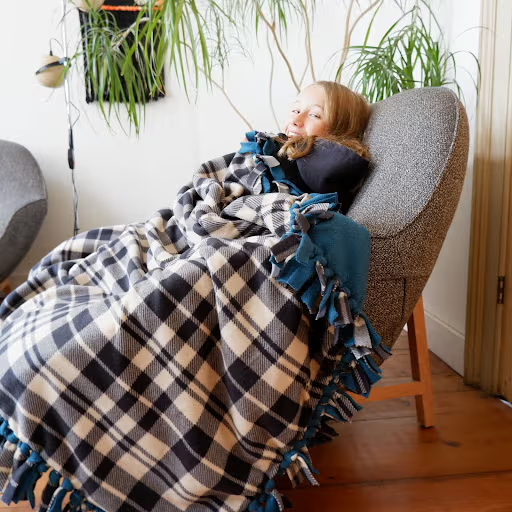
Tag Archives: fleece blankets wholesale

Where to Buy Hoodie Fabric

28 Nov

The process of fabric selection can very well be an adventure every time—sometimes, even if properly conducted, it may still end up with fabric that is not exactly what was intended, if not the other way around. The whole process is almost like going through all your life decisions, full of ups and downs, to finally arrive at the right fabric. The question “Where to buy hoodie fabric?” arises in the minds of many people, to get the answer to which they have to wonder where to buy fabrics at all.

Whether you are launching a small brand of clothes, creating bespoke work for your creative clients, or just desire to make a cosy hoodie, the first heavyweight sledgehammer you can save on effort is to know exactly where to look. California is one of the best places within the whole of the United States when it comes to gathering a wide variety of coveted fabrics, replete with choices from local shops, bustling fabric districts, and the comfort of online choices.

Let’s break down the smartest, most reliable places to buy hoodie fabric today—without complicating things.
Understanding Hoodie Fabric Before You Shop

Before one thinks about where to find one’s fabric, it is good to settle on the cloth one wants. Fabric for hoodies is broadly segmented into tailored and broad classes: cotton fleece, which is warm and soft; polyester blends, which are rugged and pretty warm; and French terry, soft and warm with the additional advantage of weight reduction, along with sweatshirt fleece by any account for traditional and weighty pullover-type hoodies. Each type has its associated appearance, a maximum degree of stretch, and overall weight.

If you’ve ever wondered the reason why some hoodies feel like clouds, and others feel like cardboard, then the magical term is fabric composition and GSM. The higher the GSM (which is weight), the thicker and warmer the hoodie is in its reach. Well, it stores considerable ground for making your judgment on a store that you wish to knock on, according to the type of hoodie you wish to buy.

Buying Hoodie Fabric Online: Simple, Fast & Full of Options

One of the best and most convenient ways to shop, undoubtedly, is through online marketplaces. Online marketplaces have an endless range of fabrics available for any need: whether you require only one quantity for an individual project or wholesale lots for commercial sales. These include fleece, cotton fleece, cotton-polyester blends, French terry, brushed fleece, and speciality knit fabrics, etc., along with related descriptions and weight specifications.

Shopping online also involves comparing textures, reading reviews, viewing photos, and much, much more=from the convenience of your couch. (A luxury for anyone who loves fabric shopping while snuggling in a hoodie made from materials previously purchased.)

For many people searching for where to buy hoodie fabric, the internet becomes their best friend because it offers immediate access to hundreds of sellers, easy ordering, and doorstep delivery.

Specialised Online Fabric Stores for Serious Makers

There are many specialised online fabric stores catering solely to knit materials, sweatshirt fabrics, and fleece beyond general marketplaces. These pages usually offer less detail on aspects like stretch percentage, GSM, shrinkage, or even fibre; however, this information should be very helpful to an industrial hoodie designer.

Retail and bulk fabrics are hot among these stores, proving excellent for apparel stores and consistent crafters. High-maintenance shoppers should consider bookmarking the specialised online sites; they take care of more robust summertime fabrics, exquisite blends, and rare one-of-a-kind colours that won’t be found elsewhere.

Local Fabric Stores in California: Touch Before You Buy

Sometimes the charms of shopping in person for fabrics include the idea to appreciate the substance of fabrics, the necessary moisture and relief, and to predict sturdiness. The online photos do not satisfy those particular purposes. Anyway, if you are very choosy or want to feel every fabric in the shop, then feel free to take up space in front of the shelves till you breathe at ease.

San Francisco, Oakland & the Bay Area

Fabric boutiques, situated across the Bay Area, often fill their shelves with high-quality knitted materials, warm fleece and eco-friendly cotton blends. The trendy French Terry is also a staple here. Such stores fill their shelves with fashion-forward selections, serving small-time designers and boutique hoodie brands alike.

Independent Shops Across California

In San Diego, Sacramento, and Fresno, among many large and small cities all around the state, there are numerous small fabric stores providing seasonal fleeces, sweatshirt fabrics, and knit remnants. They are great for a warm, cosy, and leisurely way to shop without the claustrophobic, overly commercial shopping districts. While we’re there, it would also be nice to find someone who knows the excitement of purchasing “just a little fabric” while walking out of the store with a giant 12 yards.

Craft Stores & Big-Box Retailers

Big retail chains throughout California carry a selection of fleece and sweatshirt fabrics, especially during fall and winter. These stores aren’t as specialised as fabric districts or knit-focused suppliers, but they offer convenience—easy parking, easy returns, and often a coupon or two waiting in your inbox.

Plus, they’re great when you want to buy fabric, thread, scissors, and snacks in the same trip. Efficiency at its finest.

Choosing the Right Place Based on Your Needs

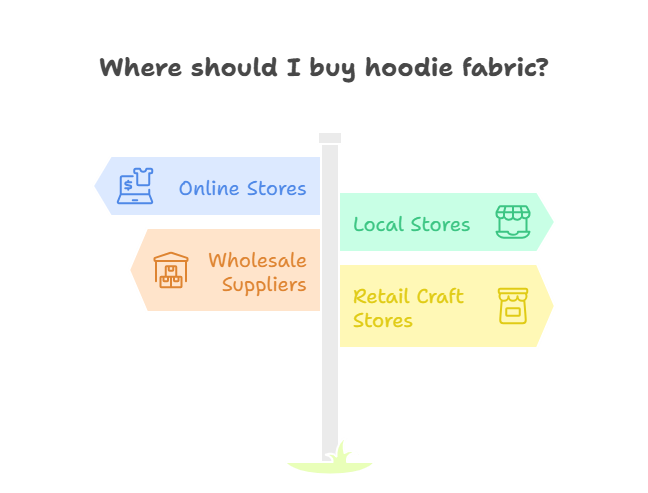
Where you should shop depends on what you’re looking for:

  • If you want a huge variety → go online.
  • If you want to feel the fabric → visit local stores.
  • If you want the best prices for large orders → check wholesale suppliers.
  • If you want simple, accessible options → retail craft stores work perfectly.

Once you know the type of hoodie you want to create, choosing where to buy hoodie fabric becomes much easier.

Conclusion

Choosing the best fabric for creating a hoodie is not rocket science. It doesn’t matter if you shop online, browse the fascinating fabric districts in California, quickly visit the local fabric shops, or wholesale agents if you want fabric by bulk; the state offers numerous trustworthy options to check or not with. In order to make the right decision in a sea of fabric choices, one must know what one needs: material, heaviness, stretch and budget.

Passionate about soft, cosy, durable, and quality fleece apparel at PeachFur Fleece. While remaining huge suppliers of fleece blankets in bulk and accessories, our brand’s speciality is in delivering premium hoodie designs and jackets that boast the synergy of cosiness and dressmaking. We are thrilled with the opportunity to serve you for all your requirements – be it bulk orders or unique custom solutions.

What Is Sherpa Made From?

28 Nov

In the case that you have slipped comfortably into a sweatshirt or wrapped yourself up in a sherpa blanket, you know the feeling — all this plushness, softness, cosiness-there is no question in your mind that you are not going to get up anytime soon. But did you ever wonder what is Sherpa made from and why it feels just too cuddly when you snuggle up to it?

This blog gives you the warmth of total comprehension. Easy to read and beautifully written with all professional decor, it enlightens you on the reason why Sherpa is pure seduction.

What Exactly Is Sherpa?

Sherpa is a type of synthetic fleece fabric made to mimic the curly, woolly appearance and texture of sheepskin. By all means, Sherpo looks and feels like wool, but it doesn’t use any animal fibre, making it a nice, ethical, and inexpensive fabric. The name “sherpa” has an obvious connotation to the predominantly wool-lined garments worn by the Sherpa people in the Himalayan region.

Both names and garments are realistic, but all things modern are artificial fibre. A good solution while retaining warmth over wool, saving you the cost of wool wear and tear in the long run.

What Is Sherpa Made From? (The Heart of the Fabric)

Sherpa is usually made from a combination of the following materials:

1. Polyester

Polyester is the most common material used in sherpa fabrication. It’s:

  • lightweight
  • durable
  • easy to wash
  • naturally moisture-resistant

Many polyester sherpa fabrics are actually made from recycled plastic bottles. The next time you hear how your blanket is a big contributor to Mother Earth’s ailments, tell them that they don’t help beauty at all.

2. Acrylic

Acrylic fibres add fluffiness and warmth. They mimic the feel of real wool without the itchiness many people struggle with. Acrylic blends are softer, loftier, and great for maintaining that “teddy bear” texture we all love.

3. Cotton or Cotton Blends

Some sherpa fabrics are blended with cotton to create a more natural, breathable feel. Cotton sherpa is perfect for:

  • baby blankets
  • sensitive skin
  • home décor items

Cotton sherpa tends to be slightly heavier but very gentle on the skin.

Why These Materials Are Used

The sherpa is combining simple materials that are strategically used together. Polyester provides support by being durable, whilst acrylic imparts an extraordinary softness, and cotton gives some breathing room. So, when put together, these fibres make the fabric warm basically; by trapping in your body heat, it is appropriate for cold conditions. Although it is fluffy, the sherpa continues to remain incredibly light, giving sherpa jackets that feeling of not having your bed mattresses around town.

Sherpa undergoes a special brushing and looping process during manufacturing, which gives it that “teddy bear” texture. It’s one of the few fabrics people touch in stores and immediately say, “Ohh, this is nice,” even before looking at the price tag.

Sherpa vs. Regular Fleece — Are They the Same?

Although sherpa is a type of fleece, it has its own personality.

FeatureSherpaRegular Fleece
TextureWool-like, fluffy, curlySmooth and uniform
WarmthHigher insulationModerate warmth
WeightLight but warmerLight and breathable
Best Used ForBlankets, linings, winter clothingJackets, activewear, everyday throws

If regular fleece is your dependable daily cup of coffee, sherpa is the premium latte with extra foam and a drizzle of comfort.

How Sherpa Is Used

Versatility is a major selling point for sherpa materials, insofar as the sherpa lies at the hem of winter jackets, vests, hoodies, gloves, and hats from the fashion world. Sherpa remains the top option for de-winterising without giving the pant or the one who dons such a jacket/baggy coat yet another layer of puff on the outer, such that it continues to be vogue for every cold period.

In home décor, sherpa shines even brighter. Sherpa blankets, throws, and cushion covers create an instant warm and inviting atmosphere. If you’ve ever walked into a living room during winter and felt immediately cosier, chances are Sherpa was involved.

Sherpa also finds its way into slippers, pet beds, outdoor camping blankets, and sleeping bag linings — essentially anywhere that warmth and comfort are top priorities.

Sherpa offers a rare combination of warmth, breathability, lightness, affordability, and softness — all while being animal-friendly. It delivers luxury without the luxury price tag. It’s practical, beautiful, and comforting, all wrapped into one fabric.

In other words, sherpa is the fabric equivalent of a warm hug on a cold day — and who doesn’t need more of those?

PeachFur Fleece — Your Source for Premium Sherpa Blankets

PeachFur Fleece is a boutique-style online store that offers traditional two-touchy Sherpa Mink Blankets made for unmatched comfort and dependability. The magnificent lifestyle blanket is furry on one side and has that silky, shiny mink fleece on the other end. These luxury mink and Sherpa Blankets fit into the most balanced combination of heat and refinement.

Are you seeking to buy fleece blankets wholesale? Sherpa mink blankets in bulk at competitive prices make for an ideal gifting and retail set-up. With products available in two sizes—50″ × 60″ and 60″ × 72″—everything that is delivered maintains exceptional standing from quality and colour to hand-feel.

For premium wholesale sherpa fleece blankets, PeachFur Fleece is here to keep you warm — one cosy layer at a time.

What to Do with Fleece Scraps

27 Nov

In case you have ever dealt with fleece—be it for making blankets, winter garments, or comfy home accessories—then you are already aware of the almost magical quality of this fabric. It is hot without being heavy, gentle without being delicate, and tough, just like it can take years of usage. However, what most people are not cognizant of is that the tiny remaining bits are often just as helpful as the fabric itself.

Certainly, fleece offcuts can lead you to the very world filled with imagination, sustainability, and even fun that you never thought of before. And if you consider leftover fabric pieces to be nothing but bits that are to be thrown, don’t be afraid-at the end of this blog, you will no longer think of them as nothing but treasure and know What to do with Fleece Scraps. (Indeed, we have now become the “whisperers of scraps” officially.)

Understanding What to Do with Fleece Scraps

Before diving into smart applications, it is necessary to understand that fleece scraps are not waste. Fleece is generally made of very thin polyester fibres, which are then knitted and brushed to give a soft and warm texture. It does not fray, is very light in weight, absorbs moisture quickly, and at the same time has a great mix of toughness and softness. That is why the smallest amount of fleece still has these characteristics.

This is the very reason that scraps may be very useful. The combination of fleece’s insulating property and its no-fray edges allows for transforming scraps into functional objects without using complex sewing methods. It’s the only cloth that does not give a hard time to non-professional seamstresses. (Wouldn’t it be great if every fabric were this nice?)

Large Fleece Scraps: Transforming Bigger Pieces into Beautiful Creations

If you have bigger fleece panels left over, then you probably have a lot of possibilities in your hands. One of the easiest but most gratifying is to make patchwork throws. You can simply stitch or knot together big fleece squares, and then you get a beautiful, warm, and extensive blanket. It is like making a quilt, but without the hassles of exact measurements or the worries of ruining your grandma’s sewing legacy.

Big leftovers can be used to create pillow covers as well. Fleece pillowcases have an easy sewing process. Comfort-wise, they are excellent, plus they are a nice way to make your home feel warmer. Absolute novices can also attempt the envelope-style pillow covers—they are easy, useful, and very likely to give you the impression that you are a pro.

Medium-Sized Fleece Scraps: Make the Most of These Versatile Pieces

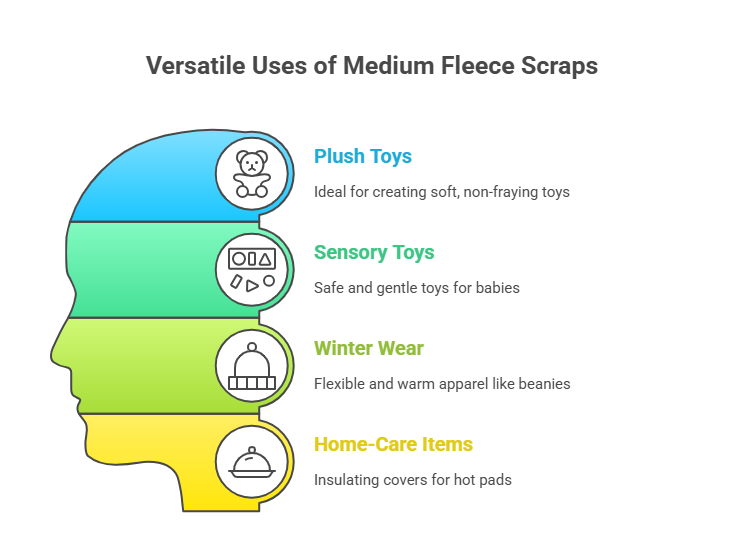
The most interesting materials to deal with are often those of medium size. Fleece scraps are perfect for making plush toys or stuffed animals, as the fabric does not fray or shed. All the pros of fleece are that it is easy to sew, friendly for kids, and super soft, so that the final product is also soothing to hold. Fleece scraps are sometimes turned into sensory toys for babies, such as soft blocks or tag toys that are safe for the skin, easy to wash, and gentle on the skin.

Another fantastic application of medium scraps is to sew up some winter wear like beanies or ear warmers. Fleece is a wonderful material for winter apparel since it is both flexible and keeps its original form. If it is your first time making a hat, don’t worry; it’s a lot easier than you think.

These scraps can also be transformed into small home-care items such as hot pad covers or sleeves for reusable heat packs. Since fleece insulates well, these covers remain warm longer while protecting hands from direct heat.

Tiny Fleece Scraps: Don’t Underestimate the Smallest Pieces

Tiny scraps of fabric are usually discarded as people think they do not serve any purpose. But in the world of fleece, even the smallest pieces are still workable. One of the most basic ways is to convert them into stuffing material. The small bits can be utilised for a pillow, plush toy, pet bed, or draft stopper filling. It is soft, free stuffing and does not lead to waste at any cost.

Moreover, the tiny fleece scraps may be cut into amusing shapes and made into coasters or mug warmers. The fleece’s gentle heat absorption capability makes such small creations ideal for winter nights with hot drinks. You may also make braided items like keychains or hair ties from thin strips—suitable for children’s craft projects or as little gift add-ons.

Sharing and Donating Fleece Scraps

In case your heap of unwanted scraps has turned into a mountain (no problem at all, as we’ve all experienced it), think of giving it away. Fleece remnants are frequently accepted by schools, craft centres, children’s activity groups, and animal shelters. Crafting with fleece has always been kids’ favourite, and using it for bedding or comfort toys for the rescued animals is one of the shelters’ solutions. It is a practical and kind-hearted way to confirm the new purpose for your scraps.

Organising Fleece Scraps for Long-Term Use

A helpful habit is sorting your scraps by size and colour. Large pieces together, tiny pieces in separate bags, patterned scraps in another section. When everything is organised, starting new projects becomes significantly easier. A little organisation goes a long way—plus, it gives you the perfect excuse to buy new storage bins.

Final Thoughts

The selection of what to do with Fleece Scraps is a creative pathway, plus an eco-friendly custom. Every scrap that gets reused equals one less synthetic material that ends up in the landfill. What is more, fleece is still the most luxurious and warmest material even if the piece left is the tiniest.

At PeachFur Fleece, we produce fleece duvet covers, baby blankets, and bespoke throws of exceptional quality that are favoured by hotels, designers, and families throughout the United States. Moreover, we supply large quantities of fleece blankets in bulk for non-profit organisations, events, and firms that desire first-rate quality in large quantities.

How Much Material Do You Need for a Tie Blanket?

22 Nov

Tie blankets can be a list of those projects that make one feel homely, creative, and instantly famous as a crafter-just like that, even if your arts and crafts skills usually stop at taping wrapping paper. They’re easy, cosy, soft, and personalised blends that require no machine sewing at all. You should simply grab the stuff to make a tie blanket for yourself, a baby, another friend, or all gathered to have a luxurious flick. The first and very important thing to consider always is, “How much material should I buy for a tie blanket to work?”

Good news? It sounds difficult, but in practice, it’s a cinch. Anyone, prepared with a pile of fabric ready at arm’s length, can make a beautiful tie blanket in a mere two hours. Here is a detailed walk-through of everything you need to know.

What Is a Tie Blanket?

A tie blanket is a two-layer fleece blanket made of two pieces of fleece, with fringe, and the two pieces together. Actually, no pins or needles are needed. This super-easy way of creating a soft, cuddly gift only requires a pair of scissors and 1-2 hours to work. Usually, these blankets are used for gifts for friends or to charities, baby essentials, the best way to dress a dorm room, and much more… outside of lying around at home as part of the decor.

The best part is how customizable they are: mix and match colours, choose fun patterns, or go classy and minimal. Tie blankets work for everyone—from newborns to grandparents to pets who believe every blanket is actually theirs. (And honestly, they’re not wrong.)

How Much Material Do You Need for a Tie Blanket?

The exact yardage depends on the size you want to make. You will need two pieces of fleece, each the same size.

Baby / Crib Size

• 1 yard of each fleece fabric

Perfect for stroller rides, naps, and tummy time. It’s small, lightweight, and easy to carry around.

Child Size

• 1.5 yards of each fleece fabric

Ideal for toddlers and younger children. Works well for bedtime, reading time, or travel blankets.

Adult Size

• 2 yards of each fleece fabric

The classic couch throw—great for reading, relaxing, and pretending you didn’t just watch four episodes in a row.

Large Adult Throw or Twin-Style Blanket

• 2.5 to 3 yards of each fleece fabric

Perfect for taller adults, oversized blankets, or creating a luxurious wrap-yourself-like-a-burrito experience.

Don’t Forget Fabric Width

Most fleece is 54 to 60 inches wide. Make sure the selected width matches the size you had in mind, because the blanket will feel more generous or cosy if the width of the fabric increases. When in doubt, broader is better, much like the padding of a jacket in winter.

Materials You’ll Need & Choosing the Right Fabric

A fleece tie blanket can be made with simple supplies that are readily available. All that you need is a pair of very sharp scissors or a rotary cutter, two pieces of fleece fabric in coordinating colours, some tape, and a ruler or yardstick. Quilting fabric is absolutely out of the question, but you can try using any fabric you want if you dare!

It is an incredible fabric, since it is warm, soft, does not unravel, retains its shape, and wicks moisture. Therefore, it is suitable for any no-sew project. With hundreds of colours and designs to choose from, fleece seemingly gives one a great deal of creative freedom. Opt for an anti-pill variety, as this will guarantee that your blanket stays lovely and smooth no matter how much it has been used or washed.

Preparing Your Fabric Before You Start

A little prep now saves frustration later.

  • Lay both fleece pieces on top of each other with the right sides facing outward.
  • Trim uneven edges so both layers match perfectly.
  • Check that your patterns face the same direction (unless you enjoy sideways dinosaurs or upside-down snowflakes).
  • Washing fleece beforehand is optional—fleece doesn’t shrink much, but some people prefer washing in advance.

How to Cut and Prep the Fabric Correctly

Once your fleece is aligned and trimmed:

  1. Cut out a square from each corner (usually 2×2 inches). This keeps the corners from bunching up when tying.
  2. Cut the fringe: Make slits about 1 inch wide and roughly 3–5 inches deep along all four sides.
  3. Keep slits consistent: This helps your blanket look smooth and evenly tied.

Before you know it, you’ll be tying away like a pro—though it never hurts to take breaks, especially if your fringe starts looking like it has “Monday energy.”

When Should You Buy a Tie Blanket Instead of Making One?

Do-it-yourself projects are fun, but for some occasions, it is better to buy a tie blanket off the shelf. Whenever you require a large number of blankets quickly—for events, charities, or giveaways—buying is just much simpler. It is also better when you want to have it with perfect uniform quality, or a gift you could buy ready-made.

It can be especially useful if some custom embroidery is wanted on a logo, or if it just comes to a home maker’s thoughts halfway through, that those scissors don’t work just like they used to. The ready-made tie blanket gives you all the inimitable warmth and handmade charm that you appreciate, minus the cutting marathon.

What to Look for When Buying a Tie Blanket

While buying a tie blanket is an alternative to making one, buyers should keep a few important details in mind, which will bring about an awesome quality. Start with buying a tie blanket made from non-pilling first quality, first-quality fleece because it adds longevity to the tenderness in them. Make sure that the fringing is nicely or uniformly cut at the far ends, and the blanket is double-layered for warmth and durability. Lastly, the knots should be tied tight and tightly to the fabric, the perfection in the details giving the tie blanket a clean and furnished look.

It’s always good to know the specifications you want—will the blanket be for your baby, maybe just used for a couch throw or even become a grown-up blanket—and any personalisation, options such as having embroidered names with other details. A magnificent hand-tie-and-knot blanket feels utterly soft, plump, and embracing when lifted.

About PeachFur Fleece

Knowing the quantity of materials needed for a tie blanket brings the project into perspective, streamlining it and making it so much more enjoyable. Whether working on your first blanket or making some stacks as gifts for those dear to you, using the superior quality fleece, even though expensive, will let you create enduring, thick blankets.

For over 21 years, PeachFur Fleece has tirelessly been serving customers seeking wholesale fleece blankets, along with first-quality, anti-pill fleece material to be used in DIY tie blankets. Whether you need a fleece blankets wholesale, ready-to-go tie-blankets, or high-quality fleece fabric for your crafting projects, working with you to make something warm and beautiful, having something splendid now could be a privilege for getting such an honor.

How to Make a Braided Blanket

22 Nov

Braided fleece blankets are among those projects that look difficult, but are very easy to make. Have you ever eye-to-eye with the smoothest, most-crafted braid-laden cotton edge and thought, “How in the world must one accomplish this without sewing?” You have hit this page for the perfect tutorial. This discussion breaks down all the steps to not only guide you on how to make it but also to present an intuitive view of why these comforters have now become a favourite with every crafter, giver of gifts, and cosy blanket junkie.

Do not worry—this project may be done on the floor while catching your favourite show, using only scissors, fleece, and a bit of patience. (Extra kudos if you have some snacks on hand. Crafting accuracy is always better with snacks. Probably.)

What Exactly Is a Braided Fleece Blanket?

A braided fleece blanket is a two-fold fleece blanket that gets edging that looks braided, rather than the usual tied knots. A braided blanket gives an edge that is solid-looking—rather than the puffy knots and floppy fringe of a tie blanket—so it lies flat and has a neat appearance. It is reminiscent of some crochet lace, with the greatest benefit being that you don’t have to crochet a single stitch to obtain it.

When an elegantly edged fleece blanket is required, stitching machines are now left aside for the time being…cuts and fleece burls are used to finish off the edge. This makes it one reason for those who find sewing a bore, or have no time, or have never before tried their hand at it.

Braided fleece blankets are now generally appreciated by both crafters and families as a choice because they basically have a cleaner and flatter edge compared to a hand-tied blanket. Comfortable to snuggle under or sleep under, they just happen to be wonderful.

A big part of why they are so appealing is that they have a beginner-friendly design; so even “not-so-crafty” people could create in just a matter of easy steps rather nice-looking blanket. Also, the double-layer fleece type of construction is warm and durable, offering lovely, plush bulk, which makes the blankets reversible in the event of two colours or designs to be used.

Common Uses for Braided Fleece Blankets

Braided fleece blankets have endless utility. They are suitable for practically any occasion. People like to use them as newborn or toddler blankets because they are soft, gentle, and warm. These are excellent sofa throws for reading, lounging, or movie nights, and very useful in the car for added warmth in long drives.

Perfect for taking on a picnic or giving that extra warmth in a rug to cheer up whilst watching a ballgame, their sturdiness also makes them an instant hit among washable pet blankets. Because braided fleece blankets are economical and quicker to make, they are easily made for charity and leisure activities. Different spaces calling for warmth and comfort uniformly get adorned with braided blankets.

What You Need to Make Your Own Braided Blanket

To learn how to make a braided blanket, you only need a few basic supplies:

  • Two pieces of fleece fabric in coordinating colours
  • Baby: 1 yard each
  • Child: 1.5 yards each
  • Adult: 2 yards each
  • Sharp fabric scissors or rotary cutter
  • Ruler or yardstick to keep cuts straight
  • Masking tape (optional) to mark cutting lines

And yes—fleece is the ideal fabric for this project because it doesn’t fray, stretches gently, and creates beautiful braided edges.

Step-by-Step: How to Make a Braided Blanket

1. Prepare and Align Your Fleece

Put the initial fleece piece on the floor with the right side facing up. Take the second fleece piece and place it over the first piece with the other right side up. Line the two sheets up as nearly perfectly as you can. Gently pat down the layers. Spread anything so that the edges meet. Till both layers attain the same size, in case of any difference, cut off any uneven edges.

This is the moment when your blanket feels like a giant sandwich—just without the temptation to eat it.

2. Cut Out Corner Squares

Cut a square that measures 2×2 inches from each of the four corners in the blanket. This will help keep the braiding flat when you reach further into the corners.

3. Create the Fringe Strips

Cut slits about two inches deep, one inch apart, along all four sides of the rug. These slits were the loops that secured the braided edges.

Keeping the spacing consistent is important—think of it like trimming bangs. One uneven cut and the whole thing feels slightly suspicious.

4. Add a Small Slit to Each Fringe

Take each fringe tab, fold it gently, and snip a tiny slit in the centre. This tiny opening is where the next piece will loop through. Make sure you don’t cut too close to the edge, or it may tear later.

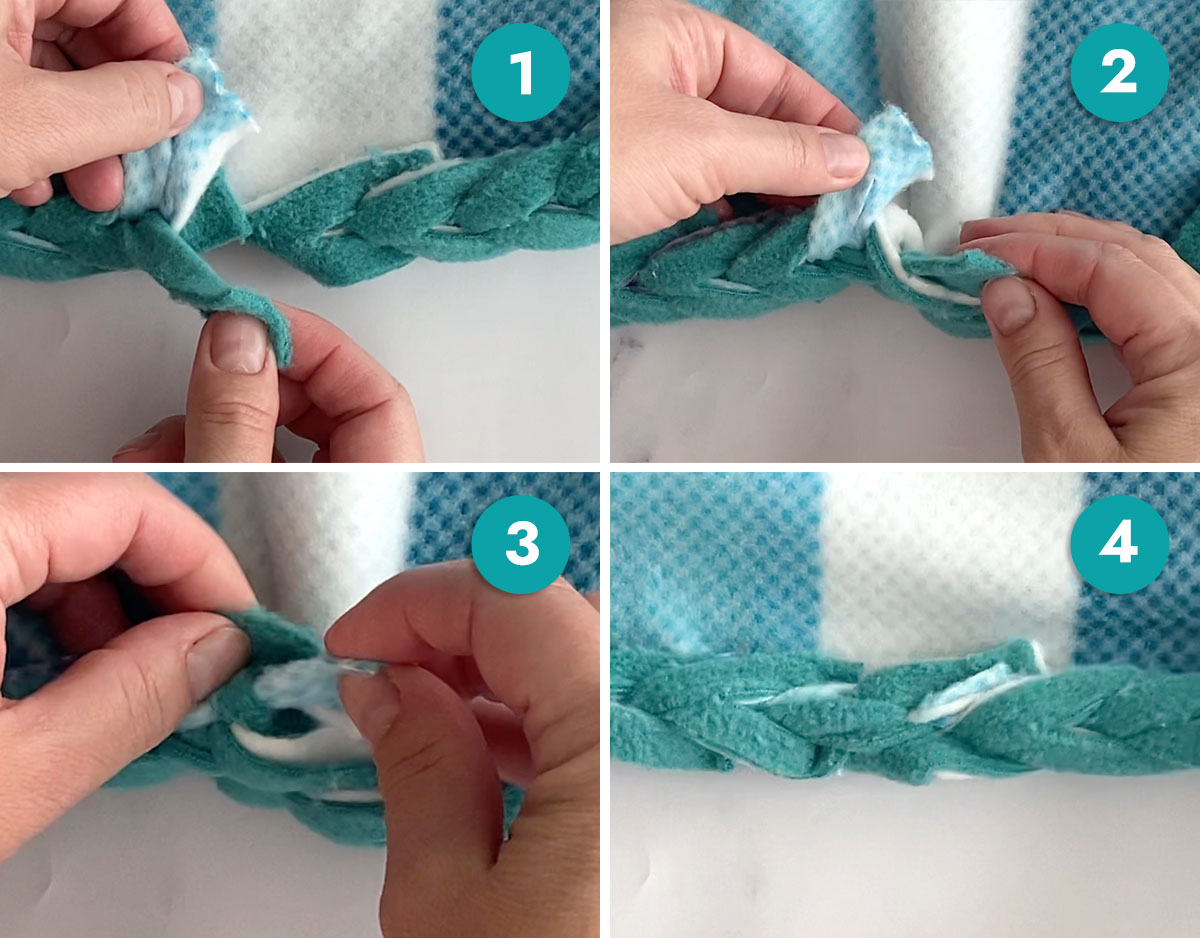
5. Start the Braiding Process

Now the fun begins.

Pick a fringe strip and sandwich the two fabric pieces together. Pick the one right of it and pull it through the slit in the first strip. Pick the next one on the right and do again- pick one to the right, push through the slit.

Work your way around the blanket like this, and you’ll see the braided edge forming beautifully.

6. Finish the Final Strip

When you reach the final strip, split it into two layers. Pull one layer of the last strip through the very first slit you started with, and then secure the other layer through it. This creates a clean, hidden closure.

Your blanket will likely look a little puckered at this point—don’t panic, that’s normal.

7. Stretch the Edge Gently

Go around the blanket and gently stretch the edges. This helps the braid relax and lie flat, giving your blanket a smooth, even border.

There you go: a braided blanket made with no sewing, no special tools, or any riff: it’s pure fun and quite simple.

Conclusion + About Us

Braided fleece blankets are comfy, decorative and can be made effortlessly. With a few cuts and a little knot work, you can stare at fleece and then turn around for a bit of winter warmth in the shape of a homemade blanket that is a perfect gift or comfort item. By now, you have also made up your mind to make your own or buy from ready-made blankets, so look at PeachFur Fleece for fleece blankets in bulk and apparel on wholesale accounts in every colour, size, style, etc.

For over 21 years, we’ve specialised in first-quality, non-pilling fleece blankets, jackets, and custom embroidered products—perfect for charities, events, and warm winter essentials. Everyone loves a fleece blanket, and you can shop the best ones with us.