Tag Archives: fleece blankets wholesale

What Is Crushed Velvet Made Of?

7 Nov

Quick Answer: What Is Crushed Velvet Made Of?

Crushed velvet is a luxurious, soft, and shimmery fabric created by twisting and pressing velvet fibers in multiple directions to give it a textured, crushed appearance. Traditionally made from silk, modern crushed velvet is often crafted using synthetic blends like polyester, nylon, or viscose—materials known for their durability and affordability.

Much like fleece blankets wholesale suppliers who produce cozy, high-quality fabrics in bulk, crushed velvet manufacturers use advanced techniques to ensure the fabric remains plush, wrinkle-resistant, and visually appealing, making it a popular choice for upholstery, fashion, and home décor.

Now let’s dive deeper.

1. Understanding Crushed Velvet: A Fabric of Luxury

Crushed velvet is a type of velvet fabric that has been mechanically twisted, pressed, or “crushed” during or after production to create a textured, rippled look. Unlike traditional velvet, which has an even pile (surface fibers all standing upright), crushed velvet’s pile is intentionally uneven. This uneven texture reflects light from different angles, giving it a multidimensional sheen.

Historically, velvet was woven from pure silk, making it extremely expensive and exclusive to royalty and the upper class. However, advancements in textile technology have made it more accessible, with crushed velvet now produced using synthetic and blended fibers such as:

  • Polyester: Adds durability, wrinkle resistance, and affordability.
  • Nylon: Offers flexibility and sheen.
  • Viscose or Rayon: Mimics the softness and gloss of silk.
  • Cotton blends: Provide breathability and comfort.

The result is a fabric that looks regal but feels practical — combining style with everyday usability.

2. The Process: How Crushed Velvet Gets Its Signature Look?

The name “crushed” comes from the unique finishing process that gives this fabric its characteristic texture. Here’s a simplified breakdown of how crushed velvet is made:

  1. Weaving the Base Fabric: Velvet is woven using two layers of fabric connected by vertical yarns. Once woven, the layers are cut apart, creating the soft, plush pile.
  2. Crushing Process: The fabric is twisted or pressed in various directions while wet or under heat to distort the pile intentionally.
  3. Drying & Setting: Once the crushed texture is achieved, the fabric is dried to lock in the pattern permanently.

This specialized process creates a shimmering surface that changes color intensity depending on lighting and angle — one of the key reasons crushed velvet is adored in fashion and interior design.

3. Comparing Crushed Velvet with Other Popular Fabrics

Crushed velvet often competes with other cozy and luxurious fabrics like fleece, suede, and chenille. Each has its unique feel and functional advantages:

FabricTextureWarmthMaintenanceCommon Uses
Crushed VelvetSmooth, shiny, texturedModerateEasy to clean (synthetic blends)Dresses, curtains, upholstery
FleeceSoft, fluffyHighMachine washableBlankets, jackets, throws
ChenillePlush, denseModerateMedium careUpholstery, cushions
SuedeMatte, velvetyModerateNeeds special cleaningShoes, furniture

Interestingly, many fleece blankets wholesale manufacturers have started offering velvet-fleece hybrid fabrics that blend the shine of velvet with the warmth of fleece — a perfect example of how traditional and modern materials are merging to meet new lifestyle needs.

4. The Fibers Behind the Shine: Silk vs. Synthetic Blends

In its earliest form, velvet was exclusively made from silk — soft, breathable, and incredibly lustrous. However, natural silk velvet is both costly and delicate. To make crushed velvet more accessible, manufacturers began experimenting with synthetic fibers like polyester and nylon, which are easier to maintain and far more affordable.

Silk Crushed Velvet

  • Luxurious and breathable
  • Natural sheen
  • Expensive and delicate

Polyester Crushed Velvet

  • Affordable and durable
  • Wrinkle and fade-resistant
  • Retains texture even after multiple washes

Viscose/Nylon Blend

  • Offers silk-like shine
  • Soft to touch and flexible
  • Common in high-end fashion

Just like fleece blankets bulk producers, who select materials carefully to balance warmth, softness, and longevity, velvet manufacturers also consider fiber type to achieve the ideal combination of aesthetics and practicality.

5. Environmental and Ethical Considerations

With the growing demand for sustainable fashion and textiles, many manufacturers are rethinking how crushed velvet is produced. Synthetic fibers like polyester are derived from petroleum, raising environmental concerns. However, innovations such as recycled polyester (rPET) and eco-friendly dyeing techniques are reducing the carbon footprint of modern velvet.

Some organic brands even experiment with bamboo-based viscose or cotton velvet, offering consumers a more sustainable option that aligns with the same ethical approach seen in eco-conscious fleece blankets wholesale production.

6. Uses of Crushed Velvet in Modern Design

Crushed velvet is one of the few fabrics that seamlessly transitions between fashion, décor, and luxury accessories. Here are some of its most popular applications:

Fashion and Apparel

  • Evening gowns, blazers, and dresses
  • Stylish tops and skirts
  • Winter accessories like scarves and hats

Home Décor

  • Sofa upholstery and throw pillows
  • Curtains and draperies
  • Bed covers and cushions

Luxury Goods

  • Handbags and shoes
  • Decorative wall hangings
  • Statement furniture pieces

The versatility of crushed velvet has made it a favorite for interior designers seeking elegance with texture — and for fashion designers wanting to create depth and movement in their garments.

7. Caring for Crushed Velvet

Despite its regal appearance, caring for crushed velvet is relatively simple — especially when made from synthetic fibers. Here are a few key maintenance tips:

  • Avoid direct ironing: Use a steamer or low heat to remove wrinkles.
  • Gentle washing: Hand wash or use a delicate cycle with mild detergent.
  • Air dry flat: Avoid hanging while wet to prevent stretching.
  • Use lint rollers: To keep the surface clean and free of dust.

With proper care, crushed velvet can maintain its softness and shine for years — much like high-quality fleece blankets bulk that retain their plush texture even after repeated use.

8. The Connection Between Comfort Fabrics: Velvet & Fleece

While crushed velvet dazzles with luxury, fleece remains a staple for warmth and comfort. Interestingly, both fabrics share one common trait — the pile. This refers to the raised surface fibers that give both velvet and fleece their softness.

In recent years, textile companies have started blending these two materials to create velvet fleece blankets, merging the shine of velvet with the coziness of fleece. These hybrid fabrics are particularly popular among fleece blankets wholesale suppliers catering to hotels, gift stores, and home décor retailers looking for something soft yet elegant.

This convergence of comfort and sophistication highlights how modern consumers want both aesthetics and practicality in one product.

9. Why Crushed Velvet Continues to Trend?

Crushed velvet’s timeless appeal lies in its ability to evoke a sense of luxury without being unattainable. From high-fashion runways to cozy living rooms, it represents elegance that feels accessible.

Its modern production techniques have made it more affordable and sustainable, ensuring that anyone — whether a designer, retailer, or homeowner — can incorporate this fabric into their world.

Just as fleece blankets bulk and fleece blankets wholesale suppliers have redefined comfort through smart material innovation, crushed velvet continues to redefine luxury through texture and technology.

Final Thoughts

So, what is crushed velvet made of? It’s a fascinating blend of craftsmanship, creativity, and modern engineering. Originally derived from silk, today’s crushed velvet is often made using polyester, viscose, and nylon — giving it the same luxurious feel at a fraction of the cost.

Whether you’re choosing it for a sofa, a winter jacket, or an elegant dress, this fabric offers timeless charm and tactile pleasure. And much like the fleece blankets wholesale market, which delivers warmth and softness at scale, crushed velvet proves that true luxury doesn’t have to come at an exclusive price — it just needs the right touch of innovation.
What Does Anti-Pill Fleece Mean?

7 Nov

Quick Answer: What Does Anti-Pill Fleece Mean?

When you see the term anti-pill fleece, it refers to fleece fabric specially treated to resist “pilling” — those small, fuzzy balls that form on the surface after washing or friction. Anti-pill fleece keeps your blankets soft, smooth, and new-looking for much longer.

For retailers or crafters buying fleece blankets wholesale or fleece blankets bulk, this feature is key because it ensures higher quality, greater durability, and customer satisfaction over time — making every blanket feel as good as new, wash after wash.

Now let’s dive deeper.

1. Understanding What “Pilling” Means

Before we explore what makes a fleece “anti-pill,” it’s essential to understand what pilling actually is.

Pilling happens when fibers on the surface of the fabric break, tangle, and form small fuzzy balls (called “pills”). This is especially common in low-quality fleece, cotton, and knitwear that experience friction — like rubbing against skin, washing machines, or other fabrics.

Not only does pilling make a blanket look worn-out, but it also changes the texture, making it rough and less cozy. For customers, that means disappointment. For businesses selling fleece blankets wholesale, it could mean poor reviews or lower repeat purchases.

2. The Science Behind Anti-Pill Fleece

Anti-pill fleece is engineered to resist the formation of these pills. During manufacturing, the fleece fabric is treated through specialized processes that reduce surface friction and strengthen the fibers.

Here’s how it works:

  • High-quality fibers: Anti-pill fleece is made using finer, stronger polyester fibers that are less likely to break and clump together.
  • Brushed surface treatment: The surface of the fleece is brushed to remove weaker fibers that could cause pilling later.
  • Heat setting or chemical finishing: Some fleece materials are heat-treated to bond surface fibers, creating a smooth, stable texture that stays pill-free even after multiple washes.

As a result, the fleece feels soft, durable, and maintains its original color and appearance — ideal for both personal use and commercial resale.

3. Why Anti-Pill Fleece Matters for Businesses?

If you’re purchasing fleece blankets wholesale or fleece blankets bulk for retail, corporate gifting, or customization, quality is everything. Customers today are more discerning — they expect softness, longevity, and a premium look even at affordable prices.

Here’s why choosing anti-pill fleece can give you a business edge:

  • Longer lifespan: Blankets that resist wear and tear stay beautiful longer, making them more valuable.
  • Higher resale value: Premium quality justifies better pricing and stronger brand reputation.
  • Reduced returns: Fewer complaints about fuzz or rough texture mean fewer returns and happier customers.
  • Ideal for customization: Anti-pill fleece is perfect for embroidery, printing, or promotional branding since it maintains a clean surface.

When you offer anti-pill fleece in your fleece blankets wholesale line, you’re not just selling warmth — you’re selling quality assurance.

4. Types of Fleece and How Anti-Pill Fits In

Not all fleece is created equal. Here’s how anti-pill fleece compares to other types commonly used in blankets:

Type of FleeceDescriptionPilling Resistance
Regular FleeceSoft and warm, but tends to pill quickly after washing.Low
MicrofleeceLightweight, smooth, used for activewear or light blankets.Moderate
Polar FleeceThick and plush, great for cold weather.Moderate to high
Anti-Pill FleeceTreated to resist fuzz and maintain texture.Very high
Sherpa FleeceHas a fluffy, wool-like texture.High, depending on quality

Anti-pill fleece combines the warmth of traditional fleece with the durability needed for long-term use, making it one of the most sought-after materials in modern blanket production.

5. The Role of Anti-Pill Fleece in Wholesale & Bulk Blankets

When sourcing fleece blankets wholesale or fleece blankets bulk, it’s critical to evaluate not just the design but also the fabric quality. Many top distributors and manufacturers now use anti-pill fleece for several reasons:

  • Consistency across batches: When buying in bulk, maintaining uniform softness and texture matters for branding.
  • Reduced after-sale issues: Retailers can confidently market their products as “long-lasting” without worrying about customer complaints.
  • Ideal for giveaways or promotional products: Anti-pill fleece blankets make excellent corporate gifts or event merchandise — they stay neat even after extended use.

In short, if you want your bulk purchase to represent durability and class, anti-pill fleece is a must-have feature.

6. How to Identify Anti-Pill Fleece?

If you’re shopping or sourcing large quantities, here’s how to check if a fleece is anti-pill:

  1. Check the label: Look for terms like “anti-pill,” “no-pill,” or “pill-resistant.”
  2. Feel the surface: Anti-pill fleece should feel smooth and even, not fuzzy or rough.
  3. Perform a rub test: Gently rub the surface — if fibers come loose easily, it’s likely not anti-pill.
  4. After-wash durability: The true test comes after a few washes; anti-pill fleece will stay soft and uniform.

Buying from reputable fleece blankets wholesale suppliers ensures quality control and verified anti-pill certifications.

7. Environmental & Ethical Advantages

Modern consumers are becoming more conscious about sustainability. The good news is that many anti-pill fleece fabrics today are made using recycled polyester derived from post-consumer plastic bottles.

That means when you source fleece blankets bulk, you can offer eco-conscious products that align with current green trends. Recycled anti-pill fleece delivers the same warmth and softness — while helping reduce environmental waste.

Additionally, since anti-pill fleece lasts longer, it reduces the need for frequent replacements, further minimizing textile waste.

8. Care Tips for Anti-Pill Fleece Blankets

Even though anti-pill fleece is designed for durability, proper care can further extend its life:

  • Wash in cold water with gentle detergent to maintain softness.
  • Avoid fabric softeners, which can coat fibers and reduce breathability.
  • Tumble dry on low heat or air dry to prevent fiber damage.
  • Do not iron fleece; it can melt synthetic fibers.
  • Avoid high-friction surfaces during washing or drying to minimize any minor pilling that might occur.

These simple steps will help maintain the luxurious texture of anti-pill fleece for years — a strong selling point if you include care labels in your fleece blankets wholesale products.

9. Applications Beyond Blankets

While blankets are the most common use, anti-pill fleece is also widely used in:

  • Outerwear: Jackets, hoodies, and vests.
  • Baby products: Soft, hypoallergenic baby blankets and wraps.
  • Pet accessories: Pill-resistant pet beds and mats.
  • Home décor: Throws, cushion covers, and crafts.

For businesses purchasing fleece blankets bulk, diversifying into these adjacent markets can open new sales channels.

Final Thoughts

When it comes to warmth, comfort, and longevity, anti-pill fleece stands unmatched. It represents the perfect balance of technology and textile innovation — delivering a cozy feel that lasts through countless washes and uses.

For individuals, it means comfort without compromise.
For retailers, it means higher customer satisfaction and better profits.
And for those sourcing fleece blankets wholesale or fleece blankets bulk, it means choosing a material that embodies quality, durability, and value.

Anti-pill fleece isn’t just a fabric — it’s a promise that your blankets will stay as soft and beautiful as the day they were made.

How Long Is 1.5 Yards of Fabric?

7 Nov

Quick Answer: How Long Is 1.5 Yards of Fabric?

If you’ve ever wondered how long is 1.5 yards of fabric, the answer is simple: 1.5 yards equals 54 inches, or 4.5 feet. This length is often perfect for making medium-sized projects like scarves, cushion covers, or cozy throw blankets. For example, when purchasing fleece blankets wholesale or in fleece blankets bulk, 1.5 yards of fleece is generally enough for one standard throw or lap blanket.

Understanding fabric length helps you plan better, save money, and ensure you buy just the right amount for your DIY or commercial projects.

Now let’s dive deeper.

1. Understanding Fabric Yardage

In the world of textiles, the yard is the most standard unit of measurement used to sell fabric in the United States.

  • 1 yard = 36 inches (or 3 feet)
  • 1.5 yards = 54 inches (or 4.5 feet)

When buying fabric, the length is measured in yards, but the width depends on the type of fabric. Most fabrics come in widths of 44 inches, 54 inches, or 60 inches. Fleece, which is commonly used for blankets and cozy apparel, is usually 58–60 inches wide.

So when you buy 1.5 yards of fleece, you’re getting a piece that’s 54 inches long and approximately 60 inches wide—enough for a small blanket, baby wrap, or even matching pillowcases.

2. Visualizing 1.5 Yards in Real Life

Sometimes numbers don’t mean much until you can visualize them. So, here’s a simple way to imagine 1.5 yards:

  • It’s about the same length as a standard dining table.
  • Slightly longer than the height of an average adult woman.
  • Perfectly sized for a throw blanket or lap quilt.

For those working with fleece or cotton fabrics, this measurement often strikes the perfect balance between not too much and not too little material for most DIY projects.

3. What Can You Make with 1.5 Yards of Fabric?

With 1.5 yards of fabric, your creative possibilities are quite impressive. Here are some projects that can be made easily using that length:

a. Small Fleece Blanket or Throw

A piece of fleece fabric measuring 1.5 yards by 60 inches wide can create a warm and cozy throw blanket. If you buy fleece blankets wholesale, this measurement becomes your reference when cutting and resizing.

b. Pillow Covers or Cushion Sets

You can make a matching set of two large pillow covers or multiple small cushions using 1.5 yards of fabric. Fleece or cotton both work beautifully for this.

c. Children’s Blankets

A child-size blanket typically measures around 45×60 inches—1.5 yards of fleece is nearly the perfect size!

d. Scarves and Shawls

A 1.5-yard piece of lightweight fabric can easily be turned into a stylish scarf or winter wrap.

e. Pet Beds or Throws

Fleece fabric is a favorite for pet bedding. One and a half yards can make a comfortable, washable pet throw or bed cover.

Whether you’re crafting at home or purchasing fleece blankets bulk for resale, knowing what 1.5 yards can produce helps you budget and design efficiently.

4. Why Fleece Is the Perfect Fabric for 1.5-Yard Projects?

Fleece is one of the most popular fabrics for crafters and wholesalers alike because of its versatility, softness, and affordability. It doesn’t fray easily, so even those with minimal sewing experience can create professional-looking results.

Here’s why fleece works perfectly with 1.5-yard projects:

  • Ideal Width: At 58–60 inches wide, a single cut of 1.5 yards provides plenty of fabric surface.
  • No Hemming Needed: Fleece edges don’t fray, meaning you can cut and use immediately without sewing.
  • Lightweight but Warm: It’s perfect for blankets, throws, and loungewear that feel luxurious yet breathable.
  • Affordable in Bulk: Buying fleece blankets wholesale or by the yard in fleece blankets bulk orders can significantly reduce cost per piece.

This makes fleece a go-to fabric for DIY crafters, Etsy sellers, and retailers looking to create or sell custom blankets, apparel, or promotional items.

5. Converting Fabric Measurements: Yards to Inches, Feet, and Meters

Understanding conversions helps when working with different suppliers or international customers.

Here’s how 1.5 yards translates into other common units:

Measurement TypeEquivalent of 1.5 Yards
Inches54 inches
Feet4.5 feet
Centimeters137 cm
Meters1.37 meters

Knowing this makes it easier to communicate fabric needs when ordering online, especially when buying fleece blankets wholesale from suppliers that use metric units.

6. How 1.5 Yards Relates to Fleece Blankets Wholesale Orders?

When ordering fleece for commercial or bulk use, understanding yardage becomes vital. Many wholesalers offer pre-cut sizes or sell by the bolt, typically measuring between 15 to 30 yards.

For small businesses:

  • Each 1.5-yard cut can yield one medium-size throw blanket.
  • If you buy a 30-yard bolt, that’s roughly 20 blankets per bolt.
  • Buying fleece blankets bulk means you can choose from pre-cut options or rolls to streamline production.

This measurement consistency makes it easier for retailers and eCommerce sellers to calculate costs, set prices, and maintain product uniformity.

7. Tips for Buying and Using Fleece Fabric

When purchasing fleece or any fabric for blankets and creative projects, here are a few key tips:

  1. Check Fabric Widths: Some suppliers offer narrower fleece (around 50 inches), which affects how big your blanket will be.
  2. Choose the Right Fleece Type: Options include microfleece, anti-pill, and polar fleece. Anti-pill fleece is ideal for long-lasting blankets.
  3. Buy in Bulk to Save: Ordering fleece blankets wholesale or rolls of fleece can save 30–40% compared to retail prices.
  4. Wash Before Cutting: Always pre-wash fleece fabric to remove any manufacturing residues.
  5. Use Sharp Scissors or Rotary Cutters: Fleece can be thick; clean edges look more professional.

If you’re crafting for sale, consistent quality and accurate measurement are key to building customer trust.

8. How Long Is 1.5 Yards Compared to Other Common Fabric Cuts?

Let’s compare 1.5 yards to other typical lengths:

Fabric LengthCommon Uses
½ yard (18 inches)Small crafts, linings, appliqués
1 yard (36 inches)Pillow covers, tote bags, table runners
1.5 yards (54 inches)Throws, baby blankets, simple clothing
2 yards (72 inches)Full-size blankets, dresses, bedding
3+ yardsCurtains, quilts, upholstery

This table gives a quick visual guide for anyone deciding how much fabric they need for their next project.

9. Creative Ideas for 1.5-Yard Fleece Projects

If you’ve recently purchased fleece blankets bulk, don’t limit yourself to just blankets. Here are creative ways to use leftover or pre-cut fleece:

  • No-sew fringed throws – Cut and tie edges for an easy finish.
  • Baby swaddles or play mats – Gentle and safe for newborns.
  • Winter scarves or headbands – Stretchy and warm.
  • Pet blankets for shelters – A wonderful way to repurpose excess fleece.
  • Gift wraps – Use fleece as eco-friendly, reusable wrapping material.

These small projects not only make use of your leftover 1.5-yard cuts but also add variety to your product line if you’re in the resale business.

Final Thoughts

So, how long is 1.5 yards of fabric? It’s 54 inches—an incredibly versatile length that can bring dozens of creative ideas to life. Whether you’re sewing a blanket, cutting fabric for crafts, or purchasing fleece blankets wholesale for your online store, understanding fabric measurements is crucial for saving time, minimizing waste, and ensuring consistency.

In short, 1.5 yards is the sweet spot for both casual crafters and professional creators. When combined with quality fleece materials and smart bulk buying, it’s the perfect formula for affordable, sustainable, and creative textile projects.

What Is Sherpa Fabric?

7 Nov

Quick Answer: What Is Sherpa Fabric?

What is Sherpa fabric? Sherpa fabric is a soft, plush material designed to mimic the feel and texture of real sheep’s wool. It’s warm, lightweight, and perfect for cozy winter apparel, throws, and blankets. Commonly used alongside fleece, Sherpa adds a luxurious touch to bedding and clothing.

Many manufacturers offering fleece blankets wholesale and fleece blankets bulk now combine Sherpa linings to enhance comfort, durability, and insulation—making it a go-to choice for both personal use and commercial buyers in the textile and home décor industries.

Now let’s dive deeper.

1. The Origin of Sherpa Fabric

The story of Sherpa fabric begins with textile innovation. As consumers sought vegan, cruelty-free alternatives to wool and shearling, fabric manufacturers turned to synthetic fibers like polyester. The result was Sherpa—a dual-textured fabric that combines softness, warmth, and easy maintenance.

While the name “Sherpa” pays homage to the Himalayan community known for surviving extreme cold, the fabric itself is entirely man-made. It was designed to emulate the insulating quality of wool while being more affordable and easier to produce at scale.

Today, Sherpa is a staple in cozy apparel and home goods, particularly in fleece blankets wholesale manufacturing, where warmth and softness are top priorities.

2. How Sherpa Fabric Is Made?

Sherpa fabric is typically made using 100% polyester, although some blends incorporate acrylic or cotton for specific textures. It features two distinct sides:

  • The Soft, Fuzzy Side: This mimics sheepskin with tiny, curled pile fibers that trap air and retain heat.
  • The Smooth Knit Side: Often attached to another layer of material like fleece or jersey, providing structure and flexibility.

During production, polyester fibers are knitted tightly and brushed to create a fluffy texture. This brushing process gives Sherpa its signature “wool-like” look and cozy feel. The result is a lightweight yet insulating textile that resists shrinking, stretching, and wrinkling.

Because of these properties, Sherpa is especially popular in fleece blankets bulk manufacturing, where texture and warmth define product quality.

3. Sherpa vs. Fleece: What’s the Difference?

It’s common to confuse Sherpa with fleece since both are soft, synthetic fabrics designed for warmth. However, there are key differences:

FeatureSherpa FabricFleece Fabric
TextureWool-like, plush, curly surfaceSmooth, flat, and dense
WarmthSlightly warmer due to fluffy pileExcellent insulation, but less wool-like
FeelSofter, more luxuriousLightweight and sporty
Common UsesBlanket linings, coats, throwsActivewear, outerwear, blankets
DurabilityRetains warmth longerMore breathable for physical activity

Many manufacturers combine the two—fleece on one side, Sherpa on the other—to create premium comfort items. You’ll often see these dual-sided products offered by fleece blankets wholesale distributors, appealing to both retail stores and hospitality clients seeking soft, durable bedding.

4. The Benefits of Sherpa Fabric

Sherpa’s popularity isn’t accidental—it’s built on a combination of comfort, versatility, and practicality. Some of its top benefits include:

A. Exceptional Warmth

Sherpa’s thick pile fibers trap heat efficiently, creating a layer of insulation that keeps users warm even in freezing weather.

B. Soft and Lightweight

Despite its dense feel, Sherpa is incredibly light. It offers the warmth of wool without the heaviness, making it perfect for blankets, jackets, and robes.

C. Hypoallergenic and Cruelty-Free

Since Sherpa is made from synthetic materials, it’s safe for sensitive skin and completely animal-friendly—an ideal choice for those avoiding animal-based products.

D. Easy Maintenance

Unlike wool, Sherpa is machine-washable, dries quickly, and retains its shape even after multiple washes.

E. Cost-Effective

Because it’s made from polyester, Sherpa is far less expensive to produce than natural wool. This makes it ideal for fleece blankets bulk purchases by hotels, retailers, or corporate buyers seeking affordable luxury.

5. Popular Uses of Sherpa Fabric

Sherpa fabric’s adaptability makes it suitable for a wide range of products. You’ll often find it in:

A. Blankets and Throws

The most common use, by far, is in blankets. Sherpa-lined or dual-sided fleece blankets are a hit among customers seeking warmth and elegance. Businesses that sell fleece blankets wholesale frequently feature Sherpa options due to their popularity in winter bedding collections.

B. Outerwear and Apparel

From hoodies and vests to winter jackets, Sherpa linings add comfort and insulation. The cozy inner layer makes these garments both stylish and functional.

C. Home Décor

Sherpa adds a plush touch to cushions, upholstery, and even pet beds—making it a decorative and functional choice.

D. Baby Products

Sherpa’s softness and gentle texture make it a safe material for baby blankets and stroller covers.

E. Accessories

You’ll also find Sherpa in mittens, hats, and slippers, thanks to its warmth and flexibility.

6. Caring for Sherpa Fabric

Proper care helps preserve Sherpa’s soft texture and longevity. Follow these simple steps:

  1. Machine Wash Cold: Use gentle cycles to prevent fiber damage.
  2. Avoid Fabric Softeners: These can coat fibers and reduce fluffiness.
  3. Air Dry or Low Heat: High temperatures may cause flattening.
  4. Brush Lightly After Washing: A soft-bristle brush can restore its plush feel.

Businesses dealing with fleece blankets wholesale often highlight care instructions on packaging to ensure end-user satisfaction and maintain product quality.

7. Environmental Considerations

As consumers grow more eco-conscious, the synthetic nature of Sherpa has sparked sustainability discussions. Fortunately, many manufacturers now use recycled polyester fibers from plastic bottles to create Sherpa fabrics, reducing environmental impact. Some also explore blends with organic cotton or bamboo to achieve natural softness with minimal waste.

When buying fleece blankets bulk, eco-friendly certifications and recycled material options are now important differentiators for brands promoting sustainable comfort.

8. Why Sherpa Continues to Dominate the Market?

The combination of warmth, comfort, and affordability has made Sherpa a go-to material for brands worldwide. Its popularity skyrocketed in home décor and fashion after consumers sought cozy, stay-at-home comfort during recent years.

Today, eCommerce stores, gift retailers, and hospitality suppliers order fleece blankets wholesale with Sherpa linings to meet increasing seasonal demand. Whether it’s for a winter promotion, a hotel upgrade, or retail resale, Sherpa-backed blankets remain a customer favorite.

9. The Future of Sherpa Fabric

As technology advances, we can expect Sherpa fabrics to become even more sophisticated. Innovations in microfiber weaving, thermal control, and eco-friendly materials will likely make Sherpa products softer, lighter, and more sustainable. Future blends may even regulate body temperature dynamically, adapting to indoor and outdoor environments.

Manufacturers are also experimenting with antimicrobial coatings and odor-resistant treatments, enhancing their use in medical, hospitality, and travel industries—particularly for fleece blankets bulk orders where hygiene and longevity are critical.

Final Thoughts

Sherpa fabric isn’t just a textile trend—it’s a revolution in comfort. By combining the warmth of wool, the softness of fleece, and the practicality of polyester, it has become one of the most versatile materials in modern manufacturing.

Whether you’re curling up under a plush throw or sourcing fleece blankets wholesale for your business, Sherpa fabric offers a perfect balance of luxury and performance. As sustainability and comfort continue to shape consumer choices, Sherpa stands at the intersection of both—soft to the touch, strong in design, and endlessly comforting.

What to Sew with Fleece?

5 Nov

Quick Answer: What to Sew with Fleece?

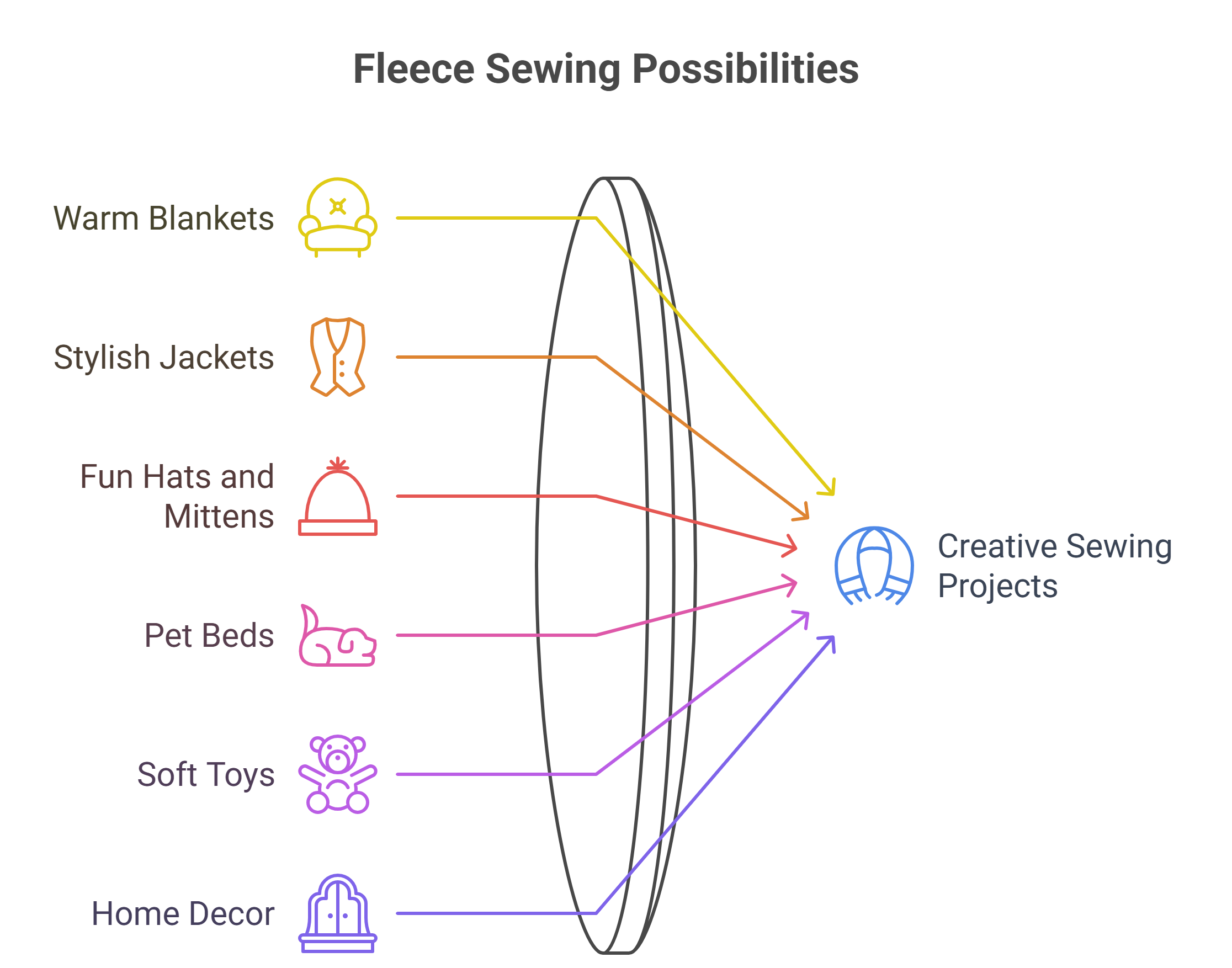
If you’ve ever wondered what to sew with fleece, the possibilities are nearly endless. Fleece is soft, warm, and incredibly forgiving—perfect for beginners and professionals alike. You can make cozy throws, baby blankets, scarves, hats, jackets, and even pet beds.

Many crafters buy fleece blankets wholesale or in fleece blankets bulk to save money and experiment with different designs. From no-sew projects to intricate patterns, fleece makes sewing fun, practical, and budget-friendly for anyone looking to create comfort from creativity.

Now let’s dive deeper.

1. Why Choose Fleece for Sewing Projects?

Before diving into the sewing ideas, it’s worth understanding why fleece is so popular among DIY enthusiasts and professional tailors alike.

Here’s what makes fleece a favorite:

  • Softness & Warmth: Fleece mimics the insulating quality of wool without the itchiness.
  • No Fraying Edges: Unlike cotton or silk, fleece edges don’t need hemming.
  • Easy to Cut & Sew: Even beginners can handle it with basic tools.
  • Machine Washable: Fleece items are easy to care for and durable.
  • Affordable: Especially when buying fleece blankets wholesale, it’s an economical choice.

Fleece’s forgiving nature means mistakes are less noticeable, and projects finish quickly—a dream for any crafter.

2. The Many Types of Fleece You Can Work With

When planning what to sew with fleece, it helps to know that not all fleece is the same. The type of fleece you choose impacts the texture, warmth, and appearance of your project.

Popular types include:

  • Polar Fleece: Great for blankets, scarves, and jackets.
  • Microfleece: Lightweight, ideal for baby clothes or activewear.
  • Anti-pill Fleece: Keeps your items looking new after multiple washes.
  • Sherpa Fleece: Fluffy and luxurious—perfect for lining or pet beds.
  • Printed Fleece: Adds personality with fun patterns and colors.

If you’re experimenting or making multiple items, consider buying fleece blankets bulk. They’re pre-sized, cost-effective, and can be repurposed into multiple smaller creations.

3. Cozy Home Projects to Sew with Fleece

Fleece instantly adds a feeling of warmth to any space. Here are some easy and stylish home décor projects to try:

a) Throw Blankets & Couch Covers

Fleece throw blankets are a home essential. You can make one with minimal sewing—just cut and hem the edges. Or go no-sew by knotting the borders. Buying fleece blankets wholesale allows you to create custom gifts or seasonal throws at a fraction of the cost.

b) Floor Cushions & Pillows

Cut fleece squares, stuff them with fiberfill, and sew them shut. Mix patterns and colors for a cozy, rustic look.

c) Draft Stoppers

Sew long tubes from fleece and fill them with rice or sand. Place them under doors or windows to keep cold air out—an easy way to save energy and add charm to your home.

d) Pet Blankets & Beds

Fleece is pet-friendly—it’s soft, washable, and resistant to odors. Cut and stitch layers together to make beds for cats or dogs.

4. Fashion Projects: Wear Your Creativity

When it comes to fleece, fashion and comfort go hand in hand. You don’t have to be a professional designer to craft wearable pieces that look great.

a) Scarves & Infinity Wraps

Fleece scarves are the perfect starter project. Cut a long rectangle, fringe the ends, or loop and sew for a trendy infinity style.

b) Hats & Beanies

Use a simple pattern and a small piece of fleece to make warm winter hats. Add pom-poms or ear flaps for a playful touch.

c) Mittens & Gloves

Double-layer fleece mittens keep hands toasty even on the coldest days. You can sew them in under an hour.

d) Pajama Pants & Lounge Shorts

Soft fleece makes perfect loungewear. Elastic waistbands make sewing simple and comfortable to wear.

e) Vests & Pullovers

With a sewing machine and a bit of patience, you can craft fleece outerwear that looks store-bought but feels custom-made.

5. Gifts That Warm the Heart (and Hands)

If you’re looking for thoughtful, handmade gifts, fleece is your best friend. It’s affordable, fast to sew, and universally loved.

  • Personalized Blankets: Add initials or embroidery for a personal touch.
  • Fleece Toys: Perfect for kids and pets alike.
  • Sleep Masks: Soft, gentle on the skin, and easy to make.
  • Hot Water Bottle Covers: Fleece insulates heat beautifully while adding comfort.
  • Fleece Slippers: Great for holiday gifting or cozy winter nights.

For bulk gifting during holidays or community drives, fleece blankets bulk options help you produce several customized pieces affordably.

6. No-Sew Fleece Projects (Yes, Really!)

Even if you don’t have a sewing machine, fleece has your back—literally and creatively.

Try these no-sew ideas:

  • Tied Fleece Blankets: Cut fringes along the edges and knot two layers together.
  • Headbands & Hair Accessories: Cut strips and tie decorative knots.
  • Pet Tug Toys: Braid fleece strips together—pets love them!
  • Decorative Wall Hangings: Layer colorful fleece shapes for DIY art.

These projects are also great for kids or classroom activities—safe, fun, and mess-free.

7. Pro Tips for Sewing with Fleece

To make your fleece projects look professional, follow these tips:

  • Use a Walking Foot: Helps move thick fleece evenly under the needle.
  • Adjust Stitch Length: Slightly longer stitches prevent stretching.
  • Don’t Iron Directly: Fleece can melt—use a pressing cloth or low heat.
  • Pre-Wash Fabric: Especially important if mixing fleece with other materials.
  • Secure Seams: Backstitch the ends for durability.

And remember, if you’re experimenting, fleece blankets wholesale are a great way to practice without breaking the bank.

8. Sustainability and Smart Crafting

Buying fleece blankets bulk isn’t just cost-efficient—it’s environmentally conscious too. Many fleece fabrics are made from recycled polyester, giving plastic bottles a second life. By repurposing wholesale fleece, you’re reducing waste while creating durable items that last for years.

Plus, since fleece doesn’t fray, even fabric scraps can be reused for smaller projects like keychains, ornaments, or stuffing for cushions.

9. Turning Your Fleece Hobby into a Small Business

With demand rising for handmade, sustainable, and personalized items, your fleece creations could become a source of income. Etsy, local craft fairs, and social media shops are perfect for selling fleece products.

Popular selling items include:

  • Pet blankets and beds
  • Personalized baby blankets
  • No-sew fleece throws
  • Winter accessories (hats, scarves, mittens)
  • Home décor sets

Buying fleece blankets wholesale allows you to maintain profit margins while offering premium handmade quality to your customers.

Final Thoughts

So, what to sew with fleece? The real question is—what can’t you sew? From home comforts and fashion wearables to meaningful gifts and pet accessories, fleece opens up a world of creativity for everyone.

It’s beginner-friendly, budget-conscious, and rewarding to work with. Whether you buy fabric by the yard or stock up on fleece blankets bulk, your sewing projects can be as simple or as sophisticated as you want.

So grab your scissors, pick a pattern, and let your imagination run wild. Because with fleece, warmth isn’t just something you wear—it’s something you make.