Tag Archives: fleece blankets wholesale

Which Blankets Are Warmest?

23 Dec

Most of the time, the selection of blankets that provide the best insulation is dictated by material, thickness, and the way the blanket is produced. Among the warmest blankets are wool and high-GSM fleece or microfiber ones that are coupled together or designed to hold the heat in.

When cold weather comes, blankets no longer serve as mere decoration but rather as necessities. Out of the blue, the public becomes divided—some declare that wool is the only way to go, others will not sleep at all without fleece, and still others pile up the blankets as if preparing for an indoor snowstorm. The fact is, comfort is not only a matter of taking the heaviest blanket you can find. It is a matter of selecting the suitable one according to your usage and location.

Why “Warmest” Isn’t the Same for Everyone

The process of identifying which blankets are warmest begins with the understanding that warmth is a matter of personal choice. A person may use a fan during winter nights, while another may even wear socks to bed in summer. Factors such as climate, body temperature, health conditions, and one’s way of relaxing are all taken into account.

A blanket that gives a cosy feeling for movie nights on the couch might be too heavy for sleeping. A baby blanket needs to be warm but at the same time light, while an outdoor or picnic blanket has to have insulation and be robust enough. This is the reason why no blanket is the same for everybody when it comes to being the “warmest”.

What Actually Makes a Blanket Warm?

Blankets do not produce heat; they only keep the heat that your body emits. The most efficient ones do not let you feel suffocated or unpleasant at all. Being thick aids, but also the predisposition of the fibres to retain air plays its part. Heaviness, puffiness, and putting one blanket over another all have their say.

Think of it like clothing. A thick sweater might not be warmer than a light sweater under a jacket. Blankets are the same.

The Warmest Blanket Materials Explained Simply

Wool has been humanity’s companion in winter for decades, and the reasons are very good. Its ability to trap heat and, at the same time, let air through makes it possible for the person wearing it to be warm without being too hot. Moreover, even when it gets wet, the wool is still able to maintain its insulating properties, thus it is the best option for winter and sleeping. One of the drawbacks is that wool garments tend to need more attention in the washing process.

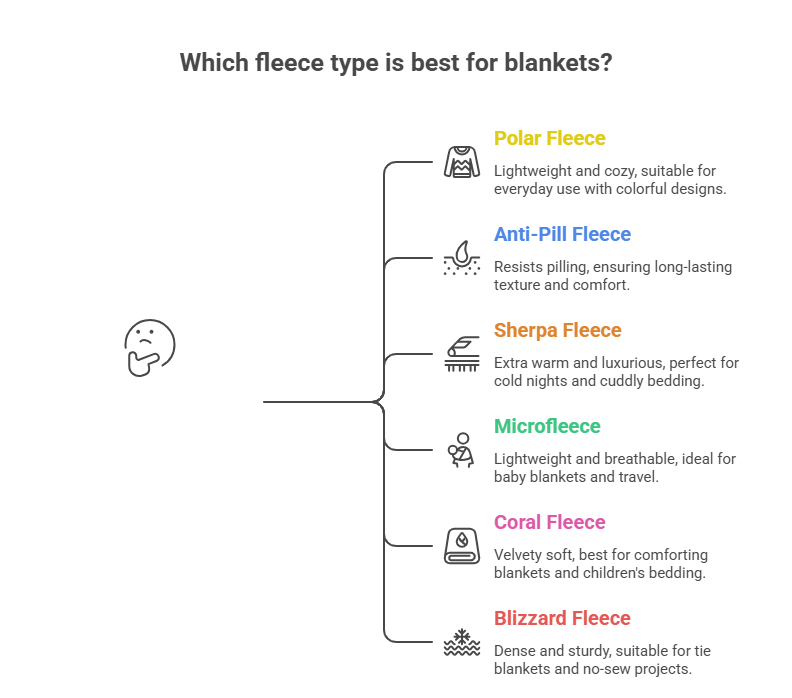
Fleece and microfiber blankets are the new-generation products that cover one aspect of the modern world by providing warmth without the heavy weight. A commercial and premium fleece traps heat from the body very well, and it feels soft and warm like a hug. A higher GSM (grams per square meter) fleece—300 or above—through the view of GSM means superior insulation. Thus, fleece is mostly used for day-to-day life, sharing blankets, toddler blankets, and large purchases.

Mink fleece and plush layered blankets are next level in terms of warmth. These blankets are made with heavy, thick piles, and sometimes, even multi-layered, which trap the heat for a longer time. They are especially useful for severe cold conditions or for those people who prefer that “hugged in warmth” sensation. These are the ones that getting out of bed will seem to you like a bad life choice.

Eco-friendly and recycled polyester blankets could be the ones to surprise some. They give the same experience as being warm, light, and comfy, but at the same time, they are eco-friendlier. They, of course, cannot always bе at par with the heavy wool blankets in extreme coldness, but still, they are very suitable for daily usage and winter’s moderate temperature range comfort.

Warmth Depends on How You Use the Blanket

When it comes to sleep, breathability is just as important as warmth. Wool and layered fleece blankets are great at this, as they maintain a constant temperature during the night. Quite a few people get up at 3 am in the middle of sweating after they have spent their night freezing.

Fleece blankets are the best for lounging around and using daily. They are very handy and require only light laundering, and they are warm enough for the couch, watching TV, and those “not planned” casual naps, which happen nevertheless. That was all said, or rather done.

The little ones should always have a warm but not heavy covering. The soft and breathable fleece baby blankets are the best choice as they are soft and comfy, and at the same time, they do not make a baby feel heavy.

For outdoor and picnic use, warmth needs to be supported by something else. The insulating layers of the picnic blankets make it difficult for the cold ground to take away heat, which greatly influences use in real-world situations.

Does Blanket Weight (GSM) Really Matter?

Yes, but only in case you comprehend it appropriately. GSM stands for the weight of the fabric per unit area, in fact. A higher GSM value usually is synonymous with greater warmth, but also with more weight. Heavier blankets appeal to some people as they give a feeling of security, while others like the warmth of light blankets.

The important factor is equilibrium. A higher GSM blanket or fleece layered on top usually gives a warmer sensation than a single thick blanket, as it retains the body heat better without being uncomfortable.

Layered Blankets vs Single-Layer Blankets

Layered blankets, in many cases, are warmer than single-layer ones because every layer traps air that is warm. That’s the reason that double-ply or multi-layer blankets do so well in freezing weather. It’s the same reason that being dressed in layers outdoors is more effective than one oversized coat.

Choosing the Warmest Blanket for Your Life

When choosing the warmest blankets for your needs, do not forget to take into account your place of living, the person who will be using it, how often it will be washed, and its purpose—sleeping, lounging, travelling, or donating. The ideal blanket is the one that matches your way of life, not only the coldest climate you have ever been in.

Final Thoughts

The cosiest blanket is not necessarily the thickest or the priciest one. It is the one that can trap the heat in a good way, feels good and suits your usage style. It could be anything from wool, fleece or a combination of materials, but making the right choice certainly gives you a less freezing and tougher time getting out of your bed during winter.

Peach Fur Fleece is where the finest fleece products come to life with the utmost regard for warmth, comfort, and durability. We are the suppliers of baby blankets and fleece blankets in bulk, picnic and eco-friendly options, and high-quality fleece solutions for families, businesses, charities, and bulk needs—all just to name a few. Our priority is clear: dependable warmth that humans can really rely on.

What Temperature to Wash a Fleece Blanket

23 Dec

In case you still hesitate about the fleece blanket washing temperature, then cold water should be the most reliable and safest choice. Besides, cold water is pleasant and nice enough for your fleece blanket’s life span. Warm water might be allowed for really dirty blankets occasionally, but hot water is an absolute no-no all the time.

Fleece blankets are among the daily comforts we hardly ever think about until there is a problem. A single wash done badly and right away, that soft and warm blanket turns hard, lifeless, and it seems to be taking on lint as if it were a souvenir. On the brighter side, most fleece damage is no mystery at all. It typically can be attributed to one straightforward thing: the temperature of the water.

Why Water Temperature Matters More Than You Think

Fleece might look strong and long-lasting, but in reality, it is very sensitive to heat. A lot of people think that using hotter water results in cleaner blankets. This reasoning is right for some clothes, but fleece does not go along with it. If you wash it at the wrong temp, it may die quicker than if you kept on using it.

Treat fleece like the ideal travel mug; its main function is to keep you warm, but exposing it to bad conditions will quickly take all its sweetness. The above will be the case for fleece if heat is applied, as it will first weaken the fibres, then make them hard and finally, pilling will occur. So, determining the washing temperature for a fleece throw is not so much about following the laundry rules but more about preserving comfort.

The Golden Rule: Always Check the Care Label First

It is wise to locate the care tag before you throw a fleece blanket into the washing machine. The small tag attached to the seam is not a decorative feature; the manufacturer is subtly trying to save you from disappointment. It shows the exact temperature, cycle, and drying method that were used and confirmed for that specific fabric.

Labels are inevitably at times seen to be faded, fall off, or completely disappear in the course of the years of usage. If such a case occurs, remain calm. Cold water is now your safest option. If fleece had a voice, it would most likely say, “When in doubt, refrigerate it.”

Understanding Water Temperatures in Everyday Terms

Water temperature isn’t just a dial on your washing machine. Each setting has a purpose, and choosing the right one makes a big difference.

Cold water is the greatest friend fleece ever needed, even if it did not know it. It saves synthetic fibres, avoids shrinking and maintains the blanket’s softness. Cold water is the best temperature for regular washing and also gives the answer to the what temperature to wash a fleece blanket question in most cases.

Warm water is placed in the middle. It is helpful when there is certain dirt, a spill, or when the blanket is heavily used. Warm water acts as a facilitator for detergent in a way that it does not come out aggressively at all. The trick is to use it sparingly—warm water should be a helper sometimes, only, not a habit that is done day in and day out.

On the contrary, hot water is the main reason for this. The fabric of fleece consists of synthetic fibres, which are not so friendly with the high temperatures. Hot water can make the fibres less strong, cause them to become rough, and even destroy the texture completely. To put it simply, hot water and fleece have an antagonistic relationship.

Why Fleece Needs Gentle Care Beyond Temperature

However, temperature is the most essential factor among all others. Fleece requires a delicate washing environment. It takes rough cycles, harsh detergents, and fabric softeners many years even to cause slight damage.

Fabric softener, even though it’s called a friendly name, is particularly deceiving. It applies a film to fleece fibres rather than softening them, hence giving the blanket a rough and less air-permeable feel. It is the kind of product that wishes to do good but ultimately harms, just like giving a plant too much water because it seems so.

Washing a Fleece Blanket the Right Way (Without Overthinking It)

Washing fleece is not an elaborate task. The washing of your blanket with other fleece items will help to lessen lint transfer. A mild detergent, in smaller quantities than usual, will avert residue accumulation. A gentle or delicate cycle maintains low agitation, which, in turn, helps to avoid pilling and stretching.

The goal isn’t aggressive cleaning; it’s gentle maintenance. Fleece responds best when it’s treated kindly.

Drying Matters Just as Much as Washing

Using hot water for washing can ruin fleece; however, drying the fleece with heat can finish off the process. Air drying is the safest way, and it’s the way that keeps the softness of the fabric naturally. In case you go for a dryer, make sure it is on the lowest heat or the air-fluff cycle is used.

The softness of many fleece blankets does not disappear through washing but rather through drying in the dryer. The high temperature can turn the fibre hard and dry. It’s similar to sun-drying bread—it is a method that works, but the outcome is not what you wished for.

Common Mistakes That Shorten a Fleece Blanket’s Life

A great deal of fleece damage takes place inadvertently. Common errors include treating fleece as cotton, using hot water out of habit, overloading with detergent, and thinking that fabric softener is helpful. None of these stems from carelessness—they are simply from a lack of knowledge.

Once you understand what temperature to wash a fleece blanket, these mistakes become easy to avoid.

Small Changes, Big Comfort

Choosing a temperature for washing could seem like a small thing, but it is a crucial element. Cold water, gentle cycles and the lowest heat in the dryer can keep a fleece blanket soft, warm and beautiful for several years. A tiny bit of information can assist in keeping comfort at its best.

PeachFur Fleece is a company that focuses on high-end, top-class fleece products that have been made to last, be soft, and provide everyday comfort. We have the best wholesale fleece blanket choices for families, babies, charities, events, and organisations that are looking for dependable bulk solutions. With years of experience and a strong commitment to quality, we are always there to assist you in selecting fleece that actually lasts.

Where to Buy Fleece Material for Blankets

23 Dec

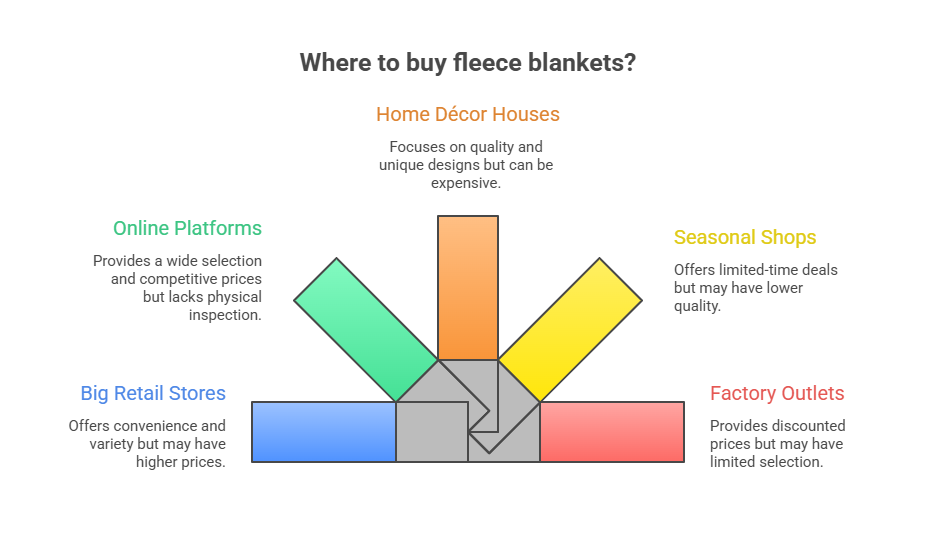
If you are questioning yourself about purchasing fleece material for making blankets, local fabric stores, craft and DIY shops, online fabric marketplaces, wholesale fabric markets, and seasonal fabric fairs are the best options almost always. The proper place is determined less by shopping location and more by the reason for the fleece purchase.

Buying fleece might sound simple—after all, it’s soft, warm, and cosy. But anyone who has ever bought a blanket that looked perfect online and felt “slightly plastic” in real life knows that fleece shopping deserves a little more thought. Whether the blanket is for a baby, an elderly parent, a gift, or for yourself, understanding what you’re buying makes all the difference.

Why purpose matters more than price

One common mistake people make is buying fleece the same way they buy socks—quickly and without thinking. But fleece for a newborn baby and fleece for a winter movie night are two very different things. A friend once proudly showed me a fleece blanket he bought for his grandmother because it was “extra thick.” She used it once and politely folded it away forever. Turns out, it was warm but not breathable, and she felt uncomfortable within minutes. Lesson learned: warmth without comfort is just enthusiasm gone wrong.

Understanding the intended use enables you to determine the parameters of softness, weight, and breathability that are essential for you. Infants require soft and non-irritating fleece. Ageing parents often go for lightweight warmth that does not add heaviness to the body. Presents are required to be comfortable right away, while blankets for personal use should be able to withstand frequent washing without losing their appeal.

Understanding fleece before you shop

Fleece cannot be defined as a single fabric or even a fabric family. It is a whole collection of fabrics with various degrees of softness, thickness, durability, and breathability. Fleece is composed of a mixture of several fairly soft and warm fibres, but some others are really good at holding warmth and feel too hot. A thicker fleece is not always a warmer fleece, and a soft fleece that looks beautiful is not always the most durable.

If you have a blanket that was beautiful for just a month and then began to have small fabric balls all over, you are already aware of the importance of knowing the fleece quality. Just a bit of information can keep you from experiencing buyer’s remorse and having to deal with the uncomfortable situation when a person inquires why their present blanket is shedding more than a golden retriever.

Where to buy fleece material for blankets

Often, local fabric and textile stores are the best places to start, especially if it is your first time buying fleece. Instant clarity is conveyed by walking through, touching, stretching, and feeling the fabric. You can compare textures, ask basic questions, and not feel lost at all. If the blanket is intended for babies or elderly family members, these stores are of great help, since in the case of such groups comfort is more important than trends.

Craft and DIY supply stores are another great option, particularly if you’re making a handmade gift or a smaller blanket. These stores usually stock fleece in appealing colours and prints. They’re ideal when the emotional value of the blanket matters just as much as its warmth. Many people discover fleece quality here simply because they’re encouraged to feel and experiment rather than rush.

Online fabric marketplaces are convenient and offer a huge variety, but they require a bit more caution. Reviews, fabric descriptions, and material details become very important. Online fleece shopping works best when you already know what kind of fleece you like. Otherwise, you may end up learning the hard way that “soft-looking” doesn’t always mean “soft-feeling.”

If you are looking to purchase fabric in bulk, wholesale fabric markets are the right place to go, as they are typically located in bigger cities or trade areas. The fabrics bought here are mostly for donation, school, shelter or community drive purposes. The prices are lower, but it is necessary to be knowledgeable. It is quite dangerous to buy wholesale without having any understanding of fleece quality—comparable to buying spices without having the possibility to smell them; it is possible, but very risky.

Seasonal fabric fairs and exhibitions are underrated gems. They don’t happen every day, but they offer a chance to explore unique fleece types and learn directly from sellers. Even if you don’t buy immediately, these places help you understand what good fleece actually feels like.

Choosing fleece for different people

When buying fleece for babies, softness and breathability should always come first. Lightweight, gentle fleece that feels smooth against the skin is ideal. For elderly parents, comfort is key. A blanket should provide warmth without feeling heavy or restrictive, especially for daily use.

Gifting fleece is a slightly emotional exercise. You want the blanket to feel welcoming the moment it’s touched. Neutral colours, balanced thickness, and easy care usually work best. Personal-use fleece is where durability matters most. If you plan to wash it often, choosing quality fleece will save you from disappointment later.

Common mistakes to avoid

Many people buy fleece based only on price or appearance. Others assume all fleece is the same. Some buy in bulk without testing a small sample first. These mistakes don’t just cost money; they cost comfort. A fleece blanket should feel like a warm hug, not a compromise you quietly tolerate.

Final thoughts

It is very significant to know where to buy fleece material for blankets, but the knowledge of the reason why you need it helps you to make a good choice. A blanket made through considerate purchasing becomes a source of better comfort, longer use, and more happiness than one made through carefree purchasing. The user could be yourself or any loved one, but the overall effect would be the same.

PeachFur Fleece is all about creating premium quality fleece blankets that are super comfy, non-resistant, and ideal for daily use. If a reliable wholesale fleece blanket option is what you need—infants, parents, gifts, or charity—you can always reach out to us. Our principle is that warmth should be easily accessible, thoughtful, and made with love.

Where Can I Donate Used Blankets?

19 Dec

Where Can I Donate a Used Blanket? Used blankets can be given to pet shelters, homeless people help programs, disaster recovery centres, staff of ex-soldiers’ groups, churches, hospitals, women’s shelters, schools, and community-based groups—not just NGOs or orphanages. When blankets are clean and in good condition, they can impart warmth, comfort, and dignity to people and animals in need right away.

Why Donating Used Blankets Matters More Than We Think

Blankets are considered to be necessary things that people usually don’t notice, until, of course, the time comes when they need them. Keeping a spare blanket in your closet may not bother you so much, but to a person who is experiencing freezing nights, moving from one place to another, or having no clear idea of what to do, it will be a source of safety, warmth, and comfort.

A lot of willing helpers stop in the middle of the way, thinking that their support would not make a difference. In case you are one of those who has asked themselves the question “Where are the used blankets going to be most helpful?”, then you should look for the answer in the options which are not so obvious.

Animal Shelters and Rescue Organizations

Animal shelters are one of the most overlooked places where blankets can be donated. Shelters have daily use of blankets for several reasons, such as keeping animals warm, lowering their stress, and providing comfort, particularly for those rescued pets that are getting used to new places.

Providing the softest bedding for cats, dogs, and all the other animals has become a must, whereas shelters are quickly running out of blankets due to daily cleaning and use. It will be a great help if you donate here; it will provide the animals with comfort and security till they are adopted.

Homeless Outreach and Street Support Programs

The outreach groups for the homeless and street community programs in the area distribute blankets directly to the homeless. A blanket can completely change the situation of a person sleeping on the street, in the park, or in a temporary shelter.

Outreach groups, as opposed to large organisations, usually operate with limited resources and thus actively depend on donations. In case you wonder Where Can I Donate Used Blanket, these are the ones.

Disaster Relief and Emergency Response Centres

Natural disasters entail emergencies that give rise to various immediate requirements. As a result, community relief centres and emergency response entities must have quilts on hand for the families in distress who have been forced from their homes.

In times of crisis, blankets offer warmth, comfort, and, in their dull, humble role, some expectation of regular life. Almost the entire season round in the year, used blankets are acceptable at most of the relief centres as a safeguard for emergencies.

Churches, Temples, and Faith-Based Community Groups

Worship places are a major relief hub for times of crisis or cold in recent years, from where they have been mainly based. Churches and other religious organisations engage in regular free distribution of blankets to qualifying persons in such communities.

For several reasons, these associations provide an important outlet for contributions to individuals and communities who otherwise may not seek help through formal mechanisms.

Veterans’ Support Organisations

Veterans’ shelters and support programs frequently accept blankets as part of care packages for those transitioning into stable housing or facing hardship. Blankets provide both physical warmth and emotional comfort for individuals rebuilding their lives.

Donating blankets to veterans’ organisations is a simple way to show appreciation and support.

Hospitals, Clinics, and Long-Term Care Facilities

A wide range of different facility types, such as hospitals, clinics, and nursing homes, have policies on receiving blankets, whether for the patients, visitors, or emergency use from their family of services and donations. Most facilities are open to accepting blankets so long as they are clean and gently used, most especially during the winter season.

A quick call ahead helps ensure your donation is accepted and used properly.

Women’s Shelters and Family Transition Homes

Shelters for women and transition homes for families support people and children through life events that are sometimes most critical. The blanket often provides comfort for children embarking on often worrisome bouts away from their mothers.

Soft, familiar items like blankets can make unfamiliar spaces feel more welcoming.

Schools and Community Centres in Underserved Areas

Blankets have expanded their use in some communities for use in rainy weather as well as during winter. They are shared with the families, schools, or local centres in an emergency or for lack of proper bedding for a child in their home. School counsellors or different people, such as school administrators, could help guide you on appropriate ways of giving donations.

These donations quietly support families while preserving dignity.

How to Prepare Used Blankets for Donation

Never donate blankets that have not been washed or dry cleaned, or have been loaded with so much dirt. Respectfully folding the blanket implies care and honour to the person or animal who will be using such a great piece of fabric. Accordingly, these small considerations do mean a lot at the end of the day in terms of letting the receiver judge the donation.

Donating a blanket should not be about just warmth, and is more an act of kindness that becomes synonymous with the humanised understanding of comfort, especially when in desperate need of it. People, contemplating where they can donate used blankets, are usually considering some option to assuage their feelings or make them feel they have a significant role in the process.

Your single blanket may be part of someone’s survival, healing, or sense of hope.

Warmth Is One of the Simplest Gifts We Can Give

When you donate a blanket, a feeling of caring and support is relayed. It gives warmth to someone in desperate need of it. It gives sick people hope by acting as a shield from the extremities of whether they have to endure suffering.

Sometimes, the simplest acts of generosity leave the deepest impact.

At PeachFur Gives Back, something as simple as a blanket can turn around lives. The job of offering high-standard blankets, as we do through our fleece blanket wholesale, is also big, this time across continents, toward areas struck by suffering, disaster, and forced movement. We take charitable giving easy to our daily lives, as finding methods to share our goods.

What Is Micro Fleece Fabric?

16 Dec

Micro fleece material is a synthetically created fabric that is super light and very soft at the same time, and its main component is polyester. The fabric gives off heat only while not adding any weight at all, and it also possesses outstanding air permeability and moisture-wicking abilities. It is one of the most preferred materials in the clothing, blanket and home textile industry due to its comfort and easy maintenance.

Understanding What is Micro Fleece Fabric

Micro fleece is a custom-made classic fleece that gets its name for being thinner, lighter and more flexible but still keeps its heat. In most cases when people ask for micro fleece fabric, the reality is that they are looking for a material that is very soft to the skin but at the same time feels like nothing at all on the body.

Micro fleece is, differently from thick fleece, composed entirely of very fine polyester fibers. First, the fibers are closely knitted together then they are brushed to get a soft and velvety covering. The result is a fabric that keeps warmth effectively while at the same time being breathable and comfortable for everyday wearing.

Why Micro Fleece Feels So Soft and Comfortable

Softness and comfort are the characteristics that have made micro fleece one of the most favored materials. The microscopic fibers offer a very nice and warm feeling and this is why they are used in clothes, beddings, and even blankets. The size of the fiber is so small that it actually makes micro fleece smoother and lighter than the ordinary fleece and at the same time, it still gives the same amount of warmth.

The micro fleece material is very gentle and therefore it is suitable for people with sensitive skin. It is not scratchy and as it is synthetic, it is also non-allergenic, which together creates a very pleasant and attractive product.

How Micro Fleece Fabric Is Made

Understanding the characteristics of micro fleece fabric requires a look at the production process. Micro fleece consists of polyester fibers that can be virgin polyester or recycled polyester from post-consumer plastic bottles.

Initially, the fiber undergoes spinning into yarn, and after that, the yarn transforms into the fabric through a knitting process. The fabric is then processed through brushing or napping, wherein the fibers are lifted, and the soft and fluffy surface typical of micro fleece is created. Moreover, finishing treatments may be done on the fabric to make it stronger, reduce pilling, and improve moisture-wicking capacity.

This production process allows micro fleece to remain lightweight, strong, and long-lasting.

Key Properties of Micro Fleece Fabric

Micro fleece is a remarkable product that allows comfort and performance to coexist. It weighs almost nothing but nevertheless gives out quite a bit of warmth; thus, it chooses to retain just that of the wearer without making them feel like a giant marshmallow. The material allows air to pass through very well and this feature helps the body to cool or warm up according to the user’s activity or the time of the day.

Another important feature is moisture-wicking. Micro fleece takes moisture in and then manages to evaporate it almost instantly. Thus, the fabric stays dry and pleasant even if one is involved in sports. Furthermore, its fast-drying property makes it possible for regular use and washing.

Micro Fleece Compared to Regular Fleece

Micro fleece and fleece have some things in common but they are different. Because it is thinner, lighter, and softer, micro fleece is mainly used for indoor comfort or as a layer under other garments. Fleece fabric is usually thicker and so it is more appropriate for winter wear.

Because micro fleece is more breathable and flexible, it is often preferred for activewear, sleepwear, and lightweight blankets. Regular fleece, on the other hand, is often used when extra insulation is needed.

How Micro Fleece Compares to Wool

A lot of people draw a parallel between micro fleece and wool as both keep you warm. Micro fleece gives you comparable heating but at a featherweight of a few grams. It, however, dries quicker than wool and is not as fussy in terms of care since it does not need any special washing or handling like wool does.

Microfleeces can transfer moisture across their surfaces and through the fabric because their hydrophobic composure disallows the absorbency of water.

Common Uses of Micro Fleece Fabric

Micro fleece is a material that has a wide range of applications in clothing for its comfort and versatility. It is usually present in jackets, hoodies, loungewear, and sportswear. Due to its lightweight warmth, it is very suitable for layering during the colder months.

In domestic environments, micro fleece is frequently selected for blankets, throws, and bedding. It provides heat without weight, thus being ideal for daily coziness. Besides, micro fleece is utilized in animal and nursery items as it is gentle, long-lasting, and laundry-friendly.

How to Care for Micro Fleece Fabric

Maintaining micro fleece is easy and that is one reason it is so popular. Normally it can be washed by machine, is wrinkle-free, and dries very fast. Washing in a gentle cycle keeps the fabric soft and also prevents it from pilling throughout its life.

Microfleece is low-maintenance fabric for people leading hectic lifestyles because it does not shrink and does not need ironing.

Gaining knowledge about micro fleece fabric makes it clear why the material is so widely spread. It provides heat with no weight, gentle feeling no itchiness, and long lastingness with no complex maintenance. The aforementioned characteristics are the reasons that it will be favored for apparel, beddings, and to the home textile industry.

Micro fleece combines comfort, performance, and affordability, which is why it continues to be a favorite for both manufacturers and consumers.

Final Thoughts on Micro Fleece Fabric

Micro fleece fabric is an efficient and cozy solution for anyone seeking warmth, softness, and easy maintenance. Its light construction, moisture absorbing property, and flexibility make it fit for everyday use as well as home use. Micro fleece gives long-lasting comfort and reliable performance when selected and taken care of in the right way.

If you are in search of the best fleece blanket in wholesale, we are the ones who provide the greatest comfort for a lifetime. Blankets made of fleece are sold in bulk by us and that is only the beginning, as they are of high-quality materials which are soft, durable, and easy to care for. Our long experience has seen many customers buy fleece products that are warm, good in price, and reliable over a long period of time.