Tag Archives: wholesale fleece blanket

How to Wash a Tie Blanket

20 Sep

How to wash a tie blanket? Gently, that is. Put it through the washer with cold water and mild detergent, using the delicate cycle, or clean it by hand if you’re paying extra attention to detail. Then lay it flat to dry or tumble dry on the lowest heat. Avoid fabric softeners, bleach, or high heat-these things are just nasty to fleece. If treated well, this blanket will stay soft, brilliant with colours, and a warm warranty for many years.

Why Washing a Tie Blanket Needs Special Care

Tie blankets are no common blankets; they are usually handmade, gifted from one person to another, and very often made of fleece. The fleece is sturdy but has some vulnerability to heat, strong detergents, and friction. Any wrong washing procedure basically means every bit of pilling (fuzz balls), stiffening, or even loosening of knots. Wash it well, though, and that tie blanket will go from being cuddled through long, cold winter nights and poor star choices on Netflix, multiplied by a morale-boosting pet invasion.

Step 1: Prep Your Blanket Before Washing

It is good to perform some pre-care for your tie-blanket before it goes into the washing machine, so to speak. Make sure to inspect the edge knots, pulling gently on a few; give a reverse tie to any that feel loose so they don’t come loose while washing. Then, bring the blanket outside and give it a really good shake to dislodge any dust or crumbs. A quick once-over with a lint roller or vacuum is helpful, especially if you have heavy-haired fur friends around, so your washing machine doesn’t become a furball trap.

The final treatment consists of removing any spots: coffee drips or chocolate smudges. Use a mild stain remover or diluted detergent, but never use bleach because it weakens fleece fibres and strips away colour.

Step 2: Wash It the Right Way

Machine Washing (Most Common Method)

  1. Temperature: Cold or at best lukewarm water; never hot.
  2. Cycle: Gentle cycle with delicate wash to permit minimum friction.
  3. Detergent: Preferably a mild detergent, free of scent. The lesser the better, for more residue means stiffer fabric.
  4. Load: Wash it alone or with other soft items. Don’t mix with jeans, towels, or anything rough.

Hand Washing (Extra Careful Approach)

  1. A bathtub or bucket should be filled with cool water.
  2. About a teaspoon of mild detergent is to be added.
  3. Have the blanket gently swirled around (think of stirring soup rather than scrubbing a pan).
  4. Rinse it well until the water runs clear.
  5. Press the water out gently; never twist or wring.

Hand washing takes longer, but it’s like giving your blanket a spa day.

Step 3: Dry with Care

As far as drying a tie blanket goes, air drying is the safest method and thus should be laid flat on a clean surface or drying rack, while sometimes flipping to allow both sides to dry evenly. It should be kept out of the sun for fear of fading. Should one insist on using a dryer, the lowest heat setting should be used and the blanket removed while still damp so it may finish drying in the open air. Whatever method of drying one chooses, one should never allow high heat, for in the shortest time, it would render the fleece stiffer, coarser, and less comfortable.

How to Prevent and Fix Pilling

Pilling happens when fleece rubs against itself and forms tiny fuzz balls. It’s the blanket equivalent of getting wrinkles before your time.

  • Prevent it: Wash on delicate, skip softeners, and dry on low heat or air dry.
  • Fix it: Use a fabric shaver or de-pilling comb. A quick pass brings your blanket back to life.

Extra Care Tips Worth Knowing

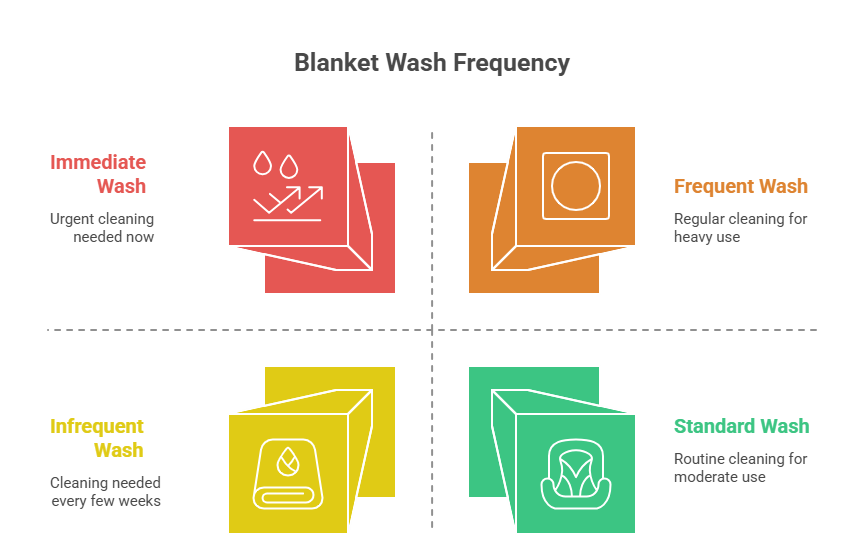
  • Don’t overwash: Only wash when it looks dirty or smells foul. Overwashing shortens fleece’s lifespan.
  • No ironing: Heat flattens and ruins fleece fibres. Smooth by hand instead.
  • Smart storage: Fold neatly and store in a cool, dry spot away from sunlight. A breathable bag keeps it fresh.
  • Pet hair hacks: Use a lint roller or a damp cloth before washing. A vacuum brush attachment also works wonders.

What This Means for You

It isn’t complicated; one just has to pamper a little. Cold water, some gentle detergent, and patience keep the blanket looking fresh and feeling soft. With care, a tie blanket may remain with you longer, whether it was homemade, a greeting, or a comfort blanket.

And if one tie blanket isn’t enough (because let’s be honest, they’re addictive), PeachFur Fleece has been crafting quality fleece blankets, throws, and duvet covers for over a decade. Resorts, schools, and even government agencies trust their products for both warmth and durability. Looking to stock up? Check out their wholesale fleece blanket options for stylish, soft, and long-lasting designs perfect for personal use or business needs.

With the right washing routine—and the right supplier—you’ll never have to choose between cosy and durable. Your tie blanket can be both.

Where to Donate Blankets for the Homeless

19 Sep

Blankets go a long way in keeping an individual warm on frosty, cold, and wet nights. Is it not a lovely gesture to allow one who is down and out to at least feel warmth on their body? Upon inquiry on where to donate, the answer is straightforward: local shelters, national nonprofits, community-support groups, and even animal rescues would accept donations. Operating a blanket bank is the most charitable thing one could do: you can either declutter your life just a little or make some money shopping.

Why Donating Blankets Matters

Warmth and Comfort in Difficult Times

Imagine facing winter nights without a blanket. For many experiencing homelessness, this is a daily reality. A donated blanket is more than fabric—it’s insulation against the cold and a small sense of safety in an uncertain situation.

Meeting a Universal Need

Blankets are certainly not seasonal luxuries. They are versatile in their use and are in demand throughout the year. During cold weather, they provide comfort against freezing temperatures while in summer, they might act as a bedding or sometimes shade when outdoors.

The Ripple Effect of Giving

The act of donating is not merely meeting an urgent need. It creates a domino effect. When others see giving being done, it inspires them to give as well. Blankets are very simple things that could constitute a huge change for communities, together.

Things to Keep in Mind Before Donating

Condition of Blankets

Only donate items that are clean and in good condition. A blanket that’s torn, stained, or threadbare doesn’t offer dignity or comfort. New or gently used is the way to go.

Laundering First

Wash and dry blankets thoroughly before donating. This step removes allergens, odours, and dust, ensuring recipients get a truly fresh start.

Timing Matters

Think about when your donation will be most helpful. Heavier fleece or wool blankets are lifesavers in fall and winter, while lighter blankets work better in spring or summer.

Transport and Packaging

Blankets tend to be bulky items. Fold the blankets nicely, put them into bags or boxes, and consider the way you’ll take them over to the donation point. Delivery could be very simple to arrange in the case of a close location of the donation, while bulk donations require some planning.

Local Places to Donate

Homeless Shelters

Shelters are the first stop for many people looking for where to donate blankets for homeless individuals. Call your local shelter to check their current needs—most gladly accept donations of warm, clean blankets to help residents get through the night.

Domestic Violence Shelters

Often, these places prematurely offer shelter for abuse survivors while they have children with them. A blanket gets donated with a little more warmth and comfort into these rooms that are supposed to feel safe for them.

Churches and Community Centres

Faith groups and local community hubs frequently organise donation drives for struggling families. Blankets are always among the most requested items.

Veterans’ Organisations

Many veterans’ face housing insecurity. Donating to veteran support groups ensures your blankets reach those who’ve served but now need a helping hand.

Animal Shelters

Here’s a twist—animal rescues love blanket donations too! They’re used for bedding, warmth, and even cleaning. If you’ve got extras, your local shelter will put them to good use.

National Organisations Accepting Blanket Donations

Project Linus

Specialises in handmade and new blankets for children in hospitals, shelters, and foster care. It’s a great way for crafty donors to put their sewing skills to work.

Salvation Army

With thousands of locations worldwide, the Salvation Army accepts clean blankets and distributes them directly to people in crisis.

Goodwill

Donated blankets are resold in Goodwill shops, with proceeds funding job training and employment support programs.

St. Jude’s Ranch for Children

Their “Linens for Kids” program supports abused or neglected youth in residential facilities. Blankets and towels are always welcome.

Quilts for Kids

Provides quilts to children facing illness or trauma. New, child-sized blankets are particularly needed.

Project Night Night

Delivers comfort kits—including a blanket, book, and stuffed toy—to children entering emergency shelters. Only new blankets are accepted.

Habitat for Humanity ReStores

While better known for housing supplies, many ReStores accept gently used blankets to resell. Profits go toward building affordable housing.

Reasons to Donate Blankets Today

  • Declutter with purpose: Free up closet space while helping someone in need.
  • Immediate impact: A single blanket can make the difference between a freezing night and a safe, warm one.
  • Support nonprofits: Donations allow charities to use their funds for other critical programs.
  • Set an example: Involving children or family members in donating teaches empathy and generosity.
  • Possible tax benefit: Itemise your donation for a small perk while doing a big good.

What This Means for You

Blanket donation is one of those rare things that may be done easily, affordably, and meaningfully. If you have been looking for places to donate blankets for the homeless, you now have local and national alternatives-from shelters to international NGOs- where the donation can make a difference.

We at PeachFur Fleece embrace this mission fully. Under the PeachFur Gives Back program, we have aided organisations with blankets, ranging from shelters to veteran groups and churches to disaster relief, all over the United States and beyond. From hurricane survivors in America to needy families in Afghanistan and Africa, these experiences have shown us how a simple blanket can rekindle a lost glimmer of hope.

If you would love to join us in giving more warmth, we have affordable wholesale fleece blanket options perfect for individual donors, businesses, and community groups. Be it just one or even a hundred, everyone counts. Warmth is something that nobody shall ever be excluded from sharing; it is one of the kindest gifts you could ever offer someone.

What Type of Fleece Is Best for Tie Blankets?

1 Aug

Soft, warm, and flexible are just some descriptors bestowed upon fleece, making it desirable for various crafting projects that include no-sew blankets. But not all fleece has the same properties. If you think of making tie blankets for yourself, charity, or resale, then you really ought to know which kind of fleece is going to provide you with the best results. Whether you are buying for a DIY hobby or searching for fleece blankets in bulk for large-scale projects, it really helps to distinguish which type of fleece is being sold.

Why Fleece for Tie Blankets?

Now, before chatting about the types, let’s just briefly go over what makes fleece so loved for tie blankets, shall we? Fleece is soft, lightweight, warm, and somewhat moisture resistant. Unlike the majority of cloths, fleece cannot be frayed when cut, which is an essential feature for tie blankets. Since the edges are cut into strips and tied together without any need for sewing, your fabric should remain intact after being cut. Here is the perfect solution: fleece.

In addition, fleece is offered in an abundance of colors, patterns, and even thickness. Maybe you’re making a child’s blankie with cartoons plastered all over it, or perhaps a chic throw for the grown-ups; there is a fleece print for it. This huge range allows buyers of fleece blankets in bulk the option of creating custom designs while simultaneously allowing the process to be efficient and cost-effective.

Types of Fleece for Tie Blankets

Various fleeces exist, but when it comes to tie blanket projects, some types are more desired than others. Blizzard fleece and anti-pill fleece would be the top two choices for the average DIYer or crafter. Here’s the rundown:

1. Blizzard Fleece

Especially when working on a budget or undertaking the big projects of community drives or school fundraisers, the choice is usually Blizzard fleece for tie blankets. The fleece is a little thinner than others, making it easier to tie and cheaper when buying by the bulk of fleece blankets.

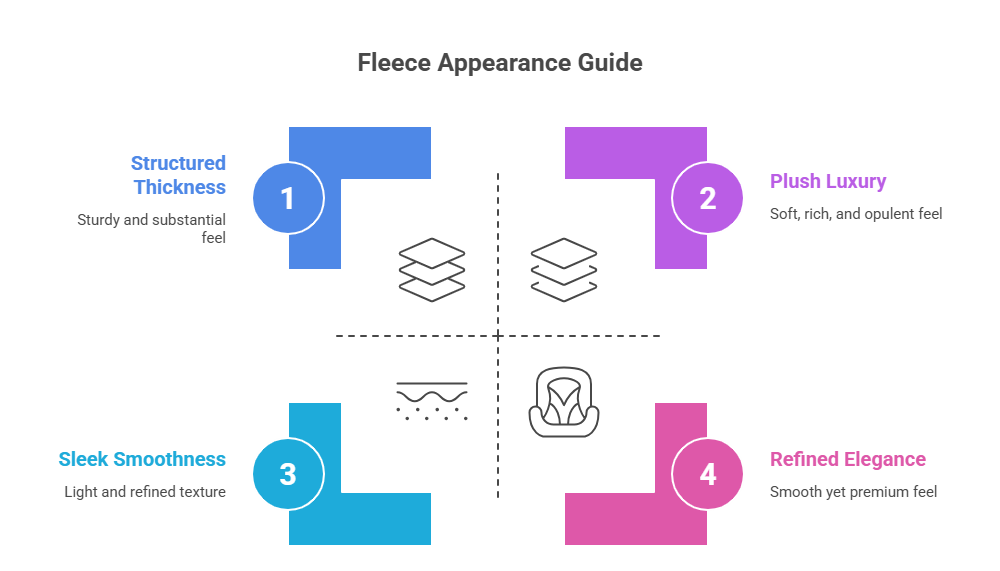
It’s warmer and softer but rather denser with a less plush feel than purportedly luxurious types. It’s great for layering as many tie blankets have two layers of fleece for a double-sided effect. Blizzard fleece can be purchased just about anywhere, from fabric shops to wholesale stores.

That said, it would not have anywhere near as much lifespan or luxurious feel as something more plush-fleece. Also, if you are working on multiple throw blankets at a time, or are giving out to places where durability is not a prime concern, blizzard fleece is a smart and affordable choice.

2. Anti-Pill Fleece

Anti-pill fleece is considered more upscale or durable alternative. Pilling is a term used for the formation of tiny balls on the fabric surface after repeated use or washing. This type of fleece is made to resist the wear-and-tear with the resulting ability of the finished blanket to look new time and again.

The fleece is, indeed, a little thicker and fluffier, which means the blanket itself would be warmer and cozier. It is wonderful for gifts, keepsakes, or for something you want to use on the regular.

Though anti-pill fleece is on the pricier side, there’s a definite chance to cut costs by purchasing fleece blankets in bulk from wholesalers, especially if you need to craft for events, gifts, or for business.

Which One Should You Choose?

The best type of fleece for your tie blanket depends on what suits your specifications:

•You are cheap or produce in great batches: Select blizzard fleece. It is cheap and considered easy to combine, a very fair rate if buying fleece blankets in bulk.

•Uses for nice and durable blankets as gifts or for aged abuse: Go for an anti-pill fleece that produces longer-lasting softer finish.

There are people who combine the two types, blizzard fleece on the back and anti-pill on the front, to achieve a balance between affordability and softness.

Consider Weight and Stretch

Again, based on the fleece type, you need to consider the weight and stretch of the fabric as well. Tie blankets work well with fleece at a medium weight that does not stretch sharpy. Stretching enough to cause your knots to loosen or your blanket to warp with time is a big no.

You should always check for stretch by gently tugging at your fabric in every direction. If it snaps back without sagging or distorting, you’re all good.

Pro Tip: Pre-Wash and Test

While fleece doesn’t shrink like cotton, still it is recommended to pre-wash the fabric if ordering fleece blankets bulk. This will help get rid of any chemical residues or dust and give you a cleaner working surface.

Before starting on the whole blanket, test a small corner. Cut a few fringe strips and tie them to ensure that the fabric ties easily and does not fray or curl too much.

Where to Buy Fleece Blankets in Bulk?

Big projects and business needs require buying fleece blankets in bulk by wholesale suppliers. Very many internet stores and craft retailers have bulk options that come in packs of different colors or patterns. This saves loading time and money when buying fabric by the yard.

Whether you’re running a crafting workshop, fulfilling holiday orders, or simply love making tie blankets as presents, ordering fleece in bulk help streamline the process and also gets you better pricing tiers.

Arguably, tie blankets are some of the most tender-hearted DIY projects simple enough to make, endlessly customizable, and worthy of being gifted to anyone who matters to you. The choice of selected fleece type directs the entire ambiance and feel of the decor. For mostly any project, blizzard-type fleece is a good pick (especially for higher-volume crafting processes). Anti-pill fleece would give a nice finish with its durability and softness. It is always wise to buy fleece blankets bulk since that ensures cost-efficiency plus a rewarding creative experience.

So the right kind of fleece with a dab of your imagination really ties it all together-literally-giving your project-tailored for yourself, gifts for loved ones, or a community cause.

How Much is a Yard of Fleece?

1 Aug

One topic I am dying to know when buying fleece nylon fabrics is how much per yard it goes at fleece. Agar one likes making blankets wholesale, cost per yard goes neck and neck among others to determine. Whether it is you working from home with crafts, are the owner of a small business, or are sending for stock for the this winter, “How much is the yard of fleece?” becomes the practical and necessary question to ask. This guide addresses fleece yard prices, mostly with respect to cost factors, and the reasons why buying fleece blankets in bulk really saves one’s time and money.

What Is a Yard of Fleece and How Much Do You Need?

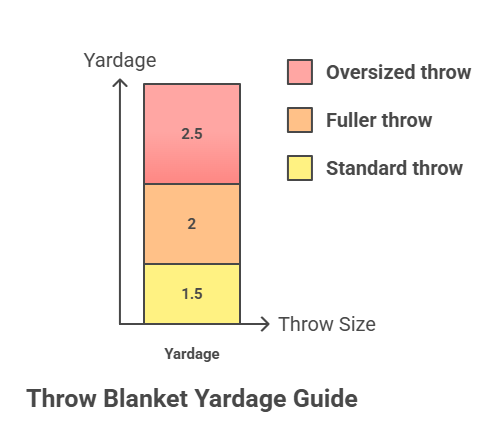
One yard of fleece measures 36 inches. Ordinarily, fleece cuts are taken from rolls of widths between 54 and 60 inches. This is basically a generous cut weightwise, for those projects that entail working on single layers, such as scarves, pillow cases, or small fleece throws. The bigger the project-oversized fleece blanket or wearable fleece-the larger yardage will be required.

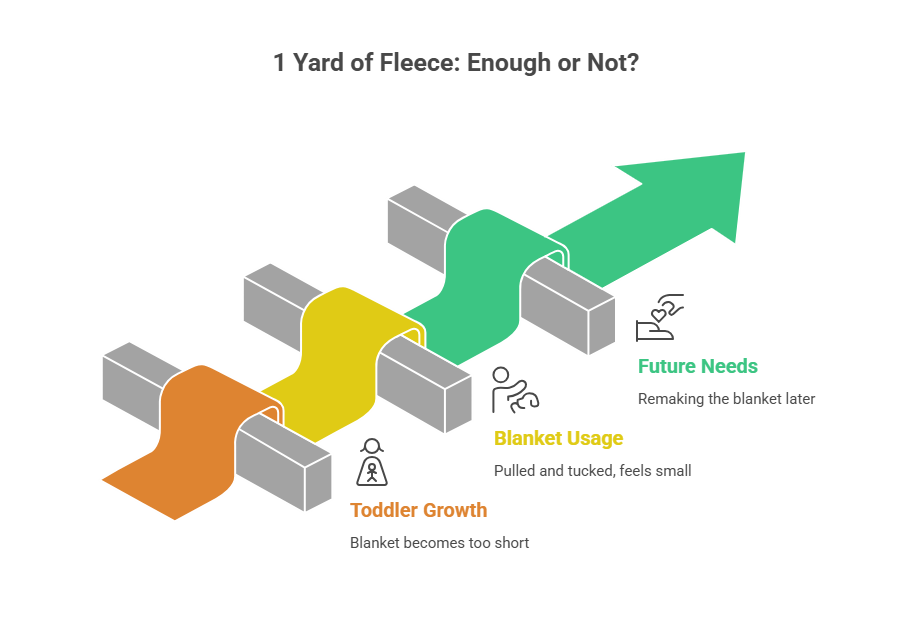
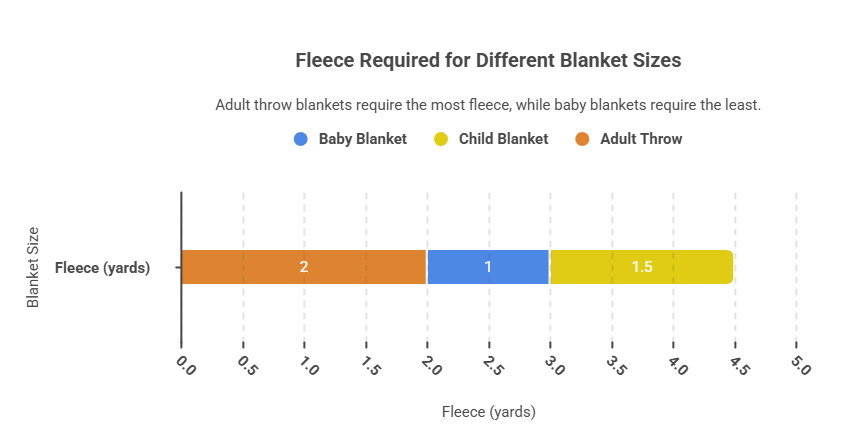
Depending upon the applications one might require different amounts of fleece. One yard would probably be enough for baby blankets, whereas it would generally take two yards for a twin-size blanket. Such considerations become very important while making plans and setting budgets, especially when a person might be in dire need of buying huge amounts of fleece blankets for purposes in the line of resale, gifting, or donation.

Average Cost Per Yard of Fleece Fabric

Fleece will have different values for many reasons, but normally fleece sells between $4 and $15 per yard in retail outlets. Here is a breakdown of price ranges for fleeces:

• Low Range Fleece (Basic Solid Fleece): $3.99-$6.99/yard

• Medium Range Fleece (Printed or Patterned Fleece): $7.99-$11.99/yard

• High Range Fleece (Luxury or Specialty Fleece): $12.99-$20/yard

Obviously, wholesale fleece blanket down price per yard compared to retail price. Wholesale prices for fleece fabric are offered from thrift stores and manufacturers of fleece blankets anywhere from $2.50 to $5 per yard, depending on the quality, quantity, and customization options.

Factors Affecting Price of Fleece Yardage

1. Fabric: Anti-pill fleece sells at a higher price due to longer durability and finer texture after multiple washes.

2. Thickness/Weight: The heavier fleece is measured with GSM (grams per square meter); hence, the heavier fleece is more expensive.

3.Design and Color: Solid-colored fleece is usually less expensive than prints or character-licensed designs. Any customization on prints tends to add to the cost.

4.Brand and Retailer: It might be a boutique craft store charging an extra charge. The local fabric warehouse or online wholesaler, in particular, when it is a bulk purchase, might carry more competitive prices.

5.Quantity: This is of paramount factor. Sometimes the price per yard for fleece is quite different when buying wholesale for fleece blankets. Bulk orders sometimes also come with shipping discounts on a per yard basis.

Why Bulk Buyers Should Think Beyond the Yard

Below are all the growth factors to consider when buying fleece by the yard or buying fleece blankets in bulk:

While it is imperative to know the price of fleece per yard, bulk buyers have larger considerations. Are you going to manufacture at least 50 blankets as a fundraiser or for an event or business? Then you win on every fight of value by buying the complete set of fleece blankets instead of the fabric itself.

Bulk buying means less cutting, measuring, and sewing, unless it concerns a custom job. Many suppliers nowadays stock ready-to-ship fleece blankets that require no further packaging. Some even offer branding or embroidery.

Let us say you pay $7 for a yard of fleece; it costs $14 in raw materials for two yards for one full-sized blanket, without wage or tools. Retailers sell finished fleece blankets in bulk at $8-$12 per piece. So, a lot of the time, bulk-buying is better in the savings of effort, time, and overhead.

Where to Buy Fleece and Fleece Blankets in Bulk

Sources for fleece fabric by the yard or bulk sale of pre-made fleece blankets include:

•Online Wholesalers: Tiered pricing can be found on Fabric.com, in the bulk order section of JOANN, and other sites for textile-specific vendors.

•Local Distributors: Regional distributors would probably offer much better prices on bulk orders and would also let you see the fabric beforehand.

•Manufacturers & Importers: For 1000+ pieces, it is best to contact manufacturers directly for making wholesale deals on fleece blankets.

•Craft Stores (Retail): Working well for sampling but not so well for large volume requirements, price-wise.

DIY vs Bulk: Which Is Better for You?

Material-wise, fleece at retail outlets sells for around $5 to $15 per yard. Wholesale, it is cheaper, ranging from $2.50 to $5 per yard. But that is just the beginning of your whole decision-making course.

Depending on the enormity of your project, its purposes, and the required effort, the question really asks whether your time or your money is more precious to you. For large orders, the convenience and savings offered by ordering fleece blankets in bulk tend to outweigh the joy of crafting each piece from scratch. And, in truth, when winter sets in, and your community needs warmth, being able to call it a cozy investment would be knowing you have a heap of high-quality wholesale fleece blankets ready and waiting for you.

How Much Does Fleece Cost?

1 Aug

If you have ever just wandered aimlessly into a fabric store or flipped through an online catalog, there-aligns most likely-lies fleece in abundance-from winter pre-jackets to baby blankets to DIY projects. But for the crafter or seller, the cake-eating question is: How much does fleece really cost? The answer definitely remains an assortment of answers rather than a definite one. At least four factors determine fleece price: quality, weight, kind, and quantity-it also refers to whether we’re talking fleece blanket wholesale or not. Below follows an insight as to fleece prices and what it truly means to buy smart wholesale.

What Is Fleece and Why Is It Popular?

Fleece defines itself as a downy, synthetic fabric made mostly from polyester. Lightweight, warm, and breathable are words associated with the fabrics. First made to serve as an alternative to wool, fleece essentially went swimming in fashion and textile industries as it is warm and insulates, has water resistance, and dries quickly. For anyone allergic to wool or vegan alternative seekers, fleece became a preferred name in the trade.

Today fleece, with all such qualities, finds use in blankets, outerwear, pet beds, etc. And because it is cheap especially when bought in bulk, the fabric is a popular choice for many manufacturers and hobbyists.

Understanding the Cost of Fleece

Pricing of fleece varies depending on whether it is sold by the yard, by the roll, or in finished formats such as blankets. Retail fabric shops usually price the fleece at $5 to $20 per yard, depending on the quality and brand. Specialty fleece such as the anti-pill or plush varieties would be of the higher end of that spectrum.

In domestic fleece blanket wholesale, the price structure changes entirely: the more the number bought one-time, the lower its price goes down into smaller amounts per unit.

For example:

•Basic polar fleece blankets (50″x60″) may be about $2 to $4 apiece in wholesale amounts.

•Fancier fleece throws for anti-pill treatment or just a little extra thickness could run from $5 to $10 apiece.

•Custom-printed or branded fleece blankets may even go higher with additional costs introduced on production and design.

Factors That Affect Fleece Pricing

In regards to fleece whether as fabric or as wholesale fleece blanket, there are some key price determinants:

1. Weight of the Fabric (GSM):

Here, the GSM stands for grams per square meter and it says how heavy and thick the fleece material is. Light fleece weighing around 150–200 GSM is cheaper than a heavyweight of over 300 GSM that keeps one warm and lasts longer.

2. Fabric Finish:

Certain type of anti-pilling fleece regains its color and smoothness even post washes, thus costing more than your usual fleece. Double-faced or plush finish also commands a high price.

3. Brand and Source:

Depending on reputed suppliers of fleece, prices may be higher but certainly will uphold the quality and reinforce quality consistency; whereas source overseas can keep cost lower but will need to be thoroughly vetted for any possible quality issues.

4. Customization:

Custom embroidery, screen printing, or special dyeing for fleece blankets will add to the cost of production but lend value, especially for corporate gifts, schools, or events.

5. Order Volume:

As in most purchases in wholesale domain, the more the number you order, the less is the price for a single unit. Usually, suppliers have a couple of pricing tiers on offer- say 100 pieces under one tariff, another tariff for 500 pieces, and the lowest tariff, i.e., 1000 pieces.

Why Buy Fleece Blankets Wholesale?

Whether you run a hotel or deal with corporate giveaways or charity work, a wholesale fleece blanket order can be a great asset. Cost-effectiveness, consistent quality, and ease of bulk logistics are offered by wholesale fleece blankets. Sometimes, during the annual cold months or emergency situations, bulk fleece purchases are a preferred method for donation drives and relief distribution.

Going wholesale also allows branding and customization. Businesses use blankets to emblazon their logos and reflect brand colors, or personalizations may be made as gifts for staff and clients. And since fleece manufacturing cost is lower, this gives ample margin to any reseller or Etsy shop owner interested in creating value with custom packaging and branding.

Where to Buy Wholesale Fleece Blankets?

Some reliable suppliers and platforms allow you to purchase fleece blankets in bulk:

• Alibaba and Global Sources: Suitable for large, international orders, especially if you are considering private-label manufacturing.

• U.S. Wholesalers: U.S. companies such as DollarDays, Blankets4Less, and Promotional Blankets sell fleece products with a lower MOQ than Chinese suppliers and faster shipping.

• Craft Supply Chains: Some distributors of fabrics also wholesale finished fleece blankets, in addition to fleece fabric by the bolt.

Before committing, samples must be requested, customer reviews must be checked, and delivery timelines must be compared to make sure that investment is worthwhile.

Is Fleece Budget-Friendly?

So, how much does fleece cost? A buyer for the yardage meant for his personal use will pay in that range from $5 to $20 per yard. Wholesale fleece blankets, on the contrary, may set prices anywhere between $3 to $6, depending on the number required together with the demands for customization.

Whether for your next project, a dormitory outfitting, or for winter stock piling, fleece is an excellent marriage of price and utility. Weight, quality, and supplier reputation should be taken into consideration at least.

Well, if warmth, softness, and savings are what you seek, fleece answers all of them.